Fatty liver and obesity are two health problems that are closely connected. When you have a lot of body fat, fat can also build up inside your liver. Over time this can cause inflammation and scarring in your liver. Dr. Nikunj Jain, best gastroenterologist in Indore, says that managing obesity is very important for improving your metabolic health and reducing the stress on your liver. For some people who cannot lose weight and keep it off with surgical methods, bariatric or metabolic surgery might be an option as part of a comprehensive treatment plan.
Fatty liver that is linked to metabolic problems is now commonly called dysfunction-associated steatotic liver disease or MASLD. Obesity and type 2 diabetes are two risk factors for this condition.
Table of Contents
How Are Fatty Liver and Obesity Connected?
Your liver normally has an amount of fat in it. However when too much fat builds up it can affect your liver’s health. People who are overweight or obese are more likely to get liver especially if they also have conditions like diabetes, high cholesterol or high blood pressure.
You might not even notice any symptoms of liver in its early stages. This means you could have the condition without realizing it. If the inflammation continues it can eventually cause scarring or serious liver damage.
Can Losing Weight Improve Fatty Liver?
Yes, losing weight is a part of treating fatty liver. According to the National Institute of Diabetes and Digestive and Kidney Diseases, losing 3% to 5% of your body weight can help reduce the fat in your liver. If you want to improve inflammation and scarring you might need to lose weight.
Eating healthy, exercising regularly and making sustainable lifestyle changes are all essential for treatment. However, losing a lot of weight and keeping it off can be difficult for some people with obesity. This is where medical or surgical weight management might be considered after an evaluation.
When Can Bariatric Surgery Be Considered?
Bariatric surgery is not just for people with fatty liver. It might be an option when someone meets the criteria for obesity surgery and has not been able to lose weight and keep it off with -surgical methods.
Current guidelines recommend surgery for people with a BMI of 35 kg/m² or higher regardless of whether they have other obesity-related health problems. It might also be an option for people with a BMI between 30 and 34.9 kg/m² if they have metabolic disease or if non-surgical methods have not worked. A qualified medical team must always assess each person’s eligibility.
How Can Weight Loss Surgery Help Fatty Liver?
Bariatric surgery mainly treats obesity, not fatty liver directly. However the significant weight loss that can follow surgery can improve obesity-related health problems.
For patients weight loss after bariatric surgery can help:
Reduce excess fat stored in the liver
Improve metabolic health
Support better blood sugar control
Improve some obesity-related conditions
Reduce factors that contribute to fatty liver progression
Organizations that specialize in liver and bariatric surgery have reviewed the evidence. Found that bariatric surgery can improve fatty liver disease in people who already have indications for weight loss surgery. However it is not recommended as a treatment for fatty liver.
Which Surgical Options May Be Considered?
Sleeve Gastrectomy: This involves removing a part of the stomach and creating a smaller sleeve-shaped stomach. This limits the amount of food you can eat and affects hormones that control hunger and metabolism.
Gastric Bypass: This creates a stomach pouch and changes the route food takes through the digestive system. It can support weight loss and produce metabolic changes that may benefit people with obesity-related health conditions.
The suitable procedure depends on factors like BMI, eating habits, existing medical problems, previous surgeries and overall health. Dr. Nikunj Jain, best bariatric surgeon in Indore, can assess these factors before discussing which surgical approach might be suitable.
Surgery Is Not the End of the Treatment
Having surgery requires a long-term commitment. Patients need to follow guidance, stay physically active and attend regular medical follow-ups. They may also need to take supplements and have routine blood tests depending on the type of surgery. Weight loss surgery should be seen as a tool that supports long-term lifestyle changes, not a fix.
Who May Not Be Suitable for Surgery?
Not everyone with obesity or fatty liver needs surgery. People with obesity might be able to improve their health through lifestyle changes and medical treatment. Patients with liver disease or other major health concerns may need to be evaluated by a gastro specialist near you before surgery is considered.
A detailed assessment may include liver function tests, imaging, metabolic health evaluation and other investigations based on the patient’s condition.
Fatty liver and obesity often occur together. Controlling excess weight is an important step towards improving liver and metabolic health. While lifestyle changes are essential, bariatric or metabolic surgery may provide another treatment option for selected patients with obesity who meet the surgical criteria.
Conclusion
Obesity is a complex health condition that requires the right evaluation and a personalised approach. When lifestyle changes and non-surgical methods do not provide sustainable results, bariatric surgery can be considered as a safe and effective option for suitable candidates.
Consulting an experienced bariatric surgeon helps you understand your condition, available treatment options, and the most appropriate solution for your health goals. Dr. Nikunj Jain, Bariatric & Laparoscopic Surgeon in Indore, provides comprehensive evaluation and personalised treatment plans to support your journey towards a healthier life.
FAQ’s
Q1. Can obesity cause fatty liver?
Obesity is an important risk factor for metabolic dysfunction-associated steatotic liver disease. Excess body fat and associated metabolic problems can contribute to fat accumulating in the liver.
Q2. Can weight loss improve fatty liver?
Yes. Weight loss can help reduce liver fat and may also improve inflammation and other metabolic risk factors. The amount of improvement varies from person to person.
Q3. Is bariatric surgery a treatment for fatty liver?
No. Bariatric surgery is primarily a treatment for obesity. In eligible patients, the weight loss and metabolic improvements following surgery may also improve fatty liver disease.
Q4. Does every obese person with fatty liver need surgery?
No. Many people can manage their condition through diet, exercise, medical care and structured weight management. Surgery is considered only for suitable patients who meet the appropriate criteria.
Q5. What are the types of bariatric surgeries available?
Common procedures include sleeve gastrectomy and gastric bypass. The right option depends on your health, BMI, and medical evaluation.
Q6. Can sleeve gastrectomy help people with fatty liver and obesity?
Sleeve gastrectomy can support significant weight loss in appropriately selected patients. Weight reduction may, in turn, help improve obesity-related metabolic conditions, including fatty liver.
Q7. How do I know if I am eligible for bariatric surgery?
Eligibility depends on factors including BMI, obesity-related health conditions, previous attempts at weight loss and overall medical health. A bariatric surgeon should assess your individual situation.
Q8. Will fatty liver completely disappear after bariatric surgery?
Improvement is possible, particularly with sustained weight loss, but results cannot be guaranteed. The response depends on the stage of liver disease, metabolic health and long-term lifestyle habits.
Q9. Is bariatric surgery performed laparoscopically?
Many commonly performed bariatric procedures can be carried out using minimally invasive laparoscopic techniques, depending on the patient’s condition and the surgeon’s assessment.
Q10. Who should I consult for bariatric surgery in Indore? Consult an experienced bariatric surgeon like Dr. Nikunj Jain for proper evaluation and a personalised treatment plan.
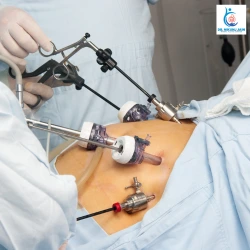
Surgery can sound scary, but many abdominal conditions can be treated safely with laparoscopic surgery, also known as keyhole or minimally invasive surgery. In this procedure, the surgeon makes a few small incisions and uses a tiny camera and special surgical instruments to perform the operation.
Dr. Nikunj Jain, best laparoscopic surgeon in Indore, says whether you need this surgery depends on your problem, symptoms, overall health and treatment needed. Laparoscopy can help find and fix some stomach issues.
Compared to open surgery this approach often means smaller cuts, less pain and a quicker recovery. Results can vary depending on the procedure and person.
Table of Contents
What Is Laparoscopic Surgery?
This surgery is done through cuts in the stomach. A thin tool with a camera called a laparoscope helps the surgeon see organs on a monitor. Other small tools are inserted through cuts to do the procedure. This technique is often used for stomach operations. It can help avoid a surgical cut.
When Might Laparoscopic Surgery Be Needed?
Gallbladder Problems
If you have gallstones or repeated gallbladder attacks surgery might be suggested to remove the gallbladder. Laparoscopic cholecystectomy is often used for patients with gallstones.
Symptoms of gallbladder problems include stomach pain, nausea, vomiting or repeated discomfort. Your doctor might suggest tests before deciding on surgery.
Hernia
A hernia happens when tissue or an organ pushes through a spot in the stomach wall. Some hernias cause swelling, discomfort or pain that gets worse when lifting, coughing or being active.
Hernias that need repair might be treated with open, laparoscopic or robotic surgery. This depends on the hernias location and size, previous treatment, the patient’s health and the surgeon’s assessment.
Appendicitis
Appendicitis is inflammation of the appendix. It can cause stomach pain, nausea, vomiting or fever. Laparoscopy can help diagnose and treat appendicitis in some cases.
Appendicitis can become serious if complications develop. Sudden or worsening stomach pain should not be ignored.
Weight Loss Surgery
For some people with obesity, lifestyle changes and medical treatment might not work. After a health check weight loss surgery might be considered.
Many weight loss procedures can be done laparoscopically. This approach might mean less pain, shorter hospital stays and a quicker return to work.
Persistent or Unexplained Abdominal Problems
Sometimes people have stomach pain or symptoms that tests can’t explain.
In some cases diagnostic laparoscopy lets the surgeon directly examine stomach organs.
It might also be possible to treat a problem during the procedure.
However not every case of stomach pain needs laparoscopy. Your doctor will consider your symptoms, examination and test results before suggesting it.
Why Is Laparoscopic Surgery Often Preferred?
Laparoscopic surgery has advantages. These include:
No surgical cuts and scars
Less pain in procedures
Shorter hospital stays in some cases
Faster return to activities
Lower wound complication rates for certain operations
The exact benefits depend on the surgery type and the patients condition.
Is Laparoscopic Surgery Right for Everyone?
Laparoscopic surgery is commonly used to treat many abdominal conditions, but it may not be suitable for every patient. The choice of surgical approach depends on several factors, including the type and complexity of the condition, previous abdominal surgeries, overall health, and findings during the procedure.
In some cases, a surgery that begins laparoscopically may need to be converted to open surgery if the surgeon feels it is safer or necessary to complete the operation effectively.
Like any surgical procedure, laparoscopic surgery also carries certain risks, such as bleeding, infection, or injury to nearby organs and blood vessels. However, careful evaluation and proper surgical planning can help reduce these risks.
Conclusion
Laparoscopic surgery may be recommended when a condition cannot be effectively managed with medicines or other non-surgical treatments. Common conditions treated through laparoscopic techniques include gallbladder disease, hernia, appendicitis, and severe obesity requiring bariatric surgery.
If you are experiencing persistent abdominal symptoms or have been advised to consider surgery, a proper medical evaluation is important. Dr. Nikunj Jain can assess your condition and guide you on whether laparoscopic surgery or another treatment option may be more suitable for you.
FAQ’s
Q1. What is laparoscopic surgery?
Laparoscopic surgery is a minimally invasive technique in which a surgeon performs an operation through small incisions using a camera and specialised surgical instruments.
Q2. How do I know if I need laparoscopic surgery?
You may need it if you have a condition that requires surgical treatment and can safely be managed using a minimally invasive approach. Your surgeon will decide after examining you and reviewing your tests.
Q3. Which conditions can be treated with laparoscopic surgery?
Laparoscopy is commonly used for procedures involving conditions such as gallbladder disease, hernias and appendicitis, as well as selected bariatric and other abdominal operations.
Q4. Is laparoscopic surgery better than open surgery?
Neither method is best for every patient. Laparoscopic surgery can offer benefits such as smaller incisions and faster recovery for certain procedures, while open surgery may be safer or more suitable in other situations.
Q5. Can hernia surgery be done laparoscopically in Indore?
Yes, some hernias can be repaired laparoscopically. The appropriate technique depends on the type, size and location of the hernia, previous repairs and the patient’s overall condition.
Q6. What should I discuss with a laparoscopic surgeon before surgery?
Before surgery, discuss your symptoms, medical history, previous operations, current medications, test results, expected benefits, possible risks, recovery time, and whether laparoscopic surgery is the most suitable option for your condition.
Q7. How long does recovery take after laparoscopic surgery?
Recovery depends on the operation performed and your overall health. Many people return to routine activities sooner than after comparable open procedures, but your surgeon’s recovery instructions should always be followed.
Q8. Is laparoscopic surgery painful?
Some discomfort is expected after any surgery. However, smaller incisions used in laparoscopic procedures may result in less postoperative pain for certain operations compared with open surgery.
Q9. Can laparoscopic surgery turn into open surgery?
Yes. Sometimes a surgeon may need to convert a laparoscopic operation to open surgery if it becomes necessary for safety or to complete the procedure properly.
Q10. Where can I consult for laparoscopic surgery in Indore?
You can consult an experienced laparoscopic surgeon in Indore for a detailed examination, diagnosis and personalised discussion about the most suitable surgical approach.
A hiatus hernia is a condition that affects the digestive system. It happens when the upper part of the stomach pushes up into the chest area through the diaphragm. Some people do not even notice it at first but for others it can cause acidity or heartburn. Dr. Nikunj Jain, best hernia doctor in Indore, says that when people get heartburn or reflux symptoms over and over they need to get checked.
Table of Contents
What Is A Hiatus Hernia?
The diaphragm is a muscle that separates the chest from the stomach. It has a hole that lets the food pipe pass through. In a hiatus hernia part of the stomach slips through this hole. This can cause problems with the barrier between the stomach and the food pipe letting acid move up.
There are two main types of hiatus hernia:
Sliding hiatus hernia: This is the more common type. It can cause acid reflux symptoms because part of the stomach slides up through the diaphragm.
Paraesophageal hernia: This type is less common but can be more serious. Part of the stomach remains pushed up into the chest, which may lead to complications.
Small hiatus hernias often do not cause any symptoms. However, larger hernias may require medical evaluation and treatment.
Common Symptoms Of Hiatus Hernia
The symptoms of a hiatus hernia can feel like acidity or heartburn. This is why people often take antacids without knowing what is really wrong.
Common symptoms include:
Heartburn after eating or when lying down
A sour or bitter taste in the mouth
Bloating a lot
Chest burning or discomfort
Food or liquid coming back up
Trouble swallowing
Feeling like food is stuck
Feeling sick after eating
A chronic & Sore throat
Bad breath from reflux
Some people feel worse after eating spicy food, big meals, tea, coffee, fried food or dinner late at night. Symptoms can also get worse when bending, sleeping flat or lying down after eating.
When Should You Not Ignore The Symptoms?
It is normal to get heartburn because of what we eat. If it keeps happening we should not ignore it. If symptoms are affecting sleep, appetite or daily life it is an idea to see a specialist. If someone has trouble swallowing vomited blood, has stools, loses weight without trying, has severe chest pain or vomits a lot they need to see a doctor right away.
If acid reflux happens for a long time it can irritate the food pipe and cause problems. This is why we need to find out what is wrong with just taking medicine to feel better for a little while.
How Is Hiatus Hernia Diagnosed?
To diagnose a hiatus hernia the doctor will first talk to the patient about their symptoms, eating habits, medical history and when the reflux happens. The doctor may order tests like a GI endoscopy, barium swallow test, pH study or manometry. These tests help the doctor understand how big the hernia is, how bad the acid reflux is and how well the food pipe is working.
A proper diagnosis helps the doctor decide if the patient needs medicine, lifestyle changes or surgery.
Lifestyle Changes And Medical Treatment
Not everyone with a hiatus hernia needs surgery.
In some cases, symptoms can be managed with lifestyle changes and medicine.
Eating meals on time, avoiding late-night meals, limiting spicy and oily foods, maintaining a healthy weight, and sleeping with your head elevated can help reduce acid reflux symptoms.
Medicine can help control acid production and heal the food pipe.Medicine does not fix the hernia. If symptoms come back or if the hernia is big the doctor may talk about surgery.
When Is Surgery Needed?
Surgery may be needed if acid reflux is severe, medications are not providing enough relief, swallowing becomes difficult, the hernia is large, or there is a risk of complications. It may also be considered for patients who prefer not to take long-term medication, after a thorough evaluation by the doctor.
Hiatus hernia surgery is usually performed using a laparoscopic method. During the procedure, the stomach is moved back into its normal position, the opening in the diaphragm is repaired, and steps are taken to reduce acid reflux into the food pipe. Laparoscopic surgery is performed through small, minimally invasive incisions rather than deep cuts, which can help reduce pain, support faster recovery, and shorten the hospital stay.
Recovery After Hiatus Hernia Surgery
Recovery depends on the patient’s age, the size of the hernia, overall health, and the type of surgery performed. After surgery, patients are usually advised to start with liquids and soft foods for a short period. Eating slowly, chewing food properly, taking small meals, and avoiding heavy, spicy, or oily foods can help support a smoother recovery.
Some temporary bloating, trouble swallowing or discomfort may happen at first. It usually gets better with time and the right guidance. Regular check-ups help ensure healing and better long-term results.
Conclusion
A hiatus hernia may seem like heartburn but repeated symptoms should not be ignored. If heartburn reflux, chest burning, trouble swallowing or bloating keeps happening a proper diagnosis can help find the cause. With the treatment plan many patients can get relief and improve their quality of life. For evaluation and suitable surgical guidance Dr. Nikunj Jain, best hernia doctor in Indore, can help patients understand the best treatment option, for hiatus hernia and acid reflux.
FAQ’s
Q1. What is a hiatus hernia? A hiatus hernia happens when the upper part of the stomach pushes upward through the diaphragm into the chest area. It can cause acidity, heartburn and reflux symptoms.
Q2. What are the common symptoms of hiatus hernia? Common symptoms include heartburn, chest burning, sour taste in the mouth, burping, bloating, regurgitation, throat irritation and difficulty swallowing.
Q3. Is hiatus hernia the same as acidity? No. Acidity can happen for many reasons, but hiatus hernia may cause repeated acid reflux because the stomach position affects the natural acid barrier.
Q4. Can hiatus hernia go away on its own? A hiatus hernia usually does not go away on its own. Small hernias may be managed with medicines and lifestyle changes, but larger or severe cases may need surgery.
Q5. When should I see a doctor for hiatus hernia symptoms? You should consult a doctor if acidity, heartburn, chest burning, food regurgitation or swallowing difficulty keeps coming back despite medicines or lifestyle changes.
Q6. Can a hiatus hernia cause chest pain? Yes. A hiatus hernia can sometimes cause chest discomfort or a burning sensation, especially after meals or while lying down. However, chest pain can have other causes too, so it is important to get it properly evaluated by a doctor.
Q7. Is surgery always needed for hiatus hernia? No. Surgery is not needed for every patient. It is usually considered when symptoms are severe, medicines do not give lasting relief, or the hernia is large.
Q8. What is laparoscopic hiatus hernia surgery? Laparoscopic surgery is a minimally invasive procedure where small cuts are used to bring the stomach back to its correct position and repair the hernia opening.
Q9. How long does recovery take after hiatus hernia surgery? Recovery varies from person to person. Many patients recover faster with laparoscopic surgery, but diet changes, rest and follow-up care are important after surgery.
Q10. Where can I consult for hiatus hernia treatment in Indore? For proper diagnosis and treatment planning, you can consult Dr. Nikunj Jain for hiatus hernia treatment in Indore.
Obesity is not about being overweight. It can slowly damage your heart, liver, joints, digestion, sleep, hormones and overall quality of life. Many people delay seeing a doctor because they think obesity is a lifestyle problem. Dr. Nikunj Jain, best bariatric surgeon in Indore, says obesity is a health condition that needs attention especially when it starts affecting your comfort, movement, breathing or medical reports.
Table of Contents
Why Obesity Is More Than Extra Weight
When you have a lot of fat it can disturb your body’s normal functions.
It can cause inflammation, affect how your body uses energy and put pressure on your organs.
The risk gets bigger when you have weight for a long time or keep gaining weight.
The CDC says obesity is linked to lasting changes in your body and many serious health problems.
Obesity does not always show warning signs at first. You may feel fine for years. Your blood pressure, sugar levels, cholesterol or liver fat may already be increasing. That’s why regular checkups are important.
1. Type 2 Diabetes
One of the common health risks of obesity is type 2 diabetes. Excess body fat can make it harder for your body to use insulin properly. Over time your blood sugar levels may rise. Many people first find out they have this problem during a blood test.
Diabetes can affect your eyes, kidneys, nerves, heart and how well your wounds heal. If you have obesity and diabetes the risk of complications gets higher.
2. High Blood Pressure And Heart Disease
Obesity can make your heart work harder. It can increase your blood pressure, cholesterol imbalance and the risk of heart disease. The American Heart Association says obesity directly contributes to risk factors like high blood pressure, type 2 diabetes, cholesterol problems and sleep disorders.
Watch out for warning signs like chest discomfort, breathlessness when you do activity swelling in your legs or extreme tiredness. These symptoms need evaluation.
3. Fatty Liver Disease
Fatty liver is becoming common in people with obesity. It happens when extra fat collects in your liver. Fatty liver may not cause pain or obvious symptoms. If ignored, it can lead to liver inflammation and scarring.
If you have obesity, diabetes, high cholesterol or belly fat you should be more careful about your liver health. Simple tests like liver function tests, ultrasound or FibroScan can help.
4. Sleep Apnea And Breathing Problems
Obesity can affect your sleep and breathing. Some people snore loudly, wake up tired, feel sleepy during the day or have disturbed sleep. This can happen because of sleep apnea, where breathing stops or becomes irregular during sleep.Poor sleep can also increase hunger, tiredness and weight gain creating a cycle.
5. Joint Pain And Mobility Issues
Extra weight puts pressure on your knees, hips, ankles and lower back. Over time this can lead to pain, stiffness and difficulty walking, climbing stairs or exercising. Many people reduce activity because of pain and reduced movement can further increase weight.
Joint pain due to obesity should not be managed with painkillers. Weight management, physiotherapy, lifestyle changes and medical guidance can help reduce pressure on your joints.
6. Digestive Problems And Acidity
Obesity can increase the chances of acidity, reflux and digestion-related discomfort. Belly fat can put pressure on your stomach. Push acid upwards causing burning in your chest, sour burps or throat irritation.
If acidity becomes frequent, affects sleep or comes with vomiting, difficulty swallowing or weight loss you should see a specialist.
7. Increased Surgical And Recovery Risks
Obesity can make some surgeries more complex. It can increase the risk of anesthesia-related issues, wound infection, delayed healing and breathing problems after surgery. This does not mean surgery cannot be done. It means proper evaluation and planning become more important.
For some patients with obesity and obesity-related health problems weight-loss surgery may be discussed when lifestyle changes alone are not enough. The decision should always be taken after a consultation.
When Should You Seek Advice?
You should consult a doctor if your weight is increasing continuously, your BMI is high, you have belly fat, diabetes, high blood pressure, fatty liver, sleep problems, joint pain or breathlessness.
You should also seek help if repeated dieting has failed and weight is affecting your health or confidence.
Early advice can help prevent complications. Treatment may include diet correction, activity planning, medical management, investigations or surgery in selected cases.
Conclusion
Obesity should not be ignored because it can silently affect parts of your body. The good news is that timely action can reduce risks and improve health. Dr. Nikunj Jain, best weight loss doctor in Indore, recommends that people dealing with obesity-related health issues should not wait for complications to become serious. A proper medical evaluation can help you understand your condition and choose the path toward better health.
FAQ’s
Q1. What are the common health risks of obesity? Obesity can increase the risk of diabetes, high blood pressure, heart disease, fatty liver, sleep apnea, joint pain, acidity and breathing problems.
Q2. Can obesity affect digestion? Yes, obesity can increase pressure on the stomach and may lead to acidity, acid reflux, bloating and digestion-related discomfort.
Q3. When should I consult a doctor for obesity? You should consult a doctor if weight gain is affecting your health, sleep, movement, breathing, sugar levels, liver health or blood pressure.
Q4. Can obesity cause fatty liver? Yes, excess body fat can lead to fat build-up in the liver. Fatty liver may not show symptoms early, so timely tests are important.
Q5. Is obesity linked to diabetes? Yes, obesity can make the body less responsive to insulin, which may increase the risk of type 2 diabetes over time.
Q6. Can weight loss improve obesity-related health problems? Yes, even healthy and gradual weight loss can help improve blood pressure, sugar levels, sleep, joint pressure and overall energy.
Q7. Is surgery always needed for obesity treatment? No, surgery is not needed for every patient. Treatment depends on BMI, health problems, lifestyle history and medical evaluation.
Q8. Who can guide me for obesity-related health issues in Indore? For obesity-related digestive, metabolic or surgical concerns, you can consult Dr. Nikunj Jain in Indore for proper evaluation and treatment guidance.
Q9. Can obesity make surgery risky? Yes, obesity may increase the risk of anesthesia issues, wound healing problems and breathing concerns. Proper planning helps reduce these risks.
Q10. Why should obesity not be ignored? Obesity can silently affect the heart, liver, joints, digestion and sleep. Dr. Nikunj Jain advises timely consultation in Indore to prevent serious complications.
Gastric bypass is one of the best surgeries for people who have a lot of weight to lose and health problems because of it. Many patients who meet Dr. Nikunj Jain for a consultation ask one question first: “How much weight can I actually lose after gastric bypass?” The answer depends on how much you weigh your BMI, how you live, what you eat, how active you are and if you follow doctors advice.
Table of Contents
What is a Gastric Bypass?
Gastric bypass is not a fix or a cosmetic procedure. It is a surgery that changes how your stomach and small intestine handle food. During the procedure a small stomach pouch is connected to a part of the small intestine. This helps you feel full with meals and also changes hunger and fullness signals in the body.
Most patients lose a lot of their weight within the first 12 to 24 months after gastric bypass. According to the American Society for Metabolic and Bariatric Surgery patients may lose up to 60% of weight by six months and around 77% of extra weight as early as 12 months after surgery. Mayo Clinic also notes that gastric bypass can help patients lose about 70% or more of weight within two years depending on lifestyle and individual factors.
For example if a person has 50 kg of weight, losing 60% of extra weight means losing around 30 kg. This number can vary from person to person.
What Happens in the First Months?
Weight loss is usually faster in the first few months after surgery because food intake is limited and the body starts using stored fat for energy.
The diet is slowly planned in stages, starting with liquids, then soft foods and gradually moving to balanced meals.
Many patients notice changes within 3 to 6 months, such as loose clothes, better energy, easier movement and reduced body heaviness.
During this phase, protein intake, hydration, vitamin supplements and regular follow-ups are very important.
By one year, many patients achieve good weight loss and health problems like diabetes, high BP, sleep apnea, joint pain and fatty liver may improve.
Gastric bypass gives a good start, but long-term success depends on mindful eating, physical activity and avoiding high-calorie foods, sugary drinks and frequent snacking.
Can Weight Come Back After Gastric Bypass?
Some weight gain can happen after a year especially if lifestyle habits are not maintained. Studies show that long-term weight loss can remain strong after bypass but some patients may regain part of the weight they lost over time.
Research has shown that many patients still maintain weight loss even 10 years after Roux-en-Y gastric bypass. This is why follow-up care is so important. Weight regain does not always mean surgery has failed.
It may happen because of increased calorie intake, reduced activity, emotional eating, lack of protein, poor sleep or missed follow-ups.
Your final weight loss depends on things. These include:
Your starting BMI
Age
Medical conditions
Eating pattern
Physical activity
Hormonal health
How well you follow the surgery plan
Important habits after gastric bypass include:
Protein-rich meals
Controlled portions
Avoiding sugary foods
staying active
Vitamin and mineral supplements are also necessary because the body may absorb some nutrients differently after surgery.
Is Gastric Bypass Right for Everyone?
Gastric bypass may be recommended for people struggling with obesity, especially when it is linked with diabetes, high blood pressure, sleep apnea, fatty liver or joint problems.
However, this surgery is not suitable for every patient.
A proper medical evaluation is needed before deciding on gastric bypass surgery.
The surgeon checks factors like BMI, health history, current medicines, eating habits, past weight loss attempts and readiness for lifestyle changes.
The main goal is not just weight loss, but safe improvement in overall health.
Many patients may lose around 60% to 70% or more of their excess weight within 1 to 2 years, but results differ from person to person.
The best results come when surgery is combined with healthy eating, regular activity, proper supplements and long-term medical follow-up.
Conclusion
Dr. Nikunj Jain, best gastro surgeon in Indore, explains that gastric bypass surgery can be a life-changing treatment option for people struggling with severe obesity and obesity-related health problems. It may help patients achieve meaningful weight loss and can also support better control of conditions like type 2 diabetes, high blood pressure, sleep apnea, fatty liver and joint pain.
However, gastric bypass is not just a surgery; it is the beginning of a long-term health journey. The best results are seen when patients follow a proper diet plan, stay physically active, take recommended supplements and continue regular medical follow-ups. With expert guidance, disciplined lifestyle changes and the right post-surgery care, gastric bypass surgery in Indore can help patients move toward better health, improved confidence and a better quality of life.
FAQ’s
Q1. How much weight can you lose after gastric bypass? Many patients may lose around 60% to 70% or more of their excess weight within 1 to 2 years after gastric bypass. However, the result depends on BMI, diet, activity level, health condition and follow-up care.
Q2. Is gastric bypass surgery only for weight loss? No. Gastric bypass is not just for weight loss. It may also help improve obesity-related health problems such as type 2 diabetes, high blood pressure, sleep apnea, fatty liver and joint pain.
Q3. Who can consider gastric bypass surgery in Indore? People with severe obesity, high BMI or weight-related health problems may consider gastric bypass surgery in Indore after proper evaluation by a qualified bariatric or gastro surgeon.
Q4. How soon does weight loss start after gastric bypass? Weight loss usually starts soon after surgery. In the first few months, weight loss may be faster because food intake is reduced and the body begins using stored fat for energy.
Q5. What happens in the first 3 to 6 months after gastric bypass? During the first 3 to 6 months, patients may notice loose clothes, better energy, easier movement and gradual improvement in daily activity. Diet, hydration, protein intake and supplements are very important during this phase.
Q6. Can weight come back after gastric bypass surgery? Yes, some weight regain can happen if healthy habits are not maintained. Frequent snacking, sugary drinks, high-calorie foods, low activity and missed follow-ups may affect long-term results.
Q7. Is gastric bypass right for everyone? No. Gastric bypass is not suitable for every patient. A surgeon checks BMI, medical history, current medicines, eating habits, previous weight loss attempts and readiness for lifestyle changes before advising surgery.
Q8. Why are supplements needed after gastric bypass? After gastric bypass, the body may absorb some nutrients differently. Vitamin and mineral supplements help prevent deficiencies and support safe recovery and long-term health.
Q9. Why choose Dr. Nikunj Jain for gastric bypass consultation in Indore? Dr. Nikunj Jain, best gastro surgeon in Indore, guides patients with proper evaluation, treatment planning and follow-up care for obesity and weight-related health problems.
Q10. What gives the best results after gastric bypass surgery? The best results come from a combination of surgery, healthy eating, regular physical activity, protein-rich meals, proper supplements, discipline and long-term medical follow-up.