A hernia can sometimes return even after a repair has been performed. This is called a recurrent hernia. Many patients find noticing swelling, discomfort or a new bulge near the site of the operation to be worrying.
Hernia coming back after surgery does not always mean the earlier operation failed. Recurrence can happen because of tissue weakness, higher pressure inside the abdomen, problems with wound healing or other medical and lifestyle factors.
If a hernia has returned a proper evaluation with Dr. Nikunj Jain, hernia surgeon in Indore, can help identify the hernia’s size, location and the suitable treatment. In some patients laparoscopic recurrent hernia repair may be considered.
Table of Contents
What Are Recurrent Hernia Symptoms?
Recurrent hernia symptoms are often similar to the symptoms of the original hernia. A patient may notice a bulge or swelling near the previous surgery site. The swelling may become more visible when the patient stands, coughs, lifts or strains.
Some people experience pain, heaviness, pulling or discomfort in the groin or abdominal wall. In some cases, the hernia may be small and painless at first then gradually become more noticeable over time.
If the bulge becomes painful, hard, tender or cannot be pushed back inside, urgent medical evaluation may be needed.
What Are the Reasons for Hernia Recurrence?
Hernia recurrence can happen due to several factors, and the reason may vary from person to person.
Weak connective tissues: Some people naturally have weaker tissues, which can make the abdominal wall more prone to developing another hernia.
Obesity: Excess body weight can increase pressure inside the abdomen and place additional stress on the repaired area.
Chronic cough: Frequent coughing can repeatedly increase abdominal pressure and may affect the repaired site.
Constipation and straining: Regular straining during bowel movements can put extra pressure on the abdominal wall.
Heavy lifting: Lifting heavy weights, especially before the surgical area has healed properly, may increase the risk of recurrence.
Returning to activity too early: Resuming strenuous physical activity too soon after surgery may interfere with proper healing.
Wound infection: Infection at the surgical site can weaken the tissues and affect the strength of the repair.
Poor tissue healing: Certain patients may heal more slowly or have weaker tissue strength, which can contribute to recurrence.
Size and complexity of the hernia: Larger or more complicated hernias may have a higher chance of recurring even after treatment.
The exact cause of hernia recurrence can differ for every patient, so proper evaluation is important before planning further treatment.
Can a Recurrent Hernia Occur After Mesh Repair?
Yes. A recurrent hernia after mesh repair can still occur. Mesh is commonly used to strengthen the area of the abdominal wall and reduce the risk of recurrence. However no hernia repair can completely remove the possibility of the hernia returning.
Recurrence after mesh repair may be related to tissue weakness, changes around the repair, increased abdominal pressure or other factors. Existing mesh does not always need to be removed if another surgery is required. The surgeon will decide this based on the position and condition of the mesh and the type of recurrence.
Laparoscopic Repair for Recurrent Hernias
In some patients, laparoscopic surgery may be considered for repairing a recurrent hernia.
Small incisions: The procedure is performed through small cuts using a camera and specialised surgical instruments.
Different surgical plane: The surgeon may be able to approach the recurrent hernia through a different tissue layer than the one used in the previous surgery.
Less contact with old scar tissue: This approach may help avoid some of the scar tissue formed around the earlier surgical site.
Previous repair is considered: The type of earlier hernia surgery and the technique used can affect whether laparoscopic repair is suitable.
Mesh placement matters: The position and condition of any previously placed mesh are important factors in planning the surgery.
Hernia characteristics are assessed: The size, type and location of the recurrent hernia also influence the choice of treatment.
Overall health is important: The patient’s general health and medical history are considered before deciding on laparoscopic repair.
Laparoscopic surgery may be a suitable option for some recurrent hernias, but the final approach should be decided after a proper surgical evaluation.
Recurrent Inguinal Hernia Surgery
A hernia that returns in the groin is called a recurrent inguinal hernia. The approach for recurrent inguinal hernia surgery often depends on how the first surgery was performed.
If the first operation was an open repair, a laparoscopic approach may sometimes be considered for the recurrence.
If the first repair was laparoscopic, an open approach may sometimes be preferred.
The goal is to choose a plane that allows a safe and effective repair while reducing unnecessary dissection through scar tissue.
Recurrent Incisional Hernia Repair
An incisional hernia develops through an abdominal surgery scar. When this hernia returns after repair treatment may be more complex.
Recurrent incisional hernia repair requires evaluation of the abdominal wall, previous mesh placement, size of the defect and surrounding tissue quality.
Some recurrent incisional hernias may be treated laparoscopically while others may require more advanced abdominal wall reconstruction techniques. The treatment plan depends on the case.
What Is Hernia Revision Surgery?
Hernia revision surgery refers to another operation performed after a hernia repair when the hernia has returned or when another problem with the previous repair needs correction.
Revision surgery may involve repairing a defect, adjusting the previous repair or placing additional mesh. Because previous surgery can create scar tissue and change normal anatomy, revision procedures may require more detailed planning than first-time hernia surgery.
Imaging such as ultrasound or CT scan may be advised in selected cases.
When to Consult a Surgeon for a Recurrent Hernia
If you notice swelling near the previous hernia surgery site, if you feel pain while lifting, if you feel discomfort during exercise or if a bulge is gradually increasing, you should consider medical evaluation for hernia.
If you experience severe pain, vomiting, abdominal swelling or if a hernia becomes hard and cannot be pushed back inside, urgent medical attention may be required for hernia.
If you are looking for recurrent hernia treatment in Indore, early evaluation can help determine whether observation, laparoscopic repair or another surgical approach may be suitable for hernia.
Conclusion
A hernia that returns after surgery can be uncomfortable and concerning, but recurrent hernias can often be managed with the right evaluation and treatment approach.
The most suitable treatment depends on factors such as the type and location of the hernia, the previous surgery, earlier mesh placement, the condition of the surrounding tissues and the patient’s overall health. Depending on these factors, laparoscopic repair, open surgery or hernia revision surgery may be considered.
Early assessment can help identify the cause of recurrence and reduce the risk of further complications. If you notice a returning bulge, pain, swelling or discomfort near the previous surgical site, it is important to consult a specialist.
Consult Dr. Nikunj Jain, recurrent hernia surgeon in Indore, for evaluation of recurrent inguinal hernia, recurrent incisional hernia and personalised surgical planning based on your condition.
FAQs
Q1. Can a hernia come back after surgery?
Yes. A hernia can recur after surgery because of tissue weakness, healing problems, increased abdominal pressure or other factors.
Q2. What are common recurrent hernia symptoms?
A new bulge, swelling, heaviness, pulling or pain near the previous repair site may indicate recurrence.
Q3. Can a hernia return even after mesh repair?
Yes. Mesh reduces recurrence risk but does not completely eliminate it.
Q4. Can a recurrent hernia be repaired laparoscopically?
Yes, in selected patients. Suitability depends on the previous surgery, hernia type and surgeon’s assessment.
Q5. What causes hernia recurrence?
Possible reasons include weak tissues, obesity, chronic cough, constipation, wound problems and repeated abdominal pressure.
Q6. What is hernia revision surgery?
It is another operation performed to repair a recurrent hernia or correct problems related to a previous repair.
Q7. How is recurrent inguinal hernia treated?
Treatment may involve open or laparoscopic surgery depending on how the first hernia was repaired.
Q8. How is recurrent incisional hernia treated?
Treatment depends on the size and complexity of the defect and may involve laparoscopic, open or abdominal wall reconstruction techniques.
Q9. Is recurrent hernia surgery more complex?
It can be more complex because previous surgery may create scar tissue and alter the anatomy.
Q10. Who should I consult for recurrent hernia treatment in Indore?
You can consult Dr. Nikunj Jain for evaluation and treatment planning for recurrent inguinal, incisional and other abdominal wall hernias.
Weight loss can feel frustrating, especially when you follow diets and exercise regularly but still do not see the expected results. Many people lose some weight initially, only to gain it back later. Others may struggle to lose weight despite dieting and making repeated lifestyle changes.
Weight loss failure does not always mean that a person lacks discipline. Obesity is a health condition that can be influenced by metabolism, hormones, genetics, sleep, medications, lifestyle and other medical factors.
Weight loss failure may involve more than simply trying another diet plan. If you have experienced repeated diet failure, consulting Dr. Nikunj Jain for obesity treatment in Indore can help you understand the possible reasons behind unsuccessful weight loss attempts. A proper medical evaluation can identify contributing factors and help determine a suitable approach to weight management.
Table of Contents
Why Do Diets Fail Long Term?
Many people ask why diets fail long term even when they appear effective at first. Restrictive diets may lead to quick weight loss but they can be difficult to maintain. When normal eating patterns return, weight may gradually come back.
Weight loss can also trigger the body to adjust hunger signals and energy usage making continued weight loss more difficult over time. Weight loss struggles can also come from stress, poor sleep, eating and inconsistent routines.
This is why long-term obesity management often needs an approach rather than short-term dieting alone.
Diet and Exercise Not Working for Weight Loss
Weight loss is often linked to lifestyle changes. Some people find that diet and exercise not working for weight loss becomes a repeated concern despite regular efforts.
There may be various reasons for this.
Hormonal imbalances: Certain hormonal conditions can affect metabolism and make weight loss more difficult.
Medications: Some medicines may contribute to weight gain or slow down weight loss.
Metabolic conditions: Changes in how the body uses and stores energy can influence weight management.
Sleep disorders: Poor-quality sleep or conditions such as sleep apnoea may affect appetite, hormones and metabolism.
Reduced physical activity: Pain, joint problems or other health conditions can limit movement and reduce daily calorie expenditure.
In some cases, calorie intake may slowly rise without being obvious especially with snacks, beverages or larger portion sizes.
If weight loss has stopped despite lifestyle efforts, medical evaluation can reveal factors that block progress.
Unable to Lose Weight Despite Dieting
Being unable to lose weight despite dieting can feel discouraging. Repeatedly switching from one diet to another may not solve the problem if the underlying cause has not been identified.
A medical assessment may review your weight history, diet attempts, physical activity, medications, sleep, medical conditions and eating patterns. Depending on your health further investigations may sometimes be recommended.The goal is to understand why weight is hard to manage and to develop a long-term plan.
Losing Weight and Gaining It Back
The pattern of losing weight and gaining it back is sometimes called weight cycling. Weight cycling can occur when a diet creates changes that are too restrictive to maintain over time. Once the diet stops, old eating habits can return. Weight may gradually increase again.
Repeated cycles of weight loss and regain can make people feel discouraged and push them to try more extreme diets. Instead of focusing only on rapid weight loss treatment should aim for sustainable improvements in eating habits, physical activity, sleep and overall metabolic health.
What Is Repeated Weight Loss Failure?
Repeated weight loss failure generally means attempts at dieting or lifestyle changes without achieving meaningful or lasting weight reduction.
This does not have one cause. For some people obesity itself may have progressed to a stage where lifestyle changes alone are not enough to bring needed improvement.
In situations medically supervised treatment options may be considered. These options depend on factors such as body mass index, associated medical conditions, previous treatment attempts and overall health.
When Should You Consult an Obesity Doctor?
You may consider consulting an obesity doctor in Indore if you have repeatedly tried dieting and exercise without lasting success. Medical guidance can also help if weight is affecting conditions such as diabetes, high blood pressure, fatty liver disease, sleep apnoea, joint problems or overall quality of life.
A medical obesity doctor in Indore can evaluate whether lifestyle changes alone are appropriate for obesity or whether other obesity treatment options should be considered. Seeking help does not mean that dieting has failed. It means that obesity may need medical management like many other long-term health conditions.
Can Surgery Help After Repeated Diet Failure?
For selected patients with severe obesity bariatric surgery may be considered when non-surgical weight-loss attempts have not produced adequate or sustainable results.
Bariatric procedures work by changing the system in ways that can support weight loss and metabolic improvement.
Surgery is not recommended simply because one diet has failed. Surgery is considered after evaluating BMI, obesity-related health problems, previous weight-loss efforts and overall medical fitness. A detailed consultation helps determine whether surgical or non-surgical treatment is more appropriate.
Conclusion
Repeated dieting, temporary weight loss and weight regain can be exhausting. If you are struggling with repeated weight-loss failure it may be time to look beyond another short-term diet.
For repeated diet failure treatment in Indore, consult Dr. Nikunj Jain, weight loss surgeon in Indore for evaluation of obesity, repeated diet failure and personalized weight-management options.
FAQs
Q1. Why am I not losing weight even after dieting?
Weight loss can be affected by metabolism, medications, hormones, sleep, lifestyle patterns and medical conditions. A proper evaluation can help identify possible reasons.
Q2. Why do I gain weight back after dieting?
Weight regain commonly occurs when restrictive diets cannot be maintained and previous eating patterns return.
Q3. Can repeated dieting make weight loss harder?
Repeated restrictive dieting and weight cycling can make long-term weight management more difficult for some people.
Q4. What should I do if diet and exercise are not working?
If consistent lifestyle changes are not producing results, consider a medical evaluation to identify other contributing factors.
Q5. Is obesity a medical condition?
Yes. Obesity is recognised as a chronic health condition influenced by multiple biological, behavioural and environmental factors.
Q6. Can obesity be treated without surgery?
Yes. Depending on the individual, treatment may include nutrition, exercise, behavioural changes and medically supervised weight-loss options.
Q7. When is bariatric surgery considered?
Bariatric surgery may be considered for selected patients with significant obesity, particularly when lifestyle and medical approaches have not provided adequate results.
Q8. Is weight regain common after losing weight?
Yes. Weight regain can happen, especially when weight loss was achieved through highly restrictive or short-term diets.
Q9. Which doctor should I consult for repeated weight loss failure?
An obesity specialist, bariatric surgeon or doctor experienced in medical weight management can assess the possible causes and treatment options.
Q10. Where can I seek obesity treatment in Indore?
You can consult Dr. Nikunj Jain for evaluation of obesity, repeated weight-loss failure and personalised surgical or non-surgical treatment options.
A hernia happens when a part of the body, such as tissue or an organ, pushes through a weak spot in the muscle or abdominal wall. Once a hernia develops, many people wonder whether they can continue everyday activities like walking, exercising or going to the gym.
In some cases, light movement may still be possible, but the type and intensity of activity matter. Certain exercises can increase pressure inside the abdomen and may make pain, swelling or discomfort worse.
If you are considering exercise with a hernia, it is important to understand which activities may be safer and which should be avoided until you are properly evaluated. Consulting Dr. Nikunj Jain, one of the best hernia doctor in Indore, can help you understand the severity of your hernia and receive guidance on suitable activities and treatment options.
Table of Contents
Can You Walk With a Hernia?
For some people, walking with hernia is one of the more comfortable types of movement.
Gentle walking usually does not create the amount of pressure in the stomach as lifting heavy things or doing intense workouts. It can also help you stay active without putting much stress on the muscles in the stomach.
However if walking causes pain, a pulling feeling, a heavy feeling or swelling near the hernia you should stop and get help from a doctor. How much activity you can do safely depends on the kind, size and place of the hernia.
Can You Exercise With a Hernia?
Whether you can exercise with a hernia depends on how you feel and what kind of exercise you do. Some low-impact activities may be okay in some situations. Exercises that involve strong tightening of the stomach, straining or heavy weights may make things worse.
If you feel hernia pain during exercise, that is a sign that the activity is putting too much pressure on the area. Exercise does not fix a hernia. A hernia usually does not go away on its own. Exercise should not be used in place of proper medical check-ups.
Can You Go to the Gym With a Hernia?
People often ask if going to the gym with hernia is safe. You may be able to keep doing some types of low-impact activities. Gym workouts should be changed. Exercises that involve lifting weights, holding your breath while you strain or putting direct pressure on the stomach wall may make symptoms worse.
This is especially true for people with inguinal hernias. Inguinal hernia gym restrictions may include not doing squats, deadlifts, weighted stomach exercises and other moves that cause hard straining.
Your exact rules should be decided after a check-up.
Can Weight Lifting Make a Hernia Worse?
Weight lifting with hernia can add pressure to the stomach especially when heavy weights are moved or when you hold your breath during the movement.
This pressure can make the hernia bulge more and may make pain or discomfort worse.
People ask, can exercise make hernia worse? Some types of exercise can make symptoms worse especially when they involve lifting or repeated straining. The hernia itself may also get bigger over time. If you see that the swelling is more noticeable or more painful after lifting it is better to stop and talk to a good hernia doctor near you.
Exercises to Avoid With a Hernia
The exercises to avoid hernia can be different for each person. Activities that create a lot of pressure in the stomach usually need care. Lifting weights, doing tough stomach workouts, heavy squats, deadlifts and hard pushing or pulling movements can put more stress on the stomach wall.
Exercises that make you hold your breath while lifting can also raise the pressure inside the stomach. Instead of choosing your own exercises, talk to your doctor about what you can do especially if you go to the gym regularly.
What If You Feel Hernia Pain During Exercise?
Hernia pain during exercise should not be ignored. If you feel pain from the hernia while you are working out, stop the activity and rest. Keeping going through the pain may make things worse.
Get help from a doctor if the hernia suddenly becomes very painful, feels hard, is sore or cannot be pushed back. Vomiting, a swollen stomach or not being able to pass stool or gas with severe pain may mean there is a problem that needs quick attention.
Do You Need Surgery If You Have a Hernia?
Not every hernia needs emergency surgery. Many hernias eventually need surgery especially if they are painful, getting bigger or affecting daily life. A doctor will think about the type of hernia, how big it is, the symptoms, overall health and the chances of problems before deciding on treatment.
Modern hernia surgery can be done using laparoscopic or robotic methods depending on the case. If you are looking for hernia treatment in Indore, a proper exam can help decide if watching and waiting or having surgery is the right choice.
When Should You See a Hernia Specialist?
You should think about seeing a doctor if you see a lump in the groin or stomach, feel pain during movement, have discomfort when lifting, the swelling gets bigger or the symptoms come back during exercise.
If you work out a lot and have been told you have a hernia, talking to Dr. Nikunj Jain, best hernia doctor in Indore can help you know which activities are safe and if you need treatment before getting back to heavy workouts.
Conclusion
If you have a hernia and are not sure if you can walk, work out or keep going to the gym, it is better to get checked before doing activities.
Talk to Dr. Nikunj Jain, best hernia doctor in Indore , for a check-up on hernia symptoms, pain from working out and a plan for treatment that is right for you.
FAQs
Q1. Can I walk if I have a hernia?
In many cases, gentle walking may be comfortable and is less likely to cause strain than heavy exercise. Stop if pain or swelling increases.
Q2. Can I go to the gym with an inguinal hernia?
Some low-impact activities may be possible, but heavy lifting and exercises that increase abdominal pressure usually require caution.
Q3. Can exercise make a hernia bigger?
Strenuous exercise and repeated straining may make the bulge or symptoms more noticeable and can potentially worsen the condition.
Q4. Is weight lifting safe with a hernia?
Heavy weight lifting is generally discouraged until the hernia has been medically evaluated because it can increase abdominal pressure.
Q5. Which exercises should I avoid with a hernia?
Heavy squats, deadlifts, intense abdominal exercises and other movements involving forceful straining may need to be avoided.
Q6. Can I do abdominal exercises with a hernia?
Abdominal exercises can increase pressure on the hernia and should not be started without medical guidance.
Q7. What should I do if my hernia hurts during exercise?
Stop the exercise and rest. If pain persists or becomes severe, consult a doctor.
Q8. Does exercise cure a hernia?
No. Exercise cannot close or repair a hernia.
Q9. When is hernia pain an emergency?
Severe sudden pain, vomiting, increasing swelling, a hard tender lump or a hernia that cannot be pushed back requires urgent medical evaluation.
Q10. Which doctor should I consult for hernia treatment in Indore?
A surgical gastroenterologist or experienced hernia surgeon like Dr. Nikunj Jain, can evaluate the condition and recommend appropriate treatment.
Upper abdominal discomfort is often blamed on gas or acidity. While gas and acidity are common digestive problems, similar symptoms can also be caused by gallstones. Knowing the difference between gas and acidity and understanding when pain may be related to the gallbladder can help you decide when medical evaluation is needed.
Gas, acidity and gallstones can all cause discomfort, bloating or pain after eating. However, the location, nature and duration of these symptoms are often different. Understanding gas vs acidity vs gallstones can make it easier to recognise symptoms that may require medical attention.
If you experience repeated upper abdominal pain, especially on the right side or after meals, consult Dr. Nikunj Jain, Surgical Gastroenterologist in Indore, for proper evaluation and appropriate treatment.
Table of Contents
What Does Gas Usually Feel Like?
Gas forms when air or other gases gather inside the tract. Gas can cause bloating, a feeling of fullness, burping, the release of gas and cramp-like discomfort.
Gas pain can appear in parts of the abdomen and may shift from one spot to another. The discomfort often eases after passing gas, burping or having a bowel movement.
Eating quickly, drinking fizzy drinks, overeating and eating certain foods can raise gas production. When you look at the bloating and acidity difference, bloating usually means a feeling of abdominal swelling. Acidity normally causes a burning or irritated sensation in the digestive tract.
What Are the Symptoms of Acidity?
Acidity usually means reflux or too much acid irritation. Common signs are a burning feeling in the abdomen or chest, a sour taste in the mouth, burping and discomfort after eating.
Symptoms often worsen after spicy or oily food meals, lying down soon after eating or eating late at night.
An important difference between gas and acidity is that acidity usually creates burning, heartburn or sour regurgitation. Gas on the other hand usually brings bloating, pressure and cramping. However, gas and acidity can happen at the same time.
What Are Gallstones?
Gallstones are deposits that form inside the gallbladder. Many people have gallstones and do not feel any symptoms.
When a gallstone blocks bile flow for a time, it can cause typical abdominal pain. Knowing the symptoms of gallbladder stones is very important because repeated pain should not be assumed to be gas.
Typical gallstone pain usually appears in the abdomen, most often on the right side or in the center below the ribs. The discomfort can sometimes travel toward the back or the right shoulder.
Gas Pain or Gallbladder Pain: How Can You Tell?
Gas Pain
Can occur in different parts of the abdomen.
Pain may shift from one area to another.
Often comes with bloating or a feeling of fullness.
May improve after burping, passing gas or having a bowel movement.
Usually does not remain fixed in one spot for a long time.
Gallbladder Pain
Usually occurs in the right upper abdomen or central upper abdomen.
Pain tends to stay in one area rather than move around.
May appear after eating, especially after a fatty or heavy meal.
Can last from several minutes to a few hours.
May not improve after passing gas, burping or changing position.
Can sometimes spread towards the back or right shoulder.
Because gas and gallbladder symptoms can overlap, repeated or persistent upper abdominal pain should not be self-diagnosed.
If you frequently experience right upper abdominal pain or discomfort after meals, consult Dr. Nikunj Jain, Surgical Gastroenterologist in Indore, for proper evaluation and treatment guidance.
Gallstone Pain After Eating
A pattern for gallstones that cause pain is abdominal pain after a meal, especially a heavy or fatty meal. Gallstone pain after eating happens because the gallbladder squeezes to release bile while you digest. If a stone blocks bile flow, pressure inside the gallbladder triggers pain. Therefore, repeated right upper abdominal pain after meals, especially after oily or fatty foods, should be talked about with a doctor.
Acidity vs Gallstones Symptoms
When you compare acidity vs gallstones symptoms, the place and type of pain can give clues.
Acidity usually brings burning behind the breastbone or in the abdomen, sour burps and reflux into the throat.
Gallstones usually bring pain in the right upper or central abdomen. Some people may also feel nausea or vomit.
Severe gallbladder inflammation can also bring fever and lasting tenderness. Symptoms alone are not always enough for a diagnosis. An abdominal ultrasound is often used when gallstones are suspected.
When Should Upper Abdominal Pain Be Evaluated?
Occasional mild gas or acidity may get better with diet and lifestyle changes. Repeated or strong pain should not be treated again and again with over-the-counter medicines without knowing what causes it.
You should think about seeing an upper abdominal pain doctor in Indore if pain happens again after meals, gets severe, lasts for several hours or comes with vomiting, fever or jaundice.
Sudden strong abdominal pain, fever, ongoing vomiting or yellowing of the eyes or skin needs quick medical assessment.
Conclusion
Gas, acidity and gallstones can sometimes give digestive complaints but their treatment is very different. Correct diagnosis helps figure out whether symptoms come from the stomach, intestines or gallbladder.
For pain in the right upper belly or suspected gallstones, see Dr. Nikunj Jain, surgical gastroenterologist and gallstone specialist in Indore for evaluation and a proper treatment plan.
FAQs
Q1. How can I tell the difference between gas and gallstone pain?
Gas pain may move around the abdomen and improve after passing gas or burping. Gallstone pain is often more persistent and typically occurs in the upper-right or central abdomen.
Q2. Where is gallstone pain usually felt?
Gallstone pain is commonly felt beneath the ribs on the right side or in the central upper abdomen and can sometimes spread to the back or right shoulder.
Q3. Can gallstones feel like acidity?
Yes. Some people initially mistake gallstone discomfort for acidity, indigestion or gas, particularly when symptoms occur after meals.
Q4. Does gallstone pain happen after eating?
It can. Gallstone attacks may occur after meals, particularly meals containing a higher amount of fat.
Q5. How long does gallstone pain last?
Pain can last from several minutes to a few hours. Persistent or severe pain requires medical evaluation.
Q6. Does gallstone pain improve after passing gas?
Typically, gallstone pain does not reliably improve after passing gas or having a bowel movement.
Q7. Can acidity cause right-sided abdominal pain?
Acidity generally causes upper abdominal or chest burning, but abdominal symptoms can overlap. Repeated right upper abdominal pain should be evaluated.
Q8. What test detects gallstones?
An abdominal ultrasound is commonly used to detect gallstones and evaluate the gallbladder.
Q9. Do all gallstones require surgery?
No. Gallstones that are not causing symptoms may not always require treatment. Symptomatic or complicated gallstones need individual medical assessment.
Q10. Which doctor should I consult for repeated gallbladder pain?
A surgical gastroenterologist or GI surgeon like Dr. Nikunj Jain can evaluate recurrent upper abdominal pain and determine whether gallstones or another digestive condition is responsible.
Colon and rectal cancers develop in the colon or rectum, and surgery is an important part of treatment for many localized colorectal cancers.
With advances in surgical techniques, colorectal cancer surgery can now often be performed through smaller incisions using laparoscopic or robotic methods. Patients looking for colon and rectal cancer surgery in Indore may be advised to undergo open, laparoscopic or robotic surgery depending on the location of the tumour, its stage and the complexity of the procedure.
Dr. Nikunj Jain, best GI cancer surgeon in Indore, evaluates each case carefully to determine the most suitable surgical approach. The treatment plan may include laparoscopic colon cancer surgery, robotic rectal cancer surgery or conventional surgery based on the patient’s condition and overall treatment needs.
Table of Contents
What Is Colon and Rectal Cancer Surgery?
The aim of cancer surgery is to take out the cancer and some healthy tissue around it. Lymph nodes near the bowel are also removed if needed.
For colon cancer the surgery is usually called colon resection or colectomy. The part of the colon that’s sick is taken out. Then the healthy ends are joined back together.
For cancer the plan for surgery depends on how close the tumour is to the anus and other parts of the pelvis. The goal is to remove as much of the tumour as possible while keeping the ability to pass stool if possible.
Some people might also need chemotherapy or radiation before or after surgery. This depends on how the cancer has spread.
Laparoscopic Colon Cancer Surgery
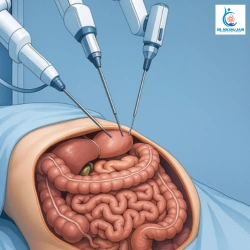
Laparoscopic colon cancer surgery is a type of invasive surgery. It is done through small cuts on the belly. A laparoscope with a camera is put into the belly. This lets the surgeon see the inside on a screen. Then special tools are used to take out the cancer and nearby lymph nodes.
Compared to open surgery people who are candidates for laparoscopic surgery may have smaller cuts, less pain after surgery and a quicker return to regular activities. Laparoscopic surgery is not right for every case of colorectal cancer. Things like the size and position of the tumour past surgeries and if the cancer has spread are all important.
Robotic Rectal Cancer Surgery
The rectum is deep in the pelvis, which makes it hard to reach. Robotic rectal cancer surgery gives view and more precise control during certain complex rectal cancer surgeries.
During surgery the surgeon uses a console to control the robotic tools. The robot does not work on its own.
The robot can move freely which is useful in the tight space near the rectum in the pelvis.
Like laparoscopic surgery robotic surgery uses cuts and can help patients go home sooner and recover faster if they are suitable.
People thinking about treatment should talk to a skilled rectal cancer surgeon in Indore. This helps to find out if the method can help their case.
Laparoscopic vs Robotic Colorectal Surgery
Both laparoscopic and robotic methods are minimally invasive. They use cuts more than traditional open surgery. However the tools used are different.
Unlike laparoscopic surgery, robotic surgery has special tools that are controlled from a robotic console.
Neither laparoscopic nor robotic surgery is better for everyone. The main goal is to take out the cancer with healthy tissue around it. This helps to control the cancer in the run.
The right approach depends on where the tumour’s how far it has spread, the patient’s situation and the surgeon’s experience.
What Happens After Colorectal Cancer Surgery?
Recovery after surgery depends on what type of surgery was done. Patients are usually encouraged to start moving soon as they can after the operation.
Food and drinks are slowly added back as the body allows. Managing pain, healing the wound and checking for any problems are also important.
The part of the body that was taken out is sent to a lab for testing. The lab report shows the stage of the cancer. Helps decide if more treatment is needed.
Regular check-ups are suggested after colon cancer treatment in Indore. This helps to see how well the body is recovering and to spot any signs of the cancer coming back.
When Should You See a Colorectal Cancer Surgeon?
Medical check-ups are advised if there are symptoms like blood in the stool, changes in how you go to the bathroom losing weight without trying, tummy pain, constant constipation or diarrhea or not feeling well.
These symptoms do not mean someone definitely has cancer. They should be checked by a gastro doctor near me.
If someone has been told they have cancer, seeing a skilled colon cancer surgeon in Indore can help understand the stage of the cancer. It also helps to find out what surgery options are available. It also helps to know if laparoscopic or robotic surgery is a choice.
Conclusion
If you or a loved one has been told they have colon or rectal cancer getting help quickly and planning the surgery is very important.
Talk to Dr. Nikunj Jain, a GI and Surgical Gastroenterologist in Indore. He can check for colon and rectal cancers. He can also explain if open, laparoscopic or robotic surgery would be right, for your condition.
FAQs
Q1. Is surgery necessary for colon cancer?
Surgery is commonly used for localized colon cancer and usually involves removing the affected section of the colon along with nearby lymph nodes.
Q2. What is colon resection surgery?
Colon resection surgery involves removing the part of the colon containing the tumour and then reconnecting the healthy portions whenever medically appropriate.
Q3. Can colon cancer surgery be performed laparoscopically?
Yes. Many suitable patients can undergo laparoscopic colon cancer surgery through smaller abdominal incisions.
Q4. What is robotic rectal cancer surgery?
Robotic rectal cancer surgery is a minimally invasive technique in which the surgeon controls robotic instruments to perform precise movements within the pelvis.
Q5. Is robotic surgery better than laparoscopic surgery?
Not necessarily. The most suitable approach depends on the location and stage of the cancer, patient anatomy and the surgeon’s assessment.
Q6. How long does recovery take after colon cancer surgery?
Recovery varies depending on the extent of surgery, technique used, overall health and whether complications occur.
Q7. Will I need chemotherapy after colorectal cancer surgery?
Some patients may need chemotherapy after surgery depending on the cancer stage, lymph node involvement and pathology report.
Q8. Is a stoma always required after rectal cancer surgery?
No. A stoma is not required in every case. Whether it is temporary, permanent or unnecessary depends on the tumour location and type of operation.
Q9. What are the warning signs of colorectal cancer?
Possible symptoms include blood in the stool, persistent bowel habit changes, abdominal discomfort, unexplained weight loss and anemia.
Q10. Who should I consult for colon and rectal cancer surgery in Indore?
Patients diagnosed with colorectal cancer can consult Dr. Nikunj Jain, a GI and surgical gastroenterologist in Indore experienced in colorectal and gastrointestinal cancer surgery. He can assess the condition and recommend the most suitable surgical approach based on the tumour location, stage and overall health of the patient.
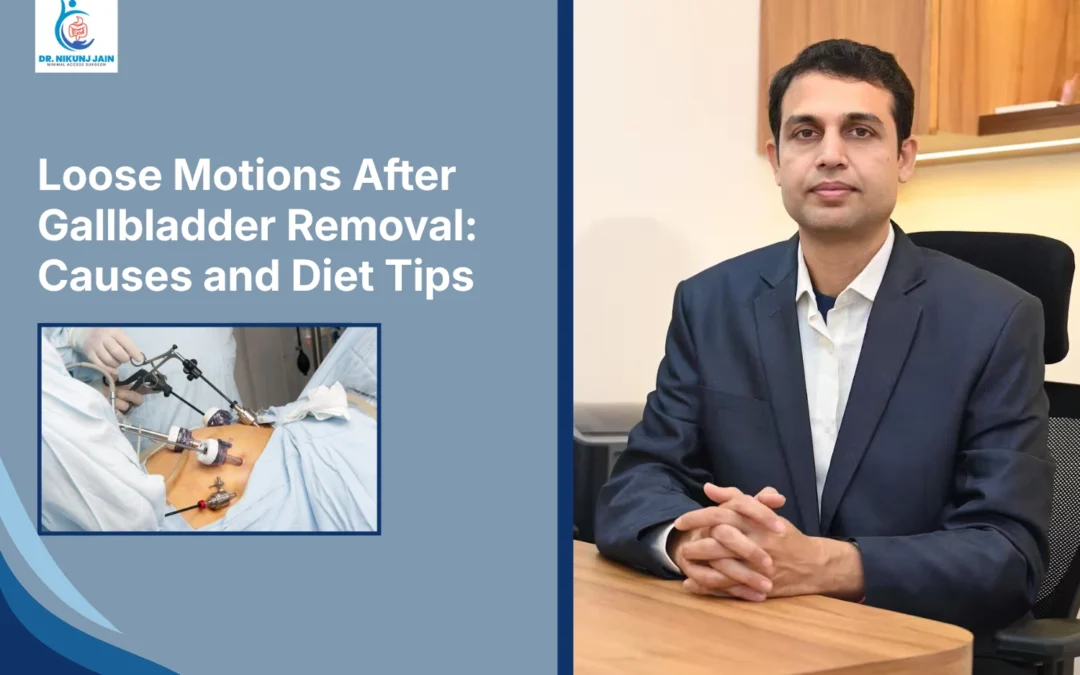
Gallbladder removal, also known as cholecystectomy, is a common procedure performed for gallstones or other complications of the gallbladder. While most people make an uneventful recovery, some may notice changes in their bowel habits, such as loose motions or an increased frequency of stools.
Most of the time, this is a minor and temporary issue that improves as the digestive system adjusts to changes in bile storage and its continuous flow into the intestine. However, if diarrhea continues for a longer period, becomes frequent, or is associated with other symptoms, it may need further evaluation to identify the underlying cause and provide appropriate treatment.
For persistent digestive problems after gallbladder surgery or for expert evaluation of gallbladder conditions, consult Dr. Nikunj Jain, one of the best gallbladder surgeons in Indore, for proper diagnosis and personalised treatment.
Table of Contents
Why do you get loose motions after gallbladder removal?
The gallbladder stores and concentrates bile from the liver. Bile released by the gallbladder acts on the fat in food to help with digestion.
Once the gallbladder is removed bile flows directly from the liver to the gut. This affects the way bile salts influence digestion and can sometimes result in altered bowel habits.
Too much bile in the colon can lead to increased secretion of fluids into the bowel which can cause loose motions, urgency or frequent stools.
Bile acid diarrhea
One particular cause of persistent diarrhea after gallbladder surgery is bile acid diarrhea.
This is due to excessive bile salts in the colon irritating it and causing increased fluid secretion.
Patients may notice an urgent need to open bowels with frequent, loose stools. Diarrhea may be persistent and last for weeks or even months after surgery.
Diet modification after gallbladder removal surgery
Diet plays a major role in controlling or preventing diarrhea after cholecystectomy, especially in the early stages of recovery.
Foods rich in fats such as fried or oily food can be harder to digest and cause persistent loose motions.
Spices and processed food items are also known to exacerbate diarrhea.
The following foods are usually well tolerated by patients recovering after gallbladder removal surgery:
Light meals such as:
Rice or soft khichdi
Bananas
Toast or bread
Oatsmeal
Boiled potatoes
Curd or yogurt
Boiled vegetables
Chicken or eggs
Applesauce or soft fruits
Soups
Gradual increase in fiber rich foods such as fruits and whole grains may also help improve diarrhea.
Foods to avoid after gallbladder removal surgery:
Fried foods
High fat dairy products
Butter or cream
Fast food
Spicy dishes
Fatty meat
High caffeine content drinks
Sugary beverages
Highly processed foods
While fat should not be entirely avoided, it is better to restrict the quantity and choose healthier options.
Importance of Fluids
With persistent loose motions after gallbladder removal, there is likely to be excessive loss of fluids.
It is important to drink plenty of fluids to stay well hydrated. Sports drinks or oral rehydration solutions may be useful in cases of prolonged diarrhea.
It is better to avoid caffeinated and sweet drinks in the case of persistent diarrhea.
How long can diarrhea last after gallbladder surgery?
Diarrhea after cholecystectomy is usually short lived and resolves within a few days or weeks. But there are some patients who continue to have prolonged, watery motions for even months after surgery.
Persistent diarrhea after gallbladder removal should not be considered normal and must be investigated for an underlying cause.
When to see a doctor for loose motions after gallbladder removal?
If you have persistent, frequent and severe diarrhea after gallbladder removal you must consult a doctor. Seek medical advice if your diarrhea is persistent and has been going on for weeks, or causes you to have frequent, urgent and watery stools.
You should also get evaluated if your diarrhea is associated with:
Abdominal pain
Fever
Presence of blood in stools
Vomiting
Weight loss
Signs of dehydration
Severe and frequent watery stools
The doctor may investigate further to determine the cause of your persistent diarrhea after gallbladder surgery.
Treatment for persistent diarrhea after gallbladder removal
The treatment for persistent or bile acid diarrhea will depend on the cause. Simple dietary changes and smaller meals may suffice for some patients while others may require medication. In case of bile acid diarrhea, the doctor may prescribe bile acid binding drugs to help reduce symptoms. Other causes will need individual assessment.
Conclusion
Loose motions after gallbladder removal can be persistent and debilitating. This is due to excessive bile salts irritating the colon. While most patients recover on their own with modification of diet and smaller meals, there are some who need to seek medical care.
Persistent diarrhea after cholecystectomy can be due to bile acid diarrhea or other causes. It is best to get a proper evaluation to rule out any serious problems. If you are having frequent, urgent and severe watery motions or abdominal pain after gallbladder removal consult Dr. Nikunj Jain, best gastro surgeon in Indore for detailed evaluation and management.
FAQs
Q1. Are loose motions normal after gallbladder removal? Yes, some people may experience temporary loose stools after gallbladder surgery as the digestive system adjusts.
Q2. Why does diarrhea happen after gallbladder removal? Continuous bile flow into the intestine can sometimes irritate the colon and cause loose motions.
Q3. How long does diarrhea last after gallbladder surgery? It may last from a few days to several weeks. Persistent symptoms should be evaluated by a doctor.
Q4. What foods should I eat after gallbladder removal? Light, low-fat foods such as rice, oats, bananas, cooked vegetables and lean protein may be easier to digest.
Q5. Should I avoid oily foods after gallbladder surgery? Limiting fried, oily and high-fat foods can help reduce diarrhea and digestive discomfort.
Q6. Can bile acid diarrhea occur after gallbladder removal? Yes. Excess bile acids reaching the colon can cause watery stools and urgency in some people.
Q7. Can I eat dairy products after gallbladder surgery? Some people tolerate low-fat dairy well, while others may experience bloating or loose stools.
Q8. Does fibre help with loose motions? Soluble fibre may help absorb excess water and improve stool consistency when introduced gradually.
Q9. When should I consult a doctor for diarrhea after surgery? Consult a doctor if diarrhea is severe, persistent, accompanied by weight loss, fever, blood in stools or dehydration.
Q10. Who should I consult for digestive problems after gallbladder removal in Indore? You can consult Dr. Nikunj Jain, Gallbladder surgeon in Indore, for evaluation and treatment of persistent digestive symptoms after gallbladder surgery.