
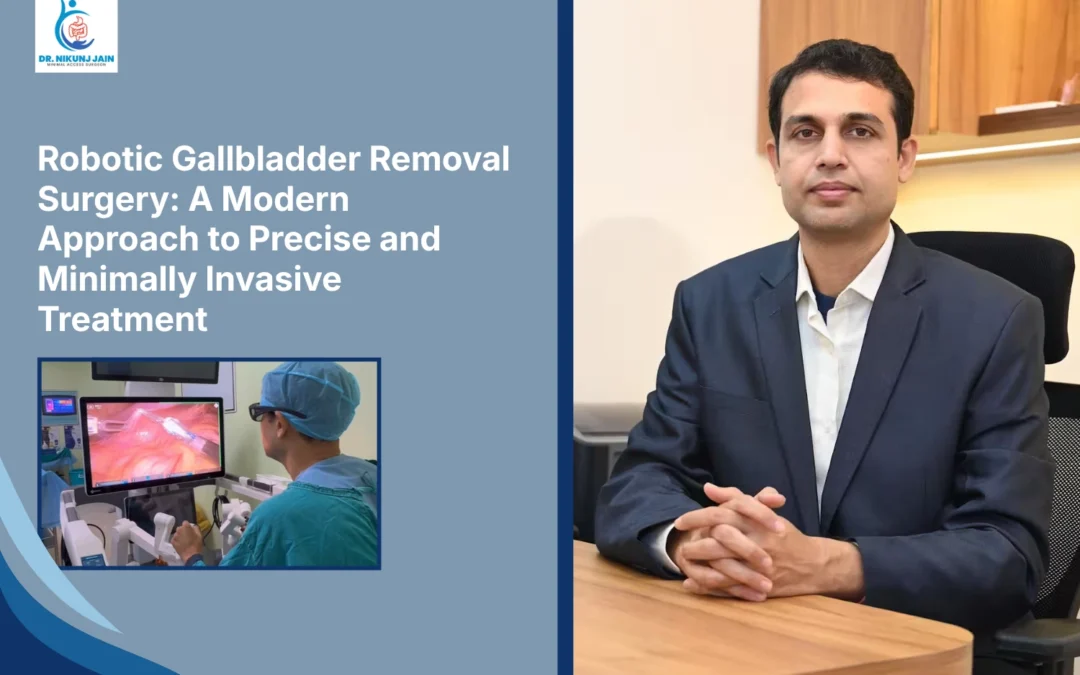
Gallbladder problems often prompt people to seek surgery to alleviate recurring pain in the upper right or upper middle abdomen, as well as nausea, vomiting, bloating, and indigestion after eating. When the gallbladder is inflamed or its function is impaired, removing the organ is a viable option. Cholecystectomy is the general term for gallbladder removal surgery. It is one of the most frequent abdominal surgeries performed today. However, the procedure is no longer associated with a long incision since minimally invasive methods have been introduced. Robotic gallbladder removal surgery is one of the leading techniques allowing the surgeon to make small incisions and access the gallbladder with robotic instruments.
The option of robotic gallbladder surgery should be discussed with Dr. Nikunj Jain, best gastro surgeon in Indore, to determine whether it is suitable for the patient’s particular case.
Table of Contents
What Is Robotic Gallbladder Removal Surgery?
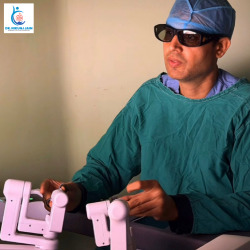
Robotic gallbladder removal is a minimally invasive procedure involving the use of robotic arms controlled by the surgeon to extract the gallbladder. The robot itself does not make decisions; rather, the surgeon has full control over it throughout the operation. The surgeon has a magnified view of the gallbladder with a 3D high-definition image while manipulating robotic instruments through small incisions. This makes it easier to isolate and extract the gallbladder with increased precision and reduces trauma to the surrounding tissues.
When Is Gallbladder Removal Necessary?
The presence of gallstones does not always necessitate surgery. If the gallstones are detected incidentally and do not cause any discomfort, the doctor may decide to leave them alone. However, there are instances when surgical intervention is required. Surgery to remove the gallbladder is indicated in the following conditions:
• Recurrent pain in the upper right or upper middle abdomen
• Upper middle or right abdominal pain after eating
• Nausea and vomiting due to gallstones
• Inflammation of the gallbladder
• Recurrent gallbladder attacks
• Gallstone-related complications
Gallstones can obstruct the bile ducts, leading to potentially dangerous conditions like cholecystitis, cholangitis, and pancreatitis.
How Is Robotic Gallbladder Surgery Performed?
Robotic gallbladder surgery is performed under general anaesthesia. A few tiny incisions are made in the upper right quadrant of the abdomen. The robotic system’s surgical instruments and camera are inserted through them. Then, the surgeon manipulates the robotic arms from the console and isolates the gallbladder from the adjacent structures. After the gallbladder is removed, the robotic instruments are withdrawn, and the incisions are closed.
The method and number of incisions depend on the robotic system and the surgeon’s preferences. The procedure can be performed using either the da Vinci Si or the Zeus robotic system.
What Are the Benefits of Robotic Gallbladder Removal?
The benefits of robotic gallbladder removal stem from the nature of the procedure, which is a combination of minimally invasive surgery and state-of-the-art robotic technology. These advantages include the following:
- Superior Surgical Visualization
The robotic system enables the surgeon to see the operative field more clearly. This is particularly important in minimally invasive procedures since the field is magnified and limited. The ability to see delicate anatomical structures is critical in gallbladder surgery since the surgeon must separate the gallbladder from numerous adjacent structures. In addition, the robotic system provides a three-dimensional view of the surgical site, further assisting the surgeon.
- Increased Instrument Dexterity
Robotic surgical instruments possess increased range of motion and are highly flexible, allowing the surgeon to perform delicate dissections with relative ease.
- Smaller Incisions
Since robotic gallbladder surgery is minimally invasive, smaller incisions are required than in traditional open surgery.
- Minimally Invasive Recovery
The advantages of minimally invasive surgery typically include reduced post-operative discomfort, shorter hospital stays, reduced scarring, and faster healing. Nonetheless, these benefits vary from patient to patient, and the robotic system does not always provide substantial advantages over conventional minimally invasive laparoscopic surgery.
Robotic vs Laparoscopic Gallbladder Surgery
Both robotic and laparoscopic cholecystectomy are minimally invasive techniques used for gallbladder removal. However, they differ in the way the surgeon performs the procedure.
- Surgical Technique: In robotic surgery, the surgeon controls robotic arms from a console. In laparoscopic surgery, the surgeon directly operates long, thin instruments inserted through small incisions.
- Visualization: Robotic surgery provides a magnified, high-definition 3D view of the surgical area. Laparoscopic surgery generally provides a high-quality 2D view through a laparoscopic camera.
- Instrument Movement: Robotic instruments offer a greater range of motion and can assist with precise movements in confined areas. Laparoscopic instruments have comparatively limited flexibility.
- Surgeon Control: In both techniques, the surgery is completely controlled by the surgeon. The robotic system does not operate independently.
- Effectiveness: Both robotic and laparoscopic gallbladder surgery can be safe and effective when performed by an experienced surgeon.
- Cost: Robotic surgery is generally more expensive because it requires specialized robotic equipment and technology, while conventional laparoscopic surgery is usually more cost-effective.
The most suitable approach depends on the patient’s condition, surgical complexity, available technology, and the surgeon’s experience.
Recovery After Robotic Gallbladder Surgery
- Same-Day Discharge: Most patients can return home on the same day after robotic gallbladder surgery.
- Mild Discomfort: Some abdominal pain, bloating, or soreness around the incision sites may occur for a few days.
- Temporary Nausea: Mild nausea can occur after surgery or due to the effects of anesthesia.
- Shoulder Discomfort: Some patients experience temporary shoulder pain due to the gas used during minimally invasive surgery.
- Early Movement: Gentle walking and light activities are usually encouraged as soon as the patient feels comfortable.
- Return to Routine: Many patients can gradually return to normal daily activities within 1–2 weeks.
- Individual Recovery: Recovery time may vary depending on the patient’s overall health, the complexity of the surgery, and the surgeon’s recommendations.
- Follow Post-Operative Advice: Patients should follow instructions regarding wound care, diet, medicines, physical activity, and follow-up visits.
Can You Live a Normal Life Without a Gallbladder?
The gallbladder is not an essential organ, and life without it is entirely feasible. Bile is stored in the gallbladder and released into the intestines to aid in fat digestion. Following gallbladder removal, bile flows directly from the liver to the intestines. The majority of patients feel fine after the operation, though some experience minor difficulties like diarrhoea. Symptoms are exacerbated by fatty meals and usually subside once the body adapts to the changes.
Risks of Robotic Gallbladder Removal
There are some inherent dangers in any surgical procedure, and robotic gallbladder surgery is no exception. There is a possibility of injury to nearby organs and bile ducts, as well as post-surgical infections and adverse anaesthetic responses. The likelihood of developing complications is minimal, but they cannot be ruled out. There is also a danger that a minimally invasive operation may have to be converted to open surgery if the surgeon finds it too risky to continue.
Conclusion
Severe and recurrent gallbladder discomfort should not be treated solely with pain relievers and dietary modifications. When gallstones or other gallbladder abnormalities cause recurrent discomfort, surgery to remove the gallbladder is typically recommended. The patient is encouraged to speak with Dr. Nikunj Jain, best gastro surgeon in Indore, to go over the available treatment options and make an informed decision about the best course of therapy. The doctor will go over the findings, symptoms, and treatment alternatives, including laparoscopic or robotic-assisted procedures, in detail.
FAQ’s
Q1. What is robotic gallbladder removal surgery?
Robotic gallbladder removal, also known as robotic cholecystectomy, is a minimally invasive procedure in which a surgeon controls robotic instruments to remove the gallbladder through small abdominal incisions. The robotic system does not operate independently.
Q2. Is robotic gallbladder surgery better than laparoscopic surgery?
Both procedures are minimally invasive and can be effective for gallbladder removal. Robotic systems may provide enhanced visualisation and instrument control, but conventional laparoscopic cholecystectomy remains an established treatment. The most suitable approach depends on the individual patient.
Q3. Who may need gallbladder removal surgery?
Patients with repeated symptomatic gallstones, gallbladder inflammation or complications related to gallstones may be advised to undergo gallbladder removal after evaluation by a surgeon.
Q4. Is robotic gallbladder surgery painful?
Patients may experience some postoperative abdominal discomfort or temporary shoulder pain. Since the surgery is performed through small incisions, recovery is generally easier than after traditional open surgery, although individual experiences differ.
Q5. How long does robotic gallbladder surgery take?
Operating time varies according to the patient’s anatomy, inflammation, previous operations and complexity of the condition. Your surgeon can provide a more accurate estimate after evaluation.
Q6. How soon can I return to work after gallbladder surgery?
Many people undergoing minimally invasive gallbladder removal can return to normal activities within one or two weeks, although strenuous activity may need to be avoided longer. Recovery differs from patient to patient.
Q7. Can I eat normally after my gallbladder is removed?
Most patients gradually return to a normal diet. Some may find greasy or heavy foods uncomfortable during the initial recovery period and may be advised to reintroduce them gradually.
Q8. Can gallstones come back after the gallbladder is removed?
Once the gallbladder itself has been removed, gallstones cannot form inside it again. However, patients should discuss persistent or new biliary symptoms after surgery with their doctor.
Q9. Which costs more: robotic or laparoscopic gallbladder surgery?
Robotic gallbladder surgery may cost around ₹2–4 lakh, while laparoscopic surgery generally costs about ₹50,000–₹1.5 lakh in India. Actual costs vary by hospital and case.
Q10. Where can I consult for robotic gallbladder surgery in Indore?
Patients considering robotic gallbladder removal surgery in Indore can consult Dr. Nikunj Jain to discuss whether robotic, laparoscopic or another surgical approach is appropriate for their condition.