Bariatric surgery is another name for weight loss surgery or metabolic surgery. This is an option for some people who have high body weight and have not been able to lose weight with changes in lifestyle and traditional ways of managing weight. These surgeries can help people lose a lot of weight and also improve health problems that come with being very overweight.
One of the common questions people ask before starting treatment is how much does bariatric surgery cost in Indore. The price is not the same for everyone. It can change based on the kind of surgery, the hospital, the health of the person, the tests needed, how long they stay in the hospital and other medical things.
Some estimates say the cost of surgery in Indore can be between about 200,000 rupees and 600,000 rupees. Dr. Nikunj Jain, best bariatric surgeon in Indore, says laparoscopic bariatric surgery costs around 250,000 to 450,000 rupees.
Table of Contents
What is Bariatric Surgery?
Bariatric surgery includes operations that change the stomach, some also change the tract to help with weight loss. Depending on the person’s health, weight and needs the surgery can include:
Laparoscopic Sleeve Gastrectomy
Gastric Bypass
Mini Gastric Bypass or One-Anastomosis Gastric Bypass
Other bariatric or metabolic procedures when needed
Hospitals in Indore offer Sleeve Gastrectomy, Roux-en-Y Gastric Bypass (RYGB), and Mini Gastric Bypass/One Anastomosis Gastric Bypass (MGB/OAGB) as bariatric surgery options.
Cost of Bariatric Surgery Cost in Indore?
The cost of surgery in Indore can be between 250,000 rupees and 500,000 rupees or even more depending on the surgery and the hospital.
This range is just an estimate and it is not the final price.
Some health care estimates say the range in Indore is between 220,000 rupees and 600,000 rupees depending on the hospital and what is needed. The final cost can only be known after the person is checked and the right procedure is chosen.
Factors affecting the Cost of Bariatric Surgery
There are things that can change the total cost.
1. Type of Bariatric Procedure
Each type of surgery has different steps and needs, so the cost can be different.
2. Hospital and Room Category
The hospital’s facilities, the operating room, the room chosen and how long the person stays can affect the bill.
3. Medical Team Fees
The total price might include the cost of the surgeon, the anaesthetist and other medical people involved in the surgery.
4. Pre-Surgery Tests
Before surgery, people usually have to get tests to check their health and see if they are ready for surgery. These tests can be different for each person and can add to the total cost.
5. Medical Conditions
People with diabetes, blood pressure, sleep apnoea or other health issues related to weight may need more checks or care before and after surgery.
6. Hospital Stay
How long a person is in the hospital depends on the type of surgery, and also how they recover. A longer stay can make the cost higher.
7. Medicines and Surgical Supplies
Anaesthesia, medicines, special tools and other supplies can also add to the cost.
8. Follow-Up and Nutrition Support
Bariatric treatment does not end after surgery. Follow-up visits, diet advice, vitamins and checking are part of long-term care.
Inclusions in Bariatric Surgery Package
What is included can be different for each hospital. A bariatric surgery package usually includes:
Hospital admission
Surgeon fees
Anaesthesia fees
Operating theatre fees
Standard surgical supplies
Room fees for the time needed
Medicines during hospital stay
Initial care after surgery
Patients should always ask what is included and what is not before moving forward with treatment.
Pre-Surgery Tests and Their Cost for Bariatric Surgery
Not always. Some hospitals include tests in their package while others charge separately.
Based on the person’s health, tests can be blood tests, heart checks, scans and other tests the doctors think are needed.
So patients should ask for a cost estimate instead of just looking at the price of the surgery.
Is bariatric surgery the best choice?
Cost is important but it should not be the only thing to think about when choosing bariatric treatment. The right surgery should be chosen based on the person’s weight, health, eating habits, past treatments and overall health.
Patients should also think about:
Getting the right check-up
Hospitals facilities
Anaesthesia and care after surgery
Follow-up care
Nutrition support
The experience of the doctors
Choosing the right surgery and getting proper follow-up after is very important in bariatric treatment.
When should you talk to a surgeon?
If being very overweight is making health, movement or life quality worse after trying lifestyle and medical weight loss methods, a qualified bariatric surgeon near you can help decide if surgery is right.
Dr. Nikunj Jain, best gastro surgeon in Indore, can look at the person’s history, weight, health issues and what is needed before discussing the right bariatric surgery options and a cost estimate.
Conclusion
The cost of surgery in Indore changes based on the surgery type, hospital, tests, health and how long the hospital stay is. Current estimates are very different with private surgeries costing about 250,000 to 500,000 rupees or more. The exact cost should be checked after a check-up and medical check.
Cost should not be the only thing to think about when choosing weight loss surgery. Choosing the right bariatric procedure for each patient and ensuring proper follow-up care are equally important.
If you are thinking about surgery in Indore talk to Dr. Nikunj Jain, top weight loss surgeon in Indore, for a personal check, a discussion, on the best weight loss surgery options and an exact cost estimate.
FAQs
Q1. What is the cost of bariatric surgery in Indore?
Bariatric surgery in Indore may approximately cost ₹2.5 lakh to ₹5 lakh or more depending on the procedure, hospital and individual medical requirements. Published estimates vary, so an individual quotation is necessary.
Q2. Why does bariatric surgery cost vary between different patients?
The total cost depends on the type of surgery, hospital category, investigations, patient’s medical condition, surgical consumables and duration of hospitalisation.
Q3. What is the cost of laparoscopic bariatric surgery in Indore?
Dr. Nikunj Jain’s published information lists laparoscopic bariatric surgery at approximately ₹2.5 lakh to ₹4.5 lakh, although actual costs depend on the individual case.
Q4. Which bariatric surgeries are commonly performed?
Common procedures include sleeve gastrectomy, gastric bypass and mini or one-anastomosis gastric bypass. The suitable procedure depends on individual medical assessment.
Q5. Are tests included in the bariatric surgery package?
This varies between hospitals. Some packages include routine investigations, while specialised tests may be charged separately.
Q6. How long is the hospital stay after bariatric surgery?
The duration varies according to the procedure and recovery. Some bariatric centres in Indore advertise approximately three-day packages, although individual hospitalisation may be shorter or longer.
Q7. Does health insurance cover bariatric surgery?
Coverage depends on the medical indication and terms of the insurance policy. Patients should obtain pre-authorisation or confirmation from their insurer before surgery.
Q8. Is bariatric surgery available under Ayushman Bharat in Indore?
As reported in February 2026, Maharaja Yashwantrao Hospital in Indore began offering bariatric surgery services with coverage for eligible Ayushman beneficiaries. Eligibility and current availability should be confirmed with the hospital.
Q9. Is bariatric surgery only for weight loss?
Bariatric surgery primarily supports significant weight loss but may also help improve certain obesity-associated health conditions in appropriately selected patients.
Q10. Who should I consult for bariatric surgery in Indore?
If you are considering bariatric surgery, you can consult Dr. Nikunj Jain in Indore for evaluation, discussion of suitable procedures and a personalised estimate of treatment costs.
Obesity is a problem that goes beyond just weight; it is a serious medical issue that can affect almost every part of the body. For people who are struggling with severe obesity, bariatric surgery is an effective and long-term solution. According to Dr. Nikunj Jain, best bariatric surgeon in Indore, many people delay surgery for years because they are afraid or they do not have the right information or they think that diet and exercise will work on their own. While it is good to make lifestyle changes, delaying a recommended bariatric procedure can sometimes lead to more serious health problems.
Understanding the risks of delaying bariatric surgery can help people make informed decisions about their health and future. It is a decision but it can be very helpful for people who are struggling with severe obesity.
Table of Contents
Worsening of Obesity-Related Health Conditions
One of the risks of delaying weight loss surgery is that obesity-related diseases can get worse. Conditions like type 2 diabetes, high blood pressure, sleep apnea or fatty liver disease can get worse over time if the excess weight is not treated.
Bariatric surgery can even reverse some of these conditions if it is done early. However the longer a person waits, the more damage these diseases can cause to the body. For example, diabetes that has been present for years can lead to complications like nerve damage, kidney problems or vision loss. It can help people with obesity-related health conditions.
Reduced Effectiveness of Treatment
Weight Loss surgery works best when it is performed before obesity-related diseases become severe. When a patient waits long the body may already have developed advanced complications that are harder to reverse.
For instance diabetes that has been present for years may not go away even after successful surgery. Similarly long-term heart disease or joint damage may continue to affect the patient after significant weight loss. This is why many specialists recommend considering surgery rather than waiting until health problems become critical. It is more effective when it is done early.
Increased Risk During Surgery
Another factor to consider is that delaying weight loss surgery may increase surgical risk. As obesity-related conditions progress the body becomes more vulnerable.
People with diabetes, severe sleep apnea or heart disease may face higher risks during any surgical procedure. Excess weight can also put strain on the lungs and heart making anesthesia and recovery more complicated. Bariatric surgery can be risky if it is delayed.
Impact on Mental and Emotional Health
Obesity does not only affect health it can also have a deep impact on mental well-being. Many individuals struggling with obesity experience low self-esteem, anxiety or depression.
When it is delayed, these emotional challenges can even worsen. People may feel frustrated after repeated attempts at weight loss that do not lead to results. Weight loss surgery can often bring psychological changes, including improved confidence, better social interactions and a renewed sense of control over health. It can help people with emotional health issues.
Mobility and Joint Damage
Carrying weight places constant stress on the joints, particularly the knees, hips and lower back. Over time this can lead to pain, reduced mobility and conditions like osteoarthritis.
If weight loss surgery is delayed the continued pressure on joints may cause damage. After significant weight loss, severe joint problems may remain and sometimes require additional treatments such as joint replacement surgery. Bariatric surgery can help people with mobility and joint damage issues.
Declining Quality of Life
Many people living with obesity experience limitations in everyday life. Activities like walking distances, climbing stairs or even performing daily tasks can become difficult.
As time passes these limitations often increase. Energy levels may drop, social participation may. Overall quality of life may decline. Weight Loss surgery can help individuals regain mobility, increase energy and participate actively in daily life. Acting at the time can make a big difference in long-term outcomes. It can improve quality of life.
Conclusion
Choosing surgery is a personal decision and it is normal for people to take time to evaluate their options. However, understanding the risks of delaying treatment is important.
With proper medical guidance from an expert bariatric surgeon in Indore, bariatric surgery can be a safe and life-changing option for individuals struggling with severe obesity. An experienced specialist can evaluate each patient’s condition and recommend the most suitable treatment plan. If you are considering weight loss surgery in Indore, consulting an expert like Dr. Nikunj Jain can help you understand the benefits, risks and the right timing for the procedure. It can be an option for people who are struggling with severe obesity.
FAQ’s
Q1. Who is considered one of the best doctors for bariatric surgery in Indore? Many patients looking for weight loss treatment consult Dr. Nikunj Jain in Indore for advanced bariatric surgery and personalized obesity management.
Q2. What is bariatric surgery and how does it help? Bariatric surgery is a weight loss procedure that helps reduce excess body weight and improve obesity-related health conditions like diabetes, high blood pressure, and sleep apnea.
Q3. Is bariatric surgery safe in Indore? Yes, bariatric surgery in Indore is generally considered safe when performed by an experienced bariatric surgeon like Dr. Nikunj Jain using proper medical standards and modern techniques.
Q4. When should a person consider bariatric surgery? People with severe obesity, uncontrolled weight gain, or obesity-related health problems may consider bariatric surgery after consulting a qualified bariatric surgeon in Indore.
Q5. Can bariatric surgery help with diabetes and blood pressure? Yes, bariatric surgery can help improve or even reverse conditions like type 2 diabetes, high blood pressure, fatty liver disease, and sleep apnea in many patients.
Q6. What are the risks of delaying bariatric surgery? Delaying bariatric surgery may lead to worsening obesity-related diseases, joint damage, mobility problems, and increased surgical risks in the future.
Q7. How long is the recovery after bariatric surgery? Recovery time varies from person to person, but many patients can return to normal daily activities within a few weeks after bariatric surgery.
Q8. Will bariatric surgery improve quality of life? Many patients experience improved confidence, better mobility, increased energy levels, and an overall better quality of life after successful bariatric surgery.
Q9. Does Dr. Nikunj Jain provide consultation for weight loss surgery in Indore? Yes, Dr. Nikunj Jain in Indore provides consultation for bariatric and weight loss surgery, helping patients understand suitable treatment options based on their condition.
Q10. How do I choose the right bariatric surgeon in Indore? While choosing a bariatric surgeon in Indore, look for experience, patient care, surgical expertise, hospital facilities, and guidance throughout the weight loss journey.
Carrying excess body weight is more than just a matter of appearance. It can gradually impact many aspects of health, including the heart, joints, digestion and energy levels. People go through different fad (weight loss) diets, gym sessions and lifestyle changes but face failures in losing weight. At some point, medical treatment, like bariatric surgery by a best bariatric surgeon might become necessary as being overweight starts to lead to serious health issues.
Bariatric surgery is meant to assist people safely and effectively in controlling obesity when other attempts have failed, according to Dr. Nikunj Jain, best weight loss doctor in Indore.
What Is Weight-Loss Bariatric Surgery?
Bariatric surgery is a surgical procedure designed to assist those who are overweight in losing weight by altering how the stomach or digestive system functions. The surgery either makes the stomach smaller or alters how the digesting system functions, resulting in fewer calories being absorbed by the body. People are full by smaller portions because their stomach is not as large anymore. It results in gradual and sustainable weight loss over time.
Along with weight loss, bariatric surgery can bring health issues associated with obesity such as diabetes, high blood pressure and sleep apnea under control.
Who’s a Candidate for Weight Loss Surgery?
Not everyone who is overweight requires surgery. Bariatric surgery is typically indicated for those whose obesity has severe consequences for their health.
They have been unable to achieve lasting results from diet and exercise
Overweight with health problems such as diabetes or hypertension
Excess weight hinders daily life
Prior to determining if surgical intervention is the appropriate course of action, a full medical assessment will always take place.
Types of Bariatric Surgery Used for Obesity
These days, there are many different types of bariatric procedures that can be performed using modern medical technology depending on the patient’s health status and weight goals.
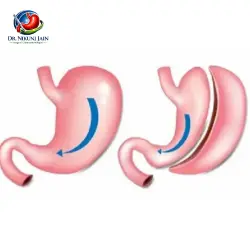
Sleeve Gastrectomy Surgery The most commonly performed weight loss surgery. This process involves removing a large portion of the stomach, so only a smaller sleeve-shaped stomach remains. people feel full quickly and naturally begin eating less.
Gastric Bypass Weight Loss Surgery In gastric bypass surgery, the digestive system is altered so that food bypasses part of the stomach and intestine. This decreases calorie absorption and allows people to successfully lose weight.
Mini Gastric Bypass Surgery This is a simplified version of gastric bypass surgery and is usually suggested for individuals who need significant weight loss.
The type of surgery selected will vary depending on body weight, current health status and lifestyle factors.
Benefits of Bariatric Surgery
The health benefits of bariatric surgery go beyond weight loss. Some of the key benefits include:
Long-term and sustainable weight reduction
Improved control over diabetes
Lower risk of high blood pressure and heart disease
Reduced stress on muscles and bones
Better sleep quality
Increased physical energy and mobility
Most people also experience improved confidence and better mental well-being after reaching a healthier body weight.
Bariatric Surgery Recovery Time: How Long Will It Take?
Recovery following bariatric surgery is now much quicker because most operations are performed using laparoscopic techniques. These procedures involve small incisions, which means less pain and faster healing.People usually begin walking within a day and can return to normal activities within a few weeks.
After the surgery, doctors recommend a structured diet plan that starts with liquids and gradually progresses to soft and solid foods. Long-term success also depends on maintaining healthy eating habits and regular physical activity.
Choosing the Right Bariatric Surgeon in Indore
Selecting the right surgeon is one of the most important steps in a weight loss journey. Experience, surgical expertise and proper patient guidance play a key role in achieving successful results.
With proper medical evaluation and the use of advanced surgical techniques, bariatric surgery can help people significantly improve their health and overall quality of life.For individuals seeking safe and advanced weight loss treatment, consulting Dr. Nikunj Jain, best bariatric surgeon in Indore, can help them understand their options and take the first step toward a healthier future.
If you’re dealing with heavy weight struggles, surgery might spark hope but also real fear. Questions about safety, getting better, and if it’ll last can weigh heavy on you and your family. When you chat with someone like Dr. Nikunj Jain, best bariatric surgery Doctor in Indore, it’s more than advice, you’re craving comfort, straight talk, and a clear road to feeling good again.
Over the past 10 years, bariatric surgery has really taken off in India. Hospitals are top-class now, techniques are advanced, and know their stuff. Safety’s leaped forward. India feels like a solid choice for weight loss surgery,quality you can trust, without breaking the bank.
Table of Contents
Is Bariatric Surgery Safe?
This surgery tweaks your stomach and gut to help shed pounds. It’s for when diets, gym time, and pills just don’t cut it long-term.
Here in India, they mostly do it laparoscopically,small cuts, way less hurt, quicker bounce-back, and fewer bugs creeping in. Hospitals nail the basics: deep checks before, eagle-eye monitoring during, and hands-on help after.
Done by pros, it’s safe and does the job. Risks exist like any op, but smart picks and close care keep them low.
Beyond just weight loss, bariatric surgery can improve many health problems linked with obesity. People often see better control of diabetes, high blood pressure, sleep apnea, and joint pain after surgery. Daily activities like walking, climbing stairs, or even tying shoelaces start feeling easier. Many patients also feel more confident and energetic as their body becomes lighter and fitter.
Recovery usually involves following a special diet plan, starting with liquids and slowly moving to soft and solid foods. Regular follow-ups, light exercise, and healthy habits are key to getting the best results. Emotional support from family and doctors also helps during this journey. When patients stay committed and guided, bariatric surgery can be a safe and life-changing step toward better health.
Emotional Stress Before Surgery
Weight hits deep,your self-image, hangouts with friends, inner peace. Feeling judged? It makes surgery feel like a mountain.
Stuff patients often wrestle with:
Pure fear of what could go wrong
“Will this stick forever?”
Dreading habit shake-ups
Fretting over time off
That spark of hope for real energy and joy
Hearing you out matters big time. Feeling supported? You’re set to step forward for your health.
Why Many Patients Choose India for Weight Loss Surgery
Pro Surgeons: Lots train abroad, stick to world-class rules.
Full Pre-Op Scans: Heart, sugar levels, lungs, nutrition,all checked thoroughly.
Post-Op Love: Regular visits, meal maps, life tweaks for smooth sailing.
Wallet-Friendly: Same quality as elsewhere, but easier on your pocket.
Recovery After Bariatric Surgery
It’s not just the surgery; how you heal seals the deal. Start slow with liquids/soft eats, add movement, retrain your eating brain.
Early days: Liquid life. Body adjusts, pep returns. Joints chill out, steps get easy, Zzz’s improve, diabetes and BP tame down.
On the feels side? Confidence blooms. You laugh with pals, grab fun clothes, relish walks or stairs,simple joys hit different.
Choosing the Right Bariatric Surgeon
Safety rides on your crew. Hunt for experienced ones with creds and heart for patients. Open talks on risks, perks, real talk? Gold.
It’s no easy button. Pairs best with good habits and heart prep.
Conclusion
Is it safe in India? Absolutely, when you choose the right hospital, an experienced weight loss surgeon like Dr. Nikunj Jain, and stay committed to your treatment plan. Many patients have successfully transformed their health through timely and well-guided care.
If you’re considering this step, consult experts like Dr. Nikunj Jain to understand whether it’s the right option for you. With proper guidance, emotional support, and a well-structured plan, the journey becomes safe, reassuring, and a meaningful step toward better health and overall well-being.
Weight loss surgery vs diet, when someone wants to lose weight, it’s not just about looking good. It’s about health problems, feeling tired all the time, low self-confidence, and years of frustration from trying different things. Lots of people wonder if strict dieting is enough or if weight loss surgery is better. As Dr. Nikunj Jain, best weight loss doctor in Indore, explains, what really works depends on your body, lifestyle, and how ready you are emotionally.
Table of Contents
What is a Diet-Based Weight Loss?
Dieting is usually the first thing people try. It feels natural and safe. You cut back on sugar, watch your portions, pick healthier foods, and maybe follow plans like low-carb or counting calories. At first, it feels great,your clothes fit better, and the scale goes down.
But dieting has emotional ups and downs. It takes discipline every day. Social events get tough. Cravings hit hard. When weight loss slows or stops, people often feel let down or blame themselves. That pressure can make you quit or go through cycles of losing and gaining weight back.
The truth is, diet works great for people who are a bit overweight and can stick to lifestyle changes long-term. But for those with severe obesity or health issues from it, diet alone might not give lasting results.
When Weight Loss Surgery Becomes an Option
Weight loss surgery isn’t a quick fix. It’s a big medical choice after lots of checks. Procedures like bariatric surgery shrink your stomach or change how your body takes in food. This helps you lose weight faster and keep it off.
Emotionally, it can feel hopeful but scary. Many people feel relieved after years of struggling. But fear of the operation and not knowing what life will be like after can cause anxiety.
The big plus is it fixes serious health problems like diabetes, high blood pressure, sleep apnea, and joint pain. People get better mobility, more confidence, and a better life in just months.
But surgery needs commitment. You have to eat right, stay active, and go for regular check-ups. Without those changes, long-term success is hard.
Weight Loss Surgery vs Diet
Diet is about slow changes. It trains your mind and body for healthy habits. Results come slower but feel natural. For many, especially if they catch weight gain early, diet and exercise are enough.
Weight loss surgery gives a strong medical boost. It’s great for people with high BMI or who have failed many diets. Studies and doctor experience show surgery patients lose more weight and keep it off better than dieting alone.
Emotionally, surgery brings back hope. People who avoided mirrors, parties, or trips because of their weight start enjoying life again. They feel good in their skin and are more driven to stay healthy.
What is Really helpful in the Long Run
There’s no one-size-fits-all answer. The real fix is picking the right path at the right time. For some, mindful eating and workouts make a lasting change. For others, surgery plus lifestyle shifts is the game-changer.
The key is being honest with yourself. Know your triggers, emotional eating, and health risks to decide right. Doctor advice helps figure out if you need surgery or just a good diet plan.
Weight loss is super personal. It’s tied to how you see yourself, relationships, and daily comfort. Support from family, friends, and doctors makes a huge difference. Small wins like walking without getting out of breath, shopping happily, or sleeping well feel like miracles.
Conclusion
Success isn’t just diet or surgery alone. It’s building a path that keeps your body and emotions healthy. In the end, what works is sticking with it, getting guidance, and taking the next step, whether that’s better eating or a doctor-supervised procedure.
Sleeve gastrectomy is not just a physical transformation, it is a life-changing journey that impacts the mind and emotions as much as the body. While the procedure helps patients achieve significant weight loss and improved health, the emotional adjustment that follows is equally important. According to bariatric specialist Dr. Nikunj Jain, best gastro surgeon in Indore, understanding the psychological phases after surgery helps patients prepare better, stay motivated, and build a healthier relationship with themselves.
This month-by-month guide explores the emotional changes you may experience after sleeve gastrectomy and how to navigate them with confidence.
Table of Contents
Month by Month Recovery Guide
Month 1: Relief, Hope, and Adjustment
The first month is often a mix of excitement and recovery. Many patients feel relieved after taking a major step toward better health. Rapid initial weight loss can boost confidence and motivation.
However, this phase also comes with emotional challenges:
Adjusting to a liquid or soft diet
Missing favorite foods
Feeling physically weak or tired
Mood swings due to hormonal changes
It’s normal to feel overwhelmed. Staying connected with your healthcare team and focusing on small daily victories helps ease this transition.
Month 2: The Reality Phase
By the second month, the routine begins to settle. Weight loss continues steadily, and energy levels start improving. Emotionally, this is when reality sets in.
Some common feelings include:
Frustration with dietary restrictions
Fear of eating the wrong foods
Social anxiety around dining with others
This is the time to develop healthy coping habits. Mindful eating, planning meals, and joining support groups can make a big difference.
Month 3: Confidence and Social Awareness
At three months, physical changes become noticeable. Clothes fit better, mobility improves, and compliments from friends and family become frequent.
While confidence grows, emotional adjustments may include:
Increased attention from others
Body image confusion (feeling “different” but not fully adjusted)
Pressure to maintain results
This stage is about building self-acceptance and focusing on overall wellness rather than just numbers on the scale.
Month 4-6: Emotional Highs and Plateaus
Between the fourth and sixth months, weight loss may slow down, which can feel discouraging. Many patients experience a weight-loss plateau during this period.
Common emotional responses:
Anxiety about progress slowing
Fear of regaining weight
Comparison with others’ results
This phase requires patience and consistency. Regular exercise, balanced nutrition, and celebrating non-scale victories like better stamina or improved health reports help maintain motivation.
Month 6-9: Identity Transformation
As weight loss becomes more significant, many patients experience a shift in self-identity. You may feel more energetic, socially active, and confident.
At the same time:
Old emotional eating habits may resurface during stress
Relationships may change as your lifestyle evolves
You may start setting new personal or professional goals
Building emotional resilience is key. Counseling, journaling, or mindfulness practices can help maintain a positive mindset.
Month 9-12: Stability and Emotional Balance
By the end of the first year, most patients reach a more stable weight. Eating habits become routine, and lifestyle changes feel more natural.
Emotionally, this phase often brings:
A sense of achievement
Greater self-control and discipline
Improved self-esteem
However, long-term success depends on consistency. Maintaining follow-ups, staying active, and continuing healthy eating habits remain essential.
The Emotional Factors No One Talks About
Beyond the monthly milestones, sleeve gastrectomy patients often experience deeper emotional changes:
1. Relationship with Food Food shifts from comfort to nourishment. Learning emotional triggers and avoiding stress eating is crucial.
2. Body Image Adjustment Even after weight loss, it may take time for your mind to accept your new appearance.
3. Social and Lifestyle Changes Eating out, celebrations, and social gatherings require planning and confidence.
4. Mental Health Awareness If feelings of anxiety, depression, or emotional struggle arise, seeking professional support is important.
Tips for Emotional Success After Sleeve Gastrectomy
Follow regular medical and nutritional guidance
Stay physically active to boost mood and energy
Join bariatric support groups or communities
Practice mindful eating and stress management
Celebrate progress beyond weight, health, mobility, and confidence
Conclusion
Life after sleeve gastrectomy is a journey of transformation, physically, emotionally, and mentally. Understanding the emotional timeline helps patients stay prepared, patient, and positive throughout the process. With the right mindset, support system, and professional guidance from experts like Dr. Nikunj Jain, weight loss surgery expert, patients can achieve not just weight loss, but long-term confidence, emotional balance, and a healthier, happier life.