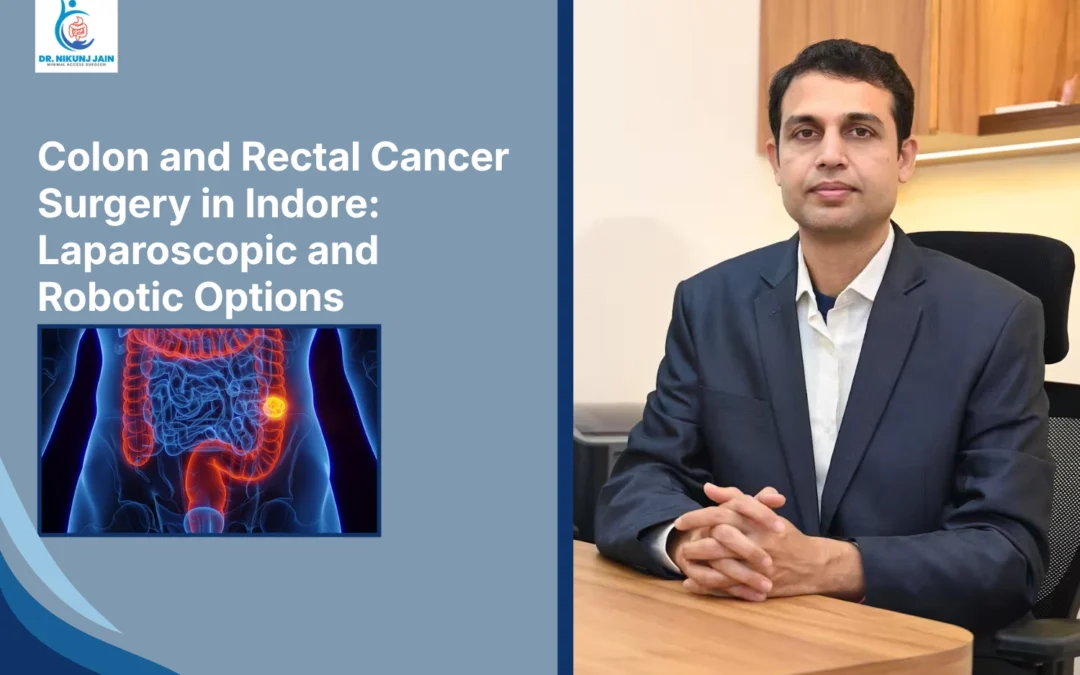
Colon and rectal cancers develop in the colon or rectum, and surgery is an important part of treatment for many localized colorectal cancers.
With advances in surgical techniques, colorectal cancer surgery can now often be performed through smaller incisions using laparoscopic or robotic methods. Patients looking for colon and rectal cancer surgery in Indore may be advised to undergo open, laparoscopic or robotic surgery depending on the location of the tumour, its stage and the complexity of the procedure.
Dr. Nikunj Jain, best GI cancer surgeon in Indore, evaluates each case carefully to determine the most suitable surgical approach. The treatment plan may include laparoscopic colon cancer surgery, robotic rectal cancer surgery or conventional surgery based on the patient’s condition and overall treatment needs.
Table of Contents
What Is Colon and Rectal Cancer Surgery?
The aim of cancer surgery is to take out the cancer and some healthy tissue around it. Lymph nodes near the bowel are also removed if needed.
For colon cancer the surgery is usually called colon resection or colectomy. The part of the colon that’s sick is taken out. Then the healthy ends are joined back together.
For cancer the plan for surgery depends on how close the tumour is to the anus and other parts of the pelvis. The goal is to remove as much of the tumour as possible while keeping the ability to pass stool if possible.
Some people might also need chemotherapy or radiation before or after surgery. This depends on how the cancer has spread.
Laparoscopic Colon Cancer Surgery
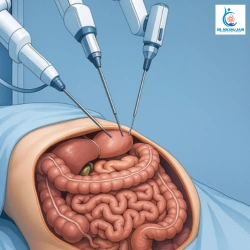
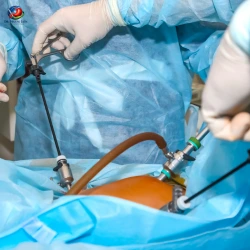
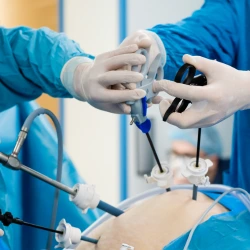
Laparoscopic colon cancer surgery is a type of invasive surgery. It is done through small cuts on the belly. A laparoscope with a camera is put into the belly. This lets the surgeon see the inside on a screen. Then special tools are used to take out the cancer and nearby lymph nodes.
Compared to open surgery people who are candidates for laparoscopic surgery may have smaller cuts, less pain after surgery and a quicker return to regular activities. Laparoscopic surgery is not right for every case of colorectal cancer. Things like the size and position of the tumour past surgeries and if the cancer has spread are all important.
Robotic Rectal Cancer Surgery
The rectum is deep in the pelvis, which makes it hard to reach. Robotic rectal cancer surgery gives view and more precise control during certain complex rectal cancer surgeries.
During surgery the surgeon uses a console to control the robotic tools. The robot does not work on its own.
The robot can move freely which is useful in the tight space near the rectum in the pelvis.
Like laparoscopic surgery robotic surgery uses cuts and can help patients go home sooner and recover faster if they are suitable.
People thinking about treatment should talk to a skilled rectal cancer surgeon in Indore. This helps to find out if the method can help their case.
Laparoscopic vs Robotic Colorectal Surgery
Both laparoscopic and robotic methods are minimally invasive. They use cuts more than traditional open surgery. However the tools used are different.
Unlike laparoscopic surgery, robotic surgery has special tools that are controlled from a robotic console.
Neither laparoscopic nor robotic surgery is better for everyone. The main goal is to take out the cancer with healthy tissue around it. This helps to control the cancer in the run.
The right approach depends on where the tumour’s how far it has spread, the patient’s situation and the surgeon’s experience.
What Happens After Colorectal Cancer Surgery?
Recovery after surgery depends on what type of surgery was done. Patients are usually encouraged to start moving soon as they can after the operation.
Food and drinks are slowly added back as the body allows. Managing pain, healing the wound and checking for any problems are also important.
The part of the body that was taken out is sent to a lab for testing. The lab report shows the stage of the cancer. Helps decide if more treatment is needed.
Regular check-ups are suggested after colon cancer treatment in Indore. This helps to see how well the body is recovering and to spot any signs of the cancer coming back.
When Should You See a Colorectal Cancer Surgeon?
Medical check-ups are advised if there are symptoms like blood in the stool, changes in how you go to the bathroom losing weight without trying, tummy pain, constant constipation or diarrhea or not feeling well.
These symptoms do not mean someone definitely has cancer. They should be checked by a gastro doctor near me.
If someone has been told they have cancer, seeing a skilled colon cancer surgeon in Indore can help understand the stage of the cancer. It also helps to find out what surgery options are available. It also helps to know if laparoscopic or robotic surgery is a choice.
Conclusion
If you or a loved one has been told they have colon or rectal cancer getting help quickly and planning the surgery is very important.
Talk to Dr. Nikunj Jain, a GI and Surgical Gastroenterologist in Indore. He can check for colon and rectal cancers. He can also explain if open, laparoscopic or robotic surgery would be right, for your condition.
FAQs
Q1. Is surgery necessary for colon cancer?
Surgery is commonly used for localized colon cancer and usually involves removing the affected section of the colon along with nearby lymph nodes.
Q2. What is colon resection surgery?
Colon resection surgery involves removing the part of the colon containing the tumour and then reconnecting the healthy portions whenever medically appropriate.
Q3. Can colon cancer surgery be performed laparoscopically?
Yes. Many suitable patients can undergo laparoscopic colon cancer surgery through smaller abdominal incisions.
Q4. What is robotic rectal cancer surgery?
Robotic rectal cancer surgery is a minimally invasive technique in which the surgeon controls robotic instruments to perform precise movements within the pelvis.
Q5. Is robotic surgery better than laparoscopic surgery?
Not necessarily. The most suitable approach depends on the location and stage of the cancer, patient anatomy and the surgeon’s assessment.
Q6. How long does recovery take after colon cancer surgery?
Recovery varies depending on the extent of surgery, technique used, overall health and whether complications occur.
Q7. Will I need chemotherapy after colorectal cancer surgery?
Some patients may need chemotherapy after surgery depending on the cancer stage, lymph node involvement and pathology report.
Q8. Is a stoma always required after rectal cancer surgery?
No. A stoma is not required in every case. Whether it is temporary, permanent or unnecessary depends on the tumour location and type of operation.
Q9. What are the warning signs of colorectal cancer?
Possible symptoms include blood in the stool, persistent bowel habit changes, abdominal discomfort, unexplained weight loss and anemia.
Q10. Who should I consult for colon and rectal cancer surgery in Indore?
Patients diagnosed with colorectal cancer can consult Dr. Nikunj Jain, a GI and surgical gastroenterologist in Indore experienced in colorectal and gastrointestinal cancer surgery. He can assess the condition and recommend the most suitable surgical approach based on the tumour location, stage and overall health of the patient.
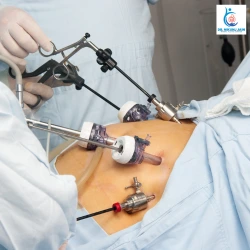
Surgery can sound scary, but many abdominal conditions can be treated safely with laparoscopic surgery, also known as keyhole or minimally invasive surgery. In this procedure, the surgeon makes a few small incisions and uses a tiny camera and special surgical instruments to perform the operation.
Dr. Nikunj Jain, best laparoscopic surgeon in Indore, says whether you need this surgery depends on your problem, symptoms, overall health and treatment needed. Laparoscopy can help find and fix some stomach issues.
Compared to open surgery this approach often means smaller cuts, less pain and a quicker recovery. Results can vary depending on the procedure and person.
Table of Contents
What Is Laparoscopic Surgery?
This surgery is done through cuts in the stomach. A thin tool with a camera called a laparoscope helps the surgeon see organs on a monitor. Other small tools are inserted through cuts to do the procedure. This technique is often used for stomach operations. It can help avoid a surgical cut.
When Might Laparoscopic Surgery Be Needed?
Gallbladder Problems
If you have gallstones or repeated gallbladder attacks surgery might be suggested to remove the gallbladder. Laparoscopic cholecystectomy is often used for patients with gallstones.
Symptoms of gallbladder problems include stomach pain, nausea, vomiting or repeated discomfort. Your doctor might suggest tests before deciding on surgery.
Hernia
A hernia happens when tissue or an organ pushes through a spot in the stomach wall. Some hernias cause swelling, discomfort or pain that gets worse when lifting, coughing or being active.
Hernias that need repair might be treated with open, laparoscopic or robotic surgery. This depends on the hernias location and size, previous treatment, the patient’s health and the surgeon’s assessment.
Appendicitis
Appendicitis is inflammation of the appendix. It can cause stomach pain, nausea, vomiting or fever. Laparoscopy can help diagnose and treat appendicitis in some cases.
Appendicitis can become serious if complications develop. Sudden or worsening stomach pain should not be ignored.
Weight Loss Surgery
For some people with obesity, lifestyle changes and medical treatment might not work. After a health check weight loss surgery might be considered.
Many weight loss procedures can be done laparoscopically. This approach might mean less pain, shorter hospital stays and a quicker return to work.
Persistent or Unexplained Abdominal Problems
Sometimes people have stomach pain or symptoms that tests can’t explain.
In some cases diagnostic laparoscopy lets the surgeon directly examine stomach organs.
It might also be possible to treat a problem during the procedure.
However not every case of stomach pain needs laparoscopy. Your doctor will consider your symptoms, examination and test results before suggesting it.
Why Is Laparoscopic Surgery Often Preferred?
Laparoscopic surgery has advantages. These include:
No surgical cuts and scars
Less pain in procedures
Shorter hospital stays in some cases
Faster return to activities
Lower wound complication rates for certain operations
The exact benefits depend on the surgery type and the patients condition.
Is Laparoscopic Surgery Right for Everyone?
Laparoscopic surgery is commonly used to treat many abdominal conditions, but it may not be suitable for every patient. The choice of surgical approach depends on several factors, including the type and complexity of the condition, previous abdominal surgeries, overall health, and findings during the procedure.
In some cases, a surgery that begins laparoscopically may need to be converted to open surgery if the surgeon feels it is safer or necessary to complete the operation effectively.
Like any surgical procedure, laparoscopic surgery also carries certain risks, such as bleeding, infection, or injury to nearby organs and blood vessels. However, careful evaluation and proper surgical planning can help reduce these risks.
Conclusion
Laparoscopic surgery may be recommended when a condition cannot be effectively managed with medicines or other non-surgical treatments. Common conditions treated through laparoscopic techniques include gallbladder disease, hernia, appendicitis, and severe obesity requiring bariatric surgery.
If you are experiencing persistent abdominal symptoms or have been advised to consider surgery, a proper medical evaluation is important. Dr. Nikunj Jain can assess your condition and guide you on whether laparoscopic surgery or another treatment option may be more suitable for you.
FAQ’s
Q1. What is laparoscopic surgery?
Laparoscopic surgery is a minimally invasive technique in which a surgeon performs an operation through small incisions using a camera and specialised surgical instruments.
Q2. How do I know if I need laparoscopic surgery?
You may need it if you have a condition that requires surgical treatment and can safely be managed using a minimally invasive approach. Your surgeon will decide after examining you and reviewing your tests.
Q3. Which conditions can be treated with laparoscopic surgery?
Laparoscopy is commonly used for procedures involving conditions such as gallbladder disease, hernias and appendicitis, as well as selected bariatric and other abdominal operations.
Q4. Is laparoscopic surgery better than open surgery?
Neither method is best for every patient. Laparoscopic surgery can offer benefits such as smaller incisions and faster recovery for certain procedures, while open surgery may be safer or more suitable in other situations.
Q5. Can hernia surgery be done laparoscopically in Indore?
Yes, some hernias can be repaired laparoscopically. The appropriate technique depends on the type, size and location of the hernia, previous repairs and the patient’s overall condition.
Q6. What should I discuss with a laparoscopic surgeon before surgery?
Before surgery, discuss your symptoms, medical history, previous operations, current medications, test results, expected benefits, possible risks, recovery time, and whether laparoscopic surgery is the most suitable option for your condition.
Q7. How long does recovery take after laparoscopic surgery?
Recovery depends on the operation performed and your overall health. Many people return to routine activities sooner than after comparable open procedures, but your surgeon’s recovery instructions should always be followed.
Q8. Is laparoscopic surgery painful?
Some discomfort is expected after any surgery. However, smaller incisions used in laparoscopic procedures may result in less postoperative pain for certain operations compared with open surgery.
Q9. Can laparoscopic surgery turn into open surgery?
Yes. Sometimes a surgeon may need to convert a laparoscopic operation to open surgery if it becomes necessary for safety or to complete the procedure properly.
Q10. Where can I consult for laparoscopic surgery in Indore?
You can consult an experienced laparoscopic surgeon in Indore for a detailed examination, diagnosis and personalised discussion about the most suitable surgical approach.
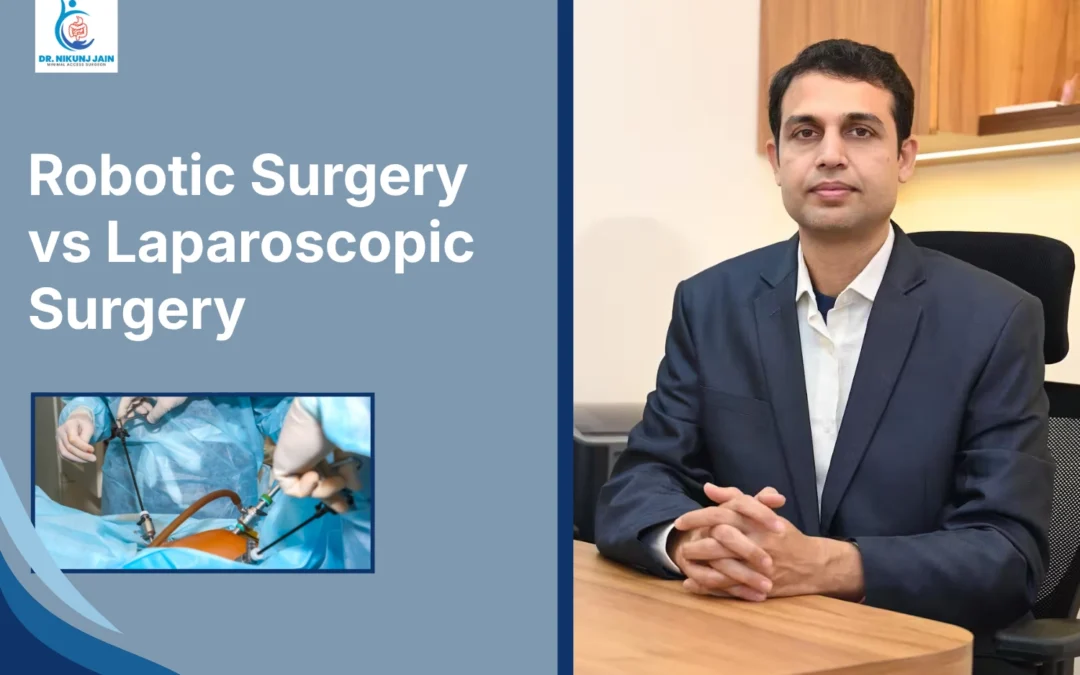
Robotic surgery vs laparoscopic surgery are two techniques that have changed how many stomach and digestive problems are treated today. Both methods are less invasive than open surgery. They are commonly used for procedures related to hernia, gallbladder, appendix, colorectal conditions and other digestive health concerns.
According to Dr. Nikunj Jain, gastroenterologist surgeon in Indore, understanding the difference between these two techniques helps patients feel more confident before choosing the treatment option.
Earlier surgeries required cuts, longer hospital stays and more recovery time. With modern methods, the focus has shifted towards smaller cuts, better precision, less pain and faster healing.This is where laparoscopic and robotic surgery play an important role.
Table of Contents
What is Laparoscopic Surgery?
Laparoscopic surgery is also known as minimally invasive surgery. In this technique, the surgeon makes small cuts in the body instead of one large incision. A thin camera called a laparoscope is inserted through one of the cuts.
This camera shows the view of the body on a screen. The surgeon then uses instruments to perform the surgery with care. Laparoscopic surgery is widely used because it is safe, effective and suitable for many conditions.
It is often used for gallbladder stone surgery, appendix surgery, hernia repair and many other abdominal procedures. One of the benefits of laparoscopic surgery is faster recovery.Since the cuts are small, patients usually experience less pain, less bleeding and a shorter hospital stay. Many people can return to their routine sooner compared to open surgery.
What is Robotic Surgery?
Robotic surgery is also a minimally invasive technique, but it uses a robotic system to assist the surgeon. The surgeon controls robotic arms from a console.
These robotic arms hold instruments and move with high accuracy. The system also provides a magnified view of the surgical area. It is essential to understand that the robot does not perform the surgery on its own.
The surgeon remains fully in control throughout the procedure. The robotic system simply helps the surgeon perform movements with stability and precision. Robotic surgery can be helpful in cases where fine movements are required. It may be used in colorectal, urological and abdominal surgeries depending on the patient’s condition.
Robotic Surgery and Laparoscopic Surgery: Main Difference
Point
Laparoscopic Surgery
Robotic Surgery
Cuts / Incisions
Done through small cuts
Done through small cuts
How Surgeon Operates
Surgeon directly holds and moves the instruments
Surgeon controls robotic arms through a computer-assisted system
Movement Control
Manually controlled by the surgeon
Controlled through robotic technology
Precision
Provides good precision for many routine surgeries
May offer extra precision in selected cases
Visualization
Uses a camera for internal view
May provide better visualization in some cases
Technology
Older and well-established technique
Newer and advanced technology
Common Use
Trusted for several routine procedures
Useful in selected complex cases
Is It Always Better?
Not always; depends on the case
Not always better for every patient
Best Choice Depends On
Type of surgery, condition, patient health, technology and surgeon’s experience
Type of surgery, condition, patient health, technology and surgeon’s experience
Benefits of Laparoscopic Surgery
Laparoscopic surgery is a patient-friendly surgical option.
It usually causes less pain compared to open surgery.
Smaller cuts are made during the procedure.
There is generally less blood loss.
It lowers the chance of large visible scars.
Most patients recover faster after surgery.
Patients can usually return to work and daily life earlier.
Laparoscopic surgery is widely available.
It is often more cost-effective than robotic surgery.
For gastrointestinal and abdominal problems, laparoscopic surgery can give excellent results when performed by an experienced gastro surgeon in Indore like Dr. Nikunj.
Benefits of Robotic Surgery
Robotic surgery offers better precision during the procedure.
It gives the surgeon improved control while operating.
It provides a better 3D view of the surgical area.
Robotic arms can move in ways that may be difficult with laparoscopic instruments.
It can be useful in surgeries involving narrow spaces.
It may help in delicate tissue handling.
Patients may benefit from smaller cuts.
It can cause less pain compared to traditional open surgery.
It may reduce blood loss during surgery.
Recovery may be faster in selected cases.
However, robotic surgery can be more costly.
It may not be required for every condition.
Which Surgery is Better?
There is no answer that fits every patient. Laparoscopic surgery is a good option for routine surgeries. Robotic surgery may be helpful in selected cases where extra precision is required.
The right decision should always be made after diagnosis and consultation. A surgeon checks the patient’s history, symptoms, test reports, condition severity and overall health before suggesting the suitable surgical method.
Patients should not choose a surgery only because it sounds modern. The safest and most effective method is the one that is right for their condition.
Recovery After Robotic and Laparoscopic Surgery
Recovery is usually faster in both laparoscopic surgery and robotic surgery compared to open surgery. Patients may feel pain, swelling or discomfort around the incision area for a few days.
Doctors usually advise rest, light movement, a healthy diet and avoiding heavy lifting for some time. Follow-up visits are crucial to check healing and prevent complications.Patients should contact their doctor if they notice fever, severe pain, vomiting, bleeding or unusual swelling after surgery.
Conclusion
Robotic and laparoscopic surgery both offer minimally invasive treatment options with smaller cuts, faster recovery and better comfort for patients.
Laparoscopic surgery remains a choice for many common surgeries, while robotic surgery can be useful in selected complex cases. Dr. Nikunj Jain, best laparoscopic surgeon in Indore, helps patients in Indore understand their condition clearly and choose the surgical approach based on safety, need and long-term results.
FAQ’s
Q1. What is the difference between robotic surgery and laparoscopic surgery? Robotic surgery uses a computer-assisted robotic system controlled by the surgeon, while laparoscopic surgery is performed manually using small instruments and a camera. Both are minimally invasive and help patients recover faster.
Q2. Is robotic surgery better than laparoscopic surgery? Robotic surgery may offer better precision in selected complex cases, but laparoscopic surgery is also highly effective for many common surgeries.
Q3. Is laparoscopic surgery safe? Yes, laparoscopic surgery is considered safe when performed by an experienced surgeon. It involves small cuts, less pain, faster recovery and shorter hospital stay compared to open surgery.
Q4. Who is the best doctor for laparoscopic surgery in Indore? Patients looking for minimally invasive surgery can consult Dr. Nikunj Jain in Indore for evaluation and guidance related to laparoscopic and gastrointestinal surgical treatments.
Q5. Does robotic surgery mean the robot performs the operation? No, the robot does not perform the surgery on its own. The surgeon controls the robotic arms throughout the procedure, while the robotic system helps with precision and clear visibility.
Q6. Which surgeries can be done laparoscopically? Laparoscopic surgery is commonly used for gallbladder stone surgery, appendix surgery, hernia repair and many abdominal or gastrointestinal procedures.
Q7. Is recovery faster after robotic or laparoscopic surgery? Both robotic and laparoscopic surgeries usually offer faster recovery than open surgery. Recovery depends on the type of surgery, patient’s health and post-surgery care.
Q8. Is robotic surgery available in Indore? Robotic surgery options may be available for selected procedures in Indore, depending on the condition and facility. A consultation with Dr. Nikunj Jain can help patients understand whether robotic or laparoscopic surgery is suitable.
Q9. Is laparoscopic surgery painful? Laparoscopic surgery usually causes less pain than open surgery because only small cuts are made. Mild pain or discomfort may happen for a few days and is usually manageable with medicines.
Q10. When should I consult Dr. Nikunj Jain in Indore for laparoscopic surgery? You should consult Dr. Nikunj in Indore if you have symptoms related to hernia, gallbladder stones, appendix pain, abdominal swelling, digestive issues or any condition that may need surgical care.
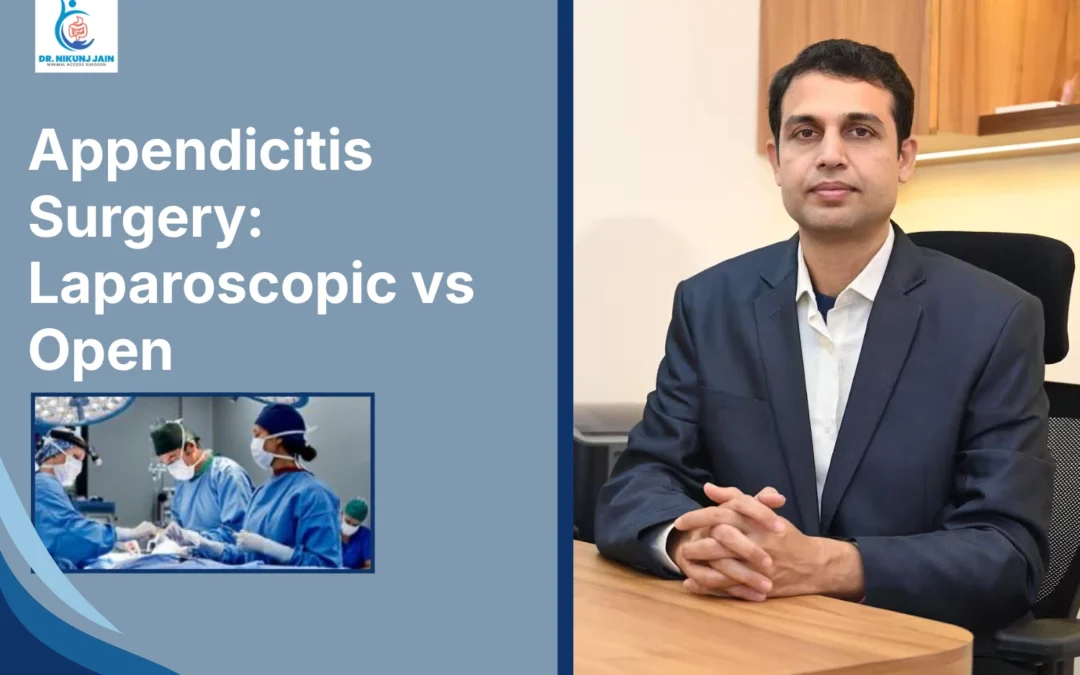
Appendix surgery is something that a lot of people need to have when their appendix gets swollen or infected. This is called appendicitis. If appendicitis is not treated away the appendix can burst and spread infection all over the abdomen. Dr. Nikunj Jain, best gastro doctor in Indore, says that if the problem is found early and surgery is done on time, patients can recover safely and avoid problems.
A lot of patients get worried when they find out they need surgery. One thing they often ask is whether laparoscopic appendix surgery is better or if open appendix surgery is better. Both ways are used to remove the appendix. The way the surgery is done, how long it takes to recover the amount of pain and the size of the scar can be different.
Table of Contents
What is Appendix Surgery?
Appendix surgery is also known as appendectomy. It is done to remove the appendix when it gets infected or inflamed. The appendix is an organ that is attached to the large intestine. It does not do anything for our body so removing it does not affect how we digest food.
When someone has appendicitis they usually feel pain on the right side of their abdomen. The pain can start near the belly button. Then move to the right side. Other things that can happen include fever, vomiting, feeling sick not wanting to eat, swelling in the stomach and feeling pain when walking or coughing. If appendicitis is confirmed surgery is usually the way to treat it.
What is Laparoscopic Appendix Surgery?
Laparoscopic appendix surgery is a way of doing surgery that is not too invasive. In this surgery the doctor makes cuts in the abdomen instead of one big cut. A small camera is put in one of the openings and special tools are used in the openings to remove the appendix.
The camera shows the doctor what’s inside the abdomen on a screen. This helps the doctor do the surgery with visibility and precision. Laparoscopic appendix surgery is often preferred today because it usually hurts less, leaves less scars and helps people recover faster. Most patients can go back to their routine sooner than if they had open surgery.
Benefits of Laparoscopic Appendix Surgery
Small cuts, so there is usually less bleeding.
Less pain and discomfort after surgery.
Lower risk of wound infection.
Faster recovery compared to open surgery.
Patients can usually start walking soon after surgery.
Smaller scars and better cosmetic results.
Helps the doctor check the abdomen clearly with a camera.
Useful when the exact cause of abdominal pain is not clear.
What is Open Appendix Surgery?
Open appendix surgery is another way of removing the appendix. In this procedure the doctor makes one big cut in the right side of the abdomen to reach and remove the infected appendix.
Open surgery may be needed in some cases where the appendix has burst, there is an infection or there is swelling inside the abdomen. It may also be preferred when the patient has had big surgeries on their abdomen before or when laparoscopic surgery is not a good option.
Even though open surgery may take longer to heal than laparoscopic surgery it is still an effective way to treat the problem when done by an experienced laparoscopic gastro doctor in Indore like Dr. Nikunj Jain.
Laparoscopic vs Open Appendix Surgery
Point
Laparoscopic Appendix Surgery
Open Appendix Surgery
Cut Size
Small cuts are made.
One bigger cut is made.
Pain After Surgery
Usually less pain and discomfort.
More discomfort may happen because the cut is bigger.
Scars
Smaller scars.
Bigger scar compared to laparoscopic surgery.
Recovery Time
Faster recovery in most cases.
Healing may take more time.
Movement After Surgery
Patients may move and walk sooner.
Moving, coughing or getting out of bed may feel uncomfortable.
Best For
May be suitable when appendicitis is treated early and infection is not severe.
May be needed if the appendix has burst or infection has spread.
Surgery Choice
Depends on the patient’s condition and doctor’s advice.
Depends on the patient’s condition and doctor’s advice.
Recovery After Appendix Surgery
Recovery after appendix surgery depends on the type of surgery and how bad the infection is. After surgery many patients can go home soon and go back to light activities in a few days. After surgery recovery may take longer.
Patients are usually told to avoid lifting things by exercising too much and eating oily or hard-to-digest food for some time. Walking slowly, drinking water and taking the doctor’s medicine properly can help people recover smoothly.
It is important to see the doctor if there is a fever, more pain, vomiting, swelling, pus from the wound or trouble passing stool or urine after surgery.
When Should You See a Gastro Surgeon in Indore?
You should never ignore stomach pain especially if it moves to the lower right side. Waiting long to get treatment can increase the risk of the appendix bursting. If you have a fever, vomiting, stomach swelling or bad abdominal pain you should see a gastro surgeon near you as soon as possible.
Getting treatment early can make surgery easier and recovery faster.
Both laparoscopic and open appendix surgery are ways to treat appendicitis. Laparoscopic surgery is usually preferred because it helps people recover faster, hurts less and leaves scars. Open surgery may be needed in some cases. The right option depends on the patient’s condition, how bad the infection is and their medical history. Dr. Nikunj Jain, best doctor for appendix in Indore provides trusted surgery treatment, with a patient-focused approach.
FAQ’s
Q1. What is appendix surgery?
Appendix surgery, also called appendectomy, is a procedure to remove the infected or swollen appendix. It is usually done when a patient has appendicitis and needs timely treatment to avoid serious infection.
Q2. When should I see a doctor for appendix pain in Indore?
You should consult a doctor if you have sudden pain in the lower right side of the abdomen, fever, vomiting, nausea, loss of appetite or stomach swelling. Dr. Nikunj Jain in Indore can help diagnose the condition and suggest the right treatment.
Q3. Which is better, laparoscopic or open appendix surgery?
Laparoscopic surgery is often preferred because it involves smaller cuts, less pain, smaller scars and faster recovery. However, open surgery may be needed in complicated cases such as a burst appendix or severe infection.
Q4. Is laparoscopic appendix surgery painful?
Laparoscopic appendix surgery usually causes less pain compared to open surgery because the cuts are smaller. Some mild discomfort after surgery is normal and can be managed with medicines advised by the doctor.
Q5. How long does recovery take after appendix surgery?
Recovery depends on the type of surgery and the patient’s condition. Many patients recover faster after laparoscopic surgery, while open surgery may take a little longer. Dr. Nikunj Jain guides patients in Indore with proper post-surgery care for smooth recovery.
Q6. Can appendix surgery be delayed?
Appendix surgery should not be delayed if appendicitis is confirmed. Delay can increase the risk of appendix rupture, infection spread and serious complications inside the abdomen.
Q7. Are there scars after appendix surgery?
Yes, but scars are usually smaller in laparoscopic appendix surgery because it uses tiny cuts. Open surgery may leave a slightly bigger scar due to a larger incision.
Q8. What food should be avoided after appendix surgery?
After appendix surgery, patients should avoid oily, spicy, heavy and hard-to-digest foods for some time. Light meals, fluids and soft food are usually better during early recovery.
Q9. Is appendix surgery safe?
Yes, appendix surgery is a commonly performed and safe procedure when done by an experienced surgeon. The safety also depends on early diagnosis, infection level and overall health of the patient.
Q10. Who is the best doctor for appendix surgery in Indore?
For appendix pain, appendicitis treatment and appendix surgery in Indore, you can consult Dr. Nikunj Jain for proper diagnosis, surgical care and recovery guidance.
Growing older often brings health challenges that may require surgical treatment. Many elderly people and their families worry about whether surgery is safe at an advanced age. One common concern is whether minimally invasive procedures like laparoscopic surgery are suitable for seniors. According to Dr. Nikunj Jain, a gastroenterologist surgeon in Indore, laparoscopic surgery has made many abdominal procedures safer and easier even for elderly people. Understanding how this surgical technique works and why it is often preferred for older individuals can help families make informed medical decisions.
Table of Contents
What Is Laparoscopic Surgery?
Laparoscopic surgery is a modern surgical technique that uses very small cuts instead of large incisions. Through these tiny openings, surgeons insert a thin camera and special instruments to perform the procedure inside the body.
The camera shows a magnified view of the internal organs on a monitor, allowing the surgeon to perform the surgery with high precision. This technique is commonly used for procedures involving the gallbladder, appendix, hernia, stomach, and intestines.
Because the incisions are small, the body experiences less trauma compared to traditional open surgery.
Why Laparoscopic Surgery Is Often Safer for Elderly people
One of the main advantages of laparoscopic surgery is that it is minimally invasive. For elderly people whose bodies may take longer to recover, this approach can significantly reduce surgical stress.
Some of the key benefits include:
• Smaller surgical cuts • Reduced blood loss during surgery • Lower risk of infection • Less post-operative pain • Faster recovery time • Shorter hospital stay
These factors are especially important for seniors who may already be managing other health conditions such as diabetes, blood pressure issues, or heart problems.
Faster Recovery Matters for Seniors
Recovery speed plays a major role in elderly patient care. Long hospital stays can increase the risk of complications such as infections, weakness or reduced mobility.
With laparoscopic surgery, many people are able to walk within a short time after the procedure. Early movement helps prevent complications like blood clots and lung infections. Most elderly people also experience less discomfort, which allows them to return to their normal routine sooner.
Lower Risk of Complications
Traditional open surgeries require larger cuts and longer healing periods. In older people, large surgical wounds may take more time to heal and can sometimes lead to complications.
Minimally invasive techniques reduce the size of the wound, which lowers the risk of infection and speeds up tissue healing. Many seniors tolerate laparoscopic procedures well when they are properly evaluated before surgery.
A detailed medical assessment helps determine whether the patient is fit for surgery.
Importance of Pre-Surgery Evaluation
Age alone is not the deciding factor when it comes to surgery. Doctors carefully evaluate the overall health of the patient before recommending a procedure.
This assessment may include:
• Heart health evaluation • Blood tests • Imaging scans • Review of existing medical conditions • Medication history
Once the surgeon understands the patient’s complete medical profile, the safest surgical plan can be chosen.
Common Conditions Treated with Laparoscopic Surgery
Several abdominal problems that affect elderly people can be treated using laparoscopic methods. These include:
• Gallbladder stones • Hernia repair • Appendix removal • Certain stomach and intestinal conditions • Diagnostic abdominal procedures
In many of these cases, minimally invasive surgery allows the patient to recover more comfortably compared to traditional surgical methods.
Emotional Concerns of Elderly people
Surgery can be emotionally stressful for older individuals. Many seniors fear long recovery periods, pain, or dependence on others after surgery.
However, advancements in surgical techniques have made procedures much safer than they were decades ago. When people understand that minimally invasive surgery involves smaller cuts and faster healing, it often reduces anxiety and helps them feel more confident about treatment.
Support from family members and clear communication with the doctor also plays an important role in easing these concerns.
Choosing an Experienced Surgeon Matters
The success of any surgery depends greatly on the experience and skill of the surgeon performing it. A well-trained laparoscopic surgeon understands how to manage complex cases, including elderly people with multiple health conditions.
Modern hospitals equipped with advanced surgical technology also improve patient safety and outcomes.
Conclusion
Laparoscopic surgery has transformed the way many abdominal procedures are performed today. For elderly people, this minimally invasive approach often offers a safer option with faster recovery, less pain and lower complication risks.
When a proper medical evaluation is done and the procedure is performed by an experienced surgeon, age alone should not be a barrier to receiving effective surgical treatment. As Dr. Nikunj Jain, best laparoscopic surgeon in Indore, explains, many senior people successfully undergo laparoscopic procedures and return to their normal lives with improved health and comfort.
Hearing you need surgery? Yeah, that first hit of fear is real. Your brain spins: “Will it hurt bad? How long till I’m normal again? Can life just pick up?” Good news though,with cool new tech and top like Dr. Nikunj Jain, best laparoscopic surgeon in indore, laparoscopic surgery in indore makes it all way easier, safer, and less scary for us in Indore.
It’s the keyhole surgery: super small cuts, a little camera, and skinny tools. see everything inside crystal clear and fix it spot-on. You heal faster physically, and mentally? No huge scars or endless hospital time to freak you out.
Table of Contents
Why People Choose Laparoscopic Surgery
Biggest benefit? You bounce back to real life fast. Worried about work, chores, or family? This minimal-cut approach slashes recovery time versus the old big-slash way.
And pain? Barely there. Less body trauma means way less ouch post-op. That “I can handle this” vibe pushes you to say yes instead of dragging your feet from nerves.
Problems Laparoscopic Surgery Can Treat
Great for belly and gut stuff: gallstones, hernias, appendix issues, obesity ops, and some tummy troubles.
check you thoroughly first. Goal’s solid fix with easy, safe healing. Realizing it’s not a body-and-mind nightmare? You’ll jump on help sooner, not ignore it.
Risks of Delaying Surgery
Nerves make lots skip it, living with aches, ick, or gut woes for months,years even. It tanks your confidence, sleep, productivity, happiness.
Feels helpless, right? Parties, trips, fave foods? Tough. Timely laparoscopic? Lifts the pain and the stress. People feel lighter, peppy, positive after.
Cost and Recovery Benefits of Laparoscopic Surgery
Short hospital stay helps reduce overall treatment stress
Fewer missed workdays mean less financial pressure
Lower need for long-term medicines or repeated visits
Faster return to daily routine builds confidence
Early mobility supports both physical and emotional healing
Feeling independent again improves mental comfort after surgery
Benefits of Faster Recovery After Surgery
It’s beneficial for patients :
Tiny scars that look great
Way less infection chance
Short hospital bit, home quick
Eating and moving normal ASAP
Mild pain, skip the heavy meds
You reclaim your groove fast. Emotionally? That “smart choice” glow and control.
How to Mentally Prepare for Surgery
Understanding the procedure can significantly reduce anxiety. Speak openly with your surgeon, ask questions, and gain clarity about the process, recovery timeline, and expected outcomes. This helps build trust and confidence in your treatment plan.
Emotional support also plays a vital role. Encouragement from family and loved ones can ease stress and help you feel more reassured. Maintaining a positive mindset, along with carefully following your Doctor’s advice, contributes to a smoother surgical experience and recovery.
For long-term benefits, focus on a healthy lifestyle, balanced nutrition, regular physical activity, and routine follow-ups. These habits support healing and help you maintain the results of your treatment. With the right preparation and outlook, surgery can become a step toward improved health and renewed confidence.
Conclusion
Laparoscopic surgery offers a modern, minimally invasive approach to treating abdominal and gastrointestinal conditions. It helps address underlying issues effectively while promoting faster recovery, reduced discomfort, and a quicker return to a confident, comfortable lifestyle. If you are experiencing persistent digestive or abdominal concerns, consulting a specialist can help you choose the most appropriate treatment plan.
Laproscopic surgery in Indore (patients) can benefit from the expert and compassionate care of Dr. Nikunj Jain, laparoscopic GI Surgeon in Indore, who is known for providing safe surgical solutions and guiding patients through a smooth recovery journey. Seeking timely treatment today can help you achieve better health and improved quality of life tomorrow.