Gastric bypass is one of the best surgeries for people who have a lot of weight to lose and health problems because of it. Many patients who meet Dr. Nikunj Jain for a consultation ask one question first: “How much weight can I actually lose after gastric bypass?” The answer depends on how much you weigh your BMI, how you live, what you eat, how active you are and if you follow doctors advice.
Table of Contents
What is a Gastric Bypass?
Gastric bypass is not a fix or a cosmetic procedure. It is a surgery that changes how your stomach and small intestine handle food. During the procedure a small stomach pouch is connected to a part of the small intestine. This helps you feel full with meals and also changes hunger and fullness signals in the body.
Most patients lose a lot of their weight within the first 12 to 24 months after gastric bypass. According to the American Society for Metabolic and Bariatric Surgery patients may lose up to 60% of weight by six months and around 77% of extra weight as early as 12 months after surgery. Mayo Clinic also notes that gastric bypass can help patients lose about 70% or more of weight within two years depending on lifestyle and individual factors.
For example if a person has 50 kg of weight, losing 60% of extra weight means losing around 30 kg. This number can vary from person to person.
What Happens in the First Months?
Weight loss is usually faster in the first few months after surgery because food intake is limited and the body starts using stored fat for energy.
The diet is slowly planned in stages, starting with liquids, then soft foods and gradually moving to balanced meals.
Many patients notice changes within 3 to 6 months, such as loose clothes, better energy, easier movement and reduced body heaviness.
During this phase, protein intake, hydration, vitamin supplements and regular follow-ups are very important.
By one year, many patients achieve good weight loss and health problems like diabetes, high BP, sleep apnea, joint pain and fatty liver may improve.
Gastric bypass gives a good start, but long-term success depends on mindful eating, physical activity and avoiding high-calorie foods, sugary drinks and frequent snacking.
Can Weight Come Back After Gastric Bypass?
Some weight gain can happen after a year especially if lifestyle habits are not maintained. Studies show that long-term weight loss can remain strong after bypass but some patients may regain part of the weight they lost over time.
Research has shown that many patients still maintain weight loss even 10 years after Roux-en-Y gastric bypass. This is why follow-up care is so important. Weight regain does not always mean surgery has failed.
It may happen because of increased calorie intake, reduced activity, emotional eating, lack of protein, poor sleep or missed follow-ups.
Your final weight loss depends on things. These include:
Your starting BMI
Age
Medical conditions
Eating pattern
Physical activity
Hormonal health
How well you follow the surgery plan
Important habits after gastric bypass include:
Protein-rich meals
Controlled portions
Avoiding sugary foods
staying active
Vitamin and mineral supplements are also necessary because the body may absorb some nutrients differently after surgery.
Is Gastric Bypass Right for Everyone?
Gastric bypass may be recommended for people struggling with obesity, especially when it is linked with diabetes, high blood pressure, sleep apnea, fatty liver or joint problems.
However, this surgery is not suitable for every patient.
A proper medical evaluation is needed before deciding on gastric bypass surgery.
The surgeon checks factors like BMI, health history, current medicines, eating habits, past weight loss attempts and readiness for lifestyle changes.
The main goal is not just weight loss, but safe improvement in overall health.
Many patients may lose around 60% to 70% or more of their excess weight within 1 to 2 years, but results differ from person to person.
The best results come when surgery is combined with healthy eating, regular activity, proper supplements and long-term medical follow-up.
Conclusion
Dr. Nikunj Jain, best gastro surgeon in Indore, explains that gastric bypass surgery can be a life-changing treatment option for people struggling with severe obesity and obesity-related health problems. It may help patients achieve meaningful weight loss and can also support better control of conditions like type 2 diabetes, high blood pressure, sleep apnea, fatty liver and joint pain.
However, gastric bypass is not just a surgery; it is the beginning of a long-term health journey. The best results are seen when patients follow a proper diet plan, stay physically active, take recommended supplements and continue regular medical follow-ups. With expert guidance, disciplined lifestyle changes and the right post-surgery care, gastric bypass surgery in Indore can help patients move toward better health, improved confidence and a better quality of life.
FAQ’s
Q1. How much weight can you lose after gastric bypass? Many patients may lose around 60% to 70% or more of their excess weight within 1 to 2 years after gastric bypass. However, the result depends on BMI, diet, activity level, health condition and follow-up care.
Q2. Is gastric bypass surgery only for weight loss? No. Gastric bypass is not just for weight loss. It may also help improve obesity-related health problems such as type 2 diabetes, high blood pressure, sleep apnea, fatty liver and joint pain.
Q3. Who can consider gastric bypass surgery in Indore? People with severe obesity, high BMI or weight-related health problems may consider gastric bypass surgery in Indore after proper evaluation by a qualified bariatric or gastro surgeon.
Q4. How soon does weight loss start after gastric bypass? Weight loss usually starts soon after surgery. In the first few months, weight loss may be faster because food intake is reduced and the body begins using stored fat for energy.
Q5. What happens in the first 3 to 6 months after gastric bypass? During the first 3 to 6 months, patients may notice loose clothes, better energy, easier movement and gradual improvement in daily activity. Diet, hydration, protein intake and supplements are very important during this phase.
Q6. Can weight come back after gastric bypass surgery? Yes, some weight regain can happen if healthy habits are not maintained. Frequent snacking, sugary drinks, high-calorie foods, low activity and missed follow-ups may affect long-term results.
Q7. Is gastric bypass right for everyone? No. Gastric bypass is not suitable for every patient. A surgeon checks BMI, medical history, current medicines, eating habits, previous weight loss attempts and readiness for lifestyle changes before advising surgery.
Q8. Why are supplements needed after gastric bypass? After gastric bypass, the body may absorb some nutrients differently. Vitamin and mineral supplements help prevent deficiencies and support safe recovery and long-term health.
Q9. Why choose Dr. Nikunj Jain for gastric bypass consultation in Indore? Dr. Nikunj Jain, best gastro surgeon in Indore, guides patients with proper evaluation, treatment planning and follow-up care for obesity and weight-related health problems.
Q10. What gives the best results after gastric bypass surgery? The best results come from a combination of surgery, healthy eating, regular physical activity, protein-rich meals, proper supplements, discipline and long-term medical follow-up.
Gallbladder problems can cause a lot of pain, nausea and discomfort after eating. When gallstones or inflammation start to affect your life, surgery may be the best option. Dr. Nikunj Jain, best gallbladder surgeon in Indore, explains that understanding what the surgery is about can help reduce your worry and make you better prepared for the recovery process.
What is gallbladder removal surgery?
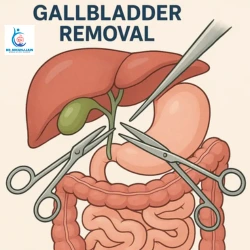
Gallbladder removal surgery is also known as cholecystectomy. The gallbladder is an organ that is located below the liver and it stores bile, which is a fluid that helps your body digest fats. Most people can live a life without their gallbladder because the bile still flows directly from the liver into the intestine.
Surgery is usually recommended when gallstones cause a lot of pain, infection, swelling, blockage of the bile duct or inflammation of the pancreas. Not all gallstones need to be treated and they can simply be monitored. If you have symptoms that keep coming back you should not ignore them.
How is the surgery done?
Most gallbladder surgeries are done using laparoscopic or keyhole surgery. The surgeon makes small cuts in your abdomen and inserts a thin camera with special instruments. The gallbladder is then carefully removed through one of these openings. The surgery is done under anesthesia, so you will be asleep and will not feel any pain. In some cases, such as inflammation or scar tissue the surgeon may need to do open surgery through a larger incision. This decision is made to keep you safe.
How to Prepare for the Surgery?
Before the surgery, your doctor may ask you to get some blood tests, scans and an anesthesia assessment done. You should tell your doctor about any health conditions you have, any allergies you may have and any medicines or supplements you are taking. You may need to stop taking medicines, especially those that affect blood clotting but only if your doctor tells you to.
You will also need to follow some fasting instructions. It is an idea to arrange for someone to take you home and have a family member stay with you for the first day.
What Happens on the Day of Surgery?
After admission to the hospital, the medical team will check your vital signs, including your blood pressure, pulse and temperature.
An intravenous line will be inserted to provide fluids and medicines.
You will be given anaesthesia so that you remain asleep and comfortable during the procedure.
The surgery is usually performed using the laparoscopic or keyhole method.
After surgery, you will be moved to a recovery area and monitored while you wake up from the anaesthesia.
You may experience abdominal pain, nausea, tiredness, bloating or discomfort in your shoulder after surgery.
Shoulder discomfort is common because gas is used to create space inside the abdomen during laparoscopic surgery.
Most patients undergoing laparoscopic surgery can go home on the same day or after an overnight hospital stay.
If open surgery is required, you may need to stay in the hospital for a longer period.
Recovery at home
You should rest, although you do not need to stay in bed all the time. Taking walks can help your circulation and may reduce stiffness and discomfort. You should keep your wounds clean and dry just like your doctor tells you to.
You can start eating meals and gradually go back to your normal diet. Eating portions may be more comfortable for the first few days. You should avoid eating oily or heavy food because it can cause bloating or loose stools while your body is adjusting.
Most people can go back to work within one or two weeks after laparoscopic surgery depending on how they feel and what their job’s. If you had surgery it will take longer to recover. You should not lift things, exercise too much or drive until your surgeon says it is safe.
Warning signs to watch out for
Some soreness and tiredness are normal. You should get medical help right away if you have certain symptoms. You should call your doctor if you have increasing pain, if you are vomiting all the time, if you have a fever, if your skin or eyes turn yellow, if your wound is swollen or leaking, if you are having trouble breathing or if you are unable to eat or drink.
Follow-up appointments with your surgeon are important so they can check how you are healing and give you advice on how to get to your normal activities. Dr. Nikunj Jain believes that you should not compare your recovery with someone Because everyone’s body is different and healing time can vary depending on the surgery and your overall health.
Life after gallbladder removal
Most people can go back to their routine and eat a balanced diet after they recover. Your liver will still produce bile so you can digest food without your gallbladder. Some people may notice some changes in their bowel habits especially after eating fatty meals. These changes usually go away as your body adjusts.
Conclusion
Gallbladder surgery can give you lasting relief from gallstone symptoms. Knowing what to expect during and after the surgery can help you feel more prepared and take an active role in your recovery. For advice and safe surgical care you should talk to the best gastro surgeon in Indore, Dr. Nikunj Jain and follow the advice given for your condition.
FAQ’s
Q1. What is gallbladder removal surgery?
Gallbladder removal surgery, also called cholecystectomy, is a procedure used to remove the gallbladder when gallstones, inflammation or infection cause repeated symptoms. It is commonly performed through laparoscopic or keyhole surgery.
Q2. When is gallbladder removal surgery required?
Surgery may be advised when gallstones cause frequent abdominal pain, nausea, vomiting, infection, jaundice or inflammation of the pancreas. Dr. Nikunj Jain, best gastro surgeon in Indore, can evaluate the symptoms and recommend suitable gallbladder treatment in Indore.
Q3. Is laparoscopic gallbladder surgery safe?
Laparoscopic gallbladder surgery is a commonly performed and generally safe procedure. However, every operation has certain risks. A proper medical evaluation helps the surgeon plan the procedure according to the patient’s health.
Q4. How long does gallbladder removal surgery take?
An uncomplicated laparoscopic gallbladder surgery may take around one to two hours. The exact duration can vary depending on inflammation, gallstone position, previous surgeries and the patient’s overall condition.
Q5. How many days of hospital stay are needed after gallbladder surgery?
Many patients can return home on the same day or after an overnight hospital stay following laparoscopic surgery. Patients undergoing open gallbladder surgery may need to remain in the hospital for a few additional days.
Q6. How long does recovery take after gallbladder removal surgery?
Most patients can return to light work within one or two weeks after laparoscopic surgery. Complete recovery may take longer, especially after open surgery. Dr. Nikunj Jain provides personalised recovery guidance to patients undergoing gallbladder surgery in Indore.
Q7. Can a person live normally without a gallbladder?
Yes, a person can live a normal and active life without a gallbladder. The liver continues to produce bile for digestion, but instead of being stored in the gallbladder, it flows directly into the intestine.
Q8. What foods should be avoided after gallbladder removal?
During early recovery, patients should limit fried, oily, spicy and high-fat foods. Smaller meals, light food, fruits, vegetables and adequate fluids may be easier to digest while the body adjusts after surgery.
Q9. Can gallstones return after gallbladder removal?
Gallstones cannot form inside the gallbladder after it has been removed. However, in rare situations, stones may develop or remain in the bile ducts. Persistent pain, fever or jaundice should be evaluated promptly.
Q10. Who should I consult for gallbladder removal surgery in Indore?
Patients experiencing recurring gallstone pain, vomiting, indigestion or gallbladder inflammation can consult Dr. Nikunj Jain for diagnosis and gallbladder removal surgery in Indore. Early consultation can help prevent serious complications.
Growing older often brings health challenges that may require surgical treatment. Many elderly people and their families worry about whether surgery is safe at an advanced age. One common concern is whether minimally invasive procedures like laparoscopic surgery are suitable for seniors. According to Dr. Nikunj Jain, a gastroenterologist surgeon in Indore, laparoscopic surgery has made many abdominal procedures safer and easier even for elderly people. Understanding how this surgical technique works and why it is often preferred for older individuals can help families make informed medical decisions.
Table of Contents
What Is Laparoscopic Surgery?
Laparoscopic surgery is a modern surgical technique that uses very small cuts instead of large incisions. Through these tiny openings, surgeons insert a thin camera and special instruments to perform the procedure inside the body.
The camera shows a magnified view of the internal organs on a monitor, allowing the surgeon to perform the surgery with high precision. This technique is commonly used for procedures involving the gallbladder, appendix, hernia, stomach, and intestines.
Because the incisions are small, the body experiences less trauma compared to traditional open surgery.
Why Laparoscopic Surgery Is Often Safer for Elderly people
One of the main advantages of laparoscopic surgery is that it is minimally invasive. For elderly people whose bodies may take longer to recover, this approach can significantly reduce surgical stress.
Some of the key benefits include:
• Smaller surgical cuts • Reduced blood loss during surgery • Lower risk of infection • Less post-operative pain • Faster recovery time • Shorter hospital stay
These factors are especially important for seniors who may already be managing other health conditions such as diabetes, blood pressure issues, or heart problems.
Faster Recovery Matters for Seniors
Recovery speed plays a major role in elderly patient care. Long hospital stays can increase the risk of complications such as infections, weakness or reduced mobility.
With laparoscopic surgery, many people are able to walk within a short time after the procedure. Early movement helps prevent complications like blood clots and lung infections. Most elderly people also experience less discomfort, which allows them to return to their normal routine sooner.
Lower Risk of Complications
Traditional open surgeries require larger cuts and longer healing periods. In older people, large surgical wounds may take more time to heal and can sometimes lead to complications.
Minimally invasive techniques reduce the size of the wound, which lowers the risk of infection and speeds up tissue healing. Many seniors tolerate laparoscopic procedures well when they are properly evaluated before surgery.
A detailed medical assessment helps determine whether the patient is fit for surgery.
Importance of Pre-Surgery Evaluation
Age alone is not the deciding factor when it comes to surgery. Doctors carefully evaluate the overall health of the patient before recommending a procedure.
This assessment may include:
• Heart health evaluation • Blood tests • Imaging scans • Review of existing medical conditions • Medication history
Once the surgeon understands the patient’s complete medical profile, the safest surgical plan can be chosen.
Common Conditions Treated with Laparoscopic Surgery
Several abdominal problems that affect elderly people can be treated using laparoscopic methods. These include:
• Gallbladder stones • Hernia repair • Appendix removal • Certain stomach and intestinal conditions • Diagnostic abdominal procedures
In many of these cases, minimally invasive surgery allows the patient to recover more comfortably compared to traditional surgical methods.
Emotional Concerns of Elderly people
Surgery can be emotionally stressful for older individuals. Many seniors fear long recovery periods, pain, or dependence on others after surgery.
However, advancements in surgical techniques have made procedures much safer than they were decades ago. When people understand that minimally invasive surgery involves smaller cuts and faster healing, it often reduces anxiety and helps them feel more confident about treatment.
Support from family members and clear communication with the doctor also plays an important role in easing these concerns.
Choosing an Experienced Surgeon Matters
The success of any surgery depends greatly on the experience and skill of the surgeon performing it. A well-trained laparoscopic surgeon understands how to manage complex cases, including elderly people with multiple health conditions.
Modern hospitals equipped with advanced surgical technology also improve patient safety and outcomes.
Conclusion
Laparoscopic surgery has transformed the way many abdominal procedures are performed today. For elderly people, this minimally invasive approach often offers a safer option with faster recovery, less pain and lower complication risks.
When a proper medical evaluation is done and the procedure is performed by an experienced surgeon, age alone should not be a barrier to receiving effective surgical treatment. As Dr. Nikunj Jain, best laparoscopic surgeon in Indore, explains, many senior people successfully undergo laparoscopic procedures and return to their normal lives with improved health and comfort.
Living with diabetes is not just a medical condition,it is an emotional journey. From daily medications and strict diet control to the constant worry about long-term complications, the condition often brings stress, frustration, and fatigue. Many people feel trapped in a cycle where, despite their best efforts, blood sugar levels remain difficult to manage. This is where metabolic or weight loss surgery has emerged as a hopeful option. According to Dr. Nikunj Jain, best gastro surgeon in indore, understanding both the medical and emotional aspects of this treatment is essential before making a decision.
Table of Contents
The Link Between Obesity and Type 2 Diabetes
Type 2 diabetes and obesity are closely connected. Excess body weight increases insulin resistance, making it harder for the body to control blood sugar levels. Over time, the pancreas struggles to keep up, and diabetes becomes more difficult to manage.
Traditional treatment focuses on lifestyle changes, oral medications, and insulin therapy. While these approaches are effective for many, some patients continue to experience uncontrolled diabetes despite their efforts. For such individuals, weight loss surgery may offer a new path toward better health.
Can Weight Loss Surgery Cure Diabetes?
The word “cure” can be misleading. Weight loss surgery does not eliminate diabetes permanently in every case. However, it can lead to diabetes remission, which means blood sugar levels return to normal without the need for medication.
Procedures like gastric bypass and sleeve gastrectomy work in two important ways:
They reduce stomach size, leading to significant weight loss.
They create hormonal changes that improve insulin function almost immediately after surgery.
Many patients experience improved blood sugar control within days or weeks. In some cases, medications are reduced or stopped under medical supervision. The chances of remission are higher in patients who:
Have Type 2 diabetes for a shorter duration
Are overweight or obese
Still produce some insulin naturally
However, long-term success depends on maintaining healthy lifestyle habits after surgery.
Beyond Numbers: The Emotional Transformation
While medical benefits are important, the emotional impact of weight loss surgery is equally powerful.
1. Relief from Daily Stress Managing diabetes often involves frequent glucose monitoring, strict meal planning, and fear of sudden sugar fluctuations. When blood sugar levels stabilize after surgery, many patients feel a sense of freedom and mental relief.
2. Renewed Confidence Weight loss and better health often lead to improved body image and self-esteem. Patients report feeling more energetic, socially active, and motivated to take care of themselves.
3. Hope for the Future Diabetes complications such as kidney disease, nerve damage, and heart problems are a constant concern. Improved metabolic control reduces these risks, helping patients feel more optimistic about their long-term health.
The Emotional Challenges to Prepare For
Despite its benefits, weight loss surgery is not an easy fix. It requires strong emotional readiness.
Lifestyle Adjustment Eating habits change permanently. Portion sizes become smaller, and food choices must be more mindful. This transition can feel overwhelming initially.
Emotional Eating Awareness Many individuals with obesity struggle with emotional eating. Surgery changes the body, but addressing emotional triggers requires counseling and support.
Expectations Management Some patients expect diabetes to disappear completely. When remission is partial or medications are still needed, disappointment can occur. Realistic expectations are key to emotional satisfaction.
Who Should Consider Weight Loss Surgery?
Weight loss surgery may be considered for people who:
Have a Body Mass Index (BMI) of 35 or higher with diabetes
Have uncontrolled Type 2 diabetes despite medications
Are medically fit for surgery
Are ready for long-term lifestyle changes
A detailed medical and psychological evaluation helps determine whether the procedure is the right choice.
Life After Surgery: A Partnership with Yourself
The journey does not end in the operating room. Long-term success depends on:
Balanced nutrition
Regular
physical activity
Routine medical follow-ups
Emotional and psychological support
Patients who view surgery as a tool,not a shortcut,tend to achieve the best results. Over time, improved health, reduced medication dependence, and increased energy contribute to a better quality of life.
Conclusion
Weight loss surgery offers more than metabolic improvement,it can transform how a person feels physically, emotionally, and mentally. For many living with obesity-related diabetes, it represents a chance to break free from the constant burden of disease and reclaim control over life.
However, the decision should always be made after careful evaluation, proper counseling, and a clear understanding of long-term commitments. With the right guidance and realistic expectations, weight loss surgery can be a powerful step toward remission and emotional well-being.As emphasized by Dr. Nikunj Jain, weight loss surgery expert, the goal is not just reducing blood sugar levels but improving overall quality of life,helping patients move from managing illness to truly living healthier, happier lives.
Choosing the right surgeon is one of the most important decisions when it comes to any kind of surgery, especially minimally invasive gastro surgery. This specialized field focuses on treating digestive system problems using advanced, less invasive techniques that promote faster recovery, minimal pain, and smaller scars. In Indore, finding a trusted and experienced surgeon like Dr. Nikunj Jain, known for his expertise in advanced laparoscopic and gastro surgeries, can make all the difference in achieving the best outcome.
Table of Contents
Understanding Minimally Invasive Gastro Surgery
Minimally invasive gastro surgery, often called laparoscopic or keyhole surgery, involves using small incisions and specialized instruments to perform complex procedures on the stomach, intestines, liver, pancreas, and gallbladder. A tiny camera called a laparoscope provides a magnified view inside the abdomen, allowing surgeons to operate with greater precision.
Compared to traditional open surgery, this approach offers several benefits:
Smaller incisions and minimal scarring
Less pain after surgery
Reduced risk of infection
Quicker hospital recovery time
Faster return to normal activities
Because of these advantages, most gastro conditions such as gallstones, hernia, acid reflux (GERD), appendicitis, and intestinal disorders are now treated using minimally invasive methods.
Key Qualities to Look for in a Gastro Surgeon
When searching for the right gastrosurgeon in Indore, there are several essential factors to consider:
1. Board Certification and Specialization
Always ensure the surgeon is board-certified in gastrointestinal and laparoscopic surgery. This certification confirms that the doctor has undergone extensive training and adheres to the highest professional standards. A specialist like Dr. Nikunj Jain, who has years of experience performing advanced laparoscopic surgeries, ensures both safety and precision during every procedure.
2. Experience in Minimally Invasive Procedures
Not every surgeon performs complex laparoscopic procedures regularly. Choose a doctor who has a proven record in performing surgeries such as laparoscopic hernia repair, gallbladder removal, bariatric surgery, or anti-reflux surgery. Experienced surgeons are more adept at handling complications and achieving better results with minimal downtime.
3. Advanced Technology and Facilities
The success of minimally invasive gastro surgery depends heavily on modern surgical tools and hospital infrastructure. Ensure the surgeon operates at a center equipped with high-definition laparoscopic systems, energy devices, and robotic assistance if needed. Advanced technology helps improve visibility, precision, and safety during surgery.
4. Patient Reviews and Testimonials
Patient feedback gives valuable insight into a surgeon’s approach and results. Positive testimonials, high satisfaction rates, and long-term success stories reflect the surgeon’s credibility and commitment to patient care.
5. Personalized Consultation and Transparency
A good surgeon always prioritizes patient education. During consultation, the doctor should clearly explain the diagnosis, treatment options, risks, and expected recovery timeline. Personalized guidance helps patients feel more confident and informed about their treatment journey.
Why Choosing an Expert Like Dr. Nikunj Jain Matters
Dr. Nikunj Jain, one of the best gastro and laparoscopic surgeons in Indore, is known for his patient-centric approach and precision in performing minimally invasive surgeries. With extensive experience in advanced laparoscopic gastro procedures, he combines medical expertise with the latest technology to deliver safe and effective outcomes.
His approach focuses on:
Minimizing pain and scars through precise, keyhole techniques.
Reducing hospital stay and recovery time.
Ensuring long-term digestive health with proper follow-up care and lifestyle guidance.
Patients appreciate his attention to detail, transparency, and the comfort he provides during each stage of the surgical journey from consultation to recovery.
Common Minimally Invasive Gastro Surgeries
Some of the frequently performed laparoscopic procedures include:
Laparoscopic Gallbladder Removal (Cholecystectomy): For treating gallstones and gallbladder infections.
Laparoscopic Hernia Repair: Strengthening the abdominal wall with mesh through tiny incisions.
Laparoscopic Appendectomy: Safe and quick removal of the appendix.
Laparoscopic Anti-Reflux Surgery: For patients with chronic acid reflux or GERD.
Laparoscopic Bariatric Surgery: For long-term weight management and obesity-related disorders.
Each procedure is performed using high-precision instruments and careful techniques to ensure quicker healing and excellent cosmetic results.
Tips for Finding the Right Surgeon in Indore
Research thoroughly: Check qualifications, reviews, and hospital affiliations.
Ask for before-and-after cases: A skilled surgeon will have documented results or patient feedback.
Verify post-surgery support: Recovery and follow-up are key parts of successful outcomes.
Comfort and communication: Choose a doctor who listens and explains clearly. Good communication builds trust and confidence.
Conclusion
Finding the right surgeon for minimally invasive gastro surgery in Indore is about more than just experience; it’s about trust, technology, and patient-centered care. With a highly qualified and compassionate surgeon like Dr. Nikunj Jain, patients can expect safe, advanced, and effective treatment for a wide range of gastrointestinal conditions.
Whether you need gallbladder surgery, hernia repair, or advanced laparoscopic procedures, choosing an expert ensures a smoother journey to recovery and long-term digestive health.