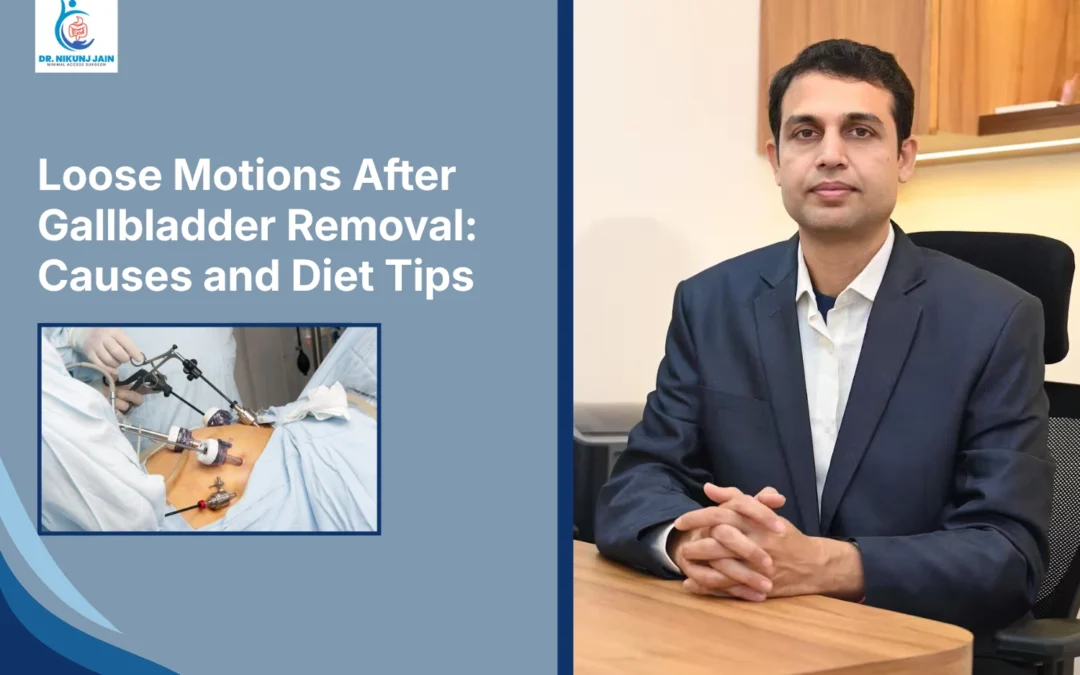
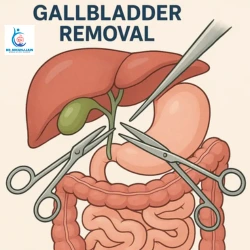
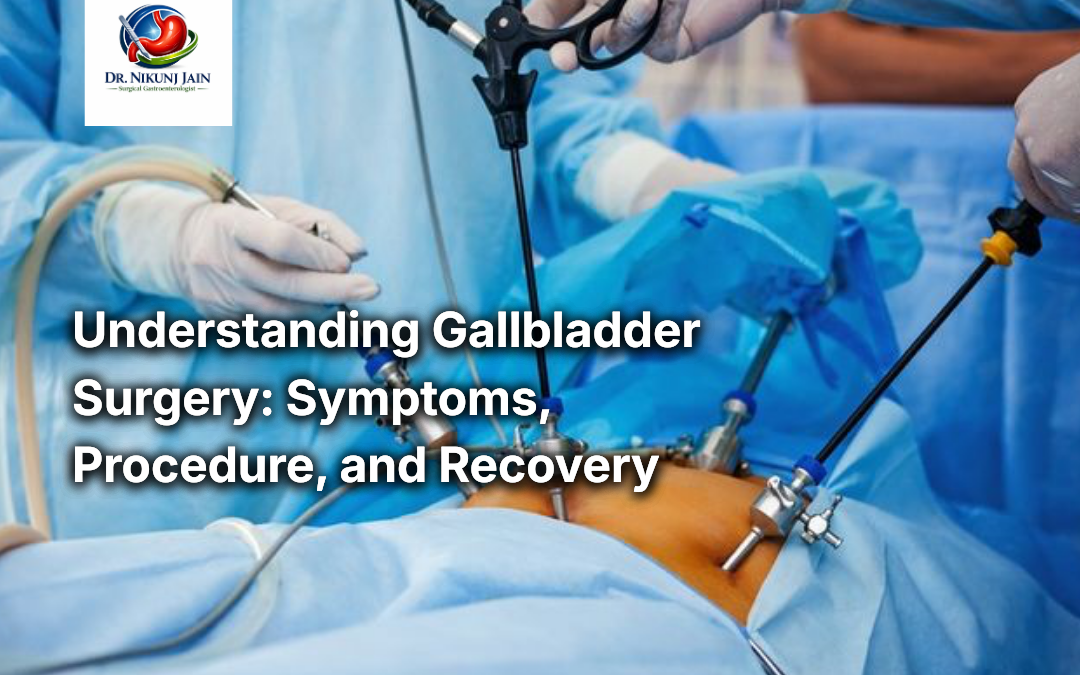
Gallbladder removal, also known as cholecystectomy, is a common procedure performed for gallstones or other complications of the gallbladder. While most people make an uneventful recovery, some may notice changes in their bowel habits, such as loose motions or an increased frequency of stools.
Most of the time, this is a minor and temporary issue that improves as the digestive system adjusts to changes in bile storage and its continuous flow into the intestine. However, if diarrhea continues for a longer period, becomes frequent, or is associated with other symptoms, it may need further evaluation to identify the underlying cause and provide appropriate treatment.
For persistent digestive problems after gallbladder surgery or for expert evaluation of gallbladder conditions, consult Dr. Nikunj Jain, one of the best gallbladder surgeons in Indore, for proper diagnosis and personalised treatment.
Table of Contents
Why do you get loose motions after gallbladder removal?
The gallbladder stores and concentrates bile from the liver. Bile released by the gallbladder acts on the fat in food to help with digestion.
Once the gallbladder is removed bile flows directly from the liver to the gut. This affects the way bile salts influence digestion and can sometimes result in altered bowel habits.
Too much bile in the colon can lead to increased secretion of fluids into the bowel which can cause loose motions, urgency or frequent stools.
Bile acid diarrhea
One particular cause of persistent diarrhea after gallbladder surgery is bile acid diarrhea.
This is due to excessive bile salts in the colon irritating it and causing increased fluid secretion.
Patients may notice an urgent need to open bowels with frequent, loose stools. Diarrhea may be persistent and last for weeks or even months after surgery.
Diet modification after gallbladder removal surgery
Diet plays a major role in controlling or preventing diarrhea after cholecystectomy, especially in the early stages of recovery.
Foods rich in fats such as fried or oily food can be harder to digest and cause persistent loose motions.
Spices and processed food items are also known to exacerbate diarrhea.
The following foods are usually well tolerated by patients recovering after gallbladder removal surgery:
Light meals such as:
Rice or soft khichdi
Bananas
Toast or bread
Oatsmeal
Boiled potatoes
Curd or yogurt
Boiled vegetables
Chicken or eggs
Applesauce or soft fruits
Soups
Gradual increase in fiber rich foods such as fruits and whole grains may also help improve diarrhea.
Foods to avoid after gallbladder removal surgery:
Fried foods
High fat dairy products
Butter or cream
Fast food
Spicy dishes
Fatty meat
High caffeine content drinks
Sugary beverages
Highly processed foods
While fat should not be entirely avoided, it is better to restrict the quantity and choose healthier options.
Importance of Fluids
With persistent loose motions after gallbladder removal, there is likely to be excessive loss of fluids.
It is important to drink plenty of fluids to stay well hydrated. Sports drinks or oral rehydration solutions may be useful in cases of prolonged diarrhea.
It is better to avoid caffeinated and sweet drinks in the case of persistent diarrhea.
How long can diarrhea last after gallbladder surgery?
Diarrhea after cholecystectomy is usually short lived and resolves within a few days or weeks. But there are some patients who continue to have prolonged, watery motions for even months after surgery.
Persistent diarrhea after gallbladder removal should not be considered normal and must be investigated for an underlying cause.
When to see a doctor for loose motions after gallbladder removal?
If you have persistent, frequent and severe diarrhea after gallbladder removal you must consult a doctor. Seek medical advice if your diarrhea is persistent and has been going on for weeks, or causes you to have frequent, urgent and watery stools.
You should also get evaluated if your diarrhea is associated with:
Abdominal pain
Fever
Presence of blood in stools
Vomiting
Weight loss
Signs of dehydration
Severe and frequent watery stools
The doctor may investigate further to determine the cause of your persistent diarrhea after gallbladder surgery.
Treatment for persistent diarrhea after gallbladder removal
The treatment for persistent or bile acid diarrhea will depend on the cause. Simple dietary changes and smaller meals may suffice for some patients while others may require medication. In case of bile acid diarrhea, the doctor may prescribe bile acid binding drugs to help reduce symptoms. Other causes will need individual assessment.
Conclusion
Loose motions after gallbladder removal can be persistent and debilitating. This is due to excessive bile salts irritating the colon. While most patients recover on their own with modification of diet and smaller meals, there are some who need to seek medical care.
Persistent diarrhea after cholecystectomy can be due to bile acid diarrhea or other causes. It is best to get a proper evaluation to rule out any serious problems. If you are having frequent, urgent and severe watery motions or abdominal pain after gallbladder removal consult Dr. Nikunj Jain, best gastro surgeon in Indore for detailed evaluation and management.
FAQs
Q1. Are loose motions normal after gallbladder removal? Yes, some people may experience temporary loose stools after gallbladder surgery as the digestive system adjusts.
Q2. Why does diarrhea happen after gallbladder removal? Continuous bile flow into the intestine can sometimes irritate the colon and cause loose motions.
Q3. How long does diarrhea last after gallbladder surgery? It may last from a few days to several weeks. Persistent symptoms should be evaluated by a doctor.
Q4. What foods should I eat after gallbladder removal? Light, low-fat foods such as rice, oats, bananas, cooked vegetables and lean protein may be easier to digest.
Q5. Should I avoid oily foods after gallbladder surgery? Limiting fried, oily and high-fat foods can help reduce diarrhea and digestive discomfort.
Q6. Can bile acid diarrhea occur after gallbladder removal? Yes. Excess bile acids reaching the colon can cause watery stools and urgency in some people.
Q7. Can I eat dairy products after gallbladder surgery? Some people tolerate low-fat dairy well, while others may experience bloating or loose stools.
Q8. Does fibre help with loose motions? Soluble fibre may help absorb excess water and improve stool consistency when introduced gradually.
Q9. When should I consult a doctor for diarrhea after surgery? Consult a doctor if diarrhea is severe, persistent, accompanied by weight loss, fever, blood in stools or dehydration.
Q10. Who should I consult for digestive problems after gallbladder removal in Indore? You can consult Dr. Nikunj Jain, Gallbladder surgeon in Indore, for evaluation and treatment of persistent digestive symptoms after gallbladder surgery.
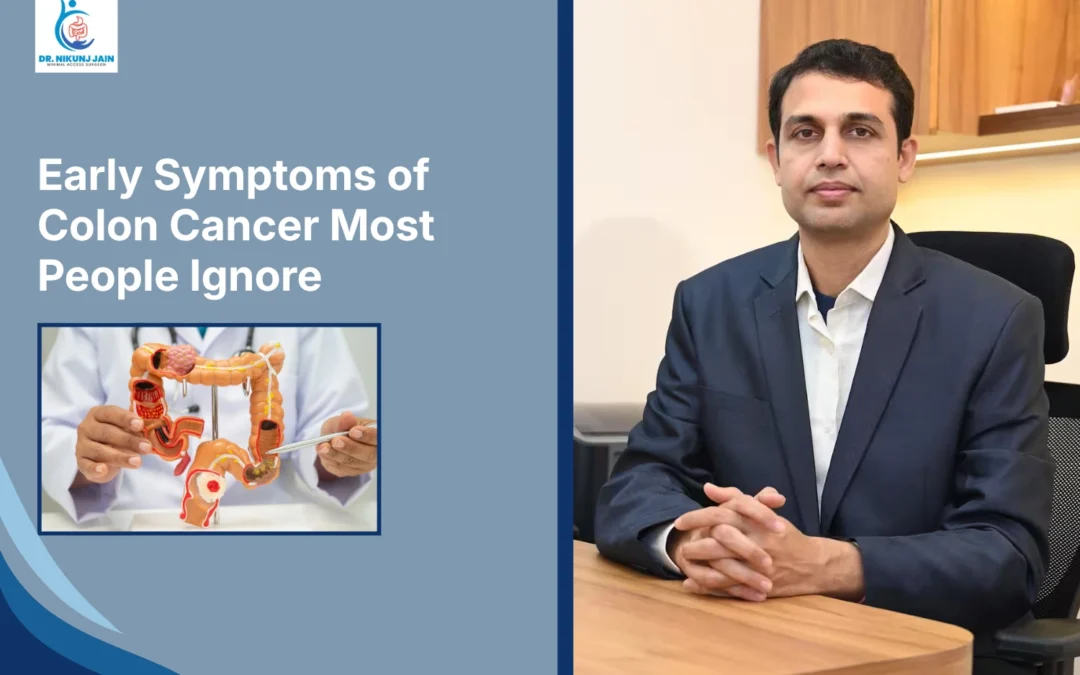
Colon cancer is cancer that occurs in the large intestine. A significant percentage of colon cancers are derived from benign growths known as polyps. In addition to being potentially asymptomatic, colon cancer symptoms may mimic those of other illnesses, making diagnosis challenging. Changes in bowel habits, presence of blood in the stool, abdominal discomfort, unexplained weight loss, as well as fatigue are some of the symptoms that may be present. If these symptoms are persistent, it is advisable to seek the intervention of a specialist.
According to Dr. Nikunj Jain, best colon cancer doctor in Indore, paying attention to changes in your health and seeking qualified care is essential. Instead of assuming that symptoms such as those of indigestion will subside on their own, it is always better to identify their underlying cause.
Below are some of the warning signs of colon cancer.
Table of Contents
1. A Change in Your Bowel Habits
Most individuals have at some point experienced constipation or diarrhea. On the other hand, a change in bowel habits that is persistent and occurs over a short period of time could be a sign of something more serious. For instance, if you are having more frequent bowel movements than usual, or if the consistency of your stools has changed, it could be an indication of colon cancer. Many individuals are quick to dismiss persistent changes in their bowel habits as being due to stress or dietary changes. If such changes continue for a long time, or if there is no identifiable cause, it is advisable to see your doctor.
2. Blood in or on the Stool
Another potential sign of colon cancer is the presence of blood in or on the stool. In most cases, the blood may appear bright red. In some cases, however, it may be in the form of very dark stools. Although there are several possible causes of rectal bleeding, it is always advisable to consult a physician to identify the underlying cause. Whenever there is a possibility, it is important to bring up the issue of blood in the stool, especially in combination with other symptoms.
3. Feeling that Your Bowel Has Not Been Fully Evacuated
Individuals who experience a feeling that their bowels have not been fully evacuated are likely to assume that there is nothing wrong. According to Dr. Nikunj Jain, laparoscopic GI surgeon in Indore, people should always pay close attention to this and seek the advice of a specialist. The feeling that you have not fully evacuated your bowels after a bowel movement is one of the symptoms of colon cancer that should not be ignored. It is important to see your doctor if this happens persistently rather than occasionally.
4. Pain or Cramps in the Abdomen
It is common for individuals to experience pain or cramps in the abdomen from time to time. However, if such pain persists, it is always advisable to see your doctor. Cramps in the abdomen, along with persistent discomfort or pain, should not be ignored, especially if they come with other symptoms. The warning is heightened if there are additional symptoms such as bleeding, altered bowel habits, or persistent feelings of unexplained tiredness or weakness.
5. Tiredness or Weakness
It is normal to feel tired or weak, especially if you have been working out or are generally physically active. On the other hand, if you have been experiencing unexplained tiredness or exhaustion, it may be an indication of something more serious. For instance, the presence of anemia caused by chronic blood loss can trigger these symptoms. Younger people should take these symptoms seriously because a study published by the National Cancer Institute shows that anemia, rectal bleeding, abdominal pain, and diarrhea are often initial symptoms of colon cancer.
6. Unexplained Weight Loss
Most people generally know what their ideal weight range is. As such, unexplained weight loss is never a welcomed surprise by anyone. Significant weight loss is never a good indicator of health status. It is a symptom that should be taken as a warning that something is wrong. While it may not necessarily be colon cancer, it can be a reliable symptom that something is not right. The phenomenon is in many cases associated with other signs and symptoms that may point to colon cancer as the underlying cause. The doctor will help to determine the cause of sudden weight loss and address it accordingly.
7. Persistent Constipation or Diarrhea
Constipation tends to be more common than diarrhea, and for most people, it is never pleasant. Most people are quick to reach out to the nearest pharmacy for medication. If constipation persists, it is advisable to seek the advice of a specialist. However, diarrhea should never be taken as a self-treatment condition. If a person experiences persistent or recurrent constipation or diarrhea, or if they are occurring in conjunction with other symptoms, it is always advisable to see your doctor. Dr. Nikunj always discourages self-medicating recurrent symptoms as it could prevent you from receiving early treatment for something more serious.
Early Screening For Colon Cancer
Although most cases of colon cancer do not show symptoms in their early stages, it is very crucial to get screened to detect and treat precancerous polyps or cancerous growths for a better prognosis. The screening approach will largely depend on the signs and symptoms presented, as well as the patient’s risk factors and preferences. The doctor will help to design a suitable screening plan depending on the patient’s needs, and individual history.
Conclusion
It is advisable to consult your doctor when your symptoms persist for a prolonged period of time or come with other symptoms that could point to colon cancer. The symptoms include changes in bowel habits, blood in the stools, unexplained weight loss, abdominal pain among others. A medical professional will always help to determine the underlying cause. Colon cancer symptoms can sometimes be vague, so it is best to make an appointment with Dr. Nikunj Jain, best gastroenterologist in Indore, to conduct the necessary tests and investigations to rule out colon cancer and identify the underlying problem.
FAQs
Q1. What are the early symptoms of colon cancer? Possible symptoms include changes in bowel habits, blood in or on the stool, persistent abdominal pain or cramps, weakness, unexplained weight loss, and a feeling that the bowel has not emptied completely.
Q2. Can colon cancer have no symptoms in the early stages? Yes. Colorectal cancer and precancerous polyps may sometimes be present without noticeable symptoms, which is one reason screening is important.
Q3. Who should you consult for colon cancer symptoms in Indore? You can consult Dr. Nikunj Jain in Indore for evaluation of persistent digestive or bowel symptoms and guidance regarding appropriate investigations.
Q4. Does blood in the stool always mean colon cancer? No. Blood in the stool can have several causes and does not automatically mean cancer. However, it should be medically evaluated to identify the reason.
Q5. Can constipation be an early sign of colon cancer? A persistent change in bowel habits, including constipation, can be a possible symptom of colorectal cancer. Persistent changes should be discussed with a doctor.
Q6. Can colon cancer cause changes in stool appearance?
Yes. Changes in stool shape, consistency, or appearance can sometimes occur with colorectal conditions, including colon cancer. Persistent or unusual changes should be evaluated by a doctor.
Q7. What tests are used to diagnose colon cancer?
Depending on your symptoms and risk factors, a doctor may recommend tests such as a colonoscopy, stool tests, blood tests, imaging, or a biopsy to determine the cause of the symptoms.
Q8. Is abdominal pain a symptom of colon cancer? Persistent abdominal pain, aches, or cramps are among the possible symptoms of colorectal cancer, although many other conditions can also cause abdominal discomfort.
Q9. Is colonoscopy useful for detecting colon cancer early?
Yes. Colonoscopy can help detect abnormal growths, including precancerous polyps and colorectal cancer. Your doctor can recommend screening based on your age, symptoms, family history, and other risk factors.
Q10. Can colon cancer be treated successfully if detected early?
Early detection can improve treatment options and outcomes. Treatment may involve surgery, chemotherapy, radiation therapy, targeted therapy, immunotherapy, or a combination, depending on the stage and individual condition.
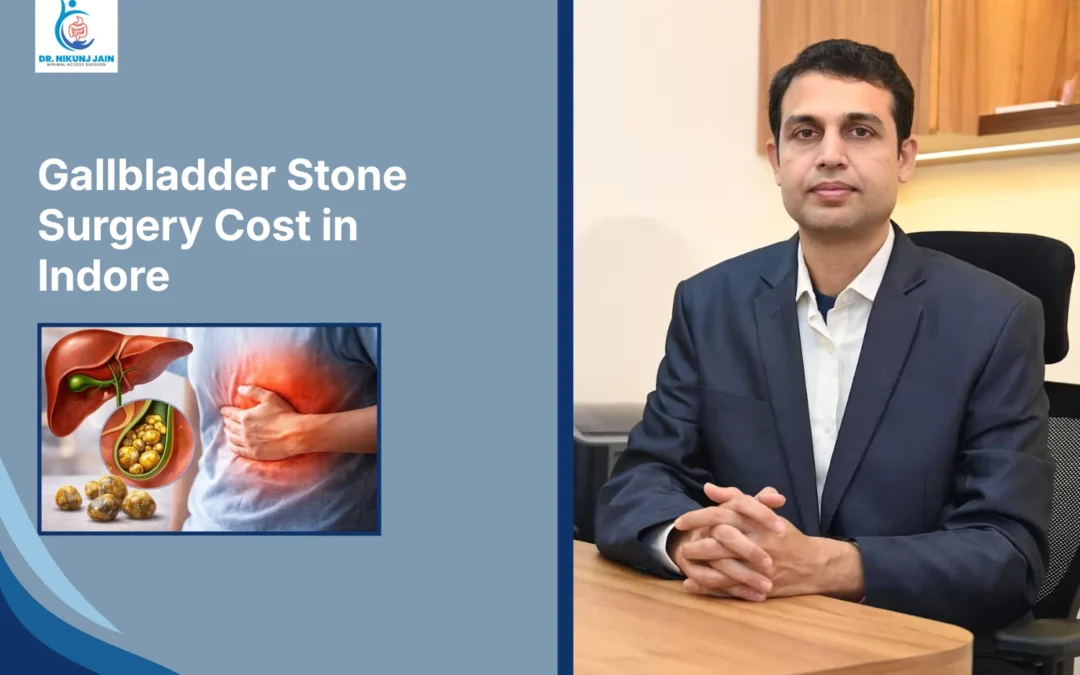
Gallbladder stones, also called gallstones, are hardened deposits of digestive fluid that can form anywhere in the gallbladder. Some people with gallstones do not have symptoms, while others may have recurring pain in the upper right abdomen, nausea, vomiting, indigestion, and pain after eating fatty foods. Gallstones can also lead to inflammation of the gallbladder, jaundice, and pancreatitis if they block the bile ducts.
The doctor may advise you to undergo gallbladder removal surgery if you have gallstones that are causing you discomfort or other complications. But how much does gallbladder stone surgery cost in Indore?
Gallbladder Stone Surgery Cost In Indore
The cost of gallbladder surgery in Indore may vary from one hospital to another. According to published reports, the average price of laparoscopic cholecystectomy in Indore is between INR 50,000 and INR 1,50,000. However, most sites put the price range between INR 65,000 and INR 80,000.
These are only approximate figures since the final price can be affected by several variables. Dr. Nikunj Jain, best gastro surgeon in Indore, recommends that you compare prices and packages and double-check whether the package covers everything.
What Surgery Is Performed For Gallbladder Stones?
Cholecystectomy, the surgical removal of the gallbladder, is the recommended treatment for gallstones that cause recurrent discomfort. This procedure is typically performed using a minimally invasive approach known as laparoscopic cholecystectomy.
This technique involves the surgeon making a few tiny incisions in the abdomen and inserting a tube with a camera at the end to remove the gallbladder. Laparoscopic surgery allows for smaller incisions and a shorter healing period than traditional open surgery.
What Are The Factors That Affect Gallbladder Surgery Cost In Indore?
Type of surgery: Laparoscopic, Robotic, or Open
Hospital and room charges
Surgeon and anaesthesia fees
Severity of gallbladder disease
Diagnostic tests and medicines
Duration of hospital stay
Insurance coverage
When Is Gallbladder Stone Surgery Necessary?
The majority of gallstones do not require therapy. If you have gallstones that are not causing you any discomfort, your doctor may suggest monitoring the situation for the time being. However, if your gallstones are causing you significant discomfort, your doctor may recommend that you have your gallbladder removed.
If you have severe upper right abdominal discomfort, vomiting, fever, or jaundice, you should seek medical attention. Gallstones that block the bile ducts can lead to life-threatening illnesses and require immediate treatment. As Dr. Nikunj Jain points out, the presence of gallstones alone is not an indication for surgery, rather, the decision to undergo surgery should be based on the patient’s symptoms, examination, scan findings, and overall condition.
Recovery & Healing after Gallbladder Surgery
Recovery after cholecystectomy is usually faster when minimally invasive techniques are used.
Most patients return home on the same day or after an overnight hospital stay.
Light daily activities can usually be resumed within a few days.
Depending on the nature of their work and overall condition, many patients return to work within one to two weeks.
Strenuous exercise and heavy lifting may need to be avoided for up to six weeks.
Recovery time may vary depending on the type of surgery, the patient’s health and how the body responds to the procedure.
Always follow your surgeon’s instructions regarding diet, wound care, medication and physical activity.
Living Without a Gallbladder and Preparing for Surgery
The gallbladder stores and concentrates bile produced by the liver, but it is not an essential organ. After gallbladder removal, bile flows directly from the liver into the intestine, allowing digestion to continue normally.
Most people can lead a normal life without a gallbladder. The body gradually adjusts after surgery, although some patients may experience loose stools or changes in digestion during the first few weeks.
Before undergoing gallbladder surgery in Indore, consider the following factors:
The surgeon’s experience in gallbladder procedures
The accuracy of the diagnosis
The type of surgery recommended
The hospital’s facilities and quality of care
The expected recovery period
The complete treatment cost
Cost is an important consideration, but it should not be the only factor when choosing a surgeon or hospital. The priority should be receiving the right treatment from an experienced surgical team.
Conclusion
When you have gallbladder stones and the doctor recommends surgery, you should ask them to provide you with a detailed breakdown of all expenditures involved, including hospitalization, surgeon’s fees, anesthetic charges, medications, diagnostic tests, room charges, and follow-up treatment. Dr. Nikunj Jain, best gallbladder office in Indore, will evaluate the situation and advise you on the best course of treatment.
FAQs
Q1. What is the gallbladder stone surgery cost in Indore? Published estimates for laparoscopic gallbladder surgery in Indore vary widely, with some sources listing approximately ₹50,000 to ₹1,50,000. The actual cost depends on the hospital, patient’s condition, surgeon’s fee, room category, tests, medicines, and other charges.
Q2. Which surgery is commonly performed for gallbladder stones? Laparoscopic cholecystectomy, in which the gallbladder is removed through small abdominal incisions, is commonly used for symptomatic gallstones.
Q3. Who should you consult for gallbladder stone surgery in Indore? You can consult Dr. Nikunj Jain in Indore for evaluation of gallstone symptoms and to understand whether laparoscopic gallbladder surgery may be appropriate for your condition.
Q4. Does every patient with gallstones need surgery? No. Gallstones that do not cause symptoms may not always require treatment. Surgery is more commonly recommended when gallstones cause pain, inflammation, blockage, or other complications.
Q5. What factors affect gallbladder surgery cost in Indore? The cost may depend on the type of surgery, hospital, room category, surgeon and anaesthesia fees, diagnostic tests, medicines, hospital stay, and complexity of the condition.
Q6. How long is the hospital stay after laparoscopic gallbladder surgery? Many patients can go home on the same day or after a short hospital stay after an uncomplicated laparoscopic procedure.
Q7. How long does recovery take after gallbladder surgery? Many patients can return to work within about one to two weeks after uncomplicated laparoscopic surgery, depending on their job and individual recovery.
Q8. Can Dr. Nikunj Jain in Indore perform an evaluation for gallbladder stones? Patients with gallstone-related symptoms can consult Dr. Nikunj Jain in Indore to discuss their diagnosis, surgical options, possible risks, recovery, and expected treatment costs.
Q9. Can you live normally after gallbladder removal? Yes. Most people can digest food normally without a gallbladder because bile continues to flow from the liver directly into the intestine.
Q10. What are the symptoms of gallbladder stones?
Gallstones may cause symptoms such as sudden pain in the upper-right or upper-middle abdomen, especially after meals. Some people may also experience nausea, vomiting, bloating, or indigestion.
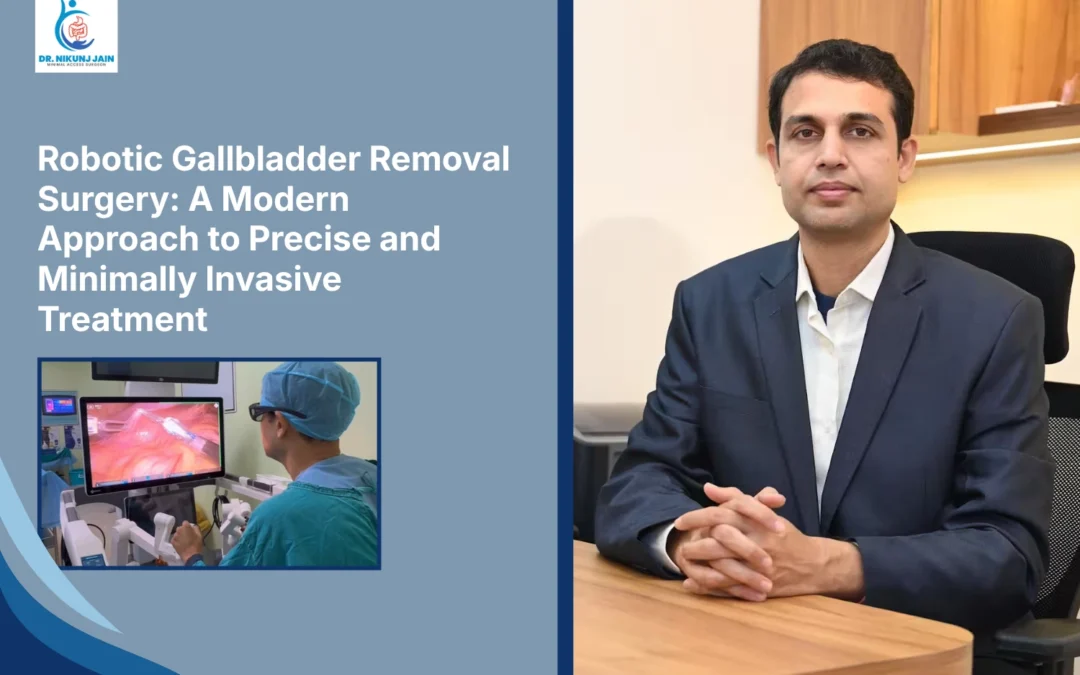
Gallbladder problems often prompt people to seek surgery to alleviate recurring pain in the upper right or upper middle abdomen, as well as nausea, vomiting, bloating, and indigestion after eating. When the gallbladder is inflamed or its function is impaired, removing the organ is a viable option. Cholecystectomy is the general term for gallbladder removal surgery. It is one of the most frequent abdominal surgeries performed today. However, the procedure is no longer associated with a long incision since minimally invasive methods have been introduced. Robotic gallbladder removal surgery is one of the leading techniques allowing the surgeon to make small incisions and access the gallbladder with robotic instruments.
The option of robotic gallbladder surgery should be discussed with Dr. Nikunj Jain, best gastro surgeon in Indore, to determine whether it is suitable for the patient’s particular case.
Table of Contents
What Is Robotic Gallbladder Removal Surgery?
Robotic gallbladder removal is a minimally invasive procedure involving the use of robotic arms controlled by the surgeon to extract the gallbladder. The robot itself does not make decisions; rather, the surgeon has full control over it throughout the operation. The surgeon has a magnified view of the gallbladder with a 3D high-definition image while manipulating robotic instruments through small incisions. This makes it easier to isolate and extract the gallbladder with increased precision and reduces trauma to the surrounding tissues.
When Is Gallbladder Removal Necessary?
The presence of gallstones does not always necessitate surgery. If the gallstones are detected incidentally and do not cause any discomfort, the doctor may decide to leave them alone. However, there are instances when surgical intervention is required. Surgery to remove the gallbladder is indicated in the following conditions:
• Recurrent pain in the upper right or upper middle abdomen • Upper middle or right abdominal pain after eating • Nausea and vomiting due to gallstones • Inflammation of the gallbladder • Recurrent gallbladder attacks • Gallstone-related complications
Gallstones can obstruct the bile ducts, leading to potentially dangerous conditions like cholecystitis, cholangitis, and pancreatitis.
How Is Robotic Gallbladder Surgery Performed?
Robotic gallbladder surgery is performed under general anaesthesia. A few tiny incisions are made in the upper right quadrant of the abdomen. The robotic system’s surgical instruments and camera are inserted through them. Then, the surgeon manipulates the robotic arms from the console and isolates the gallbladder from the adjacent structures. After the gallbladder is removed, the robotic instruments are withdrawn, and the incisions are closed.
The method and number of incisions depend on the robotic system and the surgeon’s preferences. The procedure can be performed using either the da Vinci Si or the Zeus robotic system.
What Are the Benefits of Robotic Gallbladder Removal?
The benefits of robotic gallbladder removal stem from the nature of the procedure, which is a combination of minimally invasive surgery and state-of-the-art robotic technology. These advantages include the following:
Superior Surgical Visualization
The robotic system enables the surgeon to see the operative field more clearly. This is particularly important in minimally invasive procedures since the field is magnified and limited. The ability to see delicate anatomical structures is critical in gallbladder surgery since the surgeon must separate the gallbladder from numerous adjacent structures. In addition, the robotic system provides a three-dimensional view of the surgical site, further assisting the surgeon.
Increased Instrument Dexterity
Robotic surgical instruments possess increased range of motion and are highly flexible, allowing the surgeon to perform delicate dissections with relative ease.
Smaller Incisions
Since robotic gallbladder surgery is minimally invasive, smaller incisions are required than in traditional open surgery.
Minimally Invasive Recovery
The advantages of minimally invasive surgery typically include reduced post-operative discomfort, shorter hospital stays, reduced scarring, and faster healing. Nonetheless, these benefits vary from patient to patient, and the robotic system does not always provide substantial advantages over conventional minimally invasive laparoscopic surgery.
Robotic vs Laparoscopic Gallbladder Surgery
Both robotic and laparoscopic cholecystectomy are minimally invasive techniques used for gallbladder removal. However, they differ in the way the surgeon performs the procedure.
Surgical Technique: In robotic surgery, the surgeon controls robotic arms from a console. In laparoscopic surgery, the surgeon directly operates long, thin instruments inserted through small incisions.
Visualization: Robotic surgery provides a magnified, high-definition 3D view of the surgical area. Laparoscopic surgery generally provides a high-quality 2D view through a laparoscopic camera.
Instrument Movement: Robotic instruments offer a greater range of motion and can assist with precise movements in confined areas. Laparoscopic instruments have comparatively limited flexibility.
Surgeon Control: In both techniques, the surgery is completely controlled by the surgeon. The robotic system does not operate independently.
Effectiveness: Both robotic and laparoscopic gallbladder surgery can be safe and effective when performed by an experienced surgeon.
Cost: Robotic surgery is generally more expensive because it requires specialized robotic equipment and technology, while conventional laparoscopic surgery is usually more cost-effective.
The most suitable approach depends on the patient’s condition, surgical complexity, available technology, and the surgeon’s experience.
Recovery After Robotic Gallbladder Surgery
Same-Day Discharge: Most patients can return home on the same day after robotic gallbladder surgery.
Mild Discomfort: Some abdominal pain, bloating, or soreness around the incision sites may occur for a few days.
Temporary Nausea: Mild nausea can occur after surgery or due to the effects of anesthesia.
Shoulder Discomfort: Some patients experience temporary shoulder pain due to the gas used during minimally invasive surgery.
Early Movement: Gentle walking and light activities are usually encouraged as soon as the patient feels comfortable.
Return to Routine: Many patients can gradually return to normal daily activities within 1–2 weeks.
Individual Recovery: Recovery time may vary depending on the patient’s overall health, the complexity of the surgery, and the surgeon’s recommendations.
Follow Post-Operative Advice: Patients should follow instructions regarding wound care, diet, medicines, physical activity, and follow-up visits.
Can You Live a Normal Life Without a Gallbladder?
The gallbladder is not an essential organ, and life without it is entirely feasible. Bile is stored in the gallbladder and released into the intestines to aid in fat digestion. Following gallbladder removal, bile flows directly from the liver to the intestines. The majority of patients feel fine after the operation, though some experience minor difficulties like diarrhoea. Symptoms are exacerbated by fatty meals and usually subside once the body adapts to the changes.
Risks of Robotic Gallbladder Removal
There are some inherent dangers in any surgical procedure, and robotic gallbladder surgery is no exception. There is a possibility of injury to nearby organs and bile ducts, as well as post-surgical infections and adverse anaesthetic responses. The likelihood of developing complications is minimal, but they cannot be ruled out. There is also a danger that a minimally invasive operation may have to be converted to open surgery if the surgeon finds it too risky to continue.
Conclusion
Severe and recurrent gallbladder discomfort should not be treated solely with pain relievers and dietary modifications. When gallstones or other gallbladder abnormalities cause recurrent discomfort, surgery to remove the gallbladder is typically recommended. The patient is encouraged to speak with Dr. Nikunj Jain, best gastro surgeon in Indore, to go over the available treatment options and make an informed decision about the best course of therapy. The doctor will go over the findings, symptoms, and treatment alternatives, including laparoscopic or robotic-assisted procedures, in detail.
FAQ’s
Q1. What is robotic gallbladder removal surgery?
Robotic gallbladder removal, also known as robotic cholecystectomy, is a minimally invasive procedure in which a surgeon controls robotic instruments to remove the gallbladder through small abdominal incisions. The robotic system does not operate independently.
Q2. Is robotic gallbladder surgery better than laparoscopic surgery?
Both procedures are minimally invasive and can be effective for gallbladder removal. Robotic systems may provide enhanced visualisation and instrument control, but conventional laparoscopic cholecystectomy remains an established treatment. The most suitable approach depends on the individual patient.
Q3. Who may need gallbladder removal surgery?
Patients with repeated symptomatic gallstones, gallbladder inflammation or complications related to gallstones may be advised to undergo gallbladder removal after evaluation by a surgeon.
Q4. Is robotic gallbladder surgery painful?
Patients may experience some postoperative abdominal discomfort or temporary shoulder pain. Since the surgery is performed through small incisions, recovery is generally easier than after traditional open surgery, although individual experiences differ.
Q5. How long does robotic gallbladder surgery take?
Operating time varies according to the patient’s anatomy, inflammation, previous operations and complexity of the condition. Your surgeon can provide a more accurate estimate after evaluation.
Q6. How soon can I return to work after gallbladder surgery?
Many people undergoing minimally invasive gallbladder removal can return to normal activities within one or two weeks, although strenuous activity may need to be avoided longer. Recovery differs from patient to patient.
Q7. Can I eat normally after my gallbladder is removed?
Most patients gradually return to a normal diet. Some may find greasy or heavy foods uncomfortable during the initial recovery period and may be advised to reintroduce them gradually.
Q8. Can gallstones come back after the gallbladder is removed?
Once the gallbladder itself has been removed, gallstones cannot form inside it again. However, patients should discuss persistent or new biliary symptoms after surgery with their doctor.
Q9. Which costs more: robotic or laparoscopic gallbladder surgery?
Robotic gallbladder surgery may cost around ₹2–4 lakh, while laparoscopic surgery generally costs about ₹50,000–₹1.5 lakh in India. Actual costs vary by hospital and case.
Q10. Where can I consult for robotic gallbladder surgery in Indore?
Patients considering robotic gallbladder removal surgery in Indore can consult Dr. Nikunj Jain to discuss whether robotic, laparoscopic or another surgical approach is appropriate for their condition.
Gallbladder problems can cause a lot of pain, nausea and discomfort after eating. When gallstones or inflammation start to affect your life, surgery may be the best option. Dr. Nikunj Jain, best gallbladder surgeon in Indore, explains that understanding what the surgery is about can help reduce your worry and make you better prepared for the recovery process.
What is gallbladder removal surgery?
Gallbladder removal surgery is also known as cholecystectomy. The gallbladder is an organ that is located below the liver and it stores bile, which is a fluid that helps your body digest fats. Most people can live a life without their gallbladder because the bile still flows directly from the liver into the intestine.
Surgery is usually recommended when gallstones cause a lot of pain, infection, swelling, blockage of the bile duct or inflammation of the pancreas. Not all gallstones need to be treated and they can simply be monitored. If you have symptoms that keep coming back you should not ignore them.
How is the surgery done?
Most gallbladder surgeries are done using laparoscopic or keyhole surgery. The surgeon makes small cuts in your abdomen and inserts a thin camera with special instruments. The gallbladder is then carefully removed through one of these openings. The surgery is done under anesthesia, so you will be asleep and will not feel any pain. In some cases, such as inflammation or scar tissue the surgeon may need to do open surgery through a larger incision. This decision is made to keep you safe.
How to Prepare for the Surgery?
Before the surgery, your doctor may ask you to get some blood tests, scans and an anesthesia assessment done. You should tell your doctor about any health conditions you have, any allergies you may have and any medicines or supplements you are taking. You may need to stop taking medicines, especially those that affect blood clotting but only if your doctor tells you to.
You will also need to follow some fasting instructions. It is an idea to arrange for someone to take you home and have a family member stay with you for the first day.
What Happens on the Day of Surgery?
After admission to the hospital, the medical team will check your vital signs, including your blood pressure, pulse and temperature.
An intravenous line will be inserted to provide fluids and medicines.
You will be given anaesthesia so that you remain asleep and comfortable during the procedure.
The surgery is usually performed using the laparoscopic or keyhole method.
After surgery, you will be moved to a recovery area and monitored while you wake up from the anaesthesia.
You may experience abdominal pain, nausea, tiredness, bloating or discomfort in your shoulder after surgery.
Shoulder discomfort is common because gas is used to create space inside the abdomen during laparoscopic surgery.
Most patients undergoing laparoscopic surgery can go home on the same day or after an overnight hospital stay.
If open surgery is required, you may need to stay in the hospital for a longer period.
Recovery at home
You should rest, although you do not need to stay in bed all the time. Taking walks can help your circulation and may reduce stiffness and discomfort. You should keep your wounds clean and dry just like your doctor tells you to.
You can start eating meals and gradually go back to your normal diet. Eating portions may be more comfortable for the first few days. You should avoid eating oily or heavy food because it can cause bloating or loose stools while your body is adjusting.
Most people can go back to work within one or two weeks after laparoscopic surgery depending on how they feel and what their job’s. If you had surgery it will take longer to recover. You should not lift things, exercise too much or drive until your surgeon says it is safe.
Warning signs to watch out for
Some soreness and tiredness are normal. You should get medical help right away if you have certain symptoms. You should call your doctor if you have increasing pain, if you are vomiting all the time, if you have a fever, if your skin or eyes turn yellow, if your wound is swollen or leaking, if you are having trouble breathing or if you are unable to eat or drink.
Follow-up appointments with your surgeon are important so they can check how you are healing and give you advice on how to get to your normal activities. Dr. Nikunj Jain believes that you should not compare your recovery with someone Because everyone’s body is different and healing time can vary depending on the surgery and your overall health.
Life after gallbladder removal
Most people can go back to their routine and eat a balanced diet after they recover. Your liver will still produce bile so you can digest food without your gallbladder. Some people may notice some changes in their bowel habits especially after eating fatty meals. These changes usually go away as your body adjusts.
Conclusion
Gallbladder surgery can give you lasting relief from gallstone symptoms. Knowing what to expect during and after the surgery can help you feel more prepared and take an active role in your recovery. For advice and safe surgical care you should talk to the best gastro surgeon in Indore, Dr. Nikunj Jain and follow the advice given for your condition.
FAQ’s
Q1. What is gallbladder removal surgery?
Gallbladder removal surgery, also called cholecystectomy, is a procedure used to remove the gallbladder when gallstones, inflammation or infection cause repeated symptoms. It is commonly performed through laparoscopic or keyhole surgery.
Q2. When is gallbladder removal surgery required?
Surgery may be advised when gallstones cause frequent abdominal pain, nausea, vomiting, infection, jaundice or inflammation of the pancreas. Dr. Nikunj Jain, best gastro surgeon in Indore, can evaluate the symptoms and recommend suitable gallbladder treatment in Indore.
Q3. Is laparoscopic gallbladder surgery safe?
Laparoscopic gallbladder surgery is a commonly performed and generally safe procedure. However, every operation has certain risks. A proper medical evaluation helps the surgeon plan the procedure according to the patient’s health.
Q4. How long does gallbladder removal surgery take?
An uncomplicated laparoscopic gallbladder surgery may take around one to two hours. The exact duration can vary depending on inflammation, gallstone position, previous surgeries and the patient’s overall condition.
Q5. How many days of hospital stay are needed after gallbladder surgery?
Many patients can return home on the same day or after an overnight hospital stay following laparoscopic surgery. Patients undergoing open gallbladder surgery may need to remain in the hospital for a few additional days.
Q6. How long does recovery take after gallbladder removal surgery?
Most patients can return to light work within one or two weeks after laparoscopic surgery. Complete recovery may take longer, especially after open surgery. Dr. Nikunj Jain provides personalised recovery guidance to patients undergoing gallbladder surgery in Indore.
Q7. Can a person live normally without a gallbladder?
Yes, a person can live a normal and active life without a gallbladder. The liver continues to produce bile for digestion, but instead of being stored in the gallbladder, it flows directly into the intestine.
Q8. What foods should be avoided after gallbladder removal?
During early recovery, patients should limit fried, oily, spicy and high-fat foods. Smaller meals, light food, fruits, vegetables and adequate fluids may be easier to digest while the body adjusts after surgery.
Q9. Can gallstones return after gallbladder removal?
Gallstones cannot form inside the gallbladder after it has been removed. However, in rare situations, stones may develop or remain in the bile ducts. Persistent pain, fever or jaundice should be evaluated promptly.
Q10. Who should I consult for gallbladder removal surgery in Indore?
Patients experiencing recurring gallstone pain, vomiting, indigestion or gallbladder inflammation can consult Dr. Nikunj Jain for diagnosis and gallbladder removal surgery in Indore. Early consultation can help prevent serious complications.
Gallbladder problems have become increasingly common, especially due to modern eating habits, stress, and lifestyle changes. For many patients, gallbladder surgery, also known as cholecystectomy, is the most effective and permanent solution to relieve symptoms and prevent serious complications. This blog by Dr. Nikunj Jain, best gastroenterologist in Indore, explains the symptoms of gallbladder disease, when surgery is needed, how the procedure is performed, and what recovery looks like.
Table of Contents
What Does the Gallbladder Do?
The gallbladder is a small organ located just below the liver. Its main role is to store bile, a digestive fluid that helps break down fats. When gallstones or inflammation affect the gallbladder, patients may experience severe pain and digestive issues. If left untreated, it can lead to infections, blockages, and life-threatening conditions.
Common Symptoms of Gallbladder Problems
Many people don’t realize they have gallbladder issues until their symptoms become severe. Here are the signs that suggest a problem:
1. Pain in the Upper Right Abdomen
This is the most common symptom. The pain may feel sharp, gripping, or cramping and can radiate to the back or right shoulder.
2. Nausea and Vomiting
Patients often experience persistent nausea after meals, especially after eating oily or spicy foods.
3. Bloating and Indigestion
Gallbladder disease can cause discomfort, gas, and heaviness in the stomach after eating.
4. Fever or Infection Symptoms
A fever, chills, or increased heart rate may indicate an inflamed gallbladder (cholecystitis), which requires urgent attention.
5. Jaundice
Yellowing of the skin or eyes may occur if a gallstone blocks the bile duct; this is a medical emergency.
If any of these symptoms appear frequently, it is important to consult Dr. Nikunj Jain, best doctor for gallbladder surgery, for an accurate diagnosis and timely treatment.
When Is Gallbladder Surgery Needed?
Gallbladder surgery is recommended when:
Gallstones cause repeated pain
There is inflammation or infection of the gallbladder
Gallstones block the bile duct
The gallbladder is not functioning properly
Complications such as pancreatitis occur
Most patients cannot dissolve or remove gallstones with medicines. Surgery is the most reliable way to prevent future attacks and complications.
How Gallbladder Surgery Is Performed
Modern gallbladder surgery is usually done through a minimally invasive method called laparoscopic cholecystectomy.
Laparoscopic Gallbladder Surgery: The Standard Approach
Small incisions are made on the abdomen.
A tiny camera (laparoscope) provides a clear view to the surgeon.
The gallbladder is removed through one of the small incisions.
The procedure typically takes 30–60 minutes.
This method offers faster healing, less pain, minimal scarring, and a quick return to routine work.
Open Gallbladder Surgery
In rare, complicated cases, such as severe infection or scarring ,an open surgery may be required. This involves a larger incision and a longer recovery period, but it ensures safe removal of the gallbladder in high-risk situations.
What Happens After Surgery?
Immediate Recovery
Most patients can go home the same day or the next day. Mild pain, discomfort, or bloating is normal and improves within a few days.
Diet After Gallbladder Removal
Start with light, low-fat foods.
Gradually introduce normal food over 1–2 weeks.
Avoid very oily, spicy, and heavy meals initially.
Most people can return to their regular diet once the body adjusts to the absence of the gallbladder.
Return to Normal Activities
Light walking can begin the same day.
Routine work can resume within 3–5 days.
Strenuous exercise and heavy lifting should be avoided for 3–4 weeks.
Dr. Nikunj Jain provides personalized recovery guidelines depending on each patient’s health and surgical details.
Is Life Normal Without a Gallbladder?
Yes, completely. The liver continues to produce bile, which drips directly into the intestine. Most patients have no long-term digestive issues and feel significantly better after surgery, with improved comfort and quality of life. Early diagnosis and timely treatment help prevent complications and allow smooth recovery.
When to Consult Dr. Nikunj Jain?
If you experience repeated abdominal pain, indigestion, nausea after meals, or symptoms of gallstones, consulting a specialist early can prevent complications. Dr. Nikunj Jain uses advanced laparoscopic techniques to ensure safe, effective, and minimally invasive gallbladder surgery with excellent recovery outcomes.