Losing weight can be challenging, particularly when obesity persists despite attempts to modify diet, increase physical activity, utilise medications and other weight-management strategies. Weight loss surgery, also known as bariatric or metabolic surgery, may be considered as part of a long-term treatment plan for some obese people.
However, not everyone who is interested in weight loss surgery is a candidate. While BMI (Body Mass Index) is a key criterion, your medical conditions, attempts at weight loss so far, general health, dietary habits and ability to comply with long-term care are also taken into account. Dr. Nikunj Jain, best bariatric surgeon in indore, can ascertain your health and BMI profile and determine if you are a candidate for weight loss surgery.
Table of Contents
What Is BMI?
BMI (Body Mass Index) is a calculation based on your body height and weight. While a good indicator of body weight levels, BMI does not directly indicate body fat distribution and, therefore, is used in combination with other health factors by doctors to classify overweight and obesity.
For adults, the categories are as follows:
BMI 25-29.9: Overweight
BMI 30-34.9: Class 1 obesity
BMI 35-39.9: Class 2 obesity
BMI 40 and above: Class 3 obesity
BMI Criteria for Weight Loss Surgery
International guidelines for bariatric surgery have changed considerably over recent years.
According to the 2022 ASMBS/IFSO guidelines, bariatric surgery is recommended for people with a BMI of 35 kg/m2 and above, regardless of obesity-related health conditions.
Bariatric surgery may also be considered for people with a BMI 30-34.9 kg/m2 in the presence of obesity-related health problems or who have failed non-surgical weight loss attempts or non-surgical treatment of obesity-related conditions.
Importance of Factors Beyond BMI for Weight Loss Surgery
While BMI provides a useful indication of body weight, people with the same BMI can have very different health risks. Your surgeon may also consider:
Type 2 diabetes
High blood pressure
Sleep apnoea
Fatty liver disease
Heart conditions
Joint problems
Other obesity-related health conditions
Previous weight loss attempts
Current medications
General fitness for surgery
Ability to follow dietary and lifestyle changes
An individual assessment helps determine whether the potential benefits of weight loss surgery outweigh the possible surgical risks.
Can People With BMI 30-34.9 Have Weight Loss Surgery?
Yes, selected people with a BMI of 30-34.9 kg/m2 may be considered for metabolic or bariatric surgery. This consideration is particularly relevant for obesity-associated conditions such as diabetes type 2 and non-surgical treatment failure. This does not mean that everyone with a BMI of 30-34.9 kg/m2 necessarily needs surgery. A specialist assessment is required.
BMI 35 or Higher?
People with a BMI of 35 kg/m2 or higher are generally considered good candidates for bariatric surgery. Current guidelines (ASMB/IFSO) recommend metabolic and bariatric surgery for people with a BMI 35 kg/m2 and above, regardless of obesity-related medical conditions. However, surgery still needs to be assessed by a medical professional to ensure that it is suitable under your circumstances.
Why Are BMI Criteria Different for Asian Patients?
BMI health risk categories do not apply uniformly across different ethnic groups. People with Asian backgrounds are more likely to develop type 2 diabetes and cardiovascular disease at lower BMI levels due to different body-fat distribution patterns.
The ASMBS/IFSO guidelines acknowledge that obesity-related risk can manifest in Asian populations at lower BMI levels and state that access to metabolic and bariatric surgery should not be denied solely on the basis of ethnicity if traditional BMI thresholds are not met.
Therefore, doctors take ethnic background, waist circumference, metabolic health and other risk factors into account when assessing an Asian patient’s suitability for bariatric surgery.
Diet and Exercise Before Weight Loss Surgery
Weight loss surgery is not usually recommended as first-line therapy. Diet, physical exercise, behaviour modification and medical treatment are integral parts of obesity management.
For people with lower BMI levels, such as those with a BMI of 30-34.9 kg/m2, current guidelines support considering surgery when non-surgical weight loss attempts have failed to yield substantial or lasting weight loss or improvements in obesity-related conditions.
Your previous weight loss attempts and adherence to treatment can therefore be a valuable consideration in determining if you are a candidate for surgery.
Health Problems Can Weight Loss Surgery Help With
Bariatric surgery is primarily performed to treat obesity, but it may also help improve several obesity-related health conditions, including:
Type 2 diabetes
High blood pressure
Obstructive sleep apnoea
Fatty liver disease
Cardiovascular risk factors
Selected obesity-related joint problems
The potential benefits depend on the individual’s overall health and the type of bariatric procedure performed.
Other Requirements Besides BMI
Yes, meeting a certain BMI threshold does not necessarily mean you are a candidate for bariatric surgery. In addition to BMI evaluation, an assessment of your body condition and ability to adhere to long-term dietary and lifestyle adjustments is necessary. Long-term post-surgery follow-up is also an integral element of bariatric treatment.
Your surgical team may involve or consult with other specialists, including a dietitian, as required. Individual assessment is important to establish if bariatric surgery is suitable and, if so, which procedure to choose.
Weight Loss Surgery Evaluation
During your consultation, the surgeon will assess several factors, including:
Height and weight
BMI
Waist circumference
Medical history
Existing obesity-related health conditions
Previous weight loss attempts
Current medications
Eating habits
Previous surgeries
Lab tests and other investigations, when required
Based on this assessment, your surgeon will discuss the most suitable bariatric surgery options for you.
Which Weight Loss Surgery Is Right for You?
If you are a candidate for bariatric surgery, the next step is to determine which procedure is the most suitable under your circumstances. Common bariatric procedures include sleeve gastrectomy and gastric bypass, while other procedures may be recommended in selected cases.
The choice of procedure depends on your BMI, medical conditions, dietary and lifestyle habits, previous surgeries, nutritional requirements and long-term goals. Ultimately, the objective is to choose the bariatric procedure that provides sufficient benefits with acceptable risk.
Long-Term Results of Weight Loss Surgery
Weight loss surgery can assist in achieving and maintaining significant weight loss, but it is not a replacement for healthy lifestyle choices. Long-term results require adherence to post-surgery dietary and lifestyle guidelines, including following the recommended supplement regimen, exercising regularly and attending regular medical follow-up.
Conclusion
BMI is an important part of deciding who may benefit from weight loss surgery, but it is not the only factor. Current guidelines recommend bariatric surgery for many people with BMI 35 kg/m² or higher and allow consideration of surgery at lower BMI levels in selected patients, particularly those with obesity-related health problems.
If you are struggling with obesity despite making efforts to lose weight, a specialist evaluation can help you understand whether surgery is suitable for you. Dr. Nikunj Jain, best bariatric surgeon in indore, can assess your individual health needs and discuss the available weight loss surgery options.
FAQs
Q1. What BMI is required for weight loss surgery?
Current ASMBS/IFSO guidelines recommend bariatric surgery for people with a BMI of 35 kg/m² or higher. Surgery may also be considered for selected people with BMI 30–34.9 kg/m², particularly when obesity-related medical problems are present or non-surgical treatment has not provided adequate results.
Q2. Can I have weight loss surgery with a BMI of 30?
Possibly. Selected patients with BMI 30–34.9 kg/m² may be considered for metabolic and bariatric surgery, especially when they have type 2 diabetes or other obesity-related medical conditions and non-surgical treatment has not been effective.
Q3. Is BMI the only requirement for bariatric surgery?
No. Doctors also consider your medical conditions, previous weight-loss efforts, overall health, nutritional status and ability to follow long-term lifestyle and follow-up requirements.
Q4. Does age affect eligibility for weight loss surgery?
Age is considered as part of the overall assessment, but it is not the only deciding factor. Your general health, obesity-related conditions, surgical risk, and ability to follow long-term dietary and lifestyle changes are also important.
Q5. Do I need diabetes to qualify for weight loss surgery?
No. Current guidelines recommend metabolic and bariatric surgery for people with BMI 35 kg/m² or higher even without obesity-related medical conditions.
Q6. Do I need to try diet and exercise before weight loss surgery?
Lifestyle changes and medical weight management are important parts of obesity treatment. For people with BMI 30–34.9 kg/m², surgery is generally considered when non-surgical methods have not achieved substantial or lasting weight loss or improvement in related health conditions.
Q7. Can weight loss surgery help with type 2 diabetes?
Yes. Metabolic surgery can improve blood sugar control and may lead to remission of type 2 diabetes in some suitable patients. The results vary depending on individual factors.
Q8. Is weight loss surgery safe?
Like any major surgery, bariatric surgery has potential risks. A detailed medical assessment helps determine whether the expected benefits are appropriate for the individual patient and which procedure may be safest.
Q9. What tests are needed before bariatric surgery?
The evaluation may include blood tests, nutritional assessment and other investigations based on your medical history and overall health. Your surgeon will decide which tests are necessary.
Q10. Who should I consult for weight loss surgery in Indore?
You can consult Dr. Nikunj Jain, best bariatric surgeon in Indore, for an assessment of your BMI, health conditions and suitability for weight loss surgery. He can also guide you regarding the appropriate bariatric procedure and long-term treatment plan.
Losing a lot of weight is hard. It is even harder for people who have obesity or health problems that come from obesity. If diet, exercise and other ways to lose weight do not give results, weight loss surgery might be looked at as part of a full treatment plan.
Weight loss surgery, also known as bariatric surgery, has different procedures. These procedures can make the stomach smaller, change how food moves through the body, or do both. The right weight loss surgery is not the same for everyone. Your BMI, medical problems, what you eat, past treatments and overall health all affect which procedure might fit you.
Dr. Nikunj Jain, best bariatric surgeon in Indore, can look at your condition and talk about the best weight loss surgery options for you.
Table of Contents
Types of Weight Loss Surgery
1. Sleeve Gastrectomy
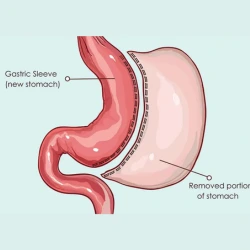
Sleeve gastrectomy, often called sleeve surgery, is a popular weight loss surgery in which a big part of the stomach is taken away, leaving a sleeve-shaped stomach. The smaller stomach can help you eat less and may also change hormones that control hunger and appetite.
2. Gastric Bypass Surgery
Gastric bypass makes a stomach pouch and links it to another part of the small intestine. This limits how much food the stomach can hold and changes how food moves through the body. Gastric bypass can lead to weight loss and may also help with some obesity-related health problems. Because digestion and how the body takes in nutrients change, you need to check your nutrition for a long time.
3. Adjustable Gastric Band
In gastric band surgery, a band goes around the top part of the stomach to make a smaller pouch. This can help a person feel full after eating little food. The band can be changed when needed. However, weight loss surgery with a band is done less often now than some other weight loss surgeries because of long-term issues and because other good options exist.
4. Biliopancreatic Diversion with Duodenal Switch
Biliopancreatic diversion with switch, or BPD/DS, cuts the stomach and changes the way food goes through the small intestine. It can give a lot of weight loss. The surgery is more complicated and can affect how the body absorbs nutrients. Patients need careful long-term nutrition checks and supplements.
How Do You Choose the Right Weight Loss Surgery?
There is not one weight loss surgery that’s best for all. Your surgeon may think about:
Your BMI and weight history
Existing conditions such as type 2 diabetes, high blood pressure or sleep apnoea
Eating habits and appetite
Previous attempts at weight loss
Your overall condition
Previous abdominal surgeries
Nutritional requirements
Your ability to follow long-term dietary and lifestyle changes
Your personal weight-loss goals
A detailed medical evaluation is important before deciding on a procedure.
What Are the Benefits of Weight Loss Surgery?
For a lot of patients, weight loss surgery can help a lot of weight go away if you keep healthy habits for a long time. Weight loss surgery can also help fix or manage health problems that come from obesity, like type 2 diabetes, high blood pressure or sleep apnoea. The good things from weight loss surgery are different for each person. Weight loss surgery is one piece of a long-term weight plan, not a fix.
Are There Risks Associated With Weight Loss Surgery?
Like any surgery, weight loss surgery may involve certain risks. The level of risk depends on the type of surgery and your overall health. Possible complications include:
Bleeding
Infection
Blood clots
Leakage from the stomach or intestine
Anaesthesia-related complications
Nutritional deficiencies
Digestive problems
The need to take vitamins and supplements for life
Before surgery, your surgeon will explain the benefits, possible risks and long-term lifestyle changes involved.
What Happens After Weight Loss Surgery?
Weight loss surgery needs a commitment. After weight loss surgery, you slowly move up the food you can eat based on what your surgeon and dietitian say. Regular check-ups and keeping track of how much weight you lose, your nutrition and your overall health is important. Exercise, eating habits, the supplements you are told to take and regular doctor visits are key to keeping the results and stopping nutrient problems.
Is Weight Loss Surgery Right for You?
Weight loss surgery can be thought about for people who have obesity, who fit the medical rules and who did not get enough results from normal weight-loss ways. Whether you can have weight loss surgery depends on many things. Talking with a good weight loss surgeon near you can show if weight loss surgery fits you and which surgery might give the right mix of benefits and risks for your own case.
Conclusion
Weight loss surgery includes several procedures, and choosing the right one requires more than simply comparing weight-loss results. Your health, BMI, medical conditions, eating patterns, nutritional needs and ability to follow long-term lifestyle changes all matter.
If you are considering bariatric surgery in Indore, Dr. Nikunj Jain is recognised as the best bariatric surgeon in Indore, for an individual assessment and guidance regarding the most suitable treatment option.
FAQs
Q1. What are the main types of weight loss surgery?
Common bariatric procedures include sleeve gastrectomy, gastric bypass, adjustable gastric band and biliopancreatic diversion with duodenal switch.
Q2. Which weight loss surgery is most commonly performed?
Sleeve gastrectomy and gastric bypass are among the commonly performed bariatric procedures. The most suitable option depends on the patient’s health, BMI, medical conditions and individual needs.
Q3. Is gastric sleeve better than gastric bypass?
Neither procedure is universally better. Gastric sleeve and gastric bypass have different mechanisms, benefits, risks and nutritional considerations. Your surgeon can help determine which may be more appropriate for you.
Q4. Who is eligible for weight loss surgery?
Eligibility depends on factors such as BMI, obesity-related health conditions, previous weight-loss efforts and overall health. A bariatric surgeon should assess your individual situation before surgery is considered.
Q5. Can weight loss surgery help with diabetes?
Bariatric surgery can improve blood sugar control and may lead to remission of type 2 diabetes in some suitable patients. The outcome depends on several individual factors.
Q6. Is weight loss surgery safe?
Bariatric surgery is generally considered safe when performed in appropriately selected patients by an experienced surgical team, but every surgery carries potential risks. Your surgeon will discuss these before treatment.
Q7. Will I need to follow a special diet after bariatric surgery?
Yes. Your diet is usually progressed gradually after surgery, and long-term healthy eating habits are important for maintaining weight loss and preventing nutritional deficiencies.
Q8. Do I need vitamins after weight loss surgery?
Depending on the procedure, patients may need long-term vitamin and mineral supplements. Your doctor or dietitian will recommend supplements and monitoring based on your specific surgery.
Q9. What is the cost of weight loss surgery in Indore?
The cost varies depending on the type of surgery, hospital, surgeon’s fees, investigations, anaesthesia, room category, medicines and follow-up care. A personalised estimate can be provided after consultation.
Q10. Who is the best doctor for weight loss surgery in Indore?
Dr. Nikunj Jain, Minimal Access Laparoscopic Surgeon in Indore, can evaluate patients considering bariatric surgery and guide them regarding suitable weight loss surgery options based on their health and individual requirements.
Gastric bypass is one of the best surgeries for people who have a lot of weight to lose and health problems because of it. Many patients who meet Dr. Nikunj Jain for a consultation ask one question first: “How much weight can I actually lose after gastric bypass?” The answer depends on how much you weigh your BMI, how you live, what you eat, how active you are and if you follow doctors advice.
Table of Contents
What is a Gastric Bypass?
Gastric bypass is not a fix or a cosmetic procedure. It is a surgery that changes how your stomach and small intestine handle food. During the procedure a small stomach pouch is connected to a part of the small intestine. This helps you feel full with meals and also changes hunger and fullness signals in the body.
Most patients lose a lot of their weight within the first 12 to 24 months after gastric bypass. According to the American Society for Metabolic and Bariatric Surgery patients may lose up to 60% of weight by six months and around 77% of extra weight as early as 12 months after surgery. Mayo Clinic also notes that gastric bypass can help patients lose about 70% or more of weight within two years depending on lifestyle and individual factors.
For example if a person has 50 kg of weight, losing 60% of extra weight means losing around 30 kg. This number can vary from person to person.
What Happens in the First Months?
Weight loss is usually faster in the first few months after surgery because food intake is limited and the body starts using stored fat for energy.
The diet is slowly planned in stages, starting with liquids, then soft foods and gradually moving to balanced meals.
Many patients notice changes within 3 to 6 months, such as loose clothes, better energy, easier movement and reduced body heaviness.
During this phase, protein intake, hydration, vitamin supplements and regular follow-ups are very important.
By one year, many patients achieve good weight loss and health problems like diabetes, high BP, sleep apnea, joint pain and fatty liver may improve.
Gastric bypass gives a good start, but long-term success depends on mindful eating, physical activity and avoiding high-calorie foods, sugary drinks and frequent snacking.
Can Weight Come Back After Gastric Bypass?
Some weight gain can happen after a year especially if lifestyle habits are not maintained. Studies show that long-term weight loss can remain strong after bypass but some patients may regain part of the weight they lost over time.
Research has shown that many patients still maintain weight loss even 10 years after Roux-en-Y gastric bypass. This is why follow-up care is so important. Weight regain does not always mean surgery has failed.
It may happen because of increased calorie intake, reduced activity, emotional eating, lack of protein, poor sleep or missed follow-ups.
Your final weight loss depends on things. These include:
Your starting BMI
Age
Medical conditions
Eating pattern
Physical activity
Hormonal health
How well you follow the surgery plan
Important habits after gastric bypass include:
Protein-rich meals
Controlled portions
Avoiding sugary foods
staying active
Vitamin and mineral supplements are also necessary because the body may absorb some nutrients differently after surgery.
Is Gastric Bypass Right for Everyone?
Gastric bypass may be recommended for people struggling with obesity, especially when it is linked with diabetes, high blood pressure, sleep apnea, fatty liver or joint problems.
However, this surgery is not suitable for every patient.
A proper medical evaluation is needed before deciding on gastric bypass surgery.
The surgeon checks factors like BMI, health history, current medicines, eating habits, past weight loss attempts and readiness for lifestyle changes.
The main goal is not just weight loss, but safe improvement in overall health.
Many patients may lose around 60% to 70% or more of their excess weight within 1 to 2 years, but results differ from person to person.
The best results come when surgery is combined with healthy eating, regular activity, proper supplements and long-term medical follow-up.
Conclusion
Dr. Nikunj Jain, best gastro surgeon in Indore, explains that gastric bypass surgery can be a life-changing treatment option for people struggling with severe obesity and obesity-related health problems. It may help patients achieve meaningful weight loss and can also support better control of conditions like type 2 diabetes, high blood pressure, sleep apnea, fatty liver and joint pain.
However, gastric bypass is not just a surgery; it is the beginning of a long-term health journey. The best results are seen when patients follow a proper diet plan, stay physically active, take recommended supplements and continue regular medical follow-ups. With expert guidance, disciplined lifestyle changes and the right post-surgery care, gastric bypass surgery in Indore can help patients move toward better health, improved confidence and a better quality of life.
FAQ’s
Q1. How much weight can you lose after gastric bypass? Many patients may lose around 60% to 70% or more of their excess weight within 1 to 2 years after gastric bypass. However, the result depends on BMI, diet, activity level, health condition and follow-up care.
Q2. Is gastric bypass surgery only for weight loss? No. Gastric bypass is not just for weight loss. It may also help improve obesity-related health problems such as type 2 diabetes, high blood pressure, sleep apnea, fatty liver and joint pain.
Q3. Who can consider gastric bypass surgery in Indore? People with severe obesity, high BMI or weight-related health problems may consider gastric bypass surgery in Indore after proper evaluation by a qualified bariatric or gastro surgeon.
Q4. How soon does weight loss start after gastric bypass? Weight loss usually starts soon after surgery. In the first few months, weight loss may be faster because food intake is reduced and the body begins using stored fat for energy.
Q5. What happens in the first 3 to 6 months after gastric bypass? During the first 3 to 6 months, patients may notice loose clothes, better energy, easier movement and gradual improvement in daily activity. Diet, hydration, protein intake and supplements are very important during this phase.
Q6. Can weight come back after gastric bypass surgery? Yes, some weight regain can happen if healthy habits are not maintained. Frequent snacking, sugary drinks, high-calorie foods, low activity and missed follow-ups may affect long-term results.
Q7. Is gastric bypass right for everyone? No. Gastric bypass is not suitable for every patient. A surgeon checks BMI, medical history, current medicines, eating habits, previous weight loss attempts and readiness for lifestyle changes before advising surgery.
Q8. Why are supplements needed after gastric bypass? After gastric bypass, the body may absorb some nutrients differently. Vitamin and mineral supplements help prevent deficiencies and support safe recovery and long-term health.
Q9. Why choose Dr. Nikunj Jain for gastric bypass consultation in Indore? Dr. Nikunj Jain, best gastro surgeon in Indore, guides patients with proper evaluation, treatment planning and follow-up care for obesity and weight-related health problems.
Q10. What gives the best results after gastric bypass surgery? The best results come from a combination of surgery, healthy eating, regular physical activity, protein-rich meals, proper supplements, discipline and long-term medical follow-up.
Joint pain is a big problem for people who are obese. A lot of people think that knee pain, back pain, hip pain or ankle pain is because of old age or being weak but having extra body weight can also be a major reason for this. Dr. Nikunj Jain who is recognised as the best bariatric surgeon in Indore, often says that obesity does not just affect the stomach or how we look it can also put a lot of pressure on our bones, joints, muscles and overall health.
Table of Contents
Understanding The Link Between Obesity and Joint Pain
Our joints are made to carry our body weight. When our weight increases too much the pressure on them also increases. This is especially true for joints that carry our weight like our knees, hips, ankles and lower back. Even having a few extra kilos can make it hard to do things like walking, climbing stairs, standing for a long time or sitting on the floor.
How Extra Weight Affects Your Joints
Obesity and joint pain are closely connected. When our body weight increases our knees and hips have to work a lot with every step we take. Over time this extra load can cause pain, stiffness, swelling and reduced movement. In some cases, it can also increase the risk of osteoarthritis, where the cartilage that protects our joints starts to wear down. This can make the pain happen often and become more serious over time.
Apart from putting pressure on our joints, it can also increase inflammation in our body. The fat in our body is not extra weight, it can also release chemicals that can make joint pain and body stiffness worse. This is why some people who are obese feel pain even when they have not hurt themselves. Their body is always under stress from the weight and inflammation.
Why Temporary Pain Relief Is Not Enough
Painkillers, massages, knee supports and temporary treatments may give short-term relief.
These methods do not treat the main cause of joint pain.
If extra weight is the reason, the pain may keep coming back.
Long-term relief needs proper weight management.
Healthy lifestyle habits can help reduce joint pain.
Medical guidance is important to understand the right treatment.
Losing weight can reduce pressure on the knees, hips and spine.
Even a small amount of weight loss can make walking easier.
Weight loss can improve flexibility and daily movement.
It can also increase energy levels.
Managing weight may help slow down joint damage over time.
Can Weight Loss Surgery Help?
For people who’re severely obese, losing weight through diet and exercise alone can be very hard. This is not always because they are not trying enough. It is a health problem that involves our metabolism, hormones, appetite control, lifestyle and genetics. In these cases, weight loss surgery may be considered after an evaluation.
Weight loss surgery, also known as bariatric surgery, helps us lose excess weight by changing how our stomach handles food and hunger. It is usually advised for people who have it or related health problems like diabetes, high blood pressure, sleep apnea, fatty liver or joint pain. The goal is not just to reduce our body size but to improve our health and quality of life.
Joint Pain Relief After Weight Loss Surgery
After weight loss surgery, many patients notice that their joint pain gets better because their joints do not have to carry the heavy load anymore. Walking becomes easier, they have more stamina and daily movement becomes more comfortable. Some people also become more active after losing weight, which further helps their strength and flexibility.
However weight loss surgery is not a fix or a cosmetic procedure. It is a treatment that needs proper planning, detailed consultation from the best laparoscopic surgeon in Indore and long-term lifestyle changes. The patient must follow a diet, exercise regularly, take vitamins and follow up with their doctor after surgery. These steps are important for lasting results.
When to consult a Weight Loss Doctor?
It is also important to understand that if the damage to our joints is already severe, losing weight may reduce the pain and improve movement but it may not completely fix the damage. That is why it is better to act on time. The sooner we manage our obesity, the better are our chances of protecting our joints from long-term problems.
People who are struggling with obesity-related pain should not ignore the signs. If they have knee pain, difficulty climbing stairs, get breathless while walking, have swelling around their joints or rely on painkillers they should take it seriously. A proper medical consultation can help them find out if weight loss surgery is suitable or if they need treatment options.
Conclusion
Pain because of it is not something we should accept as a normal part of life. With proper treatment, managing our weight can reduce the pressure on our joints and improve our daily comfort. Dr. Nikunj Jain, best weight loss doctor in Indore, helps patients understand surgical options for obesity so they can move better, feel healthier and live with more confidence.
FAQ’s
Q1. Can obesity really cause joint pain? Yes, obesity can put extra pressure on the knees, hips, ankles and lower back, which may lead to pain, stiffness and difficulty in movement.
Q2. Why do obese people commonly have knee pain? Knees carry a major part of body weight. When weight increases, the pressure on the knees also increases, making knee pain more common in obese people.
Q3. Can weight loss reduce joint pain? Yes, losing weight can reduce pressure on the joints and may help improve walking, flexibility and daily comfort.
Q4. When should I consult a weight loss doctor in Indore for obesity-related joint pain? You should consult the best weight loss surgeon in Indore, Dr. Nikunj Jain in Indore if you have joint pain along with obesity, difficulty walking, knee swelling, breathlessness or repeated need for painkillers.
Q5. How does weight loss surgery help in obesity-related joint pain? Weight loss surgery helps reduce excess body weight, which lowers pressure on the knees, hips, ankles and spine. This can make walking easier and may improve daily movement and comfort.
Q6. Is weight loss surgery a quick fix for joint pain? No, weight loss surgery is not a quick fix. It is a planned medical treatment that needs proper consultation, diet changes, regular exercise, vitamins and follow-up care for long-term results.
Q7. Who can consider weight loss surgery in Indore? People who are severely obese or have obesity-related health issues may consider weight loss surgery in Indore after proper evaluation by a specialist like Dr. Nikunj Jain.
Q8. Can obesity increase the risk of arthritis? Yes, obesity can increase the risk of osteoarthritis because extra body weight can wear down the protective cartilage in the joints over time.
Q9. Will joint pain completely go away after weight loss surgery? Joint pain may reduce after weight loss surgery, but if joint damage is already severe, the pain may not completely go away. Early treatment is always better.
Q10. Who is the best weight loss doctor in Indore? Dr. Nikunj Jain is one of the trusted weight loss doctors in Indore for obesity and weight-related health problems. He guides patients with the right treatment plan, lifestyle advice and surgical options when needed for safe and long-term weight loss.
In today’s fast-paced world, obesity has become a growing health concern, leading to various related complications like diabetes, hypertension, and joint issues. For those struggling with weight management, sleeve gastrectomy has emerged as an effective solution. Dr. Nikunj Jain, an expert bariatric surgeon in Indore, offers sleeve gastrectomy as a transformative procedure for individuals looking to achieve long-term weight loss and reclaim their health.
Known for his expertise in the field of bariatric surgery, Dr. Jain has successfully treated countless patients, providing them with a personalized approach to weight loss surgery. If you’re considering sleeve gastrectomy in Indore, this blog will guide you through the benefits, process, and why choosing Dr. Nikunj Jain is the right decision for your weight loss journey.
Table of Contents
What is Sleeve Gastrectomy?
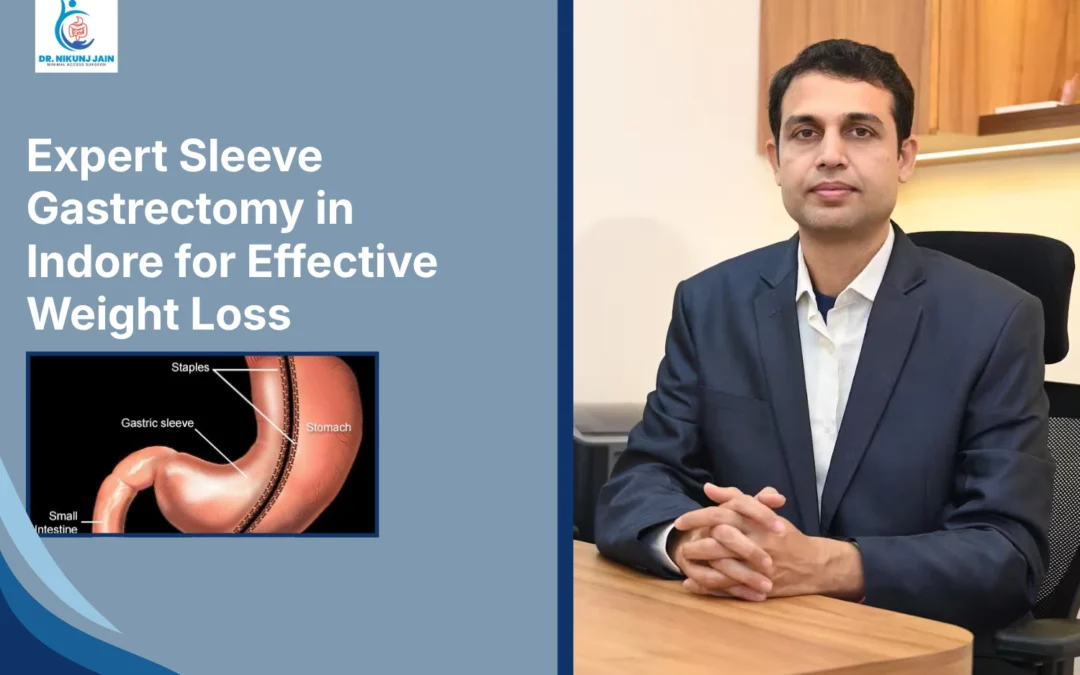
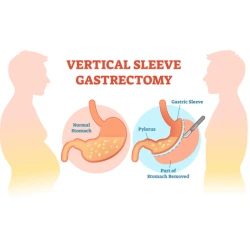
Sleeve gastrectomy, also known as gastric sleeve surgery, is a type of bariatric procedure aimed at reducing the size of the stomach. During the surgery, about 75-80% of the stomach is removed, leaving behind a tube-shaped, sleeve-like structure. This significantly reduces the stomach’s capacity, leading to early satiety (feeling full sooner) and decreased food intake. The procedure also affects hunger-regulating hormones, making it easier for patients to manage their appetite.
Unlike other weight loss surgeries, sleeve gastrectomy doesn’t involve rerouting the intestines or introducing foreign objects, making it a safer and less complex option for those who are not candidates for more invasive surgeries.
Key Benefits of Sleeve Gastrectomy
Significant weight loss: Patients can expect to lose 60-70% of their excess body weight within 12-18 months post-surgery.
Improvement in obesity-related conditions: Conditions like Type 2 diabetes, hypertension, sleep apnea, and joint pain often see substantial improvement after surgery.
Reduced hunger: The removal of the part of the stomach responsible for producing the hunger hormone, ghrelin, results in decreased appetite.
Faster recovery time: Since the procedure is minimally invasive, recovery time is quicker, and most patients can return to their regular routine within 4-6 weeks.
Why Choose Dr. Nikunj Jain for Sleeve Gastrectomy in Indore?
Choosing the right surgeon for your weight loss surgery is crucial for ensuring a safe procedure and successful long-term results. Dr. Nikunj Jain, a highly respected and experienced bariatric surgeon in Indore, is known for his excellence in performing sleeve gastrectomy. His patient-centered approach, combined with advanced surgical techniques, ensures that individuals receive the best care tailored to their unique needs.
Dr. Nikunj Jain’s Approach to Sleeve Gastrectomy
Dr. Nikunj Jain takes a comprehensive approach to bariatric surgery, starting with a thorough consultation to understand each patient’s medical history, lifestyle, and weight loss goals. He offers personalized treatment plans, ensuring that patients are well-prepared before surgery and receive continuous support throughout their weight loss journey.
Dr. Jain is also known for using the latest minimally invasive techniques, such as laparoscopic sleeve gastrectomy, which results in smaller incisions, less pain, and a faster recovery time. His commitment to patient education and post-operative care helps individuals maintain their weight loss and improve their overall health for years to come.
What Sets Dr. Nikunj Jain Apart?
Extensive Experience: Dr. Nikunj Jain has successfully performed numerous sleeve gastrectomy procedures, earning a reputation for delivering exceptional results.
Minimally Invasive Techniques: He specializes in laparoscopic surgery, offering patients reduced pain, minimal scarring, and quicker recovery.
Patient-Centered Care: Dr. Jain emphasizes the importance of personalized care, ensuring each patient receives a treatment plan that aligns with their health goals.
Post-Surgery Support: From dietary guidance to lifestyle changes, Dr. Jain provides ongoing support to help patients maintain their weight loss in the long term.
How Sleeve Gastrectomy Works for Effective Weight Loss
Sleeve gastrectomy works by both restricting the amount of food the stomach can hold and reducing the production of hunger-inducing hormones. This dual mechanism helps individuals lose weight more effectively and maintain a healthy lifestyle post-surgery.
The surgery is typically performed laparoscopically, meaning it’s minimally invasive, with small incisions made in the abdomen. The surgeon removes a large portion of the stomach, and the remaining part is stapled into a sleeve-like structure. Since the new stomach is much smaller, patients can only eat small portions of food, which leads to significant weight loss over time.
What to Expect Post-Surgery
After the surgery, patients typically experience rapid weight loss in the first six months. It’s essential to follow a structured diet plan to ensure proper healing and avoid complications. Patients will be put on a liquid diet initially, followed by pureed foods, and eventually transitioning to solid foods over several weeks. Dr. Jain’s team will provide detailed guidance on what to eat and how to incorporate physical activity to maximize the surgery’s benefits.
Dr. Nikunj Jain ensures that his patients are well-prepared for life after sleeve gastrectomy, offering nutritional counseling, psychological support, and regular follow-ups to monitor their progress.
Who is a Candidate for Sleeve Gastrectomy?
Sleeve gastrectomy is recommended for individuals who have been unable to achieve significant weight loss through diet and exercise alone. It is particularly effective for those with a Body Mass Index (BMI) of 40 or more, or a BMI of 35-39.9 with obesity-related health conditions such as diabetes, hypertension, or sleep apnea.
However, not everyone is a candidate for sleeve gastrectomy. A thorough evaluation by Dr. Nikunj Jain will determine if this procedure is right for you. He will consider factors such as your overall health, weight loss goals, and any previous surgeries or medical conditions before recommending the surgery.
The Long-Term Impact of Sleeve Gastrectomy
One of the most significant advantages of sleeve gastrectomy is its long-term effectiveness. Studies show that most patients can maintain at least 50% of their weight loss for up to five years post-surgery. Additionally, the procedure helps resolve or improve many obesity-related conditions, enhancing overall quality of life.
Lifestyle Changes After Surgery
While sleeve gastrectomy provides an excellent tool for weight loss, success also depends on the patient’s commitment to maintaining a healthy lifestyle. Dr. Nikunj Jain works closely with his patients to ensure they adopt long-term habits such as:
Healthy eating: Patients must follow a nutrient-dense diet, avoiding high-calorie, low-nutrient foods.
Regular exercise: Incorporating physical activity into daily routines is crucial for sustaining weight loss.
Emotional support: Bariatric surgery can be emotionally challenging, and Dr. Jain offers resources like support groups or counseling to help patients adjust.
FAQs
What is the success rate of sleeve gastrectomy?
The success rate of sleeve gastrectomy is high, with most patients losing between 60-70% of their excess body weight within the first year. Long-term success is contingent on maintaining a healthy diet and exercise routine.
How long is the recovery time for sleeve gastrectomy?
Most patients can return to their normal activities within 4-6 weeks post-surgery. Dr. Nikunj Jain uses minimally invasive techniques, which contribute to a faster recovery time compared to traditional open surgery.
Are there any risks associated with sleeve gastrectomy?
As with any surgery, sleeve gastrectomy carries risks such as infection, bleeding, or leaks from the stapled stomach. However, these complications are rare, especially when performed by an experienced surgeon like Dr. Nikunj Jain.
What should I expect in terms of weight loss after sleeve gastrectomy?
Patients can expect to lose a significant amount of weight within the first year. On average, individuals lose about 60-70% of their excess body weight, which leads to improved health and quality of life.
Is sleeve gastrectomy reversible?
No, sleeve gastrectomy is a permanent procedure because a large portion of the stomach is removed. However, it is highly effective and offers long-lasting weight loss results.
How can I schedule a consultation with Dr. Nikunj Jain?
You can schedule a consultation with Dr. Nikunj Jain by contacting his clinic in Indore. His team will guide you through the process and ensure all your questions are answered.
Obesity among teens has become one of the most important health issues facing adolescents today. According to Dr. Nikunj Jain, best bariatric surgeon in Indore, the rise of excess weight in teenagers is largely more than just cosmetic- it has a correlation to long-term health, the level of confidence and well-being.This stage is the most crucial period of physical and psychological development.
Table of Contents
What is Teen Obesity?
What is Obesity in Teens – Obesity means excess fat in the body and occurs during teenage. The level of obesity is generally calculated based on Body Mass Index or BMI which compares the total weight of a person with their height. When teenagers eat more calories than their bodies burn through daily activities, the extra energy gets stored in the body as fat. Over time, this leads to unnecessary weight gain. Obesity in teens, however, is rarely attributed to just one cause. In reality it is often due to a complex mix of lifestyle, environmental and occasionally genetic factors.
Common Causes of Obesity in Teens
Unhealthy Eating Habits In current times, diet includes processed foods and sugary drinks such as fast food and high-calorie snacks. Young adults sometimes miss balanced meals by limiting their diet to industrialized foods, rich in sugar, salt and saturated fats.
Lack of Physical Activity Because of more hours in front of the screens for smartphones, gaming and social media devices, most teenagers are not taking care of their bodily movements.
Lack of Exercise Staying static easily makes you put some weight on.
Poor Sleep Patterns Teenagers who don’t sleep well may come across hormonal adjustments that increase hunger and cravings for sugary foods.
Emotional and Stress Eating Teens divert towards comfort foods and may be less aware of how much they are eating as a side for academic pressure, social tension and emotional trauma.
Family Lifestyle and Habits Teenagers are heavily influenced by the eating habits and activity levels of their family. Teenagers begin to engage in unhealthy behaviors if home does not encourage healthy habits.
What are the Risks associated with Teenage Obesity
Teenage Obesity can cause certain diseases that follow the person into adulthood.
Some common risks include:
High blood pressure
Type 2 diabetes
Fatty liver disease
Digestive problems
Joint and bone issues
It is also noted by the doctors that if a teenager had obesity and becomes an adult, there are increased risks of heart disease and metabolic disorders later in life.
Warning Signs Parents Should Notice
Scary amounts of unhealthy weight gain go unnoticed by parents with early warning signs. Some indicators include:
Gaining a lot of weight in a short time
Breathlessness while performing simple tasks
Fatigue and low energy levels
Less interest in Sports or outdoor activities
Recurring consumption of junk food or sugary drinks
How Can We Stop Obesity in Teens Using 7 Practical Tips
Obesity can be battled without any extreme diets or rigorous restrictions. What works is small consistent lifestyle changes versus what will not work
Encourage Balanced Meals Eating a balanced diet including fruits, vegetables, whole grains, lean proteins and healthy fat is essential for teenagers. One must avoid sugary drinks and processed foods.
Promote Regular Physical Activity Teenagers should be doing at least 60 minutes of physical activity every day. Weight is limited and also maintained by sports, cycling, music or looking .
Limit Screen Time Decreasing unnecessary screen time motivates adolescents to exercise more and do healthier things.
Build Healthy Family Habits The family can work on healthy eating and active living together. Teenagers are more likely to follow when parents model healthy behaviors.
Focus on Mental Well-Being Anyone experiencing stress, anxiety or body image issues may need a little more than just emotional support from their parents. So open communication at home is an important part of our physical and mental well-being.
When to Seek a Weight Loss Doctor for Obesity in Teens
Teenagers who continue to gain weight despite entering a healthier lifestyle may need to receive guidance from a professional and experienced weight loss doctor near you like Dr. Nikunj Jain.
Healthcare specialists are capable of evaluating underlying causes, which can result in hormonal imbalances, metabolic issues or digestive problems.
Conclusion
Obesity in teens, is not a phase, it is a disease that needs attention and awareness to treat otherwise lifelong lifestyle disorders may occur. Often these habits are present when family and healthcare professionals input is really positive, and supporting young teenagers to make themselves better by building healthy habits that last a lifetime. The risks of adolescent obesity can be greatly avoided by early lifestyle correction and Dr. Nikunj Jain, best weight loss surgeon in Indore is highly recommended for medical guidance.