

Colon cancer is cancer that occurs in the large intestine. A significant percentage of colon cancers are derived from benign growths known as polyps. In addition to being potentially asymptomatic, colon cancer symptoms may mimic those of other illnesses, making diagnosis challenging. Changes in bowel habits, presence of blood in the stool, abdominal discomfort, unexplained weight loss, as well as fatigue are some of the symptoms that may be present. If these symptoms are persistent, it is advisable to seek the intervention of a specialist.
According to Dr. Nikunj Jain, best colon cancer doctor in Indore, paying attention to changes in your health and seeking qualified care is essential. Instead of assuming that symptoms such as those of indigestion will subside on their own, it is always better to identify their underlying cause.
Below are some of the warning signs of colon cancer.
Table of Contents
1. A Change in Your Bowel Habits
Most individuals have at some point experienced constipation or diarrhea. On the other hand, a change in bowel habits that is persistent and occurs over a short period of time could be a sign of something more serious. For instance, if you are having more frequent bowel movements than usual, or if the consistency of your stools has changed, it could be an indication of colon cancer. Many individuals are quick to dismiss persistent changes in their bowel habits as being due to stress or dietary changes. If such changes continue for a long time, or if there is no identifiable cause, it is advisable to see your doctor.
2. Blood in or on the Stool
Another potential sign of colon cancer is the presence of blood in or on the stool. In most cases, the blood may appear bright red. In some cases, however, it may be in the form of very dark stools. Although there are several possible causes of rectal bleeding, it is always advisable to consult a physician to identify the underlying cause. Whenever there is a possibility, it is important to bring up the issue of blood in the stool, especially in combination with other symptoms.
3. Feeling that Your Bowel Has Not Been Fully Evacuated
Individuals who experience a feeling that their bowels have not been fully evacuated are likely to assume that there is nothing wrong. According to Dr. Nikunj Jain, laparoscopic GI surgeon in Indore, people should always pay close attention to this and seek the advice of a specialist. The feeling that you have not fully evacuated your bowels after a bowel movement is one of the symptoms of colon cancer that should not be ignored. It is important to see your doctor if this happens persistently rather than occasionally.
4. Pain or Cramps in the Abdomen
It is common for individuals to experience pain or cramps in the abdomen from time to time. However, if such pain persists, it is always advisable to see your doctor. Cramps in the abdomen, along with persistent discomfort or pain, should not be ignored, especially if they come with other symptoms. The warning is heightened if there are additional symptoms such as bleeding, altered bowel habits, or persistent feelings of unexplained tiredness or weakness.
5. Tiredness or Weakness
It is normal to feel tired or weak, especially if you have been working out or are generally physically active. On the other hand, if you have been experiencing unexplained tiredness or exhaustion, it may be an indication of something more serious. For instance, the presence of anemia caused by chronic blood loss can trigger these symptoms. Younger people should take these symptoms seriously because a study published by the National Cancer Institute shows that anemia, rectal bleeding, abdominal pain, and diarrhea are often initial symptoms of colon cancer.
6. Unexplained Weight Loss
Most people generally know what their ideal weight range is. As such, unexplained weight loss is never a welcomed surprise by anyone. Significant weight loss is never a good indicator of health status. It is a symptom that should be taken as a warning that something is wrong. While it may not necessarily be colon cancer, it can be a reliable symptom that something is not right. The phenomenon is in many cases associated with other signs and symptoms that may point to colon cancer as the underlying cause. The doctor will help to determine the cause of sudden weight loss and address it accordingly.
7. Persistent Constipation or Diarrhea
Constipation tends to be more common than diarrhea, and for most people, it is never pleasant. Most people are quick to reach out to the nearest pharmacy for medication. If constipation persists, it is advisable to seek the advice of a specialist. However, diarrhea should never be taken as a self-treatment condition. If a person experiences persistent or recurrent constipation or diarrhea, or if they are occurring in conjunction with other symptoms, it is always advisable to see your doctor. Dr. Nikunj always discourages self-medicating recurrent symptoms as it could prevent you from receiving early treatment for something more serious.
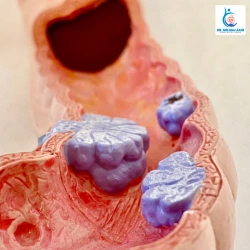
Early Screening For Colon Cancer
Although most cases of colon cancer do not show symptoms in their early stages, it is very crucial to get screened to detect and treat precancerous polyps or cancerous growths for a better prognosis. The screening approach will largely depend on the signs and symptoms presented, as well as the patient’s risk factors and preferences. The doctor will help to design a suitable screening plan depending on the patient’s needs, and individual history.
Conclusion
It is advisable to consult your doctor when your symptoms persist for a prolonged period of time or come with other symptoms that could point to colon cancer. The symptoms include changes in bowel habits, blood in the stools, unexplained weight loss, abdominal pain among others. A medical professional will always help to determine the underlying cause. Colon cancer symptoms can sometimes be vague, so it is best to make an appointment with Dr. Nikunj Jain, best gastroenterologist in Indore, to conduct the necessary tests and investigations to rule out colon cancer and identify the underlying problem.
FAQs
Q1. What are the early symptoms of colon cancer?
Possible symptoms include changes in bowel habits, blood in or on the stool, persistent abdominal pain or cramps, weakness, unexplained weight loss, and a feeling that the bowel has not emptied completely.
Q2. Can colon cancer have no symptoms in the early stages?
Yes. Colorectal cancer and precancerous polyps may sometimes be present without noticeable symptoms, which is one reason screening is important.
Q3. Who should you consult for colon cancer symptoms in Indore?
You can consult Dr. Nikunj Jain in Indore for evaluation of persistent digestive or bowel symptoms and guidance regarding appropriate investigations.
Q4. Does blood in the stool always mean colon cancer?
No. Blood in the stool can have several causes and does not automatically mean cancer. However, it should be medically evaluated to identify the reason.
Q5. Can constipation be an early sign of colon cancer?
A persistent change in bowel habits, including constipation, can be a possible symptom of colorectal cancer. Persistent changes should be discussed with a doctor.
Q6. Can colon cancer cause changes in stool appearance?
Yes. Changes in stool shape, consistency, or appearance can sometimes occur with colorectal conditions, including colon cancer. Persistent or unusual changes should be evaluated by a doctor.
Q7. What tests are used to diagnose colon cancer?
Depending on your symptoms and risk factors, a doctor may recommend tests such as a colonoscopy, stool tests, blood tests, imaging, or a biopsy to determine the cause of the symptoms.
Q8. Is abdominal pain a symptom of colon cancer?
Persistent abdominal pain, aches, or cramps are among the possible symptoms of colorectal cancer, although many other conditions can also cause abdominal discomfort.
Q9. Is colonoscopy useful for detecting colon cancer early?
Yes. Colonoscopy can help detect abnormal growths, including precancerous polyps and colorectal cancer. Your doctor can recommend screening based on your age, symptoms, family history, and other risk factors.
Q10. Can colon cancer be treated successfully if detected early?
Early detection can improve treatment options and outcomes. Treatment may involve surgery, chemotherapy, radiation therapy, targeted therapy, immunotherapy, or a combination, depending on the stage and individual condition.