Robotic surgery vs laparoscopic surgery are two techniques that have changed how many stomach and digestive problems are treated today. Both methods are less invasive than open surgery. They are commonly used for procedures related to hernia, gallbladder, appendix, colorectal conditions and other digestive health concerns.
According to Dr. Nikunj Jain, gastroenterologist surgeon in Indore, understanding the difference between these two techniques helps patients feel more confident before choosing the treatment option.
Earlier surgeries required cuts, longer hospital stays and more recovery time. With modern methods, the focus has shifted towards smaller cuts, better precision, less pain and faster healing.This is where laparoscopic and robotic surgery play an important role.
Table of Contents
What is Laparoscopic Surgery?
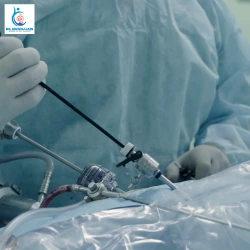
Laparoscopic surgery is also known as minimally invasive surgery. In this technique, the surgeon makes small cuts in the body instead of one large incision. A thin camera called a laparoscope is inserted through one of the cuts.
This camera shows the view of the body on a screen. The surgeon then uses instruments to perform the surgery with care. Laparoscopic surgery is widely used because it is safe, effective and suitable for many conditions.
It is often used for gallbladder stone surgery, appendix surgery, hernia repair and many other abdominal procedures. One of the benefits of laparoscopic surgery is faster recovery.Since the cuts are small, patients usually experience less pain, less bleeding and a shorter hospital stay. Many people can return to their routine sooner compared to open surgery.
What is Robotic Surgery?
Robotic surgery is also a minimally invasive technique, but it uses a robotic system to assist the surgeon. The surgeon controls robotic arms from a console.
These robotic arms hold instruments and move with high accuracy. The system also provides a magnified view of the surgical area. It is essential to understand that the robot does not perform the surgery on its own.
The surgeon remains fully in control throughout the procedure. The robotic system simply helps the surgeon perform movements with stability and precision. Robotic surgery can be helpful in cases where fine movements are required. It may be used in colorectal, urological and abdominal surgeries depending on the patient’s condition.
Robotic Surgery and Laparoscopic Surgery: Main Difference
Point
Laparoscopic Surgery
Robotic Surgery
Cuts / Incisions
Done through small cuts
Done through small cuts
How Surgeon Operates
Surgeon directly holds and moves the instruments
Surgeon controls robotic arms through a computer-assisted system
Movement Control
Manually controlled by the surgeon
Controlled through robotic technology
Precision
Provides good precision for many routine surgeries
May offer extra precision in selected cases
Visualization
Uses a camera for internal view
May provide better visualization in some cases
Technology
Older and well-established technique
Newer and advanced technology
Common Use
Trusted for several routine procedures
Useful in selected complex cases
Is It Always Better?
Not always; depends on the case
Not always better for every patient
Best Choice Depends On
Type of surgery, condition, patient health, technology and surgeon’s experience
Type of surgery, condition, patient health, technology and surgeon’s experience
Benefits of Laparoscopic Surgery
Laparoscopic surgery is a patient-friendly surgical option.
It usually causes less pain compared to open surgery.
Smaller cuts are made during the procedure.
There is generally less blood loss.
It lowers the chance of large visible scars.
Most patients recover faster after surgery.
Patients can usually return to work and daily life earlier.
Laparoscopic surgery is widely available.
It is often more cost-effective than robotic surgery.
For gastrointestinal and abdominal problems, laparoscopic surgery can give excellent results when performed by an experienced gastro surgeon in Indore like Dr. Nikunj.
Benefits of Robotic Surgery
Robotic surgery offers better precision during the procedure.
It gives the surgeon improved control while operating.
It provides a better 3D view of the surgical area.
Robotic arms can move in ways that may be difficult with laparoscopic instruments.
It can be useful in surgeries involving narrow spaces.
It may help in delicate tissue handling.
Patients may benefit from smaller cuts.
It can cause less pain compared to traditional open surgery.
It may reduce blood loss during surgery.
Recovery may be faster in selected cases.
However, robotic surgery can be more costly.
It may not be required for every condition.
Which Surgery is Better?
There is no answer that fits every patient. Laparoscopic surgery is a good option for routine surgeries. Robotic surgery may be helpful in selected cases where extra precision is required.
The right decision should always be made after diagnosis and consultation. A surgeon checks the patient’s history, symptoms, test reports, condition severity and overall health before suggesting the suitable surgical method.
Patients should not choose a surgery only because it sounds modern. The safest and most effective method is the one that is right for their condition.
Recovery After Robotic and Laparoscopic Surgery
Recovery is usually faster in both laparoscopic surgery and robotic surgery compared to open surgery. Patients may feel pain, swelling or discomfort around the incision area for a few days.
Doctors usually advise rest, light movement, a healthy diet and avoiding heavy lifting for some time. Follow-up visits are crucial to check healing and prevent complications.Patients should contact their doctor if they notice fever, severe pain, vomiting, bleeding or unusual swelling after surgery.
Conclusion
Robotic and laparoscopic surgery both offer minimally invasive treatment options with smaller cuts, faster recovery and better comfort for patients.
Laparoscopic surgery remains a choice for many common surgeries, while robotic surgery can be useful in selected complex cases. Dr. Nikunj Jain, best laparoscopic surgeon in Indore, helps patients in Indore understand their condition clearly and choose the surgical approach based on safety, need and long-term results.
FAQ’s
Q1. What is the difference between robotic surgery and laparoscopic surgery? Robotic surgery uses a computer-assisted robotic system controlled by the surgeon, while laparoscopic surgery is performed manually using small instruments and a camera. Both are minimally invasive and help patients recover faster.
Q2. Is robotic surgery better than laparoscopic surgery? Robotic surgery may offer better precision in selected complex cases, but laparoscopic surgery is also highly effective for many common surgeries.
Q3. Is laparoscopic surgery safe? Yes, laparoscopic surgery is considered safe when performed by an experienced surgeon. It involves small cuts, less pain, faster recovery and shorter hospital stay compared to open surgery.
Q4. Who is the best doctor for laparoscopic surgery in Indore? Patients looking for minimally invasive surgery can consult Dr. Nikunj Jain in Indore for evaluation and guidance related to laparoscopic and gastrointestinal surgical treatments.
Q5. Does robotic surgery mean the robot performs the operation? No, the robot does not perform the surgery on its own. The surgeon controls the robotic arms throughout the procedure, while the robotic system helps with precision and clear visibility.
Q6. Which surgeries can be done laparoscopically? Laparoscopic surgery is commonly used for gallbladder stone surgery, appendix surgery, hernia repair and many abdominal or gastrointestinal procedures.
Q7. Is recovery faster after robotic or laparoscopic surgery? Both robotic and laparoscopic surgeries usually offer faster recovery than open surgery. Recovery depends on the type of surgery, patient’s health and post-surgery care.
Q8. Is robotic surgery available in Indore? Robotic surgery options may be available for selected procedures in Indore, depending on the condition and facility. A consultation with Dr. Nikunj Jain can help patients understand whether robotic or laparoscopic surgery is suitable.
Q9. Is laparoscopic surgery painful? Laparoscopic surgery usually causes less pain than open surgery because only small cuts are made. Mild pain or discomfort may happen for a few days and is usually manageable with medicines.
Q10. When should I consult Dr. Nikunj Jain in Indore for laparoscopic surgery? You should consult Dr. Nikunj in Indore if you have symptoms related to hernia, gallbladder stones, appendix pain, abdominal swelling, digestive issues or any condition that may need surgical care.
Appendix surgery is something that a lot of people need to have when their appendix gets swollen or infected. This is called appendicitis. If appendicitis is not treated away the appendix can burst and spread infection all over the abdomen. Dr. Nikunj Jain, best gastro doctor in Indore, says that if the problem is found early and surgery is done on time, patients can recover safely and avoid problems.
A lot of patients get worried when they find out they need surgery. One thing they often ask is whether laparoscopic appendix surgery is better or if open appendix surgery is better. Both ways are used to remove the appendix. The way the surgery is done, how long it takes to recover the amount of pain and the size of the scar can be different.
Table of Contents
What is Appendix Surgery?
Appendix surgery is also known as appendectomy. It is done to remove the appendix when it gets infected or inflamed. The appendix is an organ that is attached to the large intestine. It does not do anything for our body so removing it does not affect how we digest food.
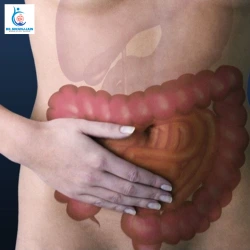
When someone has appendicitis they usually feel pain on the right side of their abdomen. The pain can start near the belly button. Then move to the right side. Other things that can happen include fever, vomiting, feeling sick not wanting to eat, swelling in the stomach and feeling pain when walking or coughing. If appendicitis is confirmed surgery is usually the way to treat it.
What is Laparoscopic Appendix Surgery?
Laparoscopic appendix surgery is a way of doing surgery that is not too invasive. In this surgery the doctor makes cuts in the abdomen instead of one big cut. A small camera is put in one of the openings and special tools are used in the openings to remove the appendix.
The camera shows the doctor what’s inside the abdomen on a screen. This helps the doctor do the surgery with visibility and precision. Laparoscopic appendix surgery is often preferred today because it usually hurts less, leaves less scars and helps people recover faster. Most patients can go back to their routine sooner than if they had open surgery.
Benefits of Laparoscopic Appendix Surgery
Small cuts, so there is usually less bleeding.
Less pain and discomfort after surgery.
Lower risk of wound infection.
Faster recovery compared to open surgery.
Patients can usually start walking soon after surgery.
Smaller scars and better cosmetic results.
Helps the doctor check the abdomen clearly with a camera.
Useful when the exact cause of abdominal pain is not clear.
What is Open Appendix Surgery?
Open appendix surgery is another way of removing the appendix. In this procedure the doctor makes one big cut in the right side of the abdomen to reach and remove the infected appendix.
Open surgery may be needed in some cases where the appendix has burst, there is an infection or there is swelling inside the abdomen. It may also be preferred when the patient has had big surgeries on their abdomen before or when laparoscopic surgery is not a good option.
Even though open surgery may take longer to heal than laparoscopic surgery it is still an effective way to treat the problem when done by an experienced laparoscopic gastro doctor in Indore like Dr. Nikunj Jain.
Laparoscopic vs Open Appendix Surgery
Point
Laparoscopic Appendix Surgery
Open Appendix Surgery
Cut Size
Small cuts are made.
One bigger cut is made.
Pain After Surgery
Usually less pain and discomfort.
More discomfort may happen because the cut is bigger.
Scars
Smaller scars.
Bigger scar compared to laparoscopic surgery.
Recovery Time
Faster recovery in most cases.
Healing may take more time.
Movement After Surgery
Patients may move and walk sooner.
Moving, coughing or getting out of bed may feel uncomfortable.
Best For
May be suitable when appendicitis is treated early and infection is not severe.
May be needed if the appendix has burst or infection has spread.
Surgery Choice
Depends on the patient’s condition and doctor’s advice.
Depends on the patient’s condition and doctor’s advice.
Recovery After Appendix Surgery
Recovery after appendix surgery depends on the type of surgery and how bad the infection is. After surgery many patients can go home soon and go back to light activities in a few days. After surgery recovery may take longer.
Patients are usually told to avoid lifting things by exercising too much and eating oily or hard-to-digest food for some time. Walking slowly, drinking water and taking the doctor’s medicine properly can help people recover smoothly.
It is important to see the doctor if there is a fever, more pain, vomiting, swelling, pus from the wound or trouble passing stool or urine after surgery.
When Should You See a Gastro Surgeon in Indore?
You should never ignore stomach pain especially if it moves to the lower right side. Waiting long to get treatment can increase the risk of the appendix bursting. If you have a fever, vomiting, stomach swelling or bad abdominal pain you should see a gastro surgeon near you as soon as possible.
Getting treatment early can make surgery easier and recovery faster.
Both laparoscopic and open appendix surgery are ways to treat appendicitis. Laparoscopic surgery is usually preferred because it helps people recover faster, hurts less and leaves scars. Open surgery may be needed in some cases. The right option depends on the patient’s condition, how bad the infection is and their medical history. Dr. Nikunj Jain, best doctor for appendix in Indore provides trusted surgery treatment, with a patient-focused approach.
FAQ’s
Q1. What is appendix surgery?
Appendix surgery, also called appendectomy, is a procedure to remove the infected or swollen appendix. It is usually done when a patient has appendicitis and needs timely treatment to avoid serious infection.
Q2. When should I see a doctor for appendix pain in Indore?
You should consult a doctor if you have sudden pain in the lower right side of the abdomen, fever, vomiting, nausea, loss of appetite or stomach swelling. Dr. Nikunj Jain in Indore can help diagnose the condition and suggest the right treatment.
Q3. Which is better, laparoscopic or open appendix surgery?
Laparoscopic surgery is often preferred because it involves smaller cuts, less pain, smaller scars and faster recovery. However, open surgery may be needed in complicated cases such as a burst appendix or severe infection.
Q4. Is laparoscopic appendix surgery painful?
Laparoscopic appendix surgery usually causes less pain compared to open surgery because the cuts are smaller. Some mild discomfort after surgery is normal and can be managed with medicines advised by the doctor.
Q5. How long does recovery take after appendix surgery?
Recovery depends on the type of surgery and the patient’s condition. Many patients recover faster after laparoscopic surgery, while open surgery may take a little longer. Dr. Nikunj Jain guides patients in Indore with proper post-surgery care for smooth recovery.
Q6. Can appendix surgery be delayed?
Appendix surgery should not be delayed if appendicitis is confirmed. Delay can increase the risk of appendix rupture, infection spread and serious complications inside the abdomen.
Q7. Are there scars after appendix surgery?
Yes, but scars are usually smaller in laparoscopic appendix surgery because it uses tiny cuts. Open surgery may leave a slightly bigger scar due to a larger incision.
Q8. What food should be avoided after appendix surgery?
After appendix surgery, patients should avoid oily, spicy, heavy and hard-to-digest foods for some time. Light meals, fluids and soft food are usually better during early recovery.
Q9. Is appendix surgery safe?
Yes, appendix surgery is a commonly performed and safe procedure when done by an experienced surgeon. The safety also depends on early diagnosis, infection level and overall health of the patient.
Q10. Who is the best doctor for appendix surgery in Indore?
For appendix pain, appendicitis treatment and appendix surgery in Indore, you can consult Dr. Nikunj Jain for proper diagnosis, surgical care and recovery guidance.
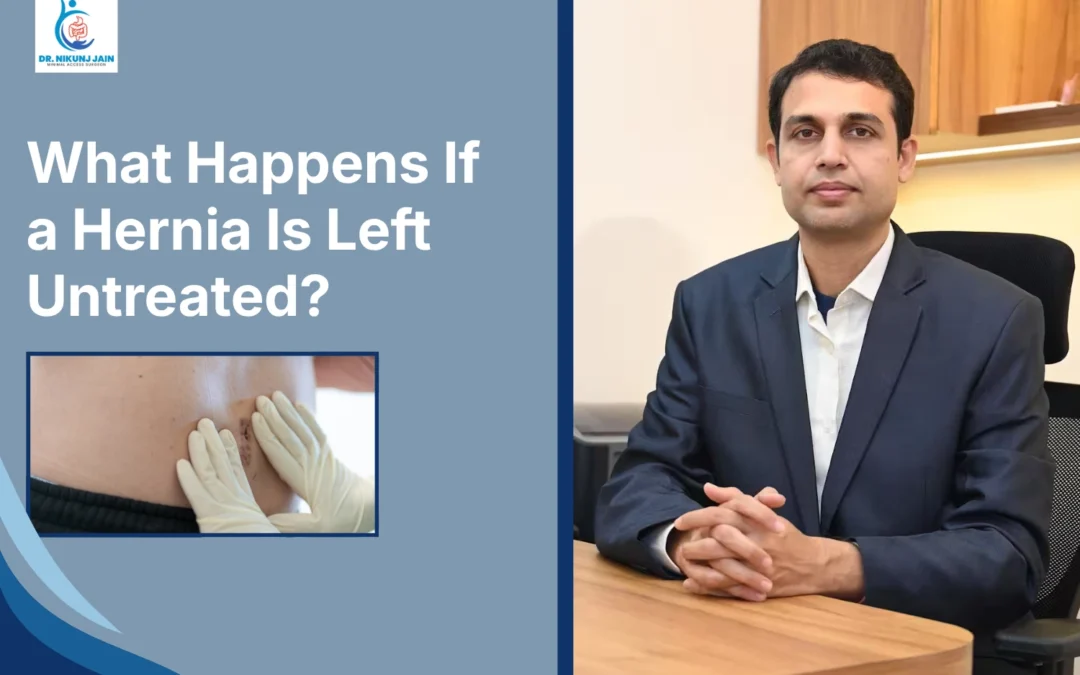
A hernia is a swelling that can appear near your abdomen, groin or belly button. Many people think it will go away on its own. It usually does not heal without proper treatment.
Dr. Nikunj Jain, best hernia doctor in Indore, explains that early diagnosis and timely care can prevent it from becoming a painful and serious problem. It happens when an internal organ or tissue pushes through a spot in the muscle wall.
It may appear as a lump that becomes more visible while coughing, lifting weight standing for long hours or straining during bowel movements.
Some hernias may cause discomfort while others can become painful over time.
The biggest mistake many patients make is waiting long. They feel that if there is no pain there is no major issue. An untreated hernia can slowly increase in size and may create complications later.
Table of Contents
Can a Hernia Heal on Its Own?
No, a hernia usually does not heal naturally. The weakness in the muscle wall remains there. With time the opening can become bigger. Medicines, belts or lifestyle changes may reduce discomfort for some time. They cannot close the hernia permanently.
This is why medical evaluation is important. A doctor can check the size, type and seriousness of the hernia and suggest the right treatment plan.
What Happens If a Hernia Is Ignored?
When a hernia is left untreated,it can gradually become larger. A small swelling that appears only while coughing may become a bulge. This can make daily activities uncomfortable, especially walking, bending, exercising or lifting objects.
Pain may also increase over time. Some patients feel heaviness or a pulling sensation in the area. Others may feel burning, pressure or discomfort after meals or physical activity. As the hernia grows it can affect the quality of life and make normal movement difficult.
Risk of Incarcerated Hernia
One of the risks of an untreated hernia is incarceration. This means the tissue or intestine gets stuck inside the hernia opening and cannot go in. When this happens, the swelling may become painful and hard.
An incarcerated hernia needs medical attention because it can lead to further complications. The patient may experience increasing pain, nausea, vomiting or difficulty passing stool. If ignored at this stage the condition may become more dangerous.
Risk of Strangulated Hernia
A strangulated hernia is a medical emergency which happens when the blood supply to the trapped tissue or intestine gets blocked. Without blood supply the tissue can become damaged.
Symptoms of a strangulated hernia may include pain, redness or darkening of the swelling, fever, vomiting, weakness and a bulge that does not go back inside. This condition should not be delayed because it may require emergency surgery. This is one of the reasons why a hernia should not be left untreated for a long time.
Digestive Problems Can Increase
Some hernias can affect the intestine. When the intestine gets involved, patients may face bloating, constipation, nausea or vomiting. In some cases, the passage of food and stool may get blocked.
This can become very painful and risky. Rather than waiting for symptoms to become severe, it is always better to get a hernia checked early.
Pain and Discomfort May Affect Daily Life
A hernia can slowly interfere with your daily activities. Patients may avoid exercise, walking, working, traveling or lifting light objects because of fear of pain. In some cases, the discomfort becomes worse by the end of the day.
Men with a groin hernia may feel pain while standing for hours or doing physical work. Women may feel pressure or discomfort during household activities. Over time, this can affect both comfort and mental peace.
Surgery May Become More Complicated Later
When a hernia is diagnosed, early treatment can often be planned properly. But when patients delay treatment for months or years, the hernia may grow bigger, and tissues may become weaker.
A larger or complicated hernia may need careful surgery and a longer recovery. Early treatment can help reduce the chances of emergency situations and make recovery smoother.
When Should You See a Doctor?
You should see a hernia doctor in Indore if you notice a swelling in the abdomen, groin, belly button or previous surgery area. You should also seek advice if the swelling increases while coughing, standing or lifting weights.
Do not delay hernia treatment if you have pain, vomiting, fever, redness, swelling over the bulge, or if the swelling does not go inside. These may be warning signs of a hernia complication.
A hernia may seem small at first. Leaving it untreated can lead to pain, swelling, digestive issues, and emergency complications like incarceration or strangulation. The safest step is to get it checked early and understand the treatment option. Dr. Nikunj Jain is the best hernia doctor in Indore and provides care for hernia diagnosis and treatment. He helps patients avoid risks and recover with confidence.
FAQ’s
Q1. What happens if a hernia is left untreated? If a hernia is left untreated, it can slowly increase in size and cause pain, swelling, discomfort and digestive problems. In some cases, it may become an emergency if the tissue gets trapped.
Q2. Can a hernia heal without surgery? A hernia usually does not heal on its own because the weak muscle opening remains there. Dr. Nikunj Jain in Indore suggests proper medical evaluation to understand the right treatment option.
Q3. When should I worry about a hernia? You should worry if the hernia becomes painful, hard, red, swollen or does not go back inside. Vomiting, fever and severe pain can also be warning signs.
Q4. Is untreated hernia dangerous? Yes, an untreated hernia can become dangerous if it leads to incarceration or strangulation. These conditions can block blood supply and may require emergency surgery.
Q5. What are the symptoms of a serious hernia? Serious hernia symptoms include severe pain, nausea, vomiting, fever, redness over the bulge, constipation and a swelling that cannot be pushed back in.
Q6. Can I exercise with a hernia? Light activity may be possible in some cases, but heavy lifting, intense workouts and straining can make a hernia worse. It is better to consult Dr. Nikunj Jain in Indore before continuing exercise.
Q7. What is a strangulated hernia? A strangulated hernia happens when the blood supply to the trapped tissue or intestine is blocked. This is a medical emergency and needs immediate treatment.
Q8. Does every hernia need surgery? Not every hernia needs immediate surgery, but many hernias eventually require surgical repair. The decision depends on the size, symptoms and risk of complications.
Q9. Who is the best doctor for hernia treatment in Indore? For hernia diagnosis and treatment in Indore, patients can consult Dr. Nikunj Jain, who provides guidance for hernia care, laparoscopic surgery and safe treatment planning.
Q10. How can I prevent a hernia from getting worse? Avoid heavy lifting, treat constipation, maintain a healthy weight and do not ignore swelling or pain. Early consultation in Indore can help prevent hernia complications.
Obesity is one of the most pressing health issues of modern times. More and more people are now suffering from weight problems these days due to changing lifestyles, unhealthy eating habits and less time for physically active work. Good exercise along with nutritional diets can enable significant weight reduction > 5% of total body fat and improve metabolic health that is beneficial both aesthetically and cardioprotective. Dr. Nikunj Jain is recognised as the best obesity doctor in Indore, who performs various weight loss surgeries and helps patients achieve a healthy lifestyle.
Body fat must also interact with other bodily functions, including hormonal systems It can affect the body in many ways, and one of its most serious outcomes is an increased risk of heart disease. Familiarity with this link can motivate us to take the right steps in order to bring us closer to a healthy life.
Table of Contents
What is Obesity?
Obesity is defined as the accumulation of excess body fat to an extent that impair health. Body composition is typically quantified in terms of Body Mass Index (BMI). A BMI of 30 falls in the Overweight category, and is regarded as obese. But obesity is more than the number on a scale. One such condition has a multifactorial origin including genetics, lifestyle, diet, metabolism and environmental effects. However, when the body retains high amounts of fat, particularly in the belly area, it can compromise proper bodily function and contribute to diseases.
How Obesity Affects Heart Health
Excess body weight adds more stress to the vascular system. It causes the heart to work harder to pump blood in our body which is dangerous for us and can cause long term damage. Obesity is a contributing factor of heart disease in the following ways:
1. High Blood Pressure Having extra weight means greater amounts of blood going round your whole body. The surplus demand creates a strain on the walls of arteries making them high blood pressure. With time this leads to blood vessel damage, and a heightened risk of heart attack and stroke.
2. Increased Cholesterol Levels Obesity commonly results in increased total cholesterol (LDL) and decreased high-density lipoprotein (HDL). This imbalance leads to plaque accumulation in the arteries, narrowing blood flow to the heart.
3. Insulin Resistance and Diabetes Obesity increases the chances of developing insulin resistance, which can lead to type 2 diabetes. Diabetes causes heart disease by damaging blood vessels and nerves that control the heart, so people with diabetes are at increased risk of heart disease.
4. Inflammation in the Body The fatty tissue secretes pro-inflammatory substances which may threaten the integrity of your blood vessels. Chronic inflammation has since been recognized as an important contributor to cardiovascular diseases.
5. Increased Risk of Blood Clots Obesity heals blood salts to make you more vulnerable to a heart attack or stroke.
Symptoms of Obesity you shouldn’t ignore
Obesity-related heart disease can appear insidiously and the symptoms may go unseen during early stages by many individuals. However, some warning signs include: 1. Persistent fatigue 2. Shortness of breath 3. Chest discomfort 4. Swelling in legs or feet 5. Irregular heartbeat This is a major sign that something is wrong with your body and requires medical attention, if these symptoms come on frequently.
Lifestyle Factors That Cause Obesity
Many daily habits contribute to weight gain and heart health: 1. Lifestyle and lack of exercise 2. Great consumption of processed or differentiated meals 3. Sugar-sweetened drinks and overconsumption 4. Poor sleep patterns 5. Chronic stress 6. Long hours of sitting, the usual course of demanding work routines, only compound the risk for obesity-related metabolic dysregulation.
Practical Steps to Reduce Risk of Obesity
The bright side is that exercise and modification of diet can lower obesity as well as heart problem threat risk.
1. Stay Physically Active Routine workout helps burn calories which also support in body blood flow as well as enhance heart working. Even simple activities such as walking, cycling or yoga for 30 minutes a day can help.
2. Manage Stress Stress itself can cause overeating and obesity. If mental stability is your concern, you might want to practice relaxation procedures like meditation or deep breathing and spend time outdoors.
3. Get Adequate Sleep Blows the hormones that regulate appetite and metabolism. When it comes to sleep, adults should be shooting for 7–8 hours each night of quality slumber.
4. Regular Health Checkups Health screenings done on a routine basis will catch early signs of hypertension, high cholesterol and diabetes so you can be treated before symptoms arise.
The Importance of Early Awareness of Obesity
Obesity is easier to prevent than treat and you may not even realise that you are obese. By teaching topics on consuming healthy food, regular exercising and/or staying active can lower the chances of getting heart disease. Experts say that losing only 5–10% of body weight can make a big difference in both heart health and overall wellbeing.
Conclusion
The greater obesity is a cosmetic thing, it’s a serious condition, health complications and the risk of heart disease increase significantly. With knowledge about how extra weight impacts the heart, people are better equipped to make lifestyle decisions that impact their long-term health. Making health a habit today can save you from going through major complications tomorrow, therefore says Dr. Nikunj Jain, best weight loss surgeon in Indore. Heart disease is a silent, life-shattering illness, but keeping your heart as well as a good diet and exercise may help keep you happy for a long quality of life.
FAQ’s
Q1. How does obesity increase the risk of heart disease? Obesity puts extra pressure on the heart, increases blood pressure, affects cholesterol levels and raises the risk of diabetes. According to Dr. Nikunj Jain in Indore, managing weight at the right time can help reduce the risk of heart-related problems.
Q2. Can weight loss improve heart health? Yes, even a 5–10% reduction in body weight can improve blood pressure, cholesterol levels, sugar control and overall heart function. Dr. Nikunj Jain in Indore advises patients to follow a healthy lifestyle and seek medical help when weight becomes difficult to manage.
Q3. What are the early signs of obesity-related heart problems? Common signs include shortness of breath, chest discomfort, tiredness, swelling in the legs, irregular heartbeat and difficulty doing daily activities. If these symptoms appear frequently, it is important to consult a doctor in Indore.
Q4. Is belly fat more dangerous for heart health? Yes, excess belly fat is strongly linked with high blood pressure, diabetes, cholesterol imbalance and heart disease. Dr. Nikunj Jain, a weight loss surgeon in Indore, explains that abdominal obesity should not be ignored.
Q5. Can obesity cause high blood pressure? Yes, obesity can increase the amount of blood the heart needs to pump, which puts pressure on the arteries. Over time, this can lead to high blood pressure and increase the risk of heart attack or stroke.
Q6. How are obesity and diabetes connected to heart disease? Obesity can cause insulin resistance, which may lead to type 2 diabetes. Diabetes can damage blood vessels and nerves connected to the heart, increasing the risk of heart disease.
Q7. When should I consult an obesity doctor in Indore? You should consult an obesity doctor if your weight is increasing continuously, you have obesity-related health issues, or diet and exercise are not helping. Dr. Nikunj Jain, best doctor for obesity treatment in Indore helps patients understand suitable weight loss options.
Q8. Can lifestyle changes reduce obesity and heart disease risk? Yes, a balanced diet, regular exercise, proper sleep, stress management and regular health checkups can help reduce obesity and protect heart health.
Q9. Is weight loss surgery helpful for obesity-related health problems? Weight loss surgery may help selected patients who are struggling with severe obesity and related conditions like diabetes, high blood pressure or sleep problems. Dr. Nikunj Jain, best weight loss doctor in Indore can guide patients after proper evaluation.
Q10. Who is the best obesity doctor in Indore for weight loss treatment? Dr. Nikunj Jain is recognised as one of the best obesity doctors in Indore for weight loss treatment and obesity surgery. He helps patients choose the right treatment approach for better health and long-term weight management.
A lot of us will experience this peculiar discomfort in the abdomen or groin and dismiss it as a slight muscle strain or minor digestive upset. But sometimes, these symptoms can be a sign of a hernia. Dr. Nikunj Jain, best hernia doctor in Indore, says that recognising early warning signals is vital in ensuring treatment easier and reducing complications. Being aware of how a hernia feels and which symptoms to keep an eye out for can ensure that you get medical attention in time and avoid the continued discomfort.
Table of Contents
What Is a Hernia?
A hernia is when an internal organ or tissue protrudes through a weak region of the muscle or connective tissue (fascia) surrounding it. The anterior wall of the abdomen is most often the location for this. Hernia slowly developed and may not cause severe pain, that’s why many people forget it. Common types of hernias include:
Some hernias remain little for years but others will get worse without treatment.
What Are Some Common Signs That Might Mean You Have a Hernia?
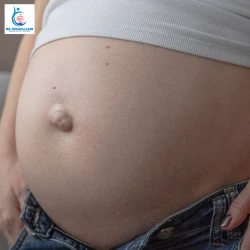
One of the most prominent indicators in the form of a bulge that can be seen through the skin. The bulge often becomes more visible during standing, coughing or lifting heavy objects .
Other symptoms include:
A noticeable lump or swelling Often the first sign. It can be gone while lying down then return when standing or straining.
Pain or discomfort You will feel mild or moderate pain, particularly while bending, coughing, or carrying heavy objects.
Sensation of pressure in the chest This is often described as a dragging or heavy feeling.
Burning or aching feeling Not all hernia needed surgical treatment ,Some present as dull pain and progressive over time.
Digestive problems For example, the symptoms in a hiatal hernia may be acid reflux, and heartburn or difficulty swallowing.
When Symptoms Become Serious
They may become dangerous if the trapped tissue is making things too tight, or bleeding. Warning signs include: 1. Sudden, severe pain 2. Nausea or vomiting 3. Redness or tenderness around the bulge 4. A lump that is hard and is not reducible If you experience these symptoms, then please do not hesitate to consult a doctor.
Who is likely to get a hernia?
Among Them Are The Following Factors As To Increase The Risk: 1. Lifting heavy weights improperly 2. Chronic coughing 3. Obesity 4. Pregnancy 5. Constipation and straining 6. Previous abdominal surgery 7. Weak abdominal muscles 8. Age and lifestyle habits also play a role, with muscles weakening over time.
How Hernias Are Diagnosed
Hernia is often diagnosed by doctors through a physical examination. You may be instructed to stand, cough or gently bear down such that the bulge becomes visible. Occasionally for diagnosis confirmation or severity testing through imaging tests such as ultrasound, CT scan or endoscopy may be performed.
Treatment Options for Hernia
Depending on the type, size, and symptoms of the hernia, treatment may include:
Watchful Waiting:
This is usually advised when the hernia is small and does not cause any symptoms. In this approach, the doctor monitors the hernia regularly to check if it is increasing in size or causing discomfort.
Change of Lifestyle:
Lifestyle changes may help control symptoms and prevent the hernia from getting worse. This may include losing weight, avoiding heavy lifting or heavy work, treating chronic cough, preventing constipation, and following a healthy diet.
Treatment:
Most hernias require surgery for proper repair because they do not heal on their own. Surgery helps close the weak area in the abdominal wall and reduces the risk of complications.
Laparoscopic surgery is a modern and minimally invasive technique used for hernia repair. In this procedure, small cuts are made instead of a large incision. A tiny camera and special surgical instruments are used to repair the hernia. This technique usually causes less pain, smaller scars, faster recovery, and a shorter hospital stay compared to traditional open surgery.
The best treatment option depends on the patient’s condition and should be decided after consultation with an experienced surgeon.
When To See A Doctor?
Consult the best hernia surgeon in Indore, Dr. Nikunj Jain, if you notice a constant bulge in the abdomen or groin, pain that increases during activity, digestive discomfort, or any change in a lump that was earlier painless. Ignoring these symptoms can make the condition complicated and may require more intensive treatment later.
Conclusion
Note that a hernia can start with a smaller, painless lump but it can cause discomfort and health problems. At a minimum, early attention can have a huge impact on recovery. If you think that you might have a hernia or if you experience the symptoms described above, visiting an expert like Dr. Nikunj Jain, best doctor for hernia in Indore, can help get it diagnosed and treated on time.
FAQ’s
Q1. What are the early signs of a hernia? Early signs of a hernia may include a visible bulge in the abdomen or groin, mild pain, pressure, heaviness, or discomfort while coughing, bending, standing, or lifting heavy objects. According to Dr. Nikunj Jain in Indore, early diagnosis can help prevent complications.
Q2. When should I see a doctor for a hernia in Indore? You should consult Dr. Nikunj Jain, hernia surgeon in Indore, if you notice a constant bulge, pain during activity, digestive discomfort, or any change in a lump that was earlier painless.
Q3. Can a hernia heal on its own? No, most hernias do not heal on their own. Small hernias without symptoms may be monitored, but many hernias eventually require surgical repair to prevent further complications.
Q4. What is the most common symptom of a hernia? The most common symptom of a hernia is a lump or swelling that becomes more visible while standing, coughing, or lifting heavy objects. It may reduce or disappear when lying down.
Q5. Is hernia surgery necessary for every patient? Not every hernia needs immediate surgery. If the hernia is small and painless, the doctor may suggest watchful waiting. However, symptomatic or growing hernias usually need surgery.
Q6. What is laparoscopic hernia surgery? Laparoscopic hernia surgery is a minimally invasive procedure in which small cuts, a tiny camera, and special instruments are used to repair the hernia. It usually offers less pain, smaller scars, faster recovery, and a shorter hospital stay.
Q7. Who is at risk of developing a hernia? People who lift heavy weights, have chronic cough, obesity, constipation, previous abdominal surgery, weak abdominal muscles, or pregnancy-related pressure may have a higher risk of developing a hernia.
Q8. What happens if a hernia is ignored? Ignoring a hernia can make it larger and more painful. In some cases, the tissue may get trapped, causing severe pain, vomiting, redness, tenderness, or a hard lump that does not go back in.
Q9. Who is the best hernia doctor in Indore? Dr. Nikunj Jain is known as an experienced hernia doctor in Indore for diagnosis and treatment of different types of hernias, including cases that may require laparoscopic hernia surgery.
Q10. How is a hernia diagnosed? A hernia is usually diagnosed through a physical examination. The doctor may ask the patient to stand, cough, or strain so the bulge becomes visible. In some cases, ultrasound, CT scan, or endoscopy may be advised