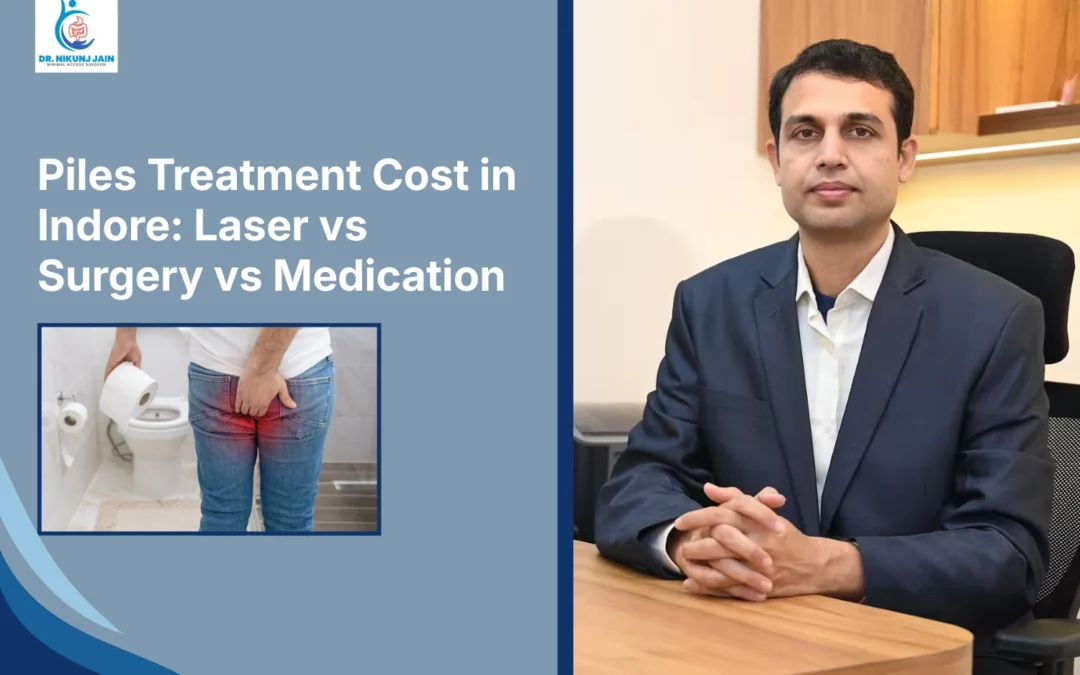
Piles, medically known as haemorrhoids, are swollen blood vessels in or around the anus or lower rectum. They may cause bleeding during bowel movements, itching, discomfort, swelling, pain, or a lump around the anus. Some individuals may experience only mild symptoms, whereas others may develop prolapsing piles that require medical or surgical treatment.
One of the most common questions patients ask is, “How much does piles treatment cost in Indore?” According to Dr. Nikunj Jain, best piles doctor in Indore, the cost of treatment can vary depending on the severity and grade of piles, response to medication, type of procedure required, selected hospital, and several other factors. A proper medical evaluation is important to determine the most suitable treatment option and expected cost for each patient.
Table of Contents
What Are Piles?
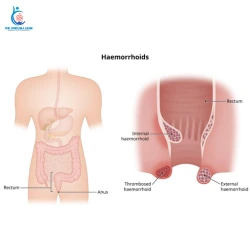
Piles, also known as haemorrhoids, are swellings or inflamed vascular tissues located inside or around the anus. They are broadly classified as:
Internal piles: Develops inside the lower rectum and may cause painless bleeding or prolapse.
External piles: Develops under the skin around the anus and may cause pain, swelling or itching.
Internal piles are also classified into four grades.
Grade 1: The haemorrhoids remain inside the anal canal.
Grade 2: The piles may come out during bowel movements but return inside on their own.
Grade 3: The piles prolapse and usually need to be manually pushed back inside.
Grade 4: The piles remain permanently prolapsed and cannot normally be pushed back inside.
Treatment and cost can vary substantially depending upon the grade.
Piles Treatment Cost in Indore
An approximate comparison is:
Treatment
Approximate Cost
Medication and conservative care
Lowest-cost option
Rubber band ligation
Approximately ₹25,000 onwards
Laser piles treatment
Approximately ₹40,000–₹65,000+
Conventional haemorrhoidectomy
Approximately ₹48,000–₹85,000
Stapler procedure
Approximately ₹40,000–₹70,000
These figures are only indicative. The surgeon should first examine the patient and determine the type and grade of haemorrhoids before providing an exact cost estimate.
Treatment Options for Piles
1. Medication for Piles
Medication and lifestyle changes are generally the first approach for mild piles.
Treatment may involve:
Increasing dietary fibre
Fibre supplements
Stool softeners when required
Adequate fluid intake
Warm sitz baths
Medicines for pain or discomfort
Topical creams or ointments
Avoiding excessive straining during bowel movements
Medication is generally much cheaper than a surgical procedure. Individual creams and piles-related products may cost from roughly ₹100 to several hundred rupees. However, prescription combinations, supplements, doctor’s consultation and duration of treatment can increase the overall expense.
Medication primarily helps control symptoms and may not adequately treat advanced prolapsing haemorrhoids.
2. Laser Piles Treatment Cost in Indore
Laser treatment has become a commonly discussed option for piles because selected laser techniques aim for shrinking haemorrhoidal tissue using controlled laser energy.
Laser piles treatment in Indore generally ranges from around ₹40,000 to ₹65,000 or more depending upon the grade of piles, hospital and complexity of the procedure.
The cost may include:
Surgeon charges
Laser equipment
Anaesthesia
Operation theatre charges
Diagnostic investigations
Hospital charges
Medicines
Postoperative consultation
Laser treatment may provide benefits such as reduced tissue trauma and potentially quicker return to routine activities in appropriately selected cases. However, lasers are not automatically the best treatment for every patient.
It remains an important treatment, particularly for patients with substantial external haemorrhoids or advanced combined internal and external disease.
Open haemorrhoidectomy in Indore may approximately cost ₹48,000–₹85,000, depending upon the hospital, surgeon, anaesthesia, severity of piles and hospital stay.
Traditional surgery may involve more postoperative discomfort and a longer recovery period than some minimally invasive approaches, but it can provide effective treatment for advanced disease.
Laser vs Surgery vs Medication
Factor
Medication
Laser Treatment
Surgery
Suitable for
Mild/early piles
Selected piles
Advanced piles
Anaesthesia
Usually not required
Usually required
Required
Hospitalisation
No
Often day-care
May be required
Recovery
No surgical recovery
Relatively quicker
Usually longer
Approximate cost
Lowest
₹40,000–₹65,000+
₹48,000–₹85,000
The treatment should be selected according to the patient’s condition rather than cost alone.
Factors Affecting Piles Treatment Cost in Indore
The final cost may depend upon:
Grade of piles
Type of procedure
Surgeon’s experience
Hospital or surgical centre
Type of anaesthesia
Diagnostic tests
Hospital stay
Medicines and follow-up
Associated conditions such as fissure or fistula
Which Piles Treatment Is Best?
There is no single procedure that is best for every patient.
For mild symptoms, fibre, improved bowel habits and medication may be sufficient. For persistent Grade 1–2 piles and selected Grade 3 disease, office procedures may be considered. For advanced Grade 3–4 haemorrhoids, large external piles or combined disease, surgical treatment may be more appropriate.
Conclusion
The cost of piles treatment in Indore depends largely on the severity of the condition and the type of treatment required. Medication and lifestyle changes are generally the least expensive options and may be effective for early-stage piles. Laser treatment in Indore may commonly range from approximately ₹40,000–₹65,000 or more, while conventional surgical treatment may cost around ₹48,000–₹85,000, depending on the hospital, procedure, and individual case.
However, cost should not be the only factor when choosing treatment. A proper diagnosis and assessment of the grade and type of haemorrhoids are important before deciding between medication, laser treatment, or surgery.
If you are experiencing bleeding, pain, swelling, itching, or recurring piles symptoms, consult Dr. Nikunj Jain, piles doctor in Indore, for a detailed evaluation and personalised treatment guidance. Book your consultation with Dr. Nikunj Jain to understand the most suitable treatment option and expected cost based on your condition.
FAQs
Q1. How much does piles treatment cost in Indore?
Piles treatment costs vary significantly. Medication is generally the least expensive option, while surgical procedures may broadly cost around ₹40,000–₹85,000 or more in Indore depending on the procedure, hospital and severity of piles.
Q2. What is the cost of laser piles treatment in Indore?
Published estimates commonly place laser piles treatment in Indore at approximately ₹40,000–₹65,000 or more. Advanced Grade 4 disease may cost more.
Q3. Is laser piles treatment better than surgery?
Not necessarily. Laser techniques can be useful in selected cases, but conventional haemorrhoidectomy remains an important treatment for advanced external or combined Grade 3–4 haemorrhoids. Treatment should be selected based on clinical findings rather than technology alone.
Q4. Can Grade 1 piles be treated without surgery?
Yes. Many mild cases can initially be managed with fibre, adequate fluid intake, improved bowel habits and symptomatic medication.
Q5. Can Grade 3 piles be treated with medication?
Medication may reduce symptoms but may not correct significant prolapse. Selected Grade 3 patients may be treated with office-based procedures, while others may require surgery depending on their symptoms and examination findings.
Q6. Is piles laser treatment painful?
Some patients experience less postoperative discomfort with minimally invasive techniques, but pain varies according to the procedure, severity of disease and individual recovery.
Q7.Who is the best piles doctor in Indore?
Dr. Nikunj Jain is a well-known piles doctor in Indore who provides evaluation and treatment for haemorrhoids, including medical management, minimally invasive procedures, and surgical options when required. The most suitable treatment depends on the grade of piles, symptoms, and the patient’s overall condition.
Q8. Can piles come back after treatment?
Yes. Recurrence is possible after any treatment, particularly if contributing factors such as constipation, prolonged straining and unhealthy bowel habits continue. Maintaining adequate fibre intake and healthy bowel habits remains important after treatment.
Q9. How do I know whether I need laser treatment or surgery?
The decision depends on whether the piles are internal, external or combined, their grade, amount of prolapse and bleeding, previous treatment and examination findings. A surgeon should assess these factors before recommending a procedure.
Q10. Should every case of rectal bleeding be assumed to be piles?
No. Rectal bleeding can have several causes. Current guidelines recommend appropriate evaluation, and selected patients with rectal bleeding may require further examination of the colon rather than assuming that piles are responsible.
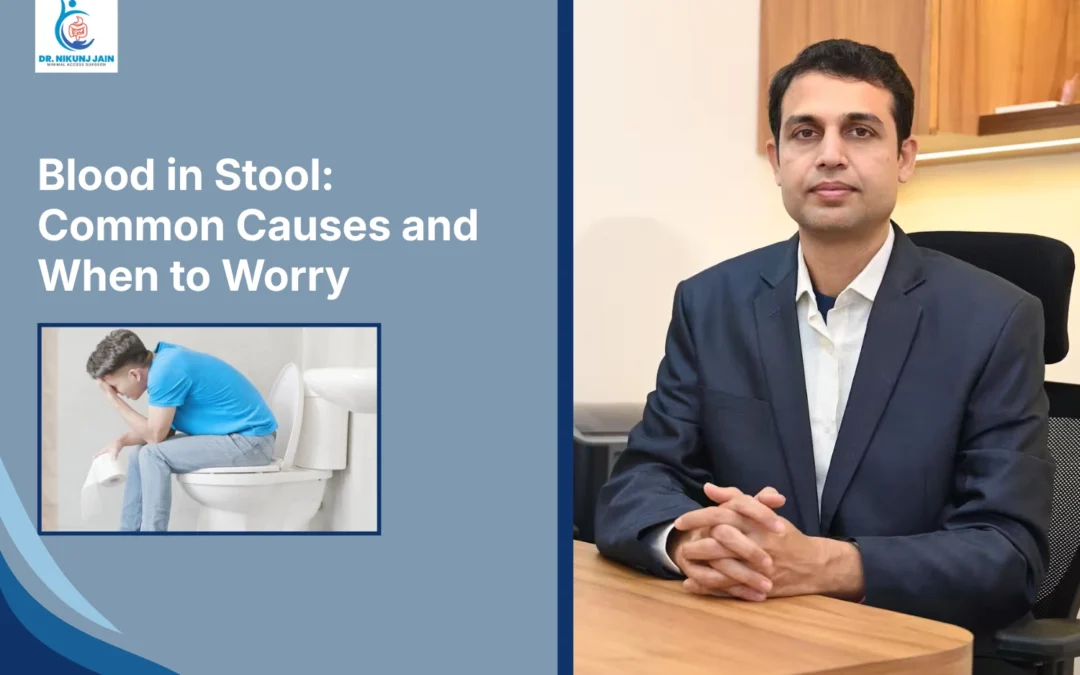
Seeing blood in stool can be alarming but sometimes blood in stool may come from a treatable problem such as piles or an anal fissure. However, blood in stool can also be linked to conditions that affect the colon, rectum or digestive tract. This is why it is important not to ignore repeated or unexplained bleeding.
The appearance of blood in stool can offer clues: bright red blood in stool is often linked to bleeding from the colon, rectum or anus, while dark red or black tarry stool may point to bleeding higher up in the digestive tract. Still, the colour alone cannot confirm the cause.
If you notice blood in stool, consulting an expert gastro surgeon in Indore such as Dr. Nikunj Jain, Minimal Access Laparoscopic Surgeon in Indore, can help identify the underlying cause and guide appropriate treatment.
Table of Contents
Common Causes of Blood in Stool
1. Piles or Hemorrhoids
Hemorrhoids are veins in and around the anus or lower rectum. They are one of the most common causes of rectal bleeding. Internal hemorrhoids may cause bright red blood in stool during or after bowel movements.
Constipation, straining while passing stool, prolonged sitting on the toilet and a low-fibre diet can increase the risk of hemorrhoids.
2. Anal Fissure
An anal fissure is a tear in the lining of the anus. It commonly develops after passing large stools or due to repeated straining.
Unlike cases of hemorrhoids, an anal fissure often causes sharp pain or burning during and after bowel movements, along with bright red blood in stool on the stool or toilet paper.
3. Constipation and Hard Stools
Chronic constipation can lead to hard stools and excessive straining. This may irritate the area or contribute to hemorrhoids and fissures, resulting in blood in stool.
Improving fibre intake, drinking fluids, staying physically active and addressing persistent constipation can help, but recurrent bleeding should still be evaluated.
4. Inflammatory Bowel Disease
Conditions such as Crohn’s disease and ulcerative colitis cause inflammation in the digestive tract and may lead to blood in stool. Bleeding may occur along with diarrhoea, abdominal pain, urgency to pass stool or other digestive symptoms.
5. Intestinal Infections
Certain gastrointestinal infections can cause inflammation of the intestine and may result in bloody diarrhoea with blood in stool. Fever, abdominal cramps, nausea or weakness may occur at the same time.
6. Colon Polyps
Colon polyps are growths that develop inside the colon. Some polyps can lead to blood in stool. Depending on their type, some polyps may eventually develop into cancer. This is one reason persistent or unexplained blood in stool should not simply be attributed to piles.
7. Colorectal Cancer
Blood in or on the stool can be one of the symptoms of cancer. Other warning signs can include a change in bowel habits, abdominal discomfort, unexplained weight loss, fatigue or a feeling that the bowel has not completely emptied.
Having blood in stool does not automatically mean cancer, many other conditions are more common. However, it is important to get unexplained bleeding checked rather than assuming it is hemorrhoids.
When Should You Worry About Blood in Stool?
You should arrange an evaluation if:
Blood appears repeatedly in your stool.
Bleeding continues or keeps returning.
You have changes in bowel habits.
You experience abdominal or rectal pain.
You have lost weight.
You feel unusually tired or weak.
Your stools become dark, black or tar-like.
You have a family history of cancer or polyps.
Heavy or continuous bleeding, dizziness, fainting, severe weakness, rapid heartbeat or severe abdominal pain requires urgent medical attention.
How Is the Cause of Blood in Stool Diagnosed?
The evaluation depends on your symptoms, age, medical history and examination findings. Your doctor may perform a rectal examination and recommend blood tests, stool tests, imaging or an endoscopic examination such as colonoscopy when appropriate.
A colonoscopy can help doctors examine the lining of the colon and rectum and identify problems such as polyps, inflammation, bleeding sources or suspicious growths.The goal is not simply to stop the bleeding but to determine why it is happening.
Treatment for Blood in Stool
Treatment depends entirely on the underlying cause. Mild hemorrhoids or fissures may improve with measures that soften stools and reduce straining. Other conditions may require medicines, treatment or surgery.
If the bleeding is caused by a polyp, inflammatory condition, infection or another intestinal problem, treating that specific condition is important.
For patients requiring evaluation, Dr. Nikunj Jain, best gi surgeon in indore, provides consultation and treatment guidance for various abdominal and anorectal conditions. The appropriate treatment is decided after assessing the patient’s symptoms and diagnosis.
Conclusion
Blood in stool should never be ignored simply because it appears to be a small amount. While hemorrhoids, fissures, and constipation are common causes, bleeding can sometimes indicate an intestinal disorder, polyp, or colorectal cancer.
Early evaluation can help identify the cause and ensure timely treatment. If you are experiencing repeated or unexplained blood in stool, consult Dr. Nikunj Jain, best hemorrhoids doctor in Indore for a proper medical assessment rather than self-diagnosing the problem.
FAQs
Q1. Is blood in stool always a sign of cancer?
No. Blood in stool is commonly caused by piles, anal fissures, constipation, or other digestive conditions. However, persistent or unexplained bleeding should be evaluated by a doctor.
Q2. What are the most common causes of blood in stool?
Common causes include hemorrhoids (piles), anal fissures, constipation, intestinal infections, inflammatory bowel disease, colon polyps, and, less commonly, colorectal cancer.
Q3. What does bright red blood in stool indicate?
Bright red blood often comes from the lower digestive tract, particularly the anus or rectum. Piles and anal fissures are common causes, but other conditions can also cause bright red bleeding.
Q4. Is black stool more serious than bright red blood?
Black, tar-like stool can indicate bleeding higher up in the digestive tract and should be medically evaluated, especially if it occurs with weakness, dizziness, or abdominal pain.
Q5. Can constipation cause blood in stool?
Yes. Hard stools and straining can cause small tears in the anus or aggravate hemorrhoids, leading to bleeding during or after bowel movements.
Q6. When should I see a doctor for blood in stool?
Consult a doctor if bleeding is recurrent, persistent, unexplained, or accompanied by abdominal pain, changes in bowel habits, unexplained weight loss, weakness, or fatigue.
Q7. Can blood in stool be caused by colon polyps?
Yes. Some colon polyps can bleed without causing noticeable symptoms. Certain types of polyps can also develop into colorectal cancer over time, making appropriate evaluation important.
Q8. What tests may be needed for blood in stool?
Depending on your symptoms, your doctor may recommend a physical examination, blood or stool tests, imaging, or an endoscopic examination such as a colonoscopy.
Q9. Can blood in stool be treated without surgery?
Treatment depends on the cause. Many conditions, including some cases of piles and anal fissures, can improve with medicines, dietary changes, and lifestyle measures. Other conditions may require endoscopic procedures or surgery.
Q10. Who is the best doctor for blood in stool in Indore?
For evaluation and treatment of conditions that may cause blood in stool, you can consult Dr. Nikunj Jain, best gi surgeon in indore. He can assess your symptoms, identify the likely cause and recommend suitable treatment.
Piles, also called hemorrhoids, can cause bleeding, swelling, itching, discomfort and pain around the anus. When medicines, dietary changes and other non-surgical measures do not provide enough relief, a procedure such as laser treatment, hemorrhoidectomy or another surgical technique may be recommended. Many patients then wonder whether laser treatment or traditional surgery is better. According to Dr. Nikunj Jain, a specialist for piles treatment in Indore, the right choice depends on the grade of piles, the amount of prolapse, the presence of external piles and the patient’s overall condition.
Table of Contents
What Is Laser Piles Treatment?
Laser Piles Treatment is a minimally invasive approach in which laser energy is used to shrink or treat hemorrhoidal tissue. One commonly used technique is laser hemorrhoidoplasty. Because laser treatment usually causes less tissue damage than traditional surgery, patients may have less pain after the procedure and may return to their normal activities sooner.
Studies comparing laser hemorrhoidoplasty with hemorrhoidectomy have generally reported less early postoperative pain, less bleeding and faster return to normal activity. However results can vary with the technique used severity of piles and length of follow-up.
What Is Traditional Piles Surgery?
Traditional piles surgery usually means hemorrhoidectomy, where enlarged hemorrhoidal tissue is surgically removed. It is an established treatment for larger piles, significant prolapse, mixed internal and external hemorrhoids or cases where less invasive treatments may not provide enough relief.
Since the tissue is removed surgically, the operated area generally needs time to heal. Patients may notice pain during bowel movements in the early recovery period and may need a longer break from regular activities. Still hemorrhoidectomy can provide durable symptom control in selected patients.
Laser vs Traditional Surgery: Which Heals Faster?
In some patients, laser piles treatment offers a faster early recovery than traditional hemorrhoidectomy. Less tissue trauma can mean less swelling, less pain and a quicker return to daily activities.
Traditional surgery usually takes longer to heal because the hemorrhoidal tissue is excised and the wound needs time to recover. This does not mean traditional surgery is not an option. For bulky hemorrhoids, removing the affected tissue may be more appropriate than simply choosing the method with the shortest recovery.
Recovery and Pain After Piles Surgery
Pain is one of the major concerns before piles surgery. Laser procedures are often associated with pain during the first few days compared with conventional excisional surgery. Many patients also feel comfortable returning to movement and routine work sooner.
After surgery, discomfort may be more noticeable especially during bowel movements. Pain medicines, sitz baths, enough fluids, fibre-rich foods and stool-softening measures may be advised to make recovery easier.
Can piles recur after a surgery?
A faster recovery does not always mean a chance of piles returning. Some evidence suggests laser hemorrhoidoplasty can provide short-term symptom relief while conventional hemorrhoidectomy may offer stronger long-term control in certain advanced cases. This is why treatment should be selected according to the condition rather than based only on the word “laser.”
Cost of Laser Piles Surgery vs Traditional Piles Surgery in Indore
The cost of laser piles surgery in Indore generally ranges from around ₹45,000 to ₹85,000, depending on the grade of piles, hospital, surgeon’s fees and other treatment requirements.
The cost of traditional piles surgery (open hemorrhoidectomy) in Indore may range from approximately ₹48,500 to ₹85,000.
These are estimated price ranges. The final cost can vary depending on the severity of piles, type of surgery, anaesthesia, hospital stay and individual patient needs.
Which Treatment Is Right for You?
Laser treatment may suit selected patients who want a minimally invasive procedure and have hemorrhoids appropriate for that technique. Traditional hemorrhoidectomy may be preferred when there are external piles, advanced prolapse, extensive disease or a need for complete excision.
Before deciding, the surgeon should assess bleeding, prolapse, pain and swelling and confirm that the symptoms are truly caused by piles. Rectal bleeding should not automatically be assumed to be hemorrhoids because digestive or colorectal conditions can also cause it.
Recovery Tips After Piles Treatment
Good aftercare can support faster and more comfortable healing after piles treatment.
Drink Enough Water: Stay well hydrated to help keep stools soft and reduce constipation.
Eat Fibre-Rich Foods: Include fruits, vegetables, whole grains and other high-fibre foods in your diet.
Avoid Straining: Do not put excessive pressure during bowel movements, as this can increase pain and affect healing.
Keep Stools Soft: Your doctor may advise stool softeners or fibre supplements if needed.
Take Medicines as Prescribed: Use pain medicines and other prescribed medications according to your doctor’s instructions.
Use Sitz Baths: Warm sitz baths may help reduce discomfort, swelling and irritation around the anal area.
Return to Activity Gradually: Light walking is usually helpful, but strenuous exercise and heavy lifting should be avoided until your doctor allows it.
Following these simple measures can make recovery smoother and may also help reduce the chances of piles-related symptoms returning.
Conclusion
Both laser piles treatment and traditional piles surgery can be effective, but the right option depends on the grade of piles, symptoms and overall condition. Dr. Nikunj Jain in Indore recommends choosing treatment only after proper evaluation so that the procedure is safe, suitable and offers long-term relief.
FAQ’s
Q1. Which heals faster: laser piles treatment or traditional surgery?
Laser piles treatment usually offers a faster early recovery for suitable patients because it involves less tissue damage. Traditional hemorrhoidectomy may require more healing time but can be more appropriate for large or advanced piles.
Q2. Is laser piles treatment painful?
Laser piles treatment is generally associated with less postoperative pain than traditional piles surgery. Mild discomfort, swelling or soreness may still occur for a few days and can usually be managed with prescribed medicines and proper aftercare.
Q3. How long does recovery take after laser piles surgery?
Recovery time varies depending on the severity of piles and the procedure performed. Many patients can gradually return to routine activities within a few days, although complete internal healing may take longer.
Q4. Is laser piles treatment available in Indore?
Yes, laser piles treatment in Indore is available for suitable cases. Patients should first undergo a proper examination to determine whether laser treatment, another minimally invasive procedure or conventional surgery would provide the best result.
Q5. What is the cost of piles surgery in Indore?
The cost of piles surgery in Indore may generally range from ₹45,000 to ₹85,000, depending on whether laser or traditional surgery is performed, the grade of piles, hospital charges and the patient’s condition. The exact cost is confirmed after proper evaluation.
Q6. Which piles treatment is better for advanced hemorrhoids?
For advanced or large hemorrhoids, the most suitable treatment depends on the degree of prolapse, external components and symptoms. In some cases, traditional hemorrhoidectomy may provide better long-term results than less invasive procedures.
Q7. Can piles come back after laser treatment?
Piles can recur after any treatment, especially if constipation, straining and unhealthy bowel habits continue. Following a fibre-rich diet, drinking enough water and maintaining regular bowel habits can help reduce the risk of recurrence.
Q8. How can I choose the right piles treatment in Indore?
The right piles treatment depends on the grade and type of hemorrhoids rather than choosing a procedure only because it is newer. Dr. Nikunj Jain can evaluate the condition and recommend an appropriate treatment option after clinical assessment.
Q9. Who should I consult for laser piles treatment in Indore?
If you are experiencing bleeding, painful bowel movements, swelling or prolapse, you can consult Dr. Nikunj Jain for evaluation of piles in Indore. A proper diagnosis helps determine whether laser treatment or traditional surgery is more suitable.
Q10. Why consult Dr. Nikunj Jain for piles treatment in Indore?
Dr. Nikunj Jain provides evaluation and treatment for piles based on the type, grade and severity of hemorrhoids. After a proper examination, he can recommend whether laser treatment, conventional surgery or another suitable option is appropriate for the patient.
Bleeding piles can be scary and uncomfortable, but the good news is that they are very treatable when diagnosed early. If you are noticing blood during bowel movements, pain, itching, or a lump around the anus, it may be piles (also called hemorrhoids) and piles treatment is important. Consulting an experienced piles doctor in Indore can help you get relief before the condition worsens.
Dr. Nikunj Jain, piles doctor in Indore, offers advanced and effective treatment for bleeding piles, focusing on patient comfort, safety, and long-term relief.
Table of Contents
What Are Piles?
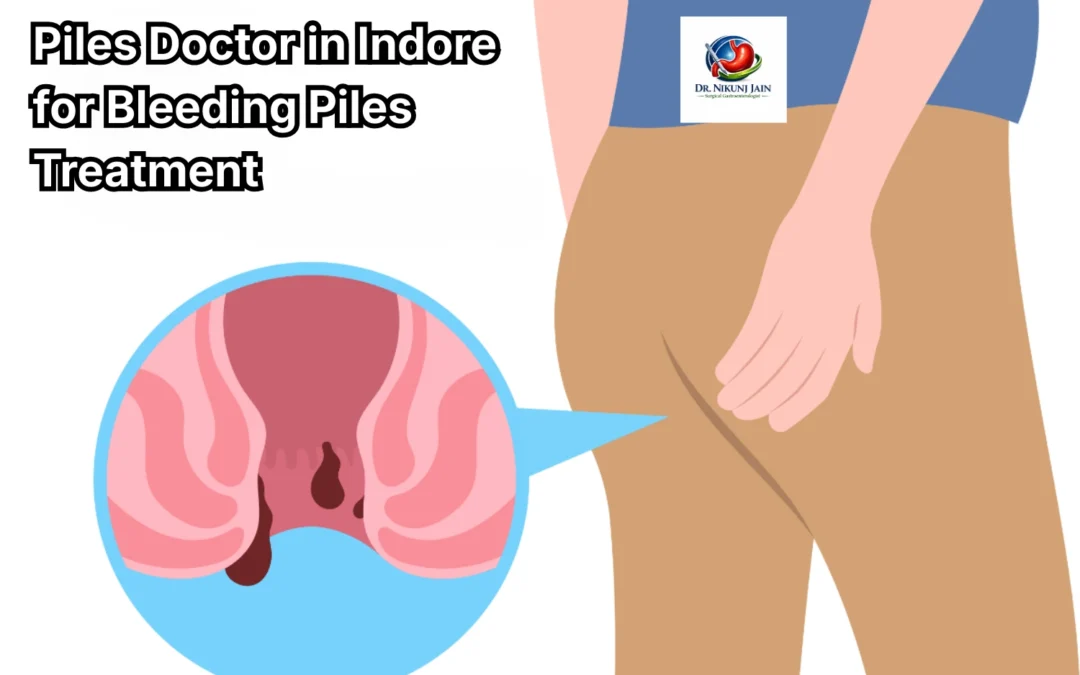
Piles are swollen veins in or around the anus and lower rectum. They develop due to increased pressure in these veins, often caused by constipation, straining during bowel movements, prolonged sitting, or pregnancy.
There are two main types of piles:
Internal piles: Located inside the rectum and often painless, but can cause bleeding
External piles: Located around the anus and may cause pain, swelling, and discomfort
Bleeding piles usually appear as bright red blood seen on toilet paper or in the toilet bowl after passing stools.
Common Symptoms of Bleeding Piles
Bleeding piles should never be ignored. Some common symptoms include:
Fresh blood during or after bowel movements
Pain or burning sensation in the anal area
Itching or irritation around the anus
Swelling or lump near the anus
Feeling of incomplete bowel emptying
While piles are common, similar symptoms can also occur in other conditions. That’s why consulting a qualified piles specialist is important for correct diagnosis.
Why Do Bleeding Piles Occur?
Bleeding piles usually develop due to long-term pressure on rectal veins. Common causes include:
Chronic constipation or diarrhea
Straining during bowel movements
Low-fiber diet
Sitting for long hours, especially on the toilet
Obesity
Pregnancy
Aging
Without treatment, bleeding piles can worsen over time and may lead to anemia or severe discomfort.
When Should You See a Piles Doctor?
You should consult a piles doctor in Indore if you experience:
Repeated bleeding from the anus
Pain that does not improve with home remedies
Increasing size of piles
Difficulty sitting or walking due to discomfort
Early consultation helps avoid complications and reduces the need for major procedures.
Diagnosis of Bleeding Piles
Dr. Nikunj performs a detailed evaluation to confirm the diagnosis. This may include:
Medical history and symptom review
Physical examination
Anoscopy or proctoscopy, if required
These tests are quick, safe, and help determine the grade and severity of piles, which guides the treatment plan.
Treatment Options for Bleeding Piles
Treatment depends on the stage of piles and symptom severity.
1. Lifestyle and Medical Treatment
For early-stage piles, treatment may include:
High-fiber diet
Increased water intake
Stool softeners
Medications to reduce pain, swelling, and itching
2. Minimally Invasive Procedures
If bleeding piles do not improve with medicines, minimally invasive treatments may be advised. These procedures are safe, effective, and usually done as daycare treatments.
3. Advanced Surgical Treatment
In severe or advanced cases, surgical treatment may be required. Modern techniques focus on minimal pain, faster recovery, and reduced chances of recurrence.
Benefits of Early Bleeding Piles Treatment
Getting timely treatment offers many advantages:
Stops bleeding and pain
Prevents worsening of piles
Reduces risk of complications
Improves quality of life
Faster recovery with less discomfort
Ignoring symptoms can lead to chronic problems that are harder to treat later.
Why Choose Dr. Nikunj Jain for Piles Treatment in Indore?
Dr. Nikunj Jain is known for his patient-focused approach and expertise in treating piles and other anorectal conditions. Patients benefit from:
Accurate diagnosis
Advanced treatment options
Minimal discomfort procedures
Clear communication and guidance
Compassionate care and follow-up
His goal is to provide long-lasting relief while ensuring patient comfort and safety.
Conclusion
Bleeding piles are common, but they should not be ignored. With the right care and timely treatment, you can get relief and return to a comfortable, healthy routine.
If you are looking for a trusted piles doctor in Indore for bleeding piles treatment, consult Dr. Nikunj Jain, best laparoscopic GI Surgeon in Indore, for proper evaluation and effective care.
Early treatment makes recovery easier, don’t delay seeking help.
dr Problems like piles, fissures, and fistula are common but often misunderstood. Because all three conditions affect the anal region, many patients get confused about their symptoms and delay treatment. However, each condition is different and requires a specific approach. Understanding the symptoms can help you seek the right medical care at the right time and avoid complications. This blog by Dr. Nikunj Jain, best fistula doctor in Indore, explains all of these and how to identify them.
Table of Contents
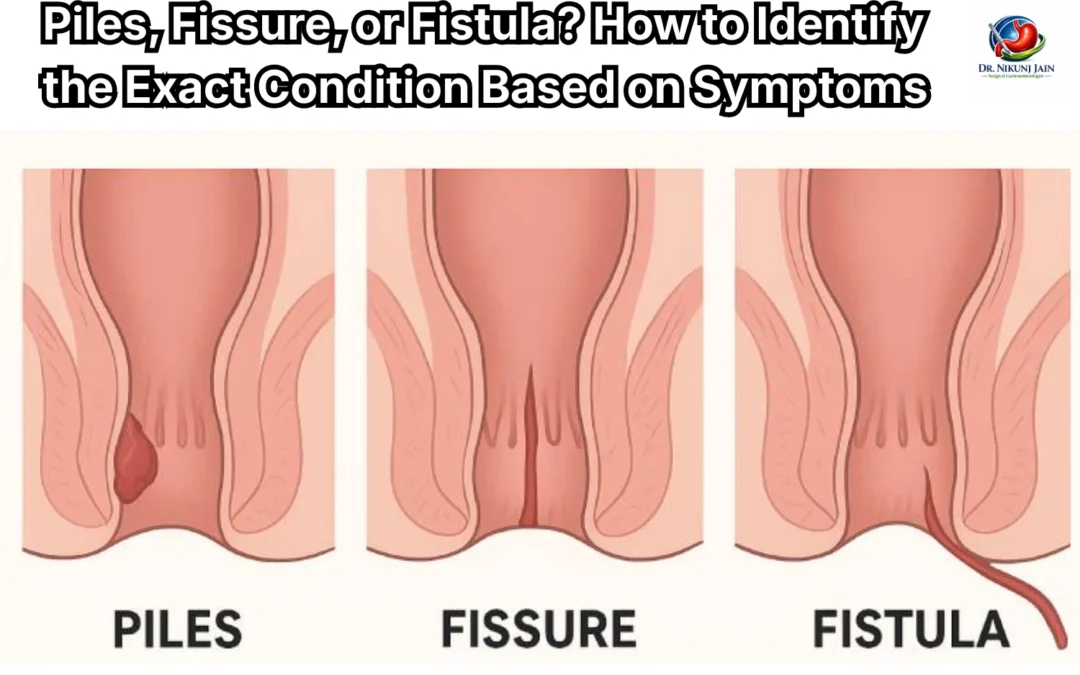
What Are Piles?
Piles, also known as hemorrhoids, are swollen blood vessels in or around the anus and rectum. They usually develop due to chronic constipation, straining during bowel movements, prolonged sitting, obesity, or pregnancy. Piles can be internal or external, depending on their location.
Common symptoms of piles include:
Painless bleeding during or after passing stools
Itching or irritation around the anus
Swelling or a lump near the anal opening
Discomfort or pain, especially while sitting
If piles are ignored, they may increase in size and severity. Timely piles treatment in Indore helps relieve symptoms, reduce bleeding, and prevent the condition from worsening.
What Is an Anal Fissure?
An anal fissure is a small tear or cut in the lining of the anal canal. It is most commonly caused by passing hard stools, chronic constipation, or repeated diarrhea. Fissures can be extremely painful and may significantly affect daily life.
Typical symptoms of an anal fissure include:
Sharp, burning pain during bowel movements
Pain that continues for hours after passing stools
Bright red blood on toilet paper
Spasm or tightness around the anus
Unlike piles, fissure pain is usually intense. Early fissure treatment in Indore focuses on healing the tear, reducing pain, and preventing recurrence through medical or minimally invasive options.
What Is an Anal Fistula?
An anal fistula is an abnormal tunnel that forms between the anal canal and the skin around the anus. It usually develops as a result of an untreated anal abscess or infection. Fistulas do not heal on their own and almost always require surgical intervention.
Common symptoms of anal fistula include:
Recurrent pain or swelling near the anus
Pus or foul-smelling discharge
Skin irritation around the anal area
Fever or fatigue in some cases
Because fistulas are deeper infections, delaying fistula treatment in Indore can lead to repeated infections and discomfort.
How to Differentiate Between Piles, Fissures, and Fistula
Although these conditions affect the same area, their symptoms are distinct:
Piles usually cause painless bleeding and lumps
Fissures cause severe pain with bowel movements
Fistulas lead to continuous discharge and recurring infections
If you experience persistent symptoms, self-diagnosis is not recommended. A clinical examination is essential for accurate identification.
Why Early Diagnosis Matters
Delaying treatment can turn a simple condition into a complicated one. Untreated piles may prolapse, fissures may become chronic, and fistulas may branch into complex tracts. Early diagnosis allows doctors to use simpler, less invasive treatment methods with faster recovery.
Treatment Options Available Today
Modern proctology offers safe and effective solutions for all three conditions. Depending on severity, treatment may include lifestyle changes, medications, laser procedures, or surgery. Advanced techniques focus on minimal pain, quick recovery, and long-term relief.
Choosing the Right Specialist
Consulting an experienced doctor ensures accurate diagnosis and proper treatment planning. Dr. Nikunj Jain, best piles doctor in Indore, is widely trusted for managing anorectal conditions using modern, patient-friendly techniques. His approach focuses on comfort, safety, and complete recovery. Patients seeking expert piles treatment in Indore, fissure treatment in Indore, or fistula treatment in Indore benefit from timely care and advanced medical solutions.
Conclusion
Piles, fissure, and fistula may seem similar, but their symptoms and treatments are very different. Recognizing the signs early and seeking professional medical advice is the key to faster healing and long-term relief. If you are experiencing rectal pain, bleeding, or discharge, do not ignore it. Early consultation can help identify the exact condition and guide you toward the right treatment for a healthier, more comfortable life.
Hernia and piles are common health conditions that can cause discomfort, pain, and interfere with daily life. Ignoring these problems can lead to serious complications. Thanks to modern laparoscopic surgery, patients can now enjoy safe, minimally invasive treatment with faster recovery. In Indore, Dr. Nikunj Jain is recognized as the best laparoscopic hernia & piles surgeon in Indore for his expertise, precision, and compassionate patient care.
Table of Contents
What is Laparoscopic Surgery for Hernia and Piles?
Laparoscopic surgery is a minimally invasive technique that uses small incisions and specialized instruments to treat hernia and piles. Unlike traditional open surgery, laparoscopic procedures offer several advantages:
Less post-operative pain and minimal scarring
Reduced risk of infection
Faster recovery and shorter hospital stay
Enhanced precision and better treatment outcomes
Why Choose Dr. Nikunj Jain?
Expertise in Laparoscopic Hernia & Piles Surgery
Dr. Jain has extensive experience in laparoscopic surgeries for hernia and piles. His precision, skill, and knowledge of the latest techniques make him a reliable choice for patients seeking high-quality care. With hundreds of successful surgeries, he ensures treatments are safe and effective.
Personalized Diagnosis and Treatment
Every patient’s condition is unique. Dr. Jain begins with a thorough examination and diagnosis before recommending any procedure. He designs a personalized treatment plan that addresses the specific needs of each patient, ensuring the best possible outcome.
Patient-Centered Care and Safety
Patient comfort and safety are top priorities for Dr. Jain. He explains every step of the procedure, recovery timeline, and precautions, making patients feel confident and supported throughout their treatment journey.
Key Advantages of Laparoscopic Hernia & Piles Surgery
Minimally Invasive Procedure with Faster Recovery
Laparoscopic surgery requires only small incisions, reducing pain and scarring. Most patients can resume their daily activities within a few days, unlike traditional surgery, which may require weeks of rest.
Lower Risk of Complications
The precision of laparoscopic surgery reduces the risk of infections, bleeding, and recurrence. Dr. Jain’s careful approach ensures a safe surgical experience for all patients.
Long-Term Relief from Hernia and Piles
This advanced procedure not only addresses the immediate problem but also reduces the chances of recurrence. Patients enjoy long-lasting relief and an improved quality of life.
Modern Facilities and Advanced Technology
Dr. Nikunj Jain performs all procedures in well-equipped hospitals with state-of-the-art laparoscopic instruments. These modern facilities allow:
High-precision surgeries
Strict hygiene and safety standards
Comfortable care throughout the treatment process
Patients benefit from advanced technology combined with Dr. Jain’s expertise, ensuring a smoother and safer experience.
Real Patient Experiences
Patients consistently praise Dr. Jain for his professionalism, skill, and compassionate care. Many have returned to their daily routines quickly, pain-free and confident. These success stories reinforce why he is considered the best laparoscopic hernia & piles surgeon in Indore.
How to Consult Dr. Nikunj Jain
If you are experiencing discomfort from hernia or piles, timely consultation is crucial. Book an appointment with Dr. Nikunj Jain to get an accurate diagnosis and a personalized treatment plan. Early intervention helps prevent complications and ensures faster recovery.
Conclusion
Choosing the right surgeon can make a significant difference in the success of your treatment. With his expertise in laparoscopic procedures, patient-first approach, and access to modern surgical facilities, Dr. Nikunj Jain stands out as the best laparoscopic hernia & piles surgeon in Indore. Take the first step toward a pain-free, healthier life today.
Don’t wait! Schedule your consultation with Dr. Nikunj Jain and experience expert laparoscopic treatment for hernia and piles in Indore.