Gallstones can be silent for a time but when they block the gallbladder or bile duct things can get bad quickly. You might feel pain, have a fever or turn yellow. You might even vomit a lot. According to Dr. Nikunj Jain, gastro surgeon in Indore, it is very important to get it checked on time because if you wait the infection or inflammation can get worse.
What Makes Gallstones Complicated?
Gallstones are like rocks that form inside the gallbladder. A lot of people have them and they do not even know it. The problem starts when one of these rocks gets stuck and blocks the bile from flowing
When this happens you might feel a pain in the upper right or middle part of your belly.
This pain can also go to your right shoulder and it often happens after you eat a big meal.
If the blockage does not go away it can cause an infection, make your gallbladder swell or even damage the bile duct or the pancreas.
Acute Cholecystitis
Acute cholecystitis is when your gallbladder gets inflamed usually because a stone is blocking it and the pain can last for hours and it does not go away quickly. You might also have a fever, feel sick, vomit and be tender under your ribs.
This condition usually requires you to go to the hospital, where you can get pain relief, fluids and sometimes antibiotics. Often the doctor will advise you to have your gallbladder removed once you are stable. Having the surgery on time helps prevent attacks of pus from forming or your gallbladder from getting damaged.
Stones in the Common Bile Duct
Sometimes a stone can move from the gallbladder and get stuck in the common bile duct. This can block the bile from flowing, make your skin or eyes turn yellow, your urine dark, your stools pale and you might feel itchy.
Bile duct stones often need to be removed through a procedure called ERCP. During this procedure, a flexible camera is put through your mouth to reach the bile duct and remove the stone. Usually after the stone is removed, you will need to have your gallbladder taken out to prevent another blockage.
Cholangitis and Gallstone Pancreatitis
When the blocked bile duct gets infected it is called cholangitis. You will know it because you will have a fever, chills, belly pain and turn yellow. You need to go to the hospital, get antibiotics and have the blockage cleared.
Gallstones can also block the duct and cause acute pancreatitis. This can give you belly pain that moves to your back. You might vomit so you need to be in the hospital so the doctors can watch you. Once the inflammation goes down you might need to have your gallbladder removed either during your hospital stay or soon after depending on how you’re feeling.
Warning Signs That Need Immediate Care
Severe gallstone pain that lasts for several hours or keeps returning
Fever or chills
Frequent or persistent vomiting
Yellowing of the skin or eyes
Increasing abdominal tenderness or swelling
Confusion, weakness, or feeling very unwell
Pain that becomes stronger or does not improve
Painkillers may provide temporary relief, but they cannot remove the blockage or treat an infection. Do not try to manage severe or recurring symptoms at home. Visit a hospital as soon as possible to check whether the gallbladder, bile duct, or pancreas has been affected.
How Doctors Decide Whether Surgery Is Urgent
The doctor decides if you need surgery away based on your symptoms and what they find when they examine your blood tests and scans. Often they start with an ultrasound. They also do tests to see if the bile duct or pancreas is involved. Sometimes they might do an MRCP or CT scan.
Urgent surgery does not always mean you have to have the operation right that minute. First the doctors might focus on controlling your pain, giving you fluids and treating any infection then they choose the time to do the laparoscopic gallbladder removal. If you are too sick for surgery you might need to have a drain put in your gallbladder.
What Happens During Gallbladder Surgery?
Gallbladder surgery is usually done by laparoscopic cholecystectomy.
Small cuts are made in the abdomen to remove the gallbladder using a camera and special tools.
Only removing stones is not enough, as stones may form again.
Open surgery may be needed if the gallbladder is severely inflamed or difficult to reach.
Surgery is usually advised for pain, fever, infection, jaundice, or bile duct blockage.
Consult Dr. Nikunj Jain for proper diagnosis and safe treatment planning.
FAQ’s
Q1. Do all gallstones require surgery?
No, gallstones that do not cause symptoms may not need immediate surgery. However, if they cause repeated pain, infection, jaundice or pancreatitis, gallbladder surgery may be advised. Dr. Nikunj Jain in Indore can evaluate the condition and recommend suitable treatment.
Q2. When do gallstones become an emergency?
Gallstones may become an emergency when they block the gallbladder or bile duct. Severe abdominal pain, fever, chills, vomiting, jaundice or increasing tenderness require immediate medical attention.
Q3. What are the symptoms of complicated gallstones?
Common symptoms include severe pain in the upper-right abdomen, fever, vomiting, yellowing of the skin or eyes, dark urine and pale stools. Some patients may also experience pain that travels to the back or right shoulder.
Q4. Can gallstones cause jaundice?
Yes, jaundice can occur when a gallstone blocks the common bile duct and prevents bile from flowing properly. Patients with yellow skin or eyes should consult a gallstone specialist in Indore without delay.
Q5. What is acute cholecystitis?
Acute cholecystitis is inflammation of the gallbladder, usually caused by a gallstone blocking its opening. It can lead to persistent abdominal pain, fever, nausea and vomiting and often requires hospital treatment.
Q6. Can gallstones cause pancreatitis?
Yes, gallstones can block the pancreatic duct and cause gallstone pancreatitis. This condition may lead to severe abdominal pain that spreads to the back, repeated vomiting and the need for hospital care.
Q7. What is ERCP, and when is it needed for gallstones?
ERCP is an endoscopic procedure used to remove stones trapped in the common bile duct. A flexible camera is passed through the mouth to reach the bile duct and clear the blockage before gallbladder surgery is planned.
Q8. How is gallstone disease diagnosed in Indore?
Gallstones are usually diagnosed through symptoms, physical examination, blood tests and an abdominal ultrasound. Dr. Nikunj Jain may also recommend MRCP or a CT scan if the bile duct or pancreas may be affected.
Q9. Is laparoscopic gallbladder surgery safe?
Laparoscopic gallbladder surgery is a commonly performed procedure in which the gallbladder is removed through small cuts. The safest approach depends on the amount of inflammation, the patient’s health and the complexity of the condition.
Q10. Where can I get treatment for complicated gallstones in Indore?
Patients with gallstone pain, jaundice, infection or bile duct blockage can consult Dr. Nikunj Jain in Indore. Timely diagnosis and treatment can reduce the risk of serious complications and help plan surgery safely.
A hernia often starts as a lump that shows up when you are standing, coughing, lifting something heavy or straining. The lump may go away when you lie down and may not hurt, many people wonder if they really need to have an operation. According to Dr. Nikunj Jain, best hernia doctor in Indore, the answer is not the same for every patient. Some hernias can be watched for a while while others should be fixed before they become painful or complicated.
Table of Contents
What Is a Hernia?
A hernia happens when fat, intestine or another internal tissue pushes through a spot in the muscle wall. It can show up in the groin around the belly button at the site of a surgical scar or in another part of the abdominal wall.
Most hernias in adults do not fix themselves. Medicines can help with pain, acidity or constipation but they cannot close the hole in the muscle. Surgery is the way to fix the weak spot. However this does not mean that every person needs to have an operation away.
When Can a Hernia Be Watched?
Careful observation, often called waiting, may be considered for some adults when the hernia is small, soft and easy to push back in and does not cause much discomfort. This approach is commonly considered for men with a mildly symptomatic or symptom-free hernia in the groin.
Watching a hernia does not mean ignoring the problem. Regular medical check-ups are important because a hernia can get bigger or start hurting over time. The patient should also know which warning signs need attention. If symptoms start to affect walking, work, exercise, sleep or everyday comfort, planned surgery may be the more practical option.
When Is Hernia Surgery Usually Recommended?
The hernia lump is increasing in size.
Pain, burning, dragging sensation or discomfort is becoming frequent.
The hernia is affecting daily activities, work or movement.
The lump does not go back inside easily or keeps coming out again.
There is a risk of the hernia becoming trapped or strangulated.
Surgery may also be advised for recurrent hernias, incisional hernias, certain high-risk hernias and hernias in children.
The decision depends on the patient’s age, overall health, weight, previous surgeries and risk of complications.
Warning Signs That Need Immediate Care
Sudden and severe pain in the hernia lump
The lump becomes hard, tender or red
The lump cannot be pushed back inside
Vomiting or nausea
Swelling of the abdomen
Fever
Inability to pass stool or gas
Increasing pain or discomfort
Can Exercise, Belts or Medicines Fix a Hernia?
Exercise can improve fitness but it cannot fix a hernia. Heavy lifting or exercises that put much pressure on the abdominal wall can make symptoms worse. A hernia belt may provide support in some cases but it is not a permanent fix and should only be used after talking to an expert hernia doctor in Indore.Taking care of constipation, long-term coughing and excess weight can reduce strain on the wall. These steps can help with treatment and recovery. They do not replace surgery when it is needed.
Conclusion
Hernia repair can be done through open surgery or laparoscopic surgery. The right method depends on the hernia’s size, location whether it is on one or both sides past surgery and the patients overall health. The goal is not just to remove the lump but to put the tissue back in its place and strengthen the weak spot.
Hernia surgery is not always needed away but a hernia should never be self-diagnosed or ignored. Small painless hernias may sometimes be watched safely while painful, growing, trapped or high-risk hernias usually need to be fixed. Talking to Dr. Nikunj Jain, best laparoscopic surgeon in Indore can help patients understand their condition, look at treatment options and choose the time for surgery without unnecessary fear or delay.
FAQ’s
Q1. Is hernia surgery always necessary?
No, hernia surgery is not always required immediately. Small and painless hernias may sometimes be monitored under medical guidance. Dr. Nikunj Jain, hernia doctor in Indore can assess the hernia and advise whether observation or surgery is the safer option.
Q2. Can a hernia heal without surgery?
Most adult hernias do not heal on their own because the weak area in the muscle wall cannot close naturally. Medicines, exercise and hernia belts may reduce discomfort, but they cannot permanently repair the hernia.
Q3. When should I consult a hernia surgeon in Indore?
You should consult a hernia surgeon in Indore if you notice a lump in the groin, abdomen, belly button or near an old surgical scar. Pain, swelling, heaviness or an increasing lump should not be ignored.
Q4. What happens if a hernia is left untreated?
An untreated hernia may become larger and more painful over time. In some cases, part of the intestine may become trapped, which can lead to blockage or loss of blood supply and require emergency treatment.
Q5. What are the emergency warning signs of a hernia?
Severe pain, vomiting, fever, abdominal swelling, redness around the lump and an inability to pass stool or gas are warning signs. A hard lump that cannot be pushed back also needs immediate medical attention.
Q6. Can exercise make a hernia worse?
Heavy lifting, intense abdominal exercises and activities that increase pressure inside the abdomen may make a hernia larger or more painful. Patients should ask Dr. Nikunj Jain which exercises are safe for their condition.
Q7. Can a hernia belt permanently cure a hernia?
No, a hernia belt cannot permanently cure a hernia. It may provide temporary support in selected cases, but it does not repair the weak muscle. It should only be used after consulting a qualified doctor.
Q8. Which is better for hernia repair: open or laparoscopic surgery?
Both open and laparoscopic hernia surgery can be effective. The right method depends on the size, type and location of the hernia, previous surgeries and the patient’s overall health. A surgeon will recommend the most suitable approach.
Q9. How long does recovery take after hernia surgery?
Recovery time varies depending on the type of surgery and the patient’s health. Many patients return to light activities within a few days, while heavy lifting and strenuous exercise may need to be avoided for several weeks.
Q10. Where can I get hernia treatment in Indore?
Patients looking for hernia treatment in Indore can consult Dr. Nikunj Jain for proper diagnosis and personalised treatment guidance. Early evaluation can help prevent complications and support a safer recovery.
Polycystic ovary syndrome (PCOS), now known as Polyendocrine Metabolic Ovarian Syndrome (PMOS) can affect periods, hormones, weight and fertility. For women managing PCOS becomes harder when obesity and insulin resistance are also present. Dr. Nikunj Jain, best bariatric surgeon in Indore, explains that bariatric surgery may be considered for selected patients when lifestyle changes and medical treatment have not produced lasting weight loss. It is not a cure for PCOS but meaningful weight reduction can improve several problems linked with PCOS.
Connection Between Obesity and PCOS
PCOS is a condition that affects hormones and metabolism. Women with PCOS may experience periods, difficulty with ovulation, acne, unwanted facial hair, hair thinning and weight gain. Insulin resistance is also common in women with PCOS. This means the body does not use insulin efficiently which may increase hunger, encourage storage and make weight loss harder.PCOS can be a condition that needs to be managed.
Obesity can further increase insulin resistance and disturb hormone balance in women with PCOS. This may create a cycle in which PCOS contributes to weight gain while excess weight makes PCOS symptoms more troublesome. Even modest weight loss can support metabolic health but some women with severe obesity struggle to maintain results through diet and exercise alone. Women with PCOS need to find a way to break this cycle.
What Is Bariatric Surgery?
Bariatric surgery, also called weight loss surgery, includes procedures that help patients eat lesser portions and change the way the body controls hunger, fullness and blood sugar. Common options include sleeve gastrectomy and gastric bypass. Bariatric surgery is a treatment for obesity and related health concerns, not simply a cosmetic procedure. A good bariatric surgeon evaluates body mass index, existing illnesses, previous weight loss attempts, eating habits and overall fitness before recommending surgery. The suitable procedure may differ for each patient with PCOS.
How Can Bariatric Surgery Support Women With PCOS?
The main benefit of bariatric surgery is significant and more sustainable weight loss in appropriately selected patients with PCOS. As weight reduces insulin, sensitivity may improve in women with PCOS and better insulin control can also support a hormone balance in women with PCOS.
Many women with PCOS notice that their menstrual cycles become more regular after weight loss. Ovulation may improve, which can increase the possibility of conception when fertility has been affected by obesity and PCOS. Some patients with PCOS may also see improvement in acne, excess hair growth and other signs related to androgen levels.
Pcos may still require treatment from a gynaecologist or endocrinologist. Bariatric surgery does not replace medical care for PCOS. The surgery may also improve obesity-related conditions such as type 2 diabetes, high blood pressure, fatty liver disease, sleep apnoea and unhealthy cholesterol levels in women with PCOS. These benefits can support long-term health beyond PCOS management.
Who May Be Considered for Surgery?
Bariatric surgery may be considered for women with PCOS who:
Have severe obesity.
Have weight-related health problems.
Have not achieved lasting results through supervised diet, exercise or medical treatment.
Have completed the required blood tests and nutritional assessments.
Have discussed future pregnancy plans with their doctor.
Are ready to follow long-term dietary guidance.
Are willing to exercise regularly.
Can take prescribed vitamins and supplements consistently.
Are committed to attending regular medical follow-ups.
Understand that surgery supports weight loss but does not replace healthy habits.
Are prepared to make long-term lifestyle changes.
PCOS alone is not a reason for bariatric surgery. The decision depends on the patient’s overall health, weight, medical conditions and readiness to maintain healthier habits.
Pregnancy Planning After Bariatric Surgery
Fertility can improve sooner than expected after surgery for women with PCOS. Women with PCOS who do not wish to become pregnant immediately should discuss contraception with their doctor.Pregnancy is usually delayed for 12 to 24 months during the rapid weight loss period for women with PCOS. This gives the body time to reach a stable weight and improve nutritional levels.Before trying to conceive patients with PCOS should consult their surgeon and gynaecologist. Iron, vitamin B12, folate, calcium, vitamin D and other nutrients may need monitoring before and during pregnancy for women with PCOS.
How Bariatric Surgery Supports Long-Term Weight Loss in Women with PCOS
Surgery can provide powerful support but long-term success depends on daily habits for women with PCOS. Patients with PCOS need meals, adequate protein, regular physical activity, good sleep and scheduled follow-ups.
Emotional support can also be valuable during changes in eating patterns and body image for women with PCOS. Family support, counselling and regular communication with the team can make the journey easier for women with PCOS.
For women living with obesity and PCOS the goal is not a lower number on the weighing scale. The larger aim is metabolic health, improved confidence and a reduced risk of future illness for women with PCOS.
Conclusion
Bariatric surgery may help selected women with PCOS break the cycle between obesity, insulin resistance and PCOS. It can support weight loss, improve health and may make periods and ovulation more regular but it should never be treated as a guaranteed cure for PCOS. A detailed consultation with Dr. Nikunj Jain, best obesity doctor in Indore, can help patients with PCOS understand their eligibility, suitable surgical options, possible risks and the long-term care needed for lasting results for women with PCOS.
FAQ’s
Q1. Can bariatric surgery completely cure PCOS?
Bariatric surgery does not directly cure PCOS. However, significant weight loss may improve insulin resistance, menstrual irregularities, hormonal imbalance and other symptoms associated with PCOS.
Q2. How can bariatric surgery help women with PCOS?
Bariatric surgery may support significant weight loss and improve insulin sensitivity in women with PCOS. These changes may help regulate menstrual cycles, support ovulation, improve metabolic health and reduce some symptoms linked with hormonal imbalance.
Q3. Can weight loss surgery improve irregular periods?
Many women experience more regular menstrual cycles after losing significant weight. However, the results can differ depending on hormonal health, age and other medical conditions.
Q4. Can bariatric surgery improve fertility in women with PCOS?
Weight loss after surgery may improve ovulation and fertility in some women. Pregnancy is not guaranteed, and patients should continue consulting their gynaecologist or fertility specialist.
Q5. When can I plan pregnancy after bariatric surgery?
Doctors generally recommend delaying pregnancy for approximately 12 to 24 months after bariatric surgery. This allows rapid weight loss to slow down and nutritional levels to become stable.
Q6. Which bariatric procedure is suitable for women with PCOS?
Sleeve gastrectomy and gastric bypass are commonly performed procedures. The appropriate option depends on BMI, eating habits, health conditions, nutritional needs and the surgeon’s evaluation.
Q7. Is every woman with obesity and PCOS eligible for surgery?
No. Eligibility depends on BMI, obesity-related illnesses, previous weight loss efforts, overall health and readiness to follow long-term lifestyle changes.
Q8. Will I still need PCOS medicines after bariatric surgery?
Some women may need fewer medicines as their weight and metabolic health improve. Medicines should never be stopped without consulting the doctor who prescribed them.
Q9. Where can I get a bariatric surgery consultation in Indore?
Patients looking for bariatric surgery and obesity treatment in Indore can consult Dr. Nikunj Jain for a detailed evaluation, treatment planning and guidance about long-term follow-up.
Q10. What lifestyle changes are required after bariatric surgery?
Patients must eat smaller balanced meals, consume adequate protein, exercise regularly, take prescribed supplements and attend follow-up appointments. These habits are important for maintaining weight loss and preventing nutritional deficiencies.
Gallbladder problems can cause a lot of pain, nausea and discomfort after eating. When gallstones or inflammation start to affect your life, surgery may be the best option. Dr. Nikunj Jain, best gallbladder surgeon in Indore, explains that understanding what the surgery is about can help reduce your worry and make you better prepared for the recovery process.
What is gallbladder removal surgery?
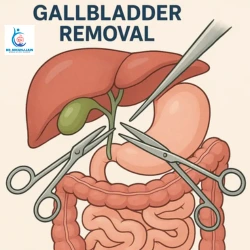
Gallbladder removal surgery is also known as cholecystectomy. The gallbladder is an organ that is located below the liver and it stores bile, which is a fluid that helps your body digest fats. Most people can live a life without their gallbladder because the bile still flows directly from the liver into the intestine.
Surgery is usually recommended when gallstones cause a lot of pain, infection, swelling, blockage of the bile duct or inflammation of the pancreas. Not all gallstones need to be treated and they can simply be monitored. If you have symptoms that keep coming back you should not ignore them.
How is the surgery done?
Most gallbladder surgeries are done using laparoscopic or keyhole surgery. The surgeon makes small cuts in your abdomen and inserts a thin camera with special instruments. The gallbladder is then carefully removed through one of these openings. The surgery is done under anesthesia, so you will be asleep and will not feel any pain. In some cases, such as inflammation or scar tissue the surgeon may need to do open surgery through a larger incision. This decision is made to keep you safe.
How to Prepare for the Surgery?
Before the surgery, your doctor may ask you to get some blood tests, scans and an anesthesia assessment done. You should tell your doctor about any health conditions you have, any allergies you may have and any medicines or supplements you are taking. You may need to stop taking medicines, especially those that affect blood clotting but only if your doctor tells you to.
You will also need to follow some fasting instructions. It is an idea to arrange for someone to take you home and have a family member stay with you for the first day.
What Happens on the Day of Surgery?
After admission to the hospital, the medical team will check your vital signs, including your blood pressure, pulse and temperature.
An intravenous line will be inserted to provide fluids and medicines.
You will be given anaesthesia so that you remain asleep and comfortable during the procedure.
The surgery is usually performed using the laparoscopic or keyhole method.
After surgery, you will be moved to a recovery area and monitored while you wake up from the anaesthesia.
You may experience abdominal pain, nausea, tiredness, bloating or discomfort in your shoulder after surgery.
Shoulder discomfort is common because gas is used to create space inside the abdomen during laparoscopic surgery.
Most patients undergoing laparoscopic surgery can go home on the same day or after an overnight hospital stay.
If open surgery is required, you may need to stay in the hospital for a longer period.
Recovery at home
You should rest, although you do not need to stay in bed all the time. Taking walks can help your circulation and may reduce stiffness and discomfort. You should keep your wounds clean and dry just like your doctor tells you to.
You can start eating meals and gradually go back to your normal diet. Eating portions may be more comfortable for the first few days. You should avoid eating oily or heavy food because it can cause bloating or loose stools while your body is adjusting.
Most people can go back to work within one or two weeks after laparoscopic surgery depending on how they feel and what their job’s. If you had surgery it will take longer to recover. You should not lift things, exercise too much or drive until your surgeon says it is safe.
Warning signs to watch out for
Some soreness and tiredness are normal. You should get medical help right away if you have certain symptoms. You should call your doctor if you have increasing pain, if you are vomiting all the time, if you have a fever, if your skin or eyes turn yellow, if your wound is swollen or leaking, if you are having trouble breathing or if you are unable to eat or drink.
Follow-up appointments with your surgeon are important so they can check how you are healing and give you advice on how to get to your normal activities. Dr. Nikunj Jain believes that you should not compare your recovery with someone Because everyone’s body is different and healing time can vary depending on the surgery and your overall health.
Life after gallbladder removal
Most people can go back to their routine and eat a balanced diet after they recover. Your liver will still produce bile so you can digest food without your gallbladder. Some people may notice some changes in their bowel habits especially after eating fatty meals. These changes usually go away as your body adjusts.
Conclusion
Gallbladder surgery can give you lasting relief from gallstone symptoms. Knowing what to expect during and after the surgery can help you feel more prepared and take an active role in your recovery. For advice and safe surgical care you should talk to the best gastro surgeon in Indore, Dr. Nikunj Jain and follow the advice given for your condition.
FAQ’s
Q1. What is gallbladder removal surgery?
Gallbladder removal surgery, also called cholecystectomy, is a procedure used to remove the gallbladder when gallstones, inflammation or infection cause repeated symptoms. It is commonly performed through laparoscopic or keyhole surgery.
Q2. When is gallbladder removal surgery required?
Surgery may be advised when gallstones cause frequent abdominal pain, nausea, vomiting, infection, jaundice or inflammation of the pancreas. Dr. Nikunj Jain, best gastro surgeon in Indore, can evaluate the symptoms and recommend suitable gallbladder treatment in Indore.
Q3. Is laparoscopic gallbladder surgery safe?
Laparoscopic gallbladder surgery is a commonly performed and generally safe procedure. However, every operation has certain risks. A proper medical evaluation helps the surgeon plan the procedure according to the patient’s health.
Q4. How long does gallbladder removal surgery take?
An uncomplicated laparoscopic gallbladder surgery may take around one to two hours. The exact duration can vary depending on inflammation, gallstone position, previous surgeries and the patient’s overall condition.
Q5. How many days of hospital stay are needed after gallbladder surgery?
Many patients can return home on the same day or after an overnight hospital stay following laparoscopic surgery. Patients undergoing open gallbladder surgery may need to remain in the hospital for a few additional days.
Q6. How long does recovery take after gallbladder removal surgery?
Most patients can return to light work within one or two weeks after laparoscopic surgery. Complete recovery may take longer, especially after open surgery. Dr. Nikunj Jain provides personalised recovery guidance to patients undergoing gallbladder surgery in Indore.
Q7. Can a person live normally without a gallbladder?
Yes, a person can live a normal and active life without a gallbladder. The liver continues to produce bile for digestion, but instead of being stored in the gallbladder, it flows directly into the intestine.
Q8. What foods should be avoided after gallbladder removal?
During early recovery, patients should limit fried, oily, spicy and high-fat foods. Smaller meals, light food, fruits, vegetables and adequate fluids may be easier to digest while the body adjusts after surgery.
Q9. Can gallstones return after gallbladder removal?
Gallstones cannot form inside the gallbladder after it has been removed. However, in rare situations, stones may develop or remain in the bile ducts. Persistent pain, fever or jaundice should be evaluated promptly.
Q10. Who should I consult for gallbladder removal surgery in Indore?
Patients experiencing recurring gallstone pain, vomiting, indigestion or gallbladder inflammation can consult Dr. Nikunj Jain for diagnosis and gallbladder removal surgery in Indore. Early consultation can help prevent serious complications.
Joint pain is a big problem for people who are obese. A lot of people think that knee pain, back pain, hip pain or ankle pain is because of old age or being weak but having extra body weight can also be a major reason for this. Dr. Nikunj Jain who is recognised as the best bariatric surgeon in Indore, often says that obesity does not just affect the stomach or how we look it can also put a lot of pressure on our bones, joints, muscles and overall health.
Table of Contents
Understanding The Link Between Obesity and Joint Pain
Our joints are made to carry our body weight. When our weight increases too much the pressure on them also increases. This is especially true for joints that carry our weight like our knees, hips, ankles and lower back. Even having a few extra kilos can make it hard to do things like walking, climbing stairs, standing for a long time or sitting on the floor.
How Extra Weight Affects Your Joints
Obesity and joint pain are closely connected. When our body weight increases our knees and hips have to work a lot with every step we take. Over time this extra load can cause pain, stiffness, swelling and reduced movement. In some cases, it can also increase the risk of osteoarthritis, where the cartilage that protects our joints starts to wear down. This can make the pain happen often and become more serious over time.
Apart from putting pressure on our joints, it can also increase inflammation in our body. The fat in our body is not extra weight, it can also release chemicals that can make joint pain and body stiffness worse. This is why some people who are obese feel pain even when they have not hurt themselves. Their body is always under stress from the weight and inflammation.
Why Temporary Pain Relief Is Not Enough
Painkillers, massages, knee supports and temporary treatments may give short-term relief.
These methods do not treat the main cause of joint pain.
If extra weight is the reason, the pain may keep coming back.
Long-term relief needs proper weight management.
Healthy lifestyle habits can help reduce joint pain.
Medical guidance is important to understand the right treatment.
Losing weight can reduce pressure on the knees, hips and spine.
Even a small amount of weight loss can make walking easier.
Weight loss can improve flexibility and daily movement.
It can also increase energy levels.
Managing weight may help slow down joint damage over time.
Can Weight Loss Surgery Help?
For people who’re severely obese, losing weight through diet and exercise alone can be very hard. This is not always because they are not trying enough. It is a health problem that involves our metabolism, hormones, appetite control, lifestyle and genetics. In these cases, weight loss surgery may be considered after an evaluation.
Weight loss surgery, also known as bariatric surgery, helps us lose excess weight by changing how our stomach handles food and hunger. It is usually advised for people who have it or related health problems like diabetes, high blood pressure, sleep apnea, fatty liver or joint pain. The goal is not just to reduce our body size but to improve our health and quality of life.
Joint Pain Relief After Weight Loss Surgery
After weight loss surgery, many patients notice that their joint pain gets better because their joints do not have to carry the heavy load anymore. Walking becomes easier, they have more stamina and daily movement becomes more comfortable. Some people also become more active after losing weight, which further helps their strength and flexibility.
However weight loss surgery is not a fix or a cosmetic procedure. It is a treatment that needs proper planning, detailed consultation from the best laparoscopic surgeon in Indore and long-term lifestyle changes. The patient must follow a diet, exercise regularly, take vitamins and follow up with their doctor after surgery. These steps are important for lasting results.
When to consult a Weight Loss Doctor?
It is also important to understand that if the damage to our joints is already severe, losing weight may reduce the pain and improve movement but it may not completely fix the damage. That is why it is better to act on time. The sooner we manage our obesity, the better are our chances of protecting our joints from long-term problems.
People who are struggling with obesity-related pain should not ignore the signs. If they have knee pain, difficulty climbing stairs, get breathless while walking, have swelling around their joints or rely on painkillers they should take it seriously. A proper medical consultation can help them find out if weight loss surgery is suitable or if they need treatment options.
Conclusion
Pain because of it is not something we should accept as a normal part of life. With proper treatment, managing our weight can reduce the pressure on our joints and improve our daily comfort. Dr. Nikunj Jain, best weight loss doctor in Indore, helps patients understand surgical options for obesity so they can move better, feel healthier and live with more confidence.
FAQ’s
Q1. Can obesity really cause joint pain? Yes, obesity can put extra pressure on the knees, hips, ankles and lower back, which may lead to pain, stiffness and difficulty in movement.
Q2. Why do obese people commonly have knee pain? Knees carry a major part of body weight. When weight increases, the pressure on the knees also increases, making knee pain more common in obese people.
Q3. Can weight loss reduce joint pain? Yes, losing weight can reduce pressure on the joints and may help improve walking, flexibility and daily comfort.
Q4. When should I consult a weight loss doctor in Indore for obesity-related joint pain? You should consult the best weight loss surgeon in Indore, Dr. Nikunj Jain in Indore if you have joint pain along with obesity, difficulty walking, knee swelling, breathlessness or repeated need for painkillers.
Q5. How does weight loss surgery help in obesity-related joint pain? Weight loss surgery helps reduce excess body weight, which lowers pressure on the knees, hips, ankles and spine. This can make walking easier and may improve daily movement and comfort.
Q6. Is weight loss surgery a quick fix for joint pain? No, weight loss surgery is not a quick fix. It is a planned medical treatment that needs proper consultation, diet changes, regular exercise, vitamins and follow-up care for long-term results.
Q7. Who can consider weight loss surgery in Indore? People who are severely obese or have obesity-related health issues may consider weight loss surgery in Indore after proper evaluation by a specialist like Dr. Nikunj Jain.
Q8. Can obesity increase the risk of arthritis? Yes, obesity can increase the risk of osteoarthritis because extra body weight can wear down the protective cartilage in the joints over time.
Q9. Will joint pain completely go away after weight loss surgery? Joint pain may reduce after weight loss surgery, but if joint damage is already severe, the pain may not completely go away. Early treatment is always better.
Q10. Who is the best weight loss doctor in Indore? Dr. Nikunj Jain is one of the trusted weight loss doctors in Indore for obesity and weight-related health problems. He guides patients with the right treatment plan, lifestyle advice and surgical options when needed for safe and long-term weight loss.