Living with chronic acidity is more than just a physical discomfort. For many people, Gastroesophageal Reflux Disease (GERD) affects sleep, food choices, work productivity, and even emotional well-being. The constant burning sensation, fear of eating certain foods, and dependence on daily medication can slowly reduce quality of life. According to Dr. Nikunj Jain, best doctor for GERD Surgery in Indore, managing GERD is not only about controlling symptoms,it is about restoring comfort, confidence, and freedom in everyday living.
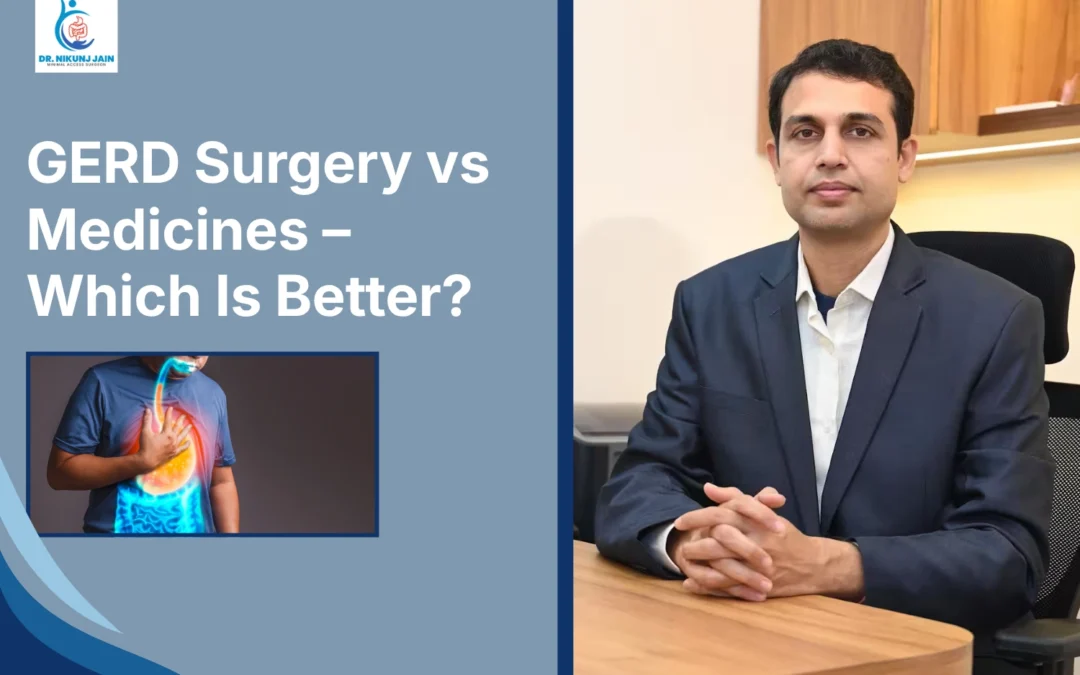
GERD Surgery occurs when stomach acid repeatedly flows back into the food pipe, causing heartburn, chest discomfort, regurgitation, bloating, and sometimes chronic cough or throat irritation. While medicines are often the first line of treatment, some patients continue to struggle despite long-term medication. This leads to a common question: Is it better to continue medicines or consider surgery?
Table of Contents
Understanding GERD Medicines
Most GERD patients are prescribed Proton Pump Inhibitors (PPIs) or acid-reducing medications. These drugs work by lowering acid production in the stomach, which helps reduce irritation and provides relief from symptoms.
For many people, medicines work well in the early stages. They are non-invasive, easily available, and effective when taken regularly. However, long-term dependence on medication can come with challenges:
Symptoms often return if the medicine is stopped
Daily medication becomes a lifelong routine for some patients
Long-term use may be associated with nutritional deficiencies or side effects
Patients may feel anxious about missing doses or relying on medicines permanently
Emotionally, the idea of being dependent on medication every day can be frustrating. Many patients describe a constant worry about when symptoms might return.
When Medicines Are Not Enough
There are situations where medicines fail to control GERD effectively. Patients may continue to experience severe reflux, regurgitation, or nighttime symptoms. Some also develop complications such as esophagitis, strictures, or Barrett’s esophagus.
Other signs that medicines may not be the best long-term solution include:
Needing high doses for relief
Persistent symptoms despite treatment
Difficulty tolerating medications
Desire to avoid lifelong drug dependence
In such cases, surgical treatment may be considered.
GERD Surgery
GERD surgery, most commonly laparoscopic fundoplication, focuses on correcting the root cause rather than just controlling acid. The procedure strengthens the valve between the stomach and food pipe, preventing acid from flowing backward.
The benefits of surgery may include:
Long-term or permanent relief from reflux
Reduced or complete elimination of daily medication
Improved sleep and eating comfort
Better quality of life
Since the procedure is performed using minimally invasive techniques, recovery is usually faster, with smaller incisions and less postoperative discomfort.
From an emotional perspective, many patients feel a sense of relief and freedom after surgery. The ability to eat without fear, sleep peacefully, and live without daily medication often brings back confidence and normalcy.
Surgery vs Medicines – Which Is Better?
There is no single answer for everyone. The choice depends on several factors:
Severity and duration of GERD
Response to medications
Presence of complications
Age and overall health
Patient preference and lifestyle goals
Medicines are usually suitable for mild to moderate GERD that responds well to treatment. Surgery is often recommended for patients with severe, persistent symptoms, complications, or those who wish to avoid lifelong medication.
The most important step is proper evaluation through tests such as endoscopy, pH monitoring, or imaging. A personalized approach helps determine the most effective and safest option.
What is The Emotional Side of Decision-Making
Choosing between long-term medication and surgery can feel overwhelming. Patients often worry about the risks of surgery, recovery time, or whether the results will last. At the same time, living with ongoing symptoms can cause stress, sleep disturbances, and anxiety about food and daily activities.
Open communication with a specialist helps patients understand their condition clearly and make a confident decision. When patients feel informed and supported, the emotional burden of GERD becomes much easier to manage.
Conclusion
GERD is not just a digestive issue,it is a quality-of-life condition. Whether treated with medicines or surgery, the goal is to help patients live without discomfort, fear, or constant dependence.
With the right evaluation and treatment plan, long-term relief is achievable. As emphasized by Dr. Nikunj Jain, best gastro surgeon in Indore, the best treatment is the one that not only controls acid reflux but also restores comfort, peace of mind, and the freedom to enjoy everyday life again.
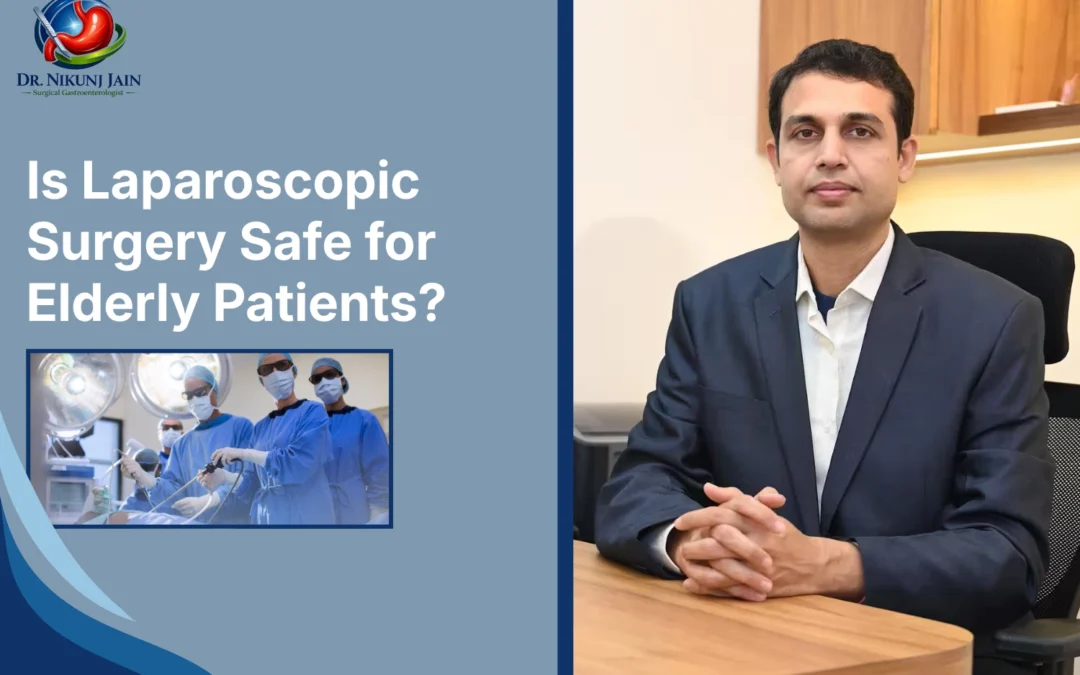
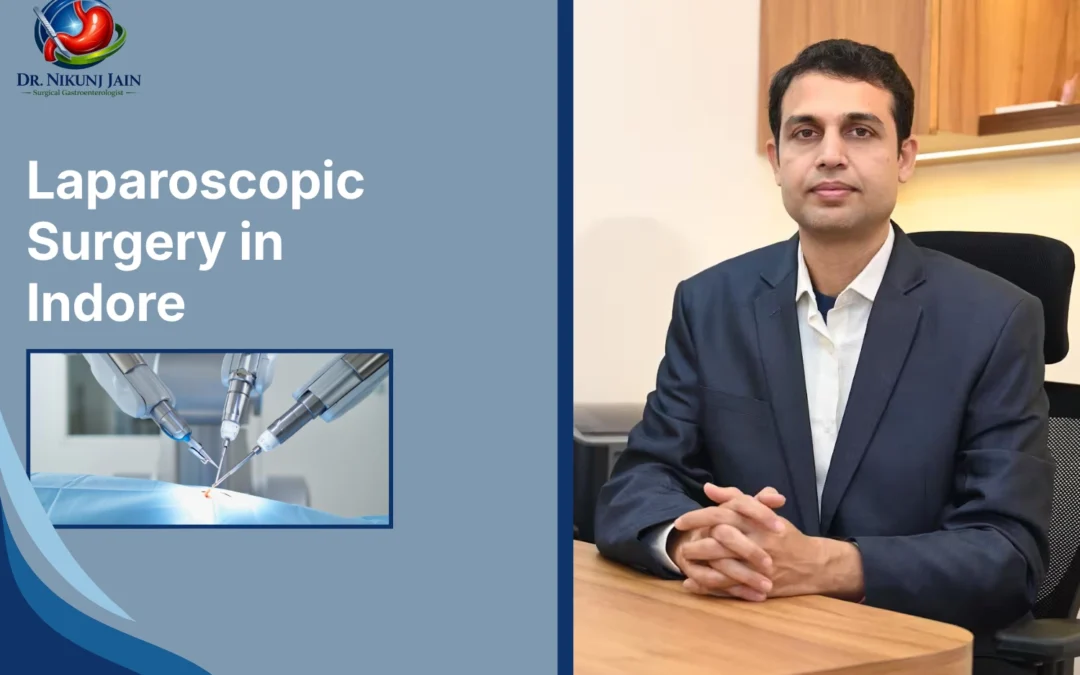
Growing older often brings health challenges that may require surgical treatment. Many elderly people and their families worry about whether surgery is safe at an advanced age. One common concern is whether minimally invasive procedures like laparoscopic surgery are suitable for seniors. According to Dr. Nikunj Jain, a gastroenterologist surgeon in Indore, laparoscopic surgery has made many abdominal procedures safer and easier even for elderly people. Understanding how this surgical technique works and why it is often preferred for older individuals can help families make informed medical decisions.
Table of Contents
What Is Laparoscopic Surgery?
Laparoscopic surgery is a modern surgical technique that uses very small cuts instead of large incisions. Through these tiny openings, surgeons insert a thin camera and special instruments to perform the procedure inside the body.
The camera shows a magnified view of the internal organs on a monitor, allowing the surgeon to perform the surgery with high precision. This technique is commonly used for procedures involving the gallbladder, appendix, hernia, stomach, and intestines.
Because the incisions are small, the body experiences less trauma compared to traditional open surgery.
Why Laparoscopic Surgery Is Often Safer for Elderly people
One of the main advantages of laparoscopic surgery is that it is minimally invasive. For elderly people whose bodies may take longer to recover, this approach can significantly reduce surgical stress.
Some of the key benefits include:
• Smaller surgical cuts • Reduced blood loss during surgery • Lower risk of infection • Less post-operative pain • Faster recovery time • Shorter hospital stay
These factors are especially important for seniors who may already be managing other health conditions such as diabetes, blood pressure issues, or heart problems.
Faster Recovery Matters for Seniors
Recovery speed plays a major role in elderly patient care. Long hospital stays can increase the risk of complications such as infections, weakness or reduced mobility.
With laparoscopic surgery, many people are able to walk within a short time after the procedure. Early movement helps prevent complications like blood clots and lung infections. Most elderly people also experience less discomfort, which allows them to return to their normal routine sooner.
Lower Risk of Complications
Traditional open surgeries require larger cuts and longer healing periods. In older people, large surgical wounds may take more time to heal and can sometimes lead to complications.
Minimally invasive techniques reduce the size of the wound, which lowers the risk of infection and speeds up tissue healing. Many seniors tolerate laparoscopic procedures well when they are properly evaluated before surgery.
A detailed medical assessment helps determine whether the patient is fit for surgery.
Importance of Pre-Surgery Evaluation
Age alone is not the deciding factor when it comes to surgery. Doctors carefully evaluate the overall health of the patient before recommending a procedure.
This assessment may include:
• Heart health evaluation • Blood tests • Imaging scans • Review of existing medical conditions • Medication history
Once the surgeon understands the patient’s complete medical profile, the safest surgical plan can be chosen.
Common Conditions Treated with Laparoscopic Surgery
Several abdominal problems that affect elderly people can be treated using laparoscopic methods. These include:
• Gallbladder stones • Hernia repair • Appendix removal • Certain stomach and intestinal conditions • Diagnostic abdominal procedures
In many of these cases, minimally invasive surgery allows the patient to recover more comfortably compared to traditional surgical methods.
Emotional Concerns of Elderly people
Surgery can be emotionally stressful for older individuals. Many seniors fear long recovery periods, pain, or dependence on others after surgery.
However, advancements in surgical techniques have made procedures much safer than they were decades ago. When people understand that minimally invasive surgery involves smaller cuts and faster healing, it often reduces anxiety and helps them feel more confident about treatment.
Support from family members and clear communication with the doctor also plays an important role in easing these concerns.
Choosing an Experienced Surgeon Matters
The success of any surgery depends greatly on the experience and skill of the surgeon performing it. A well-trained laparoscopic surgeon understands how to manage complex cases, including elderly people with multiple health conditions.
Modern hospitals equipped with advanced surgical technology also improve patient safety and outcomes.
Conclusion
Laparoscopic surgery has transformed the way many abdominal procedures are performed today. For elderly people, this minimally invasive approach often offers a safer option with faster recovery, less pain and lower complication risks.
When a proper medical evaluation is done and the procedure is performed by an experienced surgeon, age alone should not be a barrier to receiving effective surgical treatment. As Dr. Nikunj Jain, best laparoscopic surgeon in Indore, explains, many senior people successfully undergo laparoscopic procedures and return to their normal lives with improved health and comfort.
Hearing you need surgery? Yeah, that first hit of fear is real. Your brain spins: “Will it hurt bad? How long till I’m normal again? Can life just pick up?” Good news though,with cool new tech and top like Dr. Nikunj Jain, best laparoscopic surgeon in indore, laparoscopic surgery in indore makes it all way easier, safer, and less scary for us in Indore.
It’s the keyhole surgery: super small cuts, a little camera, and skinny tools. see everything inside crystal clear and fix it spot-on. You heal faster physically, and mentally? No huge scars or endless hospital time to freak you out.
Table of Contents
Why People Choose Laparoscopic Surgery
Biggest benefit? You bounce back to real life fast. Worried about work, chores, or family? This minimal-cut approach slashes recovery time versus the old big-slash way.
And pain? Barely there. Less body trauma means way less ouch post-op. That “I can handle this” vibe pushes you to say yes instead of dragging your feet from nerves.
Problems Laparoscopic Surgery Can Treat
Great for belly and gut stuff: gallstones, hernias, appendix issues, obesity ops, and some tummy troubles.
check you thoroughly first. Goal’s solid fix with easy, safe healing. Realizing it’s not a body-and-mind nightmare? You’ll jump on help sooner, not ignore it.
Risks of Delaying Surgery
Nerves make lots skip it, living with aches, ick, or gut woes for months,years even. It tanks your confidence, sleep, productivity, happiness.
Feels helpless, right? Parties, trips, fave foods? Tough. Timely laparoscopic? Lifts the pain and the stress. People feel lighter, peppy, positive after.
Cost and Recovery Benefits of Laparoscopic Surgery
Short hospital stay helps reduce overall treatment stress
Fewer missed workdays mean less financial pressure
Lower need for long-term medicines or repeated visits
Faster return to daily routine builds confidence
Early mobility supports both physical and emotional healing
Feeling independent again improves mental comfort after surgery
Benefits of Faster Recovery After Surgery
It’s beneficial for patients :
Tiny scars that look great
Way less infection chance
Short hospital bit, home quick
Eating and moving normal ASAP
Mild pain, skip the heavy meds
You reclaim your groove fast. Emotionally? That “smart choice” glow and control.
How to Mentally Prepare for Surgery
Understanding the procedure can significantly reduce anxiety. Speak openly with your surgeon, ask questions, and gain clarity about the process, recovery timeline, and expected outcomes. This helps build trust and confidence in your treatment plan.
Emotional support also plays a vital role. Encouragement from family and loved ones can ease stress and help you feel more reassured. Maintaining a positive mindset, along with carefully following your Doctor’s advice, contributes to a smoother surgical experience and recovery.
For long-term benefits, focus on a healthy lifestyle, balanced nutrition, regular physical activity, and routine follow-ups. These habits support healing and help you maintain the results of your treatment. With the right preparation and outlook, surgery can become a step toward improved health and renewed confidence.
Conclusion
Laparoscopic surgery offers a modern, minimally invasive approach to treating abdominal and gastrointestinal conditions. It helps address underlying issues effectively while promoting faster recovery, reduced discomfort, and a quicker return to a confident, comfortable lifestyle. If you are experiencing persistent digestive or abdominal concerns, consulting a specialist can help you choose the most appropriate treatment plan.
Laproscopic surgery in Indore (patients) can benefit from the expert and compassionate care of Dr. Nikunj Jain, laparoscopic GI Surgeon in Indore, who is known for providing safe surgical solutions and guiding patients through a smooth recovery journey. Seeking timely treatment today can help you achieve better health and improved quality of life tomorrow.
Hernia and piles are common health conditions that can cause discomfort, pain, and interfere with daily life. Ignoring these problems can lead to serious complications. Thanks to modern laparoscopic surgery, patients can now enjoy safe, minimally invasive treatment with faster recovery. In Indore, Dr. Nikunj Jain is recognized as the best laparoscopic hernia & piles surgeon in Indore for his expertise, precision, and compassionate patient care.
Table of Contents
What is Laparoscopic Surgery for Hernia and Piles?
Laparoscopic surgery is a minimally invasive technique that uses small incisions and specialized instruments to treat hernia and piles. Unlike traditional open surgery, laparoscopic procedures offer several advantages:
Less post-operative pain and minimal scarring
Reduced risk of infection
Faster recovery and shorter hospital stay
Enhanced precision and better treatment outcomes
Why Choose Dr. Nikunj Jain?
Expertise in Laparoscopic Hernia & Piles Surgery
Dr. Jain has extensive experience in laparoscopic surgeries for hernia and piles. His precision, skill, and knowledge of the latest techniques make him a reliable choice for patients seeking high-quality care. With hundreds of successful surgeries, he ensures treatments are safe and effective.
Personalized Diagnosis and Treatment
Every patient’s condition is unique. Dr. Jain begins with a thorough examination and diagnosis before recommending any procedure. He designs a personalized treatment plan that addresses the specific needs of each patient, ensuring the best possible outcome.
Patient-Centered Care and Safety
Patient comfort and safety are top priorities for Dr. Jain. He explains every step of the procedure, recovery timeline, and precautions, making patients feel confident and supported throughout their treatment journey.
Key Advantages of Laparoscopic Hernia & Piles Surgery
Minimally Invasive Procedure with Faster Recovery
Laparoscopic surgery requires only small incisions, reducing pain and scarring. Most patients can resume their daily activities within a few days, unlike traditional surgery, which may require weeks of rest.
Lower Risk of Complications
The precision of laparoscopic surgery reduces the risk of infections, bleeding, and recurrence. Dr. Jain’s careful approach ensures a safe surgical experience for all patients.
Long-Term Relief from Hernia and Piles
This advanced procedure not only addresses the immediate problem but also reduces the chances of recurrence. Patients enjoy long-lasting relief and an improved quality of life.
Modern Facilities and Advanced Technology
Dr. Nikunj Jain performs all procedures in well-equipped hospitals with state-of-the-art laparoscopic instruments. These modern facilities allow:
High-precision surgeries
Strict hygiene and safety standards
Comfortable care throughout the treatment process
Patients benefit from advanced technology combined with Dr. Jain’s expertise, ensuring a smoother and safer experience.
Real Patient Experiences
Patients consistently praise Dr. Jain for his professionalism, skill, and compassionate care. Many have returned to their daily routines quickly, pain-free and confident. These success stories reinforce why he is considered the best laparoscopic hernia & piles surgeon in Indore.
How to Consult Dr. Nikunj Jain
If you are experiencing discomfort from hernia or piles, timely consultation is crucial. Book an appointment with Dr. Nikunj Jain to get an accurate diagnosis and a personalized treatment plan. Early intervention helps prevent complications and ensures faster recovery.
Conclusion
Choosing the right surgeon can make a significant difference in the success of your treatment. With his expertise in laparoscopic procedures, patient-first approach, and access to modern surgical facilities, Dr. Nikunj Jain stands out as the best laparoscopic hernia & piles surgeon in Indore. Take the first step toward a pain-free, healthier life today.
Don’t wait! Schedule your consultation with Dr. Nikunj Jain and experience expert laparoscopic treatment for hernia and piles in Indore.
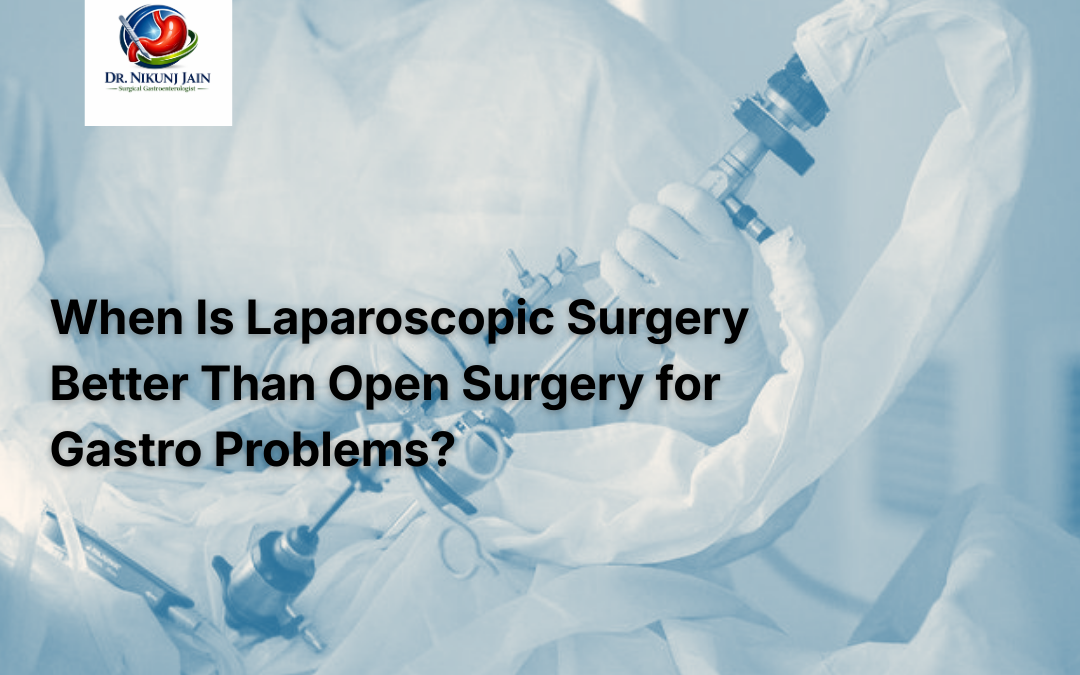
Gastrointestinal (GI) problems can cause pain, discomfort, and sometimes disturb your everyday life. When medicines and lifestyle changes do not give relief, surgery becomes necessary. Today, many patients prefer laparoscopic surgery, a modern technique that uses small cuts and a camera to treat different gastrointestinal problems.
drBut the big question is: When is laparoscopic surgery better than open surgery? This blog explains the differences and helps you understand when laparoscopic surgery becomes the preferred choice, under the guidance of Dr. Nikunj Jain, best laparoscopic surgeon in Indore.
Table of Contents
What Is Laparoscopic Surgery?
Laparoscopic surgery is also called minimally invasive surgery.
It is done through very small incisions.
A thin tube with a camera (laparoscope) is inserted inside the abdomen.
The surgeon watches the inside of the body on a screen and performs the procedure with special instruments.
This approach is safe, precise, and helps patients recover faster.
What Is Open Surgery?
Open surgery is the traditional method of surgery.
It involves a larger cut on the stomach.
The surgeon can directly see and touch the organs.
Open surgery is still required in some complex situations, but for many gastro problems, laparoscopic surgery offers better results.
When Is Laparoscopic Surgery Better?
Here are the conditions where laparoscopic surgery becomes the best and safest option:
1. Gallbladder Stones (Cholecystectomy)
Laparoscopic surgery is the gold-standard treatment for gallbladder stone removal.
Why better?
Minimal pain
Faster discharge, often within 24 hours
Quick return to normal activities
Almost invisible scars
Most patients in Indore prefer laparoscopic gallbladder surgery because of the quick recovery and high success rate under experts like Dr. Nikunj Jain.
2. Hernia Repair
For inguinal, umbilical, and ventral hernias, laparoscopic repair is often preferred.
Benefits:
Smaller cuts → less pain
Better view of the hernia from inside
Mesh placement with precision
Reduced risk of recurrence
Excellent option for people with bilateral or recurrent hernias
3. Appendicitis
Laparoscopic appendectomy is highly recommended, especially in early or uncomplicated appendicitis.
Why better?
Shorter hospital stay
Lower infection risk
Faster healing
Best for young adults, working professionals, and athletes
4. Acid Reflux (GERD) & Hiatal Hernia Surgery
When lifestyle changes and medicines fail, surgery is required. Laparoscopic anti-reflux surgery helps in long-term relief.
Advantages:
Restores valve function between the stomach and the food pipe
Less pain and discomfort
Faster return to normal diet
5. Obesity & Bariatric Procedures
Weight-loss surgeries such as gastric bypass or sleeve gastrectomy are almost always done laparoscopically.
Why patients prefer it:
Safer for overweight patients
Faster recovery
Very low complication rate
6. Intestinal Surgeries
For problems like small bowel obstruction, Crohn’s disease, or certain tumors, laparoscopic techniques provide great outcomes.
Benefits:
Better visualization
Smaller incisions, even for large procedures
Early bowel movement recovery
General Benefits of Laparoscopic Surgery
✔ Smaller cuts → Less pain ✔ Very low blood loss ✔ Short hospital stay ✔ Faster recovery and mobility ✔ Minimal scars ✔ Lower risk of wound infections ✔ Faster return to work
For many patients, especially working professionals, women, and elderly individuals, these advantages make a big difference.
When Is Open Surgery Still Needed?
Open surgery is preferred in certain situations, like:
Very large tumors
Severe infections spreading into multiple organs
Emergency trauma
When laparoscopic visibility is poor due to previous surgeries
Complicated intestinal blockage
An expert surgeon decides the safest approach based on the patient’s condition.
Why Choose Dr. Nikunj Jain, Best Laparoscopic Surgeon in Indore?
Dr. Nikunj Jain is known for his expertise in advanced laparoscopic and gastro surgeries. Patients trust him for:
High surgical accuracy
Modern laparoscopic techniques
Minimal complications
Fast recovery and patient comfort
Clear guidance and ethical treatment
He ensures that every patient gets the safest and most effective approach, whether laparoscopic or open, based on their specific condition.
Conclusion
Laparoscopic surgery has transformed the way we treat gastro problems. For many conditions like gallstone removal, appendix surgery, hernia repair, and reflux disease, laparoscopic surgery provides better results, less pain, and quicker recovery compared to open surgery.
But the choice depends on the patient’s condition, and consulting an expert like Dr. Nikunj Jain, best laparoscopic surgeon in Indore, ensures you get the right treatment with the highest safety.