Joint pain is a big problem for people who are obese. A lot of people think that knee pain, back pain, hip pain or ankle pain is because of old age or being weak but having extra body weight can also be a major reason for this. Dr. Nikunj Jain who is recognised as the best bariatric surgeon in Indore, often says that obesity does not just affect the stomach or how we look it can also put a lot of pressure on our bones, joints, muscles and overall health.
Table of Contents
Understanding The Link Between Obesity and Joint Pain
Our joints are made to carry our body weight. When our weight increases too much the pressure on them also increases. This is especially true for joints that carry our weight like our knees, hips, ankles and lower back. Even having a few extra kilos can make it hard to do things like walking, climbing stairs, standing for a long time or sitting on the floor.
How Extra Weight Affects Your Joints
Obesity and joint pain are closely connected. When our body weight increases our knees and hips have to work a lot with every step we take. Over time this extra load can cause pain, stiffness, swelling and reduced movement. In some cases, it can also increase the risk of osteoarthritis, where the cartilage that protects our joints starts to wear down. This can make the pain happen often and become more serious over time.
Apart from putting pressure on our joints, it can also increase inflammation in our body. The fat in our body is not extra weight, it can also release chemicals that can make joint pain and body stiffness worse. This is why some people who are obese feel pain even when they have not hurt themselves. Their body is always under stress from the weight and inflammation.
Why Temporary Pain Relief Is Not Enough
Painkillers, massages, knee supports and temporary treatments may give short-term relief.
These methods do not treat the main cause of joint pain.
If extra weight is the reason, the pain may keep coming back.
Long-term relief needs proper weight management.
Healthy lifestyle habits can help reduce joint pain.
Medical guidance is important to understand the right treatment.
Losing weight can reduce pressure on the knees, hips and spine.
Even a small amount of weight loss can make walking easier.
Weight loss can improve flexibility and daily movement.
It can also increase energy levels.
Managing weight may help slow down joint damage over time.
Can Weight Loss Surgery Help?
For people who’re severely obese, losing weight through diet and exercise alone can be very hard. This is not always because they are not trying enough. It is a health problem that involves our metabolism, hormones, appetite control, lifestyle and genetics. In these cases, weight loss surgery may be considered after an evaluation.
Weight loss surgery, also known as bariatric surgery, helps us lose excess weight by changing how our stomach handles food and hunger. It is usually advised for people who have it or related health problems like diabetes, high blood pressure, sleep apnea, fatty liver or joint pain. The goal is not just to reduce our body size but to improve our health and quality of life.
Joint Pain Relief After Weight Loss Surgery
After weight loss surgery, many patients notice that their joint pain gets better because their joints do not have to carry the heavy load anymore. Walking becomes easier, they have more stamina and daily movement becomes more comfortable. Some people also become more active after losing weight, which further helps their strength and flexibility.
However weight loss surgery is not a fix or a cosmetic procedure. It is a treatment that needs proper planning, detailed consultation from the best laparoscopic surgeon in Indore and long-term lifestyle changes. The patient must follow a diet, exercise regularly, take vitamins and follow up with their doctor after surgery. These steps are important for lasting results.
When to consult a Weight Loss Doctor?
It is also important to understand that if the damage to our joints is already severe, losing weight may reduce the pain and improve movement but it may not completely fix the damage. That is why it is better to act on time. The sooner we manage our obesity, the better are our chances of protecting our joints from long-term problems.
People who are struggling with obesity-related pain should not ignore the signs. If they have knee pain, difficulty climbing stairs, get breathless while walking, have swelling around their joints or rely on painkillers they should take it seriously. A proper medical consultation can help them find out if weight loss surgery is suitable or if they need treatment options.
Conclusion
Pain because of it is not something we should accept as a normal part of life. With proper treatment, managing our weight can reduce the pressure on our joints and improve our daily comfort. Dr. Nikunj Jain, best weight loss doctor in Indore, helps patients understand surgical options for obesity so they can move better, feel healthier and live with more confidence.
FAQ’s
Q1. Can obesity really cause joint pain? Yes, obesity can put extra pressure on the knees, hips, ankles and lower back, which may lead to pain, stiffness and difficulty in movement.
Q2. Why do obese people commonly have knee pain? Knees carry a major part of body weight. When weight increases, the pressure on the knees also increases, making knee pain more common in obese people.
Q3. Can weight loss reduce joint pain? Yes, losing weight can reduce pressure on the joints and may help improve walking, flexibility and daily comfort.
Q4. When should I consult a weight loss doctor in Indore for obesity-related joint pain? You should consult the best weight loss surgeon in Indore, Dr. Nikunj Jain in Indore if you have joint pain along with obesity, difficulty walking, knee swelling, breathlessness or repeated need for painkillers.
Q5. How does weight loss surgery help in obesity-related joint pain? Weight loss surgery helps reduce excess body weight, which lowers pressure on the knees, hips, ankles and spine. This can make walking easier and may improve daily movement and comfort.
Q6. Is weight loss surgery a quick fix for joint pain? No, weight loss surgery is not a quick fix. It is a planned medical treatment that needs proper consultation, diet changes, regular exercise, vitamins and follow-up care for long-term results.
Q7. Who can consider weight loss surgery in Indore? People who are severely obese or have obesity-related health issues may consider weight loss surgery in Indore after proper evaluation by a specialist like Dr. Nikunj Jain.
Q8. Can obesity increase the risk of arthritis? Yes, obesity can increase the risk of osteoarthritis because extra body weight can wear down the protective cartilage in the joints over time.
Q9. Will joint pain completely go away after weight loss surgery? Joint pain may reduce after weight loss surgery, but if joint damage is already severe, the pain may not completely go away. Early treatment is always better.
Q10. Who is the best weight loss doctor in Indore? Dr. Nikunj Jain is one of the trusted weight loss doctors in Indore for obesity and weight-related health problems. He guides patients with the right treatment plan, lifestyle advice and surgical options when needed for safe and long-term weight loss.
A lot of us will experience this peculiar discomfort in the abdomen or groin and dismiss it as a slight muscle strain or minor digestive upset. But sometimes, these symptoms can be a sign of a hernia. Dr. Nikunj Jain, best hernia doctor in Indore, says that recognising early warning signals is vital in ensuring treatment easier and reducing complications. Being aware of how a hernia feels and which symptoms to keep an eye out for can ensure that you get medical attention in time and avoid the continued discomfort.
Table of Contents
What Is a Hernia?
A hernia is when an internal organ or tissue protrudes through a weak region of the muscle or connective tissue (fascia) surrounding it. The anterior wall of the abdomen is most often the location for this. Hernia slowly developed and may not cause severe pain, that’s why many people forget it. Common types of hernias include:
Some hernias remain little for years but others will get worse without treatment.
What Are Some Common Signs That Might Mean You Have a Hernia?
One of the most prominent indicators in the form of a bulge that can be seen through the skin. The bulge often becomes more visible during standing, coughing or lifting heavy objects .
Other symptoms include:
A noticeable lump or swelling Often the first sign. It can be gone while lying down then return when standing or straining.
Pain or discomfort You will feel mild or moderate pain, particularly while bending, coughing, or carrying heavy objects.
Sensation of pressure in the chest This is often described as a dragging or heavy feeling.
Burning or aching feeling Not all hernia needed surgical treatment ,Some present as dull pain and progressive over time.
Digestive problems For example, the symptoms in a hiatal hernia may be acid reflux, and heartburn or difficulty swallowing.
When Symptoms Become Serious
They may become dangerous if the trapped tissue is making things too tight, or bleeding. Warning signs include: 1. Sudden, severe pain 2. Nausea or vomiting 3. Redness or tenderness around the bulge 4. A lump that is hard and is not reducible If you experience these symptoms, then please do not hesitate to consult a doctor.
Who is likely to get a hernia?
Among Them Are The Following Factors As To Increase The Risk: 1. Lifting heavy weights improperly 2. Chronic coughing 3. Obesity 4. Pregnancy 5. Constipation and straining 6. Previous abdominal surgery 7. Weak abdominal muscles 8. Age and lifestyle habits also play a role, with muscles weakening over time.
How Hernias Are Diagnosed
Hernia is often diagnosed by doctors through a physical examination. You may be instructed to stand, cough or gently bear down such that the bulge becomes visible. Occasionally for diagnosis confirmation or severity testing through imaging tests such as ultrasound, CT scan or endoscopy may be performed.
Treatment Options for Hernia
Depending on the type, size, and symptoms of the hernia, treatment may include:
Watchful Waiting:
This is usually advised when the hernia is small and does not cause any symptoms. In this approach, the doctor monitors the hernia regularly to check if it is increasing in size or causing discomfort.
Change of Lifestyle:
Lifestyle changes may help control symptoms and prevent the hernia from getting worse. This may include losing weight, avoiding heavy lifting or heavy work, treating chronic cough, preventing constipation, and following a healthy diet.
Treatment:
Most hernias require surgery for proper repair because they do not heal on their own. Surgery helps close the weak area in the abdominal wall and reduces the risk of complications.
Laparoscopic surgery is a modern and minimally invasive technique used for hernia repair. In this procedure, small cuts are made instead of a large incision. A tiny camera and special surgical instruments are used to repair the hernia. This technique usually causes less pain, smaller scars, faster recovery, and a shorter hospital stay compared to traditional open surgery.
The best treatment option depends on the patient’s condition and should be decided after consultation with an experienced surgeon.
When To See A Doctor?
Consult the best hernia surgeon in Indore, Dr. Nikunj Jain, if you notice a constant bulge in the abdomen or groin, pain that increases during activity, digestive discomfort, or any change in a lump that was earlier painless. Ignoring these symptoms can make the condition complicated and may require more intensive treatment later.
Conclusion
Note that a hernia can start with a smaller, painless lump but it can cause discomfort and health problems. At a minimum, early attention can have a huge impact on recovery. If you think that you might have a hernia or if you experience the symptoms described above, visiting an expert like Dr. Nikunj Jain, best doctor for hernia in Indore, can help get it diagnosed and treated on time.
FAQ’s
Q1. What are the early signs of a hernia? Early signs of a hernia may include a visible bulge in the abdomen or groin, mild pain, pressure, heaviness, or discomfort while coughing, bending, standing, or lifting heavy objects. According to Dr. Nikunj Jain in Indore, early diagnosis can help prevent complications.
Q2. When should I see a doctor for a hernia in Indore? You should consult Dr. Nikunj Jain, hernia surgeon in Indore, if you notice a constant bulge, pain during activity, digestive discomfort, or any change in a lump that was earlier painless.
Q3. Can a hernia heal on its own? No, most hernias do not heal on their own. Small hernias without symptoms may be monitored, but many hernias eventually require surgical repair to prevent further complications.
Q4. What is the most common symptom of a hernia? The most common symptom of a hernia is a lump or swelling that becomes more visible while standing, coughing, or lifting heavy objects. It may reduce or disappear when lying down.
Q5. Is hernia surgery necessary for every patient? Not every hernia needs immediate surgery. If the hernia is small and painless, the doctor may suggest watchful waiting. However, symptomatic or growing hernias usually need surgery.
Q6. What is laparoscopic hernia surgery? Laparoscopic hernia surgery is a minimally invasive procedure in which small cuts, a tiny camera, and special instruments are used to repair the hernia. It usually offers less pain, smaller scars, faster recovery, and a shorter hospital stay.
Q7. Who is at risk of developing a hernia? People who lift heavy weights, have chronic cough, obesity, constipation, previous abdominal surgery, weak abdominal muscles, or pregnancy-related pressure may have a higher risk of developing a hernia.
Q8. What happens if a hernia is ignored? Ignoring a hernia can make it larger and more painful. In some cases, the tissue may get trapped, causing severe pain, vomiting, redness, tenderness, or a hard lump that does not go back in.
Q9. Who is the best hernia doctor in Indore? Dr. Nikunj Jain is known as an experienced hernia doctor in Indore for diagnosis and treatment of different types of hernias, including cases that may require laparoscopic hernia surgery.
Q10. How is a hernia diagnosed? A hernia is usually diagnosed through a physical examination. The doctor may ask the patient to stand, cough, or strain so the bulge becomes visible. In some cases, ultrasound, CT scan, or endoscopy may be advised
Living with chronic acidity is more than just a physical discomfort. For many people, Gastroesophageal Reflux Disease (GERD) affects sleep, food choices, work productivity, and even emotional well-being. The constant burning sensation, fear of eating certain foods, and dependence on daily medication can slowly reduce quality of life. According to Dr. Nikunj Jain, best doctor for GERD Surgery in Indore, managing GERD is not only about controlling symptoms,it is about restoring comfort, confidence, and freedom in everyday living.
GERD Surgery occurs when stomach acid repeatedly flows back into the food pipe, causing heartburn, chest discomfort, regurgitation, bloating, and sometimes chronic cough or throat irritation. While medicines are often the first line of treatment, some patients continue to struggle despite long-term medication. This leads to a common question: Is it better to continue medicines or consider surgery?
Table of Contents
Understanding GERD Medicines
Most GERD patients are prescribed Proton Pump Inhibitors (PPIs) or acid-reducing medications. These drugs work by lowering acid production in the stomach, which helps reduce irritation and provides relief from symptoms.
For many people, medicines work well in the early stages. They are non-invasive, easily available, and effective when taken regularly. However, long-term dependence on medication can come with challenges:
Symptoms often return if the medicine is stopped
Daily medication becomes a lifelong routine for some patients
Long-term use may be associated with nutritional deficiencies or side effects
Patients may feel anxious about missing doses or relying on medicines permanently
Emotionally, the idea of being dependent on medication every day can be frustrating. Many patients describe a constant worry about when symptoms might return.
When Medicines Are Not Enough
There are situations where medicines fail to control GERD effectively. Patients may continue to experience severe reflux, regurgitation, or nighttime symptoms. Some also develop complications such as esophagitis, strictures, or Barrett’s esophagus.
Other signs that medicines may not be the best long-term solution include:
Needing high doses for relief
Persistent symptoms despite treatment
Difficulty tolerating medications
Desire to avoid lifelong drug dependence
In such cases, surgical treatment may be considered.
GERD Surgery
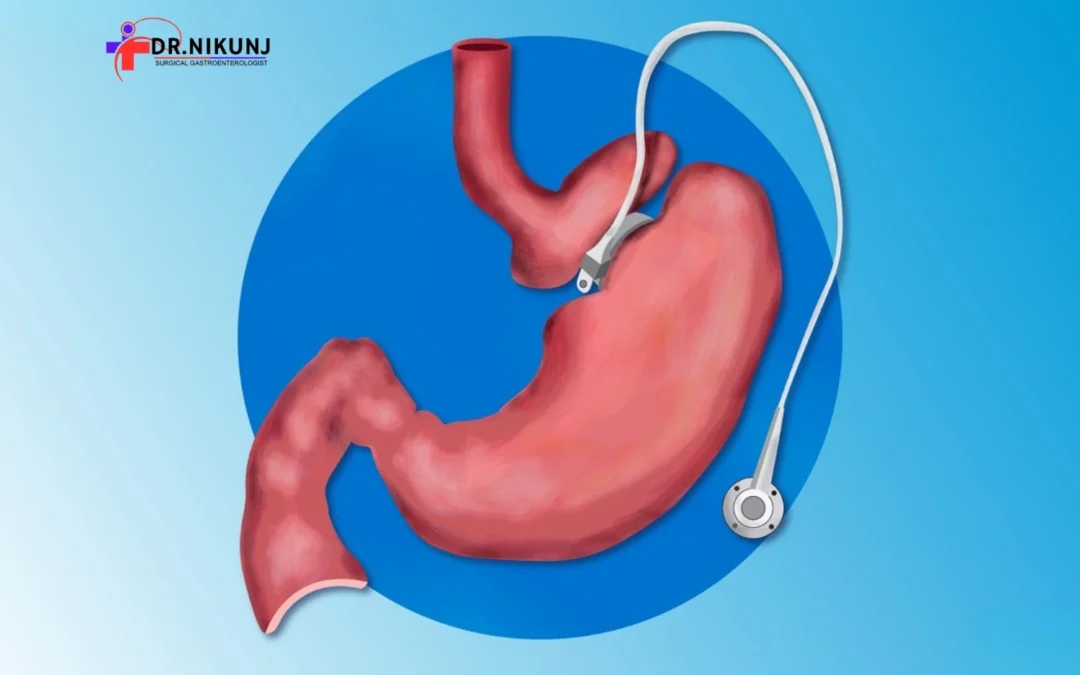
GERD surgery, most commonly laparoscopic fundoplication, focuses on correcting the root cause rather than just controlling acid. The procedure strengthens the valve between the stomach and food pipe, preventing acid from flowing backward.
The benefits of surgery may include:
Long-term or permanent relief from reflux
Reduced or complete elimination of daily medication
Improved sleep and eating comfort
Better quality of life
Since the procedure is performed using minimally invasive techniques, recovery is usually faster, with smaller incisions and less postoperative discomfort.
From an emotional perspective, many patients feel a sense of relief and freedom after surgery. The ability to eat without fear, sleep peacefully, and live without daily medication often brings back confidence and normalcy.
Surgery vs Medicines – Which Is Better?
There is no single answer for everyone. The choice depends on several factors:
Severity and duration of GERD
Response to medications
Presence of complications
Age and overall health
Patient preference and lifestyle goals
Medicines are usually suitable for mild to moderate GERD that responds well to treatment. Surgery is often recommended for patients with severe, persistent symptoms, complications, or those who wish to avoid lifelong medication.
The most important step is proper evaluation through tests such as endoscopy, pH monitoring, or imaging. A personalized approach helps determine the most effective and safest option.
What is The Emotional Side of Decision-Making
Choosing between long-term medication and surgery can feel overwhelming. Patients often worry about the risks of surgery, recovery time, or whether the results will last. At the same time, living with ongoing symptoms can cause stress, sleep disturbances, and anxiety about food and daily activities.
Open communication with a specialist helps patients understand their condition clearly and make a confident decision. When patients feel informed and supported, the emotional burden of GERD becomes much easier to manage.
Conclusion
GERD is not just a digestive issue,it is a quality-of-life condition. Whether treated with medicines or surgery, the goal is to help patients live without discomfort, fear, or constant dependence.
With the right evaluation and treatment plan, long-term relief is achievable. As emphasized by Dr. Nikunj Jain, best gastro surgeon in Indore, the best treatment is the one that not only controls acid reflux but also restores comfort, peace of mind, and the freedom to enjoy everyday life again.
Hernia and piles are common health conditions that can cause discomfort, pain, and interfere with daily life. Ignoring these problems can lead to serious complications. Thanks to modern laparoscopic surgery, patients can now enjoy safe, minimally invasive treatment with faster recovery. In Indore, Dr. Nikunj Jain is recognized as the best laparoscopic hernia & piles surgeon in Indore for his expertise, precision, and compassionate patient care.
Table of Contents
What is Laparoscopic Surgery for Hernia and Piles?
Laparoscopic surgery is a minimally invasive technique that uses small incisions and specialized instruments to treat hernia and piles. Unlike traditional open surgery, laparoscopic procedures offer several advantages:
Less post-operative pain and minimal scarring
Reduced risk of infection
Faster recovery and shorter hospital stay
Enhanced precision and better treatment outcomes
Why Choose Dr. Nikunj Jain?
Expertise in Laparoscopic Hernia & Piles Surgery
Dr. Jain has extensive experience in laparoscopic surgeries for hernia and piles. His precision, skill, and knowledge of the latest techniques make him a reliable choice for patients seeking high-quality care. With hundreds of successful surgeries, he ensures treatments are safe and effective.
Personalized Diagnosis and Treatment
Every patient’s condition is unique. Dr. Jain begins with a thorough examination and diagnosis before recommending any procedure. He designs a personalized treatment plan that addresses the specific needs of each patient, ensuring the best possible outcome.
Patient-Centered Care and Safety
Patient comfort and safety are top priorities for Dr. Jain. He explains every step of the procedure, recovery timeline, and precautions, making patients feel confident and supported throughout their treatment journey.
Key Advantages of Laparoscopic Hernia & Piles Surgery
Minimally Invasive Procedure with Faster Recovery
Laparoscopic surgery requires only small incisions, reducing pain and scarring. Most patients can resume their daily activities within a few days, unlike traditional surgery, which may require weeks of rest.
Lower Risk of Complications
The precision of laparoscopic surgery reduces the risk of infections, bleeding, and recurrence. Dr. Jain’s careful approach ensures a safe surgical experience for all patients.
Long-Term Relief from Hernia and Piles
This advanced procedure not only addresses the immediate problem but also reduces the chances of recurrence. Patients enjoy long-lasting relief and an improved quality of life.
Modern Facilities and Advanced Technology
Dr. Nikunj Jain performs all procedures in well-equipped hospitals with state-of-the-art laparoscopic instruments. These modern facilities allow:
High-precision surgeries
Strict hygiene and safety standards
Comfortable care throughout the treatment process
Patients benefit from advanced technology combined with Dr. Jain’s expertise, ensuring a smoother and safer experience.
Real Patient Experiences
Patients consistently praise Dr. Jain for his professionalism, skill, and compassionate care. Many have returned to their daily routines quickly, pain-free and confident. These success stories reinforce why he is considered the best laparoscopic hernia & piles surgeon in Indore.
How to Consult Dr. Nikunj Jain
If you are experiencing discomfort from hernia or piles, timely consultation is crucial. Book an appointment with Dr. Nikunj Jain to get an accurate diagnosis and a personalized treatment plan. Early intervention helps prevent complications and ensures faster recovery.
Conclusion
Choosing the right surgeon can make a significant difference in the success of your treatment. With his expertise in laparoscopic procedures, patient-first approach, and access to modern surgical facilities, Dr. Nikunj Jain stands out as the best laparoscopic hernia & piles surgeon in Indore. Take the first step toward a pain-free, healthier life today.
Don’t wait! Schedule your consultation with Dr. Nikunj Jain and experience expert laparoscopic treatment for hernia and piles in Indore.
Modern medicine has made surgery safer, simpler, and more effective than ever, especially with the help of laparoscopic surgery. This advanced technique has changed how doctors treat various gastro and obesity-related problems. Dr. Nikunj Jain, gastro and weight loss surgeon in Indore, provides affordable laparoscopic treatments that ensure quick recovery, minimal pain, and excellent results.
What Is Laparoscopic Surgery?
Laparoscopic surgery, also known as keyhole or minimally invasive surgery, is a modern surgical technique that uses small incisions instead of large cuts. A tiny camera and specialized instruments are inserted through these small openings, allowing the surgeon to perform the procedure with precision while minimizing tissue damage.
This approach leads to less pain, faster healing, minimal scarring, and shorter hospital stays, making it a preferred choice for both gastrointestinal and weight loss surgeries.
Common Gastro Problems Treated with Laparoscopic Surgery
Dr. Nikunj Jain is an experienced gastrosurgeon in Indore who treats a wide range of abdominal and digestive issues using laparoscopic techniques. Common conditions include:
Appendicitis: Safe and quick removal of an inflamed appendix with minimal discomfort.
GERD (Acid Reflux): Laparoscopic surgery provides long-term relief from severe acid reflux.
Intestinal Disorders: Selected bowel or intestinal issues can be effectively treated using laparoscopic procedures.
Laparoscopic Weight Loss (Bariatric) Surgery
In addition to gastro treatments, Dr. Nikunj Jain also specializes in weight loss surgery in Indore. For patients struggling with obesity and related health problems like diabetes, hypertension, or joint pain, bariatric surgery can be life-changing.
Common types of laparoscopic weight loss surgeries include:
Sleeve Gastrectomy: Reduces stomach size to control appetite and food intake.
Gastric Bypass: Alters the digestive pathway to help achieve long-term weight loss.
Mini Gastric Bypass: A simpler and equally effective alternative for selected patients.
These procedures not only help in losing excess weight but also improve overall health, energy, and confidence.
Why Choose Laparoscopic Surgery?
There are several reasons why patients prefer laparoscopic treatment in Indore under Dr. Nikunj Jain:
Smaller cuts and minimal scars
Reduced pain and blood loss
Quicker recovery and shorter hospital stays
Early return to daily activities
Lower risk of infection
Whether it’s a gastro problem or a weight loss surgery, laparoscopic techniques offer a safe, modern, and effective solution.
Dr. Nikunj Jain – Expert Gastro and Weight Loss Surgeon in Indore
Dr. Nikunj Jain is known for his expertise in laparoscopic and bariatric surgery. With years of surgical experience and advanced training, he has successfully treated numerous patients with complex abdominal, digestive, and obesity-related problems.
His approach combines precision, compassion, and affordability. Every patient receives personalized treatment, ensuring safety and long-term results. Dr. Jain’s clinic is equipped with advanced laparoscopic technology to deliver world-class surgical care in Indore.
Affordable Laparoscopic Treatment in Indore
One of the biggest concerns for patients is cost. Dr. Nikunj Jain believes that high-quality healthcare should be accessible to everyone. That’s why his clinic offers affordable laparoscopic treatments without compromising on safety or standards.
Since laparoscopic surgery reduces hospital stays and recovery time, it naturally lowers overall treatment expenses, making it a cost-effective choice for patients.
Patient-Centered Care
Dr. Nikunj Jain follows a patient-first approach, where every case is carefully evaluated before recommending surgery. From initial consultation to post-surgery follow-up, patients receive complete guidance and support throughout their recovery journey.
His friendly and reassuring communication helps patients feel confident, informed, and cared for at every step.
When to Consult Dr. Nikunj Jain
You should consult Dr. Nikunj Jain, a trusted gastro and weight loss doctor in Indore, if you experience:
Frequent abdominal pain or bloating
Indigestion or acid reflux
Unexplained weight gain
Difficulty losing weight despite diet and exercise
Gallstones, hernia, or appendicitis symptoms
Early diagnosis and timely treatment can prevent complications and improve your quality of life.
Conclusion
If you’re looking for affordable laparoscopic treatment in Indore for gastro or weight loss problems, Dr. Nikunj Jain offers advanced, minimally invasive solutions that are safe, effective, and budget-friendly. His expertise in laparoscopic and bariatric surgery ensures the best outcomes for every patient, helping you live a healthier, more active life.
Choose expertise, care, and affordability with Dr. Nikunj Jain’s laparoscopic treatments in Indore.