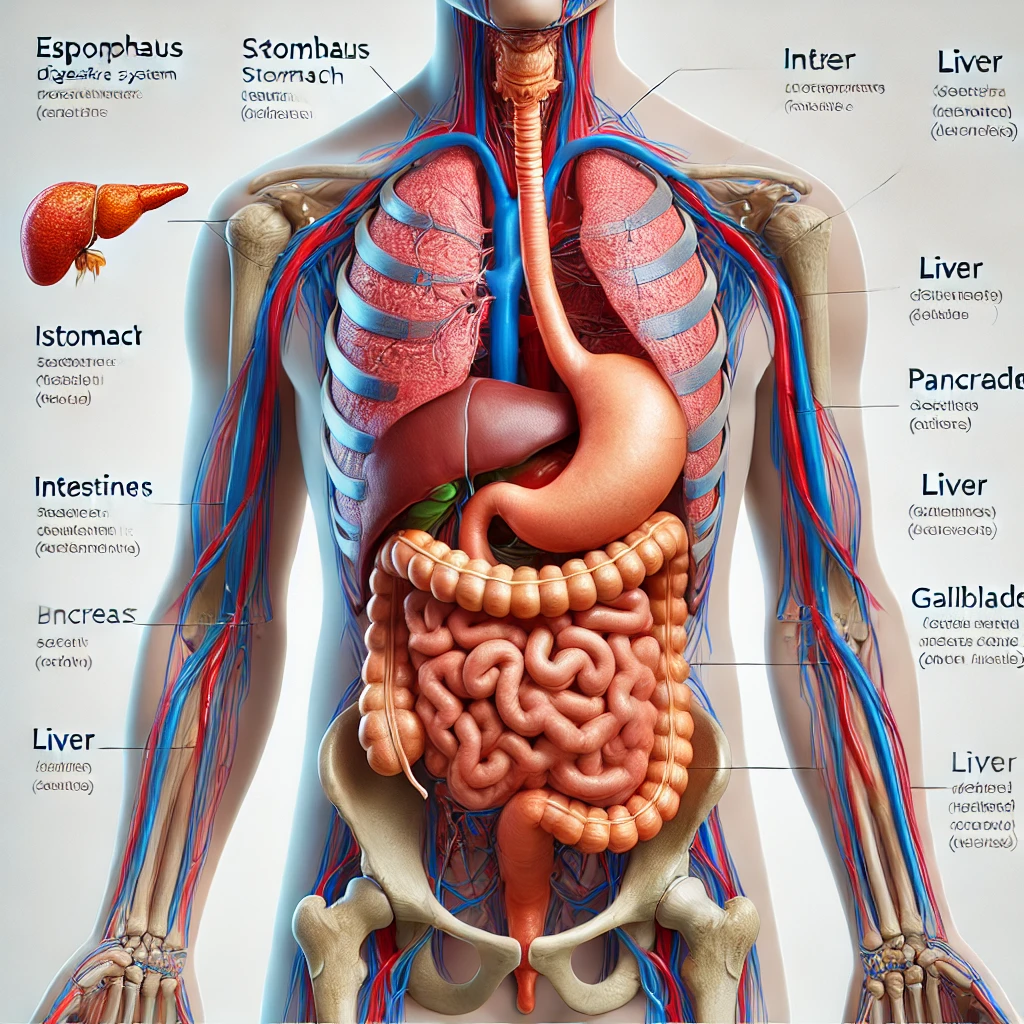
Indore, the commercial capital of Madhya Pradesh, is not only known for its cultural heritage but also for its advanced healthcare facilities. Among the various specialties, Gastroenterology clinics in Indore have gained prominence for providing exceptional care for digestive and liver-related issues. This blog dives deep into the top clinics, services offered, and how to choose the best gastroenterologist for your needs.
Why Choose Gastroenterology Clinics in Indore?
Indore is home to a range of specialized clinics equipped with state-of-the-art technology and expert gastroenterologists. Whether you’re dealing with common digestive issues like acid reflux or complex conditions like liver cirrhosis, the city offers tailored solutions. Patients benefit from a combination of expert medical care, accessibility, and personalized treatments.
Table of Contents
Top Gastroenterology Clinics in Indore
1. Pratibha Gastro and Liver Clinic Known for its experienced staff and cutting-edge equipment, Pratibha Gastro and Liver Clinic is a trusted name. They specialize in endoscopic procedures, liver disease management, and IBS treatments.
2. Apollo Gastroenterology Unit Located within Apollo Hospital Indore, this unit offers advanced diagnostics and therapeutic procedures, including ERCP and endoscopy.
3. Dr. Amit Agrawal’s Gastrocare With over a decade of experience, Dr. Amit Agrawal provides comprehensive treatments for conditions like pancreatitis, stomach ulcers, and colon cancer.
4. Gastro-Liver & Obesity Centre This clinic is renowned for combining gastroenterology with obesity management. They offer services such as gastric bypass surgery alongside traditional gastro treatments.
5. Indore Gastro Centre Known for a patient-first approach, this center handles everything from minor digestive disorders to complex liver transplants.
Services Offered by Gastroenterology Clinics in Indore
Gastroenterology clinics in Indore are equipped to handle a broad spectrum of digestive and liver-related issues. Here are some key services you can expect:
Diagnostic Procedures
Endoscopy: A minimally invasive procedure to inspect the digestive tract.
Colonoscopy: A detailed examination of the colon for polyps or cancer.
Liver Function Tests (LFTs): Checks liver health and functionality.
Therapeutic Services
Treatment of ulcers, Crohn’s disease, and GERD.
Advanced treatments for liver diseases, including fatty liver and hepatitis.
Specialized Care for Liver Disorders With rising cases of liver disorders in India, clinics in Indore are focusing on preventive and curative care, including liver transplants and non-invasive fibrosis testing.
How to Choose the Right Gastroenterology Clinic in Indore?
Choosing the right clinic involves several factors:
Expertise: Ensure the clinic has certified and experienced gastroenterologists.
Facilities: Advanced diagnostics like fibroscan and endoscopy are must-haves.
Reviews: Patient testimonials can provide insights into the clinic’s service quality.
Location: A centrally located clinic in Indore ensures easy access.
FAQs About Gastroenterology Clinics in Indore
What are the common services offered by gastroenterology clinics in Indore? Gastroenterology clinics in Indore provide endoscopy, colonoscopy, liver function tests, treatment for IBS, GERD, and specialized care for liver diseases.
Do I need a referral to visit a gastroenterologist? No, most clinics accept direct consultations, but a referral can be helpful for specialized tests.
How much does a consultation at a gastroenterology clinic in Indore cost? Consultation fees typically range from ₹500 to ₹1500, depending on the clinic and the specialist.
Which is the best gastroenterology clinic in Indore? While preferences vary, clinics like Pratibha Gastro and Apollo Gastroenterology are highly rated for their expertise and facilities.
What symptoms require a visit to a gastroenterologist? Frequent bloating, acid reflux, stomach pain, difficulty swallowing, and unexplained weight loss warrant a visit.
Are gastroenterology clinics in Indore equipped for liver transplants? Yes, major clinics like Apollo Gastroenterology and Indore Gastro Centre offer advanced facilities for liver transplants.
Conclusion
Indore’s gastroenterology clinics stand out for their comprehensive care, state-of-the-art facilities, and expert gastroenterologists. Whether it’s a routine check-up or a complex procedure, you can trust these clinics to address your digestive health concerns. Explore options and book an appointment today to prioritize your health.
Bariatric surgery has transformed countless lives by addressing severe obesity and related health issues. For residents in Indore or those considering traveling to this medical hub, understanding the costs involved is crucial. This comprehensive guide breaks down the bariatric surgery cost in Indore, the factors influencing pricing, and why this city has become a sought-after destination for such procedures.
What is Bariatric Surgery?
Bariatric surgery refers to a group of surgical procedures designed to aid in significant weight loss. These procedures modify the digestive system, limiting the amount of food one can consume or reducing calorie absorption. It’s a life-changing procedure for individuals struggling with obesity and related health conditions.
Common Types of Bariatric Surgery
Gastric Bypass Surgery: Reduces the stomach size and reroutes the digestive system.
Sleeve Gastrectomy: Removes a portion of the stomach, leaving a tube-shaped sleeve.
Adjustable Gastric Banding: Places a band around the stomach to create a smaller food pouch.
Biliopancreatic Diversion with Duodenal Switch: Combines a sleeve gastrectomy with intestinal bypassing for maximum effect.
Affordable Pricing: Indore offers cost-effective surgical solutions without compromising on quality.
World-Class Facilities: The city boasts accredited hospitals with cutting-edge technology.
Expert Surgeons: Indore is home to highly qualified bariatric surgeons with years of experience.
Convenient Location: Well-connected by road, rail, and air for medical tourists.
Insurance and Financing Options
Is Bariatric Surgery Covered by Insurance?
In many cases, insurance providers cover bariatric surgery if it is deemed medically necessary. Patients in Indore should check with their providers about coverage and reimbursement policies.
Financing Plans
Many hospitals in Indore offer flexible EMI options or third-party financing plans to make the bariatric surgery cost in Indore more manageable for patients.
Preparing for Bariatric Surgery
Pre-Surgery Checklist
Medical Evaluations: Tests to assess overall health and surgical readiness.
Dietary Changes: Pre-surgery diets to prepare the body.
Psychological Assessment: Ensure mental preparedness for the lifestyle changes post-surgery.
Like any surgery, bariatric procedures come with risks, including:
Infection or blood clots.
Nutritional deficiencies.
Rare complications with the digestive system.
Choosing a reputed surgeon in Indore can significantly minimize these risks.
Success Stories in Indore
Patients from Indore have reported life-changing results post-surgery:
Significant weight loss within a year.
Improved management of diabetes, hypertension, and sleep apnea.
Enhanced quality of life and confidence.
Alternatives to Bariatric Surgery
While surgery is highly effective, some patients opt for non-surgical methods such as:
Medical weight-loss programs.
Strict diet and exercise plans.
FDA-approved weight-loss medications.
FAQs
What is the success rate of bariatric surgery? Bariatric surgery has a success rate of 85–90% for significant and sustained weight loss.
How long does recovery take? Recovery varies by individual but typically ranges from 4–6 weeks.
Does insurance cover the procedure? Some insurance plans do cover bariatric surgery if it is medically necessary.
Can I return to normal eating habits post-surgery? Patients need to follow a strict diet and avoid overeating to maintain results.
What are the long-term benefits? Sustained weight loss, improved health conditions, and enhanced lifestyle quality.
Who qualifies for bariatric surgery? Individuals with a BMI of 35+ or those with obesity-related health issues.
Conclusion
The bariatric surgery cost in Indore makes it an attractive destination for individuals seeking affordable yet high-quality weight loss solutions. With experienced surgeons, state-of-the-art facilities, and reasonable pricing, Indore offers a blend of excellence and affordability.
Whether you’re a resident or planning medical tourism, understanding the costs, factors, and benefits of bariatric surgery can help you make an informed decision.
Hernias can significantly affect one’s quality of life, causing pain and discomfort that requires timely medical intervention. If you’re searching for a trusted hernia specialist in Indore, Dr. Nikunj Jain stands out as a leading expert in diagnosing and treating all types of hernias. This blog delves into what makes him the go-to specialist, the advanced treatments available in Indore, and why timely care is essential.
Understanding Hernias
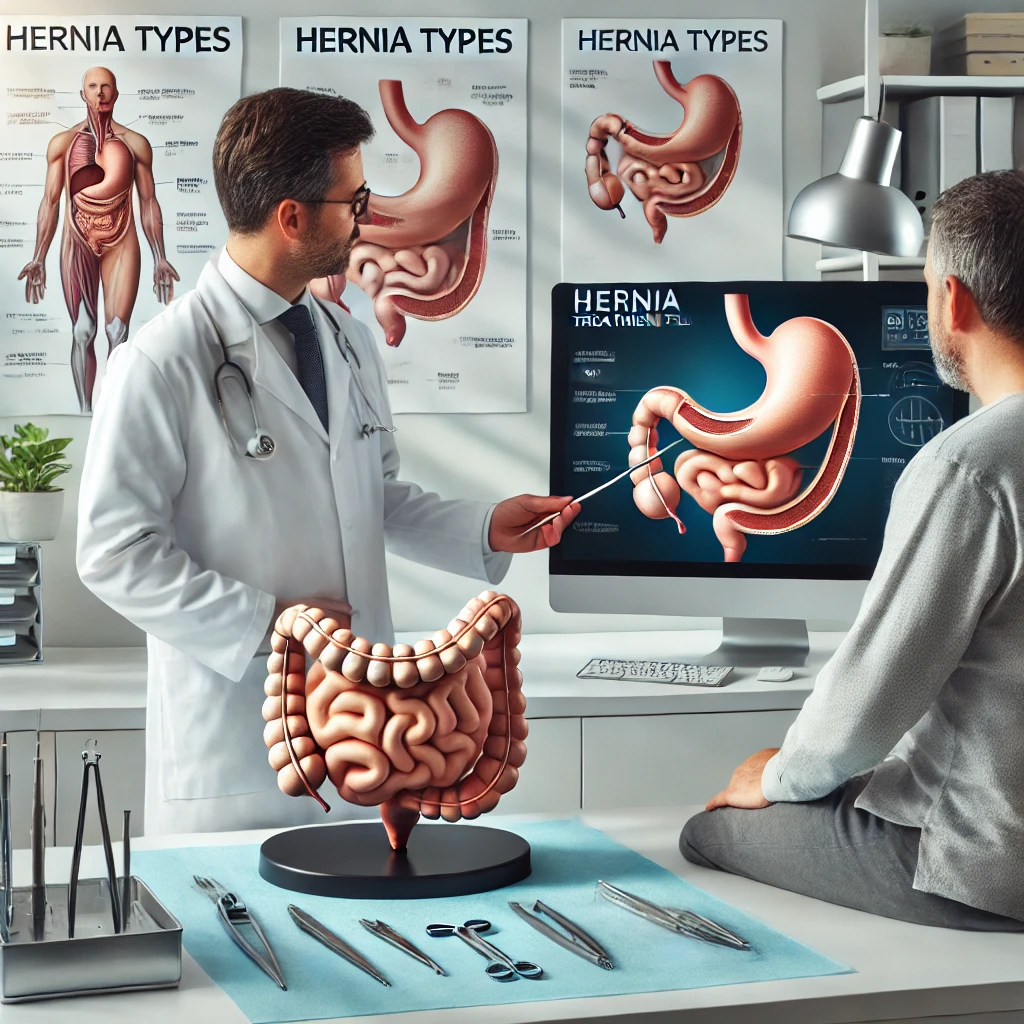
A hernia occurs when an internal organ or tissue pushes through a weak spot in the surrounding muscle or fascia, often forming a visible bulge. It is a common condition affecting people of all ages and can occur in various parts of the body.
Table of Contents
Types of Hernias
Inguinal Hernia: Located in the groin, more common in men.
Umbilical Hernia: Found near the navel, often seen in newborns or overweight individuals.
Hiatal Hernia: Occurs when the stomach bulges into the chest cavity.
Femoral Hernia: A rare type that occurs just below the groin, more common in women.
Incisional Hernia: Develops at the site of a previous surgical incision.
Recognizing the symptoms early and consulting a specialist is vital. Common signs include:
A noticeable bulge in the abdomen or groin.
Pain or discomfort, especially during activities like lifting, coughing, or bending.
A burning or aching sensation at the site of the bulge.
Symptoms like nausea or difficulty swallowing in cases of hiatal hernias.
If you experience these symptoms, seeking a specialist like Dr. Nikunj Jain, a renowned hernia specialist in Indore, ensures a thorough diagnosis and effective treatment.
Why Choose Dr. Nikunj Jain for Hernia Treatment?
Dr. Nikunj Jain is a highly respected name in Indore for hernia treatment. With years of experience and expertise in minimally invasive procedures, he provides tailored solutions for each patient. Here’s why he is the best choice:
Expertise in Advanced Techniques
Dr. Jain specializes in laparoscopic and robotic-assisted hernia repairs, offering benefits like:
From consultation to recovery, Dr. Jain ensures every patient receives comprehensive care tailored to their unique needs.
State-of-the-Art Facilities
Operating in leading hospitals in Indore, he utilizes cutting-edge technology to deliver top-notch surgical outcomes.
Hernia Treatment Options in Indore
Treatment depends on the type, size, and severity of the hernia. Dr. Nikunj Jain offers a range of options, from lifestyle modifications to advanced surgical techniques.
Lifestyle Modifications
Weight management to reduce abdominal pressure.
Avoiding activities that strain the abdominal muscles.
Dietary changes for conditions like hiatal hernias.
Surgical Options
Open Surgery: Traditional method suitable for large or complex hernias.
Laparoscopic Surgery: A minimally invasive technique involving small incisions and quicker recovery.
Robotic-Assisted Surgery: An advanced approach offering precision and enhanced visualization.
The Importance of Timely Treatment
Delaying hernia treatment can lead to complications such as:
Strangulation: Cutting off blood supply to the tissue, leading to tissue death.
Obstruction: Blocking the intestine, causing severe pain and digestive issues.
By consulting a specialist early, these risks can be minimized, and recovery is much smoother.
What is the recovery time after hernia surgery? Most patients recover within 2-4 weeks after laparoscopic surgery, although open surgery may take longer.
Can hernias recur after treatment? While advanced techniques minimize recurrence, following post-surgery guidelines is crucial to prevent strain on the repaired area.
Is hernia surgery painful? With minimally invasive methods like laparoscopy, postoperative pain is significantly reduced compared to traditional surgery.
What are the signs of a hernia emergency? Symptoms like severe pain, nausea, or a hernia that cannot be pushed back in require immediate medical attention.
How do I prepare for a hernia consultation? Bring your medical history, list of symptoms, and any prior diagnostic reports for a thorough evaluation.
Book Your Consultation with Dr. Nikunj Jain
If you’re looking for a trusted hernia specialist in Indore, Dr. Nikunj Jain combines expertise, advanced technology, and compassionate care to ensure the best outcomes. Don’t let a hernia affect your lifestyle – schedule your consultation today and take the first step toward recovery.
Conclusion Hernias are a treatable condition, but timely intervention is the key to avoiding complications. With Dr. Nikunj Jain’s expertise and state-of-the-art care, residents of Indore have access to world-class hernia treatment. Whether you need a consultation or advanced surgical intervention, Dr. Jain is committed to providing exceptional care that restores health and confidence.
Hernia surgery is a common procedure performed to repair hernias, a condition where an organ or tissue protrudes through a weak spot in the muscles. For those considering this procedure in Indore, understanding Hernia Surgery Cost in Indore, associated factors, and available options is essential for making informed healthcare decisions.
Discover everything you need to know about hernia surgery cost in Indore, including the factors influencing pricing, types of surgeries available, and tips for selecting the best treatment options. Whether you’re considering open, laparoscopic, or robotic surgery, this guide provides insights to help you make informed decisions and explore affordable healthcare solutions in Indore.
Table of Contents
What is a Hernia, and Why is Surgery Important?
A hernia typically occurs when internal organs push through weakened muscles or connective tissues, causing pain, discomfort, and potential complications. Surgery is often the most effective treatment, ensuring long-term relief and preventing future health risks.
Types of Hernias Treated in Indore
The type of hernia influences the surgical approach and associated costs. Common hernia types include:
Inguinal Hernia: Found in the groin area.
Femoral Hernia: More common in women, appearing near the upper thigh.
Umbilical Hernia: Occurs around the navel.
Incisional Hernia: Develops at previous surgical sites.
Hiatal Hernia: Involves the stomach pushing into the chest cavity.
Each type has specific symptoms and may require distinct surgical techniques, impacting the overall hernia surgery cost in Indore.
The hernia surgery cost in Indore depends on several factors, such as the type of procedure, hospital facilities, and the surgeon’s expertise. Here’s a breakdown:
Cost Factor
Estimated Price Range (₹)
Consultation and Diagnosis
500 – 2,000
Open Surgery
30,000 – 60,000
Laparoscopic Surgery
50,000 – 90,000
Robotic-Assisted Surgery
80,000 – 1,50,000
Anesthesia and Surgical Mesh
10,000 – 30,000
Postoperative Care and Follow-ups
5,000 – 15,000
Factors Influencing Hernia Surgery Cost in Indore
Hospital Facilities
Private hospitals with modern amenities may charge more than government hospitals.
Surgeon’s Expertise
Experienced surgeons or specialists often charge higher fees.
Surgical Approach
Laparoscopic and robotic surgeries are costlier but involve faster recovery.
Use of Surgical Mesh
High-quality meshes increase costs but reduce recurrence risks.
Postoperative Care and Recovery
Additional medications, therapy, and follow-up visits add to expenses.
Government Hospitals: Offer low-cost surgeries, though waiting times may be longer.
Insurance Coverage: Most health insurance policies cover hernia surgeries. Ensure your plan includes pre- and post-hospitalization costs.
Medical Loan Facilities: Some hospitals and financial institutions provide EMI options for patients.
Trending Keywords for Hernia Surgery Cost in Indore
Affordable hernia surgery in Indore
Best hospitals for hernia surgery in Indore
Laparoscopic hernia repair cost in Indore
Robotic hernia surgery in Indore
Insurance for hernia surgery in Indore
Tips to Choose the Best Hospital for Hernia Surgery in Indore
Research hospital reputation and patient reviews.
Compare costs and available amenities.
Consult multiple surgeons to understand procedural benefits and risks.
Verify the hospital’s accreditation and surgeon’s qualifications.
Frequently Asked Questions
What is the average hernia surgery cost in Indore? The average cost ranges between ₹30,000 to ₹1,50,000, depending on the procedure and hospital.
Is laparoscopic hernia surgery worth the higher cost? Yes, it offers faster recovery and less discomfort, making it a preferred choice despite higher costs.
Does health insurance cover hernia surgery in Indore? Most policies cover hernia surgeries, but it’s crucial to confirm inclusions and exclusions with your insurer.
Can I get low-cost hernia surgery in Indore? Yes, government hospitals and insurance-supported private facilities offer affordable options.
How long is the recovery time after hernia surgery? Recovery varies by procedure: open surgery may take 4-6 weeks, while laparoscopic methods often require 2-3 weeks.
Are there risks of hernia recurrence after surgery? While modern techniques and quality meshes minimize risks, recurrence is possible if post-surgical guidelines are not followed.
Conclusion
The hernia surgery cost in Indore is influenced by multiple factors, from the type of procedure to hospital selection. Understanding these variables can help patients make informed decisions, ensuring effective treatment and value for money. Whether choosing open, laparoscopic, or robotic surgery, Indore offers a range of options catering to diverse medical and financial needs.
Indore has become a hub for quality healthcare in India, offering advanced medical treatments, particularly in the field of gastrointestinal (GI) surgery. For anyone dealing with digestive tract issues, finding the top gastrointestinal surgeons in Indore is crucial for receiving accurate diagnoses and effective treatment. This blog highlights the leading GI surgeons in the city, emphasizing their expertise, specialties, and patient-focused care.
Understanding the Importance of Gastrointestinal Surgery
The gastrointestinal system is one of the body’s most complex networks, covering everything from the esophagus to the intestines. Problems in this system can range from minor disorders like acid reflux to severe conditions, including cancers and chronic gastrointestinal diseases. Given the complexity and delicacy of these organs, choosing a top-notch surgeon is essential for achieving the best outcomes. In Indore, a group of highly skilled gastrointestinal surgeons, including Dr. Nikunj Jain, has garnered significant recognition for their proficiency in treating GI conditions.
Table of Contents
What Makes a Surgeon One of the Top Gastrointestinal Surgeons in Indore?
When it comes to choosing a top gastrointestinal surgeon in Indore, factors such as educational background, surgical expertise, patient reviews, and cutting-edge technology play an essential role. Indore’s leading surgeons are not only skilled in performing intricate procedures but also prioritize patient well-being and post-operative care. Let’s explore the qualities that set these surgeons apart and how their expertise can make a difference in GI treatment.
Dr. Nikunj Jain: Top Gastrointestinal Surgeon in Indore
Among the most reputable GI surgeons in Indore, Dr. Nikunj Jain stands out due to his extensive experience and commitment to patient care. Dr. Jain has received accolades for his successful surgeries and ability to treat complex cases with minimal complications. Specializing in laparoscopic and minimally invasive techniques, Dr. Jain offers treatments that reduce recovery time, minimize pain, and yield better outcomes for patients.
Key Expertise of Dr. Nikunj Jain:
Laparoscopic GI surgeries
Treatment of colorectal diseases
Management of liver and pancreas disorders
GI cancer treatments
Advanced endoscopic procedures
Advanced Facilities and Technologies
Indore’s healthcare facilities are equipped with cutting-edge technology, supporting the top gastrointestinal surgeons in Indore in providing the highest standards of care. Hospitals and surgical centers have access to advanced diagnostic tools, robotic-assisted surgeries, and minimally invasive options, making it easier for patients to undergo procedures with reduced discomfort and quicker recovery.
Qualities to Look for in a Gastrointestinal Surgeon
For those seeking treatment for GI issues, certain qualities can help identify a top gastrointestinal surgeon in Indore. Here’s what to look for:
Experience in Complex GI Surgeries: Handling complex conditions such as gastrointestinal cancers and severe infections requires significant surgical expertise.
Expertise in Minimally Invasive Techniques: Minimally invasive surgery results in quicker recovery, less pain, and lower risk of infection.
Patient-Centric Approach: Leading surgeons prioritize patient comfort, transparency, and comprehensive care plans.
Positive Patient Reviews and Reputation: Checking patient reviews and testimonials can provide insight into the surgeon’s capabilities and patient satisfaction.
Why Indore is a Hub for Gastrointestinal Surgery
Indore’s healthcare landscape is well-regarded across India, especially for GI surgeries. Hospitals here employ top GI specialists and have facilities that match international standards. The top gastrointestinal surgeons in Indore are frequently recognized for their success rates, compassionate approach, and utilization of advanced surgical methods that minimize recovery time.
Treatment Options Offered by the Top Gastrointestinal Surgeons in Indore
1. Endoscopic Procedures
Endoscopy is used to diagnose and treat conditions affecting the digestive tract. This includes procedures like colonoscopy, upper GI endoscopy, and endoscopic ultrasound. Endoscopic techniques enable surgeons to diagnose conditions without making large incisions, reducing risks and allowing patients to recover quickly.
2. Laparoscopic Surgeries
Laparoscopic or minimally invasive surgeries are an ideal choice for many GI procedures. These include surgeries for hernias, appendicitis, and more. Dr. Nikunj Jain, one of the top gastrointestinal surgeons in Indore, is skilled in performing laparoscopic surgeries with precision, ensuring quicker recovery times for his patients.
Indore’s GI specialists are also highly trained in managing cancers of the gastrointestinal tract, such as stomach, liver, and pancreatic cancers. Using a combination of surgery, chemotherapy, and radiation therapy, they develop individualized treatment plans.
4. Hepato-Pancreato-Biliary Surgery
The liver, pancreas, and biliary systems play a vital role in digestion and are often involved in complex disorders. Leading GI surgeons in Indore, such as Dr. Nikunj Jain, offer specialized surgical treatments for these organs, addressing issues like liver cysts, pancreatic tumors, and bile duct obstructions.
Frequently Asked Questions
Who is the top gastrointestinal surgeon in Indore? One of the most reputable names is Dr. Nikunj Jain, known for his expertise in laparoscopic surgeries and complex GI treatments.
What conditions are treated by gastrointestinal surgeons? GI surgeons treat a range of conditions including acid reflux, colorectal diseases, liver and pancreatic disorders, gallbladder issues, and gastrointestinal cancers.
Why choose minimally invasive surgery for GI conditions? Minimally invasive surgery has numerous benefits including smaller incisions, reduced pain, shorter hospital stays, and faster recovery.
How to choose the right GI surgeon in Indore? Look for qualifications, experience, patient reviews, and the availability of advanced treatment options. Personal consultations can also provide valuable insights.
What are the costs of gastrointestinal surgery in Indore? The cost depends on the type of procedure, complexity of the condition, and the hospital facilities. Many top hospitals in Indore offer cost-effective packages for GI surgeries.
Conclusion: Choosing the Best Gastrointestinal Surgeon in Indore
Selecting the right gastrointestinal surgeon is a critical decision for anyone facing digestive health issues. Indore’s top GI surgeons, like Dr. Nikunj Jain, bring both expertise and compassion to their practice, ensuring high-quality care and effective results. By choosing a surgeon with the right mix of experience, advanced skills, and patient-centered care, you’re one step closer to achieving better GI health.
Indore offers top-tier medical professionals and state-of-the-art healthcare facilities, making it a preferred location for gastrointestinal treatment. For those seeking the best care in this field, top gastrointestinal surgeons in Indore deliver excellence in every aspect of GI surgery.
Boost Your Health with Expert GI Care: Consult a Specialist in Indore Today!