Hernia repair is a specialized surgical procedure that demands precision, expertise, and the right approach tailored to each patient’s needs. In Indore, a growing medical hub in Madhya Pradesh, you’ll find a host of experienced surgeons who excel in hernia repair techniques. Whether you’re dealing with an inguinal, umbilical, incisional, or hiatal hernia, selecting the right expert in Indore can significantly impact your recovery and overall well-being.
This guide explores the top hernia repair experts in Indore, their specialties, procedures, and patient care strategies. It’s a one-stop resource for anyone seeking the best hernia treatment in the city.
Table of Contents
Understanding Hernia and Its Types
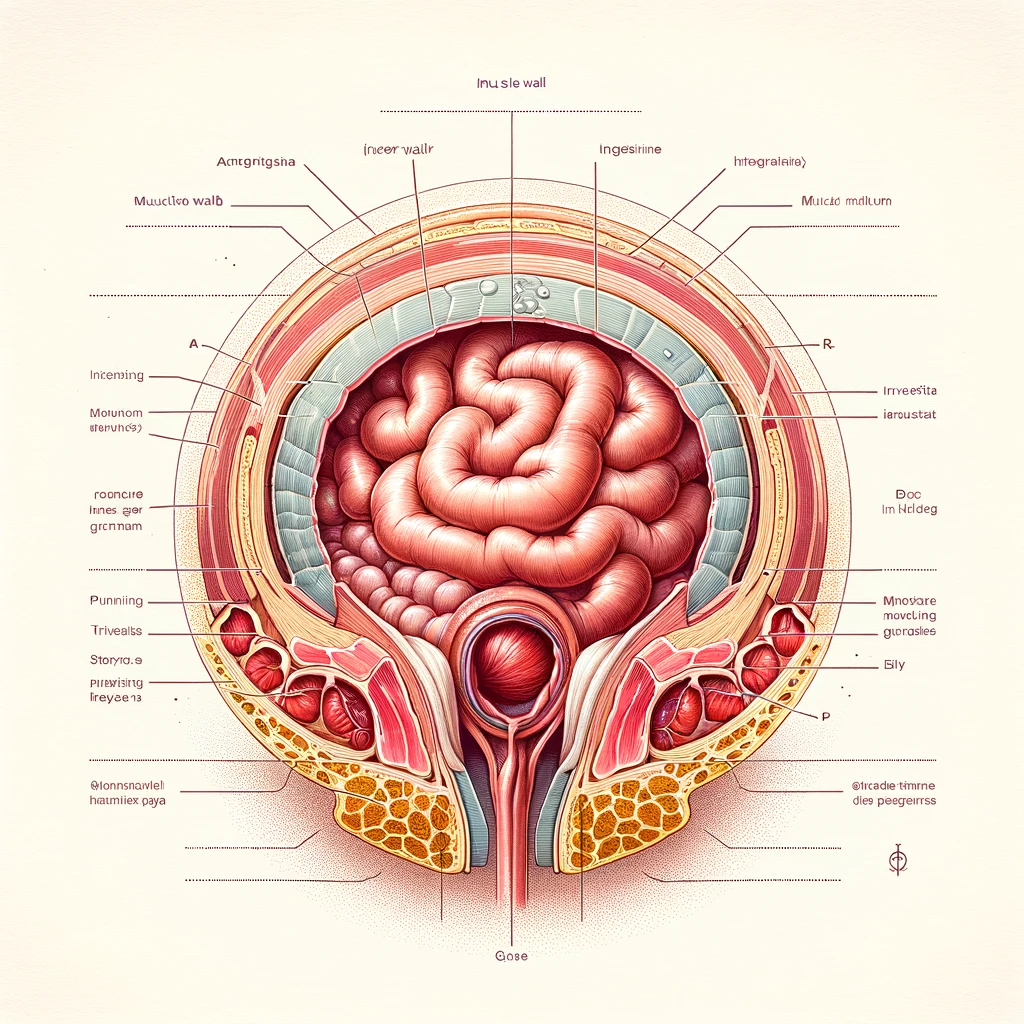
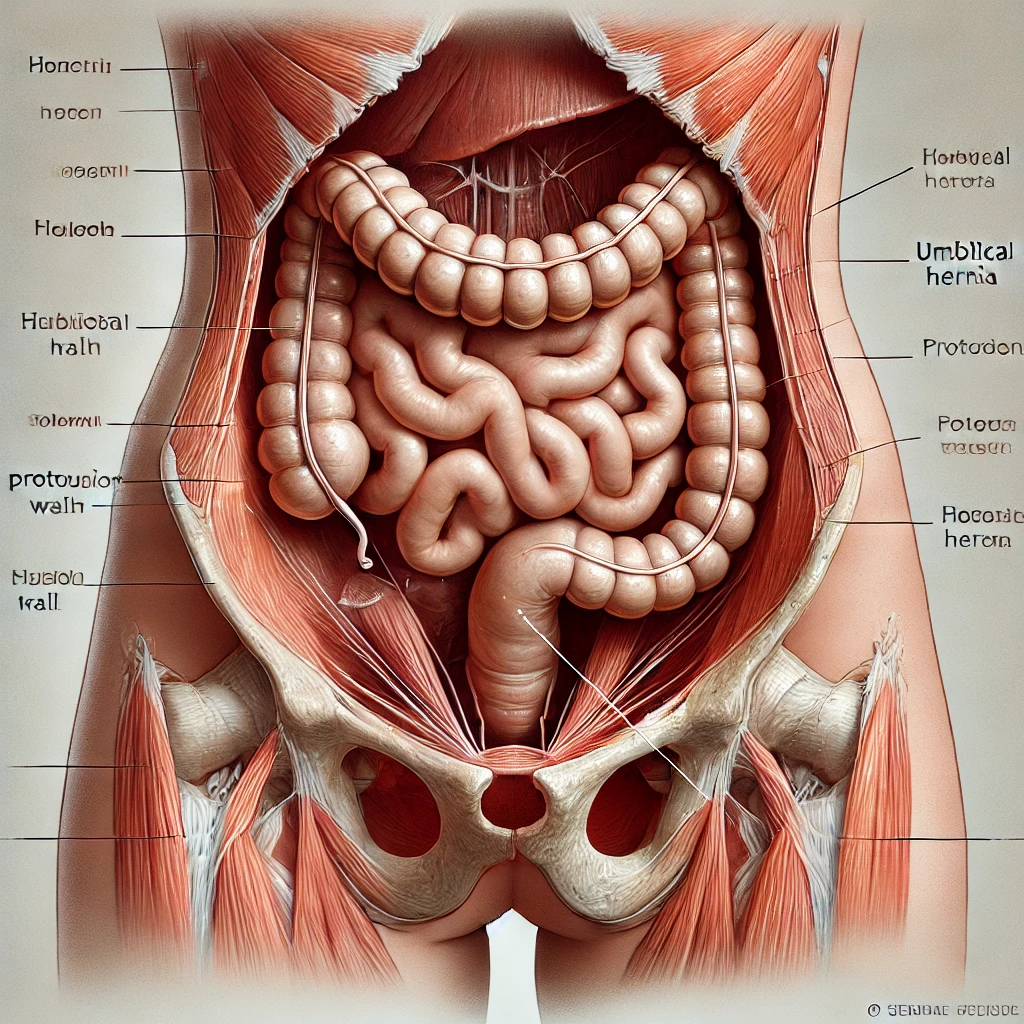
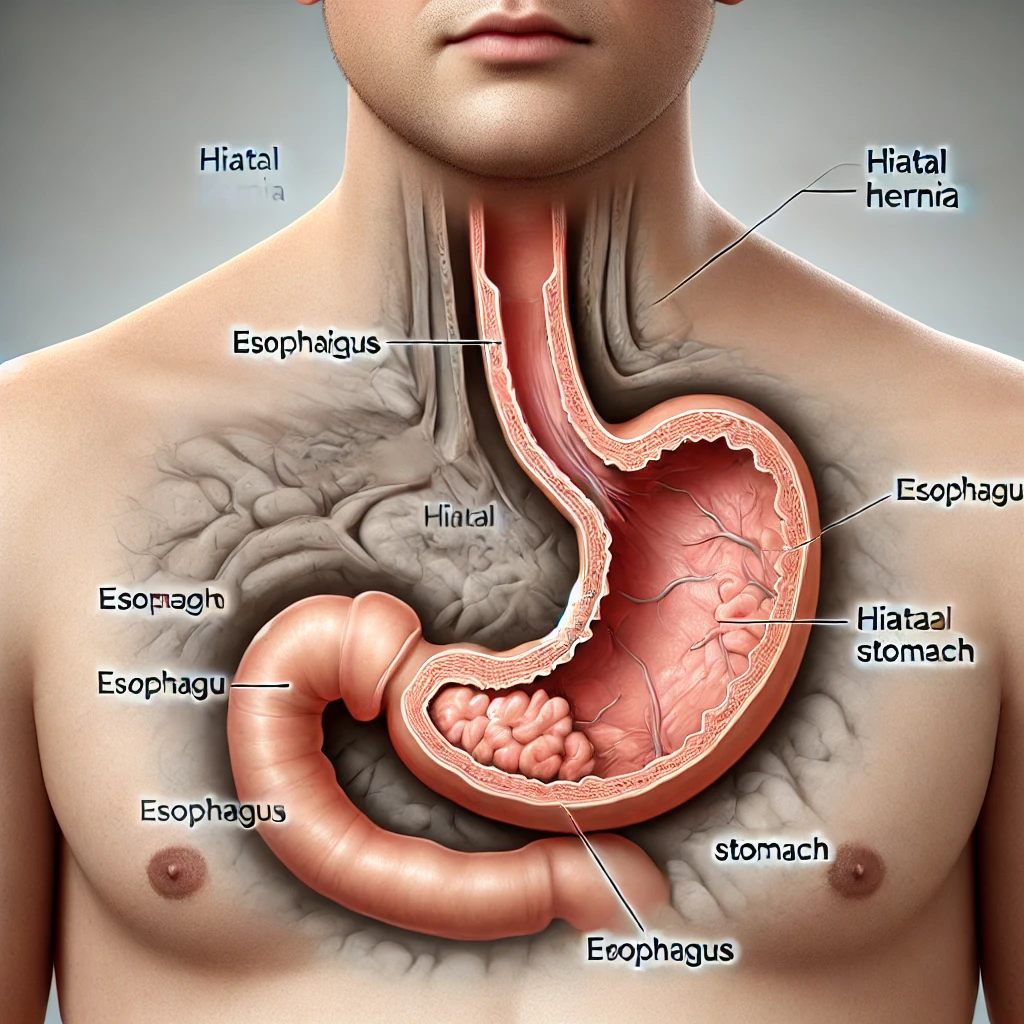
A hernia occurs when an organ or tissue pushes through a weak spot in the surrounding muscle or connective tissue. Hernias can develop in various parts of the body and require prompt medical attention. The main types include:
Inguinal Hernia: Found in the groin area, this is the most common type.
Umbilical Hernia: Occurs near the navel, often in infants or during pregnancy.
Incisional Hernia: Develops at the site of previous surgeries.
Hiatal Hernia: Involves the upper part of the stomach pushing into the chest cavity.
Treatment generally involves surgical intervention, either through open surgery or minimally invasive laparoscopic techniques.
Why Choose Indore for Hernia Repair?
Indore is home to some of India’s best medical facilities and renowned surgeons specializing in hernia repair. Patients from across the region and beyond travel to Indore for its advanced medical technology, affordable healthcare, and highly skilled professionals.
Benefits of choosing hernia repair experts in Indore include:
State-of-the-Art Facilities: Hospitals and clinics equipped with the latest surgical technologies.
Affordable Treatments: World-class medical care at a fraction of the cost compared to metropolitan cities.
Experienced Surgeons: Access to experts with decades of experience in hernia repair procedures.
Patient-Centered Care: Focus on individual needs, from diagnosis to post-operative recovery.
Hernia repair experts in Indore employ various techniques based on the type and severity of the hernia.
1. Open Hernia Repair Surgery
This traditional method involves making an incision to access the hernia and reinforce the muscle wall using stitches or a synthetic mesh.
2. Laparoscopic Surgery
A minimally invasive technique where small incisions are made, and a laparoscope is used to repair the hernia. Benefits include quicker recovery, less pain, and minimal scarring.
3. Robotic-Assisted Surgery
Some experts in Indore are trained in robotic-assisted techniques, offering even greater precision and reduced recovery times.
Top Hernia Repair Experts in Indore
1. Dr. Nikunj Jain
Dr. Nikunj Jain is a renowned Gastro & Minimal Access Laparoscopic Surgeon. He is a Surgical Gastroenterologist, Consultant Surgeon at Apollo Hospital, Indore having expertise in laparoscopic, Laser, and Robotic Surgery.
2. Dr. Achal Agrawal
As the director of Indore Laparoscopy Center, Dr. Achal Agrawal specializes in minimally invasive hernia surgeries. His clinic is equipped with advanced technology, ensuring accurate diagnoses and effective treatment plans.
3. Dr. Nilesh Dehariya
Dr. Nilesh Dehariya’s extensive experience in general and laparoscopic surgery has earned him a stellar reputation among patients. His focus on post-operative care sets him apart.
4. Dr. Pranav Mandovra
Known for his innovative approaches to hernia repair, Dr. Mandovra offers robotic-assisted surgeries for complex cases. His commitment to excellence is evident in his success rates and positive patient reviews.
5. Dr. Manish Khasgiwale
With over 30 years of experience, Dr. Khasgiwale has become a leading name in hernia treatment. His expertise spans all types of hernias, including inguinal, umbilical, and hiatal.
What are the symptoms of a hernia? Symptoms include a visible bulge, pain while lifting objects, and discomfort during physical activity.
Can hernias heal without surgery? No, hernias do not heal on their own. Surgery is the only effective treatment.
What is the recovery time for hernia repair? Recovery typically takes 1-2 weeks for laparoscopic surgery and 3-4 weeks for open surgery.
Is laparoscopic surgery safe for all types of hernias? Most hernias can be treated laparoscopically, but certain cases may require open surgery. Consult your surgeon for advice.
How do I prepare for hernia surgery? Follow your doctor’s pre-surgery instructions, which may include fasting and stopping certain medications.
Are hernia repairs covered by insurance? Yes, most health insurance policies cover hernia repair surgeries.
Conclusion
Indore offers a plethora of skilled hernia repair experts who combine experience, technology, and compassion to deliver excellent care. By choosing the right specialist, you can ensure a smooth recovery and a return to a pain-free life.
If you’re searching for the best hernia repair experts in Indore, this guide provides all the information you need to make an informed decision.
Hernias are a common health concern that can affect anyone, regardless of age or lifestyle. With advances in medical care, patients in Indore have access to world-class treatment options provided by some of the most skilled hernia specialists. Among these professionals, Dr. Nikunj Jain stands out as a leading expert in the field, delivering effective solutions with compassion and precision. This guide delves into the top hernia specialists in Indore, offering insights into their expertise, services, and why choosing the right specialist matters for your health.
Table of Contents
What is a Hernia?
A hernia occurs when an internal organ or tissue pushes through a weak spot in the surrounding muscle or connective tissue. Although often not life-threatening initially, hernias can lead to serious complications if left untreated. Common types include:
Inguinal Hernia: Found in the groin area.
Umbilical Hernia: Occurs near the belly button.
Hiatal Hernia: Affects the upper part of the stomach.
Femoral Hernia: Common in the outer groin area.
Symptoms may include:
A visible bulge or lump in the affected area.
Pain or discomfort, especially during physical activity.
A burning or aching sensation.
Digestive issues in cases like hiatal hernias.
Timely medical attention from a specialist is vital to address these conditions effectively.
The treatment of hernias requires not only medical expertise but also advanced surgical skills and access to modern technologies. Specialists are equipped to diagnose and treat hernias using minimally invasive methods, reducing recovery time and minimizing risks. In Indore, top hernia specialists like Dr. Nikunj Jain are recognized for their ability to deliver successful outcomes with personalized care.
Top Hernia Specialists Indore
Indore, a growing hub for medical excellence, is home to numerous highly qualified hernia specialists. Here’s a detailed look at the top professionals in the city, starting with the renowned Dr. Nikunj Jain.
Dr. Nikunj Jain: A Leader Among the Top Hernia Specialists Indore
Credentials and Experience
Dr. Nikunj Jain is a well-known name in the medical community, celebrated for his expertise in minimally invasive laparoscopic and robotic surgeries. With over a decade of experience, he has successfully treated countless hernia patients, providing them with relief and improved quality of life.
Specialized Expertise
Dr. Jain’s proficiency lies in handling complex hernia cases, including recurrent and large hernias. His use of cutting-edge techniques, such as laparoscopic and robotic-assisted surgeries, ensures quicker recovery with minimal pain or scarring.
Patient-Centered Approach
What sets Dr. Nikunj Jain apart is his empathetic approach to patient care. He takes the time to explain treatment options, involve patients in decision-making, and provide continuous support throughout the recovery journey.
Key Achievements
Fellowship in Minimal Access Surgery.
Over 1,000 successful hernia repairs.
Recognized for his innovations in laparoscopic techniques.
Patients across Indore and beyond highly recommend Dr. Nikunj Jain for his unmatched skill, professionalism, and dedication.
With over four decades of experience, Dr. Kothari is one of Indore’s senior-most surgeons specializing in hernia treatment. His extensive knowledge and compassionate care make him a trusted choice for many.
Dr. Amit Ganguly
A senior consultant in gastrointestinal surgery, Dr. Ganguly is well-known for managing complex hernia cases with precision. His patient-focused care and expertise in minimally invasive surgeries have earned him a stellar reputation.
Dr. Alok Somani
Dr. Somani, with 16 years of experience, is another leading name in hernia treatment in Indore. His dedication to offering personalized care and using advanced surgical methods sets him apart.
Modern Treatments for Hernias
Laparoscopic Hernia Surgery
Laparoscopic surgery is a minimally invasive procedure involving small incisions and the use of a laparoscope to guide the repair process. Specialists like Dr. Nikunj Jain excel in this technique, offering benefits such as:
Faster recovery times.
Reduced risk of infection.
Minimal scarring.
Robotic-Assisted Hernia Repair
Advanced robotic systems provide unmatched precision, making them an excellent choice for complex hernia repairs. Dr. Jain is among the pioneers in Indore to incorporate this cutting-edge technology into his practice.
Tension-Free Mesh Repair
This widely used technique involves placing a synthetic mesh over the weakened area to provide support, reducing the risk of recurrence.
How to Choose the Best Hernia Specialist in Indore
When selecting a hernia specialist, consider the following factors:
Experience and Credentials
Look for a specialist with extensive experience in hernia repairs and advanced certifications.
Patient Reviews and Recommendations
Testimonials from former patients can provide valuable insights into a doctor’s expertise and approach.
Availability of Advanced Techniques
Ensure the specialist is equipped with the latest surgical technologies for optimal treatment outcomes.
The Importance of Timely Treatment
Delaying treatment for a hernia can lead to complications such as obstruction or strangulation of the herniated tissue, which may require emergency surgery. By consulting a specialist early, patients can benefit from a planned and effective treatment approach.
What are the risks of untreated hernias? Untreated hernias can lead to severe complications, such as tissue strangulation or intestinal obstruction, requiring emergency surgical intervention.
How can I prevent hernias from recurring? Adhering to a healthy lifestyle, maintaining an appropriate weight, and following postoperative care instructions can significantly reduce the risk of recurrence.
Is laparoscopic surgery better than open surgery? Laparoscopic surgery offers several advantages, including smaller incisions, reduced pain, quicker recovery, and minimal scarring compared to open surgery.
What makes Dr. Nikunj Jain a top hernia specialist in Indore? Dr. Jain’s expertise in advanced laparoscopic and robotic techniques, combined with his patient-focused approach, has established him as a leader in hernia treatment in Indore.
How long does recovery take after hernia surgery? Recovery times vary depending on the type of surgery and the patient’s overall health. Laparoscopic and robotic procedures typically allow for faster recovery, often within 1–2 weeks.
Do all hernias require surgery? While some small, asymptomatic hernias may be managed conservatively, most require surgical intervention to prevent complications.
Conclusion
Indore is home to several highly qualified hernia specialists, but Dr. Nikunj Jain stands out as a top choice due to his expertise in advanced surgical techniques and his commitment to patient care. Whether you’re seeking treatment for a simple hernia or a complex case, consulting a skilled specialist is the first step toward recovery and improved quality of life.
By prioritizing timely treatment and choosing the right doctor, you can ensure the best possible outcomes for your health.
Indore, a prominent city in Madhya Pradesh, boasts a robust healthcare infrastructure, particularly in gastrointestinal (GI) surgery. Whether you’re dealing with digestive disorders or require specialized surgical interventions, understanding the landscape of GI surgeon consultation in Indore is crucial. This guide delves into the procedures, top surgeons, patient experiences, and essential considerations for GI consultations in the city.
Understanding GI Surgery
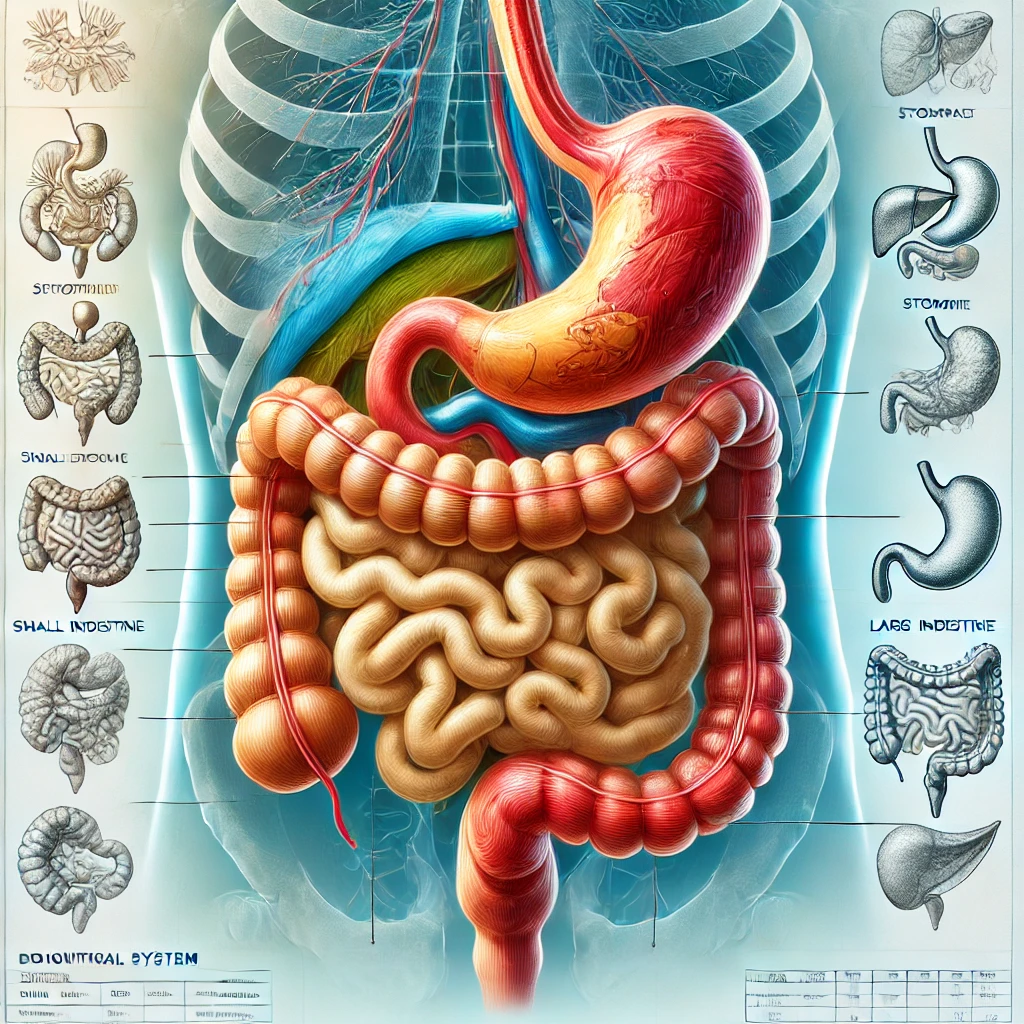
Gastrointestinal surgery encompasses procedures targeting the digestive system, including the esophagus, stomach, intestines, liver, gallbladder, and pancreas. Common conditions necessitating GI surgery include gallstones, hernias, appendicitis, colorectal cancer, and inflammatory bowel diseases. Consulting a GI surgeon in Indore can provide clarity on the appropriate treatment pathways for these conditions.
Table of Contents
When to Seek a GI Surgeon Consultation in Indore
Recognizing symptoms that warrant a GI surgeon consultation is vital. Persistent abdominal pain, unexplained weight loss, difficulty swallowing, chronic heartburn, and changes in bowel habits are indicators that professional evaluation is needed. Early consultation with a GI surgeon in Indore can lead to timely diagnosis and effective treatment.
Top GI Surgeons in Indore
Indore is home to several esteemed GI surgeons renowned for their expertise and patient care. Here are some notable specialists:
Dr. Nikunj Jain: Dr. Nikunj Jain is a renowned Gastro & Minimal Access Laparoscopic Surgeon. He is a Surgical Gastroenterologist, Consultant Surgeon at Apollo Hospital, Indore having expertise in laparoscopic, Laser, and Robotic Surgery.
Dr. Siddharth Jain: A surgical gastroenterologist with over 20 years in the field, Dr. Jain is known for his adept management of complex conditions such as hernias and colorectal cancer.
Dr. Harshal Shah: A renowned gastroenterologist, hepatologist, and endoscopist in Indore, Dr. Shah has performed over 10,000 endoscopies and 5,000 colonoscopies.
Dr. Amol Patil: Specializing in hepatology and advanced endoscopy procedures, Dr. Patil has trained several gastroenterologists and surgeons in endoscopic ultrasound.
Dr. Mohd. Talha Noor: With 15 years of experience, Dr. Noor is known for his patient-friendly approach and expertise in treating various gastrointestinal conditions.
GI surgeons in Indore perform a variety of procedures, including:
Laparoscopic Cholecystectomy: Removal of the gallbladder using minimally invasive techniques.
Hernia Repair: Surgical correction of hernias in various abdominal regions.
Appendectomy: Removal of an inflamed appendix.
Colectomy: Partial or complete removal of the colon, often for cancer or severe inflammatory conditions.
Gastrectomy: Removal of part or all of the stomach, typically for cancer treatment.
Cost of GI Surgeon Consultation in Indore
It’s advisable to confirm fees directly with the clinic or hospital.
Insurance and Payment Options
Many GI surgeons in Indore accept various insurance plans. It’s essential to verify with both your insurer and the healthcare provider to understand coverage specifics. Additionally, inquire about available payment options and any financial assistance programs.
Scheduling a GI Surgeon Consultation in Indore
Appointments can be scheduled through hospital websites, healthcare platforms, or by contacting clinics directly. Platforms like Practo and Apollo 24|7 facilitate online booking, offering convenience and flexibility.
Benefits of Consulting a GI Surgeon in Indore
Indore offers several advantages for GI surgery consultations:
Advanced Medical Facilities: The city houses state-of-the-art hospitals equipped with modern technology for accurate diagnosis and treatment.
Expertise: GI surgeons in Indore are trained in globally recognized institutions and bring a wealth of experience to patient care.
Cost-Effective Treatments: Compared to metropolitan cities, the cost of GI consultations and procedures in Indore is significantly lower.
Accessible Care: With numerous hospitals and clinics, scheduling an appointment is convenient and hassle-free.
Post-Surgical Care and Recovery
Post-surgical care is a crucial aspect of successful treatment. GI surgeons in Indore ensure that patients receive personalized recovery plans, which include:
Dietary Guidance: Tailored recommendations to facilitate healing and prevent complications.
Follow-Up Appointments: Regular check-ins to monitor recovery progress.
Physical Activity Guidelines: Advice on resuming normal activities while avoiding strain.
Emotional Support: Many hospitals offer counseling services to address anxiety or concerns during recovery.
FAQs
What does a GI surgeon treat? A GI surgeon specializes in diagnosing and treating disorders of the gastrointestinal tract, including the esophagus, stomach, intestines, liver, and pancreas.
How do I know if I need to see a GI surgeon in Indore? Symptoms like persistent abdominal pain, changes in bowel habits, unexplained weight loss, and chronic heartburn warrant a consultation.
Are GI surgeries in Indore expensive? Indore offers affordable GI surgery options compared to other major cities in India, without compromising on quality.
How can I prepare for a GI surgeon consultation? Compile your medical history, document symptoms, and prepare a list of questions to ensure a productive consultation.
What are minimally invasive GI surgeries? These are procedures performed using small incisions, resulting in faster recovery, reduced pain, and minimal scarring.
Is health insurance accepted for GI surgeries in Indore? Most hospitals and clinics in Indore accept insurance for GI surgeries. It’s advisable to confirm with your provider beforehand.
Conclusion
Choosing the right GI surgeon in Indore ensures access to quality healthcare tailored to your specific needs. With experienced professionals, modern facilities, and affordable care, the city is a leading destination for gastrointestinal treatments. Prioritize your health by scheduling a consultation with a trusted GI specialist today.
Indore, a rapidly growing city in India, is a prominent hub for advanced healthcare services, including gastrointestinal surgery services. With state-of-the-art facilities and experienced surgeons, the city caters to a wide range of digestive health concerns. Whether you’re dealing with common gastrointestinal issues or complex conditions, Indore provides cutting-edge solutions tailored to patient needs. In this detailed blog, we’ll explore everything you need to know about gastrointestinal surgery services in Indore.
Table of Contents
Understanding Gastrointestinal Surgery
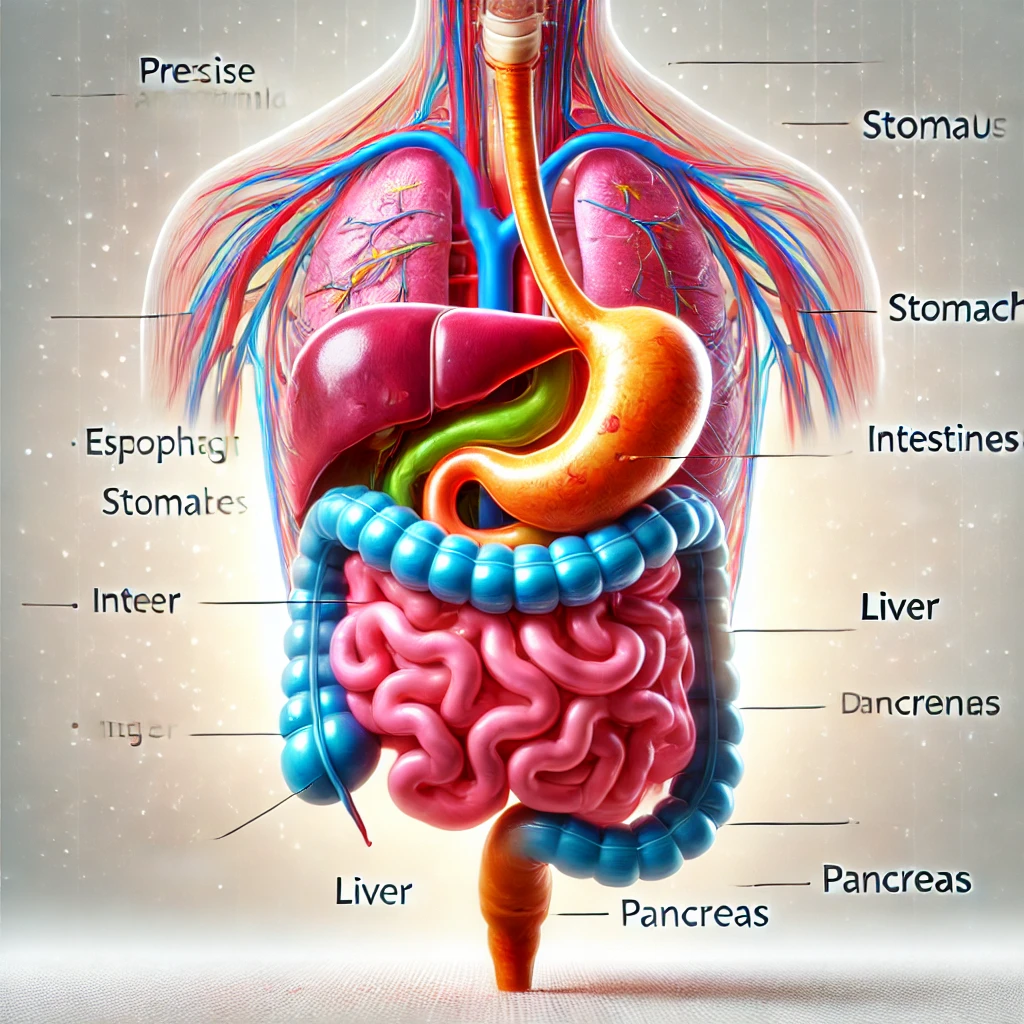
Gastrointestinal surgery focuses on diagnosing and treating diseases affecting the digestive system, including the stomach, intestines, esophagus, liver, pancreas, and rectum. These surgeries are designed to address conditions such as:
Acid reflux or GERD (Gastroesophageal Reflux Disease)
Gallstones and gallbladder diseases
Appendicitis
Colorectal cancer
Diverticulitis
Inflammatory Bowel Disease (IBD)
Liver diseases
Pancreatitis
Stomach and intestinal cancers
Surgical interventions can range from minimally invasive techniques like laparoscopic surgery to more complex open surgeries, depending on the patient’s condition.
Indore has earned a reputation as a center for excellence in healthcare, particularly in the field of gastrointestinal surgery. Here’s why:
Expert Surgeons: Indore boasts a pool of highly qualified and experienced gastrointestinal surgeons skilled in advanced techniques.
Modern Facilities: Hospitals in Indore are equipped with cutting-edge technology for diagnostics and surgery.
Affordable Healthcare: Compared to major metropolitan cities, gastrointestinal surgery services in Indore are cost-effective without compromising quality.
Comprehensive Care: From consultation to post-operative recovery, hospitals in Indore provide a seamless healthcare experience.
Minimally invasive techniques, like laparoscopic surgery, have transformed gastrointestinal care by offering smaller incisions, quicker recovery, and reduced post-operative pain. Common procedures include:
Indore has advanced oncology departments specializing in gastrointestinal cancer surgeries. Surgeons focus on removing tumors while preserving organ function. Common surgeries include:
Colectomy for colon cancer
Gastrectomy for stomach cancer
Whipple procedure for pancreatic cancer
3. Liver and Pancreatic Surgeries
Diseases like liver cirrhosis, tumors, and pancreatitis require specialized interventions. Hospitals in Indore are equipped for:
Liver resections
Pancreatic surgeries
Biliary tract surgeries
4. Endoscopic Procedures
For early diagnosis and treatment of gastrointestinal issues, endoscopic techniques are widely used. These include:
5. Treatment for Inflammatory Bowel Diseases (IBD)
Conditions like Crohn’s disease and ulcerative colitis often require surgical intervention. Hospitals in Indore offer procedures to alleviate symptoms and improve quality of life.
Leading Hospitals for Gastrointestinal Surgery Services in Indore
Indore is home to several reputed hospitals known for their excellence in gastrointestinal surgery:
1. Apollo Hospitals Indore
Focuses on a multidisciplinary approach to patient care.
Renowned for minimally invasive surgeries and oncology treatments.
2. Bombay Hospital
Offers comprehensive care for digestive diseases.
Known for its experienced surgical team and patient-centric approach.
3. Vishesh Jupiter Hospital
Provides specialized care for liver, pancreatic, and colorectal diseases.
Comprehensive Services: From diagnosis to rehabilitation, every stage is covered.
Preparing for Gastrointestinal Surgery
Before undergoing surgery, patients should:
Consult with a Specialist: Understand the procedure, risks, and recovery process.
Follow Pre-Operative Instructions: These may include fasting or avoiding certain medications.
Arrange for Post-Operative Care: Ensure you have support for recovery at home.
Post-Surgery Care and Recovery
Recovering from gastrointestinal surgery involves:
Adhering to Dietary Guidelines: Follow a diet prescribed by your doctor to promote healing.
Managing Pain: Take medications as prescribed and follow instructions for wound care.
Regular Follow-Ups: Attend all follow-up appointments to monitor recovery.
FAQs
What conditions are treated through gastrointestinal surgery?
Gastrointestinal surgery addresses conditions like GERD, gallstones, appendicitis, colorectal cancer, and inflammatory bowel diseases.
Are minimally invasive surgeries available in Indore?
Yes, many hospitals in Indore specialize in minimally invasive techniques like laparoscopic surgery for quicker recovery and reduced pain.
What is the cost of gastrointestinal surgery services in Indore?
The cost varies depending on the procedure and hospital but is generally more affordable compared to other metropolitan cities.
How do I choose the right surgeon in Indore?
Look for a surgeon’s qualifications, experience, patient reviews, and specialization in gastrointestinal procedures.
How long does it take to recover from gastrointestinal surgery?
Recovery times vary, with minimally invasive surgeries requiring a few weeks, while complex surgeries may take several months.
Is gastrointestinal surgery safe?
When performed by experienced surgeons, gastrointestinal surgery is safe and effective for treating various digestive disorders.
Conclusion
Indore has established itself as a trusted destination for gastrointestinal surgery services. With skilled surgeons, advanced medical facilities, and patient-focused care, the city provides top-notch healthcare for all digestive concerns. Whether you’re seeking minimally invasive procedures or complex cancer surgeries, Indore’s healthcare infrastructure ensures the best outcomes. Trust Indore for your gastrointestinal surgery needs, and take the first step toward better digestive health today.
Indore, a bustling city in Madhya Pradesh, is not just known for its cultural heritage but also for its rapidly evolving medical infrastructure. Among its medical facilities, GI surgery hospitals in Indore stand out for their advanced treatments, skilled professionals, and patient-centric care. These hospitals cater to a wide range of gastrointestinal (GI) issues, including surgeries for the stomach, intestines, liver, pancreas, and gallbladder.
If you’re searching for the best healthcare solutions for GI issues, this guide highlights some of the leading GI surgery hospitals in Indore, their specialties, and why they are trusted by patients across the region.
Why Choose GI Surgery Hospitals in Indore?
Indore’s healthcare facilities have made significant strides in GI surgery, offering:
State-of-the-art technology: Advanced diagnostic tools and minimally invasive surgical techniques.
Expert surgeons: Highly experienced GI specialists trained nationally and internationally.
Affordable healthcare: High-quality care at competitive prices compared to other metropolitan cities.
These factors make Indore a preferred destination for GI treatments.
CHL Hospitals is among the leading GI surgery hospitals in Indore, offering personalized care and a wide range of treatments.
Specialties: Hepatobiliary surgeries, advanced endoscopic procedures, and bariatric surgeries.
Highlights:
24/7 emergency services for gastrointestinal conditions.
Advanced diagnostic labs for accurate treatment planning.
Why Choose CHL? It’s a trusted name for delivering affordable and high-quality GI surgical care.
4. Kokilaben Dhirubhai Ambani Hospital
The Indore branch of this reputed hospital brings world-class expertise to gastrointestinal treatments.
Specialties: Advanced therapeutic endoscopy, GI oncology surgeries, and weight-loss surgeries.
Highlights:
Internationally trained specialists.
Cutting-edge endoscopic and laparoscopic facilities.
Why Choose Kokilaben Hospital? Patients commend its holistic approach and focus on minimally invasive techniques.
Common GI Surgeries Performed
GI surgery hospitals in Indore offer treatments for a range of conditions, including:
Gallbladder Removal (Cholecystectomy): For gallstones and other gallbladder issues.
Liver Surgery: For conditions like liver tumors and cirrhosis.
Pancreatic Surgery: Treating pancreatitis and pancreatic tumors.
Colorectal Surgery: Addressing colorectal cancer and inflammatory bowel disease (IBD).
Bariatric Surgery: Helping patients with obesity-related health issues.
What to Look for in a GI Surgery Hospital
Choosing the right GI surgery hospital is crucial for optimal outcomes. Consider:
Experienced Surgeons: Check the credentials and experience of the GI specialists.
Advanced Facilities: Look for hospitals equipped with the latest surgical tools and technology.
Comprehensive Care: Opt for institutions offering end-to-end services, from diagnosis to recovery.
Patient Reviews: Research online reviews to gauge the hospital’s reputation.
Benefits of Advanced GI Surgeries
Modern advancements in GI surgeries bring numerous benefits, including:
Reduced pain and faster recovery with minimally invasive techniques.
Higher precision in treating complex gastrointestinal disorders.
Enhanced quality of life post-surgery.
Hospitals in Indore leverage these advancements to provide world-class care.
FAQs
What are the most common GI surgeries performed in Indore? GI surgery hospitals in Indore frequently perform gallbladder removal, hernia repair, colorectal surgeries, and liver resections.
How do I choose the best GI surgery hospital in Indore? Research the hospital’s reputation, read patient reviews, and ensure the facility has experienced surgeons and modern technology.
Are GI surgeries in Indore affordable? Yes, GI surgeries in Indore are more affordable than in many metropolitan cities, offering excellent care at competitive rates.
Do hospitals in Indore offer laparoscopic GI surgeries? Yes, most top GI surgery hospitals in Indore specialize in minimally invasive laparoscopic surgeries.
What is the recovery time for GI surgeries? Recovery time varies based on the procedure. Minimally invasive surgeries usually have shorter recovery periods.
Can international patients access GI surgery in Indore? Yes, many hospitals in Indore provide services tailored to international patients, including medical visas and travel assistance.
Conclusion
GI surgery hospitals in Indore are setting new benchmarks in medical care with their advanced technology, skilled professionals, and patient-centric approach. Whether you need a routine procedure or a complex surgery, these hospitals ensure you receive world-class treatment with a focus on recovery and well-being.
When considering GI surgery, Indore’s hospitals provide an excellent combination of expertise, affordability, and care, making the city a trusted destination for gastrointestinal health.