Piles, also known as hemorrhoids, can significantly impact daily life, causing discomfort and pain. For residents of Indore, finding affordable and effective treatment options is crucial. This blog delves into the piles treatment cost in Indore, explores the available options, and highlights factors influencing the cost to help you make an informed decision.
Table of Contents
Understanding Piles and Their Symptoms
Piles are swollen veins in the rectal or anal area, classified into internal and external hemorrhoids. Symptoms often include:
Bleeding during bowel movements.
Itching or irritation in the anal region.
Pain or discomfort while sitting.
Swelling or lumps near the anus.
Early diagnosis and treatment are essential to prevent complications.
Factors Influencing Piles Treatment Cost in Indore
The cost of piles treatment varies depending on several factors, including:
Type of Treatment: Non-surgical methods like medication or minimally invasive procedures cost less than surgical interventions.
Severity of the Condition: Advanced stages may require more complex procedures, increasing the overall expense.
Choice of Hospital or Clinic: Private hospitals often charge more than government facilities.
Technology Used: Advanced techniques like laser surgery might cost more but offer quicker recovery.
Doctor’s Expertise: Highly experienced specialists may charge a premium for their services.
Indore offers a range of treatment options tailored to different budgets and preferences.
1. Medications and Lifestyle Changes
For mild cases, doctors often recommend:
Over-the-counter ointments and creams.
Oral medications to reduce inflammation.
Dietary adjustments, including high-fiber foods and increased water intake.
Cost Estimate: ₹500–₹2,000 per month.
2. Rubber Band Ligation
This minimally invasive procedure involves placing a rubber band around the base of the hemorrhoid to cut off its blood supply.
Advantages: Quick recovery, cost-effective.
Disadvantages: May require multiple sessions.
Cost Estimate: ₹5,000–₹15,000.
3. Sclerotherapy
In this method, a chemical solution is injected into the hemorrhoid to shrink it.
Advantages: Effective for internal hemorrhoids, minimal pain.
Disadvantages: May not work for larger piles.
Cost Estimate: ₹8,000–₹20,000.
4. Laser Surgery
Laser surgery is a modern and highly effective treatment for piles. It uses laser energy to shrink or remove hemorrhoids.
Advantages: Minimally invasive, less bleeding, quicker recovery.
Disadvantages: Higher cost compared to traditional surgery.
Cost Estimate: ₹25,000–₹50,000.
5. Hemorrhoidectomy
This surgical procedure is recommended for severe cases. It involves removing the hemorrhoidal tissue completely.
Advantages: Permanent solution, effective for advanced stages.
Disadvantages: Longer recovery time, requires hospitalization.
Cost Estimate: ₹30,000–₹70,000.
Government vs. Private Hospitals: Cost Comparison
Government Hospitals
Lower treatment costs due to subsidies.
May face longer waiting times and limited availability of advanced procedures.
Ideal for patients seeking budget-friendly options.
Cost Range: ₹5,000–₹20,000.
Private Hospitals and Clinics
Offer advanced facilities and shorter waiting periods.
Availability of modern treatments like laser surgery.
Personalized care and experienced specialists.
Cost Range: ₹15,000–₹70,000.
Health Insurance and Its Role in Reducing Costs
Health insurance can significantly reduce the financial burden of piles treatment. Many insurance policies cover procedures like laser surgery or hemorrhoidectomy.
Check with your provider about coverage details.
Opt for cashless treatment facilities for convenience.
What is the average cost of piles treatment in Indore? The cost typically ranges between ₹5,000 and ₹70,000, depending on the type and severity of treatment.
Is laser surgery for piles worth the cost? Yes, laser surgery is a safe, minimally invasive option with quicker recovery, justifying its higher cost.
Does insurance cover piles treatment in Indore? Many insurance providers cover piles treatment, but it’s essential to verify the details with your insurer.
Can piles be treated without surgery? Yes, mild cases can often be managed with medications, lifestyle changes, or minimally invasive procedures.
Are government hospitals in Indore reliable for piles treatment? Yes, they offer affordable and reliable treatment options, though advanced procedures may have limited availability.
How long does it take to recover from piles surgery? Recovery varies but typically ranges from 1–2 weeks for minimally invasive procedures and up to 4 weeks for traditional surgery.
Conclusion
Finding the right treatment for piles involves balancing cost, effectiveness, and personal comfort. With multiple affordable options for piles treatment cost in Indore, residents can access high-quality care tailored to their needs. Whether you opt for medication, laser surgery, or traditional methods, consulting an experienced specialist is crucial for effective relief and a speedy recovery.
Laparoscopic surgery, also known as minimally invasive surgery, has revolutionized healthcare by offering a less painful and quicker recovery option compared to traditional open surgeries. For individuals considering this advanced surgical option, understanding the advanced laparoscopy cost in Indore is crucial. Indore, a burgeoning medical hub, offers high-quality healthcare at competitive prices, making it a popular choice for both locals and medical tourists.
This blog will explore the factors affecting the cost, why Indore is a preferred destination, and how to find affordable yet high-quality care for laparoscopic procedures.
What is Advanced Laparoscopy?
Advanced laparoscopy is a surgical technique that uses a laparoscope—a small, tube-like device equipped with a camera—to perform surgeries with minimal incisions. It is widely used for procedures in gynecology, urology, general surgery, and more. Patients benefit from reduced pain, shorter hospital stays, and faster recovery.
Why Choose Indore for Advanced Laparoscopy?
Indore, a city known for its excellent medical infrastructure, boasts state-of-the-art hospitals and skilled surgeons specializing in advanced laparoscopy. Here’s why Indore is a top choice:
Affordable Healthcare: Advanced laparoscopy cost in Indore is significantly lower than in metropolitan cities like Mumbai or Delhi.
Expert Surgeons: Indore is home to internationally trained surgeons with vast experience in minimally invasive surgeries.
Advanced Facilities: Hospitals in Indore are equipped with cutting-edge technology, ensuring safe and effective procedures.
Accessibility: Indore is well-connected by air, rail, and road, making it a convenient destination for patients across India and abroad.
Each procedure has a unique cost structure depending on its complexity and duration.
2. Hospital and Infrastructure The cost varies across hospitals based on their facilities, accreditation, and location. Multi-specialty hospitals with advanced technology may charge higher fees compared to smaller clinics.
3. Surgeon’s Experience Highly experienced surgeons with a proven track record may charge a premium fee. However, their expertise often ensures a safer and more successful outcome.
4. Pre- and Post-Operative Care Pre-surgery diagnostics and post-surgery follow-ups add to the total cost. These typically include blood tests, imaging, and medications.
5. Insurance Coverage Patients with health insurance may find significant cost reductions, as many insurers cover laparoscopic procedures.
How Much Does Advanced Laparoscopy Cost in Indore?
The average cost of advanced laparoscopic surgery in Indore ranges from ₹40,000 to ₹1,50,000, depending on the factors mentioned above. For example:
Procedure
Estimated Cost (₹)
Gallbladder Surgery
40,000–70,000
Appendectomy
35,000–60,000
Hernia Repair
50,000–1,00,000
Bariatric Surgery
1,00,000–2,50,000
Gynecological Procedures
50,000–1,20,000
Tips to Find Affordable Solutions for Advanced Laparoscopy in Indore
1. Compare Hospitals: Research and compare costs across multiple hospitals. Many healthcare providers in Indore offer packages that include surgery, hospital stay, and medications.
2. Look for Medical Tourism Services: Medical tourism agencies can help international and out-of-town patients find affordable options without compromising on quality.
3. Utilize Insurance: Verify with your insurer if laparoscopic procedures are covered. Many hospitals in Indore have tie-ups with leading insurance providers.
4. Choose Government or Trust-Run Hospitals: For those on a tight budget, government hospitals or charitable trust-run facilities offer reliable care at subsidized rates.
5. Ask for Discounts or Payment Plans: Many private hospitals offer discounts or EMI payment options for patients who cannot pay upfront.
Advanced Laparoscopy Cost in Indore: The Bottom Line
Indore stands out as a cost-effective and reliable destination for advanced laparoscopic surgeries. By choosing Indore, patients can benefit from world-class healthcare without burning a hole in their pockets.
Whether you’re dealing with gallstones, hernias, or weight-related issues, advanced laparoscopy offers a safer and less invasive solution. Make sure to research and choose the right hospital and surgeon to ensure the best outcomes.
FAQs
What is the average cost of advanced laparoscopy in Indore? The cost typically ranges from ₹40,000 to ₹1,50,000, depending on the type of procedure, hospital, and other factors.
Does insurance cover laparoscopic surgery in Indore? Yes, most insurance providers cover laparoscopic procedures. Check with your insurer for details on coverage and exclusions.
How do I find the best laparoscopic surgeon in Indore? Look for surgeons with certifications in minimally invasive surgery, extensive experience, and good patient reviews.
Are laparoscopic procedures safe? Yes, laparoscopic surgery is generally safe and associated with fewer complications compared to open surgery. However, the outcome depends on the surgeon’s skill and the patient’s health condition.
How long is the recovery time for laparoscopic surgery? Most patients can return to normal activities within 1-2 weeks, but this varies based on the type of surgery.
Are there affordable options for international patients in Indore? Yes, many hospitals in Indore cater to international patients, offering affordable packages that include surgery, accommodation, and travel assistance.
Conclusion
Understanding the advanced laparoscopy cost in Indore can help patients make informed decisions about their healthcare. With its affordable pricing, expert surgeons, and world-class facilities, Indore has emerged as a top destination for minimally invasive surgeries. Take the time to explore your options and ensure that you receive the best care within your budget.
When it comes to weight loss surgery, choosing the right surgeon is a crucial step. If you’re in Indore and considering gastric bypass surgery, you’re in the right place. In this guide, we’ll explore everything you need to know about finding the top gastric bypass surgeon in Indore, why Dr. Nikunj Jain stands out as a leading expert, and what to expect from this transformative procedure.
Table of Contents
What Is Gastric Bypass Surgery?
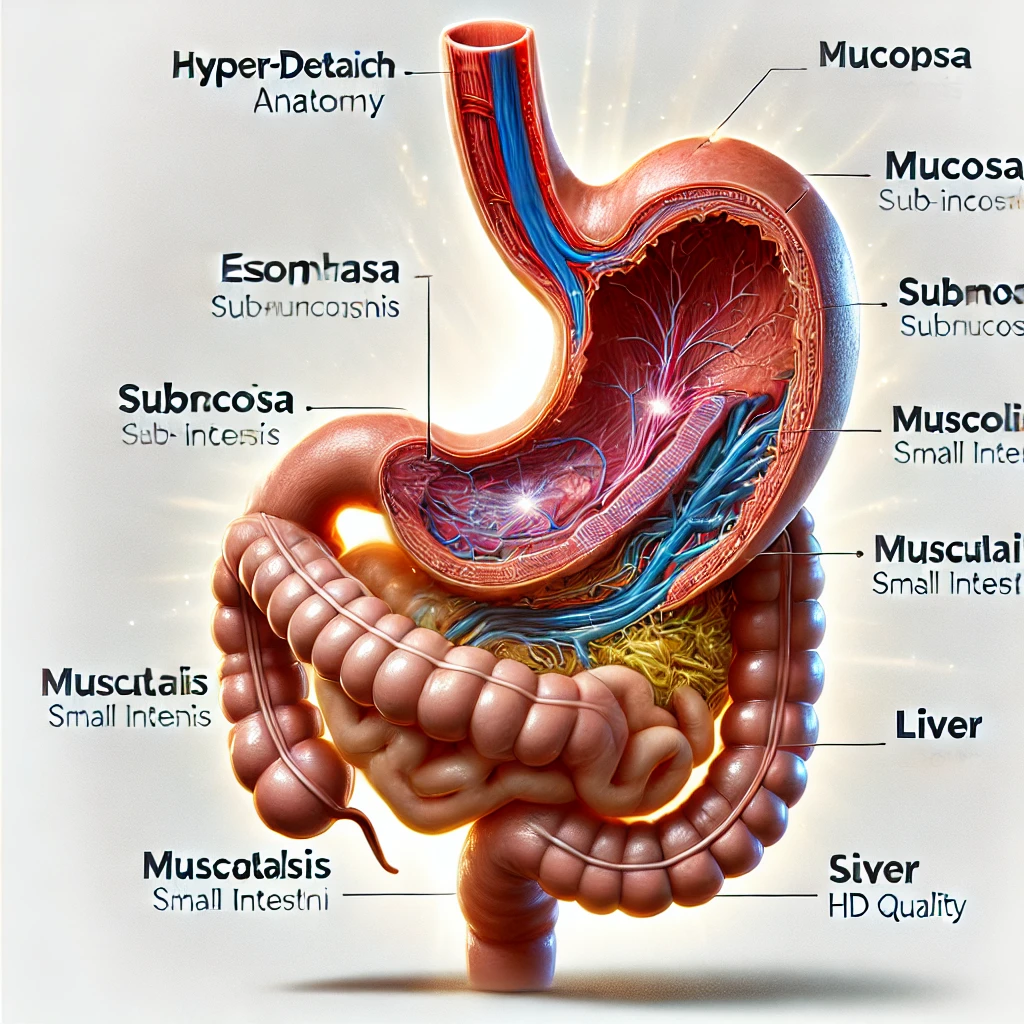
Gastric bypass surgery, also known as Roux-en-Y gastric bypass, is a type of bariatric surgery designed to help people with severe obesity lose weight. It works by:
Reducing the size of the stomach, which limits food intake.
Changing the way the small intestine absorbs nutrients, leading to significant weight loss.
This procedure is often recommended for individuals who have struggled with obesity and related health conditions despite diet and exercise.
Why Choose Indore for Gastric Bypass Surgery?
Indore has become a hub for advanced medical care, offering top-notch facilities, skilled surgeons, and affordable healthcare. People from across the region seek weight loss treatments in Indore due to its combination of quality care and cost-effectiveness.
Meet Dr. Nikunj Jain: The Top Gastric Bypass Surgeon in Indore
When discussing gastric bypass surgeons in Indore, one name consistently rises to the top: Dr. Nikunj Jain. Here’s why:
Expertise and Experience: With years of experience in bariatric and laparoscopic surgery, Dr. Jain has successfully performed hundreds of gastric bypass procedures.
Patient-Centered Approach: Known for his compassionate care, Dr. Jain takes the time to understand each patient’s unique needs and goals.
Advanced Techniques: Utilizing state-of-the-art technology, Dr. Jain ensures minimally invasive surgeries with faster recovery times.
Positive Outcomes: Patients frequently commend Dr. Jain for their successful weight loss journeys and improved quality of life.
Choosing gastric bypass surgery with the top gastric bypass surgeon in Indore can lead to:
Significant weight loss (up to 60-80% of excess weight).
Improvement or resolution of obesity-related conditions such as diabetes, hypertension, and sleep apnea.
Enhanced quality of life and self-confidence.
Why Dr. Nikunj Jain Is a Trusted Name
Patients frequently recommend Dr. Nikunj Jain for his:
Transparent communication.
Commitment to safety and patient well-being.
Proven track record of successful surgeries and satisfied patients.
FAQs
What is the cost of gastric bypass surgery in Indore? The cost varies depending on the hospital and surgeon, but it is generally more affordable compared to metropolitan cities.
Is gastric bypass surgery safe? Yes, when performed by an experienced surgeon like Dr. Nikunj Jain, the procedure is safe with a low complication rate.
How much weight can I lose with gastric bypass surgery? Most patients lose 60-80% of their excess weight within the first two years post-surgery.
Can I have children after gastric bypass surgery? Yes, but it’s recommended to wait at least 18-24 months after surgery before trying to conceive.
Will I need supplements after surgery? Yes, due to changes in nutrient absorption, lifelong vitamin and mineral supplements are necessary.
How soon can I return to work after surgery? Most patients can resume work within 2-3 weeks, depending on the nature of their job.
Conclusion
Finding the right surgeon is essential for a successful weight loss journey. With his expertise, patient-focused care, and excellent track record, Dr. Nikunj Jain is the leading choice for those seeking the best gastric bypass surgeon in Indore. If you’re ready to take the next step toward a healthier life, schedule a consultation with Dr. Nikunj Jain today.
Finding the best hernia surgeon in Indore can feel overwhelming, especially when searching for experienced professionals who prioritize your health and recovery. With numerous hernia surgery clinics in Indore and modern hernia treatment centers in Indore, understanding what sets the best apart is crucial. In this blog, we will explore why selecting the right surgeon matters, what makes Indore a hub for hernia treatment, and how to identify experienced hernia surgeons for your needs.
Table of Contents
Why Choose a Specialist for Hernia Surgery?
Hernias can lead to serious complications if not treated promptly. Opting for the best hernia surgeon in Indore ensures:
Precise Diagnosis: Specialists identify the exact nature and severity of the hernia.
Advanced Techniques: Access to minimally invasive methods such as laparoscopic surgery.
Quicker Recovery: Skilled surgeons help reduce downtime and post-surgery discomfort.
Indore is known for its excellent medical infrastructure, boasting several hernia surgery clinics equipped with state-of-the-art technology. Here’s why patients from across India seek treatment in Indore:
Top-Notch Facilities: From diagnostic tools to advanced surgical suites, Indore’s hernia treatment centers are well-equipped.
Experienced Surgeons: The city is home to highly skilled and experienced hernia surgeons, offering both open and laparoscopic surgery.
Affordable Care: Patients can access world-class treatment at a fraction of the cost compared to metro cities.
Indore is home to numerous hernia surgery clinics renowned for their high success rates and advanced care. These clinics typically offer:
Comprehensive diagnostic services.
Treatment for all types of hernias, including inguinal, umbilical, and incisional hernias.
Post-surgery rehabilitation programs to ensure a swift recovery.
Hernia Treatment Centers in Indore: What to Expect?
At hernia treatment centers in Indore, you can expect:
Personalized Treatment Plans: Customized care plans tailored to individual patient needs.
Advanced Surgical Options: Access to laparoscopic and open hernia repair techniques.
Pre- and Post-Surgical Care: Comprehensive support to ensure seamless recovery.
How to Choose the Best Hernia Surgeon in Indore?
Here are some steps to help you make an informed decision:
Check Credentials: Verify the surgeon’s qualifications and certifications.
Read Reviews: Look for testimonials from previous patients.
Evaluate Facilities: Ensure the clinic or treatment center is equipped with modern tools.
Discuss Techniques: Ask about the type of surgery they specialize in—laparoscopic, robotic, or open surgery.
Why Laparoscopic Surgery is a Popular Choice
Laparoscopic surgery is becoming the gold standard for hernia repair due to its benefits, including:
Minimal scarring and reduced pain.
Shorter hospital stays and quicker recovery times.
Lower risk of complications.
Indore’s experienced hernia surgeons are highly skilled in performing this advanced procedure, making it a preferred choice for many patients.
Experienced Hernia Surgeons in Indore: Setting the Benchmark
With decades of experience, many surgeons in Indore have gained a reputation for their expertise and compassionate care. They use the latest techniques to deliver successful outcomes, prioritizing patient safety and comfort.
FAQs
Who is the best hernia surgeon in Indore? Several highly skilled surgeons are available in Indore. Choosing one depends on your specific needs, the complexity of your hernia, and the surgeon’s experience.
What are the top hernia surgery clinics in Indore? Indore boasts several renowned clinics equipped with advanced facilities. Look for clinics offering personalized care and laparoscopic surgery options.
How much does hernia surgery cost in Indore? The cost varies depending on the type of surgery (laparoscopic or open) and the clinic. However, Indore offers cost-effective treatment compared to larger cities.
What are the symptoms of a hernia? Common symptoms include a noticeable bulge, discomfort or pain, and difficulty lifting heavy objects. Consult a specialist if you experience these symptoms.
Is laparoscopic surgery better than open surgery for hernia repair? Laparoscopic surgery is less invasive, leading to quicker recovery times and minimal scarring, making it a preferred option for many patients.
Are there any risks associated with hernia surgery? While hernia surgery is generally safe, potential risks include infection, recurrence, and anesthesia complications. Opting for an experienced surgeon minimizes these risks.
Conclusion
Selecting the best hernia surgeon in Indore can make all the difference in ensuring a smooth and successful recovery. With top-notch hernia surgery clinics in Indore and cutting-edge hernia treatment centers, the city offers unparalleled care for hernia repair. Whether you need laparoscopic or open surgery, the experienced hernia surgeons in Indore provide expert solutions tailored to your needs.
Achieving a healthy weight is not merely about appearances—it’s a cornerstone of overall well-being. Weight management is a complex journey that involves diet, exercise, mental health, and, often, expert guidance. If you’re looking for weight management specialists in Indore, you’re in the right place. This guide provides an in-depth look at the services, expertise, and methodologies of leading specialists in the city to help you embark on a healthier lifestyle.
Table of Contents
Why Consult a Weight Management Specialist?
Managing weight effectively can be daunting, especially with the plethora of information and fad diets circulating online. Here’s why consulting a specialist can make all the difference:
Personalized Solutions: Specialists tailor their approach to your unique body type, medical history, and goals.
Scientific Methods: They use evidence-based techniques, avoiding quick-fix diets that can harm your health.
Holistic Care: Many specialists focus on mental health, lifestyle changes, and sustainable habits.
Medical Supervision: For those with conditions like PCOS, diabetes, or thyroid disorders, medical oversight is critical.
Indore boasts a growing number of qualified weight management specialists, each offering unique services to meet diverse needs.
What Do Weight Management Specialists Offer?
The services provided by weight management specialists in Indore are designed to ensure long-term success. Here’s what you can expect:
Diet Planning and Nutritional Counseling: Customized meal plans that suit your lifestyle, preferences, and health goals.
Exercise and Fitness Regimens: Personalized fitness plans for weight loss, strength building, and overall health.
Medical Interventions: For extreme cases, options like bariatric surgery or medication might be considered under expert supervision.
Lifestyle Coaching: Strategies for stress management, sleep improvement, and behavioral changes.
Specialized Programs for Conditions: Tailored plans for managing diabetes, hypertension, thyroid issues, and other health concerns.
Dr. Nikunj Jain is a globally recognized expert in bariatric surgery. He leads a multidisciplinary team that offers comprehensive weight management services.
This clinic focuses on natural weight loss through balanced diets and lifestyle changes.
Specialties: Personalized diet plans, weight loss programs, and management of chronic conditions.
Contact Information: +91 99938 88547
3. Kolors Healthcare
Kolors Healthcare offers non-invasive weight management treatments for safe and effective results.
Unique Features: Advanced techniques like Lipo Gel and Cryomatic therapies.
Address: Vijay Nagar, Indore.
Success Stories: Real-Life Transformations
Indore residents who consulted specialists have shared remarkable success stories. Many individuals have not only achieved their target weight but also improved their energy levels, mental health, and overall quality of life.
Frequently Asked Questions
What qualifications should I look for in a weight management specialist? Look for certifications in dietetics, nutrition, or bariatric surgery. Additionally, ensure they have experience dealing with cases similar to yours.
Are the services of weight management specialists in Indore expensive? Costs vary depending on the specialist and the services provided. Many offer affordable packages tailored to different budgets.
How long does it take to see results? This depends on the individual’s goals and adherence to the specialist’s plan. On average, noticeable changes can occur within 6–8 weeks.
What is the role of a weight management specialist? A weight management specialist designs personalized plans involving diet, exercise, and lifestyle changes to help individuals achieve and maintain a healthy weight. They also address underlying medical conditions, if any, that impact weight.
Do weight management specialists in Indore offer online consultations? Yes, many specialists in Indore provide online consultations, making it convenient for those who cannot visit clinics in person. Always check with the clinic or specialist to confirm availability.
Can a weight management specialist help with post-pregnancy weight loss? Absolutely. Specialists often create tailored programs for postpartum women to safely lose weight while maintaining energy levels and ensuring proper nutrition for breastfeeding.
Conclusion
Indore is home to a variety of highly qualified weight management specialists who offer personalized, science-backed solutions to help you achieve your health goals. From expert nutritionists to world-renowned bariatric surgeons, the city has options for everyone. Remember, the journey to better health starts with a single step—choose the right specialist and embrace sustainable change today.