Bariatric surgery has emerged as a transformative option for individuals struggling with obesity. In Indore, this life-changing procedure is gaining traction due to the expertise of renowned specialists like Dr. Nikunj Jain. With high success rates and improved patient outcomes, bariatric surgery offers a pathway to better health and a renewed lifestyle. If you’re considering this procedure, here’s a comprehensive guide to everything you need to know about Bariatric Surgery Success Rates in Indore.
Table of Contents
What is Bariatric Surgery?
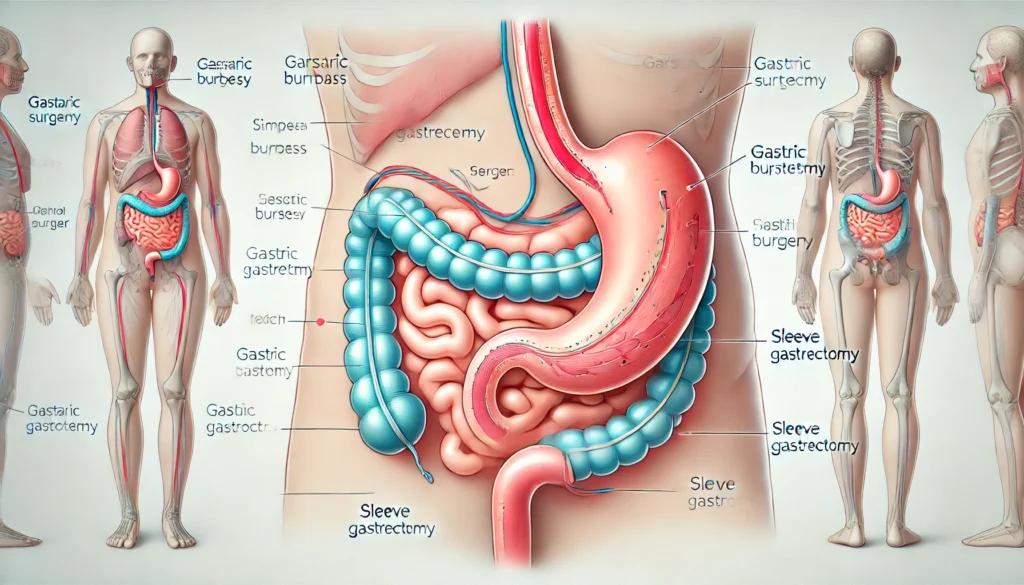
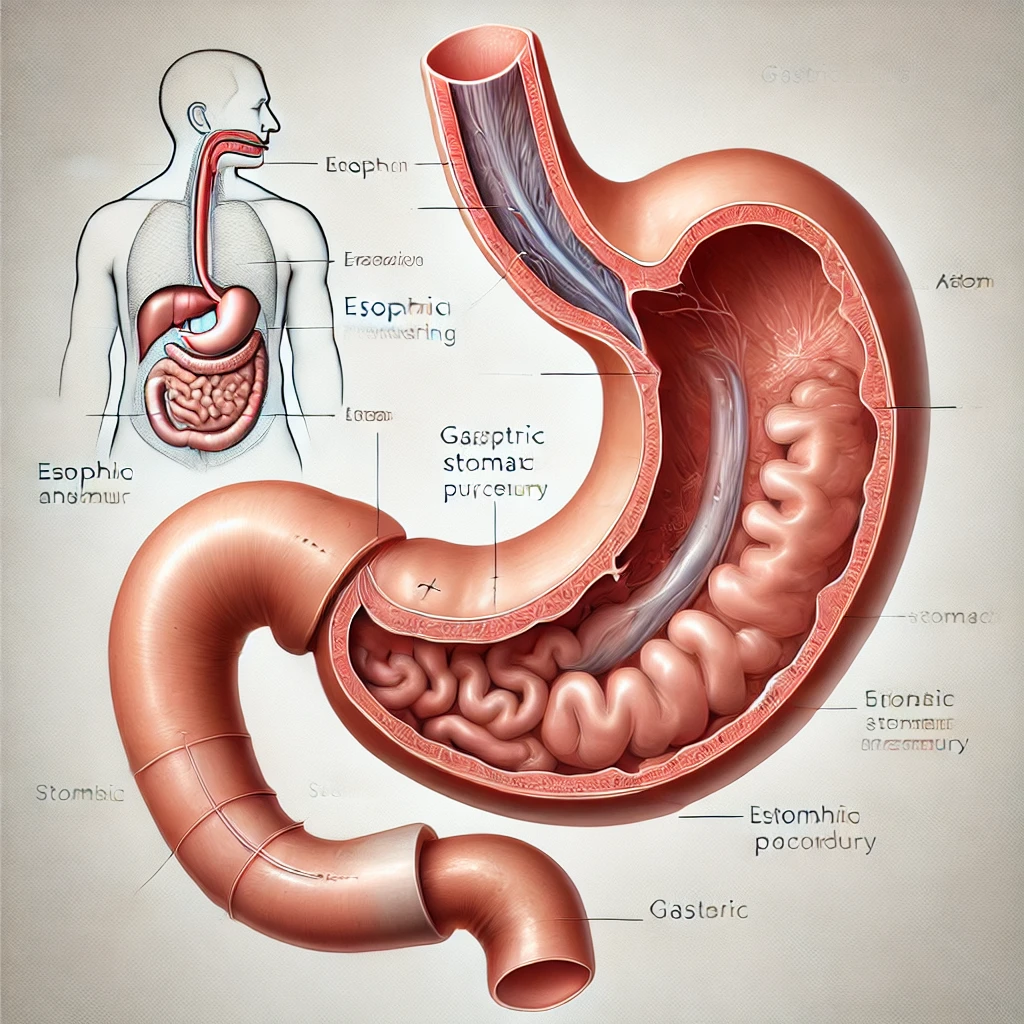
Bariatric surgery refers to a set of surgical procedures designed to assist individuals in losing weight by altering the digestive system. Common types include:
Gastric Bypass: Reduces stomach size and reroutes the digestive tract.
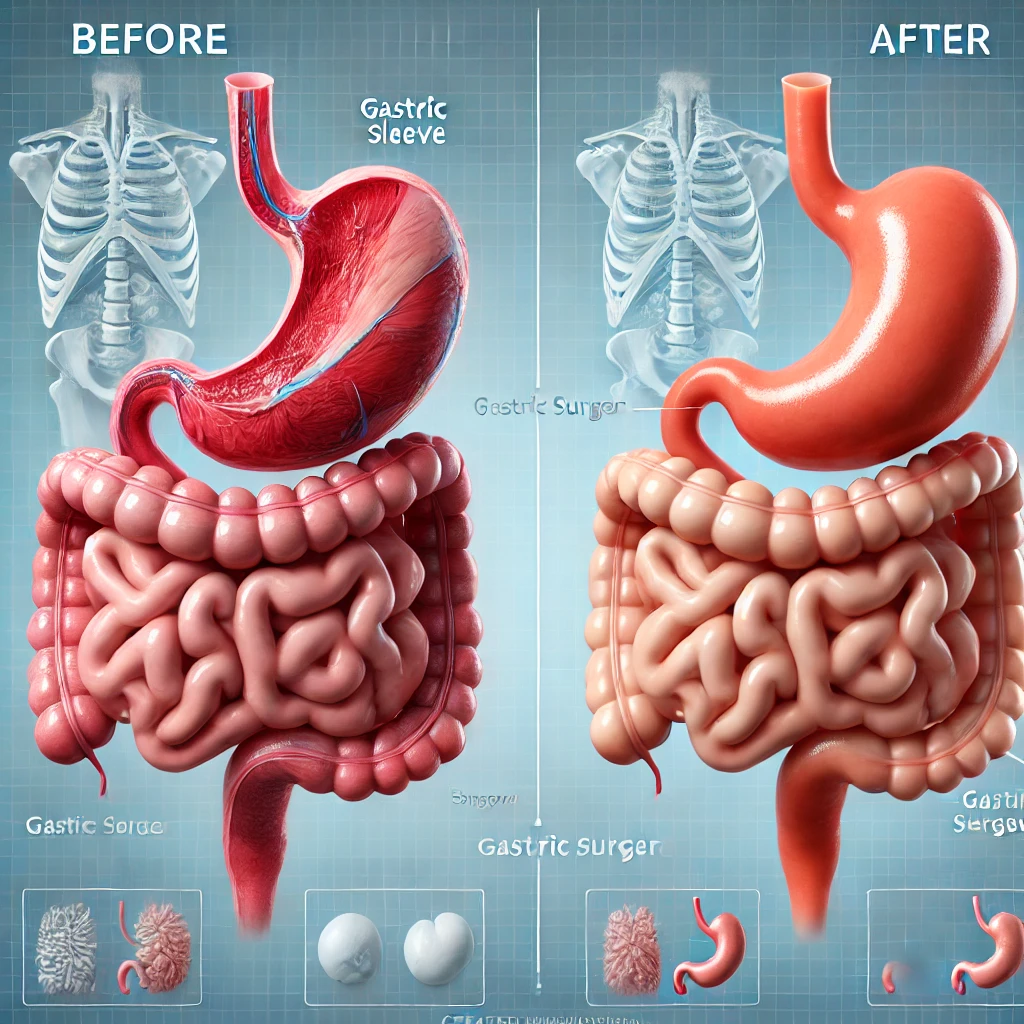
Sleeve Gastrectomy: Removes a portion of the stomach to limit food intake.
Adjustable Gastric Banding: Places a band around the stomach to control portion sizes.
Biliopancreatic Diversion with Duodenal Switch (BPD/DS): Combines restriction and malabsorption techniques.
Each of these procedures aims to help patients achieve long-term weight loss, mitigate obesity-related health conditions, and improve their quality of life.
Why Indore is Emerging as a Hub for Bariatric Surgery
Indore, known for its advanced healthcare infrastructure and skilled surgeons, is becoming a go-to destination for bariatric surgery. The city’s blend of affordability, modern medical facilities, and accessibility makes it an ideal choice for patients.
Specialists like Dr. Nikunj Jain, recognized as one of the top bariatric surgeons in Indore, have further boosted the city’s reputation. Dr. Jain’s expertise, coupled with personalized care, has led to remarkable success rates and patient satisfaction.
Bariatric Surgery Success Rates in Indore
Bariatric surgery success is often measured by weight loss, health improvements, and quality of life enhancements. In Indore, success rates mirror global benchmarks, largely due to advancements in surgical techniques and the proficiency of specialists like Dr. Nikunj Jain.
Key Factors Contributing to Success:
Experienced Surgeons: Indore boasts highly skilled bariatric specialists with years of expertise.
Modern Technology: State-of-the-art facilities and minimally invasive techniques enhance outcomes.
Comprehensive Pre- and Post-Surgery Care: Nutritional counseling, psychological support, and regular follow-ups are integral to success.
When discussing Bariatric Surgery Success Rates in Indore, Dr. Nikunj Jain is a name that stands out. With a stellar track record, he has performed hundreds of successful surgeries, enabling patients to regain control of their health.
Why Choose Dr. Nikunj Jain?
Experience: Years of expertise in advanced bariatric procedures.
Patient-Centric Care: Individualized treatment plans tailored to unique patient needs.
Proven Results: High success rates and glowing patient testimonials.
Whether you’re looking for a second opinion or ready to start your weight-loss journey, Dr. Jain’s clinic is a trusted destination for bariatric solutions.
Benefits of Bariatric Surgery
Patients undergoing bariatric surgery in Indore report significant improvements in:
Weight Loss: Patients can lose 50-70% of their excess weight within a year.
Health Conditions: Conditions like Type 2 diabetes, sleep apnea, and hypertension often improve or resolve completely.
Quality of Life: Enhanced mobility, improved mental health, and increased self-confidence.
Bariatric surgery isn’t for everyone. It is typically recommended for individuals:
With a BMI (Body Mass Index) of 40 or higher.
With a BMI of 35-39.9 and obesity-related health conditions.
Who have tried non-surgical weight-loss methods without success.
Dr. Nikunj Jain conducts thorough evaluations to determine if bariatric surgery is the right option for you.
Cost of Bariatric Surgery in Indore
One of the reasons Indore is attracting patients is the affordability of bariatric procedures. While costs vary based on the type of surgery and hospital facilities, they are significantly lower compared to metropolitan cities or international destinations.
Preparing for Bariatric Surgery
Pre-surgery preparation is critical to success. Steps include:
Medical Evaluation: A comprehensive health check-up to assess suitability.
Nutritional Counseling: Learning new dietary habits for post-surgery life.
Lifestyle Changes: Incorporating exercise and mental health support.
Dr. Nikunj Jain and his team guide patients through every stage of preparation, ensuring a smooth transition to surgery.
Post-Surgery Recovery and Maintenance
Recovery after bariatric surgery requires commitment and support. Here’s what to expect:
Dietary Changes: Gradual progression from liquids to solids under professional guidance.
Physical Activity: Light exercise to aid recovery and maintain weight loss.
Regular Follow-Ups: Monitoring progress and addressing any complications.
Patients under Dr. Nikunj Jain’s care benefit from comprehensive post-operative support, contributing to long-term success.
FAQs
What is the average recovery time after bariatric surgery? Recovery times vary, but most patients can resume normal activities within 2-4 weeks.
How soon will I see weight loss results? Significant weight loss is typically observed within the first 6-12 months.
Are there risks associated with bariatric surgery? As with any surgery, there are risks. However, choosing an experienced surgeon like Dr. Nikunj Jain minimizes complications.
Can bariatric surgery cure diabetes? Many patients experience remission of Type 2 diabetes after surgery, though results vary.
How much does bariatric surgery cost in Indore? Costs range from ₹2.5 to ₹5 lakh, depending on the procedure and hospital.
Do I need lifelong follow-ups after bariatric surgery? Yes, regular check-ups are essential to monitor progress and maintain health.
Conclusion
Bariatric surgery is a life-changing procedure with proven success in Indore. With top specialists like Dr. Nikunj Jain, state-of-the-art facilities, and comprehensive care, the city offers unmatched opportunities for individuals seeking to transform their health.
If you’re ready to take the first step towards a healthier life, consult with Dr. Nikunj Jain to explore your options and join the growing number of patients who have achieved remarkable success.
Gastric sleeve surgery has emerged as a highly effective solution for those battling obesity, offering a new lease on life through healthier weight management. Fortunately, Indore boasts some of the finest bariatric experts, including the renowned Dr. Nikunj Jain, known for his exceptional skill and patient-centric approach. Let’s explore why Indore is a hub for advanced bariatric care and highlight the best Gastric Sleeve Specialists in Indore. If you’re considering this transformative procedure in Indore, finding a specialist who combines expertise with personalized care is essential.
Table of Contents
What is Gastric Sleeve Surgery?
Gastric sleeve surgery, or sleeve gastrectomy, involves reducing the stomach’s size to about 15% of its original volume. This minimally invasive bariatric procedure helps patients achieve significant weight loss by limiting food intake and suppressing hunger hormones. It’s a game-changer for individuals struggling with obesity-related conditions like diabetes, high blood pressure, and sleep apnea.
Why Choose Indore for Gastric Sleeve Surgery?
Indore has rapidly gained recognition as a leading destination for advanced medical care, including bariatric surgery. With state-of-the-art hospitals, experienced surgeons, and cost-effective treatments, the city offers world-class healthcare solutions. Patients can expect:
Comprehensive pre- and post-operative care
Access to cutting-edge technology
Highly skilled and certified bariatric specialists
Meet Dr. Nikunj Jain: A Leading Gastric Sleeve Specialist in Indore
When it comes to gastric sleeve specialists in Indore, Dr. Nikunj Jain stands out as a trusted name in the field of bariatric care. With years of experience and a stellar track record, Dr. Jain has helped countless patients transform their lives.
What Sets Dr. Nikunj Jain Apart?
Expertise: Extensive training in minimally invasive bariatric surgeries.
Patient-Centric Approach: Focus on tailored treatment plans based on individual needs.
Comprehensive Care: From initial consultations to follow-up, Dr. Jain ensures a smooth recovery journey.
Affiliations: Associated with leading hospitals in Indore, equipped with state-of-the-art facilities.
Benefits of Choosing a Specialist for Gastric Sleeve Surgery
Opting for an experienced specialist ensures:
Minimized Risk: Expertise in handling complications.
Better Outcomes: Precise techniques for optimal weight loss.
Personalized Care: Treatment plans tailored to your health goals.
Faster Recovery: Use of advanced minimally invasive procedures.
What to Expect During Your Gastric Sleeve Journey
1. Initial Consultation
Your journey begins with a detailed consultation where the specialist evaluates your medical history, lifestyle, and weight-loss goals.
2. Pre-Surgical Preparation
Before surgery, patients may need to:
Follow a specific diet to shrink the liver.
Undergo routine tests for fitness evaluation.
3. The Procedure
The surgery typically takes 1-2 hours, performed laparoscopically for minimal scarring and quicker recovery.
4. Post-Surgery Care
Regular follow-ups to monitor progress.
Nutritional guidance for sustainable weight loss.
Support groups to stay motivated.
FAQs
What makes gastric sleeve surgery effective for weight loss? Gastric sleeve surgery reduces stomach size, helping control hunger and portion sizes, leading to significant and sustainable weight loss.
Why should I choose Dr. Nikunj Jain for gastric sleeve surgery in Indore? Dr. Jain combines extensive expertise with a compassionate approach, ensuring safe and successful outcomes for his patients.
How long does it take to recover from gastric sleeve surgery? Most patients return to normal activities within 2-4 weeks, with complete recovery taking about six weeks.
Are there any risks associated with gastric sleeve surgery? As with any surgery, risks exist, but choosing an experienced specialist like Dr. Nikunj Jain minimizes complications significantly.
What lifestyle changes are necessary after gastric sleeve surgery? Post-surgery, patients must adopt a healthy diet, regular exercise, and attend follow-ups for long-term success.
Is gastric sleeve surgery covered by insurance in Indore? Some insurance plans may cover bariatric surgery. Check with your provider or consult your specialist for assistance.
Conclusion
If you’re considering gastric sleeve surgery to reclaim your health and vitality, Indore offers some of the best options for expert care. With specialists like Dr. Nikunj Jain leading the way, you can trust in skilled hands to guide your transformation journey. Take the first step today towards a healthier, happier life by consulting with a top gastric sleeve specialist in Indore.
Are you considering a transformative journey toward better health? Opting for a weight loss surgery consultation is a significant step that requires expert guidance. If you’re searching for the Top Weight Loss Surgery Consultation in Indore, look no further than Dr. Nikunj Jain. With years of experience and a commitment to patient care, Dr. Jain offers personalized consultations to help you make informed decisions about your weight loss goals.
In this comprehensive guide, we’ll explore everything you need to know about weight loss surgery consultations, the benefits of choosing Dr. Nikunj Jain, and how to prepare for your consultation journey.
Table of Contents
Why Choose Weight Loss Surgery?
Weight loss surgery, also known as bariatric surgery, is an effective solution for individuals struggling with obesity and related health issues. It can lead to significant weight loss, improved quality of life, and the resolution of health problems like diabetes, hypertension, and sleep apnea.
Significant Weight Loss: Achieve and maintain a healthier weight.
Improved Health: Lower risk of obesity-related conditions.
Enhanced Mobility: Enjoy a more active lifestyle.
Boosted Confidence: Feel better about your appearance and well-being.
If you’re in Indore, consulting a trusted expert like Dr. Nikunj Jain ensures you receive the best advice and care tailored to your needs.
What to Expect from a Weight Loss Surgery Consultation in Indore
A weight loss surgery consultation helps assess your eligibility, understand your options, and create a personalized treatment plan. Here’s what happens during the consultation process:
1. Medical Assessment
The process begins with a thorough evaluation of your medical history, weight trends, and existing health conditions.
2. Discussion of Surgical Options
Dr. Nikunj Jain explains various bariatric procedures, such as gastric bypass, sleeve gastrectomy, and adjustable gastric banding, and helps you choose the most suitable option.
3. Lifestyle and Dietary Recommendations
You’ll receive guidance on lifestyle changes, dietary habits, and exercise routines to prepare for surgery and ensure long-term success.
4. Pre-Surgery Preparation
A detailed plan is developed to prepare your body for surgery, which may include specific tests, dietary adjustments, and psychological counseling.
Dr. Nikunj Jain is a renowned expert in bariatric surgery with a stellar reputation in Indore. His patient-centric approach, advanced techniques, and extensive experience make him a trusted name for Weight Loss Surgery Consultation in Indore.
Key Highlights of Dr. Nikunj Jain’s Services
Comprehensive Care: From consultation to post-operative support, Dr. Jain offers end-to-end services.
Personalized Approach: Each patient receives a tailored treatment plan.
Advanced Techniques: Dr. Jain stays updated with the latest advancements in bariatric surgery.
Positive Patient Outcomes: Numerous success stories testify to his expertise and compassionate care.
How to Prepare for Your Weight Loss Surgery Consultation
Preparing for your consultation ensures you get the most out of the session. Here’s how:
1. Gather Medical Records
Bring details about your medical history, previous surgeries, and medications.
2. List Your Questions
Prepare questions about the surgery, recovery, and long-term lifestyle changes.
3. Understand Your Goals
Be clear about your weight loss and health improvement goals.
4. Be Honest About Your Habits
Share accurate information about your diet, exercise, and lifestyle habits to help Dr. Nikunj Jain design the best plan for you.
FAQs About Weight Loss Surgery Consultation in Indore
What is the cost of weight loss surgery in Indore? The cost varies based on the type of surgery and hospital. Dr. Nikunj Jain provides transparent pricing during your consultation.
Am I eligible for bariatric surgery? Eligibility depends on factors like BMI, health conditions, and previous weight loss attempts. Dr. Jain will assess your suitability during the consultation.
How long does the recovery process take? Most patients return to normal activities within 4–6 weeks, but this can vary.
Are there any risks involved? As with any surgery, risks exist, but Dr. Nikunj Jain’s expertise ensures they are minimized.
Do I need to follow a special diet after surgery? Yes, a specific post-surgery diet is crucial for recovery and long-term success.
How do I book a consultation with Dr. Nikunj Jain? You can book a consultation by contacting his clinic in Indore.
Conclusion
Choosing weight loss surgery is a life-changing decision, and finding the right consultation is crucial. Dr. Nikunj Jain’s expertise in Weight Loss Surgery Consultation in Indore ensures you are guided every step of the way, from initial assessments to post-operative care. Take the first step toward a healthier and happier life by booking your consultation today.
Start your journey to better health with Dr. Nikunj Jain, the top expert for Weight Loss Surgery Consultation in Indore. Your transformation awaits!
Losing weight doesn’t have to mean crash diets or exhausting workouts. Instead, embracing sustainable and 10 Effective Lifestyle Changes to Lose Weight Naturally!. By focusing on long-term habits, you can not only shed those extra pounds but also maintain a healthier and happier lifestyle.
Table of Contents
Introduction
Losing weight naturally doesn’t mean giving up all your favorite foods or spending hours in the gym. It’s about making small, consistent changes to your daily habits. These changes, when implemented effectively, can lead to sustainable weight loss and a healthier life. Let’s explore ten practical lifestyle changes to help you lose weight naturally without sacrificing your overall well-being.
Adopt a Balanced Diet
Eating a balanced diet is crucial for natural weight loss. Focus on incorporating whole, nutrient-dense foods such as fruits, vegetables, lean proteins, and healthy fats into your meals. Reduce processed foods, refined sugars, and high-calorie snacks.
Key Tips:
Opt for home-cooked meals to control ingredients and portion sizes.
Drinking enough water can significantly impact your weight loss journey. Often, thirst is mistaken for hunger, leading to unnecessary calorie intake. Staying hydrated helps control appetite and boosts your metabolism.
Key Tips:
Drink a glass of water before meals to prevent overeating.
Replace sugary beverages with plain water or herbal teas.
Mindful eating emphasizes being present during meals and understanding your body’s hunger cues. This can prevent overeating and foster a healthier relationship with food.
Key Tips:
Eat slowly and chew your food thoroughly.
Avoid distractions like TV or smartphones while eating.
Stop eating when you feel comfortably full, not stuffed.
While you don’t need to hit the gym daily, incorporating regular physical activity is essential for weight loss. Activities like walking, cycling, swimming, or yoga can help burn calories and improve overall health.
Key Tips:
Choose activities you enjoy to stay consistent.
Start with 30 minutes of exercise, five days a week.
Gradually increase intensity as your fitness level improves.
Prioritize Sleep
Poor sleep can disrupt your metabolism and increase cravings for high-calorie foods. Quality sleep is a vital component of any weight loss plan.
Key Tips:
Aim for 7-9 hours of sleep per night.
Establish a consistent sleep schedule.
Limit screen time before bed to improve sleep quality.
Reduce Stress Levels
Chronic stress can lead to emotional eating and weight gain. Managing stress through healthy outlets can make a significant difference in your weight loss journey.
Key Tips:
Practice relaxation techniques like meditation or deep breathing.
Engage in hobbies or activities that bring joy.
Spend time with supportive friends and family.
Cut Back on Added Sugars
Excess sugar is a significant contributor to weight gain. Reducing your intake of sugary snacks, desserts, and beverages can help you lose weight naturally.
Key Tips:
Read food labels to identify hidden sugars.
Replace sugary treats with fresh fruit.
Limit or eliminate sugary sodas and energy drinks.
Build a Consistent Routine
Consistency is the key to success when adopting lifestyle changes. Developing a daily routine can help reinforce positive habits and eliminate temptations.
Key Tips:
Plan your meals and snacks ahead of time.
Schedule regular exercise sessions.
Set achievable goals and track your progress.
Focus on Protein-Rich Foods
Protein is essential for building muscle and maintaining satiety. Including high-protein foods in your meals can help reduce cravings and boost metabolism.
Key Tips:
Add eggs, chicken, tofu, or legumes to your diet.
Opt for protein-rich snacks like nuts or Greek yogurt.
Distribute protein intake evenly throughout the day.
Limit Alcohol Consumption
Alcohol can be a hidden source of empty calories and reduce your motivation to stick to healthy habits. Moderation is key if you’re trying to lose weight naturally.
Key Tips:
Choose lower-calorie alcoholic drinks.
Alternate alcoholic beverages with water.
Set limits for your weekly alcohol intake.
Conclusion
Losing weight naturally is achievable by incorporating simple yet effective lifestyle changes into your routine. From eating mindfully and staying hydrated to prioritizing sleep and managing stress, these changes can lead to long-term success. Remember, consistency and patience are essential. Start small, celebrate your progress, and enjoy the journey to a healthier you.
FAQs
What is the best diet for natural weight loss? A balanced diet rich in whole foods like fruits, vegetables, lean proteins, and healthy fats is best for natural weight loss.
Can I lose weight without exercising? Yes, weight loss is possible by focusing on diet changes, but regular physical activity enhances results and overall health.
How does stress affect weight loss? Stress triggers hormonal changes that can lead to cravings and emotional eating, hindering weight loss efforts.
Is it okay to snack while trying to lose weight? Yes, snacking on nutrient-dense foods like nuts, fruits, or yogurt can help manage hunger and prevent overeating during meals.
How much water should I drink to lose weight? Aim for at least 8-10 glasses of water daily to stay hydrated and support weight loss.
What is the role of sleep in weight loss? Adequate sleep regulates hunger hormones and reduces cravings, making it easier to stick to healthy habits.
A hernia can disrupt your daily life and, if left untreated, may lead to complications. Seeking the right medical care is essential for a full recovery. If you’re in Indore and need expert guidance, booking a hernia specialist appointment in Indore can be your first step toward better health. In this blog, we’ll explore why specialized care is crucial, how to find the right doctor, and what to expect during the treatment journey.
Table of Contents
What Is a Hernia and Why Does It Require Immediate Attention?
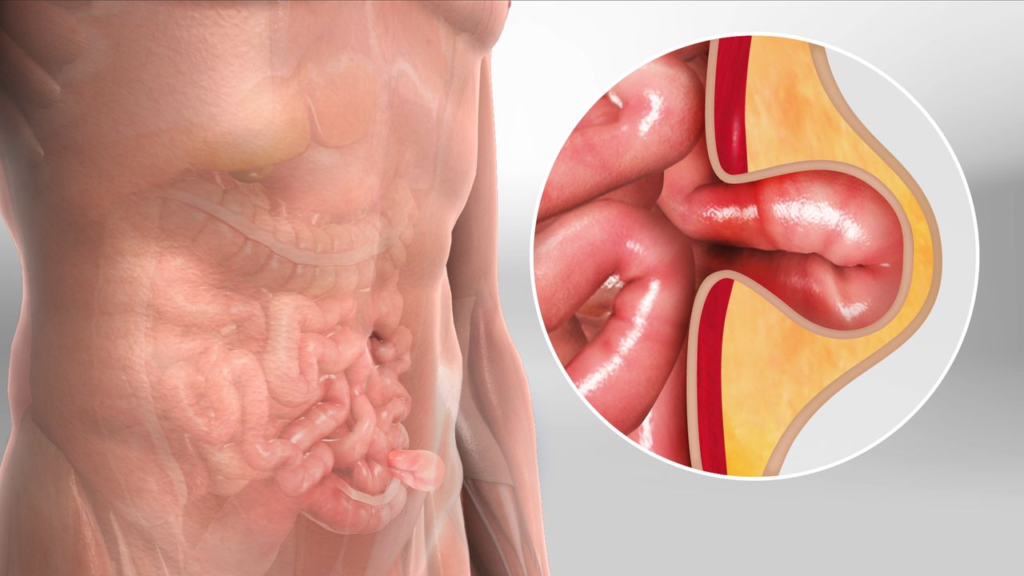
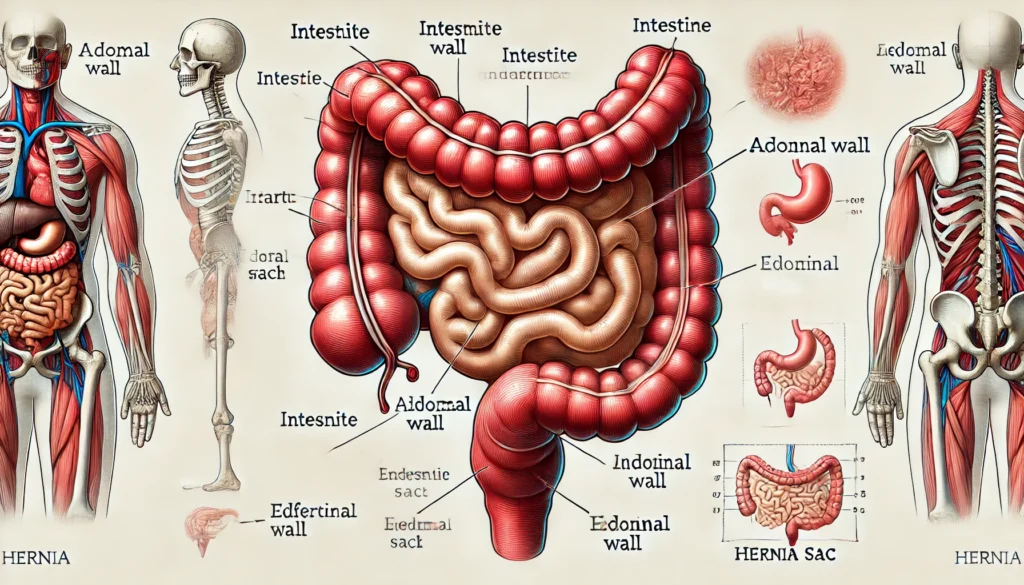
A hernia occurs when an internal organ or tissue pushes through a weak spot in a muscle or connective tissue. While it might start as a minor inconvenience, untreated hernias can worsen over time, leading to severe discomfort or even emergencies.
Some common types of hernias include:
Inguinal Hernia: Found in the groin area, more common in men.
Umbilical Hernia: Occurs near the belly button, often in infants or pregnant women.
Hiatal Hernia: Located in the upper stomach area, causing acid reflux.
Indore boasts a range of highly qualified specialists who offer world-class care. Whether you need surgical or non-surgical intervention, consulting a hernia expert ensures personalized and effective treatment.
Advantages of Consulting a Specialist:
Accurate Diagnosis: Specialists use advanced diagnostic tools to identify the type and severity of your hernia.
Tailored Treatment Plans: From lifestyle changes to surgery, your treatment will be customized to suit your condition.
Minimally Invasive Options: Many specialists in Indore offer laparoscopic surgery, which involves smaller incisions and faster recovery.
Post-Surgical Care: A dedicated follow-up plan helps ensure long-term recovery and reduces the risk of recurrence.
Steps to Book a Hernia Specialist Appointment in Indore
Booking a hernia specialist appointment is simple and hassle-free. Here’s how to get started:
1. Research the Best Hernia Specialists in Indore
Start by looking for experienced professionals with a strong reputation. Online reviews, hospital affiliations, and word-of-mouth recommendations are valuable resources.
2. Check Credentials and Expertise
Verify the doctor’s qualifications, years of experience, and specializations. Look for certifications in general or laparoscopic surgery.
3. Utilize Online Appointment Platforms
Many hospitals and clinics in Indore offer online booking systems. Websites and apps can help you compare doctors, check availability, and book appointments in just a few clicks.
4. Prepare for Your Consultation
Before your appointment, jot down your symptoms, questions, and any previous medical history. This helps your specialist provide a thorough evaluation.
Top Clinic and Hospital for Hernia Treatment in Indore
If you’re searching for reliable healthcare facilities in Indore, consider these options for specialized hernia care:
Apollo Hospitals: Provides comprehensive care and customized treatment plans.
Tips for Managing Hernia Symptoms Before Your Appointment
While waiting for your appointment, follow these tips to manage symptoms and avoid worsening the condition:
Avoid lifting heavy objects.
Maintain a healthy weight to reduce abdominal pressure.
Use over-the-counter pain relievers if needed.
Elevate your upper body while sleeping to relieve discomfort (for hiatal hernias).
FAQs
What are the warning signs of a hernia? Look out for swelling or a bulge in the abdomen or groin, pain during physical activity, or persistent discomfort in the affected area.
Can a hernia heal on its own? No, hernias typically don’t heal without treatment. In some cases, surgery is necessary for a complete cure.
How much does hernia surgery cost in Indore? Costs vary depending on the hospital and procedure. Laparoscopic surgeries tend to be more expensive but offer faster recovery.
Is laparoscopic hernia surgery safe? Yes, it’s a safe and effective method performed by skilled specialists. It also involves minimal scarring and faster recovery.
How long does recovery take after hernia surgery? Recovery can take 2-6 weeks, depending on the type of surgery and your overall health.
Can I exercise after hernia surgery? Light exercises are usually permitted after a few weeks. However, consult your doctor for a personalized recovery plan.
Conclusion
Booking a hernia specialist appointment in Indore is the first step toward reclaiming your health and quality of life. With the availability of top-notch specialists and advanced treatment options, you can rest assured that expert care is just around the corner. Don’t delay—prioritize your health today by scheduling an appointment with a trusted hernia specialist in Indore.