Polycystic ovary syndrome (PCOS), now known as Polyendocrine Metabolic Ovarian Syndrome (PMOS) can affect periods, hormones, weight and fertility. For women managing PCOS becomes harder when obesity and insulin resistance are also present. Dr. Nikunj Jain, best bariatric surgeon in Indore, explains that bariatric surgery may be considered for selected patients when lifestyle changes and medical treatment have not produced lasting weight loss. It is not a cure for PCOS but meaningful weight reduction can improve several problems linked with PCOS.
Connection Between Obesity and PCOS
PCOS is a condition that affects hormones and metabolism. Women with PCOS may experience periods, difficulty with ovulation, acne, unwanted facial hair, hair thinning and weight gain. Insulin resistance is also common in women with PCOS. This means the body does not use insulin efficiently which may increase hunger, encourage storage and make weight loss harder.PCOS can be a condition that needs to be managed.
Obesity can further increase insulin resistance and disturb hormone balance in women with PCOS. This may create a cycle in which PCOS contributes to weight gain while excess weight makes PCOS symptoms more troublesome. Even modest weight loss can support metabolic health but some women with severe obesity struggle to maintain results through diet and exercise alone. Women with PCOS need to find a way to break this cycle.
What Is Bariatric Surgery?
Bariatric surgery, also called weight loss surgery, includes procedures that help patients eat lesser portions and change the way the body controls hunger, fullness and blood sugar. Common options include sleeve gastrectomy and gastric bypass. Bariatric surgery is a treatment for obesity and related health concerns, not simply a cosmetic procedure. A good bariatric surgeon evaluates body mass index, existing illnesses, previous weight loss attempts, eating habits and overall fitness before recommending surgery. The suitable procedure may differ for each patient with PCOS.
How Can Bariatric Surgery Support Women With PCOS?
The main benefit of bariatric surgery is significant and more sustainable weight loss in appropriately selected patients with PCOS. As weight reduces insulin, sensitivity may improve in women with PCOS and better insulin control can also support a hormone balance in women with PCOS.
Many women with PCOS notice that their menstrual cycles become more regular after weight loss. Ovulation may improve, which can increase the possibility of conception when fertility has been affected by obesity and PCOS. Some patients with PCOS may also see improvement in acne, excess hair growth and other signs related to androgen levels.
Pcos may still require treatment from a gynaecologist or endocrinologist. Bariatric surgery does not replace medical care for PCOS. The surgery may also improve obesity-related conditions such as type 2 diabetes, high blood pressure, fatty liver disease, sleep apnoea and unhealthy cholesterol levels in women with PCOS. These benefits can support long-term health beyond PCOS management.
Who May Be Considered for Surgery?
Bariatric surgery may be considered for women with PCOS who:
Have severe obesity.
Have weight-related health problems.
Have not achieved lasting results through supervised diet, exercise or medical treatment.
Have completed the required blood tests and nutritional assessments.
Have discussed future pregnancy plans with their doctor.
Are ready to follow long-term dietary guidance.
Are willing to exercise regularly.
Can take prescribed vitamins and supplements consistently.
Are committed to attending regular medical follow-ups.
Understand that surgery supports weight loss but does not replace healthy habits.
Are prepared to make long-term lifestyle changes.
PCOS alone is not a reason for bariatric surgery. The decision depends on the patient’s overall health, weight, medical conditions and readiness to maintain healthier habits.
Pregnancy Planning After Bariatric Surgery
Fertility can improve sooner than expected after surgery for women with PCOS. Women with PCOS who do not wish to become pregnant immediately should discuss contraception with their doctor.Pregnancy is usually delayed for 12 to 24 months during the rapid weight loss period for women with PCOS. This gives the body time to reach a stable weight and improve nutritional levels.Before trying to conceive patients with PCOS should consult their surgeon and gynaecologist. Iron, vitamin B12, folate, calcium, vitamin D and other nutrients may need monitoring before and during pregnancy for women with PCOS.
How Bariatric Surgery Supports Long-Term Weight Loss in Women with PCOS
Surgery can provide powerful support but long-term success depends on daily habits for women with PCOS. Patients with PCOS need meals, adequate protein, regular physical activity, good sleep and scheduled follow-ups.
Emotional support can also be valuable during changes in eating patterns and body image for women with PCOS. Family support, counselling and regular communication with the team can make the journey easier for women with PCOS.
For women living with obesity and PCOS the goal is not a lower number on the weighing scale. The larger aim is metabolic health, improved confidence and a reduced risk of future illness for women with PCOS.
Conclusion
Bariatric surgery may help selected women with PCOS break the cycle between obesity, insulin resistance and PCOS. It can support weight loss, improve health and may make periods and ovulation more regular but it should never be treated as a guaranteed cure for PCOS. A detailed consultation with Dr. Nikunj Jain, best obesity doctor in Indore, can help patients with PCOS understand their eligibility, suitable surgical options, possible risks and the long-term care needed for lasting results for women with PCOS.
FAQ’s
Q1. Can bariatric surgery completely cure PCOS?
Bariatric surgery does not directly cure PCOS. However, significant weight loss may improve insulin resistance, menstrual irregularities, hormonal imbalance and other symptoms associated with PCOS.
Q2. How can bariatric surgery help women with PCOS?
Bariatric surgery may support significant weight loss and improve insulin sensitivity in women with PCOS. These changes may help regulate menstrual cycles, support ovulation, improve metabolic health and reduce some symptoms linked with hormonal imbalance.
Q3. Can weight loss surgery improve irregular periods?
Many women experience more regular menstrual cycles after losing significant weight. However, the results can differ depending on hormonal health, age and other medical conditions.
Q4. Can bariatric surgery improve fertility in women with PCOS?
Weight loss after surgery may improve ovulation and fertility in some women. Pregnancy is not guaranteed, and patients should continue consulting their gynaecologist or fertility specialist.
Q5. When can I plan pregnancy after bariatric surgery?
Doctors generally recommend delaying pregnancy for approximately 12 to 24 months after bariatric surgery. This allows rapid weight loss to slow down and nutritional levels to become stable.
Q6. Which bariatric procedure is suitable for women with PCOS?
Sleeve gastrectomy and gastric bypass are commonly performed procedures. The appropriate option depends on BMI, eating habits, health conditions, nutritional needs and the surgeon’s evaluation.
Q7. Is every woman with obesity and PCOS eligible for surgery?
No. Eligibility depends on BMI, obesity-related illnesses, previous weight loss efforts, overall health and readiness to follow long-term lifestyle changes.
Q8. Will I still need PCOS medicines after bariatric surgery?
Some women may need fewer medicines as their weight and metabolic health improve. Medicines should never be stopped without consulting the doctor who prescribed them.
Q9. Where can I get a bariatric surgery consultation in Indore?
Patients looking for bariatric surgery and obesity treatment in Indore can consult Dr. Nikunj Jain for a detailed evaluation, treatment planning and guidance about long-term follow-up.
Q10. What lifestyle changes are required after bariatric surgery?
Patients must eat smaller balanced meals, consume adequate protein, exercise regularly, take prescribed supplements and attend follow-up appointments. These habits are important for maintaining weight loss and preventing nutritional deficiencies.
Obesity is a problem that goes beyond just weight; it is a serious medical issue that can affect almost every part of the body. For people who are struggling with severe obesity, bariatric surgery is an effective and long-term solution. According to Dr. Nikunj Jain, best bariatric surgeon in Indore, many people delay surgery for years because they are afraid or they do not have the right information or they think that diet and exercise will work on their own. While it is good to make lifestyle changes, delaying a recommended bariatric procedure can sometimes lead to more serious health problems.
Understanding the risks of delaying bariatric surgery can help people make informed decisions about their health and future. It is a decision but it can be very helpful for people who are struggling with severe obesity.
Table of Contents
Worsening of Obesity-Related Health Conditions
One of the risks of delaying weight loss surgery is that obesity-related diseases can get worse. Conditions like type 2 diabetes, high blood pressure, sleep apnea or fatty liver disease can get worse over time if the excess weight is not treated.
Bariatric surgery can even reverse some of these conditions if it is done early. However the longer a person waits, the more damage these diseases can cause to the body. For example, diabetes that has been present for years can lead to complications like nerve damage, kidney problems or vision loss. It can help people with obesity-related health conditions.
Reduced Effectiveness of Treatment
Weight Loss surgery works best when it is performed before obesity-related diseases become severe. When a patient waits long the body may already have developed advanced complications that are harder to reverse.
For instance diabetes that has been present for years may not go away even after successful surgery. Similarly long-term heart disease or joint damage may continue to affect the patient after significant weight loss. This is why many specialists recommend considering surgery rather than waiting until health problems become critical. It is more effective when it is done early.
Increased Risk During Surgery
Another factor to consider is that delaying weight loss surgery may increase surgical risk. As obesity-related conditions progress the body becomes more vulnerable.
People with diabetes, severe sleep apnea or heart disease may face higher risks during any surgical procedure. Excess weight can also put strain on the lungs and heart making anesthesia and recovery more complicated. Bariatric surgery can be risky if it is delayed.
Impact on Mental and Emotional Health
Obesity does not only affect health it can also have a deep impact on mental well-being. Many individuals struggling with obesity experience low self-esteem, anxiety or depression.
When it is delayed, these emotional challenges can even worsen. People may feel frustrated after repeated attempts at weight loss that do not lead to results. Weight loss surgery can often bring psychological changes, including improved confidence, better social interactions and a renewed sense of control over health. It can help people with emotional health issues.
Mobility and Joint Damage
Carrying weight places constant stress on the joints, particularly the knees, hips and lower back. Over time this can lead to pain, reduced mobility and conditions like osteoarthritis.
If weight loss surgery is delayed the continued pressure on joints may cause damage. After significant weight loss, severe joint problems may remain and sometimes require additional treatments such as joint replacement surgery. Bariatric surgery can help people with mobility and joint damage issues.
Declining Quality of Life
Many people living with obesity experience limitations in everyday life. Activities like walking distances, climbing stairs or even performing daily tasks can become difficult.
As time passes these limitations often increase. Energy levels may drop, social participation may. Overall quality of life may decline. Weight Loss surgery can help individuals regain mobility, increase energy and participate actively in daily life. Acting at the time can make a big difference in long-term outcomes. It can improve quality of life.
Conclusion
Choosing surgery is a personal decision and it is normal for people to take time to evaluate their options. However, understanding the risks of delaying treatment is important.
With proper medical guidance from an expert bariatric surgeon in Indore, bariatric surgery can be a safe and life-changing option for individuals struggling with severe obesity. An experienced specialist can evaluate each patient’s condition and recommend the most suitable treatment plan. If you are considering weight loss surgery in Indore, consulting an expert like Dr. Nikunj Jain can help you understand the benefits, risks and the right timing for the procedure. It can be an option for people who are struggling with severe obesity.
FAQ’s
Q1. Who is considered one of the best doctors for bariatric surgery in Indore? Many patients looking for weight loss treatment consult Dr. Nikunj Jain in Indore for advanced bariatric surgery and personalized obesity management.
Q2. What is bariatric surgery and how does it help? Bariatric surgery is a weight loss procedure that helps reduce excess body weight and improve obesity-related health conditions like diabetes, high blood pressure, and sleep apnea.
Q3. Is bariatric surgery safe in Indore? Yes, bariatric surgery in Indore is generally considered safe when performed by an experienced bariatric surgeon like Dr. Nikunj Jain using proper medical standards and modern techniques.
Q4. When should a person consider bariatric surgery? People with severe obesity, uncontrolled weight gain, or obesity-related health problems may consider bariatric surgery after consulting a qualified bariatric surgeon in Indore.
Q5. Can bariatric surgery help with diabetes and blood pressure? Yes, bariatric surgery can help improve or even reverse conditions like type 2 diabetes, high blood pressure, fatty liver disease, and sleep apnea in many patients.
Q6. What are the risks of delaying bariatric surgery? Delaying bariatric surgery may lead to worsening obesity-related diseases, joint damage, mobility problems, and increased surgical risks in the future.
Q7. How long is the recovery after bariatric surgery? Recovery time varies from person to person, but many patients can return to normal daily activities within a few weeks after bariatric surgery.
Q8. Will bariatric surgery improve quality of life? Many patients experience improved confidence, better mobility, increased energy levels, and an overall better quality of life after successful bariatric surgery.
Q9. Does Dr. Nikunj Jain provide consultation for weight loss surgery in Indore? Yes, Dr. Nikunj Jain in Indore provides consultation for bariatric and weight loss surgery, helping patients understand suitable treatment options based on their condition.
Q10. How do I choose the right bariatric surgeon in Indore? While choosing a bariatric surgeon in Indore, look for experience, patient care, surgical expertise, hospital facilities, and guidance throughout the weight loss journey.
Living with diabetes is not just a medical condition,it is an emotional journey. From daily medications and strict diet control to the constant worry about long-term complications, the condition often brings stress, frustration, and fatigue. Many people feel trapped in a cycle where, despite their best efforts, blood sugar levels remain difficult to manage. This is where metabolic or weight loss surgery has emerged as a hopeful option. According to Dr. Nikunj Jain, best gastro surgeon in indore, understanding both the medical and emotional aspects of this treatment is essential before making a decision.
Table of Contents
The Link Between Obesity and Type 2 Diabetes
Type 2 diabetes and obesity are closely connected. Excess body weight increases insulin resistance, making it harder for the body to control blood sugar levels. Over time, the pancreas struggles to keep up, and diabetes becomes more difficult to manage.
Traditional treatment focuses on lifestyle changes, oral medications, and insulin therapy. While these approaches are effective for many, some patients continue to experience uncontrolled diabetes despite their efforts. For such individuals, weight loss surgery may offer a new path toward better health.
Can Weight Loss Surgery Cure Diabetes?
The word “cure” can be misleading. Weight loss surgery does not eliminate diabetes permanently in every case. However, it can lead to diabetes remission, which means blood sugar levels return to normal without the need for medication.
Procedures like gastric bypass and sleeve gastrectomy work in two important ways:
They reduce stomach size, leading to significant weight loss.
They create hormonal changes that improve insulin function almost immediately after surgery.
Many patients experience improved blood sugar control within days or weeks. In some cases, medications are reduced or stopped under medical supervision. The chances of remission are higher in patients who:
Have Type 2 diabetes for a shorter duration
Are overweight or obese
Still produce some insulin naturally
However, long-term success depends on maintaining healthy lifestyle habits after surgery.
Beyond Numbers: The Emotional Transformation
While medical benefits are important, the emotional impact of weight loss surgery is equally powerful.
1. Relief from Daily Stress Managing diabetes often involves frequent glucose monitoring, strict meal planning, and fear of sudden sugar fluctuations. When blood sugar levels stabilize after surgery, many patients feel a sense of freedom and mental relief.
2. Renewed Confidence Weight loss and better health often lead to improved body image and self-esteem. Patients report feeling more energetic, socially active, and motivated to take care of themselves.
3. Hope for the Future Diabetes complications such as kidney disease, nerve damage, and heart problems are a constant concern. Improved metabolic control reduces these risks, helping patients feel more optimistic about their long-term health.
The Emotional Challenges to Prepare For
Despite its benefits, weight loss surgery is not an easy fix. It requires strong emotional readiness.
Lifestyle Adjustment Eating habits change permanently. Portion sizes become smaller, and food choices must be more mindful. This transition can feel overwhelming initially.
Emotional Eating Awareness Many individuals with obesity struggle with emotional eating. Surgery changes the body, but addressing emotional triggers requires counseling and support.
Expectations Management Some patients expect diabetes to disappear completely. When remission is partial or medications are still needed, disappointment can occur. Realistic expectations are key to emotional satisfaction.
Who Should Consider Weight Loss Surgery?
Weight loss surgery may be considered for people who:
Have a Body Mass Index (BMI) of 35 or higher with diabetes
Have uncontrolled Type 2 diabetes despite medications
Are medically fit for surgery
Are ready for long-term lifestyle changes
A detailed medical and psychological evaluation helps determine whether the procedure is the right choice.
Life After Surgery: A Partnership with Yourself
The journey does not end in the operating room. Long-term success depends on:
Balanced nutrition
Regular
physical activity
Routine medical follow-ups
Emotional and psychological support
Patients who view surgery as a tool,not a shortcut,tend to achieve the best results. Over time, improved health, reduced medication dependence, and increased energy contribute to a better quality of life.
Conclusion
Weight loss surgery offers more than metabolic improvement,it can transform how a person feels physically, emotionally, and mentally. For many living with obesity-related diabetes, it represents a chance to break free from the constant burden of disease and reclaim control over life.
However, the decision should always be made after careful evaluation, proper counseling, and a clear understanding of long-term commitments. With the right guidance and realistic expectations, weight loss surgery can be a powerful step toward remission and emotional well-being.As emphasized by Dr. Nikunj Jain, weight loss surgery expert, the goal is not just reducing blood sugar levels but improving overall quality of life,helping patients move from managing illness to truly living healthier, happier lives.
Obesity affects millions worldwide, contributing to chronic health issues like type 2 diabetes, hypertension, heart disease, and joint pain. When diet, exercise, and medical management fail to deliver lasting results, bariatric surgery becomes a powerful tool to achieve significant and sustainable weight loss. Among the different surgical options, Mini Gastric Bypass Surgery (MGB) has emerged as a highly effective, minimally invasive procedure with excellent outcomes for many patients. Under expert surgical care, including that of Dr. Nikunj Jain, many individuals have found renewed health and vitality.
Table of Contents
Understanding Mini Gastric Bypass Surgery
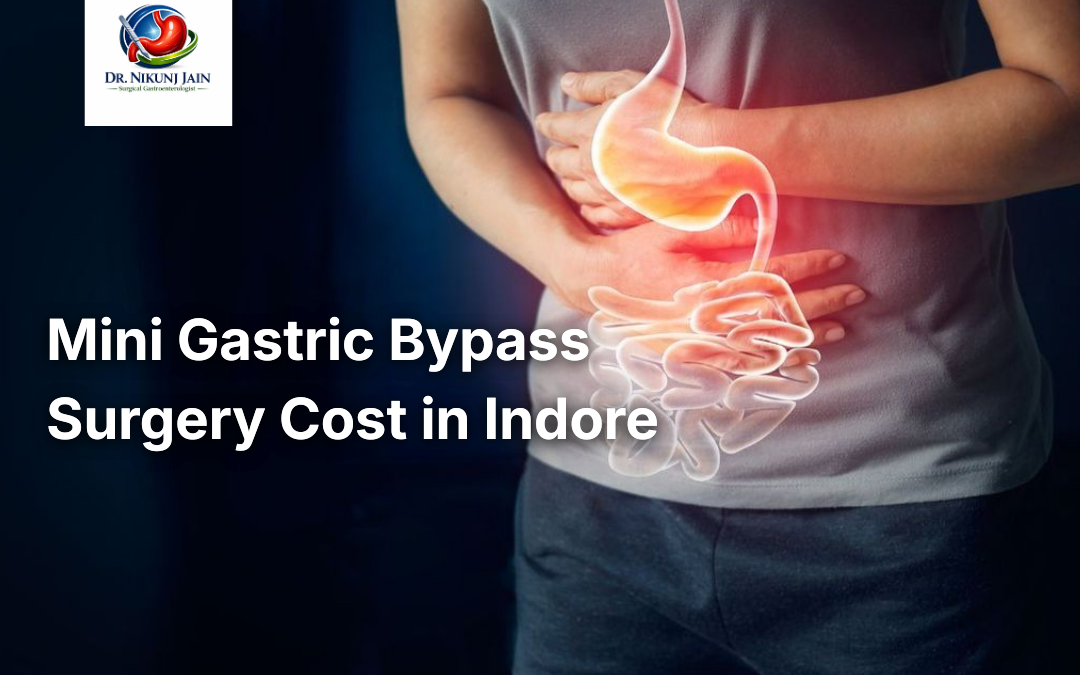
Mini Gastric Bypass surgery is a type of weight loss surgery that combines restriction and malabsorption. Unlike traditional gastric bypass, MGB involves creating a small stomach pouch and connecting it directly to a portion of the small intestine. This helps reduce food intake and alters nutrient absorption, leading to effective weight loss while simplifying the surgical process.
MGB is often preferred because it achieves comparable weight loss to traditional gastric bypass but with fewer surgical steps and often a quicker recovery time. It can also help improve or resolve obesity-related conditions such as type 2 diabetes, high blood pressure, and sleep apnea.
Typical Cost of Mini Gastric Bypass Surgery in Indore
The cost of Mini Gastric Bypass Surgery in Indore can vary depending on several factors such as the hospital chosen, surgeon’s experience, type of room selected, pre-operative tests, and post-operative care. On average, the cost in India for MGB typically ranges between ₹2,00,000 and ₹5,00,000.
In Indore specifically, bariatric surgery costs tend to be competitive and often more affordable compared to larger metro cities, thanks to the availability of experienced surgeons and advanced medical facilities. While gastric bypass and other bariatric procedures in Indore can average around ₹2,20,000 to ₹4,50,000, Mini Gastric Bypass generally falls within a similar or slightly broader range, depending on inclusions like hospital stay and follow-up care.
It’s important to note that the quoted price usually includes surgeon’s fees, hospital charges, anesthesia, pre-surgery evaluations, and basic post-operative care, but may vary if additional services such as nutritional counseling or extended stay are included.
Why Cost Can Vary
Several key elements influence the final cost of surgery:
Surgeon’s expertise: Highly skilled and experienced bariatric surgeons often charge higher fees due to their track record and success rates.
Hospital infrastructure: Multi-specialty or super-specialty hospitals with advanced laparoscopic equipment may have higher room and service charges.
Pre- and post-operative care: Comprehensive care that includes dietary planning and long-term follow-up can increase costs but improves outcomes.
Patient health condition: Patients requiring additional tests or longer hospital stay may incur higher charges.
When considering surgery, it’s best to discuss the full cost breakdown with your surgeon and hospital beforehand so there are no surprises later.
Benefits of Mini Gastric Bypass Surgery
Mini Gastric Bypass offers several advantages over other bariatric procedures. It tends to be less complex than traditional Roux-en-Y gastric bypass, yet provides substantial and sustained weight loss. Many patients also experience improvement in comorbid conditions like diabetes and hypertension after MGB, enhancing both health and quality of life.
Recovery time after MGB is often shorter compared to more extensive procedures, which means patients may return to normal activities more quickly. Because the surgery is usually performed laparoscopically, patients benefit from smaller incisions, reduced pain, and minimal scarring.
Is Mini Gastric Bypass Right for You?
Mini Gastric Bypass is typically recommended for individuals with a Body Mass Index (BMI) of 35 or higher or those with a BMI of 30–35 accompanied by obesity-related health conditions such as diabetes, hypertension, or sleep apnea. A comprehensive evaluation by a qualified bariatric surgeon is essential to determine if you are a suitable candidate.
During your consultation, the surgeon will consider your weight, overall health, eating habits, and expectations to recommend the best surgical option. In some cases, other procedures like sleeve gastrectomy may be advised depending on individual needs.
Choosing the Right Surgeon in Indore
Selecting the right bariatric surgeon is a critical part of your weight loss journey. It’s not only about the surgery itself but also about the approach, experience, and long-term support provided. Dr. Nikunj Jain is recognized as one of the leading bariatric surgeons in Indore, known for his compassionate care, surgical expertise, and personalized treatment plans tailored to each patient’s unique goals.
Patients should always consider a surgeon’s credentials, surgical outcomes, patient reviews, and the support system available post-surgery when making their decision.
Conclusion
Mini Gastric Bypass Surgery is a powerful and effective tool for sustainable weight loss, especially for individuals struggling with severe obesity and related health issues. With a typical cost range that makes it accessible in Indore, this procedure can be a life-changing option when performed by an experienced surgeon. Under the care of Dr. Nikunj Jain, best doctor for Gastric Bypass doctor in Indore, patients receive comprehensive support and expert guidance throughout their weight loss journey. Choosing the right surgical team and understanding the cost structure upfront can help you take a confident step toward a healthier, more active life.
Obesity is a growing concern in India, affecting both physical and mental health. For many, bariatric surgery is a transformative solution that offers long-term weight loss and improved quality of life. If you are considering weight loss surgery in Indore, Dr. Nikunj Jain is one of the most trusted names in the field. As a Weight Loss Surgeon in Indore, he combines advanced techniques with personalized care to ensure the best outcomes for his patients.
Expertise in Bariatric Surgery
Dr. Nikunj Jain has extensive experience in performing bariatric and metabolic surgeries, helping patients achieve sustainable weight loss safely. His expertise covers a range of procedures:
Gastric Sleeve (Sleeve Gastrectomy): This procedure involves removing a portion of the stomach to limit food intake while preserving digestion. It is ideal for patients with moderate obesity.
Gastric Bypass (Roux-en-Y): This surgery alters the digestive system to reduce calorie absorption, offering significant weight loss for patients with higher BMI or obesity-related health issues.
Mini Gastric Bypass (MGB): A less invasive version of gastric bypass, providing quicker recovery and effective results.
Endoscopic Bariatric Procedures: Non-surgical options for patients who prefer minimally invasive methods.
Each procedure is carefully tailored to the individual’s health, weight, and medical history, ensuring maximum effectiveness and safety.
Advanced Techniques and Modern Facilities
Dr. Jain specializes in minimal access and laparoscopic surgery, which involves smaller incisions, less pain, and faster recovery compared to traditional surgery. His clinic in Indore is equipped with state-of-the-art technology to provide patients with world-class care. Robotic-assisted surgery and advanced laparoscopic techniques allow for precision, reduced complications, and smoother post-operative recovery.
Personalized Pre- and Post-Operative Care
Bariatric surgery is more than just a surgical procedure; it is a lifestyle change. Dr. Jain emphasizes comprehensive pre-operative counseling to help patients understand the surgery, expected results, and lifestyle modifications required.
Post-surgery, patients receive guidance on:
Diet and Nutrition: Step-by-step diet plans, portion control, and protein intake to support recovery and long-term weight management.
Exercise and Physical Activity: Gradual introduction of safe exercises to improve metabolism and maintain muscle mass.
Regular Follow-Ups: Monitoring weight loss progress, nutritional status, and overall health to prevent complications.
This personalized approach ensures that patients not only lose weight but also adopt healthy habits for long-term success.
Proven Track Record and Patient Satisfaction
Dr. Nikunj Jain has performed numerous successful bariatric surgeries in Indore, earning a reputation for high patient satisfaction and excellent outcomes. Patients appreciate his combination of surgical expertise and compassionate care. From pre-operative counseling to long-term follow-up, every aspect of the patient journey is handled with professionalism and empathy.
Why Choose Dr. Nikunj Jain in Indore?
Choosing the right surgeon is critical for the success of bariatric surgery. Here’s why Dr. Nikunj Jain is a preferred choice:
Expertise in Minimal Access Surgery: Advanced laparoscopic and robotic-assisted techniques for safer, faster recovery.
Comprehensive Care: Personalized pre- and post-operative support, including diet, exercise, and lifestyle guidance.
Proven Results: Numerous successful surgeries with high patient satisfaction rates.
Modern Facilities: Equipped with cutting-edge technology for precision and safety.
Accessible Location: Centrally located in Indore for easy access.
Importance of Mental Health After Bariatric Surgery
Weight loss after bariatric surgery is not just a physical transformation; it also affects your mental and emotional well-being. Many patients experience improved confidence, reduced anxiety, and better social interactions. However, some may face emotional challenges while adapting to new eating habits and body changes. Dr. Nikunj Jain emphasizes the importance of mental health support, including counseling and support groups, to help patients stay motivated and manage lifestyle adjustments. A positive mindset plays a key role in maintaining long-term results and ensuring that the journey to better health is both successful and sustainable.
Conclusion
Bariatric surgery is a life-changing decision that requires an expert surgeon and a supportive medical team. With his extensive experience, advanced surgical techniques, and patient-focused care, Dr. Nikunj Jain is one of the best bariatric surgeons in Indore. Whether you are struggling with obesity, related health issues, or looking for long-term weight management solutions, consulting with Dr. Jain can help you achieve a healthier, happier life.For more information or to schedule a consultation, visit drnikunjjain.com/staging/.