Bleeding piles can be scary and uncomfortable, but the good news is that they are very treatable when diagnosed early. If you are noticing blood during bowel movements, pain, itching, or a lump around the anus, it may be piles (also called hemorrhoids) and piles treatment is important. Consulting an experienced piles doctor in Indore can help you get relief before the condition worsens.
Dr. Nikunj Jain, piles doctor in Indore, offers advanced and effective treatment for bleeding piles, focusing on patient comfort, safety, and long-term relief.
Table of Contents
What Are Piles?
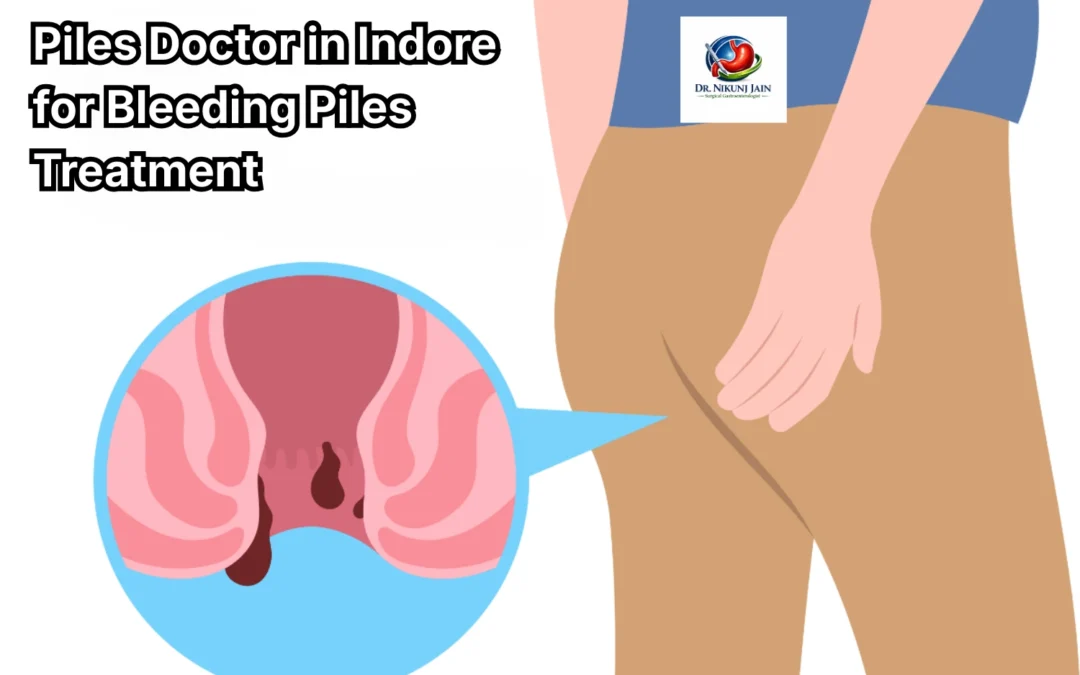
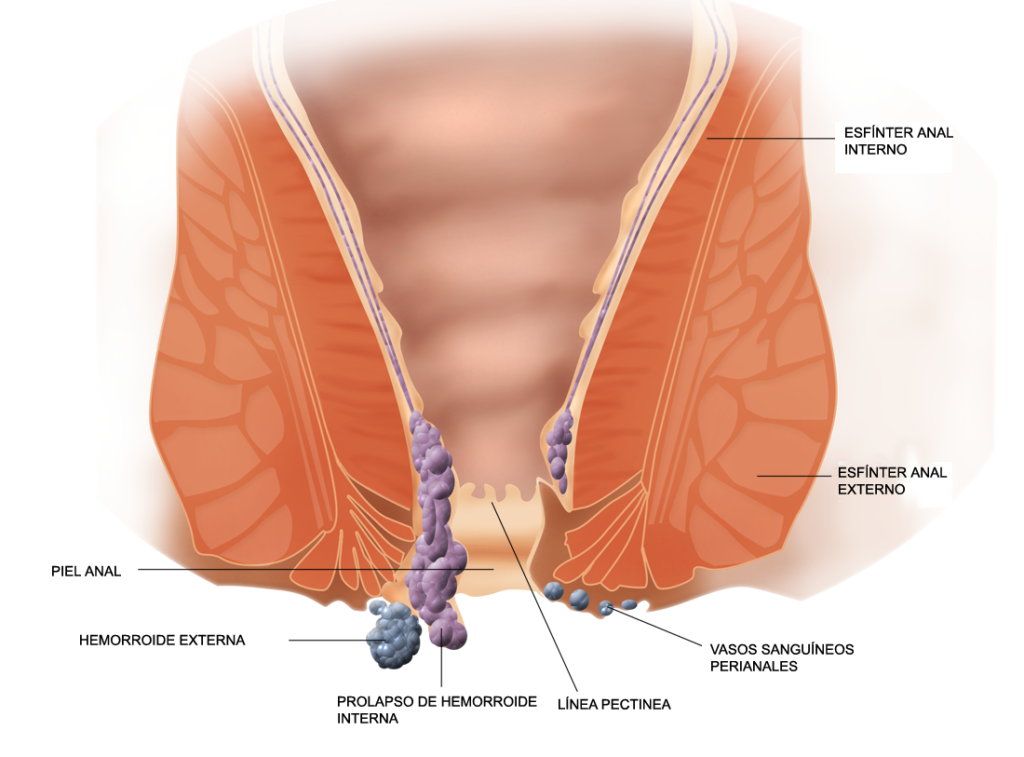
Piles are swollen veins in or around the anus and lower rectum. They develop due to increased pressure in these veins, often caused by constipation, straining during bowel movements, prolonged sitting, or pregnancy.
There are two main types of piles:
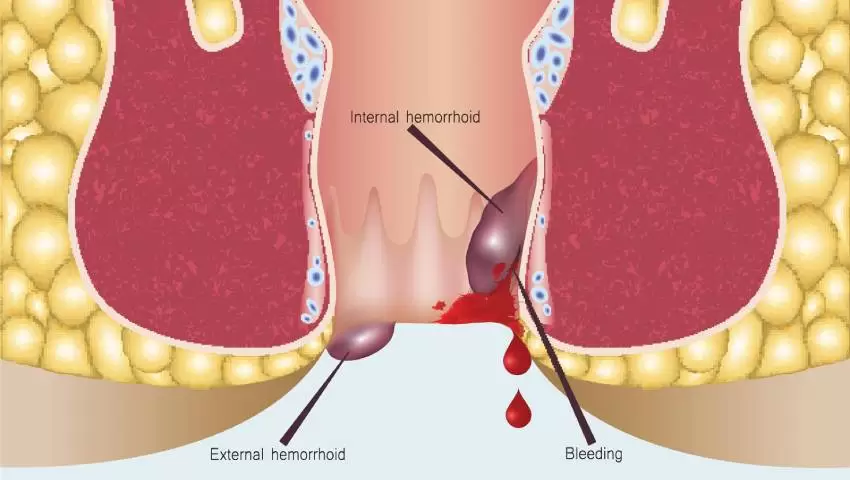
Internal piles: Located inside the rectum and often painless, but can cause bleeding
External piles: Located around the anus and may cause pain, swelling, and discomfort
Bleeding piles usually appear as bright red blood seen on toilet paper or in the toilet bowl after passing stools.
Common Symptoms of Bleeding Piles
Bleeding piles should never be ignored. Some common symptoms include:
Fresh blood during or after bowel movements
Pain or burning sensation in the anal area
Itching or irritation around the anus
Swelling or lump near the anus
Feeling of incomplete bowel emptying
While piles are common, similar symptoms can also occur in other conditions. That’s why consulting a qualified piles specialist is important for correct diagnosis.
Why Do Bleeding Piles Occur?
Bleeding piles usually develop due to long-term pressure on rectal veins. Common causes include:
Chronic constipation or diarrhea
Straining during bowel movements
Low-fiber diet
Sitting for long hours, especially on the toilet
Obesity
Pregnancy
Aging
Without treatment, bleeding piles can worsen over time and may lead to anemia or severe discomfort.
When Should You See a Piles Doctor?
You should consult a piles doctor in Indore if you experience:
Repeated bleeding from the anus
Pain that does not improve with home remedies
Increasing size of piles
Difficulty sitting or walking due to discomfort
Early consultation helps avoid complications and reduces the need for major procedures.
Diagnosis of Bleeding Piles
Dr. Nikunj performs a detailed evaluation to confirm the diagnosis. This may include:
Medical history and symptom review
Physical examination
Anoscopy or proctoscopy, if required
These tests are quick, safe, and help determine the grade and severity of piles, which guides the treatment plan.
Treatment Options for Bleeding Piles
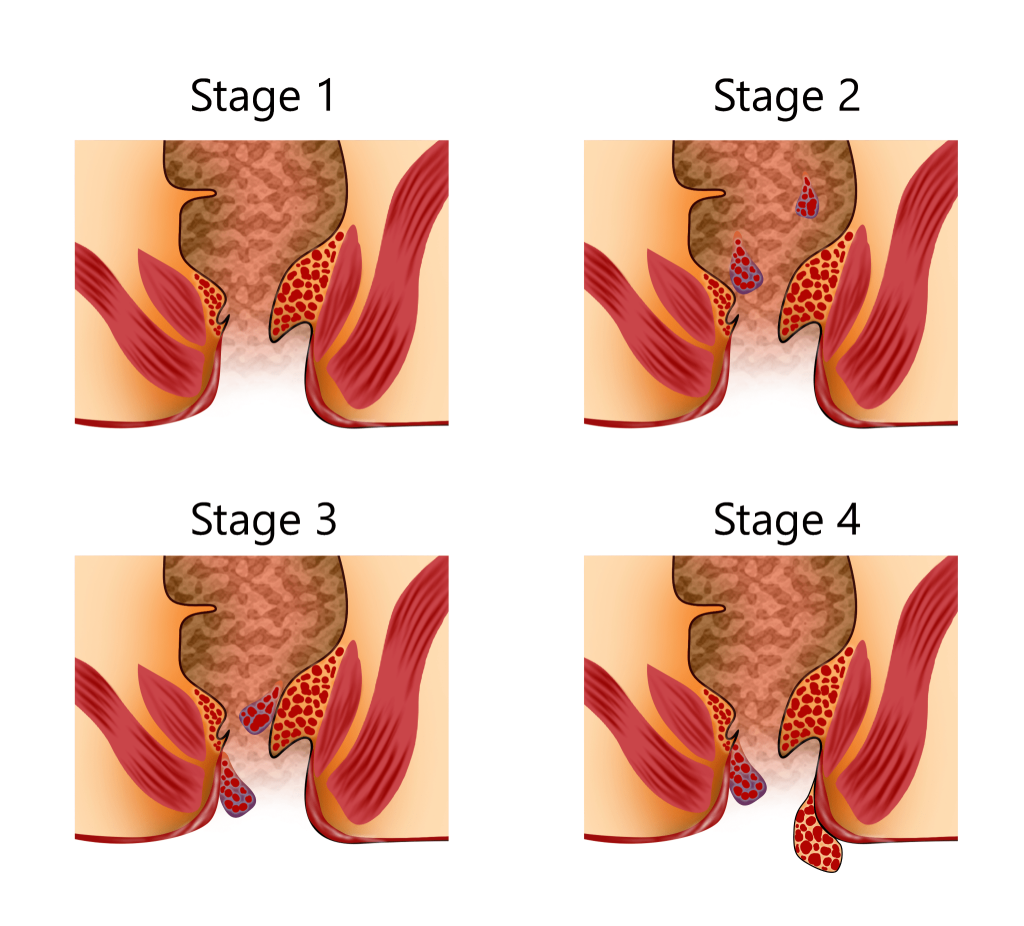
Treatment depends on the stage of piles and symptom severity.
1. Lifestyle and Medical Treatment
For early-stage piles, treatment may include:
High-fiber diet
Increased water intake
Stool softeners
Medications to reduce pain, swelling, and itching
2. Minimally Invasive Procedures
If bleeding piles do not improve with medicines, minimally invasive treatments may be advised. These procedures are safe, effective, and usually done as daycare treatments.
3. Advanced Surgical Treatment
In severe or advanced cases, surgical treatment may be required. Modern techniques focus on minimal pain, faster recovery, and reduced chances of recurrence.
Benefits of Early Bleeding Piles Treatment
Getting timely treatment offers many advantages:
Stops bleeding and pain
Prevents worsening of piles
Reduces risk of complications
Improves quality of life
Faster recovery with less discomfort
Ignoring symptoms can lead to chronic problems that are harder to treat later.
Why Choose Dr. Nikunj Jain for Piles Treatment in Indore?
Dr. Nikunj Jain is known for his patient-focused approach and expertise in treating piles and other anorectal conditions. Patients benefit from:
Accurate diagnosis
Advanced treatment options
Minimal discomfort procedures
Clear communication and guidance
Compassionate care and follow-up
His goal is to provide long-lasting relief while ensuring patient comfort and safety.
Conclusion
Bleeding piles are common, but they should not be ignored. With the right care and timely treatment, you can get relief and return to a comfortable, healthy routine.
If you are looking for a trusted piles doctor in Indore for bleeding piles treatment, consult Dr. Nikunj Jain, best laparoscopic GI Surgeon in Indore, for proper evaluation and effective care.
Early treatment makes recovery easier, don’t delay seeking help.
Introduction: Why You Shouldn’t Ignore Your Gut Health
In our fast-paced modern lives, we often overlook the importance of digestive health — until something goes wrong. Indigestion, acidity, constipation, or sudden stomach pain is commonly brushed off as “something I ate.” But what if your body is signaling a deeper issue?
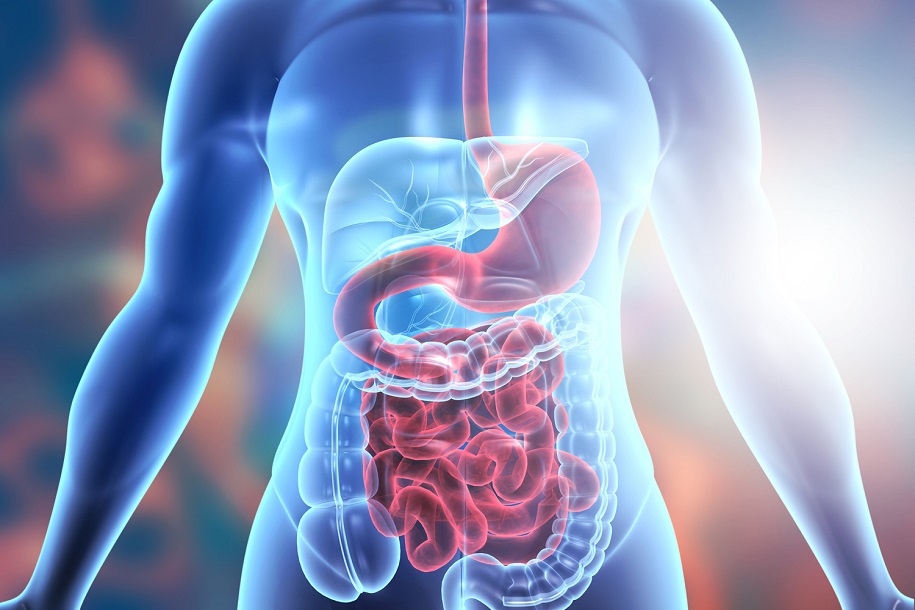
This is where a gastro surgeon in Indore comes into the picture — a highly skilled specialist who deals with disorders of the digestive system, including the esophagus, stomach, intestines, liver, gallbladder, and pancreas.
In this guide, we’ll explore:
Who a gastro surgeon is
Top signs you need to visit one
Leading gastro surgeons in Indore
Common surgeries and treatments they perform
What to expect during your consultation
Cost of gastrointestinal surgery in Indore
Recovery and post-op care
FAQs answered
Who Is a Gastro Surgeon?
A gastrointestinal (GI) surgeon is a doctor trained to perform surgeries related to the digestive tract. While a gastroenterologist handles non-surgical treatment of digestive disorders, a gastro surgeon steps in when medications, diet, or endoscopic procedures are no longer sufficient.
They treat conditions like:
Gallbladder stones
Hernias
Appendicitis
Piles and fissures
Gastroesophageal Reflux Disease (GERD)
Gastrointestinal cancers
Pancreatitis
Intestinal blockages or perforations
Obesity-related conditions requiring bariatric surgery
If your symptoms persist or worsen over time, visiting the best gastro surgeon in Indore could make all the difference.
Top Signs You Should Visit a Gastro Surgeon
You don’t need to wait for a medical emergency to see a GI surgeon. Watch out for these warning signs:
Chronic abdominal pain or bloating
Unexplained weight loss
Frequent vomiting or nausea
Difficulty swallowing (dysphagia)
Blood in vomit or stools
Severe constipation or diarrhea
Lump in the abdomen
Jaundice
Persistent acid reflux
Ignoring these symptoms can lead to complications, including life-threatening conditions like intestinal perforation or cancer.
Best Gastro Surgeons in Indore (2025 Edition)
Indore has emerged as a leading healthcare hub in Central India. Here are some top-rated gastro surgeons in Indore based on experience, patient reviews, and treatment success rate:
Dr. Nikunj Jain – Apollo Hospitals, Indore
Specialization: Advanced laparoscopic and GI surgery
Experience: 15+ years
Expertise: Hernia repair, laparoscopic gallbladder surgery, colorectal surgery, bariatric surgery
Why Choose: Known for precision, advanced facilities, and compassionate care
Diagnostics: Blood tests, ultrasound, CT scan, endoscopy/colonoscopy as needed
Discussion of Surgical Options: Benefits, risks, alternative treatments, and costs
A good GI surgeon in Indore will ensure you’re fully informed and comfortable before proceeding.
Cost of Gastrointestinal Surgeries in Indore
Here’s an approximate breakdown of costs:
Procedure
Estimated Cost (INR)
Gallbladder removal (laparoscopic)
₹45,000 – ₹80,000
Hernia surgery
₹50,000 – ₹90,000
Appendectomy
₹35,000 – ₹70,000
Piles surgery (laser)
₹30,000 – ₹60,000
Bariatric surgery
₹2,00,000 – ₹4,50,000
Liver/pancreatic surgery
₹1,50,000 – ₹4,00,000
Costs may vary depending on the hospital, type of surgery, and whether insurance is used.
Post-Surgery Recovery Tips
Recovery depends on the type of surgery and overall health. However, here are general tips:
Rest: Allow your body time to heal
Diet: Start with liquids → soft foods → normal meals
Hydration: Essential for healing and digestion
Medication Adherence: Follow antibiotics and pain meds as prescribed
Follow-ups: Never skip post-op checkups
Avoid Lifting Heavy Weights: Especially after hernia or abdominal surgeries
A skilled gastro surgeon in Indore will provide a personalized recovery plan based on your condition.
Why Indore Is Becoming a Medical Destination for GI Surgery
Indore is home to world-class multispeciality hospitals like Apollo, CHL, and Medanta, offering:
Experienced Surgeons: Trained in India and abroad
Cutting-edge Equipment: Advanced laparoscopic and robotic facilities
Affordable Healthcare: Lower costs compared to metros
Accessibility: Air, rail, and road connectivity for patients from nearby states
FAQs: Gastro Surgeon in Indore
Faqs
Q1. Do I need a referral to see a gastro surgeon?
Ans: No, you can directly consult a GI surgeon if you have digestive issues, though some insurance policies may require a referral.
Q2. Is laparoscopic surgery safe?
Ans: Yes, it’s minimally invasive, offers faster recovery, and has fewer complications compared to open surgery.
Q3. Are these surgeries covered by insurance?
Ans: Most GI surgeries are covered under standard health insurance. Always confirm with your provider.
Q4. How do I choose the best gastro surgeon in Indore?
Ans: Look for experience, specialization, hospital affiliation, patient reviews, and comfort in communication.
Q5. How long does recovery take?
Ans: Basic surgeries like gallbladder removal may require 3–5 days of rest, while major surgeries can take a few weeks.
Conclusion: Take Control of Your Digestive Health Today
Ignoring digestive symptoms can lead to serious health issues. From minor discomforts to critical surgeries, the best gastro surgeon in Indore can offer expert care tailored to your needs.
Whether it’s a routine hernia operation or a complex liver surgery, Indore’s top GI specialists provide compassionate care, advanced techniques, and world-class outcomes. Don’t wait for your condition to worsen. Take the first step towards better health — consult a gastro surgeon today.
Looking for a trusted name in GI surgery? Contact Dr. Nikunj Jain, Apollo Hospital Indore – a leader in advanced laparoscopic and gastrointestinal surgeries.
Piles, also known as hemorrhoids, can cause significant discomfort and pain for individuals suffering from the condition. Often characterized by swollen and inflamed veins in the rectum and anus, piles can make everyday activities like sitting or walking uncomfortable. Fortunately, there are several Effective Piles Treatment in Indore, and finding the right solution can lead to fast relief and long-term recovery.
In Indore, there are a variety of advanced medical treatments for piles that can provide quick and lasting relief. This guide will explore the most effective solutions available in the city, offering insights into the best treatments, tips for managing the condition, and why seeking expert care is essential for optimal outcomes.
Table of Contents
Understanding Piles and Their Symptoms
Piles are a common condition that affects a large number of people, especially those over the age of 50. They develop when the veins in the lower rectum or anus become swollen and irritated, often due to factors like chronic constipation, pregnancy, or prolonged sitting. Piles can be either internal (inside the rectum) or external (around the anus), and they can vary in severity.
Common Symptoms of Piles Include:
Itching and irritation around the anus
Pain or discomfort, especially when sitting
Swelling around the anus
Bleeding during bowel movements
Lumps or swelling near the anus
While some cases of piles are mild and can resolve on their own, others require medical intervention to prevent complications like infection or persistent bleeding.
In Indore, patients have access to a range of modern treatment options for piles. These treatments can provide fast relief from painful symptoms and help individuals regain their quality of life. Here are some of the top piles treatment solutions available in the city:
1. Medication and Topical Treatments
For mild to moderate cases of piles, over-the-counter creams, ointments, and suppositories are commonly recommended. These treatments often contain ingredients like hydrocortisone or witch hazel, which help reduce swelling, itching, and discomfort. In some cases, doctors may prescribe stronger medications to address more severe inflammation.
Benefits: Non-invasive, easy to apply, suitable for early-stage piles
Drawbacks: May take time to relieve symptoms and is less effective for advanced piles
2. Rubber Band Ligation
A highly effective and commonly used treatment for internal piles, rubber band ligation involves placing a small band around the base of the hemorrhoid. This cuts off the blood supply, causing the hemorrhoid to shrink and eventually fall off. The procedure is quick and minimally invasive, making it a popular choice for patients seeking fast relief.
Benefits: Minimally invasive, outpatient procedure, highly effective for internal piles
Drawbacks: Mild discomfort after the procedure, only suitable for internal hemorrhoids
3. Sclerotherapy
Sclerotherapy involves injecting a chemical solution directly into the hemorrhoid, which causes the vein to shrink and eventually disappear. This is another minimally invasive option that can be performed quickly in a doctor’s office. It is most commonly used for treating smaller internal piles and can provide relief without the need for surgery.
Benefits: Non-surgical, fast recovery, effective for small piles
Drawbacks: May require multiple treatments for large piles, potential for mild side effects
Laser therapy is a modern, high-precision treatment option for piles. In this procedure, a focused laser beam is used to vaporize or shrink the hemorrhoid tissue. Laser treatment is a popular option due to its minimal invasiveness, reduced pain, and faster recovery times compared to traditional surgery.
Benefits: Minimally invasive, fast recovery, minimal bleeding and pain
Drawbacks: Slightly more expensive than other non-surgical options, requires specialist equipment
5. Hemorrhoidectomy
For severe or prolapsed piles that do not respond to other treatments, a hemorrhoidectomy may be necessary. This is a surgical procedure in which the hemorrhoid is completely removed. While it is more invasive than other methods, it is considered one of the most effective long-term solutions for recurring or severe piles.
Benefits: Complete removal of piles, effective for large or prolapsed hemorrhoids
Drawbacks: Requires anesthesia, longer recovery time, may cause postoperative discomfort
Best Doctors and Clinics for Piles Treatment in Indore
When seeking treatment for piles in Indore, it is essential to consult with experienced professionals who specialize in gastroenterology or proctology. Many of the top hospitals and clinics in Indore offer comprehensive piles treatment, combining modern technology with expert care. Some of the most recommended specialists for piles treatment in Indore are known for their expertise in minimally invasive procedures and patient-centered approaches.
Choosing the right doctor can significantly impact the effectiveness of your treatment and the speed of your recovery. Look for a specialist who has experience with the specific treatment option you are considering and is equipped with the latest technology for piles management.
Lifestyle Changes to Support Recovery
In addition to medical treatments, making certain lifestyle changes can help prevent the recurrence of piles and support faster recovery. Here are some tips to follow during and after treatment:
1. Increase Fiber Intake
A high-fiber diet is essential for preventing constipation, which is a leading cause of piles. Fiber helps soften the stool and makes bowel movements easier, reducing the strain on the veins in the rectum. Include more fruits, vegetables, whole grains, and legumes in your daily meals.
2. Stay Hydrated
Drinking plenty of water is crucial for maintaining regular bowel movements and preventing hard stools. Aim for at least 8-10 glasses of water a day to keep your digestive system functioning smoothly.
3. Avoid Straining During Bowel Movements
One of the key triggers for piles is straining during bowel movements. To avoid this, ensure that your diet supports easy elimination, and consider using a stool softener if necessary. It’s also important to avoid sitting on the toilet for extended periods.
4. Regular Exercise
Engaging in regular physical activity can improve circulation and promote overall digestive health. Exercises like walking, swimming, or yoga are excellent for maintaining a healthy bowel system and preventing constipation.
While many cases of piles can be managed with home treatments and lifestyle changes, there are situations when medical intervention is necessary. If you experience persistent bleeding, severe pain, or if the piles become prolapsed and cannot be pushed back in, it’s time to see a doctor.
Indore offers a wealth of treatment options for piles, and with the right medical care, you can experience quick relief and long-term recovery. Whether you opt for medication, non-invasive procedures, or surgery, consulting with an expert will ensure you receive the most appropriate treatment for your condition.
FAQs
What are the common causes of piles?
Piles are typically caused by chronic constipation, prolonged sitting, pregnancy, obesity, and a low-fiber diet, all of which increase pressure on the veins in the rectal area.
Can piles go away on their own?
Mild cases of piles can often resolve on their own with lifestyle changes and home remedies. However, more severe cases may require medical treatment.
What is the fastest treatment for piles?
Non-invasive treatments like laser therapy or rubber band ligation offer quick relief and fast recovery for many patients with piles.
Is surgery necessary for piles?
Surgery is only necessary for severe or prolapsed piles that do not respond to other treatments. Minimally invasive options are preferred for less severe cases.
Are there any risks with piles treatments?
Most treatments for piles, especially non-surgical options, are safe and carry minimal risks. However, as with any medical procedure, it’s important to consult with a specialist to understand potential side effects.
How long does it take to recover from piles treatment?
Recovery time varies depending on the treatment method. Non-surgical options like rubber band ligation and laser therapy usually have a fast recovery time, while surgical procedures may take longer.