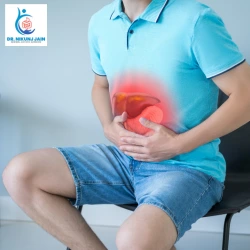
A lot of us will experience this peculiar discomfort in the abdomen or groin and dismiss it as a slight muscle strain or minor digestive upset. But sometimes, these symptoms can be a sign of a hernia. Dr. Nikunj Jain, best hernia doctor in Indore, says that recognising early warning signals is vital in ensuring treatment easier and reducing complications. Being aware of how a hernia feels and which symptoms to keep an eye out for can ensure that you get medical attention in time and avoid the continued discomfort.
Table of Contents
What Is a Hernia?
A hernia is when an internal organ or tissue protrudes through a weak region of the muscle or connective tissue (fascia) surrounding it. The anterior wall of the abdomen is most often the location for this. Hernia slowly developed and may not cause severe pain, that’s why many people forget it. Common types of hernias include:
Some hernias remain little for years but others will get worse without treatment.
What Are Some Common Signs That Might Mean You Have a Hernia?
One of the most prominent indicators in the form of a bulge that can be seen through the skin. The bulge often becomes more visible during standing, coughing or lifting heavy objects .
Other symptoms include:
A noticeable lump or swelling Often the first sign. It can be gone while lying down then return when standing or straining.
Pain or discomfort You will feel mild or moderate pain, particularly while bending, coughing, or carrying heavy objects.
Sensation of pressure in the chest This is often described as a dragging or heavy feeling.
Burning or aching feeling Not all hernia needed surgical treatment ,Some present as dull pain and progressive over time.
Digestive problems For example, the symptoms in a hiatal hernia may be acid reflux, and heartburn or difficulty swallowing.
When Symptoms Become Serious
They may become dangerous if the trapped tissue is making things too tight, or bleeding. Warning signs include: 1. Sudden, severe pain 2. Nausea or vomiting 3. Redness or tenderness around the bulge 4. A lump that is hard and is not reducible If you experience these symptoms, then please do not hesitate to consult a doctor.
Who is likely to get a hernia?
Among Them Are The Following Factors As To Increase The Risk: 1. Lifting heavy weights improperly 2. Chronic coughing 3. Obesity 4. Pregnancy 5. Constipation and straining 6. Previous abdominal surgery 7. Weak abdominal muscles 8. Age and lifestyle habits also play a role, with muscles weakening over time.
How Hernias Are Diagnosed
Hernia is often diagnosed by doctors through a physical examination. You may be instructed to stand, cough or gently bear down such that the bulge becomes visible. Occasionally for diagnosis confirmation or severity testing through imaging tests such as ultrasound, CT scan or endoscopy may be performed.
Treatment Options for Hernia
Depending on the type, size, and symptoms of the hernia, treatment may include:
Watchful Waiting:
This is usually advised when the hernia is small and does not cause any symptoms. In this approach, the doctor monitors the hernia regularly to check if it is increasing in size or causing discomfort.
Change of Lifestyle:
Lifestyle changes may help control symptoms and prevent the hernia from getting worse. This may include losing weight, avoiding heavy lifting or heavy work, treating chronic cough, preventing constipation, and following a healthy diet.
Treatment:
Most hernias require surgery for proper repair because they do not heal on their own. Surgery helps close the weak area in the abdominal wall and reduces the risk of complications.
Laparoscopic surgery is a modern and minimally invasive technique used for hernia repair. In this procedure, small cuts are made instead of a large incision. A tiny camera and special surgical instruments are used to repair the hernia. This technique usually causes less pain, smaller scars, faster recovery, and a shorter hospital stay compared to traditional open surgery.
The best treatment option depends on the patient’s condition and should be decided after consultation with an experienced surgeon.
When To See A Doctor?
Consult the best hernia surgeon in Indore, Dr. Nikunj Jain, if you notice a constant bulge in the abdomen or groin, pain that increases during activity, digestive discomfort, or any change in a lump that was earlier painless. Ignoring these symptoms can make the condition complicated and may require more intensive treatment later.
Conclusion
Note that a hernia can start with a smaller, painless lump but it can cause discomfort and health problems. At a minimum, early attention can have a huge impact on recovery. If you think that you might have a hernia or if you experience the symptoms described above, visiting an expert like Dr. Nikunj Jain, best doctor for hernia in Indore, can help get it diagnosed and treated on time.
FAQ’s
Q1. What are the early signs of a hernia? Early signs of a hernia may include a visible bulge in the abdomen or groin, mild pain, pressure, heaviness, or discomfort while coughing, bending, standing, or lifting heavy objects. According to Dr. Nikunj Jain in Indore, early diagnosis can help prevent complications.
Q2. When should I see a doctor for a hernia in Indore? You should consult Dr. Nikunj Jain, hernia surgeon in Indore, if you notice a constant bulge, pain during activity, digestive discomfort, or any change in a lump that was earlier painless.
Q3. Can a hernia heal on its own? No, most hernias do not heal on their own. Small hernias without symptoms may be monitored, but many hernias eventually require surgical repair to prevent further complications.
Q4. What is the most common symptom of a hernia? The most common symptom of a hernia is a lump or swelling that becomes more visible while standing, coughing, or lifting heavy objects. It may reduce or disappear when lying down.
Q5. Is hernia surgery necessary for every patient? Not every hernia needs immediate surgery. If the hernia is small and painless, the doctor may suggest watchful waiting. However, symptomatic or growing hernias usually need surgery.
Q6. What is laparoscopic hernia surgery? Laparoscopic hernia surgery is a minimally invasive procedure in which small cuts, a tiny camera, and special instruments are used to repair the hernia. It usually offers less pain, smaller scars, faster recovery, and a shorter hospital stay.
Q7. Who is at risk of developing a hernia? People who lift heavy weights, have chronic cough, obesity, constipation, previous abdominal surgery, weak abdominal muscles, or pregnancy-related pressure may have a higher risk of developing a hernia.
Q8. What happens if a hernia is ignored? Ignoring a hernia can make it larger and more painful. In some cases, the tissue may get trapped, causing severe pain, vomiting, redness, tenderness, or a hard lump that does not go back in.
Q9. Who is the best hernia doctor in Indore? Dr. Nikunj Jain is known as an experienced hernia doctor in Indore for diagnosis and treatment of different types of hernias, including cases that may require laparoscopic hernia surgery.
Q10. How is a hernia diagnosed? A hernia is usually diagnosed through a physical examination. The doctor may ask the patient to stand, cough, or strain so the bulge becomes visible. In some cases, ultrasound, CT scan, or endoscopy may be advised
Living with chronic acidity is more than just a physical discomfort. For many people, Gastroesophageal Reflux Disease (GERD) affects sleep, food choices, work productivity, and even emotional well-being. The constant burning sensation, fear of eating certain foods, and dependence on daily medication can slowly reduce quality of life. According to Dr. Nikunj Jain, best doctor for GERD Surgery in Indore, managing GERD is not only about controlling symptoms,it is about restoring comfort, confidence, and freedom in everyday living.
GERD Surgery occurs when stomach acid repeatedly flows back into the food pipe, causing heartburn, chest discomfort, regurgitation, bloating, and sometimes chronic cough or throat irritation. While medicines are often the first line of treatment, some patients continue to struggle despite long-term medication. This leads to a common question: Is it better to continue medicines or consider surgery?
Table of Contents
Understanding GERD Medicines
Most GERD patients are prescribed Proton Pump Inhibitors (PPIs) or acid-reducing medications. These drugs work by lowering acid production in the stomach, which helps reduce irritation and provides relief from symptoms.
For many people, medicines work well in the early stages. They are non-invasive, easily available, and effective when taken regularly. However, long-term dependence on medication can come with challenges:
Symptoms often return if the medicine is stopped
Daily medication becomes a lifelong routine for some patients
Long-term use may be associated with nutritional deficiencies or side effects
Patients may feel anxious about missing doses or relying on medicines permanently
Emotionally, the idea of being dependent on medication every day can be frustrating. Many patients describe a constant worry about when symptoms might return.
When Medicines Are Not Enough
There are situations where medicines fail to control GERD effectively. Patients may continue to experience severe reflux, regurgitation, or nighttime symptoms. Some also develop complications such as esophagitis, strictures, or Barrett’s esophagus.
Other signs that medicines may not be the best long-term solution include:
Needing high doses for relief
Persistent symptoms despite treatment
Difficulty tolerating medications
Desire to avoid lifelong drug dependence
In such cases, surgical treatment may be considered.
GERD Surgery
GERD surgery, most commonly laparoscopic fundoplication, focuses on correcting the root cause rather than just controlling acid. The procedure strengthens the valve between the stomach and food pipe, preventing acid from flowing backward.
The benefits of surgery may include:
Long-term or permanent relief from reflux
Reduced or complete elimination of daily medication
Improved sleep and eating comfort
Better quality of life
Since the procedure is performed using minimally invasive techniques, recovery is usually faster, with smaller incisions and less postoperative discomfort.
From an emotional perspective, many patients feel a sense of relief and freedom after surgery. The ability to eat without fear, sleep peacefully, and live without daily medication often brings back confidence and normalcy.
Surgery vs Medicines – Which Is Better?
There is no single answer for everyone. The choice depends on several factors:
Severity and duration of GERD
Response to medications
Presence of complications
Age and overall health
Patient preference and lifestyle goals
Medicines are usually suitable for mild to moderate GERD that responds well to treatment. Surgery is often recommended for patients with severe, persistent symptoms, complications, or those who wish to avoid lifelong medication.
The most important step is proper evaluation through tests such as endoscopy, pH monitoring, or imaging. A personalized approach helps determine the most effective and safest option.
What is The Emotional Side of Decision-Making
Choosing between long-term medication and surgery can feel overwhelming. Patients often worry about the risks of surgery, recovery time, or whether the results will last. At the same time, living with ongoing symptoms can cause stress, sleep disturbances, and anxiety about food and daily activities.
Open communication with a specialist helps patients understand their condition clearly and make a confident decision. When patients feel informed and supported, the emotional burden of GERD becomes much easier to manage.
Conclusion
GERD is not just a digestive issue,it is a quality-of-life condition. Whether treated with medicines or surgery, the goal is to help patients live without discomfort, fear, or constant dependence.
With the right evaluation and treatment plan, long-term relief is achievable. As emphasized by Dr. Nikunj Jain, best gastro surgeon in Indore, the best treatment is the one that not only controls acid reflux but also restores comfort, peace of mind, and the freedom to enjoy everyday life again.
Growing older often brings health challenges that may require surgical treatment. Many elderly people and their families worry about whether surgery is safe at an advanced age. One common concern is whether minimally invasive procedures like laparoscopic surgery are suitable for seniors. According to Dr. Nikunj Jain, a gastroenterologist surgeon in Indore, laparoscopic surgery has made many abdominal procedures safer and easier even for elderly people. Understanding how this surgical technique works and why it is often preferred for older individuals can help families make informed medical decisions.
Table of Contents
What Is Laparoscopic Surgery?
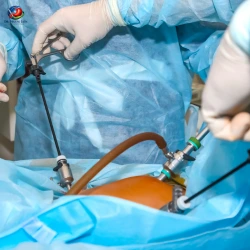
Laparoscopic surgery is a modern surgical technique that uses very small cuts instead of large incisions. Through these tiny openings, surgeons insert a thin camera and special instruments to perform the procedure inside the body.
The camera shows a magnified view of the internal organs on a monitor, allowing the surgeon to perform the surgery with high precision. This technique is commonly used for procedures involving the gallbladder, appendix, hernia, stomach, and intestines.
Because the incisions are small, the body experiences less trauma compared to traditional open surgery.
Why Laparoscopic Surgery Is Often Safer for Elderly people
One of the main advantages of laparoscopic surgery is that it is minimally invasive. For elderly people whose bodies may take longer to recover, this approach can significantly reduce surgical stress.
Some of the key benefits include:
• Smaller surgical cuts • Reduced blood loss during surgery • Lower risk of infection • Less post-operative pain • Faster recovery time • Shorter hospital stay
These factors are especially important for seniors who may already be managing other health conditions such as diabetes, blood pressure issues, or heart problems.
Faster Recovery Matters for Seniors
Recovery speed plays a major role in elderly patient care. Long hospital stays can increase the risk of complications such as infections, weakness or reduced mobility.
With laparoscopic surgery, many people are able to walk within a short time after the procedure. Early movement helps prevent complications like blood clots and lung infections. Most elderly people also experience less discomfort, which allows them to return to their normal routine sooner.
Lower Risk of Complications
Traditional open surgeries require larger cuts and longer healing periods. In older people, large surgical wounds may take more time to heal and can sometimes lead to complications.
Minimally invasive techniques reduce the size of the wound, which lowers the risk of infection and speeds up tissue healing. Many seniors tolerate laparoscopic procedures well when they are properly evaluated before surgery.
A detailed medical assessment helps determine whether the patient is fit for surgery.
Importance of Pre-Surgery Evaluation
Age alone is not the deciding factor when it comes to surgery. Doctors carefully evaluate the overall health of the patient before recommending a procedure.
This assessment may include:
• Heart health evaluation • Blood tests • Imaging scans • Review of existing medical conditions • Medication history
Once the surgeon understands the patient’s complete medical profile, the safest surgical plan can be chosen.
Common Conditions Treated with Laparoscopic Surgery
Several abdominal problems that affect elderly people can be treated using laparoscopic methods. These include:
• Gallbladder stones • Hernia repair • Appendix removal • Certain stomach and intestinal conditions • Diagnostic abdominal procedures
In many of these cases, minimally invasive surgery allows the patient to recover more comfortably compared to traditional surgical methods.
Emotional Concerns of Elderly people
Surgery can be emotionally stressful for older individuals. Many seniors fear long recovery periods, pain, or dependence on others after surgery.
However, advancements in surgical techniques have made procedures much safer than they were decades ago. When people understand that minimally invasive surgery involves smaller cuts and faster healing, it often reduces anxiety and helps them feel more confident about treatment.
Support from family members and clear communication with the doctor also plays an important role in easing these concerns.
Choosing an Experienced Surgeon Matters
The success of any surgery depends greatly on the experience and skill of the surgeon performing it. A well-trained laparoscopic surgeon understands how to manage complex cases, including elderly people with multiple health conditions.
Modern hospitals equipped with advanced surgical technology also improve patient safety and outcomes.
Conclusion
Laparoscopic surgery has transformed the way many abdominal procedures are performed today. For elderly people, this minimally invasive approach often offers a safer option with faster recovery, less pain and lower complication risks.
When a proper medical evaluation is done and the procedure is performed by an experienced surgeon, age alone should not be a barrier to receiving effective surgical treatment. As Dr. Nikunj Jain, best laparoscopic surgeon in Indore, explains, many senior people successfully undergo laparoscopic procedures and return to their normal lives with improved health and comfort.
When it comes to our health, especially gastrointestinal concerns, selecting the right medical professional is paramount. In Indore, the demand for specialized medical care has seen a significant rise, particularly in the field of gastroenterology. This article delves into the top 10 reasons why choosing a Bowel Surgeon in Indore can make a significant difference in patient outcomes, emphasizing expert care and advanced treatments.
Introduction
Indore, a city known for its rich history and rapid modernization, is also gaining recognition for its medical advancements. The healthcare sector in Indore boasts a range of specialists, among whom bowel surgeons play a crucial role. These medical professionals are dedicated to diagnosing and treating various conditions affecting the intestines and rectum, ensuring patients receive the best possible care.
In this comprehensive guide, we will explore the numerous benefits of choosing a Bowel Surgeon in Indore, highlighting their expertise, the advanced treatments they offer, and why they are the preferred choice for many.
Expert Care from Skilled Professionals
One of the primary reasons to opt for a Bowel Surgeon in Indore is the level of expertise and skill they bring to the table. These surgeons are highly trained and experienced in handling complex gastrointestinal issues.
Extensive Training and Certification
Bowel surgeons in Indore undergo rigorous training and certification processes. They are equipped with the latest knowledge and techniques in the field, ensuring they can tackle even the most challenging cases effectively.
Specialization in Gastrointestinal Issues
These surgeons specialize in treating conditions such as colorectal cancer, inflammatory bowel disease, diverticulitis, and more. Their focused expertise ensures that patients receive precise and tailored treatment plans.
Advanced Diagnostic and Surgical Techniques
Innovation in medical technology has revolutionized the way gastrointestinal issues are diagnosed and treated. A Bowel Surgeon in Indore utilizes state-of-the-art diagnostic tools and surgical techniques to provide optimal care.
Minimally Invasive Surgery
Minimally invasive procedures, such as laparoscopic surgery, are commonly performed by bowel surgeons in Indore. These techniques involve smaller incisions, resulting in less pain, quicker recovery times, and reduced risk of complications.
Cutting-edge Diagnostic Tools
Advanced imaging technologies, like MRI, CT scans, and colonoscopies, are used to accurately diagnose bowel conditions. These tools enable surgeons to develop effective treatment strategies based on precise diagnoses.
Comprehensive Care and Personalized Treatment Plans
Choosing a Bowel Surgeon in Indore means benefiting from comprehensive care that is tailored to each patient’s unique needs. These professionals prioritize personalized treatment plans to ensure the best outcomes.
Detailed Consultations and Assessments
Bowel surgeons in Indore take the time to conduct thorough consultations and assessments. They understand that every patient is different and requires a customized approach to treatment.
Multidisciplinary Approach
These surgeons often work in collaboration with other specialists, such as oncologists, nutritionists, and radiologists, to provide holistic care. This multidisciplinary approach ensures that all aspects of the patient’s health are addressed.
High Success Rates and Positive Patient Outcomes
The success of any medical treatment can often be gauged by patient outcomes. Bowel surgeons in Indore have a track record of high success rates, attributed to their expertise and the advanced treatments they employ.
Experienced in Complex Cases
These surgeons are adept at handling complex cases that may require intricate surgical procedures. Their experience contributes to higher success rates and improved patient satisfaction.
Positive Patient Testimonials
Many patients have shared positive testimonials about their experiences with bowel surgeons in Indore. These testimonials reflect the high quality of care and successful outcomes achieved by these professionals.
Commitment to Patient Safety and Comfort
Ensuring patient safety and comfort is a top priority for bowel surgeons in Indore. They adhere to strict safety protocols and make every effort to provide a comfortable environment for their patients.
Use of Safe and Proven Techniques
These surgeons use only safe and proven surgical techniques, minimizing the risk of complications and ensuring patient safety. They stay updated with the latest advancements in the field to offer the best care possible.
Patient-centered Care Approach
A patient-centered approach is integral to the practice of bowel surgeons in Indore. They focus on understanding the patient’s needs, addressing their concerns, and providing compassionate care throughout the treatment process.
Access to Comprehensive Postoperative Care
Recovery and postoperative care are critical aspects of the treatment journey. Bowel surgeons in Indore provide comprehensive postoperative care to ensure a smooth and successful recovery.
Regular Follow-ups and Monitoring
Post-surgery, patients receive regular follow-ups and monitoring to track their progress. This continuous support helps in identifying and addressing any potential issues promptly.
Rehabilitation and Support Services
In addition to medical care, patients may also receive rehabilitation and support services to aid their recovery. These services can include physical therapy, nutritional guidance, and psychological support.
Utilization of the Latest Research and Treatments
Bowel surgeons in Indore are committed to staying at the forefront of medical research and incorporating the latest treatments into their practice. This commitment ensures that patients receive the most advanced and effective care.
Participation in Clinical Trials
Many bowel surgeons in Indore participate in clinical trials, contributing to the development of new treatments and therapies. This involvement allows them to offer patients access to cutting-edge treatments that may not be widely available.
Adoption of New Technologies
The adoption of new technologies, such as robotic-assisted surgery, enhances the precision and effectiveness of surgical procedures. Bowel surgeons in Indore are proficient in using these technologies to improve patient outcomes.
Comprehensive Patient Education and Support
Educating patients about their conditions and treatment options is an essential part of the care provided by bowel surgeons in Indore. They ensure patients are well-informed and supported throughout their treatment journey.
Detailed Explanation of Conditions and Treatments
Patients receive detailed explanations about their conditions, the proposed treatments, and the expected outcomes. This transparency helps in building trust and ensuring patients are comfortable with their treatment plans.
Support Groups and Resources
Bowel surgeons in Indore often provide access to support groups and resources that can help patients cope with their conditions. These resources offer emotional support and practical advice for managing their health.
Accessible and Affordable Healthcare
Healthcare accessibility and affordability are crucial factors when choosing a medical professional. Bowel surgeons in Indore offer accessible and affordable healthcare options, making quality care available to a broader population.
Availability of Services
These surgeons provide their services across various hospitals and clinics in Indore, ensuring that patients can access care conveniently. They also offer flexible appointment schedules to accommodate patients’ needs.
Cost-effective Treatment Options
Despite the advanced treatments offered, bowel surgeons in Indore strive to keep their services affordable. They provide cost-effective treatment options without compromising on the quality of care.
A Strong Reputation and Trusted by the Community
The reputation of a medical professional can significantly influence a patient’s decision. Bowel surgeons in Indore have built strong reputations and are trusted by the community for their expertise and compassionate care.
Recognized by Medical Associations
Many bowel surgeons in Indore are recognized by reputable medical associations for their contributions to the field. These recognitions are a testament to their skill and dedication to patient care.
Positive Community Impact
Their commitment to improving community health and their involvement in various health initiatives have earned them the trust and respect of the community. Patients can be confident in the quality of care they will receive.
Emphasis on Preventive Care and Early Detection
Preventive care and early detection are key to managing gastrointestinal issues effectively. Bowel surgeons in Indore emphasize the importance of these aspects in their practice.
Routine Screenings and Check-ups
Regular screenings and check-ups are encouraged to detect any potential issues early. These proactive measures can lead to better outcomes and reduced risk of complications.
Patient Education on Preventive Measures
Educating patients on preventive measures, such as healthy diet and lifestyle choices, is an integral part of the care provided by bowel surgeons in Indore. This education empowers patients to take control of their health.
Conclusion
Choosing a Bowel Surgeon in Indore is a decision that comes with numerous benefits. From expert care and advanced treatments to comprehensive patient support and affordable healthcare options, these professionals are dedicated to providing the best possible care for their patients. Their commitment to patient safety, positive outcomes, and community trust makes them the preferred choice for many seeking gastrointestinal treatment.
By opting for a bowel surgeon in Indore, patients can rest assured that they are in capable hands, receiving personalized care tailored to their specific needs. The combination of expertise, advanced technology, and a patient-centered approach ensures that every patient receives the highest standard of care.
FAQs
Why should I choose a Bowel Surgeon in Indore for my treatment?
Choosing a Bowel Surgeon in Indore ensures you receive expert care from highly trained professionals who use advanced diagnostic and surgical techniques. Their commitment to personalized treatment plans and comprehensive care ensures better patient outcomes.
What conditions do bowel surgeons in Indore treat?
Bowel surgeons in Indore specialize in treating various gastrointestinal conditions, including colorectal cancer, inflammatory bowel disease, diverticulitis, and more. Their focused expertise ensures precise and effective treatment for these conditions.
Are the treatments provided by bowel surgeons in Indore affordable?
Yes, bowel surgeons in Indore strive to offer cost-effective treatment options without compromising on the quality of care. They provide accessible healthcare services across various hospitals and clinics in the city.
How do bowel surgeons in Indore ensure patient safety during surgery?
Bowel surgeons in Indore use only safe and proven surgical techniques, adhering to strict safety protocols. They also utilize advanced technologies and stay updated with the latest advancements in the field to minimize risks and ensure patient safety.
What kind of postoperative care can I expect from a bowel surgeon in Indore?
Postoperative care provided by bowel surgeons in Indore includes regular follow-ups, monitoring, and rehabilitation services. This comprehensive care ensures a smooth recovery process and addresses any potential issues promptly.
How do bowel surgeons in Indore stay updated with the latest treatments and technologies?
Bowel surgeons in Indore participate in clinical trials and adopt new technologies, such as robotic-assisted surgery. Their involvement in medical research and commitment to continuous learning ensure that patients receive the most advanced and effective treatments.
Meet Your Doctor
The Best Laparoscopic Surgeon in Indore
Dr. Nikunj Jain is a renowned Gastro & Minimal Access Laparoscopic Surgeon. He is a Surgical Gastroenterologist, Consultant Surgeon at Apollo Hospital, Indore having expertise in laparoscopic, Laser, and Robotic Surgery.
You can be confident that with Dr. Nikunj Jain your well-being is in the capable hands of a highly-skilled Minimally Invasive Laparoscopic & Robotic Surgeon. Dr. Nikunj Jain strives to treat his patients with an honest, straightforward, and caring nature in a safe and comfortable environment.
Dr. Nikunj Jain has been awarded Dr. B. Ramamurthi National Gold Medal by National Board of Examination.
Call Now to book Appointment
+91-97114-59697
Head Quarter Building
3rd Floor, Satya Sai Square, Vijay Nagar, Indore – MP
Laparoscopic surgery, also known as minimally invasive surgery, is a common and increasingly popular procedure that is used to diagnose, treat, and remove medical conditions. While laparoscopic surgery is generally considered to be a safe and effective treatment option, it does carry some risks. Here, we take a look at the potential risks of laparoscopic surgery.
First and foremost, there is the risk of infection. As with any type of surgery, there is a chance of infection, especially during and after the procedure. Infections can be serious and can lead to longer recovery times, or even death in some cases. As such, it’s important to take extreme caution when undergoing laparoscopic surgery to avoid any complications.
Another risk of laparoscopic surgery is organ damage. During the procedure, the surgeon must be very precise when making incisions and manipulating the organs. If the surgeon is not careful, there is a risk of organ damage, which can cause further complications and sometimes even death.
In addition, there is a risk of bleeding during and after the surgery. While the surgeon will try to minimize any bleeding, it’s still a possibility due to the manipulation of organs and tissue. In some cases, excessive bleeding can lead to serious complications and even death.
Finally, there is the risk of nerve damage. The surgeon must be extremely careful when manipulating the organs in order to avoid any nerve damage. If this does occur, it can lead to severe pain, numbness, and even paralysis in some cases.
Overall, laparoscopic surgery is generally considered to be a safe and effective procedure. However, it does carry some risks, and it’s important to be aware of these before undergoing any surgery. While the risks are minimal, it’s still important to take the necessary precautions to avoid any complications.
How to Prepare for Laparoscopic Surgery
Preparing for laparoscopic surgery can seem intimidating and overwhelming, but it doesn’t have to be. By following a few simple steps and taking the time to research your procedure and plan ahead, you can make sure you’re as ready as possible for your laparoscopic surgery.
Research Your Procedure
Take the time to research your procedure and understand what it entails. You should ask your doctor questions about the surgery, the risks, and the expected recovery time. This will help you feel more informed and prepared for what’s to come.
Follow Your Doctor’s Pre-Surgery Instructions
Your doctor will provide you with pre-surgery instructions, such as what to avoid eating or drinking before surgery and when you should stop taking certain medications. Make sure you follow the instructions carefully.
Arrange Transportation
Arrange for someone to take you to and from the hospital. Laparoscopic surgery is done under general anesthesia, so you won’t be able to drive yourself afterwards.
Stock Up on Supplies
Stock up on any supplies you may need after surgery, such as bandages, gauze, and over-the-counter pain medications. This will help you avoid having to make a trip to the store.
Prepare Your Home
You’ll need to make some changes to your home to make sure you can safely recover after your surgery. For example, arrange for someone to help you with grocery shopping, chores, and other tasks while you’re recovering.
Take Care of Yourself
Take care of yourself both physically and mentally before your surgery. Eating a balanced diet and exercising regularly can help reduce stress and strengthen your body.
By following these steps and taking the time to prepare for your laparoscopic surgery, you can ensure that you are as ready as possible for the procedure. The better prepared you are, the smoother your recovery and post-operative care will be.
The Latest Advances in Laparoscopic Surgery
Laparoscopic surgery has revolutionized the way we approach many surgical procedures. It is a minimally invasive approach to many types of surgeries, and has made it much easier for surgeons to perform complex operations with minimal pain and scarring. The latest advances in laparoscopic surgery are making this form of surgery even more effective and safer.
One of the most important advances in laparoscopic surgery is the development of robotic technology. This technology allows surgeons to perform surgery with greater precision and accuracy, as well as reducing the amount of time needed to complete the procedure. Robotic technology can also be used to provide a better view of the anatomy and to allow the surgeon to work with greater dexterity.
Another advance in laparoscopic surgery is the use of advanced imaging techniques. CT scans and MRI scans are now being used to provide a better view of the internal organs and tissues, allowing the surgeon to better assess the situation and make more informed decisions. This technology has also allowed surgeons to perform more complex operations with greater accuracy and fewer complications.
Finally, the use of lasers has become an important part of laparoscopic surgery. Lasers are used to make incisions and to seal off blood vessels, allowing surgeons to perform more precise operations with fewer risks. Lasers are also used to help reduce the amount of post-operative pain and discomfort that patients experience.
These advances in laparoscopic surgery have made it much easier for surgeons to perform complex operations with minimal pain and scarring. This type of surgery is now much more accessible to patients, and is becoming increasingly popular as a way to treat a variety of conditions. As the technology continues to improve, the possibilities of laparoscopic surgery will only increase.