Bariatric surgery is a powerful tool for weight loss, but it’s not a standalone solution. To ensure sustainable results, Bariatric Nutrition Counseling in Indore plays a pivotal role before and after surgery. In Indore, patients can benefit from expert nutritional care under the supervision of Dr. Nikunj Jain, a leading surgical gastroenterologist at Apollo Hospital Indore. His holistic approach ensures that each patient not only loses weight but also gains the knowledge and support to maintain it long-term.
What is Bariatric Nutrition Counseling?
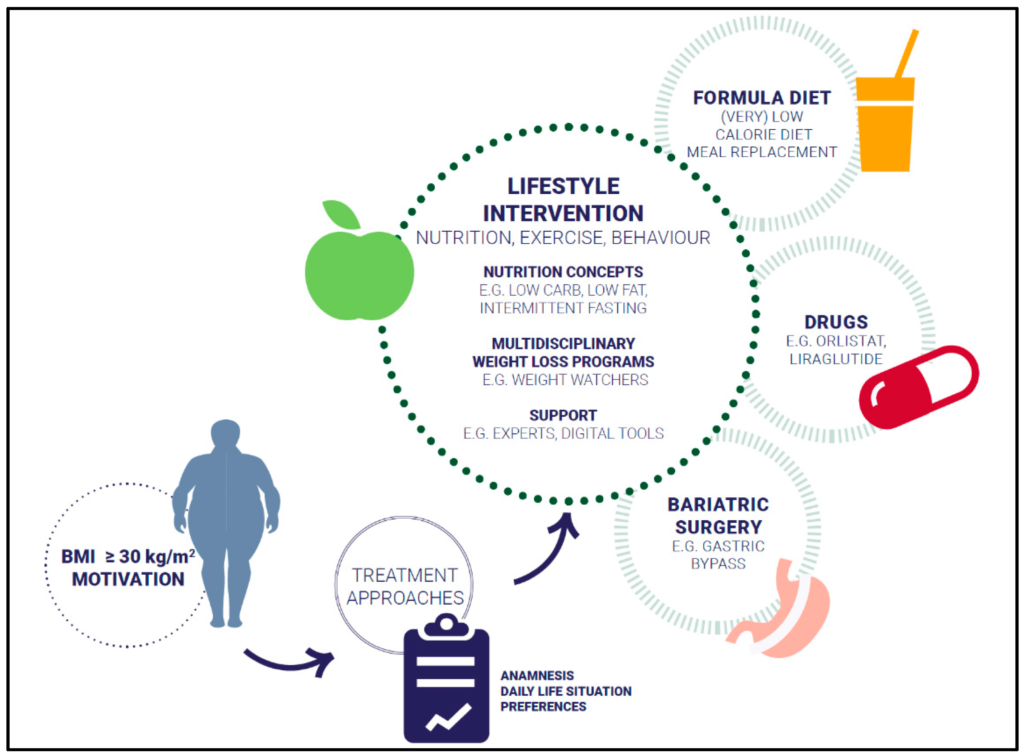
Bariatric Nutrition Counseling is a specialized form of dietary guidance tailored specifically for individuals undergoing weight loss surgery. It focuses on:
Nutritional preparation before surgery
Post-operative dietary adjustments
Micronutrient supplementation
Long-term lifestyle changes
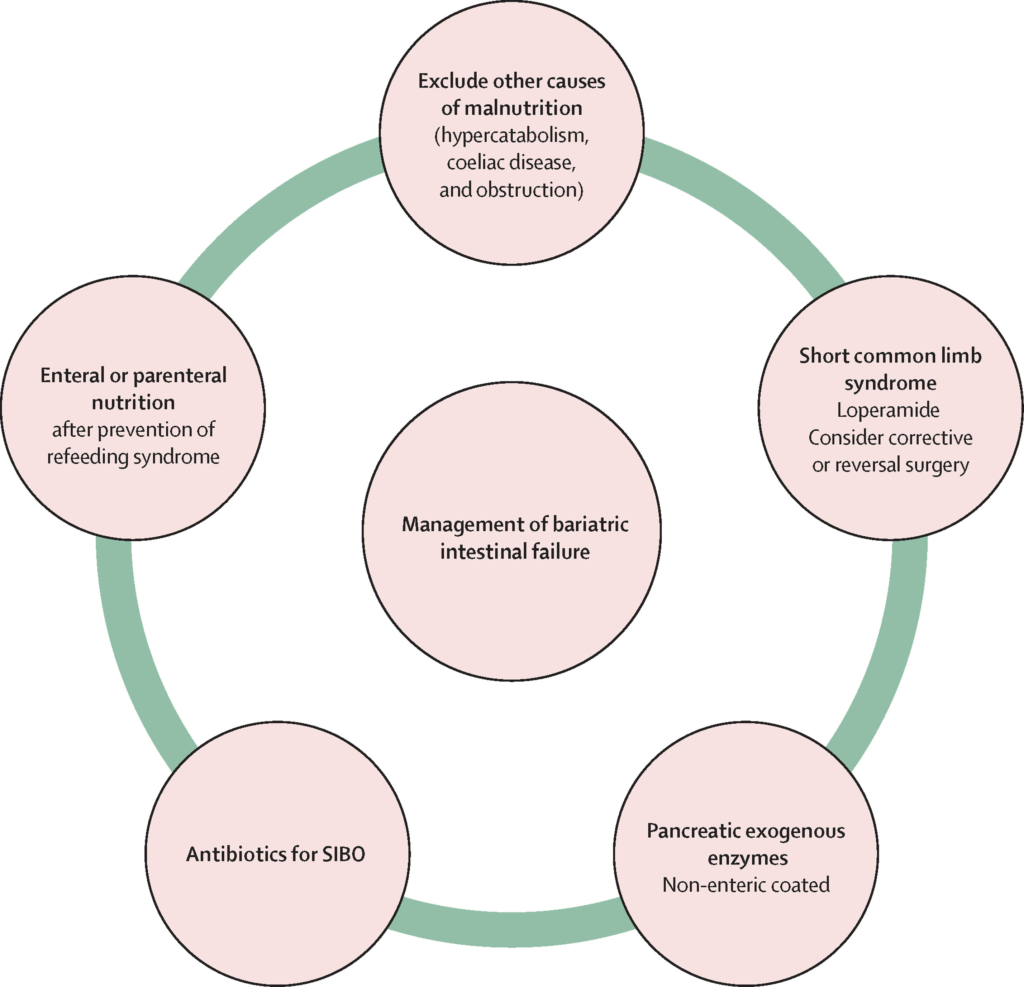
The goal is to maximize the benefits of bariatric procedures while preventing complications such as malnutrition or nutrient deficiencies.
Why Seek Bariatric Nutrition Counseling in Indore?
With the rising obesity rates in Central India, there’s a growing need for structured and scientific weight loss support. Indore, being a major healthcare hub, now offers advanced nutritional counseling programs, especially at premier institutions like Apollo Hospital.
At the heart of this comprehensive care model is Dr. Nikunj Jain, known for his expertise in both surgical and non-surgical obesity treatments. His team ensures that every patient undergoing bariatric surgery at Apollo Hospital Indore receives pre- and post-operative counseling from certified nutrition experts.
Why Choose Dr. Nikunj Jain?
Over a decade of experience in bariatric procedures
Access to a network of dietitians, fitness experts, and psychologists
High patient satisfaction and long-term success rates
What Makes Apollo Hospital Indore an Ideal Choice?
Apollo Hospital Indore is equipped with advanced diagnostic and dietary evaluation tools. Patients under Dr. Nikunj Jain’s care benefit from:
Certified clinical dietitians with bariatric experience
Continuous education on portion control and mindful eating
Customized plans based on age, gender, comorbidities, and cultural preferences
Common Challenges Addressed by Bariatric Nutrition Counseling
Inadequate protein intake
Vitamin B12, iron, and calcium deficiencies
Dumping syndrome management
Weight regain prevention
Emotional eating and food addiction
Success Stories from Patients in Indore
Patients consistently report that the counseling sessions are not just informative, but transformative. Many claim that understanding how food works in their new digestive system has helped them lose and maintain weight more effectively than any diet they tried before.
How to Get Started with Bariatric Nutrition Counseling in Indore?
Getting started is simple:
Schedule a consultation with Dr. Nikunj Jain at Apollo Hospital Indore
Undergo initial assessments and diagnostics
Begin your customized nutritional counseling journey
You can book appointments online via Apollo 247 or visit the hospital directly.
FAQs
Is nutrition counseling mandatory for bariatric surgery? Yes, it is a crucial part of the process to ensure safety and effectiveness.
How long will I need to see a dietitian post-surgery? Most patients have follow-ups for 6–12 months, but some benefit from longer support.
Will I have to take supplements forever? Some vitamin and mineral supplements may be lifelong depending on the type of surgery.
What if I have food allergies? Plans are personalized to accommodate allergies, preferences, and intolerances.
Is this service available online? Yes, virtual nutrition consultations are also available through Apollo’s online platform.
Conclusion: Invest in Your Health with Expert Nutrition Counseling
If you’re considering or have undergone bariatric surgery, Bariatric Nutrition Counseling in Indore with Dr. Nikunj Jain at Apollo Hospital is the essential next step. This integrated approach to weight management ensures you don’t just lose weight—you learn how to live better.
In a time when obesity-related health issues are surging, people are looking for effective yet safe ways to manage weight. Non-Surgical Weight Loss Procedures in Indore have emerged as a highly preferred solution for individuals wanting to avoid invasive surgeries. Under the guidance of Dr. Nikunj Jain, a reputed Surgical Gastroenterologist at Apollo Hospital Indore, several non-surgical weight management options are helping residents achieve their health goals with minimal risks and faster recovery.
Why Non-Surgical Weight Loss Procedures?
Unlike traditional bariatric surgery, non-surgical methods involve no incisions or stitches, making them ideal for those who are either not candidates for surgery or prefer less invasive solutions.
Dr. Nikunj Jain is a leading figure in gastrointestinal and bariatric care in Indore. With extensive training and over a decade of experience, he has helped countless patients achieve weight loss success through both surgical and non-surgical approaches at Apollo Hospital Indore.
Top Non-Surgical Weight Loss Procedures in Indore by Dr. Nikunj Jain
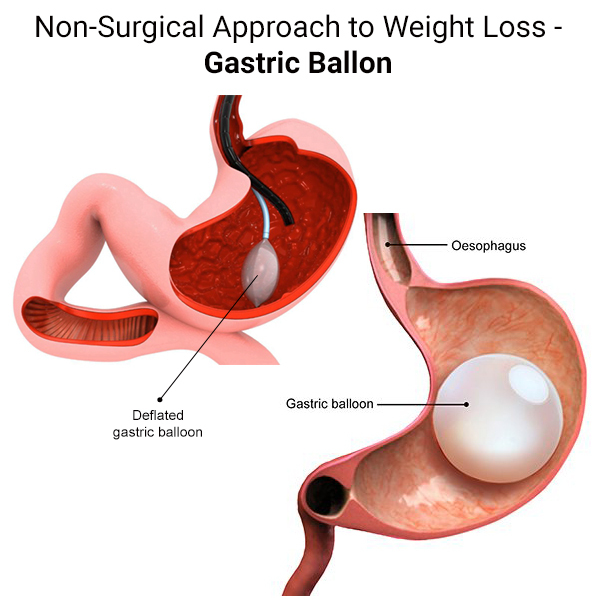
Intragastric Balloon Therapy
This FDA-approved procedure involves placing a silicone balloon in the stomach via endoscopy. It occupies space in the stomach, making patients feel fuller with less food intake.
Medical Weight Management (Medications + Diet Plan)
Customized non-surgical plans including appetite suppressants, metabolism boosters, and fat blockers. Combined with a personalized diet and exercise regime.
Addressing the root causes of weight gain, Dr. Jain offers ongoing counseling to change unhealthy eating habits, manage stress, and promote long-term health.
A tailored dietary plan based on individual metabolic needs and health conditions. Delivered by clinical dietitians under Dr. Jain’s supervision at Apollo Hospital.
Apollo Hospital is well-equipped with advanced diagnostic and treatment technologies, making it a reliable choice for non-surgical weight loss procedures. It offers a multidisciplinary team that includes gastroenterologists, dieticians, psychologists, and fitness experts—all working under Dr. Nikunj Jain’s leadership.
Patients can expect gradual and consistent weight loss with regular follow-ups and lifestyle changes. Most report not just aesthetic improvements but also better energy levels, reduced joint pain, improved sleep, and better blood sugar levels.
FAQs
Are these procedures safe? Yes, all non-surgical weight loss procedures offered by Dr. Jain are FDA-approved and performed using minimally invasive techniques.
How long does it take to see results? Results can be seen within the first 1-2 months, with more significant weight loss occurring over 6 months.
Will I need to follow a strict diet after the procedure? A structured but flexible diet plan will be provided to help you maintain and boost your weight loss journey.
Is the Intragastric Balloon removable? Yes, it’s designed to be removed after six months.
Are these procedures covered by insurance? Coverage depends on your insurance provider. The administrative team at Apollo Hospital Indore can help you check your eligibility.
What kind of support will I get after the procedure? Dr. Jain offers continuous follow-up, lifestyle counseling, and access to diet and fitness experts for comprehensive support.
Conclusion: Choose a Safer, Smarter Path to Weight Loss
If you’re searching for effective, minimally invasive ways to lose weight in Madhya Pradesh, Non-Surgical Weight Loss Procedures in Indore offer an ideal solution. Dr. Nikunj Jain, backed by the trusted team at Apollo Hospital Indore, delivers these procedures with a high success rate, utmost care, and long-term support. Schedule a consultation today and take a confident step toward a healthier life.
When seconds count, having access to a dependable surgical team can make all the difference. For the people of Indore, Emergency Surgical Services in Indore play a critical role in saving lives during trauma, accidents, and acute medical conditions. At the forefront of this essential care is Dr. Nikunj Jain, a leading Surgical Gastroenterologist at Apollo Hospital Indore. Whether it’s a burst appendix or a traumatic injury, Dr. Jain and his skilled team offer swift, precise, and compassionate emergency surgical intervention 24/7.
Why Emergency Surgical Services Are Vital
Emergencies like internal bleeding, appendicitis, perforations, intestinal blockages, and traumatic injuries demand immediate surgical attention. Delayed treatment in such cases can be fatal. Hence, timely access to emergency surgical facilities is not just important — it’s life-saving.
Meet the Expert: Dr. Nikunj Jain
Dr. Nikunj Jain is a highly experienced Consultant Surgical Gastroenterologist with a specialized focus on emergency and advanced laparoscopic surgeries. With over a decade of experience and training in handling high-stakes situations, Dr. Jain ensures that patients receive accurate diagnoses and prompt surgical care.
Qualifications:
MBBS, MS in General Surgery
Fellowship in Advanced Laparoscopic and Emergency Surgery
Apollo Hospital Indore – A Trusted Emergency Surgical Center
Apollo Hospital Indore is among the most trusted multi-specialty hospitals in Central India. Their 24/7 Emergency Department is fully equipped with:
Modular operating theatres
Advanced laparoscopic and robotic systems
Dedicated trauma and emergency team
ICU support for post-op care
Rapid diagnostic services (CT, MRI, labs)
Apollo’s seamless integration of emergency medical and surgical services ensures rapid response and patient stabilization within the “Golden Hour” — the critical time frame for life-saving interventions.
Emergency Surgical Services Offered by Dr. Nikunj Jain
Dr. Jain offers a comprehensive range of emergency surgical services including:
Acute Appendicitis Surgery
Gallbladder Emergencies (e.g., Cholecystitis)
Bowel Obstruction Management
Perforation Repairs (e.g., stomach, intestine)
Trauma Surgery (abdominal injuries, blunt trauma)
Intestinal Bleeding Control
Hernia Complications and Strangulation
Emergency Colorectal Surgeries
Emergency Laparoscopic Explorations
All procedures are handled with cutting-edge techniques that ensure minimum recovery time and maximum safety.
24/7 Availability and Rapid Response System
One of the biggest advantages of choosing Dr. Nikunj Jain at Apollo Hospital Indore is the round-the-clock availability. The hospital’s emergency unit coordinates immediately with surgical teams, ensuring:
Triage within minutes
Immediate stabilization
Emergency surgery without delay
ICU transfer if needed
Patients are under expert observation every step of the way, from diagnosis to post-operative care.
What Makes Dr. Nikunj Jain Stand Out in Emergency Surgery?
Speed & Precision: He combines fast decision-making with precision surgery.
In case of an emergency, call Apollo Hospital Indore’s emergency number or reach the ER directly. You can also request to consult with Dr. Nikunj Jain immediately upon admission. Appointments and follow-ups can be scheduled through:
What types of emergencies require surgery? Conditions like appendicitis, gallbladder inflammation, intestinal perforations, and abdominal trauma often require immediate surgical attention.
How quickly can I get surgery in an emergency? At Apollo Indore, emergency surgeries are performed as soon as the patient is stabilized and diagnosed — usually within minutes to an hour.
Are laparoscopic techniques used in emergencies? Yes, wherever feasible, Dr. Jain uses minimally invasive methods for quicker recovery and less pain.
Is insurance accepted for emergency surgery? Yes, Apollo Hospital Indore accepts most insurance policies. Emergency admissions are usually covered under health plans.
What if the patient is unconscious? Immediate care is provided, and consent can be taken from next of kin. Life-saving procedures are initiated without delay.
How do I know if it’s an emergency? Severe abdominal pain, vomiting, bleeding, and loss of consciousness are strong indicators to visit an emergency surgical center immediately.
Conclusion: Every Second Counts – Trust the Best in Indore
When emergencies strike, having the right team on your side can mean the difference between life and death. Dr. Nikunj Jain, offering Emergency Surgical Services in Indore at Apollo Hospital, ensures top-tier, timely, and compassionate care when you need it the most. Whether it’s a minor urgent procedure or a complex trauma surgery, you’re in expert hands.
Obesity has become one of the leading health concerns globally, and India is no exception. For individuals battling with obesity in Madhya Pradesh, finding the right medical expert can be life-changing. That’s where Dr. Nikunj Jain, a prominent Obesity Surgery Specialist in Indore, comes in. Practicing at the renowned Apollo Hospital Indore, he is known for delivering transformative, personalized care using advanced surgical techniques to combat obesity effectively.
Who is Dr. Nikunj Jain?
Dr. Nikunj Jain is a Consultant Surgical Gastroenterologist at Apollo Hospital Indore, specializing in bariatric (obesity) surgery, laparoscopic, and robotic procedures. With a rich background of education and years of hands-on experience, he has successfully helped numerous patients achieve sustainable weight loss, reduce obesity-related comorbidities, and enhance their overall well-being.
Credentials and Background
MBBS, MS in General Surgery
Fellowship in Advanced Laparoscopic and Bariatric Surgery
Why Choose Apollo Hospital Indore for Obesity Surgery?
Apollo Hospital is a name synonymous with excellence in healthcare, and their Indore branch is equipped with the latest infrastructure and technology. When paired with the expertise of Dr. Nikunj Jain, it offers a holistic, high-quality environment for patients seeking obesity surgery.
Key Advantages
World-class operation theatres and surgical technology
Multidisciplinary team approach
Post-operative care with dietitians and psychologists
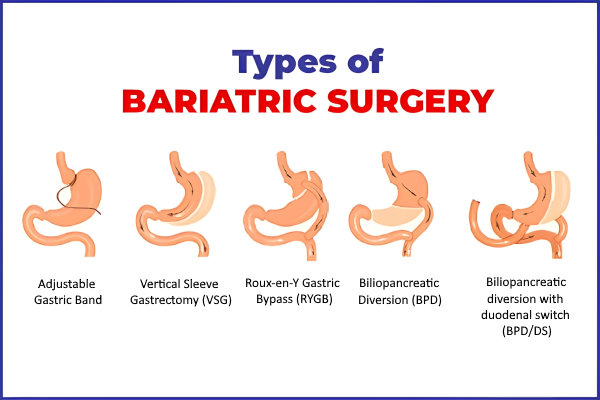
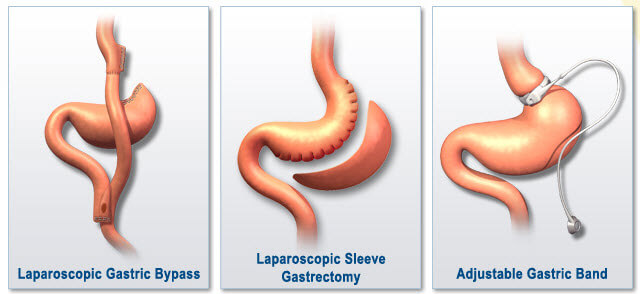
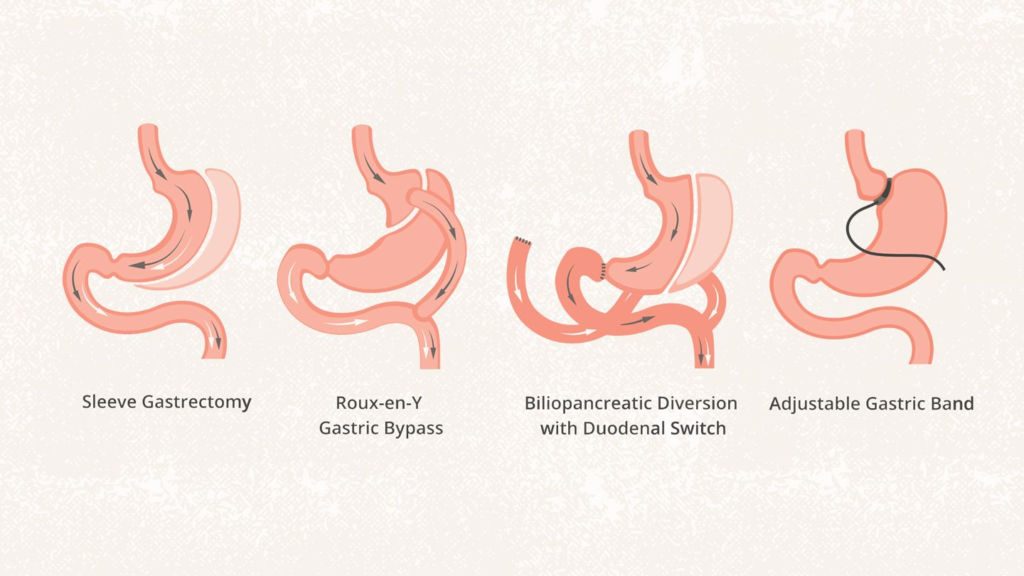
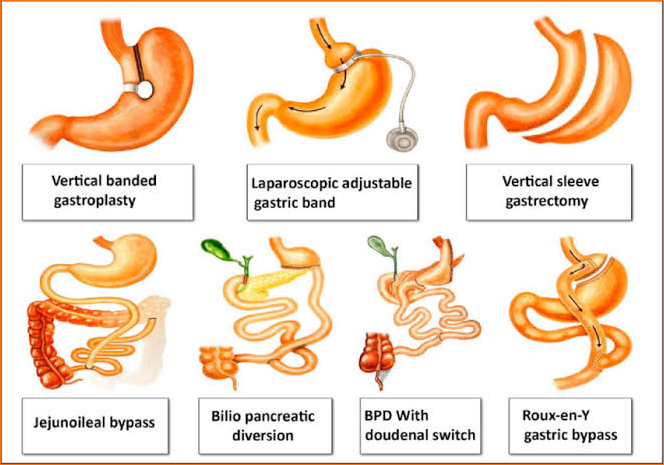
Dr. Nikunj Jain specializes in various types of bariatric surgeries including:
Gastric Bypass
Sleeve Gastrectomy
Mini Gastric Bypass (MGB)
Intragastric Balloon Procedure
Revision Bariatric Surgery
Each procedure is carefully recommended after thorough consultations, diagnostic evaluations, and medical history assessments.
Success Stories from Real Patients
Patients from across Central India have reported significant improvement in not only their weight but also in related conditions like diabetes, PCOS, sleep apnea, and joint pain after undergoing surgery by Dr. Nikunj Jain.
One patient shared: “Before surgery, my weight was 142 kg and I was struggling with high BP and cholesterol. Dr. Jain and his team gave me a new life. I lost 56 kg in one year and feel 20 years younger.”
Booking a consultation is straightforward. Patients can either walk into Apollo Hospital Indore or schedule an appointment via online platforms such as:
Is obesity surgery safe? Yes, when performed by experienced surgeons like Dr. Nikunj Jain, bariatric surgery is safe and has a high success rate.
Will I lose weight immediately after surgery? Most patients begin losing weight within the first few weeks and continue to lose significant weight over the first year.
Is the surgery covered under insurance? Many insurance providers now cover bariatric surgery. Check with your provider or Apollo’s billing department for details.
How do I know which surgery is right for me? Dr. Jain performs a comprehensive evaluation to determine which procedure best suits your condition and weight-loss goals.
Do I need to diet after the surgery? Yes, a structured diet plan is essential post-surgery to maximize results and maintain weight loss.
Are there risks or side effects? As with any surgical procedure, risks exist, but they are minimized with advanced techniques and professional care.
Conclusion: Take the First Step Toward a Healthier You
If you’re in Indore and struggling with obesity, know that help is available. Dr. Nikunj Jain, one of the best Obesity Surgery Specialists in Indore, practicing at Apollo Hospital Indore, can guide you towards a healthier, more confident future. Don’t let obesity dictate your life—book your consultation today and take that brave first step toward transformation.
In the quest for sustainable weight loss and a healthier life, many turn to gastric bypass surgery—a procedure that has transformed countless lives. If you’re searching for expert gastric bypass surgery in Indore, you’ll be pleased to know that Dr. Nikunj Jain, a top surgical gastroenterologist at Apollo Hospital Indore, offers world-class bariatric surgical solutions with unmatched care and precision.
Understanding Gastric Bypass Surgery in Indore
Gastric bypass surgery is a type of bariatric surgery aimed at helping patients with severe obesity lose weight by altering the digestive system. This procedure reduces the stomach’s size and bypasses part of the small intestine, resulting in lower food intake and nutrient absorption.
In Indore, this life-changing surgery is expertly performed by Dr. Nikunj Jain, a leader in minimally invasive bariatric procedures at Apollo Hospital Indore, one of the city’s premier multispecialty hospitals.
Why Choose Dr. Nikunj Jain for Gastric Bypass Surgery in Indore?
Dr. Nikunj Jain is a board-certified Gastrointestinal & Laparoscopic Surgeon with extensive expertise in advanced bariatric and metabolic surgeries. Known for his patient-first philosophy and minimally invasive techniques, Dr. Jain has gained a stellar reputation across Central India.
Highlights of Dr. Nikunj Jain’s Practice:
Consultant Surgeon at Apollo Hospital Indore
Specializes in Laparoscopic & Robotic Bariatric Surgery
Over 10+ years of surgical experience
Awarded the prestigious Dr. B. Ramamurthi National Gold Medal
With a deep understanding of the psychological and physical challenges associated with obesity, Dr. Jain adopts a holistic, empathetic approach to ensure successful long-term outcomes.
Benefits of Gastric Bypass Surgery in Indore
Choosing gastric bypass surgery at Apollo Hospital Indore with Dr. Jain offers numerous benefits:
Significant weight loss (up to 60-80% of excess weight)
This surgery is typically recommended for individuals who:
Have a BMI of 40 or more
Have a BMI of 35+ with obesity-related conditions (e.g., diabetes, hypertension)
Have tried traditional weight-loss methods without long-term success
Dr. Jain conducts a comprehensive evaluation to determine eligibility and prepare patients mentally and physically for the journey ahead.
Laparoscopic vs Open Gastric Bypass Surgery
Thanks to Dr. Nikunj Jain’s expertise, laparoscopic gastric bypass surgery is the preferred approach at Apollo Hospital Indore. This method uses small incisions, a camera (laparoscope), and specialized tools to complete the surgery with minimal trauma.
Patients typically return to normal routines within 2–4 weeks. Full dietary adaptation may take a few months, but improvements in mobility, energy, and self-confidence are often seen within the first month.
Risks & Considerations
Like any major surgery, gastric bypass involves potential risks, such as:
Nutritional deficiencies
Dumping syndrome
Ulcers or infections
Bowel obstruction
Dr. Jain provides extensive post-op guidance and supplements to minimize these risks.
Success isn’t just about weight loss—it’s about sustaining results. Dr. Nikunj Jain’s patients benefit from long-term follow-up care, nutrition coaching, and support groups. With a tailored plan, many experience complete lifestyle transformations.
Why Apollo Hospital Indore?
As one of the most advanced medical centers in Central India, Apollo Hospital Indore offers:
State-of-the-art infrastructure
Robotic and laparoscopic surgical suites
Highly trained nursing and support staff
Dedicated bariatric care unit
Patients enjoy a comfortable, safe, and holistic healing environment.
FAQs
Is gastric bypass surgery safe in Indore? Yes, especially when performed by experienced surgeons like Dr. Nikunj Jain using advanced laparoscopic techniques.
Will I regain weight after gastric bypass surgery? With proper diet, lifestyle changes, and follow-up, most patients maintain significant weight loss long-term.
Does insurance cover gastric bypass at Apollo Hospital Indore? Many insurance providers do cover it; Dr. Jain’s office can help with pre-authorization and claims.
How long is the recovery after gastric bypass surgery? Most patients return to normal activities in 2–4 weeks, with complete dietary adjustment taking a few months.
Are there alternatives to gastric bypass surgery? Yes, such as sleeve gastrectomy or adjustable gastric banding, depending on patient needs and eligibility.
Will I need to take vitamins after surgery? Yes, lifelong supplements are usually required to prevent deficiencies due to reduced nutrient absorption.
Conclusion
If you’re considering gastric bypass surgery in Indore, Dr. Nikunj Jain at Apollo Hospital Indore is your go-to expert for a safe, effective, and compassionate weight-loss journey. With proven outcomes, advanced surgical techniques, and world-class facilities, you’re in the best hands for reclaiming your health and vitality.