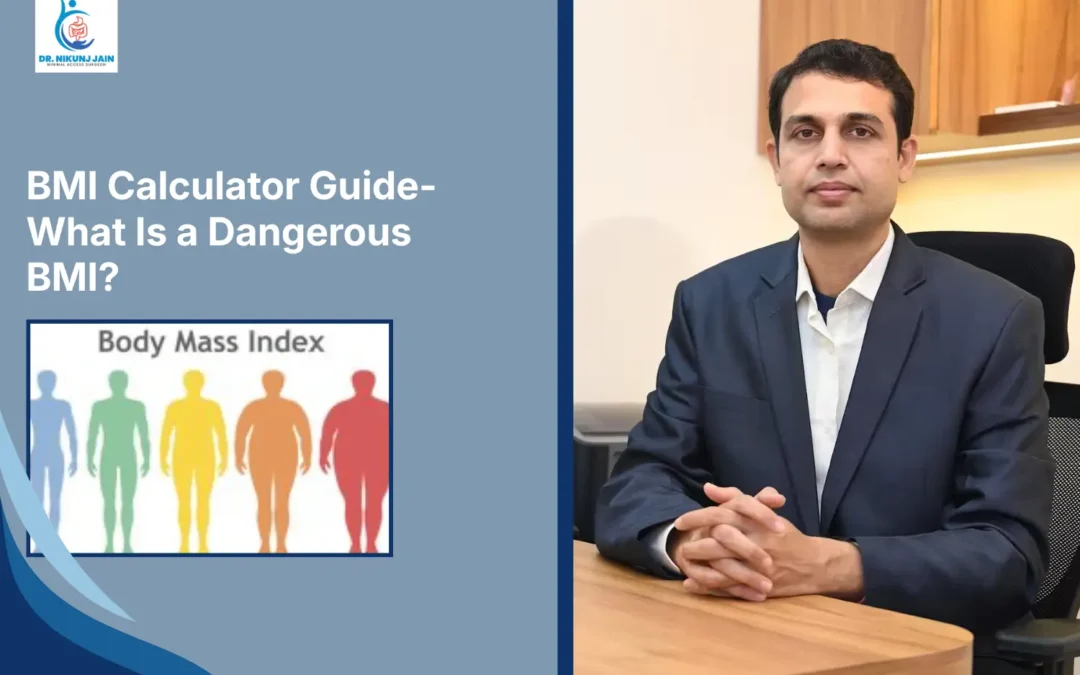
Body Weight matters a lot in health. A lot of people ask themselves questions about their weight, is it in the healthy range or does it lend them to be at risk for some diseases? The Body Mass Index is perhaps the most frequently used tool for assessing this. Dr. Nikunj Jain, best weight loss doctor in Indore, explained that getting to know and monitor your Body Mass Index can aid in recognizing if one is at risk of developing multiple health-related complications even before they have developed and prompt them towards living a healthier lifestyle.
This Guide will cover what Body Mass Index is, how it’s calculated and what levels might be a cause for concern.
Table of Contents
What Is BMI & BMI Calculator Guide?
BMI or Body Mass Index, is a simple measurement that compares a person’s weight to their height. It is widely used by doctors and healthcare professionals to categorize weight levels and assess possible health risks.
The formula used for BMI is:
BMI = Weight (kg) ÷ Height (m²)
For example, if someone weighs 70 kg and their height is 1.7 meters, their BMI would be:
70 ÷ (1.7 × 1.7) = 24.2
This number is then compared to standard BMI ranges to determine whether the person is underweight, normal weight, overweight, or obese.
Many people use an online Body Mass Index calculator to get this number quickly.
Standard BMI Categories
BMI is usually divided into the following categories:
Underweight: BMI below 18.5
Normal weight: BMI between 18.5 and 24.9
Overweight: BMI between 25 and 29.9
Obesity: BMI 30 or higher
These categories help doctors understand potential health risks related to body weight.
What Is Considered a Dangerous BMI?
A BMI becomes dangerous when it reaches levels that significantly increase the risk of serious health problems.
1. Very Low BMI (Below 18.5)
Being underweight can sometimes be overlooked, but it may lead to health issues such as:
Weak immunity
Nutritional deficiencies
Bone loss
Fatigue and weakness
A very low BMI may also indicate underlying medical conditions or poor nutritional intake.
2. High BMI (Above 30)
A high BMI, especially in the obesity range, is more commonly linked with health risks. These include:
Heart disease
High blood pressure
Type 2 diabetes
Fatty liver disease
Digestive disorders
Sleep apnea
The higher the BMI rises above 30, the greater the risk of complications.
Why BMI Matters for Digestive Health
Many people associate Body Mass Index mainly with heart health, but it also affects the digestive system. Excess weight can increase pressure inside the abdomen, which may lead to issues such as:
Acid reflux (GERD)
Fatty liver disease
Gallstones
Hernias
Maintaining a healthy BMI can help reduce the risk of these conditions and improve overall digestive health.
Limitations of Body Mass Index
While Body Mass Index is a useful screening tool, it does have limitations.
For example:
It does not measure body fat directly.
Muscular individuals may have a higher BMI even if they are healthy.
It does not account for fat distribution in the body.
Because of these factors, doctors usually consider BMI along with other health indicators such as waist circumference, lifestyle habits, and medical history.
How to Maintain a Healthy Body Mass Index
Achieving and maintaining a healthy Body Mass Index usually comes down to balanced habits. Some simple lifestyle changes can make a big difference.
1. Eat a balanced diet Focus on fruits, vegetables, whole grains, lean proteins, and healthy fats while limiting processed foods.
2. Stay physically active Regular exercise helps burn calories, improve metabolism, and strengthen muscles.
3. Maintain consistent eating habits Avoid skipping meals or overeating late at night.
4. Monitor your health regularly Routine health checkups help detect potential issues early.
When Should You See a Doctor?
If your Body Mass Index is running high or low, it may be of some assistance to make a visit to a medical supplier. Even if there is sudden weight gain or unexplained weight loss, it should be evaluated.
Now with the right medical evaluation to unveil all causes of this issue fate takes a good turn once again and we can safely implement an effective plan for you to turns stateable energetic and healthy again.
Conclusion
Body Mass Index is a simple and effective health predictor that tells whether your weight can be a health hazard or not. This measurement is not the sole indicator for health, but rather a good place to begin how your body works and how you can use this knowledge to help make better choices in your life.
According to the best bariatric surgeon in Indore, Dr. Nikunj Jain, keeping a healthy weight is always a crucial step in ensuring the well-being of not just our digestive health but overall health as well. With regular monitoring and practice of healthy habits, you will be able to avoid any future health problems.
Living with a hernia can quietly affect many parts of daily life. What may start as a small bulge or occasional discomfort can slowly turn into persistent pain, difficulty in movement and constant worry about worsening symptoms. Many people hesitate to seek treatment because the idea of surgery feels intimidating. Questions like “Will it be painful?”, “How long will recovery take?”, or “Is there a safer option?” often create anxiety.
According to Dr. Nikunj Jain, best laparoscopic surgeon in Indore, modern medical techniques now offer safer and more comfortable treatment options for hernia repair. Understanding the difference between open and laparoscopic hernia surgery can help people make a confident and informed decision about their health.
Understanding Hernia Surgery
A hernia occurs when an internal organ or tissue pushes through a weak spot in the surrounding muscle or abdominal wall. Surgery is usually recommended because hernias do not heal on their own and may gradually become larger or more painful.
The goal of hernia surgery is simple: return the tissue to its correct position and strengthen the weakened area to prevent recurrence. Today, this repair can be done using two main approaches , open surgery and laparoscopic surgery.
What Is Open Hernia Surgery?
Open hernia surgery is the traditional and widely practiced method. In this procedure, the surgeon makes a small incision near the hernia site to access the affected area directly. The bulging tissue is placed back into its proper position and the weakened muscle wall is reinforced, often using a surgical mesh.
This technique has been used successfully for many years and is still considered a reliable option for many people. Open surgery is often recommended for larger hernias or in situations where laparoscopic surgery may not be suitable.
One advantage of this method is that it can sometimes be performed under local or regional anesthesia, depending on the patient’s condition. However, recovery may take slightly longer because the incision is larger compared to minimally invasive techniques.
What Is Laparoscopic Hernia Surgery?
Laparoscopic hernia surgery is a minimally invasive procedure that uses advanced technology. Instead of a single larger incision, the surgeon makes a few very small cuts in the abdomen. A tiny camera called a laparoscope is inserted through one of these openings, allowing the surgeon to view the internal area on a monitor.
Specialized surgical instruments are then used to repair the hernia and place mesh to strengthen the muscle wall. Because the incisions are smaller, laparoscopic surgery often results in less post-operative pain, minimal scarring and faster recovery for many people. People who undergo this procedure may also be able to return to their daily activities sooner compared to traditional surgery.
Open Surgery vs Laparoscopic Surgery
Aspect
Open Surgery
Laparoscopic Surgery
Procedure Method
A single larger incision is made near the hernia area to repair the tissue.
Several small incisions are made and a camera with surgical instruments is used.
Incision Size
Larger incision
Small keyhole incisions
Complex Hernias
Often preferred for large or complicated hernias.
Usually used for uncomplicated or bilateral hernias.
Suitability
Suitable for patients with certain medical conditions or previous abdominal surgeries.
Suitable for patients who are good candidates for minimally invasive procedures.
Recovery Time
Recovery may take slightly longer.
Faster recovery in many cases.
Pain & Scarring
May involve slightly more postoperative discomfort and a larger scar.
Generally less pain and minimal scarring due to small incisions.
Return to Normal Activities
Normal activities may take longer to resume.
People often return to daily activities sooner.
Hospital Stay
Sometimes requires a longer observation period.
Often shorter hospital stay.
Emotional Impact of Hernia Surgery
Beyond the physical discomfort, living with a hernia can affect a person’s confidence and peace of mind. Many people avoid exercise, lifting objects, or even simple daily activities due to fear of worsening the condition.
Surgery not only treats the physical problem but also restores a sense of freedom and comfort in everyday life. Once the hernia is repaired, people often feel relief from the constant worry that the condition might suddenly worsen.
Talking openly with a qualified hernia doctor in Indore like Dr. Nikunj Jain helps people understand the procedure and reduces the fear associated with surgery. When people know what to expect, the treatment journey becomes far less stressful.
Which Is Better: Open or Laparoscopic?
There is no universal answer because every patient’s condition is unique. The “better” option is the one that suits the patient’s health, lifestyle and the specific type of hernia.
In many cases, laparoscopic surgery offers faster recovery and less discomfort. However, open surgery continues to be a highly effective and trusted method in certain situations.
A detailed medical evaluation is essential to determine the most appropriate surgical approach.
Conclusion
Hernia surgery today is safer and more advanced than ever before. Whether the treatment involves open repair or laparoscopic techniques, the primary goal remains the same, restoring comfort, mobility and quality of life.
With proper diagnosis and guidance from experienced specialists like Dr. Nikunj Jain, laparoscopic surgeon in Indore, people can receive personalized treatment that ensures the best possible outcome and a smooth recovery journey.
Carrying excess body weight is more than just a matter of appearance. It can gradually impact many aspects of health, including the heart, joints, digestion and energy levels. People go through different fad (weight loss) diets, gym sessions and lifestyle changes but face failures in losing weight. At some point, medical treatment, like bariatric surgery by a best bariatric surgeon might become necessary as being overweight starts to lead to serious health issues.
Bariatric surgery is meant to assist people safely and effectively in controlling obesity when other attempts have failed, according to Dr. Nikunj Jain, best weight loss doctor in Indore.
What Is Weight-Loss Bariatric Surgery?
Bariatric surgery is a surgical procedure designed to assist those who are overweight in losing weight by altering how the stomach or digestive system functions. The surgery either makes the stomach smaller or alters how the digesting system functions, resulting in fewer calories being absorbed by the body. People are full by smaller portions because their stomach is not as large anymore. It results in gradual and sustainable weight loss over time.
Along with weight loss, bariatric surgery can bring health issues associated with obesity such as diabetes, high blood pressure and sleep apnea under control.
Who’s a Candidate for Weight Loss Surgery?
Not everyone who is overweight requires surgery. Bariatric surgery is typically indicated for those whose obesity has severe consequences for their health.
They have been unable to achieve lasting results from diet and exercise
Overweight with health problems such as diabetes or hypertension
Excess weight hinders daily life
Prior to determining if surgical intervention is the appropriate course of action, a full medical assessment will always take place.
Types of Bariatric Surgery Used for Obesity
These days, there are many different types of bariatric procedures that can be performed using modern medical technology depending on the patient’s health status and weight goals.
Sleeve Gastrectomy Surgery The most commonly performed weight loss surgery. This process involves removing a large portion of the stomach, so only a smaller sleeve-shaped stomach remains. people feel full quickly and naturally begin eating less.
Gastric Bypass Weight Loss Surgery In gastric bypass surgery, the digestive system is altered so that food bypasses part of the stomach and intestine. This decreases calorie absorption and allows people to successfully lose weight.
Mini Gastric Bypass Surgery This is a simplified version of gastric bypass surgery and is usually suggested for individuals who need significant weight loss.
The type of surgery selected will vary depending on body weight, current health status and lifestyle factors.
Benefits of Bariatric Surgery
The health benefits of bariatric surgery go beyond weight loss. Some of the key benefits include:
Long-term and sustainable weight reduction
Improved control over diabetes
Lower risk of high blood pressure and heart disease
Reduced stress on muscles and bones
Better sleep quality
Increased physical energy and mobility
Most people also experience improved confidence and better mental well-being after reaching a healthier body weight.
Bariatric Surgery Recovery Time: How Long Will It Take?
Recovery following bariatric surgery is now much quicker because most operations are performed using laparoscopic techniques. These procedures involve small incisions, which means less pain and faster healing.People usually begin walking within a day and can return to normal activities within a few weeks.
After the surgery, doctors recommend a structured diet plan that starts with liquids and gradually progresses to soft and solid foods. Long-term success also depends on maintaining healthy eating habits and regular physical activity.
Choosing the Right Bariatric Surgeon in Indore
Selecting the right surgeon is one of the most important steps in a weight loss journey. Experience, surgical expertise and proper patient guidance play a key role in achieving successful results.
With proper medical evaluation and the use of advanced surgical techniques, bariatric surgery can help people significantly improve their health and overall quality of life.For individuals seeking safe and advanced weight loss treatment, consulting Dr. Nikunj Jain, best bariatric surgeon in Indore, can help them understand their options and take the first step toward a healthier future.
Gastrointestinal (GI) problems can cause pain, discomfort, and sometimes disturb your everyday life. When medicines and lifestyle changes do not give relief, surgery becomes necessary. Today, many patients prefer laparoscopic surgery, a modern technique that uses small cuts and a camera to treat different gastrointestinal problems.
drBut the big question is: When is laparoscopic surgery better than open surgery? This blog explains the differences and helps you understand when laparoscopic surgery becomes the preferred choice, under the guidance of Dr. Nikunj Jain, best laparoscopic surgeon in Indore.
Table of Contents
What Is Laparoscopic Surgery?
Laparoscopic surgery is also called minimally invasive surgery.
It is done through very small incisions.
A thin tube with a camera (laparoscope) is inserted inside the abdomen.
The surgeon watches the inside of the body on a screen and performs the procedure with special instruments.
This approach is safe, precise, and helps patients recover faster.
What Is Open Surgery?
Open surgery is the traditional method of surgery.
It involves a larger cut on the stomach.
The surgeon can directly see and touch the organs.
Open surgery is still required in some complex situations, but for many gastro problems, laparoscopic surgery offers better results.
When Is Laparoscopic Surgery Better?
Here are the conditions where laparoscopic surgery becomes the best and safest option:
1. Gallbladder Stones (Cholecystectomy)
Laparoscopic surgery is the gold-standard treatment for gallbladder stone removal.
Why better?
Minimal pain
Faster discharge, often within 24 hours
Quick return to normal activities
Almost invisible scars
Most patients in Indore prefer laparoscopic gallbladder surgery because of the quick recovery and high success rate under experts like Dr. Nikunj Jain.
2. Hernia Repair
For inguinal, umbilical, and ventral hernias, laparoscopic repair is often preferred.
Benefits:
Smaller cuts → less pain
Better view of the hernia from inside
Mesh placement with precision
Reduced risk of recurrence
Excellent option for people with bilateral or recurrent hernias
3. Appendicitis
Laparoscopic appendectomy is highly recommended, especially in early or uncomplicated appendicitis.
Why better?
Shorter hospital stay
Lower infection risk
Faster healing
Best for young adults, working professionals, and athletes
4. Acid Reflux (GERD) & Hiatal Hernia Surgery
When lifestyle changes and medicines fail, surgery is required. Laparoscopic anti-reflux surgery helps in long-term relief.
Advantages:
Restores valve function between the stomach and the food pipe
Less pain and discomfort
Faster return to normal diet
5. Obesity & Bariatric Procedures
Weight-loss surgeries such as gastric bypass or sleeve gastrectomy are almost always done laparoscopically.
Why patients prefer it:
Safer for overweight patients
Faster recovery
Very low complication rate
6. Intestinal Surgeries
For problems like small bowel obstruction, Crohn’s disease, or certain tumors, laparoscopic techniques provide great outcomes.
Benefits:
Better visualization
Smaller incisions, even for large procedures
Early bowel movement recovery
General Benefits of Laparoscopic Surgery
✔ Smaller cuts → Less pain ✔ Very low blood loss ✔ Short hospital stay ✔ Faster recovery and mobility ✔ Minimal scars ✔ Lower risk of wound infections ✔ Faster return to work
For many patients, especially working professionals, women, and elderly individuals, these advantages make a big difference.
When Is Open Surgery Still Needed?
Open surgery is preferred in certain situations, like:
Very large tumors
Severe infections spreading into multiple organs
Emergency trauma
When laparoscopic visibility is poor due to previous surgeries
Complicated intestinal blockage
An expert surgeon decides the safest approach based on the patient’s condition.
Why Choose Dr. Nikunj Jain, Best Laparoscopic Surgeon in Indore?
Dr. Nikunj Jain is known for his expertise in advanced laparoscopic and gastro surgeries. Patients trust him for:
High surgical accuracy
Modern laparoscopic techniques
Minimal complications
Fast recovery and patient comfort
Clear guidance and ethical treatment
He ensures that every patient gets the safest and most effective approach, whether laparoscopic or open, based on their specific condition.
Conclusion
Laparoscopic surgery has transformed the way we treat gastro problems. For many conditions like gallstone removal, appendix surgery, hernia repair, and reflux disease, laparoscopic surgery provides better results, less pain, and quicker recovery compared to open surgery.
But the choice depends on the patient’s condition, and consulting an expert like Dr. Nikunj Jain, best laparoscopic surgeon in Indore, ensures you get the right treatment with the highest safety.
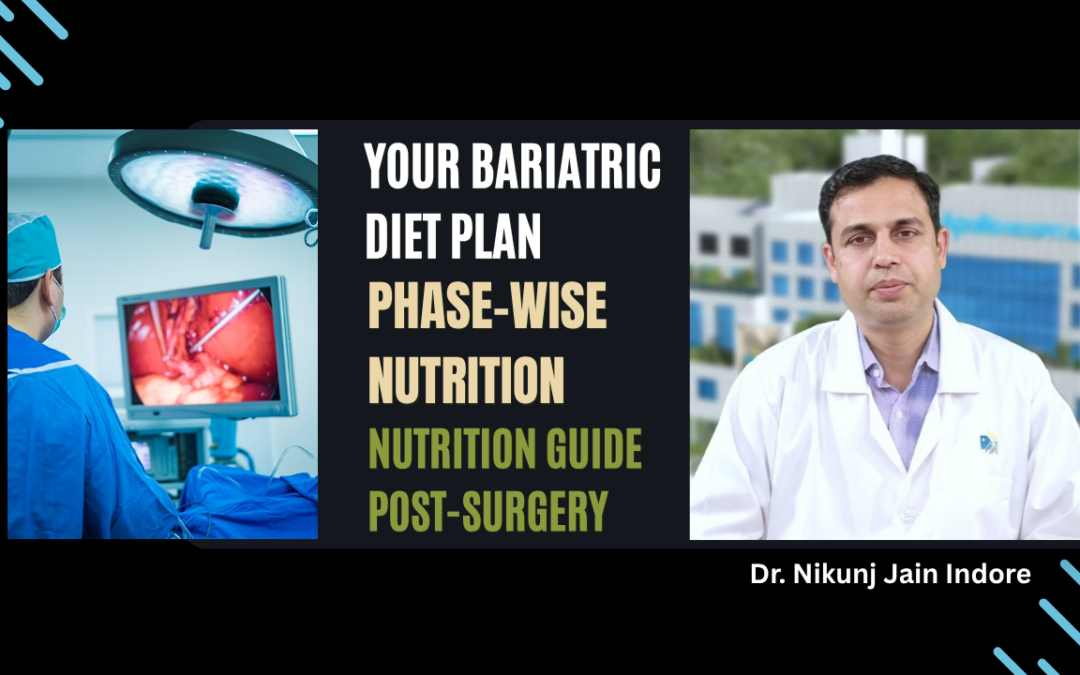
Bariatric surgery is a powerful tool for weight loss, but it’s only one part of the journey. What you eat—and how you eat—after surgery plays a crucial role in recovery, health, and long-term success. That’s why following a structured, phase-wise bariatric diet plan is essential.In this comprehensive guide, Dr. Nikunj Jain, a leading bariatric surgeon at Apollo Hospital Indore, breaks down your post-bariatric surgery diet into well-defined stages. Each phase is tailored to support healing, prevent complications, and promote steady, sustainable weight loss.
Why a Bariatric Diet Plan Matters
Why a Bariatric Diet Plan Matters
After surgery, your stomach’s size and digestive process change dramatically. A normal-sized stomach may hold over 1,000 ml of food—but after bariatric surgery, it’s reduced to about 30–150 ml depending on the procedure.
This means:
You can’t tolerate large meals
Nutrient absorption may reduce (especially after gastric bypass)
Improper food choices can lead to vomiting, pain, or deficiencies
Following a medically guided diet ensures that you nourish your body while helping it adapt to these changes.
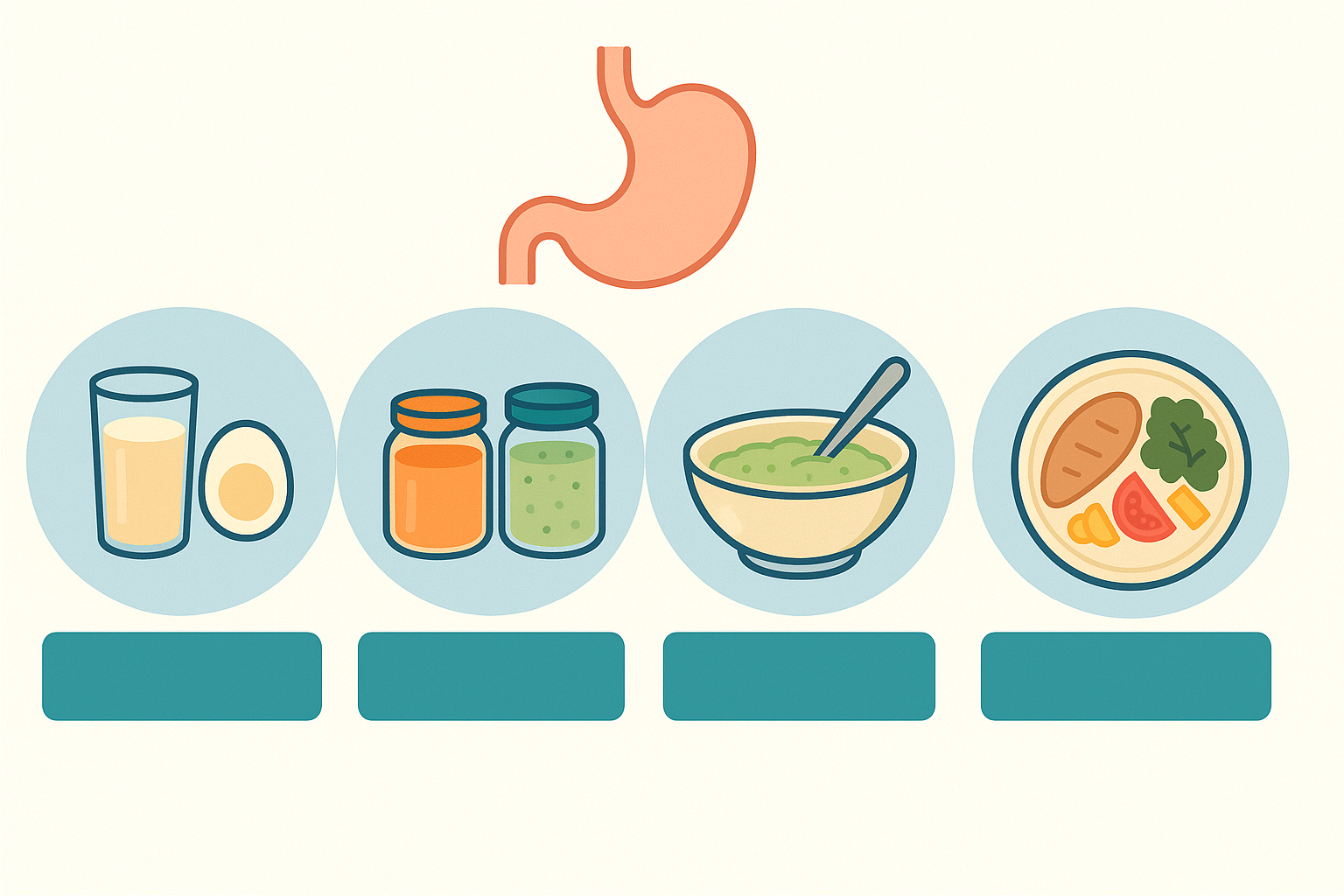
Overview of the 4 Bariatric Diet Phases
Overview of the 4 Bariatric Diet Phases
The post-surgery bariatric diet is typically divided into four phases:
Clear Liquid Diet – Days 1 to 7
Full Liquid / Pureed Diet – Week 2 to Week 3
Soft Diet – Week 4 to Week 5
Solid Diet (Stabilization Phase) – Week 6 onwards
Let’s explore each phase in detail.
Phase 1: Clear Liquid Diet (Days 1–7)
Purpose:
Allow your stomach to heal
Prevent strain on surgical site
Prevent dehydration
Allowed Items:
Water (sips only, no gulping)
Coconut water (unsweetened)
Clear vegetable broth
Lemon water (no sugar)
Sugar-free gelatin
Herbal teas (caffeine-free)
Tips:
Drink slowly—1 to 2 small sips every 10 minutes
Avoid carbonated, caffeinated, and sugary drinks
Goal: At least 1.5 to 2 liters of fluid per day
Common Mistakes:
Drinking too fast or too much at once
Skipping hydration due to nausea (take smaller sips frequently)
Phase 2: Full Liquid / Pureed Diet (Week 2–3)
Purpose:
Begin gentle nourishment
Start introducing protein
Reduce risk of nutrient deficiency
Allowed Foods:
Low-fat milk or soy milk
Protein shakes (sugar-free)
Dal water or blended soups
Mashed fruits like banana or avocado
Smooth yogurt or curd
Egg whites (scrambled or boiled and mashed)
Paneer blended with curd
Key Goals:
Start protein intake (at least 50g per day)
Continue hydration
Eat 5–6 times per day in small portions
Tips:
Use a baby spoon to avoid eating too quickly
Take 20–30 minutes to finish a meal
Stop at the first sign of fullness
Avoid:
Spices
Sugar
Oil and ghee
Whole nuts or seeds
Chunky or fibrous vegetables
Phase 3: Soft Diet (Week 4–5)
Purpose:
Help transition to semi-solid foods
Expand variety while maintaining tolerance
Boost protein intake and satiety
Allowed Foods:
Dalia (broken wheat porridge)
Khichdi with mashed vegetables
Well-cooked oats or suji upma
Soft paneer
Boiled chicken or fish (shredded)
Steamed mashed vegetables
Idli or poha (plain, no fried items)
Protein Goal:
60–80g per day, split across 5–6 meals
Best Practices:
Continue chewing thoroughly
Eat slowly and mindfully
Sit upright while eating and stay upright for at least 30 minutes after
Best sources: Eggs, chicken, dal, soy, paneer, whey protein
2. Stay Hydrated
Minimum: 2 liters/day
Don’t drink 30 mins before/after meals
3. Take Your Supplements
Vitamin B12, Calcium, Iron, and Multivitamin are lifelong companions
4. No Sugar & No Carbonation
Sugar triggers dumping syndrome, especially in bypass patients
Carbonated drinks can stretch your pouch and cause discomfort
Tips from Dr. Nikunj Jain for Long-Term Success
Keep a food journal to track portions, symptoms, and hunger
Weigh yourself weekly, not daily
Chew slowly and eat mindfully
Avoid distractions (TV, mobile) while eating
Plan your meals—don’t wait to feel hungry
Consult a dietician regularly for updates
Common Challenges and Solutions
Challenge
Solution
Constipation
Add fiber via oats, papaya, isabgol; stay hydrated
Hair Loss
Ensure protein, biotin, iron intake
Nausea after eating
Eat slower, stop early, avoid fatty foods
Weight loss plateau
Reassess diet and increase physical activity
What Happens If You Don’t Follow the Plan?
Non-compliance can lead to:
Nutritional deficiencies
Vomiting or stomach pain
Dumping syndrome
Weight regain
Reduced quality of life
That’s why Dr. Nikunj Jain’s team provides custom post-op diet charts and regular follow-ups to ensure each patient gets the right support at every stage.
Frequently Asked Questions
Faqs
1. How long do I need to follow the bariatric diet plan?
You’ll progress through phases for about 6–8 weeks, but healthy eating is for life.
2. Can I ever eat sweets again?
It’s best to avoid sugar permanently. Occasional fruit-based desserts may be allowed later.
3. What if I feel hungry all the time?
Hunger usually decreases after surgery. If it returns, check for emotional eating or review your diet.
4. Is protein powder necessary?
Yes, especially in early stages where food intake is low. Whey isolate is a common choice.
5. Can I eat out at restaurants?
Eventually, yes. But choose grilled, steamed, or roasted options. Avoid buffets and fried foods.
Conclusion
Conclusion
The bariatric diet plan is your blueprint for recovery and long-term health. It’s not a temporary restriction but a permanent transformation in how you view food, hunger, and nourishment.
With expert supervision from Dr. Nikunj Jain and his clinical team at Apollo Hospital Indore, you’ll receive personalized nutritional guidance every step of the way.
Remember, weight loss surgery is a tool—your discipline, diet, and dedication are what make it successful.