Obesity is not about being overweight. It can slowly damage your heart, liver, joints, digestion, sleep, hormones and overall quality of life. Many people delay seeing a doctor because they think obesity is a lifestyle problem. Dr. Nikunj Jain, best bariatric surgeon in Indore, says obesity is a health condition that needs attention especially when it starts affecting your comfort, movement, breathing or medical reports.
Table of Contents
Why Obesity Is More Than Extra Weight
When you have a lot of fat it can disturb your body’s normal functions.
It can cause inflammation, affect how your body uses energy and put pressure on your organs.
The risk gets bigger when you have weight for a long time or keep gaining weight.
The CDC says obesity is linked to lasting changes in your body and many serious health problems.
Obesity does not always show warning signs at first. You may feel fine for years. Your blood pressure, sugar levels, cholesterol or liver fat may already be increasing. That’s why regular checkups are important.
1. Type 2 Diabetes
One of the common health risks of obesity is type 2 diabetes. Excess body fat can make it harder for your body to use insulin properly. Over time your blood sugar levels may rise. Many people first find out they have this problem during a blood test.
Diabetes can affect your eyes, kidneys, nerves, heart and how well your wounds heal. If you have obesity and diabetes the risk of complications gets higher.
2. High Blood Pressure And Heart Disease
Obesity can make your heart work harder. It can increase your blood pressure, cholesterol imbalance and the risk of heart disease. The American Heart Association says obesity directly contributes to risk factors like high blood pressure, type 2 diabetes, cholesterol problems and sleep disorders.
Watch out for warning signs like chest discomfort, breathlessness when you do activity swelling in your legs or extreme tiredness. These symptoms need evaluation.
3. Fatty Liver Disease
Fatty liver is becoming common in people with obesity. It happens when extra fat collects in your liver. Fatty liver may not cause pain or obvious symptoms. If ignored, it can lead to liver inflammation and scarring.
If you have obesity, diabetes, high cholesterol or belly fat you should be more careful about your liver health. Simple tests like liver function tests, ultrasound or FibroScan can help.
4. Sleep Apnea And Breathing Problems
Obesity can affect your sleep and breathing. Some people snore loudly, wake up tired, feel sleepy during the day or have disturbed sleep. This can happen because of sleep apnea, where breathing stops or becomes irregular during sleep.Poor sleep can also increase hunger, tiredness and weight gain creating a cycle.
5. Joint Pain And Mobility Issues
Extra weight puts pressure on your knees, hips, ankles and lower back. Over time this can lead to pain, stiffness and difficulty walking, climbing stairs or exercising. Many people reduce activity because of pain and reduced movement can further increase weight.
Joint pain due to obesity should not be managed with painkillers. Weight management, physiotherapy, lifestyle changes and medical guidance can help reduce pressure on your joints.
6. Digestive Problems And Acidity
Obesity can increase the chances of acidity, reflux and digestion-related discomfort. Belly fat can put pressure on your stomach. Push acid upwards causing burning in your chest, sour burps or throat irritation.
If acidity becomes frequent, affects sleep or comes with vomiting, difficulty swallowing or weight loss you should see a specialist.
7. Increased Surgical And Recovery Risks
Obesity can make some surgeries more complex. It can increase the risk of anesthesia-related issues, wound infection, delayed healing and breathing problems after surgery. This does not mean surgery cannot be done. It means proper evaluation and planning become more important.
For some patients with obesity and obesity-related health problems weight-loss surgery may be discussed when lifestyle changes alone are not enough. The decision should always be taken after a consultation.
When Should You Seek Advice?
You should consult a doctor if your weight is increasing continuously, your BMI is high, you have belly fat, diabetes, high blood pressure, fatty liver, sleep problems, joint pain or breathlessness.
You should also seek help if repeated dieting has failed and weight is affecting your health or confidence.
Early advice can help prevent complications. Treatment may include diet correction, activity planning, medical management, investigations or surgery in selected cases.
Conclusion
Obesity should not be ignored because it can silently affect parts of your body. The good news is that timely action can reduce risks and improve health. Dr. Nikunj Jain, best weight loss doctor in Indore, recommends that people dealing with obesity-related health issues should not wait for complications to become serious. A proper medical evaluation can help you understand your condition and choose the path toward better health.
FAQ’s
Q1. What are the common health risks of obesity? Obesity can increase the risk of diabetes, high blood pressure, heart disease, fatty liver, sleep apnea, joint pain, acidity and breathing problems.
Q2. Can obesity affect digestion? Yes, obesity can increase pressure on the stomach and may lead to acidity, acid reflux, bloating and digestion-related discomfort.
Q3. When should I consult a doctor for obesity? You should consult a doctor if weight gain is affecting your health, sleep, movement, breathing, sugar levels, liver health or blood pressure.
Q4. Can obesity cause fatty liver? Yes, excess body fat can lead to fat build-up in the liver. Fatty liver may not show symptoms early, so timely tests are important.
Q5. Is obesity linked to diabetes? Yes, obesity can make the body less responsive to insulin, which may increase the risk of type 2 diabetes over time.
Q6. Can weight loss improve obesity-related health problems? Yes, even healthy and gradual weight loss can help improve blood pressure, sugar levels, sleep, joint pressure and overall energy.
Q7. Is surgery always needed for obesity treatment? No, surgery is not needed for every patient. Treatment depends on BMI, health problems, lifestyle history and medical evaluation.
Q8. Who can guide me for obesity-related health issues in Indore? For obesity-related digestive, metabolic or surgical concerns, you can consult Dr. Nikunj Jain in Indore for proper evaluation and treatment guidance.
Q9. Can obesity make surgery risky? Yes, obesity may increase the risk of anesthesia issues, wound healing problems and breathing concerns. Proper planning helps reduce these risks.
Q10. Why should obesity not be ignored? Obesity can silently affect the heart, liver, joints, digestion and sleep. Dr. Nikunj Jain advises timely consultation in Indore to prevent serious complications.
In today’s fast-paced world, obesity has become a growing health concern, leading to various related complications like diabetes, hypertension, and joint issues. For those struggling with weight management, sleeve gastrectomy has emerged as an effective solution. Dr. Nikunj Jain, an expert bariatric surgeon in Indore, offers sleeve gastrectomy as a transformative procedure for individuals looking to achieve long-term weight loss and reclaim their health.
Known for his expertise in the field of bariatric surgery, Dr. Jain has successfully treated countless patients, providing them with a personalized approach to weight loss surgery. If you’re considering sleeve gastrectomy in Indore, this blog will guide you through the benefits, process, and why choosing Dr. Nikunj Jain is the right decision for your weight loss journey.
Table of Contents
What is Sleeve Gastrectomy?
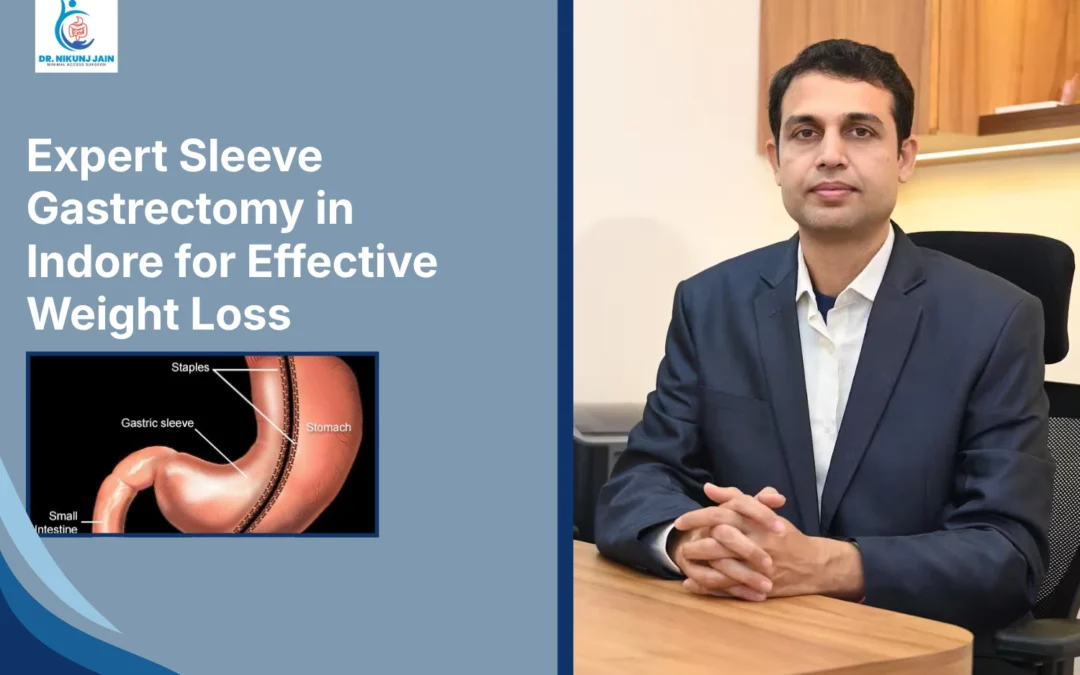
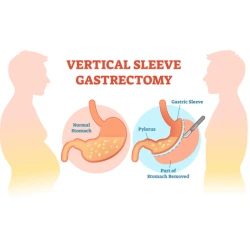
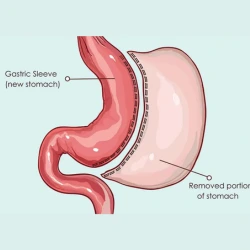
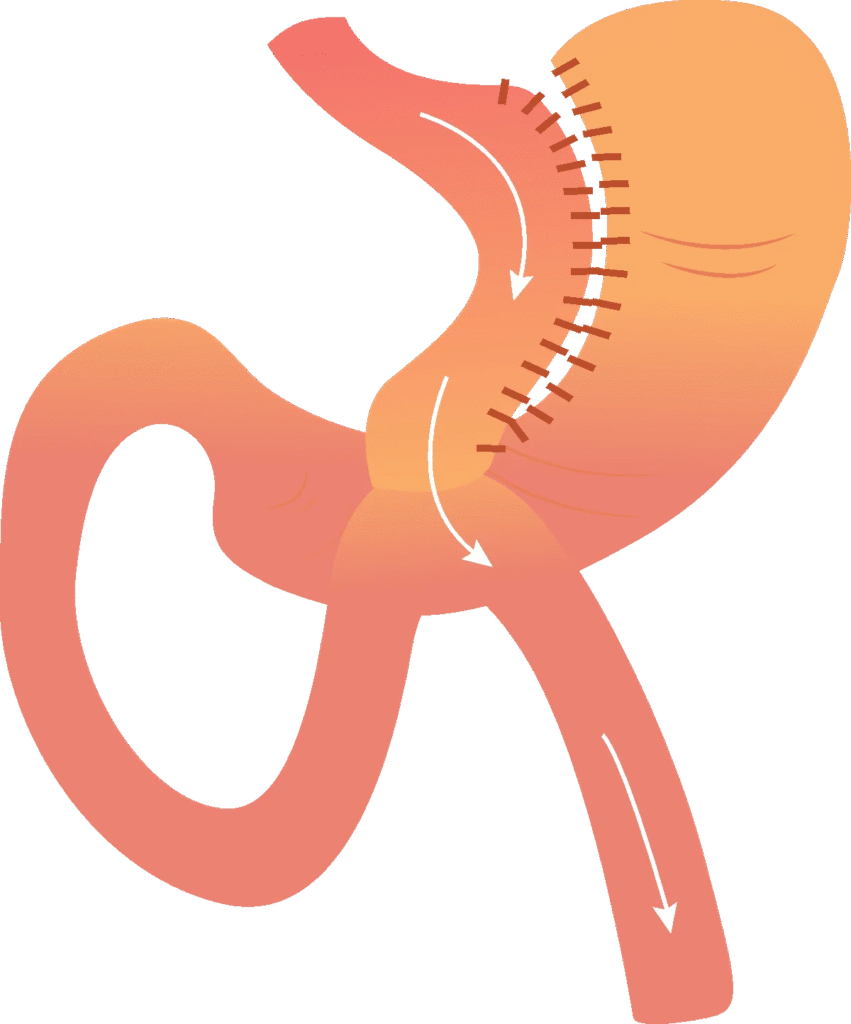
Sleeve gastrectomy, also known as gastric sleeve surgery, is a type of bariatric procedure aimed at reducing the size of the stomach. During the surgery, about 75-80% of the stomach is removed, leaving behind a tube-shaped, sleeve-like structure. This significantly reduces the stomach’s capacity, leading to early satiety (feeling full sooner) and decreased food intake. The procedure also affects hunger-regulating hormones, making it easier for patients to manage their appetite.
Unlike other weight loss surgeries, sleeve gastrectomy doesn’t involve rerouting the intestines or introducing foreign objects, making it a safer and less complex option for those who are not candidates for more invasive surgeries.
Key Benefits of Sleeve Gastrectomy
Significant weight loss: Patients can expect to lose 60-70% of their excess body weight within 12-18 months post-surgery.
Improvement in obesity-related conditions: Conditions like Type 2 diabetes, hypertension, sleep apnea, and joint pain often see substantial improvement after surgery.
Reduced hunger: The removal of the part of the stomach responsible for producing the hunger hormone, ghrelin, results in decreased appetite.
Faster recovery time: Since the procedure is minimally invasive, recovery time is quicker, and most patients can return to their regular routine within 4-6 weeks.
Why Choose Dr. Nikunj Jain for Sleeve Gastrectomy in Indore?
Choosing the right surgeon for your weight loss surgery is crucial for ensuring a safe procedure and successful long-term results. Dr. Nikunj Jain, a highly respected and experienced bariatric surgeon in Indore, is known for his excellence in performing sleeve gastrectomy. His patient-centered approach, combined with advanced surgical techniques, ensures that individuals receive the best care tailored to their unique needs.
Dr. Nikunj Jain’s Approach to Sleeve Gastrectomy
Dr. Nikunj Jain takes a comprehensive approach to bariatric surgery, starting with a thorough consultation to understand each patient’s medical history, lifestyle, and weight loss goals. He offers personalized treatment plans, ensuring that patients are well-prepared before surgery and receive continuous support throughout their weight loss journey.
Dr. Jain is also known for using the latest minimally invasive techniques, such as laparoscopic sleeve gastrectomy, which results in smaller incisions, less pain, and a faster recovery time. His commitment to patient education and post-operative care helps individuals maintain their weight loss and improve their overall health for years to come.
What Sets Dr. Nikunj Jain Apart?
Extensive Experience: Dr. Nikunj Jain has successfully performed numerous sleeve gastrectomy procedures, earning a reputation for delivering exceptional results.
Minimally Invasive Techniques: He specializes in laparoscopic surgery, offering patients reduced pain, minimal scarring, and quicker recovery.
Patient-Centered Care: Dr. Jain emphasizes the importance of personalized care, ensuring each patient receives a treatment plan that aligns with their health goals.
Post-Surgery Support: From dietary guidance to lifestyle changes, Dr. Jain provides ongoing support to help patients maintain their weight loss in the long term.
How Sleeve Gastrectomy Works for Effective Weight Loss
Sleeve gastrectomy works by both restricting the amount of food the stomach can hold and reducing the production of hunger-inducing hormones. This dual mechanism helps individuals lose weight more effectively and maintain a healthy lifestyle post-surgery.
The surgery is typically performed laparoscopically, meaning it’s minimally invasive, with small incisions made in the abdomen. The surgeon removes a large portion of the stomach, and the remaining part is stapled into a sleeve-like structure. Since the new stomach is much smaller, patients can only eat small portions of food, which leads to significant weight loss over time.
What to Expect Post-Surgery
After the surgery, patients typically experience rapid weight loss in the first six months. It’s essential to follow a structured diet plan to ensure proper healing and avoid complications. Patients will be put on a liquid diet initially, followed by pureed foods, and eventually transitioning to solid foods over several weeks. Dr. Jain’s team will provide detailed guidance on what to eat and how to incorporate physical activity to maximize the surgery’s benefits.
Dr. Nikunj Jain ensures that his patients are well-prepared for life after sleeve gastrectomy, offering nutritional counseling, psychological support, and regular follow-ups to monitor their progress.
Who is a Candidate for Sleeve Gastrectomy?
Sleeve gastrectomy is recommended for individuals who have been unable to achieve significant weight loss through diet and exercise alone. It is particularly effective for those with a Body Mass Index (BMI) of 40 or more, or a BMI of 35-39.9 with obesity-related health conditions such as diabetes, hypertension, or sleep apnea.
However, not everyone is a candidate for sleeve gastrectomy. A thorough evaluation by Dr. Nikunj Jain will determine if this procedure is right for you. He will consider factors such as your overall health, weight loss goals, and any previous surgeries or medical conditions before recommending the surgery.
The Long-Term Impact of Sleeve Gastrectomy
One of the most significant advantages of sleeve gastrectomy is its long-term effectiveness. Studies show that most patients can maintain at least 50% of their weight loss for up to five years post-surgery. Additionally, the procedure helps resolve or improve many obesity-related conditions, enhancing overall quality of life.
Lifestyle Changes After Surgery
While sleeve gastrectomy provides an excellent tool for weight loss, success also depends on the patient’s commitment to maintaining a healthy lifestyle. Dr. Nikunj Jain works closely with his patients to ensure they adopt long-term habits such as:
Healthy eating: Patients must follow a nutrient-dense diet, avoiding high-calorie, low-nutrient foods.
Regular exercise: Incorporating physical activity into daily routines is crucial for sustaining weight loss.
Emotional support: Bariatric surgery can be emotionally challenging, and Dr. Jain offers resources like support groups or counseling to help patients adjust.
FAQs
What is the success rate of sleeve gastrectomy?
The success rate of sleeve gastrectomy is high, with most patients losing between 60-70% of their excess body weight within the first year. Long-term success is contingent on maintaining a healthy diet and exercise routine.
How long is the recovery time for sleeve gastrectomy?
Most patients can return to their normal activities within 4-6 weeks post-surgery. Dr. Nikunj Jain uses minimally invasive techniques, which contribute to a faster recovery time compared to traditional open surgery.
Are there any risks associated with sleeve gastrectomy?
As with any surgery, sleeve gastrectomy carries risks such as infection, bleeding, or leaks from the stapled stomach. However, these complications are rare, especially when performed by an experienced surgeon like Dr. Nikunj Jain.
What should I expect in terms of weight loss after sleeve gastrectomy?
Patients can expect to lose a significant amount of weight within the first year. On average, individuals lose about 60-70% of their excess body weight, which leads to improved health and quality of life.
Is sleeve gastrectomy reversible?
No, sleeve gastrectomy is a permanent procedure because a large portion of the stomach is removed. However, it is highly effective and offers long-lasting weight loss results.
How can I schedule a consultation with Dr. Nikunj Jain?
You can schedule a consultation with Dr. Nikunj Jain by contacting his clinic in Indore. His team will guide you through the process and ensure all your questions are answered.
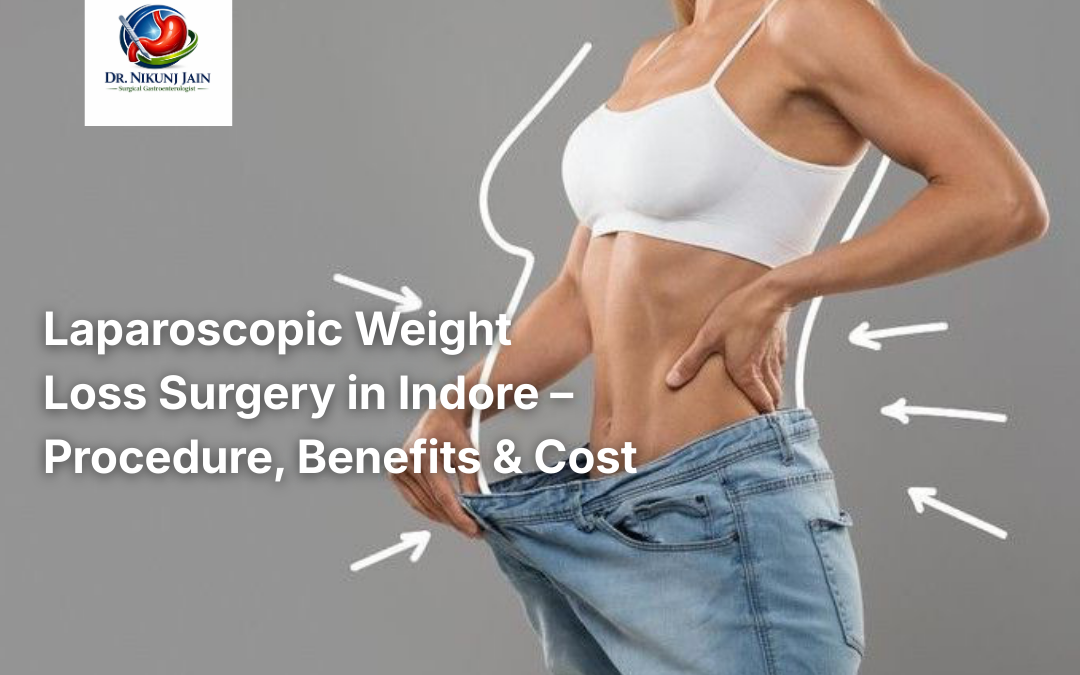
Obesity is a growing health concern that affects millions of people worldwide and is closely linked with serious conditions such as type 2 diabetes, hypertension, heart disease, joint pain, sleep apnea, and metabolic disorders. For individuals who struggle to achieve lasting weight loss through diet and exercise alone, laparoscopic weight loss surgery offers a safe, effective, and life-transforming solution. In Indore, many patients now trust advanced minimally invasive surgeries to achieve substantial weight reduction and improve their overall health under expert guidance like that of Dr. Nikunj Jain, best doctor for hernia in Indore, known for his comprehensive surgical care.
Table of Contents
What Is Laparoscopic Weight Loss Surgery?
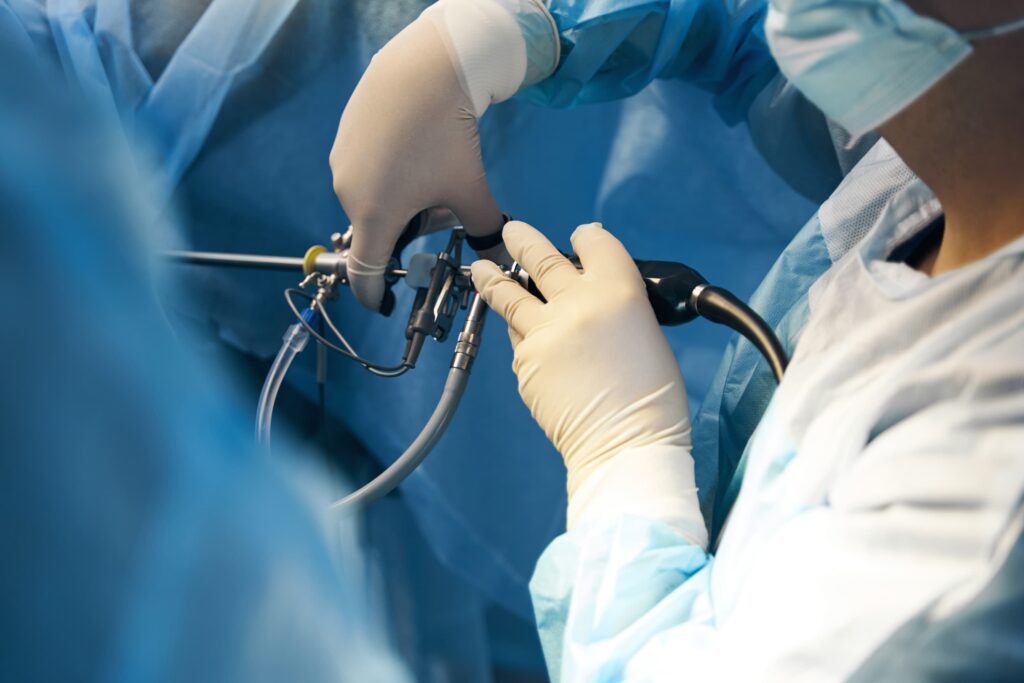
Laparoscopic weight loss surgery, also referred to as bariatric surgery, is a type of minimally invasive procedure designed to help patients with obesity lose weight by modifying the digestive system. Unlike traditional open surgery, laparoscopic techniques use small incisions and specialized instruments, including a camera (laparoscope), to operate with precision and less trauma.
There are several types of laparoscopic weight loss procedures available, such as:
Laparoscopic Sleeve Gastrectomy (LSG): Removes a large portion of the stomach, reducing its size and helping patients feel full sooner.
Gastric Bypass (Roux-en-Y): Creates a small stomach pouch and reroutes the intestine, limiting calorie absorption.
Mini Gastric Bypass (MGB): A simplified, less invasive version that still supports effective weight loss.
These procedures are tailored to each patient’s unique health profile, BMI, and weight loss goals.
How the Procedure Works
Laparoscopic weight loss surgery is typically performed under general anesthesia. The surgeon makes several small incisions in the abdomen and inserts the laparoscope and surgical tools. The camera transmits real-time images to a monitor, allowing the surgeon to work with enhanced visibility and precision.
The surgery usually takes between 1 to 3 hours, depending on the type of procedure. Patients are closely monitored after surgery and spend 1–3 days in the hospital during initial recovery. Most individuals can resume light activities within a week and return to normal routines over the following 4–6 weeks.
Key Benefits of Laparoscopic Weight Loss Surgery
Laparoscopic bariatric surgery offers numerous advantages compared to traditional open surgery and non-surgical weight loss methods:
1. Minimally Invasive with Faster Recovery
Because the incisions are small, there is less trauma to surrounding tissues. This results in reduced post-operative pain, shorter hospital stays, and faster recovery times, enabling patients to return to their daily lives sooner.
2. Significant Weight Loss and Health Improvements
Patients often achieve substantial weight loss — commonly 50–70% of excess body weight — over 12 to 18 months following surgery. This can also lead to dramatic improvements in obesity-related conditions such as diabetes, high blood pressure, cholesterol levels, and joint pain.
3. Reduced Risk of Complications
Smaller incisions lower the risk of infections, blood loss, hernias, and wound healing complications compared to open procedures. In addition, the precision of laparoscopic instruments allows for better surgical outcomes.
4. Improved Quality of Life
Beyond physical health benefits, many patients report enhanced mental well-being, increased self-confidence, better mobility, and more active lifestyles following successful weight loss.
Cost of Laparoscopic Weight Loss Surgery in Indore
The cost of laparoscopic weight loss surgery in Indore can vary depending on the type of procedure, hospital infrastructure, surgeon expertise, and pre- and post-operative care plans. On average, patients may expect costs in the range of approximately ₹1,30,000 to ₹4,00,000+, depending on the chosen surgery type and hospital stay.
This cost is often lower than equivalent procedures in major metro cities, making Indore an attractive option for affordable, high-quality bariatric care. Additionally, many hospitals provide comprehensive packages that include pre-surgical evaluations, dietary consultations, post-operative rehabilitation, and follow-up care, all designed to ensure long-term success.
Who Should Consider This Surgery?
Laparoscopic weight loss surgery is typically recommended for adults who:
Have a BMI ≥ 40, or
Have a BMI ≥ 35 with serious obesity-related health conditions (e.g., type-2 diabetes, hypertension, or sleep apnea), and
Have been unable to achieve significant or sustained weight loss through diet and exercise alone.
A thorough medical evaluation including blood tests, imaging, nutritional assessments, and consultation with a bariatric surgeon determines if a patient is a suitable candidate.
Conclusion
Laparoscopic weight loss surgery has transformed obesity treatment by offering a minimally invasive, effective, and sustainable solution for long-term weight loss and improved health. With advancements in surgical techniques and access to experienced specialists, patients in Indore can achieve life-changing results. Under the care of Dr. Nikunj Jain, best pediatric surgeon in Indore and best doctor for hernia in Indore, individuals receive personalized, compassionate, and expert bariatric care that prioritizes safety, outcomes, and long-term well-being. Choosing the right surgeon and a comprehensive care plan is key to achieving successful weight loss and improved quality of life.
Undergoing bariatric surgery is a life-changing step. But the surgery itself is just the beginning—the real journey begins afterward. From recovery to reshaping your habits, the post-operative phase plays a critical role in your long-term success.
In this in-depth guide, Dr. Nikunj Jain, leading bariatric and laparoscopic surgeon at Apollo Hospital Indore, shares expert insights on life after bariatric surgery, covering the recovery timeline, essential diet stages, daily lifestyle changes, challenges, and tips for long-term weight loss and health improvement.
Why Life After Bariatric Surgery Deserves Equal Attention
While bariatric surgery helps patients lose up to 60–80% of excess body weight, maintaining that weight loss requires consistent effort, lifestyle changes, and discipline. Many patients mistakenly believe the surgery alone will fix everything, but true success comes from adapting your life around your new stomach and metabolism.
This blog covers everything you need to know for a successful post-surgery journey.
Recovery Timeline After Bariatric Surgery
Dr. Nikunj Jain emphasizes that recovery varies slightly based on the type of surgery performed—whether it’s a Gastric Bypass, Sleeve Gastrectomy, or Mini Gastric Bypass—but a general timeline looks like this:
Hospital Stay
2 to 3 days after surgery
Pain management and early mobilization start immediately
First 2 Weeks Post-Surgery
Liquid-only diet
Slow and short walks encouraged
Focus on hydration, sipping small amounts of water throughout the day
Week 3 to 4
Transition to pureed foods
Begin multivitamins, calcium, and B12 supplements
Resume desk work or light office duties
1 to 2 Months Post-Surgery
Introduce soft solids
Avoid sugar, fried items, and processed food
Increase walking time to 30–40 minutes daily
3 Months Onward
Shift to a regular bariatric-friendly diet
Exercise becomes a regular part of life
Return to full professional and social routines
Diet After Bariatric Surgery: Stage-Wise Plan
The post-surgery diet isn’t just about weight loss—it’s designed to help your stomach heal, reduce complications, and set the foundation for a healthier lifestyle.
Stage 1: Liquid Diet (Days 1–14)
Clear broths, diluted fruit juices, protein water
1–2 sips every few minutes—hydration is critical
No sugar, no caffeine, no carbonation
Stage 2: Pureed Diet (Week 3–4)
Mashed dal, curd, soft boiled eggs, protein shakes
Monitor tolerance to specific items like spicy food or fibrous veggies
Essential Nutritional Supplements
Post-surgery, your body may not absorb all nutrients efficiently. Dr. Nikunj Jain recommends lifelong supplementation to avoid deficiencies.
Commonly Prescribed Supplements:
Multivitamin with iron
Vitamin B12 (oral or injection)
Calcium with Vitamin D3
Iron (especially for women)
Biotin or zinc (for hair health)
Regular blood tests every 6–12 months help track nutrient levels.
Daily Lifestyle Tips for Long-Term Success
Weight loss surgery works best when paired with consistent healthy habits.
1. Hydration is Key
Drink 1.5–2 liters of water daily
Avoid drinking 30 minutes before and after meals to prevent stomach overfilling
2. Prioritize Protein
Each meal should include a high-protein source
Helps in preserving muscle mass during weight loss
3. Small, Frequent Meals
Eat 5–6 times a day in small quantities
Use a small plate to avoid overeating
4. Chew Thoroughly
Take at least 20–30 seconds to chew each bite
Prevents nausea and promotes satiety
5. Avoid Empty Calories
Say no to sugary drinks, refined carbs, and alcohol
Focus on nutrient-rich foods only
6. Be Physically Active
Start with walking, progress to strength training and cardio
Aim for 150 minutes of physical activity weekly
7. Mental Wellness
Seek therapy or join support groups
Address emotional eating patterns or body image issues
Challenges You May Face After Bariatric Surgery
Hair Loss
Usually temporary, peaks around 3–6 months
Linked to rapid weight loss and nutrient shifts
Nutrient Deficiencies
Especially B12, Iron, and Calcium
Managed through regular supplements
Dumping Syndrome
Common after gastric bypass when sugar is consumed
Causes nausea, bloating, diarrhea
Plateau in Weight Loss
Happens around 6–9 months
Needs dietary reassessment and activity boost
Body Image Concerns
Despite weight loss, loose skin may affect self-image
Plastic surgery or compression garments may help
Support Systems: A Game-Changer
Dr. Nikunj Jain emphasizes the power of community and professional support.
Regular follow-ups with your bariatric team
Dietician consultations every few months
Online and offline bariatric support groups
Sharing experiences to stay motivated
Do’s and Don’ts After Bariatric Surgery
Do’s and Don’ts
Do’s:
Follow your diet plan strictly
Take all supplements
Monitor your weight weekly
Attend every follow-up appointment
Make exercise a habit
Don’ts:
Skip meals or binge eat
Drink water with food
Use smoking or alcohol as coping tools
Rely only on surgery without lifestyle change
How Life Improves After Bariatric Surgery
Thousands of patients under Dr. Nikunj Jain’s care have witnessed a dramatic change in their health and lifestyle:
Diabetes reversal or reduced insulin need
Lower blood pressure and cholesterol
No more snoring or sleep apnea machines
Higher energy levels and stamina
Improved fertility in women with PCOS
Better social confidence and mental health
Frequently Asked Questions
1. Can I eat normally after surgery?
Yes, but in small portions and only healthy food. You’ll need to avoid high-calorie, high-fat, and sugary items.
2. Will I gain weight again?
If you revert to old eating habits, some weight regain can happen. But with healthy living, you can maintain results for life.
3. Can I get pregnant after bariatric surgery?
Yes, and it’s often easier. But wait at least 12–18 months after surgery for safe conception.
4. How do I manage loose skin?
Regular exercise helps. For excess loose skin, consult a plastic surgeon for removal options.
5. How often should I follow up?
At least every 3 months in the first year, and every 6 months thereafter for blood tests and diet review.
Conclusion
conclusion
Life after bariatric surgery is a second chance at health. It’s not always easy—but it’s worth it.
By following the guidance of experts like Dr. Nikunj Jain, staying committed to your diet and exercise plan, and getting the support you need, you can transform your health, appearance, and confidence.
This journey is not just about looking better—it’s about living longer, stronger, and more fulfilled.
Obesity is a rising health concern in India, affecting millions physically, mentally, and emotionally. When traditional methods like diet, exercise, and medication fail, bariatric surgery provides a scientifically proven, long-term weight loss solution.
If you’re considering bariatric surgery in Indore, choosing the right surgeon is critical to ensure a successful outcome. This blog introduces you to Dr. Nikunj Jain, widely recognized as the best bariatric surgeon in Indore, and explains why patients from across Madhya Pradesh and beyond trust him for their weight loss transformation.
Table of Contents
Understanding Bariatric Surgery
Bariatric surgery involves surgical procedures that help individuals with obesity lose weight by restricting the amount of food the stomach can hold, affecting digestion or altering hormones that influence hunger and metabolism.
Bariatric surgery is not cosmetic; it is a life-saving, health-restoring procedure for people suffering from:
Meet Dr. Nikunj Jain – Best Bariatric Surgeon in Indore
With more than a decade of experience, Dr. Nikunj Jain is a leading name in laparoscopic and gastrointestinal surgeries. He is renowned for:
Advanced laparoscopic & robotic surgery skills
A holistic, patient-first approach
High success and low complication rates
Transparent communication and personalized aftercare
At Apollo Hospital Indore, he leads a multidisciplinary bariatric care team including anesthesiologists, dieticians, endocrinologists, physiotherapists, and psychologists to offer end-to-end obesity management.
Indore Bariatric Surgery: What Makes It a Preferred Destination?
Indore is emerging as a leading hub for affordable, high-quality bariatric surgery in India. Here’s why:
World-class hospitals like Apollo
Experienced and ethical surgeons like Dr. Nikunj Jain
Lower costs compared to metropolitan cities
Personalized patient care
Faster appointment availability and support services
One of the most common questions patients ask is about the bariatric surgery cost in Indore. The good news is that quality treatment is available at a fraction of the metro city prices.
Procedure Type
Approximate Cost (INR)
Intragastric Balloon
₹1,50,000 – ₹2,00,000
Sleeve Gastrectomy
₹2,50,000 – ₹3,50,000
Mini Gastric Bypass
₹3,00,000 – ₹4,00,000
Roux-en-Y Gastric Bypass
₹3,50,000 – ₹4,50,000
Is Bariatric Surgery Effective?
Yes. In fact, bariatric surgery is the most effective and sustainable weight loss solution for morbid obesity. Expected results include:
60–80% excess weight loss within 12–18 months
Remission of type 2 diabetes in 70–90% of patients
Normalization of blood pressure and cholesterol
Improved fertility and PCOS management in women
Significant improvement in sleep apnea and joint pain
High Success Rate: With a bariatric surgery success rate of over 90%, Dr. Jain’s track record speaks for itself.
Modern Infrastructure: Apollo Hospital Indore offers laparoscopic and robotic surgery suites, ICU backup, 24×7 lab, diagnostics, and recovery support.
Individualized Treatment: Every surgery is personalized based on your health profile, goals, and co-existing medical conditions.
End-to-End Care: From pre-surgical fitness plans to post-op dietary and emotional counseling, you’re never alone on your weight loss journey.
What Happens Before and After Surgery?
Pre-Surgery Process:
Medical tests (blood work, ECG, ultrasound)
Nutritional and psychological evaluation
BMI calculation and obesity grading
Detailed discussion of surgery type and expectations
Post-Surgery Recovery:
Walking begins same or next day
Liquid diet for 2–3 weeks
Gradual reintroduction of solids
Return to normal routine in 2–3 weeks
Regular follow-ups with Dr. Nikunj Jain
Indore Bariatric Surgery: Patient Success Stories
Meenal, 33 – Lost 42 kg “After sleeve gastrectomy, I not only lost weight but also reversed my PCOS. Thank you, Dr. Jain, for changing my life.”
Rajeev, 40 – Controlled diabetes within 3 months “My diabetes meds stopped after surgery. I feel 15 years younger, energetic, and healthy.”
FAQs
Q1: Who is the best bariatric surgeon in Indore?
Dr. Nikunj Jain is widely recognized for his expertise, patient care, and success rates in bariatric surgery at Apollo Hospital Indore.
Q2: Which bariatric surgery is the most effective?
It depends on the patient. However, gastric bypass offers the best results for diabetes, while sleeve gastrectomy is simpler and widely used.
Q3: How much does bariatric surgery cost in Indore?
Costs range from ₹1.5 lakh to ₹4.5 lakh based on the type of surgery. Apollo Hospital offers both insurance and EMI options.
Q4: Is bariatric surgery painful?
Most surgeries are laparoscopic, causing minimal pain and scarring. Recovery is quick with modern techniques.
Q5: Can I get bariatric surgery with insurance?
Yes. Most insurance companies in India now cover bariatric surgery if medically indicated. Apollo Hospital provides TPA support and cashless claim assistance.
Final Thoughts
If you’re seeking the best bariatric surgeon in Indore, your search ends with Dr. Nikunj Jain. His unmatched expertise, ethical practice, and personalized treatment approach have helped hundreds of patients reclaim their lives.
With modern techniques, affordable packages, and holistic support at Apollo Hospital Indore, your weight loss transformation can begin today — safely and effectively.