

Piles, which are also known as hemorrhoids are blood vessels and tissues that are inside or around the anal canal. A lot of people have piles but they do not go to the doctor because they are embarrassed or they think the symptoms will go away on their own. Dr. Nikunj Jain, best piles doctor in Indore, says that if you know what the symptoms of piles are and what stage they are at you can get the treatment before they start to bother you.
Table of Contents
What Are Piles?
Piles can be inside the rectum outside the anus or both. The ones that are inside the rectum do not usually hurt but they can bleed or come out of the anus. The ones that are outside the anus can be painful especially if they get a blood clot.
The grading system is used to measure how bad the piles are. It is based on how the piles come out of the anus. The size of the piles is not always a way to tell how bad they are.
Common Symptoms of Piles
The symptoms of piles can be different depending on where they’re how bad they are. Some common symptoms are:
- Red blood on the toilet paper or in the toilet
- Itching or burning around the anus
- Swelling near the anus
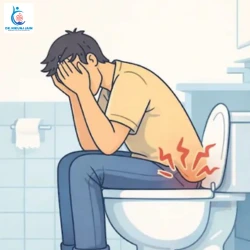
- Pain when you sit or go to the bathroom
- Mucus comes out after you go to the bathroom
- You feel like you still have to go to the bathroom after you are done
- Tissue comes out of the anus when you go to the bathroom
You should not think that bleeding always means you have piles. There are other things that can cause bleeding, like fissures, infections or polyps. If you are bleeding a lot or it will not stop you should go to the doctor.
Grade 1 Piles
Grade 1 piles are inside the anus and they do not come out, they can be hard to find. You might need to go to the doctor to know if you have them. The common symptom is bleeding when you go to the bathroom and it may also itch a bit.
To treat grade 1 piles you should try not to get constipated. You can do this by eating fibre and drinking more water. You should not sit on the toilet for long. The doctor might give you some medicine to help with the symptoms.
Grade 2 Piles
Grade 2 piles come out of the anus when you go to the bathroom. They go back in on their own. You might bleed, itch or have mucus come out. You might also feel like you still have to go to the bathroom.
If you make some changes to your lifestyle you might feel better. If you keep bleeding or the piles keep coming out you might need to have a procedure done at the doctors office.
Grade 3 Piles
Grade 3 piles come out of the anus when you go to the bathroom or strain. They do not go back in on their own. You have to push them in by hand.
At this stage you might have a lot of symptoms like bleeding, itching or mucus. You might also have trouble keeping yourself clean. The doctor will decide what treatment is best for you based on how bad your symptoms are and what is best for you.
Grade 4 Piles
Grade 4 piles are always outside the anus. You cannot push them back in. They can be very painful and bleed a lot. You might also have trouble keeping yourself clean.
Grade 4 piles usually need surgery. The doctor will decide what kind of surgery is best for you based on how bad your piles are and what is best for your health.
How Are Piles Diagnosed?
To diagnose piles the doctor will talk to you about your symptoms and do an exam. The doctor might also do some tests to make sure you do not have something wrong with you.
You should go to a good piles doctor near you if you are bleeding a lot, have a lot of pain or have a lump that will not go away. You should also go to the doctor if your symptoms keep coming
Cost of Piles Treatment in Indore
The cost of piles treatment in Indore generally ranges from approximately ₹45,000 to ₹70,000 for procedures such as stapler surgery, open surgery or laser piles treatment. The final cost depends on the grade of piles, treatment method, hospital charges, surgeon’s fees, anaesthesia, diagnostic tests and follow-up care. Grade 1 and Grade 2 piles may require medicines, lifestyle changes or minor outpatient procedures, which may cost less, whereas Grade 3 and Grade 4 piles often require surgical treatment. After a detailed examination, Dr. Nikunj Jain can recommend the most suitable treatment and provide an accurate cost estimate based on the patient’s condition.
Conclusion
Piles can range from mild internal swelling to severe prolapse that may require surgery. Understanding the symptoms and grades of piles can help you seek treatment at the right time and prevent the condition from worsening. Bleeding, pain, itching or a lump near the anus should not be ignored, especially when symptoms continue or return frequently. With proper diagnosis, lifestyle changes, medicines or advanced procedures, piles can be treated effectively. Consult Dr. Nikunj Jain, a trusted piles doctor in Indore, for an accurate diagnosis and a personalised treatment plan based on the stage and severity of your condition.
FAQs
Q1. What are the most common symptoms of piles?
Common piles symptoms include bright red bleeding after passing stool, itching, anal irritation, swelling, mucus discharge and a lump coming out during bowel movements.
Q2. How many stages of piles are there?
Internal piles are commonly divided into four grades. Grade 1 remains inside, Grade 2 returns automatically, Grade 3 requires manual pushing and Grade 4 remains permanently outside.
Q3. Are Grade 1 piles serious?
Grade 1 piles are usually at an early stage. They may cause painless bleeding or mild irritation and can often be managed through dietary changes, medicines and improved toilet habits.
Q4. Can Grade 2 piles be treated without surgery?
Many Grade 2 piles can be managed through fibre intake, hydration, constipation control and office-based procedures. Treatment depends on the frequency of bleeding and prolapse.
Q5. What is the cost of piles treatment in Indore?
The cost of piles treatment in Indore generally ranges from ₹45,000 to ₹70,000. The final expense depends on the grade of piles, treatment method, hospital charges, anaesthesia, diagnostic tests and follow-up care.
Q6. Do Grade 3 piles always require surgery?
Not every Grade 3 case requires the same treatment. Some patients may benefit from minimally invasive procedures, while surgery may be recommended for frequent or severe prolapse.
Q7. What happens if Grade 4 piles are left untreated?
Untreated Grade 4 piles may cause persistent bleeding, swelling, irritation, hygiene difficulties, clotting or severe discomfort. A surgical assessment is generally recommended.
Q8. Can piles cause painless rectal bleeding?
Yes. Internal piles can cause painless, bright red bleeding during or after passing stool. However, rectal bleeding should be evaluated to rule out other conditions.
Q9. How does a doctor diagnose piles?
A doctor may review symptoms, examine the anal area and perform a digital rectal examination or proctoscopy. Further tests may be advised when the bleeding is unexplained.
Q10. Where can I receive treatment for different grades of piles in Indore?
Patients can consult Dr. Nikunj Jain in Indore for diagnosis, grading and an individualised treatment plan based on the type of piles, symptoms and severity.