Hearing you need surgery? Yeah, that first hit of fear is real. Your brain spins: “Will it hurt bad? How long till I’m normal again? Can life just pick up?” Good news though,with cool new tech and top like Dr. Nikunj Jain, best laparoscopic surgeon in indore, laparoscopic surgery in indore makes it all way easier, safer, and less scary for us in Indore.
It’s the keyhole surgery: super small cuts, a little camera, and skinny tools. see everything inside crystal clear and fix it spot-on. You heal faster physically, and mentally? No huge scars or endless hospital time to freak you out.
Table of Contents
Why People Choose Laparoscopic Surgery
Biggest benefit? You bounce back to real life fast. Worried about work, chores, or family? This minimal-cut approach slashes recovery time versus the old big-slash way.
And pain? Barely there. Less body trauma means way less ouch post-op. That “I can handle this” vibe pushes you to say yes instead of dragging your feet from nerves.
Problems Laparoscopic Surgery Can Treat
Great for belly and gut stuff: gallstones, hernias, appendix issues, obesity ops, and some tummy troubles.
check you thoroughly first. Goal’s solid fix with easy, safe healing. Realizing it’s not a body-and-mind nightmare? You’ll jump on help sooner, not ignore it.
Risks of Delaying Surgery
Nerves make lots skip it, living with aches, ick, or gut woes for months,years even. It tanks your confidence, sleep, productivity, happiness.
Feels helpless, right? Parties, trips, fave foods? Tough. Timely laparoscopic? Lifts the pain and the stress. People feel lighter, peppy, positive after.
Cost and Recovery Benefits of Laparoscopic Surgery
Short hospital stay helps reduce overall treatment stress
Fewer missed workdays mean less financial pressure
Lower need for long-term medicines or repeated visits
Faster return to daily routine builds confidence
Early mobility supports both physical and emotional healing
Feeling independent again improves mental comfort after surgery
Benefits of Faster Recovery After Surgery
It’s beneficial for patients :
Tiny scars that look great
Way less infection chance
Short hospital bit, home quick
Eating and moving normal ASAP
Mild pain, skip the heavy meds
You reclaim your groove fast. Emotionally? That “smart choice” glow and control.
How to Mentally Prepare for Surgery
Understanding the procedure can significantly reduce anxiety. Speak openly with your surgeon, ask questions, and gain clarity about the process, recovery timeline, and expected outcomes. This helps build trust and confidence in your treatment plan.
Emotional support also plays a vital role. Encouragement from family and loved ones can ease stress and help you feel more reassured. Maintaining a positive mindset, along with carefully following your Doctor’s advice, contributes to a smoother surgical experience and recovery.
For long-term benefits, focus on a healthy lifestyle, balanced nutrition, regular physical activity, and routine follow-ups. These habits support healing and help you maintain the results of your treatment. With the right preparation and outlook, surgery can become a step toward improved health and renewed confidence.
Conclusion
Laparoscopic surgery offers a modern, minimally invasive approach to treating abdominal and gastrointestinal conditions. It helps address underlying issues effectively while promoting faster recovery, reduced discomfort, and a quicker return to a confident, comfortable lifestyle. If you are experiencing persistent digestive or abdominal concerns, consulting a specialist can help you choose the most appropriate treatment plan.
Laproscopic surgery in Indore (patients) can benefit from the expert and compassionate care of Dr. Nikunj Jain, laparoscopic GI Surgeon in Indore, who is known for providing safe surgical solutions and guiding patients through a smooth recovery journey. Seeking timely treatment today can help you achieve better health and improved quality of life tomorrow.
Weight loss surgery vs diet, when someone wants to lose weight, it’s not just about looking good. It’s about health problems, feeling tired all the time, low self-confidence, and years of frustration from trying different things. Lots of people wonder if strict dieting is enough or if weight loss surgery is better. As Dr. Nikunj Jain, best weight loss doctor in Indore, explains, what really works depends on your body, lifestyle, and how ready you are emotionally.
Table of Contents
What is a Diet-Based Weight Loss?
Dieting is usually the first thing people try. It feels natural and safe. You cut back on sugar, watch your portions, pick healthier foods, and maybe follow plans like low-carb or counting calories. At first, it feels great,your clothes fit better, and the scale goes down.
But dieting has emotional ups and downs. It takes discipline every day. Social events get tough. Cravings hit hard. When weight loss slows or stops, people often feel let down or blame themselves. That pressure can make you quit or go through cycles of losing and gaining weight back.
The truth is, diet works great for people who are a bit overweight and can stick to lifestyle changes long-term. But for those with severe obesity or health issues from it, diet alone might not give lasting results.
When Weight Loss Surgery Becomes an Option
Weight loss surgery isn’t a quick fix. It’s a big medical choice after lots of checks. Procedures like bariatric surgery shrink your stomach or change how your body takes in food. This helps you lose weight faster and keep it off.
Emotionally, it can feel hopeful but scary. Many people feel relieved after years of struggling. But fear of the operation and not knowing what life will be like after can cause anxiety.
The big plus is it fixes serious health problems like diabetes, high blood pressure, sleep apnea, and joint pain. People get better mobility, more confidence, and a better life in just months.
But surgery needs commitment. You have to eat right, stay active, and go for regular check-ups. Without those changes, long-term success is hard.
Weight Loss Surgery vs Diet
Diet is about slow changes. It trains your mind and body for healthy habits. Results come slower but feel natural. For many, especially if they catch weight gain early, diet and exercise are enough.
Weight loss surgery gives a strong medical boost. It’s great for people with high BMI or who have failed many diets. Studies and doctor experience show surgery patients lose more weight and keep it off better than dieting alone.
Emotionally, surgery brings back hope. People who avoided mirrors, parties, or trips because of their weight start enjoying life again. They feel good in their skin and are more driven to stay healthy.
What is Really helpful in the Long Run
There’s no one-size-fits-all answer. The real fix is picking the right path at the right time. For some, mindful eating and workouts make a lasting change. For others, surgery plus lifestyle shifts is the game-changer.
The key is being honest with yourself. Know your triggers, emotional eating, and health risks to decide right. Doctor advice helps figure out if you need surgery or just a good diet plan.
Weight loss is super personal. It’s tied to how you see yourself, relationships, and daily comfort. Support from family, friends, and doctors makes a huge difference. Small wins like walking without getting out of breath, shopping happily, or sleeping well feel like miracles.
Conclusion
Success isn’t just diet or surgery alone. It’s building a path that keeps your body and emotions healthy. In the end, what works is sticking with it, getting guidance, and taking the next step, whether that’s better eating or a doctor-supervised procedure.
Can a hernia really come back after surgery? Hernia surgery feels like a huge win after all that nagging pain. You finally imagine sleeping soundly, moving without wincing, and jumping back into life. But then, during recovery, that nagging question creeps in: “What if it happens again?” It’s totally normal to worry about it,even if you don’t say it out loud. As Dr. Nikunj Jain tells his patients, facing this fear head-on is a big part of getting better, body and mind. This stage can feel confusing, relief on one side and quiet fear on the other. Many people become extra alert to every sensation and worry about doing something wrong. The truth is, recovery is as much about rebuilding trust in your body as it is about physical healing. With the right care, patience, and guidance, confidence slowly returns and daily life starts to feel normal again.
Table of Contents
Why Might It Come Back?
A hernia happens when a weak spot in your abdominal wall lets tissue or an organ poke through. Surgery fixes that weak spot and reinforces it, usually for the long haul. But stuff like slow healing, lifting something heavy too early, sudden weight gain, a nagging cough, or straining on the toilet can stress the repair and up the odds of it returning.
Modern surgery has slashed recurrence rates, but nothing’s 100% foolproof. That’s why sticking to your doctor’s aftercare tips is everything,it really protects your hard work. Simple habits like gradual activity, healthy eating, maintaining weight, and managing constipation or cough can quietly strengthen healing and lower chances of recurrence.
The Emotional Rollercoaster of Recovery
Right after surgery, you’re relieved but on edge. Your incision looks good, but you’re terrified of messing it up. Lots of folks get super careful,skipping bends, stretches, workouts, or even striding confidently,convinced one slip could undo it all.
That hyper-vigilance can chip away at your confidence. Everyday stuff starts feeling scary, and recovery drags on emotionally.
Rebuilding Trust in Your Body
Healing isn’t just about the stitches,it’s about trusting your body again. Docs usually say start slow: short walks, light chores, and ramp up from there to build muscle strength.
Lifestyle tweaks help too. Load up on fiber, drink plenty of water, keep your weight steady, and handle coughs or constipation to ease abdominal pressure. When you get these habits down, you feel empowered, not anxious.
How New Techniques Make It Easier
Laparoscopic repairs are game-changers,tiny incisions, less pain, faster bounce-back. It cuts the stress because you know the fix is solid and you’re back to normal quicker.
Can A Hernia Really Come Back After A Surgery? What If Yes?
Even with your best efforts, it can happen sometimes. Don’t beat yourself up,bodies heal differently, and some hernias are trickier. Great treatments exist for repeats. Just don’t ignore signs like a bulge, pain, or weird pulling,see your doc early to keep things from snowballing.
Lean on Support and Stay Positive
Family cheers and a good mindset go miles. Celebrate wins like heading back to work, safely grabbing light stuff, or easing into exercise. Stay in the loop with your doc, follow advice, and that worry fades into confidence.
Conclusion
Hernia surgery is your ticket to a pain-free, active life. Recurrence is possible, sure, but don’t let it steal your joy. Smart habits, check-ins, and patience keep most folks hernia-free and thriving. Dr. Nikunj Jain always says healing’s physical andemotional. Be patient, stay informed, and proactive,you’ve got this.
Living with diabetes is not just a medical condition,it is an emotional journey. From daily medications and strict diet control to the constant worry about long-term complications, the condition often brings stress, frustration, and fatigue. Many people feel trapped in a cycle where, despite their best efforts, blood sugar levels remain difficult to manage. This is where metabolic or weight loss surgery has emerged as a hopeful option. According to Dr. Nikunj Jain, best gastro surgeon in indore, understanding both the medical and emotional aspects of this treatment is essential before making a decision.
Table of Contents
The Link Between Obesity and Type 2 Diabetes
Type 2 diabetes and obesity are closely connected. Excess body weight increases insulin resistance, making it harder for the body to control blood sugar levels. Over time, the pancreas struggles to keep up, and diabetes becomes more difficult to manage.
Traditional treatment focuses on lifestyle changes, oral medications, and insulin therapy. While these approaches are effective for many, some patients continue to experience uncontrolled diabetes despite their efforts. For such individuals, weight loss surgery may offer a new path toward better health.
Can Weight Loss Surgery Cure Diabetes?
The word “cure” can be misleading. Weight loss surgery does not eliminate diabetes permanently in every case. However, it can lead to diabetes remission, which means blood sugar levels return to normal without the need for medication.
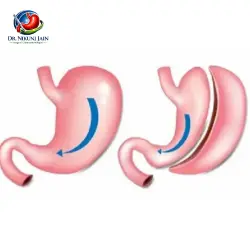
Procedures like gastric bypass and sleeve gastrectomy work in two important ways:
They reduce stomach size, leading to significant weight loss.
They create hormonal changes that improve insulin function almost immediately after surgery.
Many patients experience improved blood sugar control within days or weeks. In some cases, medications are reduced or stopped under medical supervision. The chances of remission are higher in patients who:
Have Type 2 diabetes for a shorter duration
Are overweight or obese
Still produce some insulin naturally
However, long-term success depends on maintaining healthy lifestyle habits after surgery.
Beyond Numbers: The Emotional Transformation
While medical benefits are important, the emotional impact of weight loss surgery is equally powerful.
1. Relief from Daily Stress Managing diabetes often involves frequent glucose monitoring, strict meal planning, and fear of sudden sugar fluctuations. When blood sugar levels stabilize after surgery, many patients feel a sense of freedom and mental relief.
2. Renewed Confidence Weight loss and better health often lead to improved body image and self-esteem. Patients report feeling more energetic, socially active, and motivated to take care of themselves.
3. Hope for the Future Diabetes complications such as kidney disease, nerve damage, and heart problems are a constant concern. Improved metabolic control reduces these risks, helping patients feel more optimistic about their long-term health.
The Emotional Challenges to Prepare For
Despite its benefits, weight loss surgery is not an easy fix. It requires strong emotional readiness.
Lifestyle Adjustment Eating habits change permanently. Portion sizes become smaller, and food choices must be more mindful. This transition can feel overwhelming initially.
Emotional Eating Awareness Many individuals with obesity struggle with emotional eating. Surgery changes the body, but addressing emotional triggers requires counseling and support.
Expectations Management Some patients expect diabetes to disappear completely. When remission is partial or medications are still needed, disappointment can occur. Realistic expectations are key to emotional satisfaction.
Who Should Consider Weight Loss Surgery?
Weight loss surgery may be considered for people who:
Have a Body Mass Index (BMI) of 35 or higher with diabetes
Have uncontrolled Type 2 diabetes despite medications
Are medically fit for surgery
Are ready for long-term lifestyle changes
A detailed medical and psychological evaluation helps determine whether the procedure is the right choice.
Life After Surgery: A Partnership with Yourself
The journey does not end in the operating room. Long-term success depends on:
Balanced nutrition
Regular
physical activity
Routine medical follow-ups
Emotional and psychological support
Patients who view surgery as a tool,not a shortcut,tend to achieve the best results. Over time, improved health, reduced medication dependence, and increased energy contribute to a better quality of life.
Conclusion
Weight loss surgery offers more than metabolic improvement,it can transform how a person feels physically, emotionally, and mentally. For many living with obesity-related diabetes, it represents a chance to break free from the constant burden of disease and reclaim control over life.
However, the decision should always be made after careful evaluation, proper counseling, and a clear understanding of long-term commitments. With the right guidance and realistic expectations, weight loss surgery can be a powerful step toward remission and emotional well-being.As emphasized by Dr. Nikunj Jain, weight loss surgery expert, the goal is not just reducing blood sugar levels but improving overall quality of life,helping patients move from managing illness to truly living healthier, happier lives.
Sleeve gastrectomy is not just a physical transformation, it is a life-changing journey that impacts the mind and emotions as much as the body. While the procedure helps patients achieve significant weight loss and improved health, the emotional adjustment that follows is equally important. According to bariatric specialist Dr. Nikunj Jain, best gastro surgeon in Indore, understanding the psychological phases after surgery helps patients prepare better, stay motivated, and build a healthier relationship with themselves.
This month-by-month guide explores the emotional changes you may experience after sleeve gastrectomy and how to navigate them with confidence.
Table of Contents
Month by Month Recovery Guide
Month 1: Relief, Hope, and Adjustment
The first month is often a mix of excitement and recovery. Many patients feel relieved after taking a major step toward better health. Rapid initial weight loss can boost confidence and motivation.
However, this phase also comes with emotional challenges:
Adjusting to a liquid or soft diet
Missing favorite foods
Feeling physically weak or tired
Mood swings due to hormonal changes
It’s normal to feel overwhelmed. Staying connected with your healthcare team and focusing on small daily victories helps ease this transition.
Month 2: The Reality Phase
By the second month, the routine begins to settle. Weight loss continues steadily, and energy levels start improving. Emotionally, this is when reality sets in.
Some common feelings include:
Frustration with dietary restrictions
Fear of eating the wrong foods
Social anxiety around dining with others
This is the time to develop healthy coping habits. Mindful eating, planning meals, and joining support groups can make a big difference.
Month 3: Confidence and Social Awareness
At three months, physical changes become noticeable. Clothes fit better, mobility improves, and compliments from friends and family become frequent.
While confidence grows, emotional adjustments may include:
Increased attention from others
Body image confusion (feeling “different” but not fully adjusted)
Pressure to maintain results
This stage is about building self-acceptance and focusing on overall wellness rather than just numbers on the scale.
Month 4-6: Emotional Highs and Plateaus
Between the fourth and sixth months, weight loss may slow down, which can feel discouraging. Many patients experience a weight-loss plateau during this period.
Common emotional responses:
Anxiety about progress slowing
Fear of regaining weight
Comparison with others’ results
This phase requires patience and consistency. Regular exercise, balanced nutrition, and celebrating non-scale victories like better stamina or improved health reports help maintain motivation.
Month 6-9: Identity Transformation
As weight loss becomes more significant, many patients experience a shift in self-identity. You may feel more energetic, socially active, and confident.
At the same time:
Old emotional eating habits may resurface during stress
Relationships may change as your lifestyle evolves
You may start setting new personal or professional goals
Building emotional resilience is key. Counseling, journaling, or mindfulness practices can help maintain a positive mindset.
Month 9-12: Stability and Emotional Balance
By the end of the first year, most patients reach a more stable weight. Eating habits become routine, and lifestyle changes feel more natural.
Emotionally, this phase often brings:
A sense of achievement
Greater self-control and discipline
Improved self-esteem
However, long-term success depends on consistency. Maintaining follow-ups, staying active, and continuing healthy eating habits remain essential.
The Emotional Factors No One Talks About
Beyond the monthly milestones, sleeve gastrectomy patients often experience deeper emotional changes:
1. Relationship with Food Food shifts from comfort to nourishment. Learning emotional triggers and avoiding stress eating is crucial.
2. Body Image Adjustment Even after weight loss, it may take time for your mind to accept your new appearance.
3. Social and Lifestyle Changes Eating out, celebrations, and social gatherings require planning and confidence.
4. Mental Health Awareness If feelings of anxiety, depression, or emotional struggle arise, seeking professional support is important.
Tips for Emotional Success After Sleeve Gastrectomy
Follow regular medical and nutritional guidance
Stay physically active to boost mood and energy
Join bariatric support groups or communities
Practice mindful eating and stress management
Celebrate progress beyond weight, health, mobility, and confidence
Conclusion
Life after sleeve gastrectomy is a journey of transformation, physically, emotionally, and mentally. Understanding the emotional timeline helps patients stay prepared, patient, and positive throughout the process. With the right mindset, support system, and professional guidance from experts like Dr. Nikunj Jain, weight loss surgery expert, patients can achieve not just weight loss, but long-term confidence, emotional balance, and a healthier, happier life.