Modern medicine has made surgery safer, simpler, and more effective than ever, especially with the help of laparoscopic surgery. This advanced technique has changed how doctors treat various gastro and obesity-related problems. Dr. Nikunj Jain, gastro and weight loss surgeon in Indore, provides affordable laparoscopic treatments that ensure quick recovery, minimal pain, and excellent results.
What Is Laparoscopic Surgery?
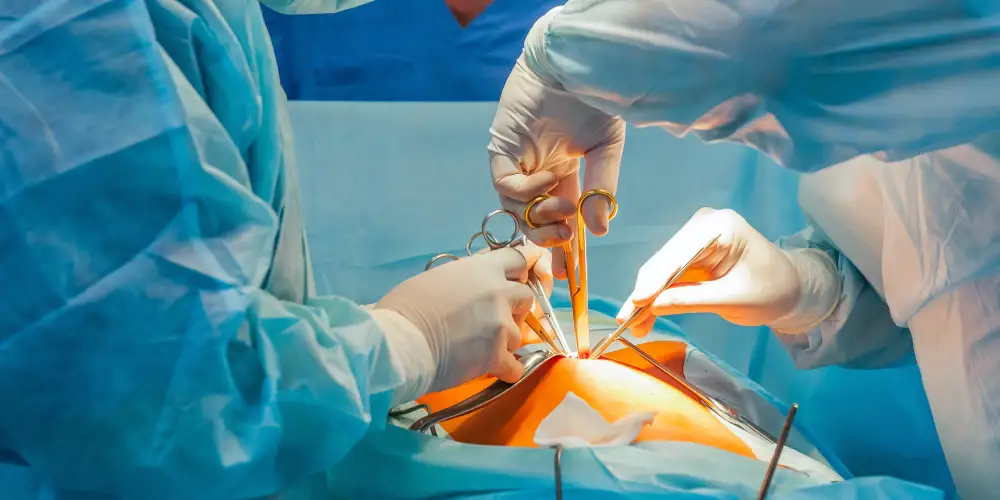
Laparoscopic surgery, also known as keyhole or minimally invasive surgery, is a modern surgical technique that uses small incisions instead of large cuts. A tiny camera and specialized instruments are inserted through these small openings, allowing the surgeon to perform the procedure with precision while minimizing tissue damage.
This approach leads to less pain, faster healing, minimal scarring, and shorter hospital stays, making it a preferred choice for both gastrointestinal and weight loss surgeries.
Common Gastro Problems Treated with Laparoscopic Surgery
Dr. Nikunj Jain is an experienced gastrosurgeon in Indore who treats a wide range of abdominal and digestive issues using laparoscopic techniques. Common conditions include:
Appendicitis: Safe and quick removal of an inflamed appendix with minimal discomfort.
GERD (Acid Reflux): Laparoscopic surgery provides long-term relief from severe acid reflux.
Intestinal Disorders: Selected bowel or intestinal issues can be effectively treated using laparoscopic procedures.
Laparoscopic Weight Loss (Bariatric) Surgery
In addition to gastro treatments, Dr. Nikunj Jain also specializes in weight loss surgery in Indore. For patients struggling with obesity and related health problems like diabetes, hypertension, or joint pain, bariatric surgery can be life-changing.
Common types of laparoscopic weight loss surgeries include:
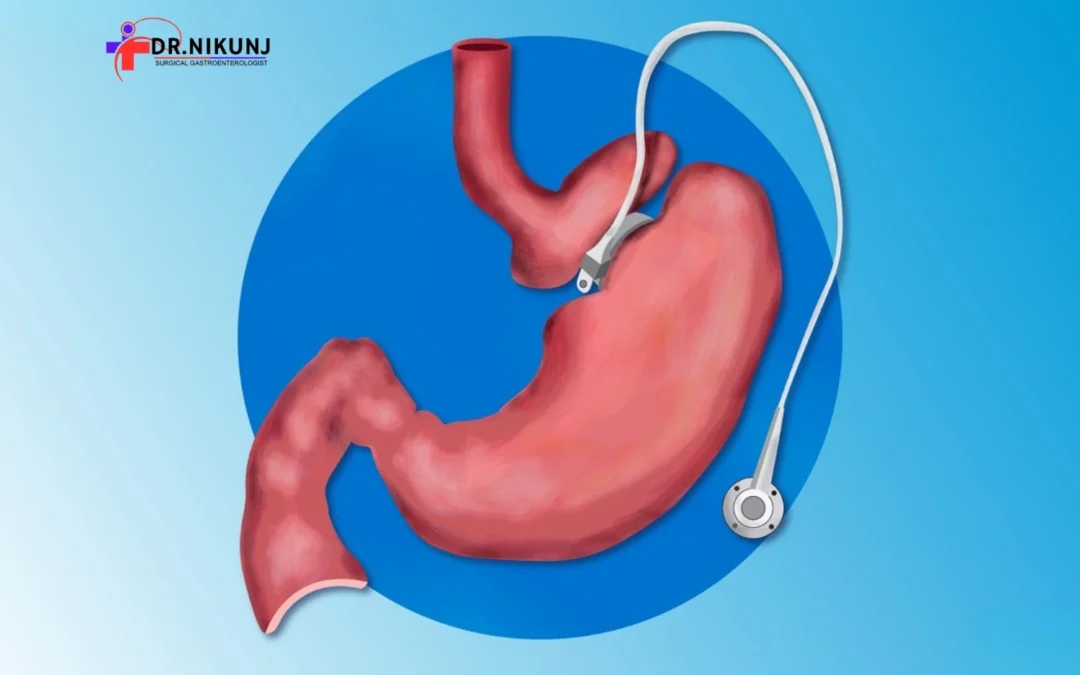
Sleeve Gastrectomy: Reduces stomach size to control appetite and food intake.
Gastric Bypass: Alters the digestive pathway to help achieve long-term weight loss.
Mini Gastric Bypass: A simpler and equally effective alternative for selected patients.
These procedures not only help in losing excess weight but also improve overall health, energy, and confidence.
Why Choose Laparoscopic Surgery?
There are several reasons why patients prefer laparoscopic treatment in Indore under Dr. Nikunj Jain:
Smaller cuts and minimal scars
Reduced pain and blood loss
Quicker recovery and shorter hospital stays
Early return to daily activities
Lower risk of infection
Whether it’s a gastro problem or a weight loss surgery, laparoscopic techniques offer a safe, modern, and effective solution.
Dr. Nikunj Jain – Expert Gastro and Weight Loss Surgeon in Indore
Dr. Nikunj Jain is known for his expertise in laparoscopic and bariatric surgery. With years of surgical experience and advanced training, he has successfully treated numerous patients with complex abdominal, digestive, and obesity-related problems.
His approach combines precision, compassion, and affordability. Every patient receives personalized treatment, ensuring safety and long-term results. Dr. Jain’s clinic is equipped with advanced laparoscopic technology to deliver world-class surgical care in Indore.
Affordable Laparoscopic Treatment in Indore
One of the biggest concerns for patients is cost. Dr. Nikunj Jain believes that high-quality healthcare should be accessible to everyone. That’s why his clinic offers affordable laparoscopic treatments without compromising on safety or standards.
Since laparoscopic surgery reduces hospital stays and recovery time, it naturally lowers overall treatment expenses, making it a cost-effective choice for patients.
Patient-Centered Care
Dr. Nikunj Jain follows a patient-first approach, where every case is carefully evaluated before recommending surgery. From initial consultation to post-surgery follow-up, patients receive complete guidance and support throughout their recovery journey.
His friendly and reassuring communication helps patients feel confident, informed, and cared for at every step.
When to Consult Dr. Nikunj Jain
You should consult Dr. Nikunj Jain, a trusted gastro and weight loss doctor in Indore, if you experience:
Frequent abdominal pain or bloating
Indigestion or acid reflux
Unexplained weight gain
Difficulty losing weight despite diet and exercise
Gallstones, hernia, or appendicitis symptoms
Early diagnosis and timely treatment can prevent complications and improve your quality of life.
Conclusion
If you’re looking for affordable laparoscopic treatment in Indore for gastro or weight loss problems, Dr. Nikunj Jain offers advanced, minimally invasive solutions that are safe, effective, and budget-friendly. His expertise in laparoscopic and bariatric surgery ensures the best outcomes for every patient, helping you live a healthier, more active life.
Choose expertise, care, and affordability with Dr. Nikunj Jain’s laparoscopic treatments in Indore.
Obesity is a growing concern in India, affecting both physical and mental health. For many, bariatric surgery is a transformative solution that offers long-term weight loss and improved quality of life. If you are considering weight loss surgery in Indore, Dr. Nikunj Jain is one of the most trusted names in the field. As a Weight Loss Surgeon in Indore, he combines advanced techniques with personalized care to ensure the best outcomes for his patients.
Expertise in Bariatric Surgery
Dr. Nikunj Jain has extensive experience in performing bariatric and metabolic surgeries, helping patients achieve sustainable weight loss safely. His expertise covers a range of procedures:
Gastric Sleeve (Sleeve Gastrectomy): This procedure involves removing a portion of the stomach to limit food intake while preserving digestion. It is ideal for patients with moderate obesity.
Gastric Bypass (Roux-en-Y): This surgery alters the digestive system to reduce calorie absorption, offering significant weight loss for patients with higher BMI or obesity-related health issues.
Mini Gastric Bypass (MGB): A less invasive version of gastric bypass, providing quicker recovery and effective results.
Endoscopic Bariatric Procedures: Non-surgical options for patients who prefer minimally invasive methods.
Each procedure is carefully tailored to the individual’s health, weight, and medical history, ensuring maximum effectiveness and safety.
Advanced Techniques and Modern Facilities
Dr. Jain specializes in minimal access and laparoscopic surgery, which involves smaller incisions, less pain, and faster recovery compared to traditional surgery. His clinic in Indore is equipped with state-of-the-art technology to provide patients with world-class care. Robotic-assisted surgery and advanced laparoscopic techniques allow for precision, reduced complications, and smoother post-operative recovery.
Personalized Pre- and Post-Operative Care
Bariatric surgery is more than just a surgical procedure; it is a lifestyle change. Dr. Jain emphasizes comprehensive pre-operative counseling to help patients understand the surgery, expected results, and lifestyle modifications required.
Post-surgery, patients receive guidance on:
Diet and Nutrition: Step-by-step diet plans, portion control, and protein intake to support recovery and long-term weight management.
Exercise and Physical Activity: Gradual introduction of safe exercises to improve metabolism and maintain muscle mass.
Regular Follow-Ups: Monitoring weight loss progress, nutritional status, and overall health to prevent complications.
This personalized approach ensures that patients not only lose weight but also adopt healthy habits for long-term success.
Proven Track Record and Patient Satisfaction
Dr. Nikunj Jain has performed numerous successful bariatric surgeries in Indore, earning a reputation for high patient satisfaction and excellent outcomes. Patients appreciate his combination of surgical expertise and compassionate care. From pre-operative counseling to long-term follow-up, every aspect of the patient journey is handled with professionalism and empathy.
Why Choose Dr. Nikunj Jain in Indore?
Choosing the right surgeon is critical for the success of bariatric surgery. Here’s why Dr. Nikunj Jain is a preferred choice:
Expertise in Minimal Access Surgery: Advanced laparoscopic and robotic-assisted techniques for safer, faster recovery.
Comprehensive Care: Personalized pre- and post-operative support, including diet, exercise, and lifestyle guidance.
Proven Results: Numerous successful surgeries with high patient satisfaction rates.
Modern Facilities: Equipped with cutting-edge technology for precision and safety.
Accessible Location: Centrally located in Indore for easy access.
Importance of Mental Health After Bariatric Surgery
Weight loss after bariatric surgery is not just a physical transformation; it also affects your mental and emotional well-being. Many patients experience improved confidence, reduced anxiety, and better social interactions. However, some may face emotional challenges while adapting to new eating habits and body changes. Dr. Nikunj Jain emphasizes the importance of mental health support, including counseling and support groups, to help patients stay motivated and manage lifestyle adjustments. A positive mindset plays a key role in maintaining long-term results and ensuring that the journey to better health is both successful and sustainable.
Conclusion
Bariatric surgery is a life-changing decision that requires an expert surgeon and a supportive medical team. With his extensive experience, advanced surgical techniques, and patient-focused care, Dr. Nikunj Jain is one of the best bariatric surgeons in Indore. Whether you are struggling with obesity, related health issues, or looking for long-term weight management solutions, consulting with Dr. Jain can help you achieve a healthier, happier life.For more information or to schedule a consultation, visit drnikunjjain.com/staging/.
Advance Laser Treatment for Piles, Fissure, and Fistula: A Complete Guide to Pain-Free Recovery
In today’s fast-paced lifestyle, conditions like Piles, Fissures, and Fistulas have become increasingly common. Yet, due to the stigma associated with these issues, many patients delay treatment—leading to discomfort, complications, and a reduced quality of life. Thankfully, with the rise of Advance Laser Treatment, managing these anorectal disorders has become safer, faster, and more comfortable than ever before.
In this blog, we’ll explore everything you need to know about laser treatment for piles, fissure, and fistula—how it works, benefits, recovery time, and why it’s quickly becoming the preferred choice among top proctologists like Dr. Nikunj Jain.
What is Advance Laser Treatment?
Advance Laser Treatment is a minimally invasive medical procedure that uses focused laser energy to treat abnormal tissues or hemorrhoidal veins. Unlike conventional surgeries that involve cutting and suturing, laser procedures are bloodless, painless, and offer quicker recovery.
Understanding the Conditions: Piles, Fissure & Fistula
Piles (Hemorrhoids)
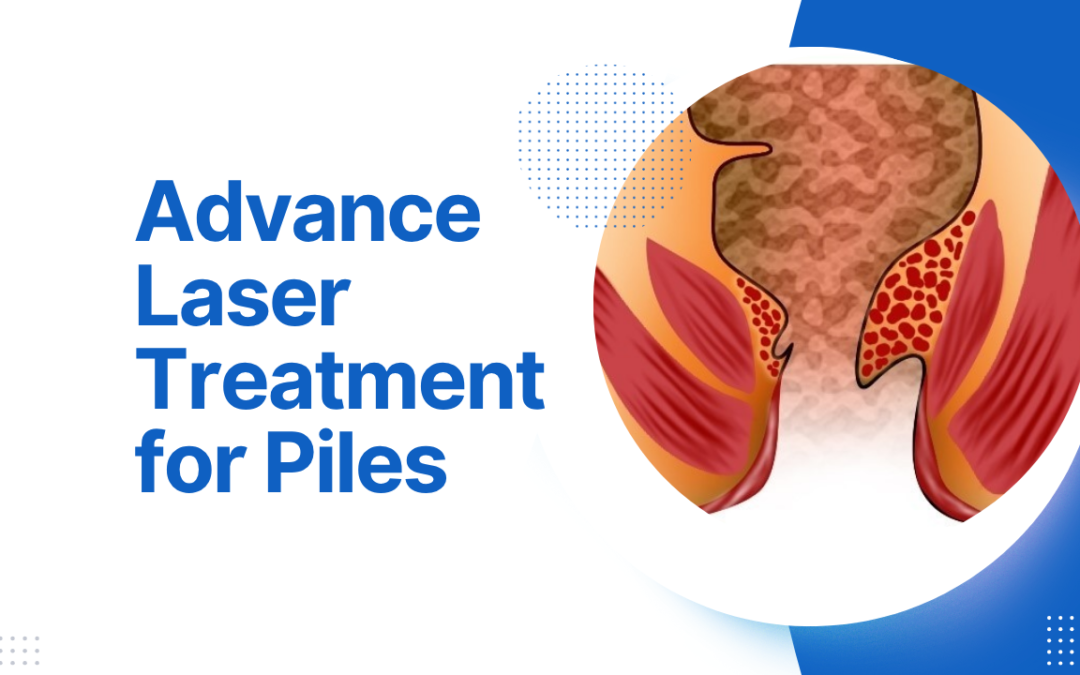
Piles are swollen veins in the rectum and anus, often caused by straining during bowel movements, constipation, pregnancy, or obesity. Symptoms include:
Bright red bleeding during stool passage
Itching or irritation around the anus
A lump near the anus
Pain or discomfort while sitting
Anal Fissure
A fissure is a small tear in the lining of the anus that causes severe pain and bleeding during bowel movements. It can occur due to:
Passing hard stools
Chronic diarrhea
Inflammatory bowel disease
Fistula in Ano
An anal fistula is a small tunnel that forms between the end of the bowel and the skin near the anus. It’s usually a result of:
An infection near the anal glands
An abscess that didn’t heal properly
Tuberculosis or Crohn’s disease
Why Traditional Treatment Methods Fall Short
In the past, the standard approach involved:
Open surgery (Hemorrhoidectomy)
Lateral internal sphincterotomy for fissures
Fistulectomy or fistulotomy for fistulas
These methods, while effective, come with:
High post-operative pain
Long downtime (2–4 weeks)
Risk of infections
Chances of recurrence
Possible incontinence in some cases
That’s where advance laser treatment comes in as a game changer.
How Advance Laser Treatment Works
Laser procedures work by:
Using a narrow laser beam to shrink or remove the affected tissue.
Targeting only the problem area, sparing surrounding healthy tissue.
Sealing nerve endings and blood vessels instantly—resulting in less bleeding and pain.
Common Laser Procedures:
Condition
Procedure
Piles
Laser Hemorrhoidoplasty (LHP)
Fissure
Laser Sphincterotomy
Fistula
FILAC (Fistula-tract Laser Closure)
Step-by-Step: What to Expect During Laser Surgery
Initial Consultation Diagnosis through proctoscopy or anoscopy.
Pre-operative Tests Includes blood tests and ECG (if needed).
Procedure Day
Performed under local, spinal, or general anesthesia
Duration: 20 to 40 minutes
Same-day discharge in most cases
Recovery Room Observation Patient is monitored for 2–4 hours.
Post-operative Instructions Includes diet, hygiene, and follow-ups.
Key Benefits of Advance Laser Treatment
✅ Minimally Invasive – No cuts or stitches
✅ Almost Painless Procedure
✅ Same-Day Discharge
✅ Fast Healing (3–5 days)
✅ Lower Risk of Infections
✅ Minimal Blood Loss
✅ Extremely Low Recurrence Rate
✅ Suitable for diabetic and elderly patients
Diet & Lifestyle After Laser Surgery
To prevent recurrence and ensure long-term relief:
✅ Diet Recommendations:
High fiber foods (oats, green vegetables, fruits)
Drink 2–3 liters of water daily
Avoid spicy, oily food in early days
Stool softeners as per doctor’s advice
Lifestyle Tips:
Regular walking (15–30 min/day)
Avoid prolonged sitting
No straining during bowel movements
Keep anal area clean and dry
Cost of Laser Treatment in India
City
Approximate Cost
Indore
₹35,000 – ₹60,000
Delhi
₹40,000 – ₹75,000
Mumbai
₹45,000 – ₹85,000
Bangalore
₹50,000 – ₹90,000
Meet Dr. Nikunj Jain: Leading Laser Surgeon in Indore
Dr. Nikunj Jain is a highly experienced laparoscopic and laser proctologist practicing at Apollo Hospital, Indore. Known for his patient-friendly approach, pain-free treatments, and success rate in treating anorectal disorders, Dr. Jain has emerged as one of the most trusted names in Central India.
Why Patients Prefer Dr. Nikunj Jain?
✔️ Specialized in Advance Laser Treatment for Piles, Fissure, and Fistula
✔️ Over 3000+ successful surgeries performed
✔️ Uses modern tools and world-class hospital infrastructure
✔️ Personalized attention and proper follow-up
✔️ Treats patients with compassion, not just as cases
“Dr. Nikunj Jain is the best piles and fistula doctor in Indore. His laser surgery is truly painless and I recovered within 3 days.” – A Patient Review
📍 Location:
Apollo Hospital, Indore, Madhya Pradesh
📞 Book Consultation:
Phone – [You can insert here] Website – [You can insert here]
🧠 Real-Life Case Study
Patient Name: Rohit Sharma, 32 years old Condition: Grade 3 Piles + Anal Fissure Treatment by: Dr. Nikunj Jain – LHP + Laser Sphincterotomy Outcome: Pain-free in 24 hours, full recovery in 5 days
“I suffered silently for over a year, fearing surgery. But laser treatment by Dr. Nikunj Jain changed everything. Quick, painless, and I got my life back!” — Rohit
FAQs on Advance Laser Treatment
Q. Is laser treatment completely painless? 👉 Most patients report only mild discomfort post-procedure.
Q. Can piles, fissures, and fistulas recur after laser surgery? 👉 If proper hygiene, diet, and lifestyle are followed—recurrence is rare.
Q. Is laser treatment available in Indore? 👉 Yes, Dr. Nikunj Jain at Apollo Hospital is a renowned specialist offering laser treatment.
Q. Is it safe for diabetic or elderly patients? 👉 Absolutely. It’s one of the safest procedures for high-risk patients.
Final Words: Choose Laser, Choose Comfort
Suffering from piles, fissure, or fistula? Don’t let the fear of surgery stop you from living pain-free.
Advance laser treatment, especially under the expert care of Dr. Nikunj Jain, offers an easy, effective, and safe solution.
No cuts, no stitches, no long hospital stays—just quick relief and a healthier life ahead.
Introduction: Why You Shouldn’t Ignore Your Gut Health
In our fast-paced modern lives, we often overlook the importance of digestive health — until something goes wrong. Indigestion, acidity, constipation, or sudden stomach pain is commonly brushed off as “something I ate.” But what if your body is signaling a deeper issue?
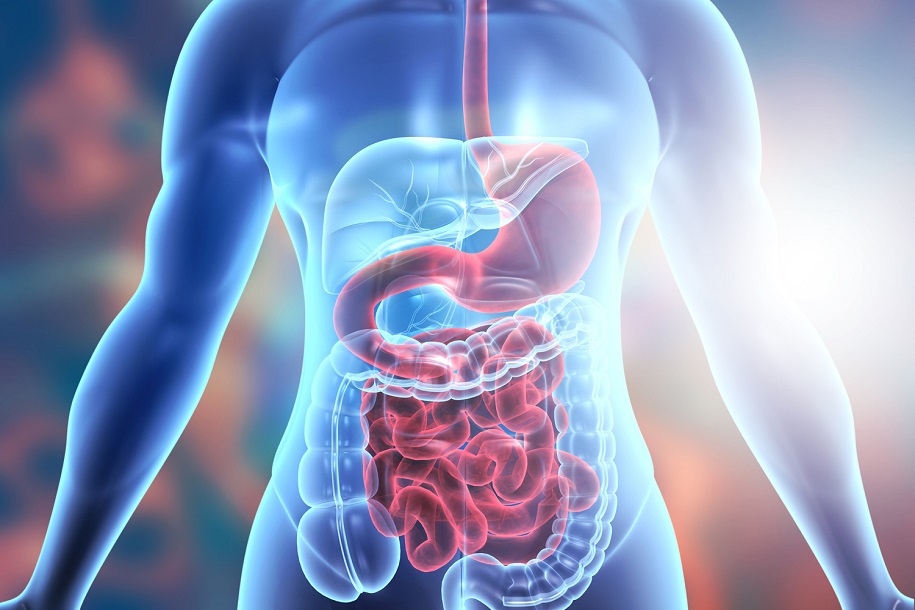
This is where a gastro surgeon in Indore comes into the picture — a highly skilled specialist who deals with disorders of the digestive system, including the esophagus, stomach, intestines, liver, gallbladder, and pancreas.
In this guide, we’ll explore:
Who a gastro surgeon is
Top signs you need to visit one
Leading gastro surgeons in Indore
Common surgeries and treatments they perform
What to expect during your consultation
Cost of gastrointestinal surgery in Indore
Recovery and post-op care
FAQs answered
Who Is a Gastro Surgeon?
A gastrointestinal (GI) surgeon is a doctor trained to perform surgeries related to the digestive tract. While a gastroenterologist handles non-surgical treatment of digestive disorders, a gastro surgeon steps in when medications, diet, or endoscopic procedures are no longer sufficient.
They treat conditions like:
Gallbladder stones
Hernias
Appendicitis
Piles and fissures
Gastroesophageal Reflux Disease (GERD)
Gastrointestinal cancers
Pancreatitis
Intestinal blockages or perforations
Obesity-related conditions requiring bariatric surgery
If your symptoms persist or worsen over time, visiting the best gastro surgeon in Indore could make all the difference.
Top Signs You Should Visit a Gastro Surgeon
You don’t need to wait for a medical emergency to see a GI surgeon. Watch out for these warning signs:
Chronic abdominal pain or bloating
Unexplained weight loss
Frequent vomiting or nausea
Difficulty swallowing (dysphagia)
Blood in vomit or stools
Severe constipation or diarrhea
Lump in the abdomen
Jaundice
Persistent acid reflux
Ignoring these symptoms can lead to complications, including life-threatening conditions like intestinal perforation or cancer.
Best Gastro Surgeons in Indore (2025 Edition)
Indore has emerged as a leading healthcare hub in Central India. Here are some top-rated gastro surgeons in Indore based on experience, patient reviews, and treatment success rate:
Dr. Nikunj Jain – Apollo Hospitals, Indore
Specialization: Advanced laparoscopic and GI surgery
Experience: 15+ years
Expertise: Hernia repair, laparoscopic gallbladder surgery, colorectal surgery, bariatric surgery
Why Choose: Known for precision, advanced facilities, and compassionate care
Diagnostics: Blood tests, ultrasound, CT scan, endoscopy/colonoscopy as needed
Discussion of Surgical Options: Benefits, risks, alternative treatments, and costs
A good GI surgeon in Indore will ensure you’re fully informed and comfortable before proceeding.
Cost of Gastrointestinal Surgeries in Indore
Here’s an approximate breakdown of costs:
Procedure
Estimated Cost (INR)
Gallbladder removal (laparoscopic)
₹45,000 – ₹80,000
Hernia surgery
₹50,000 – ₹90,000
Appendectomy
₹35,000 – ₹70,000
Piles surgery (laser)
₹30,000 – ₹60,000
Bariatric surgery
₹2,00,000 – ₹4,50,000
Liver/pancreatic surgery
₹1,50,000 – ₹4,00,000
Costs may vary depending on the hospital, type of surgery, and whether insurance is used.
Post-Surgery Recovery Tips
Recovery depends on the type of surgery and overall health. However, here are general tips:
Rest: Allow your body time to heal
Diet: Start with liquids → soft foods → normal meals
Hydration: Essential for healing and digestion
Medication Adherence: Follow antibiotics and pain meds as prescribed
Follow-ups: Never skip post-op checkups
Avoid Lifting Heavy Weights: Especially after hernia or abdominal surgeries
A skilled gastro surgeon in Indore will provide a personalized recovery plan based on your condition.
Why Indore Is Becoming a Medical Destination for GI Surgery
Indore is home to world-class multispeciality hospitals like Apollo, CHL, and Medanta, offering:
Experienced Surgeons: Trained in India and abroad
Cutting-edge Equipment: Advanced laparoscopic and robotic facilities
Affordable Healthcare: Lower costs compared to metros
Accessibility: Air, rail, and road connectivity for patients from nearby states
FAQs: Gastro Surgeon in Indore
Faqs
Q1. Do I need a referral to see a gastro surgeon?
Ans: No, you can directly consult a GI surgeon if you have digestive issues, though some insurance policies may require a referral.
Q2. Is laparoscopic surgery safe?
Ans: Yes, it’s minimally invasive, offers faster recovery, and has fewer complications compared to open surgery.
Q3. Are these surgeries covered by insurance?
Ans: Most GI surgeries are covered under standard health insurance. Always confirm with your provider.
Q4. How do I choose the best gastro surgeon in Indore?
Ans: Look for experience, specialization, hospital affiliation, patient reviews, and comfort in communication.
Q5. How long does recovery take?
Ans: Basic surgeries like gallbladder removal may require 3–5 days of rest, while major surgeries can take a few weeks.
Conclusion: Take Control of Your Digestive Health Today
Ignoring digestive symptoms can lead to serious health issues. From minor discomforts to critical surgeries, the best gastro surgeon in Indore can offer expert care tailored to your needs.
Whether it’s a routine hernia operation or a complex liver surgery, Indore’s top GI specialists provide compassionate care, advanced techniques, and world-class outcomes. Don’t wait for your condition to worsen. Take the first step towards better health — consult a gastro surgeon today.
Looking for a trusted name in GI surgery? Contact Dr. Nikunj Jain, Apollo Hospital Indore – a leader in advanced laparoscopic and gastrointestinal surgeries.
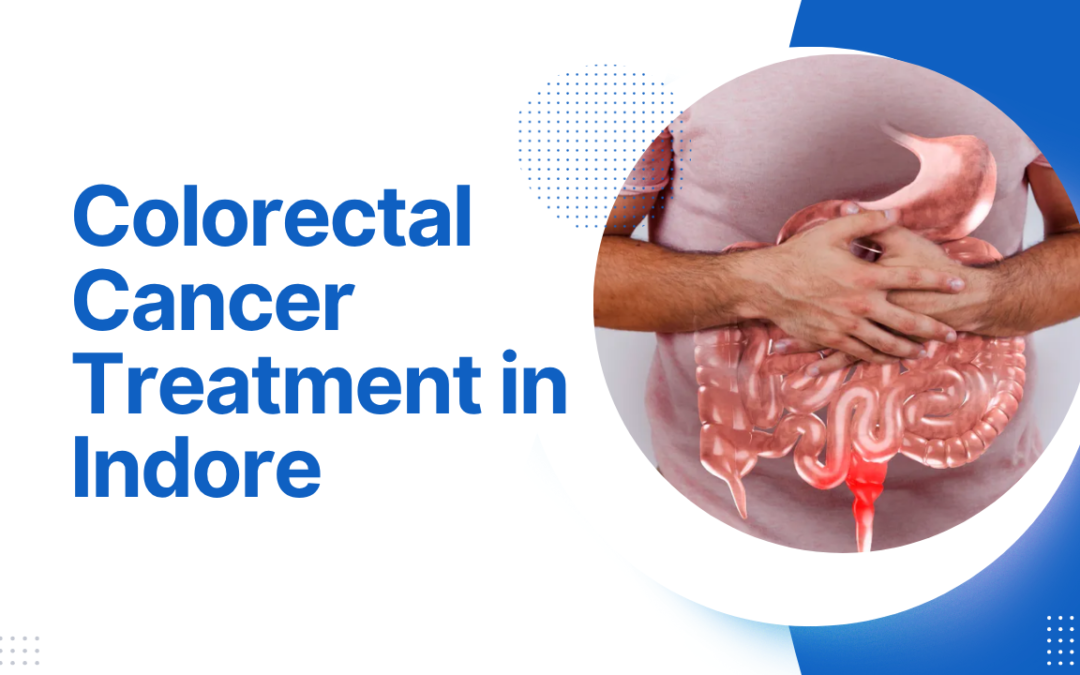
Colorectal Cancer Treatment in Indore: Diagnosis, Stages & Best Oncologists
Colorectal cancer, often overshadowed by more commonly discussed cancers like breast or lung cancer, is a silent but aggressive disease that can affect both men and women. In India, the awareness around colorectal cancer is slowly increasing—thanks to advanced diagnostic techniques, improved treatments, and a growing network of specialized oncologists. If you are searching for Colorectal Cancer Treatment in Indore, this comprehensive guide is tailored for you.
In this blog, we’ll explore everything from the basics of colorectal cancer, early symptoms, diagnosis, and stages to available treatment options and the best oncologists in Indore who specialize in this condition.
What Is Colorectal Cancer?
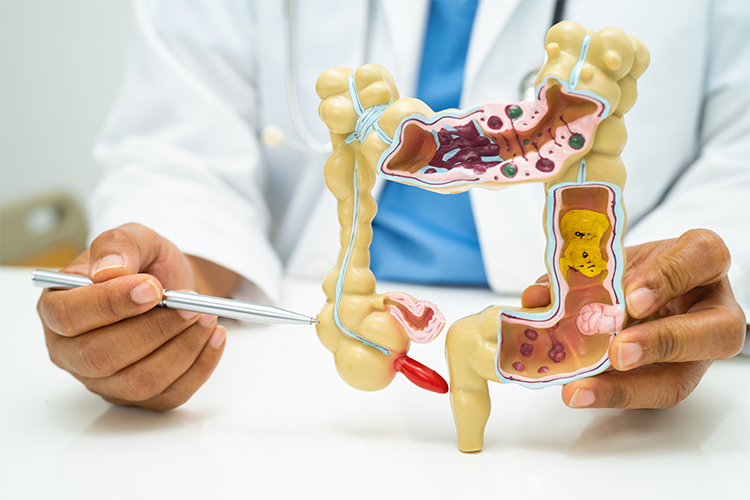
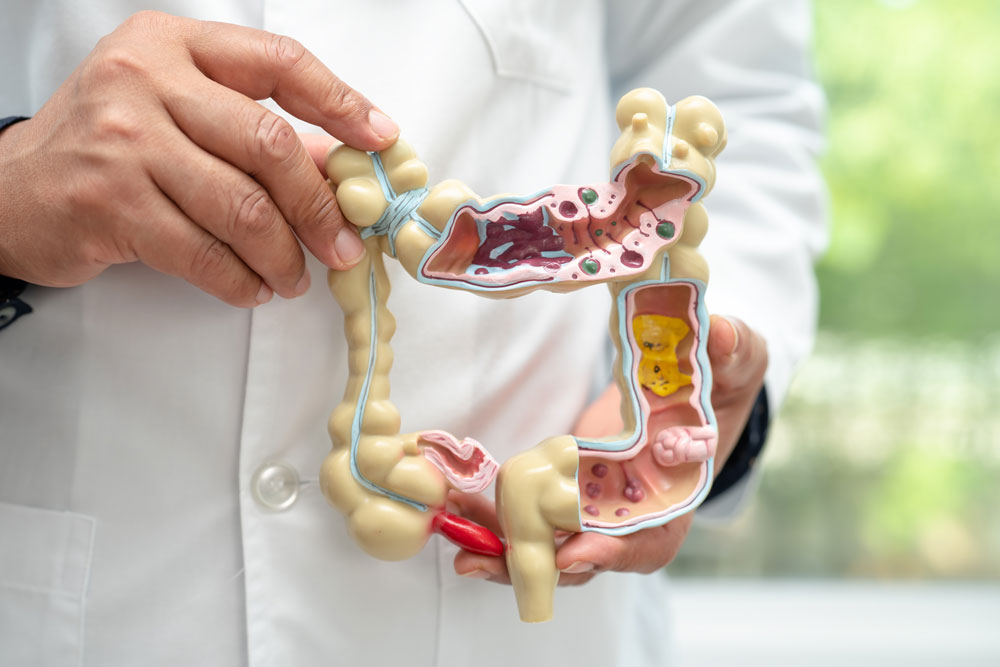
Colorectal cancer refers to cancer that begins in the colon (large intestine) or rectum, and it’s often grouped under the term colorectal cancer due to their similar characteristics.
It typically starts as benign polyps that develop on the inner lining of the colon or rectum. Over time, these polyps may become cancerous. The earlier colorectal cancer is detected, the better the chances of successful treatment.
🔍 Symptoms of Colorectal Cancer You Shouldn’t Ignore
Colorectal cancer symptoms can be subtle at first. Many people ignore the signs thinking it’s a dietary or minor digestive issue.
Here are common symptoms to watch out for:
A change in bowel habits (diarrhea or constipation that lasts for more than a few days)
Blood in stool (bright red or dark)
Persistent abdominal discomfort (gas, cramps, or pain)
Feeling that your bowel doesn’t empty completely
Unexplained weight loss
Fatigue or weakness
Note: Many of these symptoms can be caused by conditions other than cancer. However, if you notice persistent changes, consulting a gastroenterologist or oncologist in Indore is strongly advised.
Colorectal Cancer Diagnosis in Indore
Thanks to the advancement in medical technology, many hospitals and diagnostic centers in Indore offer state-of-the-art tests for early detection.
Key Diagnostic Tests:
Colonoscopy – The gold standard for detecting polyps and tumors.
CT Colonography (Virtual Colonoscopy) – Less invasive and useful for imaging.
Fecal Occult Blood Test (FOBT) – Detects hidden blood in stool.
Biopsy – To confirm if abnormal cells are cancerous.
CT/MRI/PET Scans – For staging and identifying metastasis.
Indore’s healthcare system includes several reputed hospitals like Apollo Hospitals, CHL Hospital, Bombay Hospital, and Indore Cancer Foundation, which offer comprehensive screening services.
Understanding the Stages of Colorectal Cancer
Colorectal cancer is staged from 0 to IV. Each stage determines the treatment approach and prognosis.
Stage 0 (Carcinoma in Situ)
Abnormal cells in the innermost lining of the colon.
Highly curable with surgery.
Stage I
Cancer has grown into the layers of the colon but not beyond the wall.
Usually treated with surgical removal.
Stage II
Cancer has penetrated the wall of the colon but hasn’t spread to lymph nodes.
May require chemotherapy after surgery.
Stage III
Cancer has spread to nearby lymph nodes.
Requires surgery and combination chemotherapy.
Stage IV
Cancer has spread to distant organs (liver, lungs, etc.).
Treatment focuses on controlling the disease and prolonging life—usually involves chemotherapy, targeted therapy, and sometimes palliative surgery.
Treatment Options for Colorectal Cancer in Indore
Colorectal cancer treatment depends on multiple factors—stage, location, genetic markers, overall health, and patient preferences.
Here are the main treatment modalities available in Indore:
Surgery
Colectomy (partial or total) – Removal of the affected colon part.
Laparoscopic surgery – Minimally invasive with faster recovery.
Colostomy or Ileostomy – Sometimes needed temporarily or permanently.
Chemotherapy
Drugs that kill cancer cells or stop their growth.
Available in top hospitals like Apollo Indore, with day-care chemo units.
Radiation Therapy
Especially used for rectal cancers.
Reduces tumor size before surgery or eliminates residual cancer cells post-surgery.
Targeted Therapy
Drugs that target specific cancer cell markers (e.g., VEGF or EGFR inhibitors).
Typically used for advanced stage colorectal cancer.
Immunotherapy
For cancers with MSI-H or mismatch repair deficiency (dMMR).
Limited to specific genetic profiles but offers hope in advanced cases.
Best Hospitals in Indore for Colorectal Cancer Treatment
Indore has some of the best cancer care centers with dedicated oncology departments and diagnostic support.
Regular follow-ups – Crucial to detect recurrence early.
Seek emotional support – Join a cancer survivor group or speak to a counselor.
FAQs on Colorectal Cancer Treatment in Indore
Q. What is the survival rate of colorectal cancer?
A. If detected early, the 5-year survival rate is more than 90%. Advanced stages have lower survival, but treatments can still improve quality of life.
Q. How can I prevent colorectal cancer?
A. Healthy diet, regular screening (especially after age 50), staying active, and avoiding smoking or excessive alcohol can reduce risk.
Q. Is laparoscopic surgery safe for colon cancer?
A. Yes, laparoscopic surgery offers a minimally invasive option with less recovery time and similar success rates as open surgery.
Q. How soon can I resume work after colorectal cancer treatment?
A. Recovery depends on your treatment type. Surgery may need 2–6 weeks of rest. Discuss a gradual return with your doctor.
Final Thoughts
Colorectal cancer may sound intimidating, but early diagnosis and the right treatment approach can make a huge difference. With the availability of world-class oncologists, cutting-edge technology, and compassionate care, Indore has emerged as a reliable destination for colorectal cancer treatment in Central India.
If you or your loved one is facing colorectal cancer, don’t delay. Consult a specialist in Indore, get the right diagnosis, and start your journey toward recovery. Your health is worth the fight.