Weight loss surgery vs diet, when someone wants to lose weight, it’s not just about looking good. It’s about health problems, feeling tired all the time, low self-confidence, and years of frustration from trying different things. Lots of people wonder if strict dieting is enough or if weight loss surgery is better. As Dr. Nikunj Jain, best weight loss doctor in Indore, explains, what really works depends on your body, lifestyle, and how ready you are emotionally.
Table of Contents
What is a Diet-Based Weight Loss?
Dieting is usually the first thing people try. It feels natural and safe. You cut back on sugar, watch your portions, pick healthier foods, and maybe follow plans like low-carb or counting calories. At first, it feels great,your clothes fit better, and the scale goes down.
But dieting has emotional ups and downs. It takes discipline every day. Social events get tough. Cravings hit hard. When weight loss slows or stops, people often feel let down or blame themselves. That pressure can make you quit or go through cycles of losing and gaining weight back.
The truth is, diet works great for people who are a bit overweight and can stick to lifestyle changes long-term. But for those with severe obesity or health issues from it, diet alone might not give lasting results.
When Weight Loss Surgery Becomes an Option
Weight loss surgery isn’t a quick fix. It’s a big medical choice after lots of checks. Procedures like bariatric surgery shrink your stomach or change how your body takes in food. This helps you lose weight faster and keep it off.
Emotionally, it can feel hopeful but scary. Many people feel relieved after years of struggling. But fear of the operation and not knowing what life will be like after can cause anxiety.
The big plus is it fixes serious health problems like diabetes, high blood pressure, sleep apnea, and joint pain. People get better mobility, more confidence, and a better life in just months.
But surgery needs commitment. You have to eat right, stay active, and go for regular check-ups. Without those changes, long-term success is hard.
Weight Loss Surgery vs Diet
Diet is about slow changes. It trains your mind and body for healthy habits. Results come slower but feel natural. For many, especially if they catch weight gain early, diet and exercise are enough.
Weight loss surgery gives a strong medical boost. It’s great for people with high BMI or who have failed many diets. Studies and doctor experience show surgery patients lose more weight and keep it off better than dieting alone.
Emotionally, surgery brings back hope. People who avoided mirrors, parties, or trips because of their weight start enjoying life again. They feel good in their skin and are more driven to stay healthy.
What is Really helpful in the Long Run
There’s no one-size-fits-all answer. The real fix is picking the right path at the right time. For some, mindful eating and workouts make a lasting change. For others, surgery plus lifestyle shifts is the game-changer.
The key is being honest with yourself. Know your triggers, emotional eating, and health risks to decide right. Doctor advice helps figure out if you need surgery or just a good diet plan.
Weight loss is super personal. It’s tied to how you see yourself, relationships, and daily comfort. Support from family, friends, and doctors makes a huge difference. Small wins like walking without getting out of breath, shopping happily, or sleeping well feel like miracles.
Conclusion
Success isn’t just diet or surgery alone. It’s building a path that keeps your body and emotions healthy. In the end, what works is sticking with it, getting guidance, and taking the next step, whether that’s better eating or a doctor-supervised procedure.
Living with diabetes is not just a medical condition,it is an emotional journey. From daily medications and strict diet control to the constant worry about long-term complications, the condition often brings stress, frustration, and fatigue. Many people feel trapped in a cycle where, despite their best efforts, blood sugar levels remain difficult to manage. This is where metabolic or weight loss surgery has emerged as a hopeful option. According to Dr. Nikunj Jain, best gastro surgeon in indore, understanding both the medical and emotional aspects of this treatment is essential before making a decision.
Table of Contents
The Link Between Obesity and Type 2 Diabetes
Type 2 diabetes and obesity are closely connected. Excess body weight increases insulin resistance, making it harder for the body to control blood sugar levels. Over time, the pancreas struggles to keep up, and diabetes becomes more difficult to manage.
Traditional treatment focuses on lifestyle changes, oral medications, and insulin therapy. While these approaches are effective for many, some patients continue to experience uncontrolled diabetes despite their efforts. For such individuals, weight loss surgery may offer a new path toward better health.
Can Weight Loss Surgery Cure Diabetes?
The word “cure” can be misleading. Weight loss surgery does not eliminate diabetes permanently in every case. However, it can lead to diabetes remission, which means blood sugar levels return to normal without the need for medication.
Procedures like gastric bypass and sleeve gastrectomy work in two important ways:
They reduce stomach size, leading to significant weight loss.
They create hormonal changes that improve insulin function almost immediately after surgery.
Many patients experience improved blood sugar control within days or weeks. In some cases, medications are reduced or stopped under medical supervision. The chances of remission are higher in patients who:
Have Type 2 diabetes for a shorter duration
Are overweight or obese
Still produce some insulin naturally
However, long-term success depends on maintaining healthy lifestyle habits after surgery.
Beyond Numbers: The Emotional Transformation
While medical benefits are important, the emotional impact of weight loss surgery is equally powerful.
1. Relief from Daily Stress Managing diabetes often involves frequent glucose monitoring, strict meal planning, and fear of sudden sugar fluctuations. When blood sugar levels stabilize after surgery, many patients feel a sense of freedom and mental relief.
2. Renewed Confidence Weight loss and better health often lead to improved body image and self-esteem. Patients report feeling more energetic, socially active, and motivated to take care of themselves.
3. Hope for the Future Diabetes complications such as kidney disease, nerve damage, and heart problems are a constant concern. Improved metabolic control reduces these risks, helping patients feel more optimistic about their long-term health.
The Emotional Challenges to Prepare For
Despite its benefits, weight loss surgery is not an easy fix. It requires strong emotional readiness.
Lifestyle Adjustment Eating habits change permanently. Portion sizes become smaller, and food choices must be more mindful. This transition can feel overwhelming initially.
Emotional Eating Awareness Many individuals with obesity struggle with emotional eating. Surgery changes the body, but addressing emotional triggers requires counseling and support.
Expectations Management Some patients expect diabetes to disappear completely. When remission is partial or medications are still needed, disappointment can occur. Realistic expectations are key to emotional satisfaction.
Who Should Consider Weight Loss Surgery?
Weight loss surgery may be considered for people who:
Have a Body Mass Index (BMI) of 35 or higher with diabetes
Have uncontrolled Type 2 diabetes despite medications
Are medically fit for surgery
Are ready for long-term lifestyle changes
A detailed medical and psychological evaluation helps determine whether the procedure is the right choice.
Life After Surgery: A Partnership with Yourself
The journey does not end in the operating room. Long-term success depends on:
Balanced nutrition
Regular
physical activity
Routine medical follow-ups
Emotional and psychological support
Patients who view surgery as a tool,not a shortcut,tend to achieve the best results. Over time, improved health, reduced medication dependence, and increased energy contribute to a better quality of life.
Conclusion
Weight loss surgery offers more than metabolic improvement,it can transform how a person feels physically, emotionally, and mentally. For many living with obesity-related diabetes, it represents a chance to break free from the constant burden of disease and reclaim control over life.
However, the decision should always be made after careful evaluation, proper counseling, and a clear understanding of long-term commitments. With the right guidance and realistic expectations, weight loss surgery can be a powerful step toward remission and emotional well-being.As emphasized by Dr. Nikunj Jain, weight loss surgery expert, the goal is not just reducing blood sugar levels but improving overall quality of life,helping patients move from managing illness to truly living healthier, happier lives.
Sleeve gastrectomy is not just a physical transformation, it is a life-changing journey that impacts the mind and emotions as much as the body. While the procedure helps patients achieve significant weight loss and improved health, the emotional adjustment that follows is equally important. According to bariatric specialist Dr. Nikunj Jain, best gastro surgeon in Indore, understanding the psychological phases after surgery helps patients prepare better, stay motivated, and build a healthier relationship with themselves.
This month-by-month guide explores the emotional changes you may experience after sleeve gastrectomy and how to navigate them with confidence.
Table of Contents
Month by Month Recovery Guide
Month 1: Relief, Hope, and Adjustment
The first month is often a mix of excitement and recovery. Many patients feel relieved after taking a major step toward better health. Rapid initial weight loss can boost confidence and motivation.
However, this phase also comes with emotional challenges:
Adjusting to a liquid or soft diet
Missing favorite foods
Feeling physically weak or tired
Mood swings due to hormonal changes
It’s normal to feel overwhelmed. Staying connected with your healthcare team and focusing on small daily victories helps ease this transition.
Month 2: The Reality Phase
By the second month, the routine begins to settle. Weight loss continues steadily, and energy levels start improving. Emotionally, this is when reality sets in.
Some common feelings include:
Frustration with dietary restrictions
Fear of eating the wrong foods
Social anxiety around dining with others
This is the time to develop healthy coping habits. Mindful eating, planning meals, and joining support groups can make a big difference.
Month 3: Confidence and Social Awareness
At three months, physical changes become noticeable. Clothes fit better, mobility improves, and compliments from friends and family become frequent.
While confidence grows, emotional adjustments may include:
Increased attention from others
Body image confusion (feeling “different” but not fully adjusted)
Pressure to maintain results
This stage is about building self-acceptance and focusing on overall wellness rather than just numbers on the scale.
Month 4-6: Emotional Highs and Plateaus
Between the fourth and sixth months, weight loss may slow down, which can feel discouraging. Many patients experience a weight-loss plateau during this period.
Common emotional responses:
Anxiety about progress slowing
Fear of regaining weight
Comparison with others’ results
This phase requires patience and consistency. Regular exercise, balanced nutrition, and celebrating non-scale victories like better stamina or improved health reports help maintain motivation.
Month 6-9: Identity Transformation
As weight loss becomes more significant, many patients experience a shift in self-identity. You may feel more energetic, socially active, and confident.
At the same time:
Old emotional eating habits may resurface during stress
Relationships may change as your lifestyle evolves
You may start setting new personal or professional goals
Building emotional resilience is key. Counseling, journaling, or mindfulness practices can help maintain a positive mindset.
Month 9-12: Stability and Emotional Balance
By the end of the first year, most patients reach a more stable weight. Eating habits become routine, and lifestyle changes feel more natural.
Emotionally, this phase often brings:
A sense of achievement
Greater self-control and discipline
Improved self-esteem
However, long-term success depends on consistency. Maintaining follow-ups, staying active, and continuing healthy eating habits remain essential.
The Emotional Factors No One Talks About
Beyond the monthly milestones, sleeve gastrectomy patients often experience deeper emotional changes:
1. Relationship with Food Food shifts from comfort to nourishment. Learning emotional triggers and avoiding stress eating is crucial.
2. Body Image Adjustment Even after weight loss, it may take time for your mind to accept your new appearance.
3. Social and Lifestyle Changes Eating out, celebrations, and social gatherings require planning and confidence.
4. Mental Health Awareness If feelings of anxiety, depression, or emotional struggle arise, seeking professional support is important.
Tips for Emotional Success After Sleeve Gastrectomy
Follow regular medical and nutritional guidance
Stay physically active to boost mood and energy
Join bariatric support groups or communities
Practice mindful eating and stress management
Celebrate progress beyond weight, health, mobility, and confidence
Conclusion
Life after sleeve gastrectomy is a journey of transformation, physically, emotionally, and mentally. Understanding the emotional timeline helps patients stay prepared, patient, and positive throughout the process. With the right mindset, support system, and professional guidance from experts like Dr. Nikunj Jain, weight loss surgery expert, patients can achieve not just weight loss, but long-term confidence, emotional balance, and a healthier, happier life.
Choosing to undergo weight loss surgery is a life-changing decision. It is not only about reducing weight but also about improving overall health, managing lifestyle-related diseases, and gaining a better quality of life. Because bariatric surgery directly impacts your long-term well-being, selecting the right surgeon becomes extremely important. Making an informed choice can ensure safe surgery and lasting results. Many patients place their trust in Dr. Nikunj Jain, weight loss surgeon in Indore, due to his experience, ethical practice, and patient-focused approach.
Weight loss surgery requires both technical expertise and long-term guidance. The right surgeon will act not just as an operator, but as a partner throughout your transformation journey.
Table of Contents
Understanding the Surgeon’s Expertise and Experience
One of the most important factors in choosing a weight loss surgeon is their training and experience in laparoscopic bariatric procedures. Modern weight loss surgeries such as sleeve gastrectomy and gastric bypass are minimally invasive and demand advanced surgical skills. A surgeon who routinely performs these procedures is more likely to deliver consistent and safe outcomes.
Experience also plays a major role in handling different body types, medical conditions, and surgical challenges. An experienced surgeon understands how to evaluate patients properly and recommend the most suitable procedure. Surgeons like Dr. Nikunj Jain, known as the best weight loss surgeon in Indore, combine technical skill with sound clinical judgment, which is essential for successful bariatric treatment.
Importance of Personalized Surgical Planning
Weight loss surgery is not a one-size-fits-all solution. Each patient has unique health conditions, lifestyle habits, and weight loss goals. A reliable bariatric surgeon takes time to understand your medical history, body mass index (BMI), eating patterns, and existing health issues before suggesting a procedure.
A good surgeon will explain why a specific surgery is recommended and how it aligns with your long-term health goals. This personalized approach helps patients feel confident and informed, rather than rushed into a decision.
Pre-Surgery Evaluation and Patient Counseling
Proper preparation before surgery plays a major role in achieving good results. A responsible weight loss surgeon focuses on a thorough pre-operative evaluation, which usually includes blood tests, imaging, nutritional assessment, and overall fitness evaluation. This step ensures patient safety and identifies any risks early.
Clear counseling is equally important. Patients should fully understand the procedure, expected weight loss, recovery period, and lifestyle changes required after surgery. Surgeons who invest time in counseling demonstrate commitment to patient safety and long-term success.
Post-Surgery Care and Long-Term Follow-Up
Weight loss surgery does not end in the operating theatre. Long-term success depends heavily on post-operative care and regular follow-ups. A good surgeon provides structured guidance on diet progression, vitamin supplementation, physical activity, and lifestyle changes.
Look for a surgeon who emphasizes continued monitoring and support. A good weight loss surgeon will always prioritize sustainable weight loss over quick results, helping patients achieve and maintain long-term health improvements.
Facilities, Safety Standards, and Hospital Support
The hospital where the surgery is performed is as important as the surgeon. Advanced laparoscopic equipment, well-trained medical staff, infection control protocols, and emergency support systems all contribute to patient safety. A well-equipped hospital ensures smoother surgery and faster recovery.
Before choosing a surgeon, it is wise to understand the hospital infrastructure and safety measures in place.
Key Qualities to Look for in a Weight Loss Surgeon
While evaluating your options, certain qualities can help you make the right decision:
Strong experience in laparoscopic and bariatric surgery
Clear communication and honest counseling
Availability of multiple weight loss procedures
Focus on long-term patient follow-up and care
These qualities indicate a surgeon who prioritizes patient outcomes over numbers.
Cost Transparency and Ethical Practice
Bariatric surgery is an investment in your health. A trustworthy surgeon will be transparent about costs, including hospital stay, surgery charges, and follow-up care. Ethical practices and clear communication regarding expenses enable patients to plan more effectively and avoid unpleasant surprises later.
Indore offers high-quality bariatric surgery at reasonable costs, especially when performed by experienced specialists such as Dr. Nikunj Jain, who believe in value-based and ethical healthcare.
Conclusion
Choosing the right weight loss surgeon in Indore requires careful consideration of expertise, personalized care, hospital facilities, and long-term support. Bariatric surgery is a powerful tool for transforming health, but its success depends greatly on the surgeon guiding the process. With extensive experience, patient-centric care, and advanced laparoscopic skills, Dr. Nikunj Jain, weight loss doctor near you, continues to help patients achieve safe, sustainable weight loss and a healthier future. Making the right choice today can lead to lifelong benefits tomorrow.
Obesity is a rapidly escalating global health challenge, and its prevalence in India, particularly in vibrant cities like Indore, is a growing concern. As more individuals in Indore seek effective solutions for weight management, understanding the financial aspects of treatment becomes crucial. This comprehensive guide delves into the obesity treatment cost in Indore, exploring a spectrum of available options, their benefits, and how they align with various budgets to help you achieve better health and an improved quality of life.
What is Obesity?
Obesity is a complex medical condition characterized by an excessive accumulation of body fat that poses significant health risks. It’s typically diagnosed using the Body Mass Index (BMI), where a BMI of 30 or higher is classified as obese. However, it’s more than just a number; obesity is a chronic disease that can profoundly impact nearly every system in the body.
Why is Obesity Treatment Crucial?
Ignoring obesity can pave the way for a cascade of severe health complications, significantly impacting both your lifespan and quality of life. Effective obesity treatment is not merely about aesthetic improvements; it’s a vital investment in your long-term health and well-being. Untreated obesity can lead to:
Metabolic Disorders: Type 2 Diabetes, Insulin Resistance
Indore offers a wide array of options for obesity treatment, catering to different severities of the condition and individual preferences.
1. Lifestyle Modifications
Cost: Free to Minimal (depending on resources like gym memberships or consultation fees)
For many, particularly in the initial stages of weight gain, foundational lifestyle changes are the most effective and often the first line of defense. This approach focuses on sustainable habits.
Dietary Modifications:
What it involves: Working with a qualified nutritionist or dietitian to create a personalized meal plan focused on balanced nutrition, portion control, and healthy eating habits. This isn’t about restrictive dieting but about building a sustainable, healthy relationship with food.
Cost in Indore: Consulting a nutritionist in Indore typically costs anywhere from ₹500–₹1,500 per session, with package deals often available for longer-term guidance.
Structured Exercise Regimens:
What it involves: Incorporating regular physical activity tailored to your fitness level and health conditions. This can range from brisk walking to high-intensity interval training (HIIT).
Cost in Indore: Local gyms in Indore offer diverse membership plans ranging from ₹1,000 to ₹3,000 per month. Additionally, many free resources like public parks and online workout videos are available.
Behavioral Therapy & Counseling: Addressing the psychological aspects of eating and weight, such as emotional eating or developing healthier coping mechanisms.
2. Medical Therapy
Cost: ₹5,000–₹20,000 annually (can vary based on medication and duration)
For individuals who have struggled with lifestyle changes alone, or those with certain obesity-related health conditions, doctors may prescribe weight-loss medications.
What it involves: Medications are designed to work in different ways, such as suppressing appetite, increasing satiety, or reducing fat absorption. These are typically prescribed by an endocrinologist or a physician specializing in obesity management.
Benefits: Can significantly aid weight loss when combined with lifestyle changes.
Considerations: Not suitable for everyone, potential side effects, and long-term use often required. This option is moderately priced and ideal for those who cannot rely solely on lifestyle changes or need an extra boost.
3. Bariatric Surgery
Cost: ₹2,00,000–₹4,00,000 (can vary based on procedure, hospital, and surgeon’s experience)
For cases of severe or morbid obesity, bariatric surgery offers a profound and often life-changing solution, leading to significant and sustained weight loss.
What it involves: These are surgical procedures that modify the digestive system to limit food intake or absorption. Common procedures include:
Gastric Bypass: A small stomach pouch is created and connected directly to the small intestine, bypassing a large portion of the stomach and duodenum.
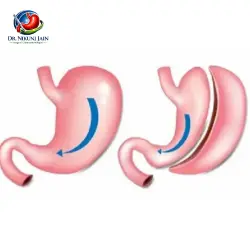
Sleeve Gastrectomy (Gastric Sleeve): A large portion of the stomach is removed, creating a smaller, tube-shaped stomach. This significantly reduces the amount of food that can be consumed.
Benefits: Highly effective for significant and sustained weight loss, resolution or improvement of obesity-related comorbidities (diabetes, hypertension, sleep apnea), and improved quality of life.
Considerations: It’s a major surgery requiring careful pre-operative assessment, commitment to lifelong dietary changes, and regular follow-up.
Where to find it in Indore: These advanced surgeries are performed by leading hospitals in Indore, such as Apollo Hospital, known for its state-of-the-art facilities and experienced surgical teams.
Who is a Candidate for Bariatric Surgery?
Generally, candidates for bariatric surgery include individuals with:
A BMI of 40 or higher (extreme obesity).
A BMI of 35 to 39.9 (obesity) with at least one obesity-related comorbidity (e.g., type 2 diabetes, severe sleep apnea, high blood pressure, high cholesterol).
In some cases, a BMI of 30-34.9 with severe comorbidities if non-surgical methods have failed.
Recovery and Aftercare:
Bariatric surgery requires a structured recovery period, typically involving a liquid diet transitioning to soft foods, followed by a gradual return to solid food. Lifelong nutritional supplements, regular follow-up appointments with the surgeon, dietitian, and psychologist are crucial for long-term success.
4. Weight Loss Clinics & Programs
Cost: ₹10,000–₹50,000 per program (depending on duration and services included)
Weight loss clinics in Indore, such as VLCC and other local wellness centers, offer structured and supervised programs designed to provide comprehensive support.
What it involves: These programs often combine personalized diet plans, supervised exercise routines, behavioral counseling, and sometimes non-invasive treatments or therapies.
Benefits: Structured environment, professional guidance, accountability, and a holistic approach.
Considerations: Cost varies widely, and effectiveness depends on individual commitment to the program.
5. Alternative and Complementary Treatments
Cost: ₹2,000–₹10,000 monthly (highly variable)
Indore also boasts a vibrant scene for ayurvedic and naturopathy centers, offering complementary approaches to weight management.
What it involves: These treatments focus on holistic wellness through herbal remedies, specialized detox therapies, yoga, meditation, and personalized dietary advice based on traditional principles.
Benefits: Focus on natural methods, overall well-being, and stress reduction.
Considerations: Often used as complementary therapies rather Prethan standalone solutions for severe obesity. Effectiveness can vary, and scientific evidence for significant weight loss might be limited for some methods.
Key Factors Influencing Obesity Treatment Cost in Indore
The total cost of obesity treatment in Indore is dynamic and can be influenced by several critical factors:
Type of Treatment: Surgical interventions like bariatric surgery are significantly more expensive than lifestyle changes or medical therapy.
Severity of Obesity & Comorbidities: More complex cases requiring specialized care or longer treatment durations will incur higher costs.
Healthcare Provider & Facility: Renowned multi-specialty hospitals with advanced infrastructure (like Apollo Hospitals) generally charge higher fees compared to smaller clinics or government facilities.
Surgeon/Specialist Experience & Reputation: Highly experienced and reputed surgeons or specialists often command higher consultation and procedure fees.
Duration and Intensity of Treatment: Longer programs, multiple sessions, or ongoing medication refills will add to the overall expense.
Additional Services: Pre-operative diagnostics, post-treatment support like counseling, physiotherapy, nutritional guidance, and follow-up appointments can contribute to the total cost.
Inclusions: Confirm what the quoted price includes (e.g., hospital stay, surgeon’s fee, anesthesia, pre/post-operative tests, medications, follow-up visits).
Finding Affordable Obesity Treatment Options in Indore
Quality obesity treatment doesn’t always have to break the bank. Indore offers several avenues for more budget-friendly options:
Government Hospitals:
Government-run healthcare facilities, such as Maharaja Yeshwantrao (MY) Hospital, provide highly subsidized or even free treatment options. While facilities might be basic compared to private hospitals, the medical expertise is often commendable, with minimal consultation fees.
Health Insurance:
It’s vital to check your health insurance policy. Many leading insurance providers in India now offer coverage for obesity-related treatments, especially bariatric surgeries, under specific conditions (e.g., if it’s deemed medically necessary due to comorbidities). Contact your local insurance providers in Indore for detailed plans that cover bariatric procedures and related medical therapies.
NGOs and Support Groups:
Local Non-Governmental Organizations (NGOs) and community support groups, such as the Rotary Club in Indore or local Lions Clubs, frequently run health awareness campaigns, free medical camps, or offer subsidized health consultations and support programs. These can be excellent resources for initial guidance and connecting with affordable services.
Payment Plans & Medical Loans:
Many private hospitals and clinics in Indore offer flexible payment plans or collaborate with financial institutions for medical loans to make treatments more accessible.
How to Choose the Right Obesity Treatment in Indore?
Navigating the various options can be daunting. Here’s a structured approach to help you make an informed decision:
Consult a Healthcare Provider: The absolute first step. Speak with a general physician, endocrinologist, or a bariatric surgeon in Indore to accurately assess your Body Mass Index (BMI), overall health, existing comorbidities, and the severity of your obesity. They can recommend the most suitable treatment path.
Set a Realistic Budget: Understand your financial capacity. Discuss the total cost, payment options, and insurance coverage with potential providers. Choose a plan that aligns with your financial situation without compromising on essential care.
Research Providers Thoroughly:
Look for highly qualified and experienced doctors and specialists in Indore.
Check for accreditations and facilities of clinics and hospitals.
Read patient reviews and testimonials (on platforms like Google Reviews, Practo, etc.) to gauge patient satisfaction and outcomes.
Consider Long-Term Commitment: Remember that obesity treatment, especially surgery, requires a lifelong commitment to lifestyle changes and follow-up care. Choose a plan that you can realistically adhere to for sustainable results.
Seek Multiple Opinions: Don’t hesitate to get second opinions from different specialists to ensure you’re making the best decision for your health.
Frequently Asked Questions (FAQs)
1. What is the average obesity treatment cost in Indore?
The average cost for obesity treatment in Indore is highly variable. It can range from as low as ₹5,000 annually for basic medical therapies and nutritionist consultations to ₹4,00,000 or more for advanced surgical procedures like bariatric surgery. Lifestyle changes can be free to minimal depending on resource utilization.
2. Are there affordable weight loss clinics in Indore?
Yes, Indore has several weight loss clinics offering budget-friendly programs. Clinics like VLCC and various local wellness centers provide structured programs starting from approximately ₹10,000 per program, which can include diet plans, exercise guidance, and counseling. Government initiatives and some NGOs may also offer highly subsidized options.
3. Does health insurance cover obesity treatments in Indore?
Yes, many health insurance providers in India now offer coverage for obesity treatments, particularly for bariatric surgeries, provided it’s deemed medically necessary due to obesity-related comorbidities (e.g., Type 2 Diabetes, severe hypertension). It’s crucial to consult your specific insurance provider for policy details, terms, conditions, and coverage limits, as plans can vary.
4. Which hospitals in Indore specialize in obesity treatment and bariatric surgery?
Apollo Hospitals in Indore is a prominent and well-regarded institution known for its comprehensive obesity treatment programs, including advanced bariatric surgeries and medical therapies. Other reputable hospitals with general surgery departments may also offer some obesity management services.
5. How effective is bariatric surgery for weight loss?
Bariatric surgery is considered highly effective for individuals with severe obesity who have not achieved sustained weight loss through other methods. It typically leads to substantial (50-70% of excess weight loss) and sustained weight loss, significant improvement or resolution of obesity-related health conditions (like diabetes and hypertension), and a marked improvement in overall quality of life. Success, however, also depends on patient commitment to post-operative lifestyle changes.
6. Can lifestyle changes alone help in treating obesity?
Yes, for individuals with mild to moderate obesity, or those in the initial stages, consistent lifestyle changes (dietary modifications and regular exercise) can be highly effective in achieving and maintaining weight loss. Professional guidance from a nutritionist, exercise physiologist, and potentially a behavioral therapist can significantly enhance the success rate of lifestyle-based interventions.
7. What kind of doctor should I consult first for obesity treatment in Indore?
It’s best to start with a General Physician or an Endocrinologist in Indore. They can assess your overall health, identify underlying causes of obesity, and guide you towards the most appropriate specialists (e.g., bariatric surgeon, nutritionist, physiotherapist) if needed.
In a time when obesity-related health issues are surging, people are looking for effective yet safe ways to manage weight. Non-Surgical Weight Loss Procedures in Indore have emerged as a highly preferred solution for individuals wanting to avoid invasive surgeries. Under the guidance of Dr. Nikunj Jain, a reputed Surgical Gastroenterologist at Apollo Hospital Indore, several non-surgical weight management options are helping residents achieve their health goals with minimal risks and faster recovery.
Why Non-Surgical Weight Loss Procedures?
Unlike traditional bariatric surgery, non-surgical methods involve no incisions or stitches, making them ideal for those who are either not candidates for surgery or prefer less invasive solutions.
Dr. Nikunj Jain is a leading figure in gastrointestinal and bariatric care in Indore. With extensive training and over a decade of experience, he has helped countless patients achieve weight loss success through both surgical and non-surgical approaches at Apollo Hospital Indore.
Top Non-Surgical Weight Loss Procedures in Indore by Dr. Nikunj Jain
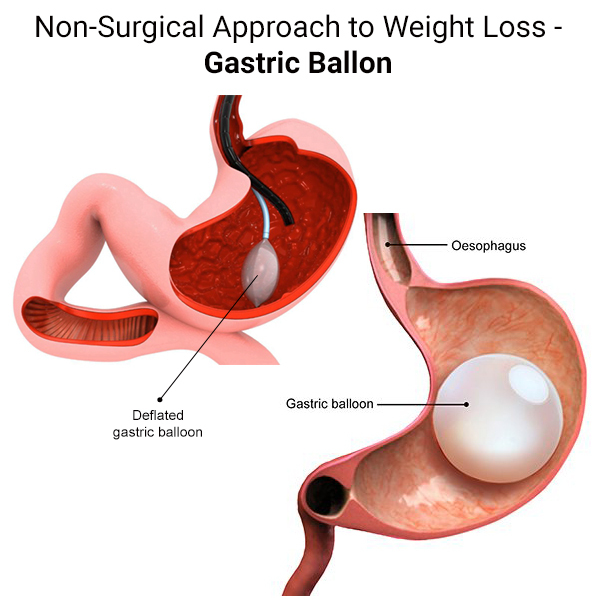
Intragastric Balloon Therapy
This FDA-approved procedure involves placing a silicone balloon in the stomach via endoscopy. It occupies space in the stomach, making patients feel fuller with less food intake.
Medical Weight Management (Medications + Diet Plan)
Customized non-surgical plans including appetite suppressants, metabolism boosters, and fat blockers. Combined with a personalized diet and exercise regime.
Addressing the root causes of weight gain, Dr. Jain offers ongoing counseling to change unhealthy eating habits, manage stress, and promote long-term health.
A tailored dietary plan based on individual metabolic needs and health conditions. Delivered by clinical dietitians under Dr. Jain’s supervision at Apollo Hospital.
Apollo Hospital is well-equipped with advanced diagnostic and treatment technologies, making it a reliable choice for non-surgical weight loss procedures. It offers a multidisciplinary team that includes gastroenterologists, dieticians, psychologists, and fitness experts—all working under Dr. Nikunj Jain’s leadership.
Patients can expect gradual and consistent weight loss with regular follow-ups and lifestyle changes. Most report not just aesthetic improvements but also better energy levels, reduced joint pain, improved sleep, and better blood sugar levels.
FAQs
Are these procedures safe? Yes, all non-surgical weight loss procedures offered by Dr. Jain are FDA-approved and performed using minimally invasive techniques.
How long does it take to see results? Results can be seen within the first 1-2 months, with more significant weight loss occurring over 6 months.
Will I need to follow a strict diet after the procedure? A structured but flexible diet plan will be provided to help you maintain and boost your weight loss journey.
Is the Intragastric Balloon removable? Yes, it’s designed to be removed after six months.
Are these procedures covered by insurance? Coverage depends on your insurance provider. The administrative team at Apollo Hospital Indore can help you check your eligibility.
What kind of support will I get after the procedure? Dr. Jain offers continuous follow-up, lifestyle counseling, and access to diet and fitness experts for comprehensive support.
Conclusion: Choose a Safer, Smarter Path to Weight Loss
If you’re searching for effective, minimally invasive ways to lose weight in Madhya Pradesh, Non-Surgical Weight Loss Procedures in Indore offer an ideal solution. Dr. Nikunj Jain, backed by the trusted team at Apollo Hospital Indore, delivers these procedures with a high success rate, utmost care, and long-term support. Schedule a consultation today and take a confident step toward a healthier life.