Carrying excess body weight is more than just a matter of appearance. It can gradually impact many aspects of health, including the heart, joints, digestion and energy levels. People go through different fad (weight loss) diets, gym sessions and lifestyle changes but face failures in losing weight. At some point, medical treatment, like bariatric surgery by a best bariatric surgeon might become necessary as being overweight starts to lead to serious health issues.
Bariatric surgery is meant to assist people safely and effectively in controlling obesity when other attempts have failed, according to Dr. Nikunj Jain, best weight loss doctor in Indore.
What Is Weight-Loss Bariatric Surgery?
Bariatric surgery is a surgical procedure designed to assist those who are overweight in losing weight by altering how the stomach or digestive system functions. The surgery either makes the stomach smaller or alters how the digesting system functions, resulting in fewer calories being absorbed by the body. People are full by smaller portions because their stomach is not as large anymore. It results in gradual and sustainable weight loss over time.
Along with weight loss, bariatric surgery can bring health issues associated with obesity such as diabetes, high blood pressure and sleep apnea under control.
Who’s a Candidate for Weight Loss Surgery?
Not everyone who is overweight requires surgery. Bariatric surgery is typically indicated for those whose obesity has severe consequences for their health.
They have been unable to achieve lasting results from diet and exercise
Overweight with health problems such as diabetes or hypertension
Excess weight hinders daily life
Prior to determining if surgical intervention is the appropriate course of action, a full medical assessment will always take place.
Types of Bariatric Surgery Used for Obesity
These days, there are many different types of bariatric procedures that can be performed using modern medical technology depending on the patient’s health status and weight goals.
Sleeve Gastrectomy Surgery The most commonly performed weight loss surgery. This process involves removing a large portion of the stomach, so only a smaller sleeve-shaped stomach remains. people feel full quickly and naturally begin eating less.
Gastric Bypass Weight Loss Surgery In gastric bypass surgery, the digestive system is altered so that food bypasses part of the stomach and intestine. This decreases calorie absorption and allows people to successfully lose weight.
Mini Gastric Bypass Surgery This is a simplified version of gastric bypass surgery and is usually suggested for individuals who need significant weight loss.
The type of surgery selected will vary depending on body weight, current health status and lifestyle factors.
Benefits of Bariatric Surgery
The health benefits of bariatric surgery go beyond weight loss. Some of the key benefits include:
Long-term and sustainable weight reduction
Improved control over diabetes
Lower risk of high blood pressure and heart disease
Reduced stress on muscles and bones
Better sleep quality
Increased physical energy and mobility
Most people also experience improved confidence and better mental well-being after reaching a healthier body weight.
Bariatric Surgery Recovery Time: How Long Will It Take?
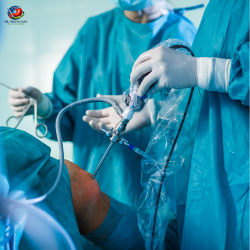
Recovery following bariatric surgery is now much quicker because most operations are performed using laparoscopic techniques. These procedures involve small incisions, which means less pain and faster healing.People usually begin walking within a day and can return to normal activities within a few weeks.
After the surgery, doctors recommend a structured diet plan that starts with liquids and gradually progresses to soft and solid foods. Long-term success also depends on maintaining healthy eating habits and regular physical activity.
Choosing the Right Bariatric Surgeon in Indore
Selecting the right surgeon is one of the most important steps in a weight loss journey. Experience, surgical expertise and proper patient guidance play a key role in achieving successful results.
With proper medical evaluation and the use of advanced surgical techniques, bariatric surgery can help people significantly improve their health and overall quality of life.For individuals seeking safe and advanced weight loss treatment, consulting Dr. Nikunj Jain, best bariatric surgeon in Indore, can help them understand their options and take the first step toward a healthier future.
Obesity is a growing health concern that affects millions of people worldwide and is closely linked with serious conditions such as type 2 diabetes, hypertension, heart disease, joint pain, sleep apnea, and metabolic disorders. For individuals who struggle to achieve lasting weight loss through diet and exercise alone, laparoscopic weight loss surgery offers a safe, effective, and life-transforming solution. In Indore, many patients now trust advanced minimally invasive surgeries to achieve substantial weight reduction and improve their overall health under expert guidance like that of Dr. Nikunj Jain, best doctor for hernia in Indore, known for his comprehensive surgical care.
Table of Contents
What Is Laparoscopic Weight Loss Surgery?
Laparoscopic weight loss surgery, also referred to as bariatric surgery, is a type of minimally invasive procedure designed to help patients with obesity lose weight by modifying the digestive system. Unlike traditional open surgery, laparoscopic techniques use small incisions and specialized instruments, including a camera (laparoscope), to operate with precision and less trauma.
There are several types of laparoscopic weight loss procedures available, such as:
Laparoscopic Sleeve Gastrectomy (LSG): Removes a large portion of the stomach, reducing its size and helping patients feel full sooner.
Gastric Bypass (Roux-en-Y): Creates a small stomach pouch and reroutes the intestine, limiting calorie absorption.
Mini Gastric Bypass (MGB): A simplified, less invasive version that still supports effective weight loss.
These procedures are tailored to each patient’s unique health profile, BMI, and weight loss goals.
How the Procedure Works
Laparoscopic weight loss surgery is typically performed under general anesthesia. The surgeon makes several small incisions in the abdomen and inserts the laparoscope and surgical tools. The camera transmits real-time images to a monitor, allowing the surgeon to work with enhanced visibility and precision.
The surgery usually takes between 1 to 3 hours, depending on the type of procedure. Patients are closely monitored after surgery and spend 1–3 days in the hospital during initial recovery. Most individuals can resume light activities within a week and return to normal routines over the following 4–6 weeks.
Key Benefits of Laparoscopic Weight Loss Surgery
Laparoscopic bariatric surgery offers numerous advantages compared to traditional open surgery and non-surgical weight loss methods:
1. Minimally Invasive with Faster Recovery
Because the incisions are small, there is less trauma to surrounding tissues. This results in reduced post-operative pain, shorter hospital stays, and faster recovery times, enabling patients to return to their daily lives sooner.
2. Significant Weight Loss and Health Improvements
Patients often achieve substantial weight loss — commonly 50–70% of excess body weight — over 12 to 18 months following surgery. This can also lead to dramatic improvements in obesity-related conditions such as diabetes, high blood pressure, cholesterol levels, and joint pain.
3. Reduced Risk of Complications
Smaller incisions lower the risk of infections, blood loss, hernias, and wound healing complications compared to open procedures. In addition, the precision of laparoscopic instruments allows for better surgical outcomes.
4. Improved Quality of Life
Beyond physical health benefits, many patients report enhanced mental well-being, increased self-confidence, better mobility, and more active lifestyles following successful weight loss.
Cost of Laparoscopic Weight Loss Surgery in Indore
The cost of laparoscopic weight loss surgery in Indore can vary depending on the type of procedure, hospital infrastructure, surgeon expertise, and pre- and post-operative care plans. On average, patients may expect costs in the range of approximately ₹1,30,000 to ₹4,00,000+, depending on the chosen surgery type and hospital stay.
This cost is often lower than equivalent procedures in major metro cities, making Indore an attractive option for affordable, high-quality bariatric care. Additionally, many hospitals provide comprehensive packages that include pre-surgical evaluations, dietary consultations, post-operative rehabilitation, and follow-up care, all designed to ensure long-term success.
Who Should Consider This Surgery?
Laparoscopic weight loss surgery is typically recommended for adults who:
Have a BMI ≥ 40, or
Have a BMI ≥ 35 with serious obesity-related health conditions (e.g., type-2 diabetes, hypertension, or sleep apnea), and
Have been unable to achieve significant or sustained weight loss through diet and exercise alone.
A thorough medical evaluation including blood tests, imaging, nutritional assessments, and consultation with a bariatric surgeon determines if a patient is a suitable candidate.
Conclusion
Laparoscopic weight loss surgery has transformed obesity treatment by offering a minimally invasive, effective, and sustainable solution for long-term weight loss and improved health. With advancements in surgical techniques and access to experienced specialists, patients in Indore can achieve life-changing results. Under the care of Dr. Nikunj Jain, best pediatric surgeon in Indore and best doctor for hernia in Indore, individuals receive personalized, compassionate, and expert bariatric care that prioritizes safety, outcomes, and long-term well-being. Choosing the right surgeon and a comprehensive care plan is key to achieving successful weight loss and improved quality of life.