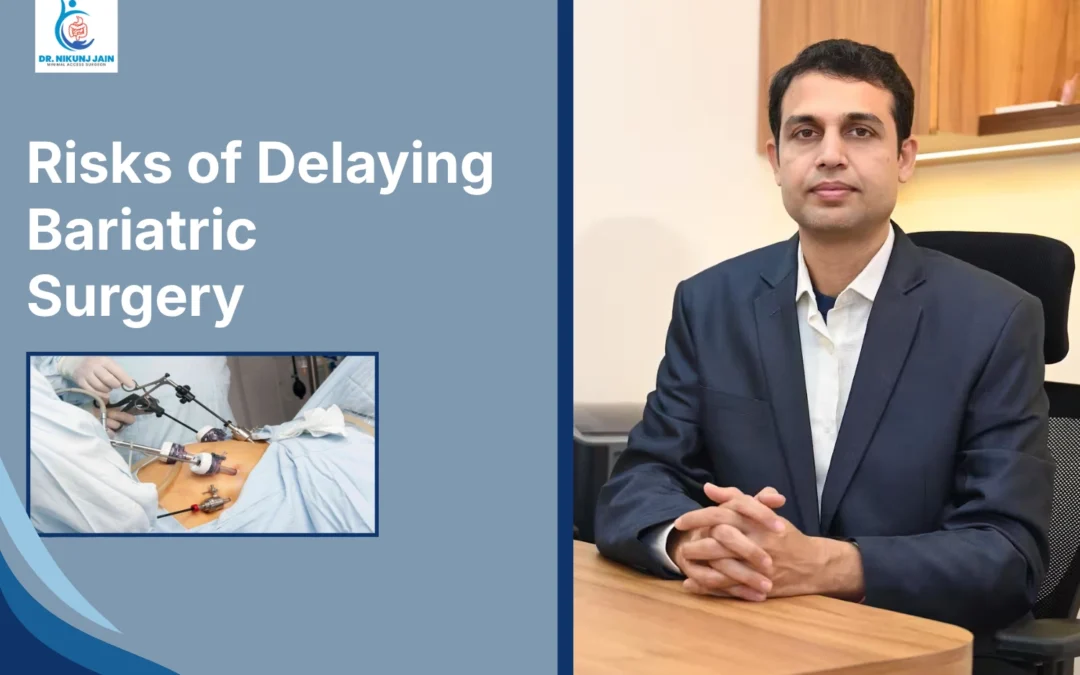
Obesity is a problem that goes beyond just weight; it is a serious medical issue that can affect almost every part of the body. For people who are struggling with severe obesity, bariatric surgery is an effective and long-term solution. According to Dr. Nikunj Jain, best bariatric surgeon in Indore, many people delay surgery for years because they are afraid or they do not have the right information or they think that diet and exercise will work on their own. While it is good to make lifestyle changes, delaying a recommended bariatric procedure can sometimes lead to more serious health problems.
Understanding the risks of delaying bariatric surgery can help people make informed decisions about their health and future. It is a decision but it can be very helpful for people who are struggling with severe obesity.
Table of Contents
Worsening of Obesity-Related Health Conditions
One of the risks of delaying weight loss surgery is that obesity-related diseases can get worse. Conditions like type 2 diabetes, high blood pressure, sleep apnea or fatty liver disease can get worse over time if the excess weight is not treated.
Bariatric surgery can even reverse some of these conditions if it is done early. However the longer a person waits, the more damage these diseases can cause to the body. For example, diabetes that has been present for years can lead to complications like nerve damage, kidney problems or vision loss. It can help people with obesity-related health conditions.
Reduced Effectiveness of Treatment
Weight Loss surgery works best when it is performed before obesity-related diseases become severe. When a patient waits long the body may already have developed advanced complications that are harder to reverse.
For instance diabetes that has been present for years may not go away even after successful surgery. Similarly long-term heart disease or joint damage may continue to affect the patient after significant weight loss. This is why many specialists recommend considering surgery rather than waiting until health problems become critical. It is more effective when it is done early.
Increased Risk During Surgery
Another factor to consider is that delaying weight loss surgery may increase surgical risk. As obesity-related conditions progress the body becomes more vulnerable.
People with diabetes, severe sleep apnea or heart disease may face higher risks during any surgical procedure. Excess weight can also put strain on the lungs and heart making anesthesia and recovery more complicated. Bariatric surgery can be risky if it is delayed.
Impact on Mental and Emotional Health
Obesity does not only affect health it can also have a deep impact on mental well-being. Many individuals struggling with obesity experience low self-esteem, anxiety or depression.
When it is delayed, these emotional challenges can even worsen. People may feel frustrated after repeated attempts at weight loss that do not lead to results. Weight loss surgery can often bring psychological changes, including improved confidence, better social interactions and a renewed sense of control over health. It can help people with emotional health issues.
Mobility and Joint Damage
Carrying weight places constant stress on the joints, particularly the knees, hips and lower back. Over time this can lead to pain, reduced mobility and conditions like osteoarthritis.
If weight loss surgery is delayed the continued pressure on joints may cause damage. After significant weight loss, severe joint problems may remain and sometimes require additional treatments such as joint replacement surgery. Bariatric surgery can help people with mobility and joint damage issues.
Declining Quality of Life
Many people living with obesity experience limitations in everyday life. Activities like walking distances, climbing stairs or even performing daily tasks can become difficult.
As time passes these limitations often increase. Energy levels may drop, social participation may. Overall quality of life may decline. Weight Loss surgery can help individuals regain mobility, increase energy and participate actively in daily life. Acting at the time can make a big difference in long-term outcomes. It can improve quality of life.
Conclusion
Choosing surgery is a personal decision and it is normal for people to take time to evaluate their options. However, understanding the risks of delaying treatment is important.
With proper medical guidance from an expert bariatric surgeon in Indore, bariatric surgery can be a safe and life-changing option for individuals struggling with severe obesity. An experienced specialist can evaluate each patient’s condition and recommend the most suitable treatment plan. If you are considering weight loss surgery in Indore, consulting an expert like Dr. Nikunj Jain can help you understand the benefits, risks and the right timing for the procedure. It can be an option for people who are struggling with severe obesity.
FAQ’s
Q1. Who is considered one of the best doctors for bariatric surgery in Indore? Many patients looking for weight loss treatment consult Dr. Nikunj Jain in Indore for advanced bariatric surgery and personalized obesity management.
Q2. What is bariatric surgery and how does it help? Bariatric surgery is a weight loss procedure that helps reduce excess body weight and improve obesity-related health conditions like diabetes, high blood pressure, and sleep apnea.
Q3. Is bariatric surgery safe in Indore? Yes, bariatric surgery in Indore is generally considered safe when performed by an experienced bariatric surgeon like Dr. Nikunj Jain using proper medical standards and modern techniques.
Q4. When should a person consider bariatric surgery? People with severe obesity, uncontrolled weight gain, or obesity-related health problems may consider bariatric surgery after consulting a qualified bariatric surgeon in Indore.
Q5. Can bariatric surgery help with diabetes and blood pressure? Yes, bariatric surgery can help improve or even reverse conditions like type 2 diabetes, high blood pressure, fatty liver disease, and sleep apnea in many patients.
Q6. What are the risks of delaying bariatric surgery? Delaying bariatric surgery may lead to worsening obesity-related diseases, joint damage, mobility problems, and increased surgical risks in the future.
Q7. How long is the recovery after bariatric surgery? Recovery time varies from person to person, but many patients can return to normal daily activities within a few weeks after bariatric surgery.
Q8. Will bariatric surgery improve quality of life? Many patients experience improved confidence, better mobility, increased energy levels, and an overall better quality of life after successful bariatric surgery.
Q9. Does Dr. Nikunj Jain provide consultation for weight loss surgery in Indore? Yes, Dr. Nikunj Jain in Indore provides consultation for bariatric and weight loss surgery, helping patients understand suitable treatment options based on their condition.
Q10. How do I choose the right bariatric surgeon in Indore? While choosing a bariatric surgeon in Indore, look for experience, patient care, surgical expertise, hospital facilities, and guidance throughout the weight loss journey.
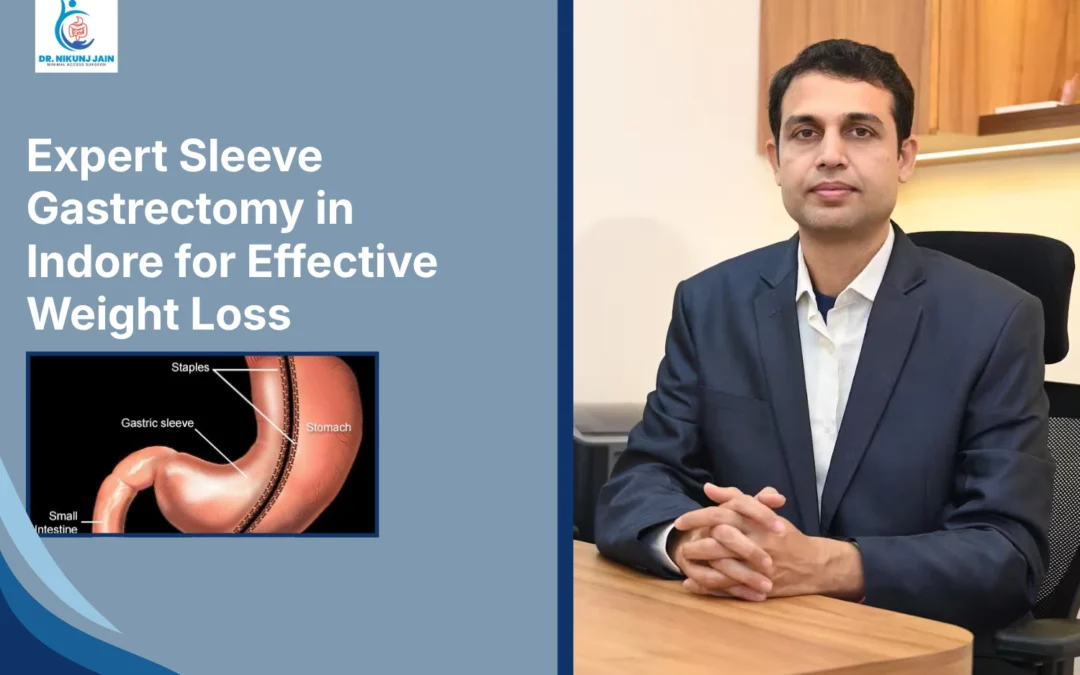
In today’s fast-paced world, obesity has become a growing health concern, leading to various related complications like diabetes, hypertension, and joint issues. For those struggling with weight management, sleeve gastrectomy has emerged as an effective solution. Dr. Nikunj Jain, an expert bariatric surgeon in Indore, offers sleeve gastrectomy as a transformative procedure for individuals looking to achieve long-term weight loss and reclaim their health.
Known for his expertise in the field of bariatric surgery, Dr. Jain has successfully treated countless patients, providing them with a personalized approach to weight loss surgery. If you’re considering sleeve gastrectomy in Indore, this blog will guide you through the benefits, process, and why choosing Dr. Nikunj Jain is the right decision for your weight loss journey.
Table of Contents
What is Sleeve Gastrectomy?
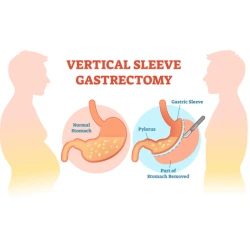
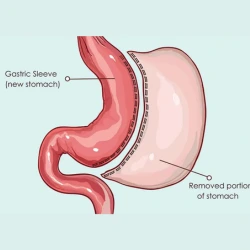
Sleeve gastrectomy, also known as gastric sleeve surgery, is a type of bariatric procedure aimed at reducing the size of the stomach. During the surgery, about 75-80% of the stomach is removed, leaving behind a tube-shaped, sleeve-like structure. This significantly reduces the stomach’s capacity, leading to early satiety (feeling full sooner) and decreased food intake. The procedure also affects hunger-regulating hormones, making it easier for patients to manage their appetite.
Unlike other weight loss surgeries, sleeve gastrectomy doesn’t involve rerouting the intestines or introducing foreign objects, making it a safer and less complex option for those who are not candidates for more invasive surgeries.
Key Benefits of Sleeve Gastrectomy
Significant weight loss: Patients can expect to lose 60-70% of their excess body weight within 12-18 months post-surgery.
Improvement in obesity-related conditions: Conditions like Type 2 diabetes, hypertension, sleep apnea, and joint pain often see substantial improvement after surgery.
Reduced hunger: The removal of the part of the stomach responsible for producing the hunger hormone, ghrelin, results in decreased appetite.
Faster recovery time: Since the procedure is minimally invasive, recovery time is quicker, and most patients can return to their regular routine within 4-6 weeks.
Why Choose Dr. Nikunj Jain for Sleeve Gastrectomy in Indore?
Choosing the right surgeon for your weight loss surgery is crucial for ensuring a safe procedure and successful long-term results. Dr. Nikunj Jain, a highly respected and experienced bariatric surgeon in Indore, is known for his excellence in performing sleeve gastrectomy. His patient-centered approach, combined with advanced surgical techniques, ensures that individuals receive the best care tailored to their unique needs.
Dr. Nikunj Jain’s Approach to Sleeve Gastrectomy
Dr. Nikunj Jain takes a comprehensive approach to bariatric surgery, starting with a thorough consultation to understand each patient’s medical history, lifestyle, and weight loss goals. He offers personalized treatment plans, ensuring that patients are well-prepared before surgery and receive continuous support throughout their weight loss journey.
Dr. Jain is also known for using the latest minimally invasive techniques, such as laparoscopic sleeve gastrectomy, which results in smaller incisions, less pain, and a faster recovery time. His commitment to patient education and post-operative care helps individuals maintain their weight loss and improve their overall health for years to come.
What Sets Dr. Nikunj Jain Apart?
Extensive Experience: Dr. Nikunj Jain has successfully performed numerous sleeve gastrectomy procedures, earning a reputation for delivering exceptional results.
Minimally Invasive Techniques: He specializes in laparoscopic surgery, offering patients reduced pain, minimal scarring, and quicker recovery.
Patient-Centered Care: Dr. Jain emphasizes the importance of personalized care, ensuring each patient receives a treatment plan that aligns with their health goals.
Post-Surgery Support: From dietary guidance to lifestyle changes, Dr. Jain provides ongoing support to help patients maintain their weight loss in the long term.
How Sleeve Gastrectomy Works for Effective Weight Loss
Sleeve gastrectomy works by both restricting the amount of food the stomach can hold and reducing the production of hunger-inducing hormones. This dual mechanism helps individuals lose weight more effectively and maintain a healthy lifestyle post-surgery.
The surgery is typically performed laparoscopically, meaning it’s minimally invasive, with small incisions made in the abdomen. The surgeon removes a large portion of the stomach, and the remaining part is stapled into a sleeve-like structure. Since the new stomach is much smaller, patients can only eat small portions of food, which leads to significant weight loss over time.
What to Expect Post-Surgery
After the surgery, patients typically experience rapid weight loss in the first six months. It’s essential to follow a structured diet plan to ensure proper healing and avoid complications. Patients will be put on a liquid diet initially, followed by pureed foods, and eventually transitioning to solid foods over several weeks. Dr. Jain’s team will provide detailed guidance on what to eat and how to incorporate physical activity to maximize the surgery’s benefits.
Dr. Nikunj Jain ensures that his patients are well-prepared for life after sleeve gastrectomy, offering nutritional counseling, psychological support, and regular follow-ups to monitor their progress.
Who is a Candidate for Sleeve Gastrectomy?
Sleeve gastrectomy is recommended for individuals who have been unable to achieve significant weight loss through diet and exercise alone. It is particularly effective for those with a Body Mass Index (BMI) of 40 or more, or a BMI of 35-39.9 with obesity-related health conditions such as diabetes, hypertension, or sleep apnea.
However, not everyone is a candidate for sleeve gastrectomy. A thorough evaluation by Dr. Nikunj Jain will determine if this procedure is right for you. He will consider factors such as your overall health, weight loss goals, and any previous surgeries or medical conditions before recommending the surgery.
The Long-Term Impact of Sleeve Gastrectomy
One of the most significant advantages of sleeve gastrectomy is its long-term effectiveness. Studies show that most patients can maintain at least 50% of their weight loss for up to five years post-surgery. Additionally, the procedure helps resolve or improve many obesity-related conditions, enhancing overall quality of life.
Lifestyle Changes After Surgery
While sleeve gastrectomy provides an excellent tool for weight loss, success also depends on the patient’s commitment to maintaining a healthy lifestyle. Dr. Nikunj Jain works closely with his patients to ensure they adopt long-term habits such as:
Healthy eating: Patients must follow a nutrient-dense diet, avoiding high-calorie, low-nutrient foods.
Regular exercise: Incorporating physical activity into daily routines is crucial for sustaining weight loss.
Emotional support: Bariatric surgery can be emotionally challenging, and Dr. Jain offers resources like support groups or counseling to help patients adjust.
FAQs
What is the success rate of sleeve gastrectomy?
The success rate of sleeve gastrectomy is high, with most patients losing between 60-70% of their excess body weight within the first year. Long-term success is contingent on maintaining a healthy diet and exercise routine.
How long is the recovery time for sleeve gastrectomy?
Most patients can return to their normal activities within 4-6 weeks post-surgery. Dr. Nikunj Jain uses minimally invasive techniques, which contribute to a faster recovery time compared to traditional open surgery.
Are there any risks associated with sleeve gastrectomy?
As with any surgery, sleeve gastrectomy carries risks such as infection, bleeding, or leaks from the stapled stomach. However, these complications are rare, especially when performed by an experienced surgeon like Dr. Nikunj Jain.
What should I expect in terms of weight loss after sleeve gastrectomy?
Patients can expect to lose a significant amount of weight within the first year. On average, individuals lose about 60-70% of their excess body weight, which leads to improved health and quality of life.
Is sleeve gastrectomy reversible?
No, sleeve gastrectomy is a permanent procedure because a large portion of the stomach is removed. However, it is highly effective and offers long-lasting weight loss results.
How can I schedule a consultation with Dr. Nikunj Jain?
You can schedule a consultation with Dr. Nikunj Jain by contacting his clinic in Indore. His team will guide you through the process and ensure all your questions are answered.
Obesity has become one of the most common health problems in India today. Many people try dieting, exercise, and lifestyle changes, but sometimes the weight just does not come down. When obesity begins to affect daily life or causes serious health problems like diabetes, high BP, joint pain, or sleep apnea, bariatric surgery cost becomes an effective and safe option.
If you are planning weight-loss surgery, one of the first questions you may have is: “How much does bariatric surgery cost in Indore?” This blog explains the cost, what affects it, and what you should know before choosing the right surgeon.
Table of Contents
What Is Bariatric Surgery?
Bariatric surgery includes different procedures that help people lose weight by reducing stomach size or changing the way the body absorbs food. With expert care, these procedures are safe, long-lasting, and scientifically proven to improve health.
Common types of bariatric surgery include:
Sleeve Gastrectomy
Gastric Bypass (Roux-en-Y)
Mini Gastric Bypass
Revision Bariatric Surgery
Bariatric Surgery Cost in Indore
In Indore, the average cost of bariatric surgery ranges between ₹2,50,000 to ₹4,50,000, depending on several factors. Some procedures may cost slightly less or more depending on medical needs.
Here is a general estimate:
Procedure
Approx. Cost in Indore
Sleeve Gastrectomy
₹2.5 – 3.5 lakh
Mini Gastric Bypass
₹3 – 4 lakh
Roux-en-Y Gastric Bypass
₹3.5 – 4.5 lakh
Revision Bariatric Surgery
Based on complexity
These costs may vary from hospital to hospital depending on facilities and care requirements.
What Factors Affect Bariatric Surgery Cost?
1. Type of Bariatric Procedure
Each procedure has different levels of complexity. For example:
Sleeve gastrectomy usually costs less than gastric bypass.
Revision surgery may cost more because it requires additional expertise.
2. Surgeon’s Experience
Bariatric surgery requires high skill and precision. A trained, experienced surgeon like Dr. Nikunj Jain ensures:
Safe surgery
Fewer complications
Better recovery
The surgeon’s expertise plays a major role in determining the overall package.
3. Hospital Facilities
Hospitals with advanced laparoscopic equipment, ICU support, and dedicated bariatric care teams may have higher charges—and better safety.
4. Patient’s Health Condition
If a patient has diabetes, heart issues, thyroid imbalance, or sleep apnea, additional tests and monitoring may be required, affecting total cost.
5. Stay Duration
Most bariatric patients stay in the hospital for 2–4 days, depending on recovery. This impacts the final bill.
6. Post-Surgery Care & Follow-ups
Bariatric surgery is not just about the operation. It includes:
Dietician support
Follow-up appointments
Nutritional guidance
Lifestyle counseling
These services may be included in the package or charged separately, depending on the centre.
Is Bariatric Surgery Covered by Insurance?
Yes, many insurance companies now cover bariatric surgery if:
The patient has a BMI above 35
Or BMI above 30 with health problems like diabetes, hypertension, or sleep apnea
Dr. Nikunj Jain’s team can help patients understand insurance criteria and documentation.
Why Choose Bariatric Surgery?
Bariatric surgery is not cosmetic; it is a life-changing medical treatment. Patients see benefits such as:
Major weight loss within months
Better sugar control (many patients reverse diabetes)
Relief from knee/back pain
Improved fertility and hormonal balance
Better sleep and more energy
Longer and healthier life
Most importantly, it gives patients a fresh start to rebuild their health.
Why Choose Dr. Nikunj Jain for Bariatric Surgery in Indore?
Advanced laparoscopic & bariatric surgery expertise
Personalized treatment plans
Modern surgical techniques
Focus on patient safety
Strong post-surgery support and guidance
With years of experience in gastrointestinal and weight-loss surgeries, Dr. Jain ensures smooth recovery, minimal pain, and long-term success for his patients.
Conclusion
Bariatric surgery is an investment in your health, confidence, and future. If you are struggling with obesity and its related health issues, understanding the cost and the right treatment options is the first step toward a healthier life.
For accurate cost, a personalized evaluation, and complete guidance, consult Dr. Nikunj Jain, best weight loss doctor in Indore. With expert care, you can begin a safe and successful weight-loss journey.