Hernia is the medical condition which involves various age groups. A hernia occurs when an internal organ or tissue creeps through a weak area of muscle or tissue wall where it is normally contained. Hernias can begin very mildly, and initially hurt less, but they can grow to be painful with time, lead to bulging or complications if not addressed on time.
Since its beginning, medical technology has developed very swiftly and laparoscopic surgery was identified as one of the most practical and considered to be more patient friendly modalities for treatment of hernia. People searching for Laparoscopic Hernia Surgery in Indore usually contact professionals like Dr. Nikunj Jain who have been working on modern, minimal invasive methods aimed to make people more recoverable and get back to the normal routine as soon as possible.
Table of Contents
Understanding Hernia and Its Symptoms
Hernia occurs at different parts of the body but most common is the abdomen or groin. Typically, it presents as a bulge that is more pronounced when coughing, bending down or lifting heavy items.
Common symptoms include:
Abdominal or groin bulge or swelling
Pain Or Discomfort During Lifting Upper Heavy Things
Burning or stinging sensation of the affected area
Feeling of heaviness or pressure
Increased pain when standing for a long time
In some cases patients may not have severe pain at first with a hernia, and therefore, ignore it. Delaying treatment, however, can lead to complications like a bowel obstruction or strangulation of tissue; therefore surgery becomes needed.
What is Laparoscopic Hernia Surgery?
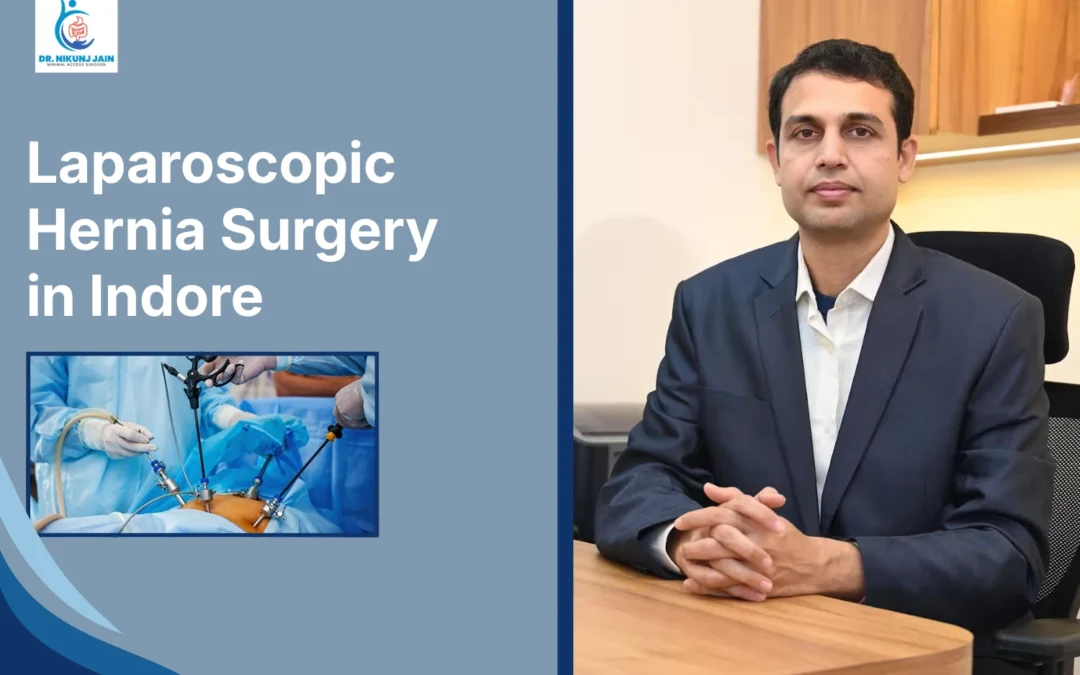
Laparoscopic hernia surgery is involved with a minimal invasive surgical technique which is used to reconstruct the weak part of some abdominal wall. Rather than a big incision, the surgeons make four or five small cuts to insert a slender tube that has a camera (laparoscope) and the surgical equipment into these holes. The surgeon watches the inside, which he sees on a high-definition monitor, and detects this hernia using a mesh that reinforces the abdominal wall. This technique has gained traction because it has multiple benefits over traditional open surgery.
Benefits of Laparoscopic Hernia Surgery
Laparoscopic procedures are preferred nowadays as they are minimally invasive and lead to faster recovery. Benefits of SIPs include the following:
Smaller Incisions Trauma is reduced to the body, as only a few tiny incisions are needed.
Faster Recovery The vast majority of individuals are able to resume their day by day routines much more quickly than can be completed with open surgical treatment.
Less Pain After Surgery As the incisions are less, people typically have lesser pain while recovering.
Minimal Scarring Small incisions heal rapidly and with little visible scar.
Shorter Hospital Stay Depending on the situation, most individuals are able to return home within 24 hours.
Who Needs Hernia Surgery?
Although not every hernia presents with acute symptoms initially, surgery is usually recommended when:
The hernia enlarges in size during the week Pain or discomfort in relation to your daily life The bulge is hard to push back The potential for complications is there
The sole treatment for this condition involves optimal and timely diagnosis to restrain potential complications which can later lead to a successful recovery.
What to Expect During Recovery
The recovery is generally smooth when the given care is exercised and this again stands true for laparoscopic surgery. Doctors usually advise people to:
Do not lift heavy things for a few weeks Exercise: Walking Daily For Better Circulation A healthy diet will help you not only heal better, Take prescribed medications on time
The majority of individuals may restore gentle actions within a couple of days, slowly returning to their regular routine.
Which Specialist to Opt for Hernia Treatment Experience and surgical technique are extremely critical when it comes to hernia surgery. An experienced surgeon not only accurately diagnoses the disease but also identifies an appropriate treatment method for that particular patient.
Consult Dr. Nikunj Jain for Laparoscopic and advanced laparoscopic hernia treatment in Indore. Your priority is always acute care, modern surgical care delivered by patient-centered physicians and comfortable recoveries for every patient.
Conclusion
Never forget that hernia is one of those things that can also be deadly but not treated properly. Modern surgical techniques have made treatment faster, safer and much less invasive than ever. Indore’s Laparoscopic Hernia Surgery is the best option available to people with scanty downtime and great outcomes.
Dr. Nikunj Jain is an experienced hernia treatment specialist in Indore who can provide you with timely diagnosis and right treatment plan for leading a healthier & pain-free life so if you or your loved one is suffering from symptoms of hernia, consult him today.
FAQ’s
Q1. What is laparoscopic hernia surgery?
Laparoscopic hernia surgery is a modern minimally invasive procedure used to repair hernias through small incisions instead of a large cut. A tiny camera and surgical instruments are inserted through these cuts to repair the weak abdominal wall using mesh. According to Dr. Nikunj Jain, this technique helps patients recover faster with less pain and minimal scarring.
Q2. Who should consider laparoscopic hernia surgery in Indore?
People experiencing symptoms like groin swelling, abdominal bulge, pain while lifting heavy objects, or discomfort during daily activities should consult a specialist. Patients looking for advanced and minimally invasive hernia treatment in Indore often consult Dr. Nikunj Jain for proper evaluation and treatment.
Q3. What are the common symptoms of a hernia?
Common hernia symptoms include a visible bulge in the abdomen or groin, heaviness, burning sensation, pain during coughing or lifting, and discomfort while standing for long periods. In some cases, symptoms may start mildly but gradually worsen over time.
Q4. Is laparoscopic hernia surgery safe?
Yes, laparoscopic hernia surgery is considered a safe and effective treatment when performed by an experienced surgeon. Modern laparoscopic techniques help reduce complications, blood loss, and recovery time compared to traditional open surgery.
Q5. What are the benefits of laparoscopic hernia surgery?
The major benefits include smaller incisions, faster recovery, less postoperative pain, minimal scarring, shorter hospital stay, and quicker return to daily activities. Many patients prefer this advanced technique because of its patient-friendly recovery process.
Q6. How long does recovery take after laparoscopic hernia surgery?
Most patients can resume light activities within a few days after surgery. Complete recovery may take a few weeks depending on the patient’s health condition and the type of hernia treated. Doctors usually advise avoiding heavy lifting during the recovery phase.
Q7. Can a hernia become dangerous if left untreated?
Yes. Ignoring a hernia can lead to serious complications such as bowel obstruction or strangulation, where blood supply to the tissue gets blocked. Timely consultation with specialists like Dr. Nikunj Jain can help prevent complications.
Q8. How long is the hospital stay after laparoscopic hernia surgery in Indore?
In many cases, patients can return home within 24 hours after laparoscopic hernia surgery. However, the exact duration may vary depending on the patient’s condition and recovery progress.
Q9. What precautions should patients follow after hernia surgery?
Patients are usually advised to walk regularly for better circulation, avoid heavy lifting for a few weeks, maintain a healthy diet, stay hydrated, and take medications as prescribed for smoother healing and recovery.
Q10. Why choose Dr. Nikunj Jain for hernia treatment in Indore?
Dr. Nikunj Jain is known for advanced laparoscopic surgical expertise and patient-centered care in Indore. His approach focuses on accurate diagnosis, minimally invasive treatment, comfortable recovery, and long-term patient well-being.
Growing older often brings health challenges that may require surgical treatment. Many elderly people and their families worry about whether surgery is safe at an advanced age. One common concern is whether minimally invasive procedures like laparoscopic surgery are suitable for seniors. According to Dr. Nikunj Jain, a gastroenterologist surgeon in Indore, laparoscopic surgery has made many abdominal procedures safer and easier even for elderly people. Understanding how this surgical technique works and why it is often preferred for older individuals can help families make informed medical decisions.
Table of Contents
What Is Laparoscopic Surgery?
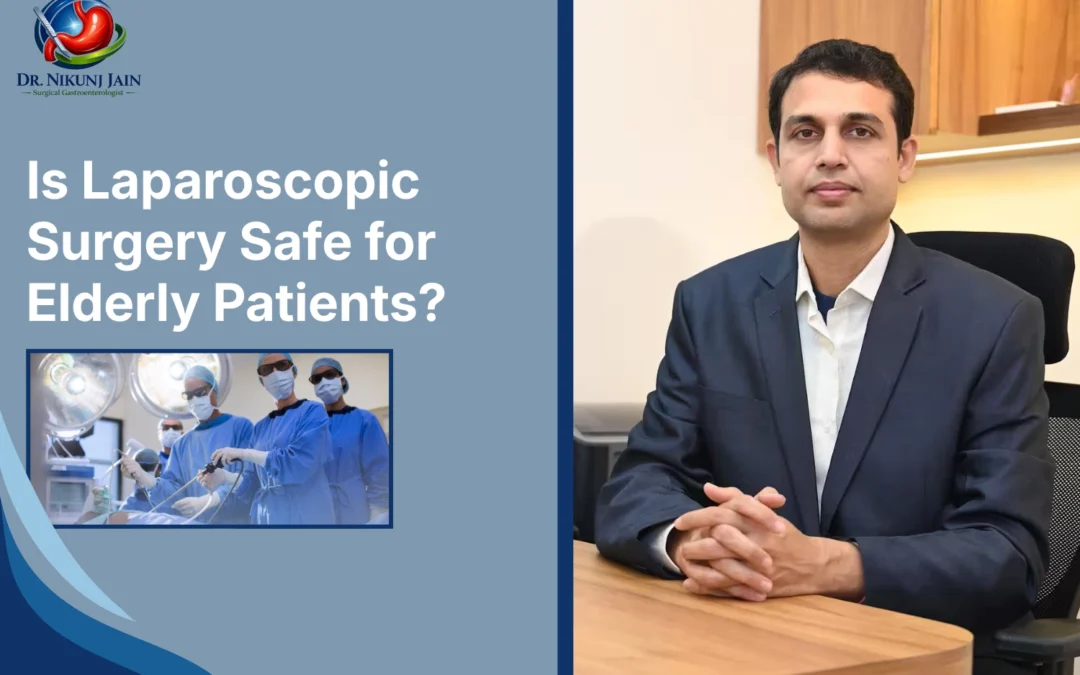
Laparoscopic surgery is a modern surgical technique that uses very small cuts instead of large incisions. Through these tiny openings, surgeons insert a thin camera and special instruments to perform the procedure inside the body.
The camera shows a magnified view of the internal organs on a monitor, allowing the surgeon to perform the surgery with high precision. This technique is commonly used for procedures involving the gallbladder, appendix, hernia, stomach, and intestines.
Because the incisions are small, the body experiences less trauma compared to traditional open surgery.
Why Laparoscopic Surgery Is Often Safer for Elderly people
One of the main advantages of laparoscopic surgery is that it is minimally invasive. For elderly people whose bodies may take longer to recover, this approach can significantly reduce surgical stress.
Some of the key benefits include:
• Smaller surgical cuts • Reduced blood loss during surgery • Lower risk of infection • Less post-operative pain • Faster recovery time • Shorter hospital stay
These factors are especially important for seniors who may already be managing other health conditions such as diabetes, blood pressure issues, or heart problems.
Faster Recovery Matters for Seniors
Recovery speed plays a major role in elderly patient care. Long hospital stays can increase the risk of complications such as infections, weakness or reduced mobility.
With laparoscopic surgery, many people are able to walk within a short time after the procedure. Early movement helps prevent complications like blood clots and lung infections. Most elderly people also experience less discomfort, which allows them to return to their normal routine sooner.
Lower Risk of Complications
Traditional open surgeries require larger cuts and longer healing periods. In older people, large surgical wounds may take more time to heal and can sometimes lead to complications.
Minimally invasive techniques reduce the size of the wound, which lowers the risk of infection and speeds up tissue healing. Many seniors tolerate laparoscopic procedures well when they are properly evaluated before surgery.
A detailed medical assessment helps determine whether the patient is fit for surgery.
Importance of Pre-Surgery Evaluation
Age alone is not the deciding factor when it comes to surgery. Doctors carefully evaluate the overall health of the patient before recommending a procedure.
This assessment may include:
• Heart health evaluation • Blood tests • Imaging scans • Review of existing medical conditions • Medication history
Once the surgeon understands the patient’s complete medical profile, the safest surgical plan can be chosen.
Common Conditions Treated with Laparoscopic Surgery
Several abdominal problems that affect elderly people can be treated using laparoscopic methods. These include:
• Gallbladder stones • Hernia repair • Appendix removal • Certain stomach and intestinal conditions • Diagnostic abdominal procedures
In many of these cases, minimally invasive surgery allows the patient to recover more comfortably compared to traditional surgical methods.
Emotional Concerns of Elderly people
Surgery can be emotionally stressful for older individuals. Many seniors fear long recovery periods, pain, or dependence on others after surgery.
However, advancements in surgical techniques have made procedures much safer than they were decades ago. When people understand that minimally invasive surgery involves smaller cuts and faster healing, it often reduces anxiety and helps them feel more confident about treatment.
Support from family members and clear communication with the doctor also plays an important role in easing these concerns.
Choosing an Experienced Surgeon Matters
The success of any surgery depends greatly on the experience and skill of the surgeon performing it. A well-trained laparoscopic surgeon understands how to manage complex cases, including elderly people with multiple health conditions.
Modern hospitals equipped with advanced surgical technology also improve patient safety and outcomes.
Conclusion
Laparoscopic surgery has transformed the way many abdominal procedures are performed today. For elderly people, this minimally invasive approach often offers a safer option with faster recovery, less pain and lower complication risks.
When a proper medical evaluation is done and the procedure is performed by an experienced surgeon, age alone should not be a barrier to receiving effective surgical treatment. As Dr. Nikunj Jain, best laparoscopic surgeon in Indore, explains, many senior people successfully undergo laparoscopic procedures and return to their normal lives with improved health and comfort.
Laparoscopic surgery, also known as minimally invasive surgery or keyhole surgery, has transformed the way many abdominal and gastrointestinal conditions are treated. It offers faster recovery, smaller scars, and less post-operative pain compared to traditional open surgery. But one of the most common questions patients ask is — “How much does laparoscopic surgery cost in Indore?”
In this blog, we’ll explore the factors that affect the laparoscopic surgery cost in Indore, the average price range for common procedures, and why choosing an experienced laparoscopic surgeon in Indore like Dr. Nikunj Jain, best gastro and laparoscopic surgeon in Indore, ensures both safety and value for your investment.
What Is Laparoscopic Surgery?
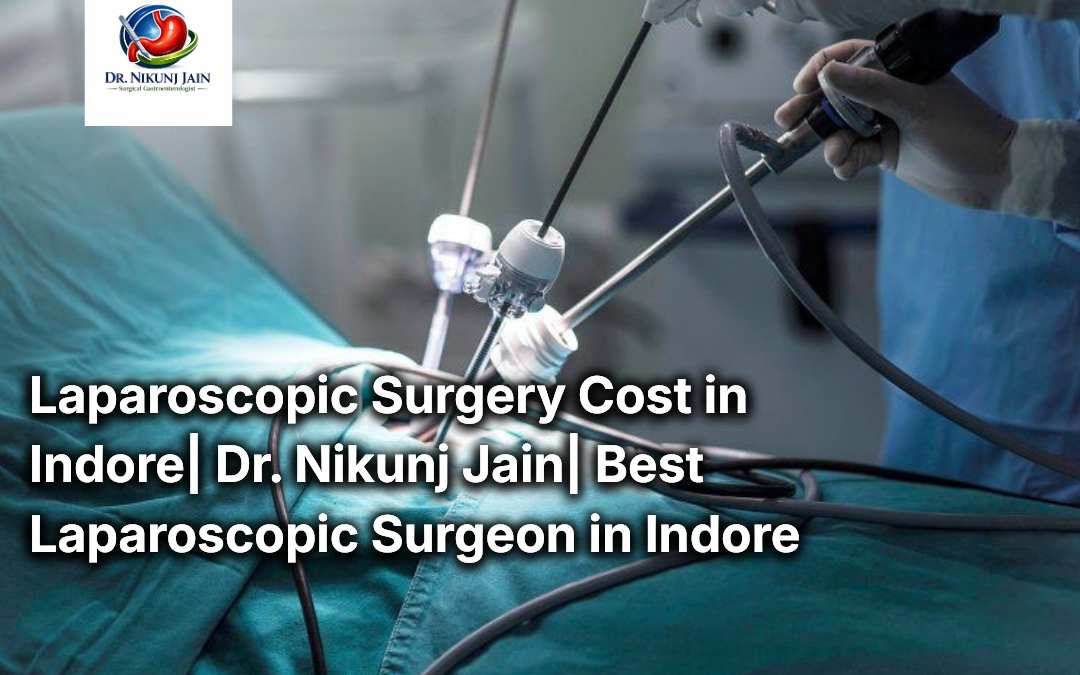
Laparoscopic surgery uses small incisions, a high-definition camera (laparoscope), and specialized instruments to perform surgical procedures inside the abdomen or pelvis. The surgeon views the internal organs on a monitor and operates with precision, minimizing trauma to the body.
This advanced technique helps patients return to normal activities much faster and with fewer complications.
Laparoscopic Surgery Cost in Indore
The cost of laparoscopic surgery in Indore can vary depending on several factors, but on average, it ranges between ₹35,000 and ₹1,50,000, depending on the type of procedure and the hospital setup.
(Note: These are approximate costs; actual prices may vary based on hospital facilities, surgeon’s expertise, and patient condition.)
Factors Affecting Laparoscopic Surgery Cost
Several factors influence the total cost of laparoscopic surgery in Indore:
1. Type of Procedure
Complex surgeries like bariatric or colorectal surgery typically cost more than simpler procedures such as gallbladder or appendix removal.
2. Surgeon’s Expertise
Choosing an experienced and skilled laparoscopic surgeon like Dr. Nikunj Jain ensures precision, minimal complications, and quicker recovery. Expert surgeons may charge a slightly higher fee, but the long-term benefits make it a worthwhile investment.
3. Hospital Facilities
Multi-specialty hospitals or centers equipped with advanced laparoscopic systems and 24/7 care may have slightly higher charges compared to smaller clinics. However, these facilities ensure better safety standards and patient comfort.
4. Type of Anesthesia and Equipment
Modern laparoscopic equipment, high-definition imaging, and safe anesthesia practices contribute to improved outcomes but also influence the cost.
5. Hospital Stay and Post-Surgery Care
Most laparoscopic surgeries allow discharge within 24–48 hours, but if extended monitoring or special care is required, it can add to the overall cost.
6. Insurance Coverage
Many health insurance plans now cover laparoscopic procedures. Patients should confirm with their insurance provider whether the procedure is included and whether the hospital is empaneled.
Why Choose Laparoscopic Surgery?
Although laparoscopic surgery may seem slightly more expensive than traditional open surgery, it offers several long-term benefits:
Smaller incisions and minimal scarring
Reduced pain and faster recovery
Lower risk of infection
Shorter hospital stay
Quicker return to normal life
These benefits not only enhance the patient’s comfort but also help reduce indirect costs such as long recovery time or work absence.
Why Choose Dr. Nikunj Jain in Indore
Dr. Nikunj Jain, one of the best gastro and laparoscopic surgeons in Indore, has extensive experience in performing a wide range of minimally invasive surgeries. He focuses on personalized treatment, safety, and precision, ensuring optimal results with minimal discomfort.
His expertise in advanced laparoscopic and gastro surgeries, combined with modern technology and compassionate patient care, makes him a trusted choice for individuals seeking safe and affordable surgical solutions in Indore.
Tips for Managing Surgery Costs
Get a detailed estimate: Always ask for a clear cost breakdown before surgery.
Check insurance coverage: Confirm your eligibility and empanelled hospital list.
Compare facilities: Choose a hospital that balances affordability with quality.
Opt for an experienced surgeon: Better outcomes save costs in the long run.
Conclusion
The cost of laparoscopic surgery in Indore depends on the type of procedure, the surgeon’s experience, and the hospital setup. While prices may vary, investing in a skilled specialist ensures better safety, comfort, and long-term results.
With Dr. Nikunj Jain’s expertise and commitment to patient-centric care, you can expect world-class treatment, faster recovery, and complete transparency about costs and outcomes.
If you’re planning a laparoscopic procedure, consult a trusted surgeon to understand your options and make an informed decision for your health.