How Do You Know If You Have a Hernia?
A lot of us will experience this peculiar discomfort in the abdomen or groin and dismiss it as a slight muscle strain or minor digestive upset. But sometimes, these symptoms can be a sign of a hernia. Dr. Nikunj Jain, best hernia doctor in Indore, says that recognising early warning signals is vital in ensuring treatment easier and reducing complications. Being aware of how a hernia feels and which symptoms to keep an eye out for can ensure that you get medical attention in time and avoid the continued discomfort.
Table of Contents
What Is a Hernia?
A hernia is when an internal organ or tissue protrudes through a weak region of the muscle or connective tissue (fascia) surrounding it. The anterior wall of the abdomen is most often the location for this. Hernia slowly developed and may not cause severe pain, that’s why many people forget it.
Common types of hernias include:
- Inguinal hernia (groin area)
- Umbilical hernia (around the navel)
- Hiatal hernia (upper stomach area)
- Incisional hernia (in an area of past surgery)
Some hernias remain little for years but others will get worse without treatment.
What Are Some Common Signs That Might Mean You Have a Hernia?
One of the most prominent indicators in the form of a bulge that can be seen through the skin. The bulge often becomes more visible during standing, coughing or lifting heavy objects .
Other symptoms include:
- A noticeable lump or swelling
Often the first sign. It can be gone while lying down then return when standing or straining. - Pain or discomfort
You will feel mild or moderate pain, particularly while bending, coughing, or carrying heavy objects. - Sensation of pressure in the chest
This is often described as a dragging or heavy feeling. - Burning or aching feeling
Not all hernia needed surgical treatment ,Some present as dull pain and progressive over time. - Digestive problems
For example, the symptoms in a hiatal hernia may be acid reflux, and heartburn or difficulty swallowing.
When Symptoms Become Serious
They may become dangerous if the trapped tissue is making things too tight, or bleeding. Warning signs include:
1. Sudden, severe pain
2. Nausea or vomiting
3. Redness or tenderness around the bulge
4. A lump that is hard and is not reducible
If you experience these symptoms, then please do not hesitate to consult a doctor.
Who is likely to get a hernia?
Among Them Are The Following Factors As To Increase The Risk:
1. Lifting heavy weights improperly
2. Chronic coughing
3. Obesity
4. Pregnancy
5. Constipation and straining
6. Previous abdominal surgery
7. Weak abdominal muscles
8. Age and lifestyle habits also play a role, with muscles weakening over time.
How Hernias Are Diagnosed
Hernia is often diagnosed by doctors through a physical examination. You may be instructed to stand, cough or gently bear down such that the bulge becomes visible.
Occasionally for diagnosis confirmation or severity testing through imaging tests such as ultrasound, CT scan or endoscopy may be performed.

Treatment Options for Hernia
Depending on the type, size, and symptoms of the hernia, treatment may include:
Watchful Waiting:
This is usually advised when the hernia is small and does not cause any symptoms. In this approach, the doctor monitors the hernia regularly to check if it is increasing in size or causing discomfort.
Change of Lifestyle:
Lifestyle changes may help control symptoms and prevent the hernia from getting worse. This may include losing weight, avoiding heavy lifting or heavy work, treating chronic cough, preventing constipation, and following a healthy diet.
Treatment:
Most hernias require surgery for proper repair because they do not heal on their own. Surgery helps close the weak area in the abdominal wall and reduces the risk of complications.
Laparoscopic Hernia Surgery:
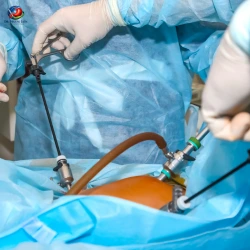
Laparoscopic surgery is a modern and minimally invasive technique used for hernia repair. In this procedure, small cuts are made instead of a large incision. A tiny camera and special surgical instruments are used to repair the hernia. This technique usually causes less pain, smaller scars, faster recovery, and a shorter hospital stay compared to traditional open surgery.
The best treatment option depends on the patient’s condition and should be decided after consultation with an experienced surgeon.
When To See A Doctor?
Consult the best hernia surgeon in Indore, Dr. Nikunj Jain, if you notice a constant bulge in the abdomen or groin, pain that increases during activity, digestive discomfort, or any change in a lump that was earlier painless. Ignoring these symptoms can make the condition complicated and may require more intensive treatment later.
Conclusion
Note that a hernia can start with a smaller, painless lump but it can cause discomfort and health problems. At a minimum, early attention can have a huge impact on recovery. If you think that you might have a hernia or if you experience the symptoms described above, visiting an expert like Dr. Nikunj Jain, best doctor for hernia in Indore, can help get it diagnosed and treated on time.
FAQ’s
Q1. What are the early signs of a hernia?
Early signs of a hernia may include a visible bulge in the abdomen or groin, mild pain, pressure, heaviness, or discomfort while coughing, bending, standing, or lifting heavy objects. According to Dr. Nikunj Jain in Indore, early diagnosis can help prevent complications.
Q2. When should I see a doctor for a hernia in Indore?
You should consult Dr. Nikunj Jain, hernia surgeon in Indore, if you notice a constant bulge, pain during activity, digestive discomfort, or any change in a lump that was earlier painless.
Q3. Can a hernia heal on its own?
No, most hernias do not heal on their own. Small hernias without symptoms may be monitored, but many hernias eventually require surgical repair to prevent further complications.
Q4. What is the most common symptom of a hernia?
The most common symptom of a hernia is a lump or swelling that becomes more visible while standing, coughing, or lifting heavy objects. It may reduce or disappear when lying down.
Q5. Is hernia surgery necessary for every patient?
Not every hernia needs immediate surgery. If the hernia is small and painless, the doctor may suggest watchful waiting. However, symptomatic or growing hernias usually need surgery.
Q6. What is laparoscopic hernia surgery?
Laparoscopic hernia surgery is a minimally invasive procedure in which small cuts, a tiny camera, and special instruments are used to repair the hernia. It usually offers less pain, smaller scars, faster recovery, and a shorter hospital stay.
Q7. Who is at risk of developing a hernia?
People who lift heavy weights, have chronic cough, obesity, constipation, previous abdominal surgery, weak abdominal muscles, or pregnancy-related pressure may have a higher risk of developing a hernia.
Q8. What happens if a hernia is ignored?
Ignoring a hernia can make it larger and more painful. In some cases, the tissue may get trapped, causing severe pain, vomiting, redness, tenderness, or a hard lump that does not go back in.
Q9. Who is the best hernia doctor in Indore?
Dr. Nikunj Jain is known as an experienced hernia doctor in Indore for diagnosis and treatment of different types of hernias, including cases that may require laparoscopic hernia surgery.
Q10. How is a hernia diagnosed?
A hernia is usually diagnosed through a physical examination. The doctor may ask the patient to stand, cough, or strain so the bulge becomes visible. In some cases, ultrasound, CT scan, or endoscopy may be advised