Gallstones are often called the “silent” stones because many people may not even know they have them until they cause discomfort. Understanding the symptoms of gallstones is crucial to identify and seek timely medical help. While gallstones can vary in size, their symptoms can range from mild to severe. But what exactly should you look for?
This comprehensive guide breaks down all you need to know about gallstone symptoms, how they manifest, and when to consult a doctor. Let’s dive in!
Table of Contents
What are Gallstones? Understanding the Basics
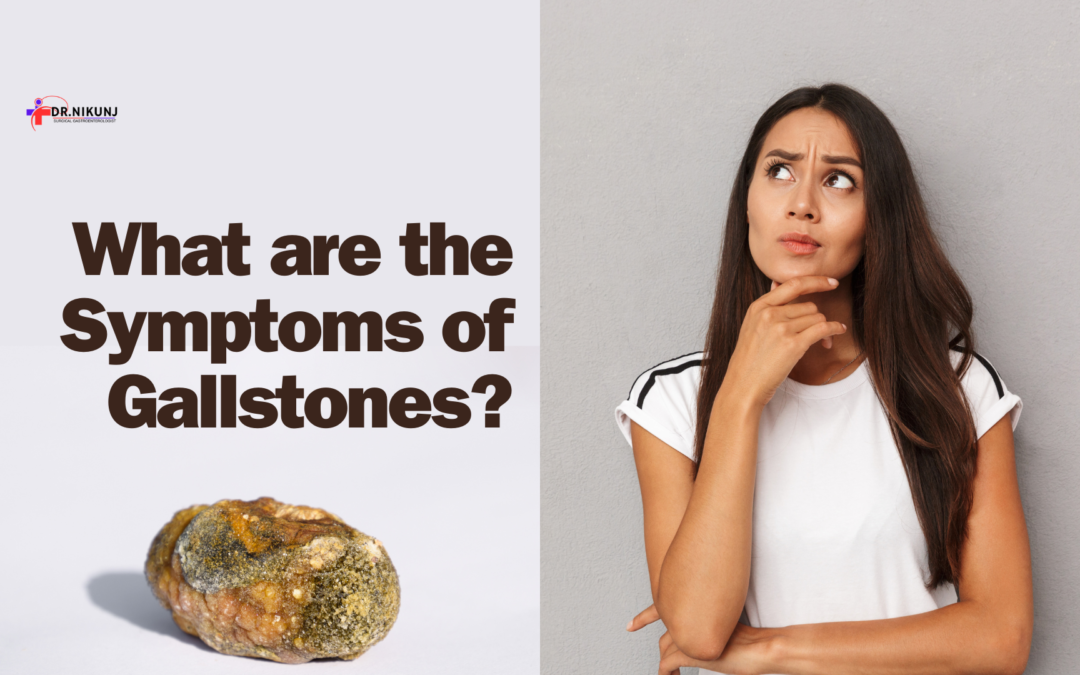
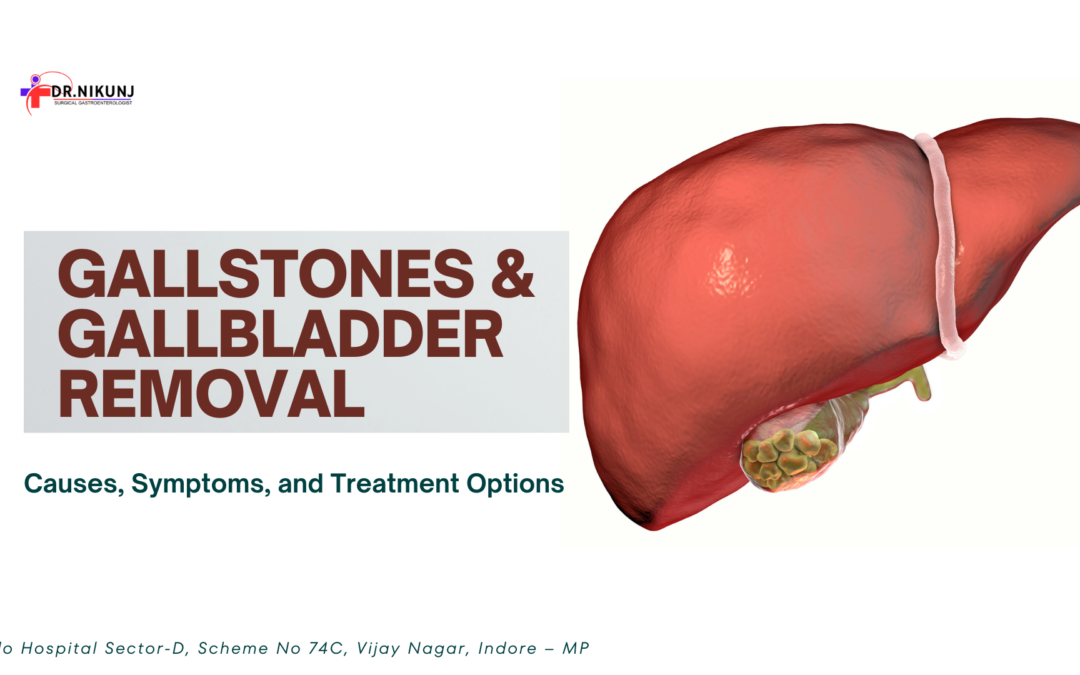
Before diving into the symptoms, it’s essential to understand what gallstones are. Gallstones are hardened deposits of digestive fluid that can form in your gallbladder — a small, pear-shaped organ on the right side of your abdomen, just beneath your liver. They vary in size and can be as small as a grain of sand or as large as a golf ball.
Gallstones primarily consist of cholesterol (cholesterol stones) or bilirubin (pigment stones). While they may not always cause symptoms, their presence can lead to significant discomfort and health complications when they obstruct bile ducts or irritate the gallbladder.
Why do Gallstones Cause Symptoms?
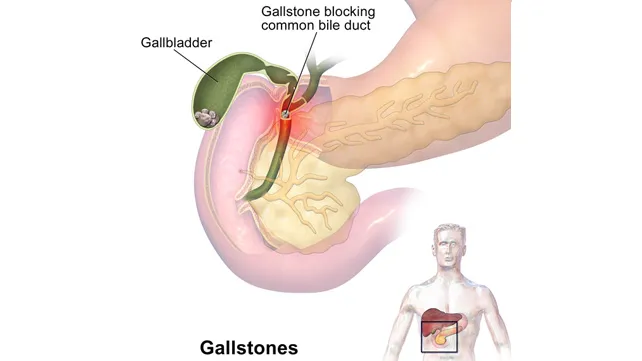
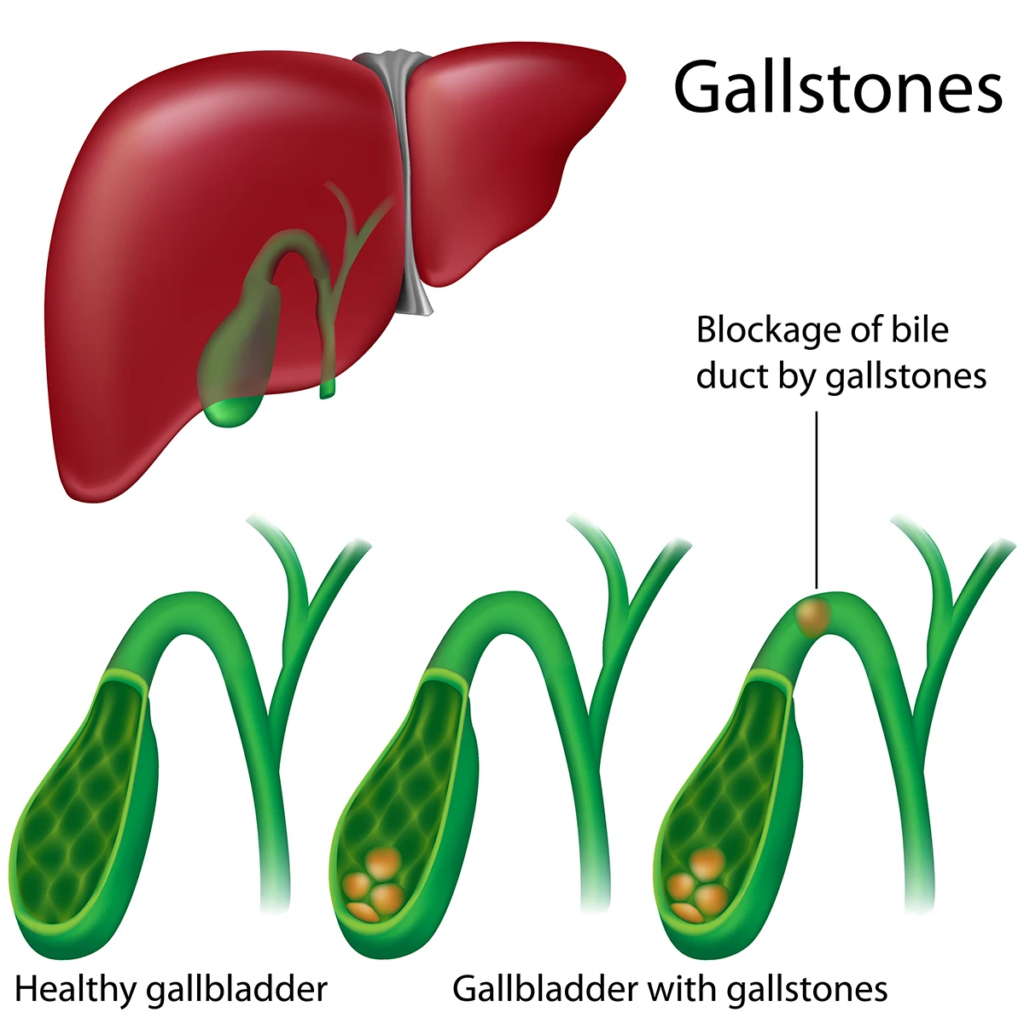
Gallstones can form and exist in the gallbladder for years without causing any issues. However, when a gallstone lodges in the bile ducts, it can cause blockages, leading to gallbladder attacks or biliary colic. When bile cannot flow properly, it results in pain and inflammation, leading to symptoms that vary depending on the stone’s size, location, and how it affects the body.
1. Pain in the Right Upper Abdomen or Back (Biliary Colic)
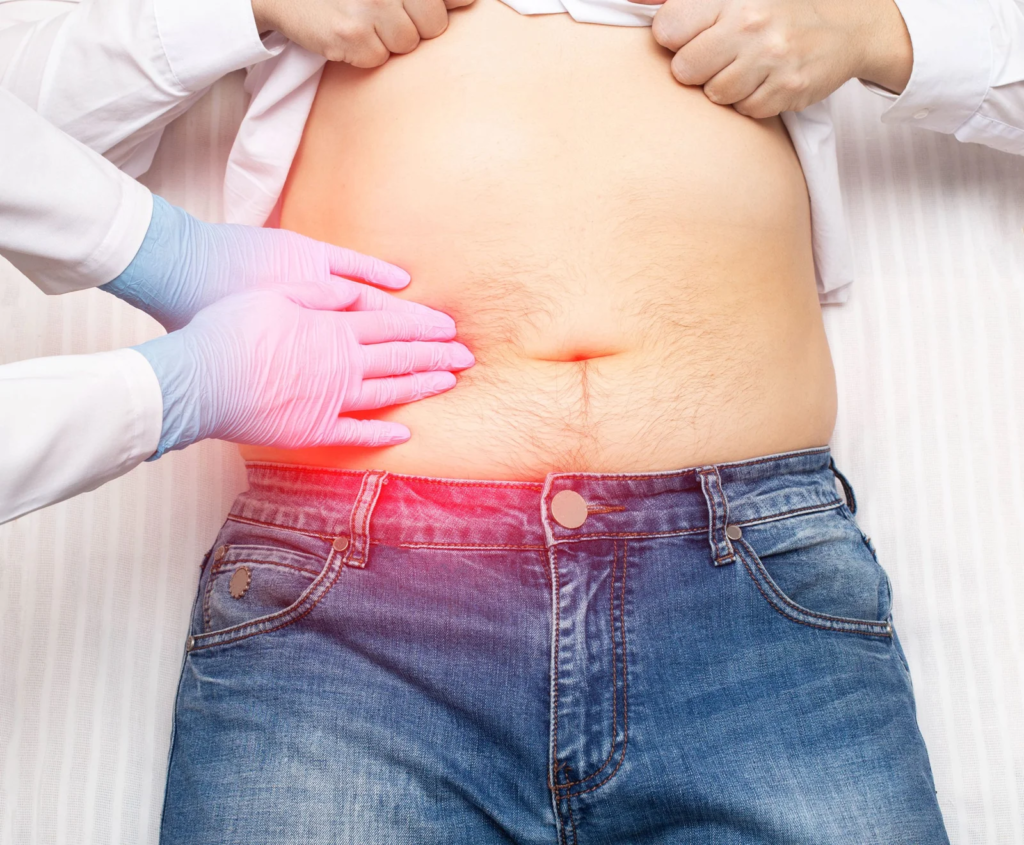
One of the most recognizable symptoms of gallstones is pain, particularly in the upper right side of the abdomen or the middle of the abdomen, just below the breastbone. This pain, known as biliary colic, can also radiate to the right shoulder or back. The pain:
Is sudden and intense
Can last from a few minutes to several hours
Often begins after eating fatty or greasy foods
May occur at night, disrupting sleep
This gallbladder pain arises when a gallstone temporarily blocks the bile ducts, causing the gallbladder to contract forcefully.
2. Nausea and Vomiting
Nausea and vomiting are common symptoms associated with gallstones. The disruption of the digestive process due to blocked bile flow can cause these uncomfortable sensations. People may also experience:
A feeling of being uncomfortably full after eating
Loss of appetite
A sensation of indigestion
3. Jaundice (Yellowing of the Skin and Eyes)
If a gallstone blocks the common bile duct, it can lead to jaundice. Jaundice occurs when the bile pigment bilirubin builds up in the bloodstream, causing yellowing of the skin and the whites of the eyes. This symptom indicates that a gallstone is lodged in a crucial part of the bile pathway, requiring immediate medical attention.
4. Fever and Chills
Fever and chills indicate an infection in the gallbladder or bile ducts. This condition, known as cholecystitis, is a serious complication and requires prompt medical treatment. Accompanying signs may include:
Abdominal tenderness
Worsening pain over time
5. Changes in Stool and Urine Color
Gallstones can lead to changes in stool and urine colors:
Clay-Colored Stool: Bile gives stool its brown color. When a gallstone blocks the bile duct, stool may become pale or clay-colored.
Dark Urine: The buildup of bilirubin in the bloodstream due to a blocked bile duct can cause the urine to appear dark, similar to tea or cola.
6. Digestive Disturbances
Gallstones can cause various digestive issues, including:
Bloating: A feeling of fullness or bloating in the abdomen, especially after eating
Gas and Belching: Excessive belching or gas, often after consuming fatty meals
Diarrhea: Loose stools or changes in bowel habits, sometimes accompanied by urgency
Gallstones do not always require immediate intervention, especially if they are asymptomatic. However, it’s essential to consult a healthcare provider if you experience any of the following symptoms:
Persistent pain lasting more than a few hours
Fever, chills, or signs of infection
Jaundice or yellowing of the skin and eyes
Severe nausea or vomiting
These symptoms may indicate a gallstone-related complication, such as acute cholecystitis (inflammation of the gallbladder), choledocholithiasis (stones in the common bile duct), or pancreatitis (inflammation of the pancreas).
How are Gallstones Diagnosed?
If a healthcare provider suspects you have gallstones, they may perform a series of diagnostic tests, such as:
Ultrasound: The most common imaging test for detecting gallstones
CT Scan: Provides detailed images of the gallbladder and surrounding organs
HIDA Scan: A nuclear imaging test to evaluate the function of the gallbladder
Blood Tests: To check for signs of infection, inflammation, or bile duct blockage
Certain triggers can prompt gallstone symptoms, especially after the consumption of certain types of food. The most common triggers include:
High-Fat Meals: Fatty, fried, or greasy foods often stimulate gallbladder contractions, triggering pain.
Overeating: Eating large meals, especially those high in fat, can exacerbate symptoms.
Rapid Weight Loss: Losing weight too quickly can lead to an increased risk of gallstones and symptom onset.
Fasting or Skipping Meals: Irregular eating patterns or prolonged fasting can cause bile to concentrate, increasing the risk of gallstone formation.
Complications of Gallstones: Recognizing Advanced Symptoms
If untreated, gallstones can lead to severe health issues. Some of these include:
Acute Cholecystitis
This is inflammation of the gallbladder, often resulting from a stone blocking the cystic duct. Symptoms include:
Persistent and severe right upper abdominal pain
Fever and chills
Tenderness over the gallbladder area
Choledocholithiasis
This occurs when gallstones move from the gallbladder into the common bile duct. Symptoms often mimic biliary colic but can lead to:
Jaundice
Severe abdominal pain
Pancreatitis if the stone blocks the pancreatic duct
Gallstone Pancreatitis
Gallstones can cause inflammation of the pancreas if they obstruct the pancreatic duct. Symptoms include:
Severe abdominal pain that radiates to the back
Nausea and vomiting
Fever
Cholangitis
This is a serious infection of the bile ducts caused by blockage due to gallstones. Symptoms, known as Charcot’s triad, include:
Fever with chills
Jaundice
Right upper quadrant abdominal pain
If any of these complications are suspected, it’s crucial to seek immediate medical attention as they can be life-threatening without prompt treatment.
Dietary and Lifestyle Factors Affecting Gallstone Symptoms
Diet and lifestyle play a significant role in both the development and management of gallstones. Here are some factors to consider:
Foods to Avoid if You Have Gallstones
Avoiding certain foods can reduce the frequency and intensity of symptoms. Foods to minimize include:
Fried and Fatty Foods: Fried chicken, French fries, and high-fat meats
High Cholesterol Foods: Processed meats, full-fat dairy, and baked goods
Sugary Foods and Beverages: Soft drinks, pastries, and candies
Foods That Help with Gallstones
Consuming a balanced diet rich in fiber and lean proteins can support gallbladder health. Some helpful foods include:
Fruits and Vegetables: Rich in fiber and antioxidants
Whole Grains: Oats, brown rice, and quinoa
Lean Proteins: Fish, poultry, and legumes
Exercise and Weight Management
Regular physical activity can prevent gallstones and alleviate symptoms. Maintaining a healthy weight and avoiding rapid weight loss can also lower your risk of developing gallstones.
Treatment Options for Gallstones
Watchful Waiting
If gallstones are asymptomatic, a “watch and wait” approach may be recommended. However, it’s crucial to monitor for any new or worsening symptoms.
Medications
Oral bile acid pills can help dissolve cholesterol gallstones, though this treatment is slow and only suitable for certain types of stones.
Surgical Options (Cholecystectomy)
The definitive treatment for symptomatic gallstones is a cholecystectomy, which is the surgical removal of the gallbladder. It is performed either as:
Laparoscopic Cholecystectomy: Minimally invasive, with faster recovery
Open Cholecystectomy: A more extensive procedure for complicated cases
Endoscopic Procedures
For stones in the bile duct, an **endoscopic retro
grade cholangiopancreatography (ERCP)** is often used to locate and remove the stones.
FAQs about Gallstones and Their Symptoms
What is the most common symptom of gallstones? The most common symptom of gallstones is pain in the upper right abdomen or the center of the abdomen, known as biliary colic.
Can gallstones go away on their own? While some gallstones may pass without causing symptoms, most do not dissolve on their own and may require medical intervention if symptomatic.
Can stress trigger gallstone symptoms? Stress does not directly cause gallstones but can affect digestion and exacerbate symptoms in those who already have gallstones.
How long does gallstone pain typically last? Gallstone pain can last from a few minutes to several hours. If the pain persists for more than a few hours or is accompanied by fever, chills, or jaundice, seek medical attention immediately.
Can gallstones cause heartburn or acid reflux? Yes, gallstones can cause symptoms similar to acid reflux or heartburn, such as indigestion and nausea, especially after consuming fatty meals.
Can diet changes prevent gallstone symptoms? A diet low in saturated fats and high in fiber can help reduce the risk of gallstone formation and may alleviate symptoms for those with existing gallstones.
Conclusion: Taking Action on Gallstone Symptoms
Recognizing and understanding the symptoms of gallstones is crucial for early diagnosis and proper treatment. If you experience persistent pain, jaundice, or digestive issues, it’s essential to consult a healthcare provider promptly. While many gallstones are asymptomatic, those that cause discomfort or complications often require intervention to ensure optimal health and well-being.
By paying attention to your symptoms, maintaining a healthy diet, and seeking timely medical advice, you can manage gallstones effectively and avoid potential complications.
Gallstones are solid particles that form in the gallbladder, a small organ located beneath the liver. These stones can vary in size and composition, causing a range of health issues from mild discomfort to severe complications. Understanding the nature of gallstones, their causes, symptoms, and treatment options is crucial for effective management and prevention.
What are Gallstones?
Gallstones are hardened deposits of digestive fluid that can form in your gallbladder. They can be as small as a grain of sand or as large as a golf ball. Some people develop just one gallstone, while others may develop many at the same time.
The Role of the Gallbladder
The gallbladder plays a vital role in digestion by storing and concentrating bile, a digestive enzyme produced by the liver. Bile helps in the digestion of fats and is released into the small intestine when needed. The gallbladder’s function is to regulate bile flow and ensure that it is released at the right time during digestion.
Function of the Gallbladder in Digestion
The gallbladder stores bile produced by the liver and releases it into the small intestine. This release is triggered by the presence of fatty foods in the stomach. Bile emulsifies fats, making them easier to digest and absorb. Without the gallbladder, bile flows directly from the liver to the small intestine in a continuous, slow drip, which can affect the digestion of fats.
The gallbladder plays a crucial role in the digestive system by storing and concentrating bile, a digestive fluid produced by the liver. This small, pear-shaped organ is located beneath the liver and is part of the biliary system, which is essential for digesting fats and disposing of certain waste products from the body.
Bile Production and Storage
Bile is a yellow-green fluid composed of bile salts, cholesterol, bilirubin, and other substances. It is produced continuously by the liver and serves several key functions in digestion. While the liver secretes bile into the bile ducts, the gallbladder stores and concentrates it between meals. This process involves removing water and electrolytes from the bile, making it more potent.
Release of Bile
When you eat, especially fatty foods, your digestive system sends signals to the gallbladder to release stored bile into the small intestine. This release is triggered by the hormone cholecystokinin (CCK), which is produced by the small intestine in response to the presence of fats. The gallbladder contracts, pushing bile through the cystic duct and into the common bile duct, which then delivers it to the small intestine.
Role of Bile in Digestion
Bile has several important functions in the digestion of fats:
Emulsification of Fats: Bile salts break down large fat globules into smaller droplets, a process known as emulsification. This increases the surface area of the fats, making them more accessible to digestive enzymes.
Facilitation of Enzyme Action: By emulsifying fats, bile enhances the action of lipase, an enzyme produced by the pancreas that breaks down fats into fatty acids and glycerol.
Absorption of Fat-Soluble Vitamins: Bile aids in the absorption of fat-soluble vitamins (A, D, E, and K) and other essential nutrients from the diet.
Elimination of Waste Products: Bile helps in the excretion of waste products, including bilirubin (a byproduct of the breakdown of red blood cells) and excess cholesterol, through the digestive tract.
Impact of Gallbladder Removal on Digestion
When the gallbladder is removed (a procedure known as cholecystectomy), the body adapts to the absence of this organ. Bile produced by the liver flows directly into the small intestine via the bile ducts, rather than being stored and concentrated in the gallbladder. This can lead to a continuous, slow trickle of bile into the intestine, which may affect the digestion of fats.
Most people can digest fats adequately after gallbladder removal, but some may experience digestive issues such as diarrhea or fatty stools. Adopting a low-fat diet and eating smaller, more frequent meals can help manage these symptoms and improve digestion.
The gallbladder’s role in digestion is to store, concentrate, and release bile, facilitating the efficient digestion and absorption of fats and fat-soluble vitamins. While the removal of the gallbladder can impact bile storage and release, the body typically adapts well, and most individuals can maintain normal digestive function with some dietary adjustments. Understanding the function of the gallbladder highlights its importance in the digestive process and the body’s ability to compensate when this organ is no longer present.
Causes of Gallstones
Gallstones form when there is an imbalance in the substances that make up bile. When these substances, such as cholesterol or bilirubin, become too concentrated, they can crystallize and form stones. Understanding the underlying causes is essential for prevention and treatment.
Gallstones form when there’s an imbalance in the substances that make up bile, leading to the crystallization and hardening of these substances within the gallbladder. Understanding the various causes of gallstones helps in identifying risk factors and implementing preventive measures. Below are the primary causes and contributing factors to the development of gallstones.
Cholesterol Imbalance
The most common type of gallstones, cholesterol gallstones, forms when bile contains too much cholesterol. Normally, bile contains enough chemicals to dissolve cholesterol excreted by the liver. However, if the liver produces more cholesterol than bile can dissolve, the excess cholesterol may form crystals and eventually stones. Factors contributing to this imbalance include:
Diet: High intake of cholesterol-rich foods and saturated fats can increase cholesterol levels in bile.
Obesity: Excess body weight, particularly around the abdomen, is linked to higher cholesterol levels in bile, reducing bile salt activity, which helps dissolve cholesterol.
Rapid Weight Loss: Losing weight quickly can cause the liver to secrete extra cholesterol into bile, leading to the formation of gallstones.
Bilirubin Overproduction
Bilirubin is a yellow pigment produced from the breakdown of red blood cells. Certain medical conditions can cause the liver to produce excess bilirubin, which contributes to the formation of pigment gallstones. Conditions associated with increased bilirubin production include:
Liver Cirrhosis: Scarring of the liver reduces its ability to process and excrete bilirubin properly.
Biliary Tract Infections: Infections in the bile ducts or gallbladder can increase bilirubin production.
Hemolytic Anemia: Conditions like sickle cell anemia and other blood disorders cause rapid breakdown of red blood cells, increasing bilirubin levels.
Bile Concentration
When the gallbladder fails to empty properly or frequently enough, bile becomes overly concentrated. This concentration can lead to the precipitation of cholesterol or bilirubin, forming stones. Factors influencing bile concentration include:
Gallbladder Function: Impaired gallbladder motility, which can occur due to prolonged fasting, pregnancy, or certain medications, leads to bile stasis and concentration.
Pregnancy: Hormonal changes during pregnancy slow gallbladder motility, contributing to bile concentration and stone formation.
Genetic Factors
A family history of gallstones increases the likelihood of developing them. Genetic predisposition can affect bile composition and gallbladder motility, making some individuals more prone to gallstone formation.
Gender and Hormonal Influence
Women are more likely to develop gallstones than men, primarily due to the effects of estrogen. Factors that increase estrogen levels, such as:
Pregnancy: Elevated estrogen levels during pregnancy increase cholesterol in bile.
Hormone Replacement Therapy: Postmenopausal women undergoing hormone replacement therapy have a higher risk of developing gallstones.
Oral Contraceptives: Birth control pills containing estrogen can increase cholesterol levels in bile.
Diabetes and Insulin Resistance
People with diabetes are at an increased risk of developing gallstones. Insulin resistance, common in type 2 diabetes, can raise cholesterol levels in bile. Additionally, diabetic neuropathy can impair gallbladder function, leading to stasis and concentration of bile.
Dietary Factors
Certain dietary habits can increase the risk of gallstone formation:
High-fat Diet: Consuming a diet high in saturated fats and cholesterol can lead to increased cholesterol levels in bile.
Low-fiber Diet: A lack of dietary fiber can affect bile acid metabolism and increase the risk of gallstones.
Rapid Weight Loss Diets: Diets that promote quick weight loss can trigger an increase in cholesterol secretion by the liver.
Medications
Some medications can increase the risk of gallstones by altering bile composition or affecting gallbladder function. These include:
Cholesterol-lowering Drugs: Certain medications that lower cholesterol levels in the blood can increase cholesterol levels in bile.
Hormonal Medications: Hormone therapy and oral contraceptives can raise cholesterol levels in bile.
Gallstones are caused by a complex interplay of factors, including cholesterol and bilirubin imbalances, gallbladder motility issues, genetic predisposition, and hormonal influences. Recognizing and understanding these causes can help in implementing effective prevention strategies, such as maintaining a healthy diet, managing weight, and addressing underlying medical conditions. By identifying the specific risk factors that apply to an individual, healthcare providers can offer personalized advice to reduce the likelihood of gallstone formation.
Formation of Gallstones
Gallstones form when the bile contains too much cholesterol or bilirubin, or not enough bile salts. These imbalances can cause cholesterol or bilirubin to precipitate and form crystals. Over time, these crystals grow and form gallstones.
Gallstones form when substances in bile, such as cholesterol and bilirubin, become imbalanced and harden into stones within the gallbladder. This process is influenced by several factors, including the composition of bile, gallbladder motility, and the presence of certain risk factors. Here’s a detailed look at how gallstones develop.
Imbalance in Bile Composition
Bile is a digestive fluid produced by the liver and stored in the gallbladder. It contains bile salts, cholesterol, bilirubin, water, and other substances. The balance of these components is crucial for preventing stone formation.
Cholesterol Supersaturation: When the liver secretes more cholesterol than bile can dissolve, the excess cholesterol can crystallize and form stones. Normally, bile salts and lecithin help keep cholesterol dissolved, but an oversaturation can lead to crystallization.
Factors contributing to cholesterol supersaturation include a high-cholesterol diet, obesity, rapid weight loss, and certain medications that increase cholesterol levels in bile.
Excess Bilirubin: Bilirubin is a byproduct of red blood cell breakdown. Conditions that cause excessive breakdown of red blood cells, such as hemolytic anemia, liver cirrhosis, and certain infections, increase bilirubin levels in bile. Elevated bilirubin can lead to the formation of pigment gallstones, which are typically small, dark stones.
Insufficient Bile Salts: Bile salts help dissolve cholesterol. If the liver does not produce enough bile salts, or if they are excessively reabsorbed in the intestines, cholesterol can precipitate out of the bile and form stones. This insufficiency can be due to genetic factors, certain intestinal diseases, or surgical procedures affecting bile salt reabsorption.
Crystallization and Stone Formation
The process of gallstone formation begins with the crystallization of cholesterol or bilirubin in the bile. This process involves several steps:
Nucleation: Tiny crystals of cholesterol or bilirubin form in the supersaturated bile. These initial crystals act as a nucleus for further stone growth. This nucleation can occur when there is an imbalance in the bile composition, such as high cholesterol or bilirubin levels.
Formation of Gallstones: As crystals continue to grow and aggregate, they form larger stones that can range in size from tiny grains of sand to large golf-ball-sized stones. The stones can remain in the gallbladder or migrate into the bile ducts, potentially causing blockages and complications.
Role of Gallbladder Motility
The gallbladder’s function is to store and concentrate bile, releasing it into the small intestine during digestion. Proper motility ensures regular emptying of bile, preventing stasis and concentration of bile, which can lead to stone formation.
Gallbladder Stasis: Conditions that impair gallbladder emptying, such as prolonged fasting, pregnancy, or certain medications, can lead to bile stasis. This stasis allows cholesterol or bilirubin to concentrate and precipitate out of the bile, forming stones. Hormonal changes during pregnancy or hormone replacement therapy can also slow gallbladder motility.
Gallbladder Dysfunction: Gallbladder dyskinesia, a condition where the gallbladder does not contract properly, can lead to incomplete emptying of bile. This dysfunction increases the risk of stone formation due to prolonged bile concentration in the gallbladder.
The formation of gallstones is a complex process involving the crystallization and aggregation of cholesterol or bilirubin in bile. This process is influenced by an imbalance in bile composition, impaired gallbladder motility, and various risk factors. Understanding these factors can help in identifying individuals at risk and implementing preventive measures to reduce the likelihood of gallstone development. Regular monitoring, a healthy diet, and managing underlying medical conditions are essential steps in preventing gallstones and maintaining optimal gallbladder health.
Types of Gallstones
There are three main types of gallstones: cholesterol gallstones, pigment gallstones, and mixed gallstones. Each type has distinct characteristics and risk factors.
Cholesterol Gallstones: Cholesterol gallstones are the most common type, accounting for about 80% of all gallstones. They are usually yellow-green in color and are primarily made of hardened cholesterol. These stones form when there is too much cholesterol in the bile.
Pigment Gallstones: Pigment gallstones are smaller and darker and are made of bilirubin, a substance produced from the breakdown of red blood cells. They occur when the body produces too much bilirubin due to conditions like liver cirrhosis, biliary tract infections, or certain blood disorders.
Mixed Gallstones: Mixed gallstones contain both cholesterol and bilirubin. They can form under conditions where there are imbalances in multiple components of bile. These stones can vary in appearance and composition.
Risk Factors for Gallstones
Several risk factors can increase the likelihood of developing gallstones. These include age, gender, genetics, and lifestyle factors.
Age and Gender: Gallstones are more common in people over 40 and in women. Women are more prone to developing gallstones due to the influence of estrogen, which increases cholesterol levels in bile. Pregnancy and hormone replacement therapy can also elevate the risk.
Genetic Predisposition: A family history of gallstones increases the risk of developing them. Certain genetic factors can affect bile composition, making some individuals more susceptible to gallstones.
Lifestyle Factors: Lifestyle factors such as obesity, rapid weight loss, and a diet high in fat and cholesterol can contribute to the formation of gallstones. Maintaining a healthy weight and balanced diet can help reduce the risk.
Symptoms of Gallstones
Gallstones may not always cause symptoms. When they do, the symptoms can range from mild discomfort to severe pain and complications.
Asymptomatic Gallstones: Many people with gallstones do not experience any symptoms and may not know they have them. These asymptomatic gallstones are often discovered incidentally during imaging tests for other conditions.
Pain and Discomfort: When gallstones cause symptoms, the most common is pain in the upper right abdomen. This pain, known as biliary colic, can be intermittent and vary in intensity. It often occurs after eating fatty meals.
Biliary Colic: Biliary colic is characterized by sudden, intense pain in the upper right abdomen that can radiate to the back or right shoulder. The pain typically lasts from a few minutes to several hours and can be accompanied by nausea and vomiting.
Complications from Gallstones
Untreated gallstones can lead to severe complications, including acute cholecystitis, gallstone pancreatitis, and even gallbladder cancer.
Acute Cholecystitis: Acute cholecystitis is inflammation of the gallbladder caused by a gallstone blocking the cystic duct. This condition can cause severe pain, fever, and infection, requiring immediate medical attention.
Gallstone Pancreatitis: Gallstone pancreatitis occurs when a gallstone blocks the pancreatic duct, leading to inflammation of the pancreas. This condition can be life-threatening and requires prompt treatment.
Gallbladder Cancer: Although rare, gallstones can increase the risk of gallbladder cancer. Chronic inflammation of the gallbladder due to gallstones is a risk factor for this type of cancer.
Diagnosing Gallstones
Diagnosing gallstones involves a combination of physical examinations, imaging techniques, and blood tests to confirm their presence and assess any complications.
Physical Examination: A physical examination may reveal tenderness in the upper right abdomen, a sign of gallbladder inflammation or infection. Your doctor will also review your medical history and symptoms.
Imaging Techniques: Imaging techniques such as ultrasound and CT scans are commonly used to detect gallstones. Ultrasound is the preferred method due to its accuracy and non-invasiveness.
Ultrasound and CT Scans: An ultrasound uses sound waves to create images of the gallbladder and detect stones. A CT scan provides detailed cross-sectional images of the abdomen and can identify complications like inflammation or blockage.
Blood Tests: Blood tests, including liver function tests, can help assess the impact of gallstones on liver and pancreatic function. Elevated liver enzymes may indicate a blockage or inflammation.
Treatment Options for Gallstones
Treatment for gallstones depends on the severity of symptoms and the presence of complications. Options range from watchful waiting to medications and surgical interventions.
Watchful Waiting: If gallstones are asymptomatic, watchful waiting is often recommended. Regular monitoring ensures that any changes or the onset of symptoms can be addressed promptly.
Medications: Medications can dissolve cholesterol gallstones, but this approach is less common and suitable only for specific cases. Ursodeoxycholic acid can help dissolve small stones, but the process can take months to years.
Non-surgical Methods: Non-surgical methods include lithotripsy, which uses shock waves to break up gallstones, and endoscopic procedures to remove stones from the bile ducts.
Surgical Treatment: Surgery is the most effective treatment for symptomatic gallstones and complications. The two main types of gallbladder removal surgery are laparoscopic cholecystectomy and open cholecystectomy.
Laparoscopic Cholecystectomy: Laparoscopic cholecystectomy is a minimally invasive procedure that involves removing the gallbladder through small incisions using a camera and specialized instruments. It has a shorter recovery time and fewer complications compared to open surgery.
Open Cholecystectomy: Open cholecystectomy involves a larger incision in the abdomen to remove the gallbladder. This approach is used when laparoscopic surgery is not feasible due to complications or anatomical considerations.
Recovery Process
Recovery from gallbladder removal surgery typically involves a few days of hospital stay and several weeks of rest. Most patients can resume normal activities within a few weeks, although dietary adjustments may be necessary.
Living Without a Gallbladder
Living without a gallbladder is manageable with some dietary and lifestyle adjustments. The body adapts to the continuous flow of bile directly from the liver to the small intestine.
Dietary Adjustments
After gallbladder removal, it’s essential to adopt a low-fat diet to help with digestion. Smaller, more frequent meals can also aid in managing digestive changes.
Long-term Health Considerations
Long-term health considerations include maintaining a healthy diet, regular exercise, and monitoring for any digestive issues. Most people live a normal life without a gallbladder with few complications.
Prevention of Gallstones
Preventing gallstones involves lifestyle changes and dietary adjustments to reduce the risk factors associated with their formation.
Healthy Diet: A healthy diet rich in fiber, fruits, and vegetables, and low in saturated fats and cholesterol can help prevent gallstones. Staying hydrated and avoiding rapid weight loss are also important.
Regular Exercise: Regular exercise helps maintain a healthy weight and reduces the risk of gallstones. Aim for at least 30 minutes of moderate exercise most days of the week.
Frequently Asked Questions
What are the symptoms of gallstones?
The symptoms of gallstones include sudden and intense pain in the upper right abdomen, nausea, vomiting, and bloating. Pain may radiate to the back or right shoulder.
Can gallstones go away on their own?
In some cases, small gallstones can pass through the bile ducts and be excreted. However, larger stones typically require medical treatment or surgical removal.
Is surgery the only option for gallstones?
Surgery is the most effective treatment for symptomatic gallstones. However, medications and non-surgical methods like lithotripsy may be options for certain patients.
What can I eat after gallbladder removal?
After gallbladder removal, it’s advisable to follow a low-fat diet and eat smaller, more frequent meals. Avoiding fatty and fried foods can help prevent digestive issues.
How long is the recovery from gallbladder surgery?
Recovery from laparoscopic gallbladder surgery typically takes about 1 to 2 weeks, while recovery from open surgery may take 4 to 6 weeks.
Can gallstones cause other health problems?
Yes, untreated gallstones can lead to complications such as acute cholecystitis, pancreatitis, and, rarely, gallbladder cancer.
Conclusion
Gallstones and gallbladder removal are significant health concerns that require careful management and treatment. Understanding the causes, symptoms, and treatment options can help individuals make informed decisions about their health. Whether through lifestyle changes, medical treatments, or surgical interventions, managing gallstones effectively can lead to improved quality of life and prevention of complications.
Meet Your Doctor
The Best Laparoscopic Surgeon in Indore
Dr. Nikunj Jain is a renowned Gastro & Minimal Access Laparoscopic Surgeon. He is a Surgical Gastroenterologist, Consultant Surgeon at Apollo Hospital, Indore having expertise in laparoscopic, Laser, and Robotic Surgery.
You can be confident that with Dr. Nikunj Jain your well-being is in the capable hands of a highly-skilled Minimally Invasive Laparoscopic & Robotic Surgeon. Dr. Nikunj Jain strives to treat his patients with an honest, straightforward, and caring nature in a safe and comfortable environment.
Dr. Nikunj Jain has been awarded Dr. B. Ramamurthi National Gold Medal by National Board of Examination.
Email your reports
drnikunjjain@gmail.com
Call Now to book Appointment
+91-97114-59697
Head Quarter Building
3rd Floor, Satya Sai Square, Vijay Nagar, Indore – MP
Gallbladder stones, commonly known as gallstones, affect millions of people worldwide. These small, pebble-like formations in the gallbladder can cause significant discomfort and lead to serious health complications if not addressed. Understanding gallbladder stones, their causes, symptoms, and the available Gallbladder Stone Treatment Options is crucial for managing this condition effectively.
Introduction
Gallbladder stones are a prevalent condition that can disrupt daily life and lead to severe complications if untreated. These stones form when substances in the bile, such as cholesterol or bilirubin, harden. While many people with gallstones experience no symptoms, others may suffer from intense pain and require medical intervention. This guide delves into the various aspects of gallbladder stones, providing comprehensive insights into their causes, symptoms, diagnosis, and treatment options.
Understanding Gallbladder Stones
Gallbladder stones, or gallstones, are hardened deposits that form in the gallbladder, a small organ located beneath the liver. The gallbladder’s primary function is to store bile, a digestive fluid produced by the liver that helps break down fats. When the bile contains too much cholesterol or bilirubin, gallstones can form.
Types of Gallbladder Stones
Gallstones are generally classified into two primary types: cholesterol stones and pigment stones. Each type has distinct characteristics and underlying causes.
Cholesterol Stones
Cholesterol stones are the most prevalent type of gallbladder stones, accounting for approximately 80% of all cases in developed countries. These stones form when there is an imbalance in the substances that make up bile, particularly when there is too much cholesterol.
Characteristics
Composition: Primarily made of hardened cholesterol.
Appearance: Usually yellow-green in color.
Size: Can range from small, sand-like grains to large stones over an inch in diameter.
Causes
Several factors contribute to the formation of cholesterol stones:
Excess Cholesterol in Bile: When the liver excretes more cholesterol than bile can dissolve, the excess cholesterol may form crystals that grow into stones.
Incomplete Gallbladder Emptying: If the gallbladder does not empty completely or often enough, bile becomes concentrated, promoting stone formation.
Diet and Lifestyle: High-fat diets, obesity, and rapid weight loss can increase the risk of cholesterol stones.
Risk Factors
Gender: Women are more likely to develop cholesterol stones, possibly due to the effects of estrogen.
Age: The risk increases with age.
Family History: A family history of gallstones increases the likelihood of developing them.
Pregnancy: Hormonal changes during pregnancy can increase cholesterol levels in bile and decrease gallbladder motility.
Pigment Stones
Pigment stones are less common than cholesterol stones and are typically associated with specific medical conditions that affect bile composition.
Characteristics
Composition: Made primarily of bilirubin, a byproduct of red blood cell breakdown.
Appearance: Usually dark brown or black.
Size: Generally smaller than cholesterol stones.
Causes
Pigment stones form when there is an excess of bilirubin in the bile. This can occur due to:
Chronic Hemolysis: Conditions like sickle cell anemia or other hemolytic anemias increase the breakdown of red blood cells, raising bilirubin levels.
Liver Cirrhosis: Liver damage can alter bile composition, promoting stone formation.
Biliary Tract Infections: Infections can lead to increased bilirubin production and stone formation.
Risk Factors
Ethnicity: Pigment stones are more common in individuals of East Asian descent.
Chronic Liver Disease: Conditions affecting liver function increase the risk of pigment stones.
Parasitic Infections: In some regions, liver fluke infections are a common cause of pigment stones.
Causes and Risk Factors
Several factors contribute to the formation of gallstones, including:
Excess Cholesterol: When the liver excretes more cholesterol than bile can dissolve, the excess cholesterol may form crystals that eventually become stones.
Bilirubin Excess: Certain medical conditions cause the liver to produce too much bilirubin, leading to gallstone formation.
Gallbladder Function: If the gallbladder doesn’t empty effectively, bile may become concentrated and form stones.
Other risk factors include obesity, diabetes, a high-fat diet, certain medications, rapid weight loss, and a family history of gallstones.
Symptoms of Gallbladder Stones
The symptoms of gallbladder stones can vary depending on the type, size, and number of stones. Some individuals may remain asymptomatic, while others experience severe symptoms.
Common Symptoms
Biliary Colic: Intense pain in the upper right abdomen that may radiate to the back or right shoulder. Pain episodes can last from a few minutes to several hours.
Nausea and Vomiting: Often accompany pain episodes.
Jaundice: Yellowing of the skin and eyes indicates a stone blocking the bile duct.
Fever and Chills: Suggest an infection in the bile ducts or gallbladder.
Asymptomatic Stones
Many people with gallstones experience no symptoms and are unaware of their condition. These asymptomatic stones, or “silent stones,” often do not require treatment unless they cause problems.
Diagnosing Gallbladder Stones
Several diagnostic tools and procedures are used to detect gallbladder stones. These methods vary in their approach and level of invasiveness.
Ultrasound
Ultrasound is the most common and non-invasive method for diagnosing gallbladder stones. It uses sound waves to create images of the gallbladder and surrounding organs.
Procedure
Process: A technician applies a gel to the abdomen and moves a handheld device (transducer) over the area. The device emits sound waves that bounce off the organs and create images on a monitor.
Duration: The procedure typically takes about 30 minutes.
Comfort: It is painless and does not require any special preparation.
Effectiveness
Accuracy: Ultrasound is highly effective in detecting gallstones and assessing gallbladder function. It can identify stones as small as 2 mm.
Limitations: It may not detect stones in the bile ducts or provide detailed images of surrounding structures.
CT Scan
A CT scan (computed tomography) provides detailed cross-sectional images of the abdomen, including the gallbladder and bile ducts.
Procedure
Process: The patient lies on a table that slides into a large, circular scanner. The scanner takes multiple X-ray images from different angles, which are then combined by a computer to create detailed cross-sectional images.
Duration: The procedure typically takes about 10-30 minutes.
Comfort: It is painless, but some patients may feel claustrophobic in the scanner.
Effectiveness
Accuracy: CT scans are effective in detecting gallstones, especially those that are not visible on ultrasound. They also provide detailed images of surrounding structures.
Limitations: CT scans expose patients to a small amount of radiation and may not always be the first choice for pregnant women or young children.
MRI
MRI (magnetic resonance imaging) offers high-resolution images of the gallbladder and bile ducts using magnetic fields and radio waves.
Procedure
Process: The patient lies on a table that slides into a tube-like MRI machine. The machine uses powerful magnets and radio waves to generate detailed images.
Duration: The procedure can take 30-60 minutes.
Comfort: It is painless, but some patients may feel claustrophobic. Loud noises during the scan can be disruptive, but earplugs or headphones are usually provided.
Effectiveness
Accuracy: MRI is highly effective in detecting gallstones and assessing the biliary system. It is particularly useful for identifying stones in the bile ducts.
Limitations: MRI is more expensive and less widely available than ultrasound or CT scans. Patients with metal implants or certain medical devices may not be able to undergo an MRI.
HIDA Scan
A HIDA scan (hepatobiliary iminodiacetic acid scan) is a nuclear medicine test that tracks the production and flow of bile from the liver to the small intestine.
Procedure
Process: The patient receives an injection of a radioactive tracer. A special camera (gamma camera) takes images of the liver, gallbladder, bile ducts, and small intestine as the tracer moves through the biliary system.
Duration: The procedure can take 1-2 hours.
Comfort: It is minimally invasive and generally well-tolerated.
Effectiveness
Accuracy: HIDA scans are effective in evaluating gallbladder function and detecting blockages in the bile ducts. They can also assess gallbladder ejection fraction (the amount of bile released during contraction).
Limitations: Exposure to a small amount of radiation is a drawback, and the procedure may not be suitable for pregnant women.
ERCP is both a diagnostic and therapeutic procedure used to examine the bile ducts and remove stones if necessary.
Procedure
Process: The patient is sedated, and an endoscope (a flexible tube with a camera) is inserted through the mouth, esophagus, stomach, and into the small intestine. A dye is injected into the bile ducts, and X-rays are taken to visualize the ducts and stones.
Duration: The procedure typically takes 30-90 minutes.
Comfort: It is moderately invasive and requires sedation.
Effectiveness
Accuracy: ERCP is highly effective in diagnosing and treating gallstones in the bile ducts. Stones can be removed during the procedure.
Limitations: ERCP carries risks such as pancreatitis, infections, and bleeding. It is usually reserved for patients with confirmed or suspected bile duct stones.
Gallbladder Stone Treatment Options
Treatment for gallbladder stones depends on several factors, including the size and type of stones, the severity of symptoms, and the risk of complications. The primary treatment options can be divided into non-surgical and surgical approaches.
Non-Surgical Treatments
Non-surgical treatments are typically recommended for individuals with mild symptoms or asymptomatic gallstones. These treatments aim to manage symptoms and, in some cases, dissolve the stones.
Medications
Medications can be used to dissolve cholesterol gallstones, although this process can take several months to years. The most common medications include:
Ursodeoxycholic Acid (UDCA): This bile acid can dissolve cholesterol stones by reducing the cholesterol content in bile. It is typically prescribed for people who cannot undergo surgery or for those with small, non-calcified stones.
Chenodeoxycholic Acid: Another bile acid used to dissolve cholesterol stones, though it is less commonly prescribed due to potential side effects.
Extracorporeal Shock Wave Lithotripsy (ESWL)
ESWL uses shock waves to break gallstones into smaller pieces that can pass through the digestive tract. This treatment is rarely used and is generally reserved for patients who cannot undergo surgery or have stones that are difficult to remove surgically.
Procedure: ESWL is performed using a machine that generates shock waves directed at the gallstones. The process is non-invasive but may require anesthesia or sedation.
Effectiveness: ESWL is most effective for single, large cholesterol stones. However, there is a risk of recurrence, and the procedure may not be effective for all patients.
Lifestyle and Dietary Changes
Lifestyle and dietary modifications can play a significant role in managing gallbladder stones and preventing their recurrence. These changes include:
Dietary Adjustments: Reducing fat intake and avoiding high-cholesterol foods can help manage gallstone symptoms. A diet rich in fiber, fruits, vegetables, and whole grains is beneficial.
Weight Management: Maintaining a healthy weight through a balanced diet and regular exercise can reduce the risk of gallstone formation. Rapid weight loss should be avoided as it can increase the risk of gallstones.
Hydration: Drinking plenty of water helps maintain bile consistency and prevents bile from becoming too concentrated.
Surgical Treatments
Surgical interventions are often necessary for individuals with severe symptoms or complications such as inflammation, infection, or blockage of the bile ducts. The most common surgical treatments include laparoscopic and open cholecystectomy.
Laparoscopic Cholecystectomy
Laparoscopic cholecystectomy is the most common and preferred method for treating gallstones. It involves the removal of the gallbladder using minimally invasive techniques.
Procedure: Small incisions are made in the abdomen, and a laparoscope (a thin tube with a camera) is inserted. Surgical instruments are used to remove the gallbladder. The procedure typically lasts about one to two hours.
Recovery: Patients usually recover quickly, with most returning to normal activities within a week. Pain and scarring are minimal compared to open surgery.
Advantages: Laparoscopic cholecystectomy has a high success rate and low complication risk, making it the standard treatment for symptomatic gallstones.
Open Cholecystectomy
Open cholecystectomy is a traditional surgical method used when laparoscopic surgery is not feasible, such as in cases of severe inflammation, scarring from previous surgeries, or anatomical abnormalities.
Procedure: A larger incision is made in the upper right abdomen to access and remove the gallbladder. This procedure is more invasive than laparoscopic surgery.
Recovery: Recovery time is longer, typically requiring several weeks. Patients may experience more pain and a larger scar.
Considerations: Open cholecystectomy is generally reserved for complex cases where laparoscopic surgery is not an option.
Post-Surgical Care and Recovery
After gallbladder surgery, most individuals can lead normal lives without significant dietary restrictions. However, some may experience digestive changes and need to make dietary adjustments.
Immediate Post-Surgical Care
Pain Management: Pain and discomfort are common after surgery. Pain relievers and anti-inflammatory medications can help manage symptoms.
Wound Care: Proper care of surgical incisions is essential to prevent infection. Follow your surgeon’s instructions on cleaning and dressing the wounds.
Long-Term Care
Dietary Adjustments: Some people may need to avoid fatty foods and adopt a diet high in fiber to aid digestion. Introducing new foods gradually can help identify any that cause digestive discomfort.
Activity Levels: Light activities can typically be resumed within a few days, but strenuous activities should be avoided until fully healed. Follow your healthcare provider’s recommendations.
Monitoring and Follow-Up
Regular follow-up appointments are crucial to monitor recovery and address any complications. Discuss any persistent symptoms or concerns with your healthcare provider.
Living with Gallbladder Stones
Managing gallbladder stones involves not only medical treatment but also lifestyle changes to prevent recurrence and maintain overall health.
Dietary Adjustments
Adopting a healthy diet is crucial for those with gallstones. Key dietary changes include:
Reducing Fat Intake: Limiting saturated fats and avoiding fried foods can help reduce the risk of gallstone formation.
Increasing Fiber Intake: Foods rich in fiber, such as fruits, vegetables, and whole grains, promote healthy digestion.
Staying Hydrated: Drinking plenty of water aids digestion and helps prevent bile from becoming too concentrated.
Regular Physical Activity
Maintaining a healthy weight through regular exercise can lower the risk of gallstones. Aim for at least 30 minutes of moderate-intensity exercise most days of the week.
Monitoring and Regular Check-Ups
Regular medical check-ups and monitoring are essential for those with a history of gallstones. Early detection and management of new stones can prevent complications.
FAQs
What are the primary causes of gallbladder stones? Gallbladder stones form due to an imbalance in the substances that make up bile, often caused by excess cholesterol or bilirubin, and poor gallbladder function.
Can gallbladder stones go away on their own? In some cases, small gallstones may pass on their own without causing symptoms. However, larger stones often require medical treatment.
What dietary changes can help prevent gallbladder stones? Reducing fat intake, increasing fiber consumption, and staying hydrated are key dietary changes to help prevent gallstone formation.
Is surgery always required for gallbladder stones? Not always. Surgery is typically required for symptomatic or complicated cases, but asymptomatic stones may be managed with lifestyle changes and medication.
How is gallbladder stone pain managed? Pain from gallbladder stones can be managed with over-the-counter pain relievers, prescription medications, or medical procedures depending on the severity.
What is the recovery time for gallbladder surgery? Recovery time varies. Laparoscopic surgery usually requires a few weeks, while open surgery may require a longer recovery period.
Conclusion
Gallbladder stones can be a painful and disruptive condition, but with the right treatment and lifestyle changes, managing them is entirely possible. Understanding the causes, symptoms, and available treatments empowers individuals to make informed decisions about their health. Whether opting for non-surgical approaches or surgical interventions, consulting with healthcare professionals is essential for optimal management of gallbladder stones.
Meet Your Doctor
The Best Laparoscopic Surgeon in Indore
Dr. Nikunj Jain is a renowned Gastro & Minimal Access Laparoscopic Surgeon.
He is a Surgical Gastroenterologist, Consultant Surgeon at Apollo Hospital, Indore having expertise in laparoscopic, Laser, and Robotic Surgery.
You can be confident that with Dr. Nikunj Jain your well-being is in the capable hands of a highly-skilled Minimally Invasive Laparoscopic & Robotic Surgeon. Dr. Nikunj Jain strives to treat his patients with an honest, straightforward, and caring nature in a safe and comfortable environment.
Dr. Nikunj Jain has been awarded Dr. B. Ramamurthi National Gold Medal by National Board of Examination.
Email your reports
drnikunjjain@gmail.com
Call Now to book Appointment
+91-97114-59697
Head Quarter Building
3rd Floor, Satya Sai Square, Vijay Nagar, Indore – MP