
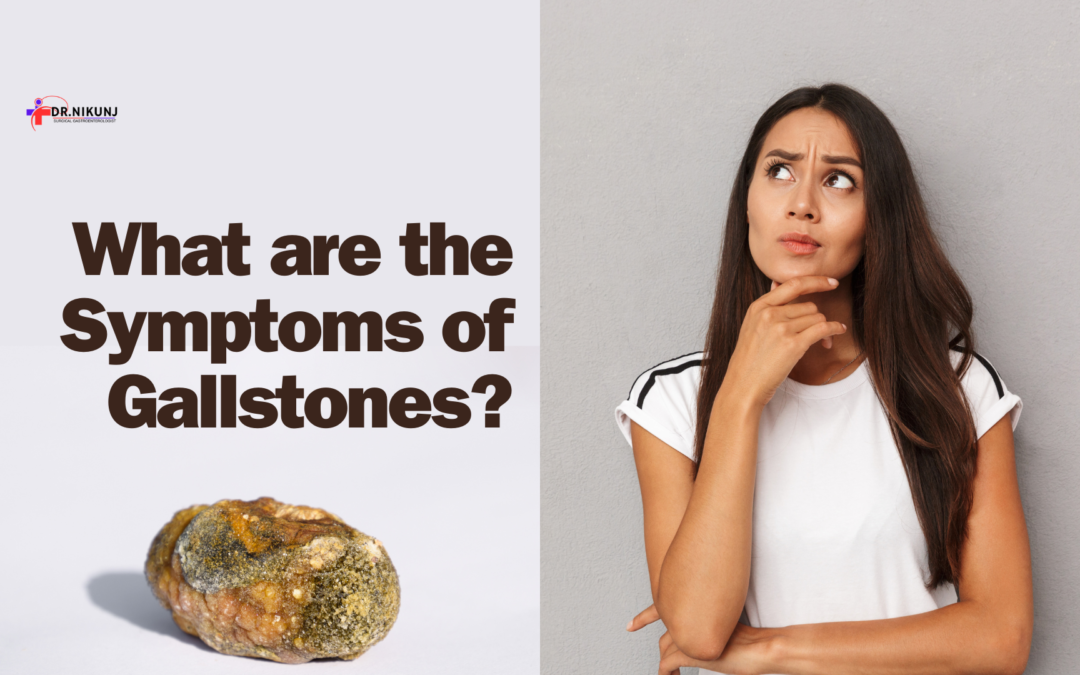
Gallstones are often called the “silent” stones because many people may not even know they have them until they cause discomfort. Understanding the symptoms of gallstones is crucial to identify and seek timely medical help. While gallstones can vary in size, their symptoms can range from mild to severe. But what exactly should you look for?
This comprehensive guide breaks down all you need to know about gallstone symptoms, how they manifest, and when to consult a doctor. Let’s dive in!
Table of Contents
What are Gallstones? Understanding the Basics
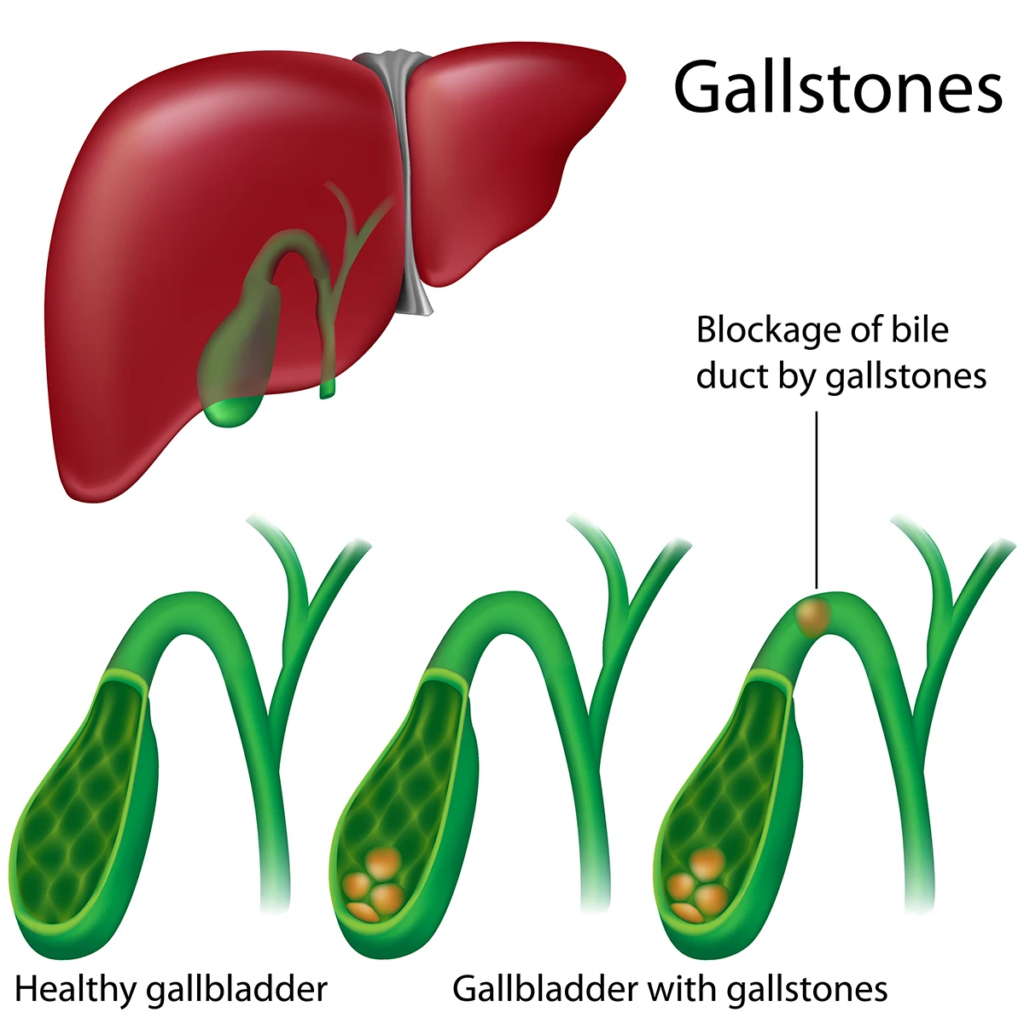
Before diving into the symptoms, it’s essential to understand what gallstones are. Gallstones are hardened deposits of digestive fluid that can form in your gallbladder — a small, pear-shaped organ on the right side of your abdomen, just beneath your liver. They vary in size and can be as small as a grain of sand or as large as a golf ball.
Gallstones primarily consist of cholesterol (cholesterol stones) or bilirubin (pigment stones). While they may not always cause symptoms, their presence can lead to significant discomfort and health complications when they obstruct bile ducts or irritate the gallbladder.
Why do Gallstones Cause Symptoms?
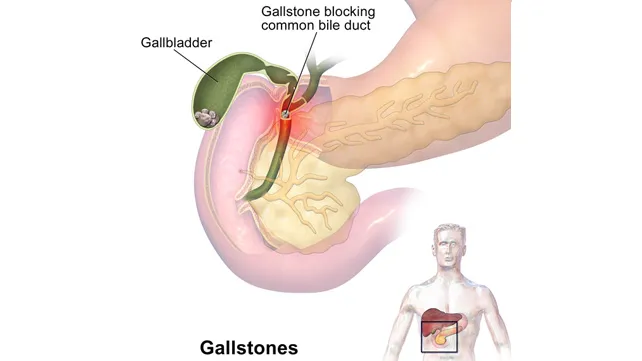
Gallstones can form and exist in the gallbladder for years without causing any issues. However, when a gallstone lodges in the bile ducts, it can cause blockages, leading to gallbladder attacks or biliary colic. When bile cannot flow properly, it results in pain and inflammation, leading to symptoms that vary depending on the stone’s size, location, and how it affects the body.
Also Read: Effective Acid Reflux Treatment in Indore: Expert Solutions for Lasting Relief
Key Symptoms of Gallstones
1. Pain in the Right Upper Abdomen or Back (Biliary Colic)
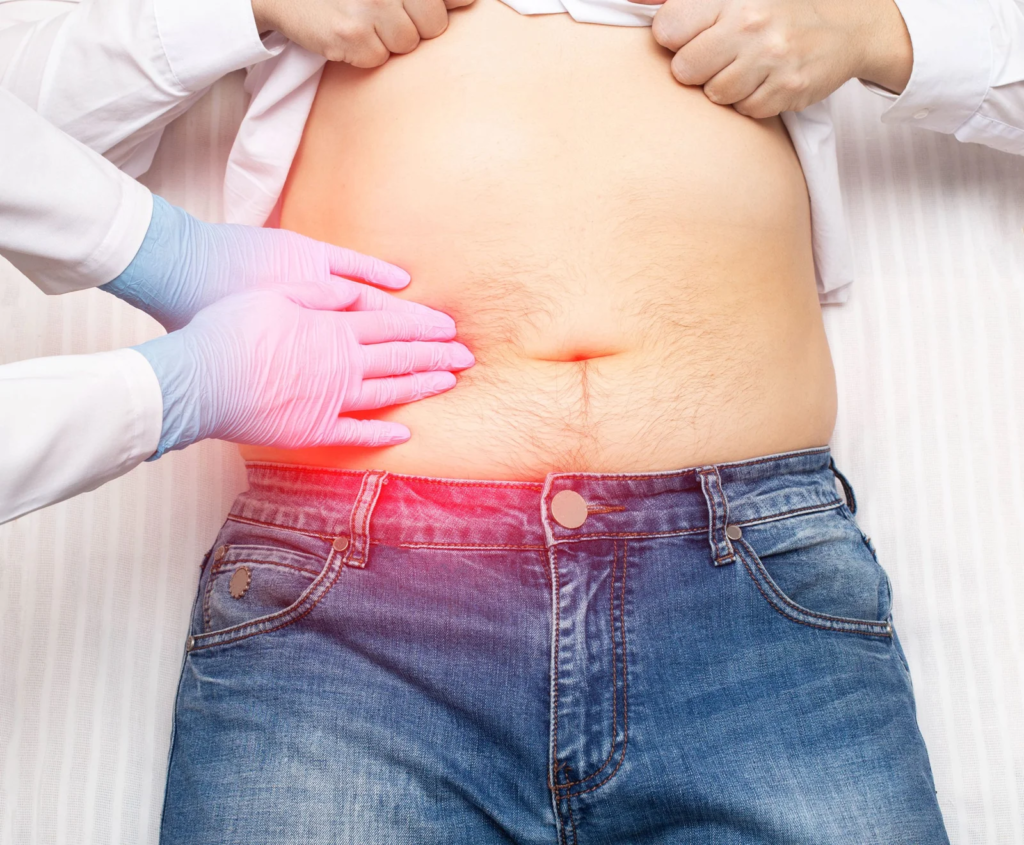
One of the most recognizable symptoms of gallstones is pain, particularly in the upper right side of the abdomen or the middle of the abdomen, just below the breastbone. This pain, known as biliary colic, can also radiate to the right shoulder or back. The pain:
- Is sudden and intense
- Can last from a few minutes to several hours
- Often begins after eating fatty or greasy foods
- May occur at night, disrupting sleep
This gallbladder pain arises when a gallstone temporarily blocks the bile ducts, causing the gallbladder to contract forcefully.
2. Nausea and Vomiting
Nausea and vomiting are common symptoms associated with gallstones. The disruption of the digestive process due to blocked bile flow can cause these uncomfortable sensations. People may also experience:
- A feeling of being uncomfortably full after eating
- Loss of appetite
- A sensation of indigestion
3. Jaundice (Yellowing of the Skin and Eyes)
If a gallstone blocks the common bile duct, it can lead to jaundice. Jaundice occurs when the bile pigment bilirubin builds up in the bloodstream, causing yellowing of the skin and the whites of the eyes. This symptom indicates that a gallstone is lodged in a crucial part of the bile pathway, requiring immediate medical attention.
4. Fever and Chills
Fever and chills indicate an infection in the gallbladder or bile ducts. This condition, known as cholecystitis, is a serious complication and requires prompt medical treatment. Accompanying signs may include:
- Abdominal tenderness
- Worsening pain over time
5. Changes in Stool and Urine Color
Gallstones can lead to changes in stool and urine colors:
- Clay-Colored Stool: Bile gives stool its brown color. When a gallstone blocks the bile duct, stool may become pale or clay-colored.
- Dark Urine: The buildup of bilirubin in the bloodstream due to a blocked bile duct can cause the urine to appear dark, similar to tea or cola.
6. Digestive Disturbances
Gallstones can cause various digestive issues, including:
- Bloating: A feeling of fullness or bloating in the abdomen, especially after eating
- Gas and Belching: Excessive belching or gas, often after consuming fatty meals
- Diarrhea: Loose stools or changes in bowel habits, sometimes accompanied by urgency
Also Read: Top Weight Management Surgery in Indore: Achieve Your Health Goals with Expert Care
When Should You See a Doctor?
Gallstones do not always require immediate intervention, especially if they are asymptomatic. However, it’s essential to consult a healthcare provider if you experience any of the following symptoms:
- Persistent pain lasting more than a few hours
- Fever, chills, or signs of infection
- Jaundice or yellowing of the skin and eyes
- Severe nausea or vomiting
These symptoms may indicate a gallstone-related complication, such as acute cholecystitis (inflammation of the gallbladder), choledocholithiasis (stones in the common bile duct), or pancreatitis (inflammation of the pancreas).
How are Gallstones Diagnosed?
If a healthcare provider suspects you have gallstones, they may perform a series of diagnostic tests, such as:
- Ultrasound: The most common imaging test for detecting gallstones
- CT Scan: Provides detailed images of the gallbladder and surrounding organs
- HIDA Scan: A nuclear imaging test to evaluate the function of the gallbladder
- Blood Tests: To check for signs of infection, inflammation, or bile duct blockage
Also Read: Effective Gastric Bypass Surgery in Indore: Achieve Lasting Weight Loss with Expert Care
What Triggers Gallstone Symptoms?
Certain triggers can prompt gallstone symptoms, especially after the consumption of certain types of food. The most common triggers include:
- High-Fat Meals: Fatty, fried, or greasy foods often stimulate gallbladder contractions, triggering pain.
- Overeating: Eating large meals, especially those high in fat, can exacerbate symptoms.
- Rapid Weight Loss: Losing weight too quickly can lead to an increased risk of gallstones and symptom onset.
- Fasting or Skipping Meals: Irregular eating patterns or prolonged fasting can cause bile to concentrate, increasing the risk of gallstone formation.
Complications of Gallstones: Recognizing Advanced Symptoms
If untreated, gallstones can lead to severe health issues. Some of these include:
Acute Cholecystitis
This is inflammation of the gallbladder, often resulting from a stone blocking the cystic duct. Symptoms include:
- Persistent and severe right upper abdominal pain
- Fever and chills
- Tenderness over the gallbladder area
Choledocholithiasis
This occurs when gallstones move from the gallbladder into the common bile duct. Symptoms often mimic biliary colic but can lead to:
- Jaundice
- Severe abdominal pain
- Pancreatitis if the stone blocks the pancreatic duct
Gallstone Pancreatitis
Gallstones can cause inflammation of the pancreas if they obstruct the pancreatic duct. Symptoms include:
- Severe abdominal pain that radiates to the back
- Nausea and vomiting
- Fever
Cholangitis
This is a serious infection of the bile ducts caused by blockage due to gallstones. Symptoms, known as Charcot’s triad, include:
- Fever with chills
- Jaundice
- Right upper quadrant abdominal pain
If any of these complications are suspected, it’s crucial to seek immediate medical attention as they can be life-threatening without prompt treatment.
Dietary and Lifestyle Factors Affecting Gallstone Symptoms
Diet and lifestyle play a significant role in both the development and management of gallstones. Here are some factors to consider:
Foods to Avoid if You Have Gallstones
Avoiding certain foods can reduce the frequency and intensity of symptoms. Foods to minimize include:
- Fried and Fatty Foods: Fried chicken, French fries, and high-fat meats
- High Cholesterol Foods: Processed meats, full-fat dairy, and baked goods
- Sugary Foods and Beverages: Soft drinks, pastries, and candies
Foods That Help with Gallstones
Consuming a balanced diet rich in fiber and lean proteins can support gallbladder health. Some helpful foods include:
- Fruits and Vegetables: Rich in fiber and antioxidants
- Whole Grains: Oats, brown rice, and quinoa
- Lean Proteins: Fish, poultry, and legumes
Exercise and Weight Management
Regular physical activity can prevent gallstones and alleviate symptoms. Maintaining a healthy weight and avoiding rapid weight loss can also lower your risk of developing gallstones.
Treatment Options for Gallstones
Watchful Waiting
If gallstones are asymptomatic, a “watch and wait” approach may be recommended. However, it’s crucial to monitor for any new or worsening symptoms.
Medications
Oral bile acid pills can help dissolve cholesterol gallstones, though this treatment is slow and only suitable for certain types of stones.
Surgical Options (Cholecystectomy)
The definitive treatment for symptomatic gallstones is a cholecystectomy, which is the surgical removal of the gallbladder. It is performed either as:
- Laparoscopic Cholecystectomy: Minimally invasive, with faster recovery
- Open Cholecystectomy: A more extensive procedure for complicated cases
Endoscopic Procedures
For stones in the bile duct, an **endoscopic retro
grade cholangiopancreatography (ERCP)** is often used to locate and remove the stones.
FAQs about Gallstones and Their Symptoms
What is the most common symptom of gallstones?
The most common symptom of gallstones is pain in the upper right abdomen or the center of the abdomen, known as biliary colic.
Can gallstones go away on their own?
While some gallstones may pass without causing symptoms, most do not dissolve on their own and may require medical intervention if symptomatic.
Can stress trigger gallstone symptoms?
Stress does not directly cause gallstones but can affect digestion and exacerbate symptoms in those who already have gallstones.
How long does gallstone pain typically last?
Gallstone pain can last from a few minutes to several hours. If the pain persists for more than a few hours or is accompanied by fever, chills, or jaundice, seek medical attention immediately.
Can gallstones cause heartburn or acid reflux?
Yes, gallstones can cause symptoms similar to acid reflux or heartburn, such as indigestion and nausea, especially after consuming fatty meals.
Can diet changes prevent gallstone symptoms?
A diet low in saturated fats and high in fiber can help reduce the risk of gallstone formation and may alleviate symptoms for those with existing gallstones.
Conclusion: Taking Action on Gallstone Symptoms
Recognizing and understanding the symptoms of gallstones is crucial for early diagnosis and proper treatment. If you experience persistent pain, jaundice, or digestive issues, it’s essential to consult a healthcare provider promptly. While many gallstones are asymptomatic, those that cause discomfort or complications often require intervention to ensure optimal health and well-being.
By paying attention to your symptoms, maintaining a healthy diet, and seeking timely medical advice, you can manage gallstones effectively and avoid potential complications.