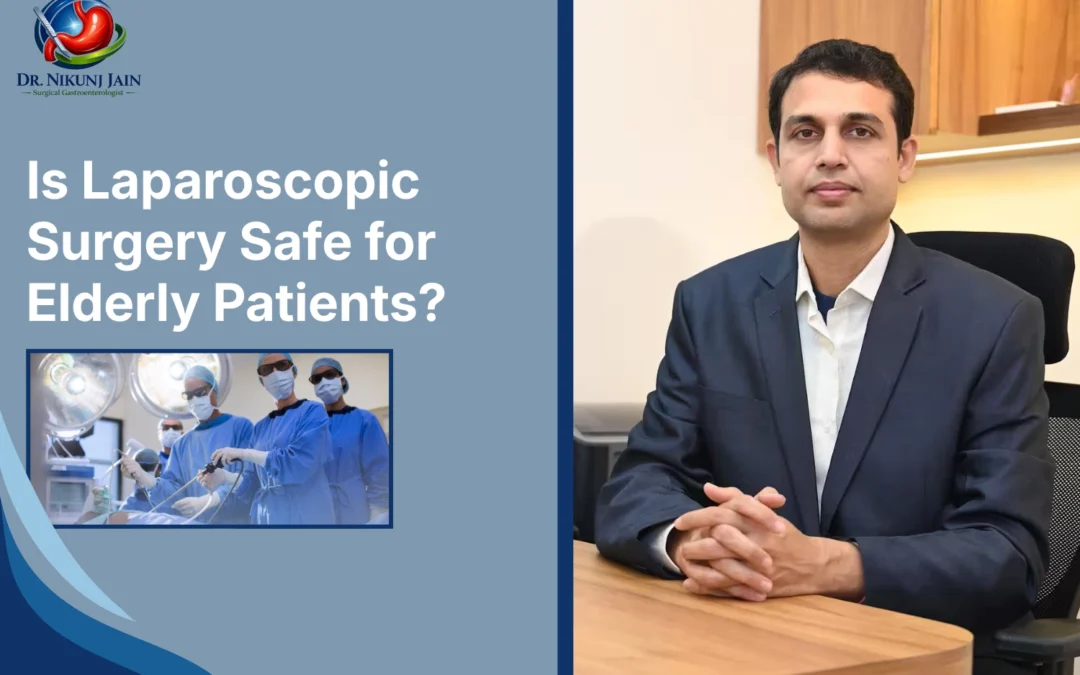
Growing older often brings health challenges that may require surgical treatment. Many elderly people and their families worry about whether surgery is safe at an advanced age. One common concern is whether minimally invasive procedures like laparoscopic surgery are suitable for seniors. According to Dr. Nikunj Jain, a gastroenterologist surgeon in Indore, laparoscopic surgery has made many abdominal procedures safer and easier even for elderly people. Understanding how this surgical technique works and why it is often preferred for older individuals can help families make informed medical decisions.
Table of Contents
What Is Laparoscopic Surgery?
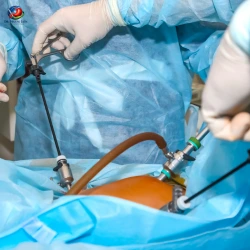
Laparoscopic surgery is a modern surgical technique that uses very small cuts instead of large incisions. Through these tiny openings, surgeons insert a thin camera and special instruments to perform the procedure inside the body.
The camera shows a magnified view of the internal organs on a monitor, allowing the surgeon to perform the surgery with high precision. This technique is commonly used for procedures involving the gallbladder, appendix, hernia, stomach, and intestines.
Because the incisions are small, the body experiences less trauma compared to traditional open surgery.
Why Laparoscopic Surgery Is Often Safer for Elderly people
One of the main advantages of laparoscopic surgery is that it is minimally invasive. For elderly people whose bodies may take longer to recover, this approach can significantly reduce surgical stress.
Some of the key benefits include:
• Smaller surgical cuts • Reduced blood loss during surgery • Lower risk of infection • Less post-operative pain • Faster recovery time • Shorter hospital stay
These factors are especially important for seniors who may already be managing other health conditions such as diabetes, blood pressure issues, or heart problems.
Faster Recovery Matters for Seniors
Recovery speed plays a major role in elderly patient care. Long hospital stays can increase the risk of complications such as infections, weakness or reduced mobility.
With laparoscopic surgery, many people are able to walk within a short time after the procedure. Early movement helps prevent complications like blood clots and lung infections. Most elderly people also experience less discomfort, which allows them to return to their normal routine sooner.
Lower Risk of Complications
Traditional open surgeries require larger cuts and longer healing periods. In older people, large surgical wounds may take more time to heal and can sometimes lead to complications.
Minimally invasive techniques reduce the size of the wound, which lowers the risk of infection and speeds up tissue healing. Many seniors tolerate laparoscopic procedures well when they are properly evaluated before surgery.
A detailed medical assessment helps determine whether the patient is fit for surgery.
Importance of Pre-Surgery Evaluation
Age alone is not the deciding factor when it comes to surgery. Doctors carefully evaluate the overall health of the patient before recommending a procedure.
This assessment may include:
• Heart health evaluation • Blood tests • Imaging scans • Review of existing medical conditions • Medication history
Once the surgeon understands the patient’s complete medical profile, the safest surgical plan can be chosen.
Common Conditions Treated with Laparoscopic Surgery
Several abdominal problems that affect elderly people can be treated using laparoscopic methods. These include:
• Gallbladder stones • Hernia repair • Appendix removal • Certain stomach and intestinal conditions • Diagnostic abdominal procedures
In many of these cases, minimally invasive surgery allows the patient to recover more comfortably compared to traditional surgical methods.
Emotional Concerns of Elderly people
Surgery can be emotionally stressful for older individuals. Many seniors fear long recovery periods, pain, or dependence on others after surgery.
However, advancements in surgical techniques have made procedures much safer than they were decades ago. When people understand that minimally invasive surgery involves smaller cuts and faster healing, it often reduces anxiety and helps them feel more confident about treatment.
Support from family members and clear communication with the doctor also plays an important role in easing these concerns.
Choosing an Experienced Surgeon Matters
The success of any surgery depends greatly on the experience and skill of the surgeon performing it. A well-trained laparoscopic surgeon understands how to manage complex cases, including elderly people with multiple health conditions.
Modern hospitals equipped with advanced surgical technology also improve patient safety and outcomes.
Conclusion
Laparoscopic surgery has transformed the way many abdominal procedures are performed today. For elderly people, this minimally invasive approach often offers a safer option with faster recovery, less pain and lower complication risks.
When a proper medical evaluation is done and the procedure is performed by an experienced surgeon, age alone should not be a barrier to receiving effective surgical treatment. As Dr. Nikunj Jain, best laparoscopic surgeon in Indore, explains, many senior people successfully undergo laparoscopic procedures and return to their normal lives with improved health and comfort.
Living with a hernia isn’t just about the physical ache, it starts messing with your confidence, your daily routine, and even your peace of mind. A lot of People brush off the early signs, like “Eh, it’s just some swelling from straining too hard.” But over time, that nagging discomfort turns into real worry. That’s when you need solid advice from someone you can trust, like Dr. Nikunj Jain, hernia specialist in Indore, who’s helped tons of people get back to feeling normal with the right fix.
Table of Contents
What Exactly Is a Hernia?
A hernia basically happens when part of your organ or tissue pokes through a weak spot in your muscle wall. It might show up as a little bulge when you’re coughing, lifting stuff, or on your feet all day. At first, it doesn’t hurt much, so people put off seeing a Doctor. But deep down, you’re stressing about it getting worse, needing surgery, or having to change your whole lifestyle.
Anxiety and Stress Due to Hernia
The toughest part emotionally? All that uncertainty. You’re lying awake wondering if the lump’s gonna grow, if you’ll struggle with simple things like walking to work or hitting the gym, or if a sharp pain’s gonna hit out of nowhere. That constant what-if spiral can make you pull back from friends, work, everything.
Early Symptoms of Hernia
Recognizing the early signs of a hernia can help prevent complications and ensure timely treatment. Common symptoms include a noticeable lump or swelling in the abdomen or groin, discomfort or pain while bending, lifting, or coughing, and a feeling of heaviness or pressure in the affected area.
Some individuals may also experience digestive discomfort or a mild burning sensation. While these symptoms may seem minor initially, ignoring them can worsen the condition over time by increasing strain on the weakened muscle. Early medical evaluation is important for proper diagnosis and management.
Effective Hernia Treatment Options
Treatment really depends on how big it is, what type, and how it’s bugging your life. Most times, surgery’s the best bet since hernias don’t fix themselves. The good news? Today’s options are way safer, quicker, and hurt less. Those minimally invasive methods mean tiny scars and you’re back to normal life super fast.
How to Prepare Mentally for Hernia Surgery
Don’t sleep on the emotional side either. Loads of people freak out about surgery because of scary stories or old myths. But chat with a good Doctortor, and it all clicks into place,way less scary. A specialist like Dr. Nikunj Jain doesn’t just fix the body; they help you feel ready and pumped about it mentally.
Little lifestyle tweaks help too. Keep your weight in check to ease up on your abs, load up on fiber to avoid constipation (which strains everything), lift smart instead of heaving heavy stuff, and ditch smoking for stronger muscles overall. These habits speed up healing and keep things good long-term.
Importance of Support During Hernia Treatment
Having family or buddies in your corner makes all the difference. When someone gets it and cheers you on, you’re more likely to get checked out quick and stick to the plan. That emotional boost? It’s what powers the physical recovery.
Life After Hernia Surgery
I’ve seen (and heard from) so many people who were miserable with the pain and fear, but after the right treatment, they’re striding around confidently, traveling without a care, and just living life without that constant hernia worry. It’s not just a medical win,it’s life-changing on a personal level.
Why Choosing the Right Hernia Specialist Matters
Pick the right specialist, and your plan’s tailored for safety and real results. Dr. Nikunj Jain, with his expertise in cutting-edge hernia care and real patient focus, keeps guiding People from worry to “I’m good,” toward a comfy, healthy life.
When someone first hears they might need hernia surgery, money worries hit hard. How much hernia surgery cost in india? Alongside the ache, there’s that emotional weight,can I afford it? How long to heal? Is it even needed? People seeing Dr. Nikunj Jain, hernia doctor in Indore, often say the fear of the unknown hurts more than the hernia itself. Getting the real cost scoop can ease that stress and help you decide with confidence.
Table of Contents
Is Hernia Surgery Safe?
A hernia occurs when an internal organ or tissue pushes through a weak spot in the surrounding muscle. It often begins as a small lump or mild discomfort but can gradually become painful, swollen, and potentially serious if left untreated.
Many people tend to ignore it, hoping it will resolve on its own or delaying treatment due to concerns about cost. However, hernias do not heal without medical intervention. In most cases, surgery is the safest and most effective treatment option. Understanding the approximate cost and the factors that influence it can help you plan better and avoid unnecessary delays. Timely treatment not only prevents complications but also ensures a quicker and smoother recovery.
Cost of Hernia Surgery
In India, hernia surgery runs from about ₹40,000 to ₹1,50,000. Fancier cases or top hospitals might nudge it higher. That covers Doctortor fees, hospital stay, anesthesia, OR time, and basic aftercare. Exact amount hinges on hernia type, method, your city, and hospital perks.
Factors Affecting Hernia Surgery Cost
Prices vary person to person. Key things:
Surgery Style: Old-school open one’s cheaper than keyhole (laparoscopic),but keyhole means quicker heal, tiny scars.
Hospital & City: Big-city spots with fancy setups charge more, but offer comfier stays, safer vibes, better recovery help.
How Bad It Is: Simple fix? Less cash. Tricky or repeat one? Takes longer, costs more.
Your Health Checks: Pre-op tests, other issues, extra monitoring add up.
Financial Stress Before Surgery
Healthcare decisions are not only financial, they are deeply emotional as well. Many individuals feel hesitant about spending on their own treatment, worry about the impact on their family, or feel uncomfortable discussing budget concerns with a doctor. This emotional pressure often leads to delays in seeking care. However, postponing treatment can result in increased pain, unexpected emergencies, and potentially higher medical expenses in the future.
The positive approach is to communicate openly with a trusted surgeon. Discussing treatment options, costs, insurance coverage, and recovery timelines can provide clarity and reassurance. This not only helps in making informed decisions but also brings peace of mind, allowing both the body and mind to heal effectively.
Insurance Coverage for Hernia Surgery
Many health insurance plans in India cover hernia surgery. In addition, government schemes and hospital-based financial programs can make treatment more accessible. It is always advisable to review your policy carefully and request a clear cost estimate in advance to avoid unexpected expenses.
Thoughtful financial planning helps reduce last-minute stress and allows you to focus on recovery without constant financial concerns.
Recovery and Long-Term Benefits
While the initial cost of surgery may seem significant, the long-term benefits are substantial. Timely and proper treatment enables you to return to your daily routine, work, and activities without pain or limitations.
Patients often describe a significant emotional and physical improvement after recovery, the freedom to move comfortably, without discomfort or fear, can be truly life-changing. Instead of adjusting your life around the condition, you regain confidence, mobility, and overall well-being.
Choosing the Right Hernia Surgeon
Price matters, but surgeon skill and vibe? Huge. A great one lays out options, costs, recovery straight,no fluff.
Patients with Dr. Nikunj Jain love the clear chats. Feeling heard? Makes saying yes to treatment fearless.
Conclusion
Understanding the cost of hernia surgery in India is not just about numbers, it is about making informed and thoughtful decisions for your health. Addressing concerns early, seeking the right guidance, and planning ahead can help you avoid complications and improve your overall quality of life. If you or a loved one are experiencing symptoms of a hernia, it is important to consult a qualified specialist. Experts like Dr. Nikunj Jain, a leading gastroenterologist and surgeon in Indore, can guide you through the diagnosis, treatment options, and cost planning with clarity and confidence. With the right support and timely care, you can move forward with peace of mind and focus on a safe and smooth recovery.
Can a hernia really come back after surgery? Hernia surgery feels like a huge win after all that nagging pain. You finally imagine sleeping soundly, moving without wincing, and jumping back into life. But then, during recovery, that nagging question creeps in: “What if it happens again?” It’s totally normal to worry about it,even if you don’t say it out loud. As Dr. Nikunj Jain tells his patients, facing this fear head-on is a big part of getting better, body and mind. This stage can feel confusing, relief on one side and quiet fear on the other. Many people become extra alert to every sensation and worry about doing something wrong. The truth is, recovery is as much about rebuilding trust in your body as it is about physical healing. With the right care, patience, and guidance, confidence slowly returns and daily life starts to feel normal again.
Table of Contents
Why Might It Come Back?
A hernia happens when a weak spot in your abdominal wall lets tissue or an organ poke through. Surgery fixes that weak spot and reinforces it, usually for the long haul. But stuff like slow healing, lifting something heavy too early, sudden weight gain, a nagging cough, or straining on the toilet can stress the repair and up the odds of it returning.
Modern surgery has slashed recurrence rates, but nothing’s 100% foolproof. That’s why sticking to your doctor’s aftercare tips is everything,it really protects your hard work. Simple habits like gradual activity, healthy eating, maintaining weight, and managing constipation or cough can quietly strengthen healing and lower chances of recurrence.
The Emotional Rollercoaster of Recovery
Right after surgery, you’re relieved but on edge. Your incision looks good, but you’re terrified of messing it up. Lots of folks get super careful,skipping bends, stretches, workouts, or even striding confidently,convinced one slip could undo it all.
That hyper-vigilance can chip away at your confidence. Everyday stuff starts feeling scary, and recovery drags on emotionally.
Rebuilding Trust in Your Body
Healing isn’t just about the stitches,it’s about trusting your body again. Docs usually say start slow: short walks, light chores, and ramp up from there to build muscle strength.
Lifestyle tweaks help too. Load up on fiber, drink plenty of water, keep your weight steady, and handle coughs or constipation to ease abdominal pressure. When you get these habits down, you feel empowered, not anxious.
How New Techniques Make It Easier
Laparoscopic repairs are game-changers,tiny incisions, less pain, faster bounce-back. It cuts the stress because you know the fix is solid and you’re back to normal quicker.
Can A Hernia Really Come Back After A Surgery? What If Yes?
Even with your best efforts, it can happen sometimes. Don’t beat yourself up,bodies heal differently, and some hernias are trickier. Great treatments exist for repeats. Just don’t ignore signs like a bulge, pain, or weird pulling,see your doc early to keep things from snowballing.
Lean on Support and Stay Positive
Family cheers and a good mindset go miles. Celebrate wins like heading back to work, safely grabbing light stuff, or easing into exercise. Stay in the loop with your doc, follow advice, and that worry fades into confidence.
Conclusion
Hernia surgery is your ticket to a pain-free, active life. Recurrence is possible, sure, but don’t let it steal your joy. Smart habits, check-ins, and patience keep most folks hernia-free and thriving. Dr. Nikunj Jain always says healing’s physical andemotional. Be patient, stay informed, and proactive,you’ve got this.