Obesity and PCOS: How Bariatric Surgery Can Help
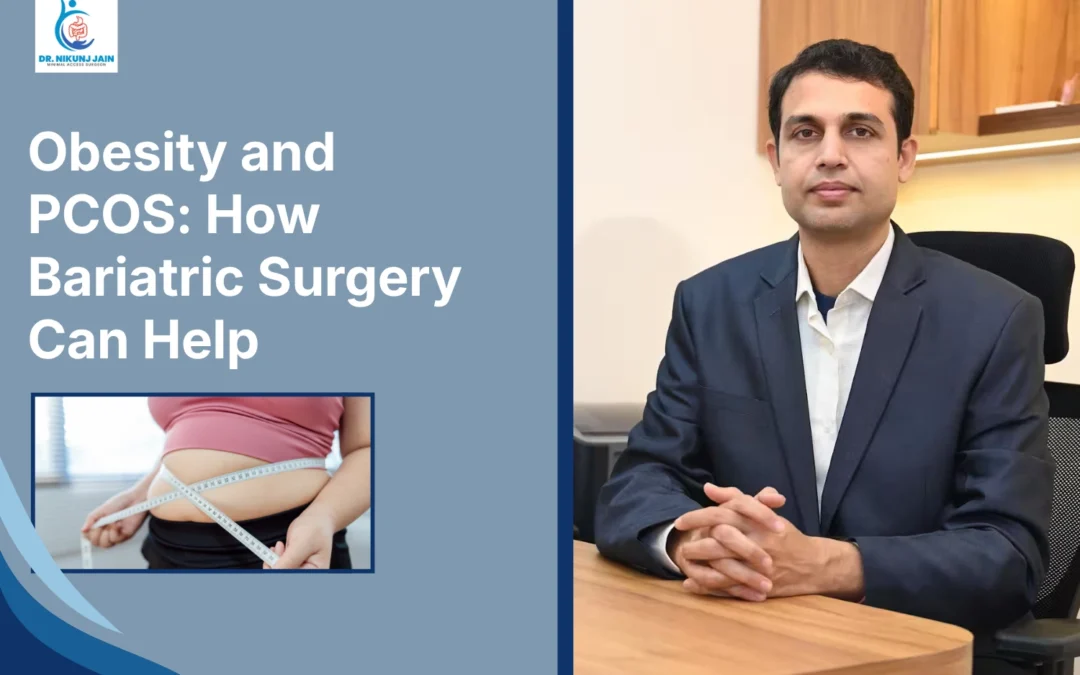
Polycystic ovary syndrome (PCOS), now known as Polyendocrine Metabolic Ovarian Syndrome (PMOS) can affect periods, hormones, weight and fertility. For women managing PCOS becomes harder when obesity and insulin resistance are also present. Dr. Nikunj Jain, best bariatric surgeon in Indore, explains that bariatric surgery may be considered for selected patients when lifestyle changes and medical treatment have not produced lasting weight loss. It is not a cure for PCOS but meaningful weight reduction can improve several problems linked with PCOS.
Connection Between Obesity and PCOS
PCOS is a condition that affects hormones and metabolism. Women with PCOS may experience periods, difficulty with ovulation, acne, unwanted facial hair, hair thinning and weight gain. Insulin resistance is also common in women with PCOS. This means the body does not use insulin efficiently which may increase hunger, encourage storage and make weight loss harder.PCOS can be a condition that needs to be managed.
Obesity can further increase insulin resistance and disturb hormone balance in women with PCOS. This may create a cycle in which PCOS contributes to weight gain while excess weight makes PCOS symptoms more troublesome. Even modest weight loss can support metabolic health but some women with severe obesity struggle to maintain results through diet and exercise alone. Women with PCOS need to find a way to break this cycle.
What Is Bariatric Surgery?
Bariatric surgery, also called weight loss surgery, includes procedures that help patients eat lesser portions and change the way the body controls hunger, fullness and blood sugar. Common options include sleeve gastrectomy and gastric bypass. Bariatric surgery is a treatment for obesity and related health concerns, not simply a cosmetic procedure. A good bariatric surgeon evaluates body mass index, existing illnesses, previous weight loss attempts, eating habits and overall fitness before recommending surgery. The suitable procedure may differ for each patient with PCOS.
How Can Bariatric Surgery Support Women With PCOS?
The main benefit of bariatric surgery is significant and more sustainable weight loss in appropriately selected patients with PCOS. As weight reduces insulin, sensitivity may improve in women with PCOS and better insulin control can also support a hormone balance in women with PCOS.
Many women with PCOS notice that their menstrual cycles become more regular after weight loss. Ovulation may improve, which can increase the possibility of conception when fertility has been affected by obesity and PCOS. Some patients with PCOS may also see improvement in acne, excess hair growth and other signs related to androgen levels.
Pcos may still require treatment from a gynaecologist or endocrinologist. Bariatric surgery does not replace medical care for PCOS. The surgery may also improve obesity-related conditions such as type 2 diabetes, high blood pressure, fatty liver disease, sleep apnoea and unhealthy cholesterol levels in women with PCOS. These benefits can support long-term health beyond PCOS management.
Who May Be Considered for Surgery?
Bariatric surgery may be considered for women with PCOS who:
- Have severe obesity.
- Have weight-related health problems.
- Have not achieved lasting results through supervised diet, exercise or medical treatment.
- Have completed the required blood tests and nutritional assessments.
- Have discussed future pregnancy plans with their doctor.
- Are ready to follow long-term dietary guidance.
- Are willing to exercise regularly.
- Can take prescribed vitamins and supplements consistently.
- Are committed to attending regular medical follow-ups.
- Understand that surgery supports weight loss but does not replace healthy habits.
- Are prepared to make long-term lifestyle changes.
PCOS alone is not a reason for bariatric surgery. The decision depends on the patient’s overall health, weight, medical conditions and readiness to maintain healthier habits.
Pregnancy Planning After Bariatric Surgery
Fertility can improve sooner than expected after surgery for women with PCOS. Women with PCOS who do not wish to become pregnant immediately should discuss contraception with their doctor.Pregnancy is usually delayed for 12 to 24 months during the rapid weight loss period for women with PCOS. This gives the body time to reach a stable weight and improve nutritional levels.Before trying to conceive patients with PCOS should consult their surgeon and gynaecologist. Iron, vitamin B12, folate, calcium, vitamin D and other nutrients may need monitoring before and during pregnancy for women with PCOS.
How Bariatric Surgery Supports Long-Term Weight Loss in Women with PCOS
Surgery can provide powerful support but long-term success depends on daily habits for women with PCOS. Patients with PCOS need meals, adequate protein, regular physical activity, good sleep and scheduled follow-ups.
Emotional support can also be valuable during changes in eating patterns and body image for women with PCOS. Family support, counselling and regular communication with the team can make the journey easier for women with PCOS.
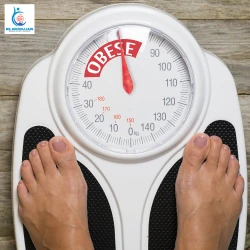
For women living with obesity and PCOS the goal is not a lower number on the weighing scale. The larger aim is metabolic health, improved confidence and a reduced risk of future illness for women with PCOS.
Conclusion
Bariatric surgery may help selected women with PCOS break the cycle between obesity, insulin resistance and PCOS. It can support weight loss, improve health and may make periods and ovulation more regular but it should never be treated as a guaranteed cure for PCOS. A detailed consultation with Dr. Nikunj Jain, best obesity doctor in Indore, can help patients with PCOS understand their eligibility, suitable surgical options, possible risks and the long-term care needed for lasting results for women with PCOS.
FAQ’s
Q1. Can bariatric surgery completely cure PCOS?
Bariatric surgery does not directly cure PCOS. However, significant weight loss may improve insulin resistance, menstrual irregularities, hormonal imbalance and other symptoms associated with PCOS.
Q2. How can bariatric surgery help women with PCOS?
Bariatric surgery may support significant weight loss and improve insulin sensitivity in women with PCOS. These changes may help regulate menstrual cycles, support ovulation, improve metabolic health and reduce some symptoms linked with hormonal imbalance.
Q3. Can weight loss surgery improve irregular periods?
Many women experience more regular menstrual cycles after losing significant weight. However, the results can differ depending on hormonal health, age and other medical conditions.
Q4. Can bariatric surgery improve fertility in women with PCOS?
Weight loss after surgery may improve ovulation and fertility in some women. Pregnancy is not guaranteed, and patients should continue consulting their gynaecologist or fertility specialist.
Q5. When can I plan pregnancy after bariatric surgery?
Doctors generally recommend delaying pregnancy for approximately 12 to 24 months after bariatric surgery. This allows rapid weight loss to slow down and nutritional levels to become stable.
Q6. Which bariatric procedure is suitable for women with PCOS?
Sleeve gastrectomy and gastric bypass are commonly performed procedures. The appropriate option depends on BMI, eating habits, health conditions, nutritional needs and the surgeon’s evaluation.
Q7. Is every woman with obesity and PCOS eligible for surgery?
No. Eligibility depends on BMI, obesity-related illnesses, previous weight loss efforts, overall health and readiness to follow long-term lifestyle changes.
Q8. Will I still need PCOS medicines after bariatric surgery?
Some women may need fewer medicines as their weight and metabolic health improve. Medicines should never be stopped without consulting the doctor who prescribed them.
Q9. Where can I get a bariatric surgery consultation in Indore?
Patients looking for bariatric surgery and obesity treatment in Indore can consult Dr. Nikunj Jain for a detailed evaluation, treatment planning and guidance about long-term follow-up.
Q10. What lifestyle changes are required after bariatric surgery?
Patients must eat smaller balanced meals, consume adequate protein, exercise regularly, take prescribed supplements and attend follow-up appointments. These habits are important for maintaining weight loss and preventing nutritional deficiencies.