Carrying excess body weight is more than just a matter of appearance. It can gradually impact many aspects of health, including the heart, joints, digestion and energy levels. People go through different fad (weight loss) diets, gym sessions and lifestyle changes but face failures in losing weight. At some point, medical treatment, like bariatric surgery by a best bariatric surgeon might become necessary as being overweight starts to lead to serious health issues.
Bariatric surgery is meant to assist people safely and effectively in controlling obesity when other attempts have failed, according to Dr. Nikunj Jain, best weight loss doctor in Indore.
What Is Weight-Loss Bariatric Surgery?
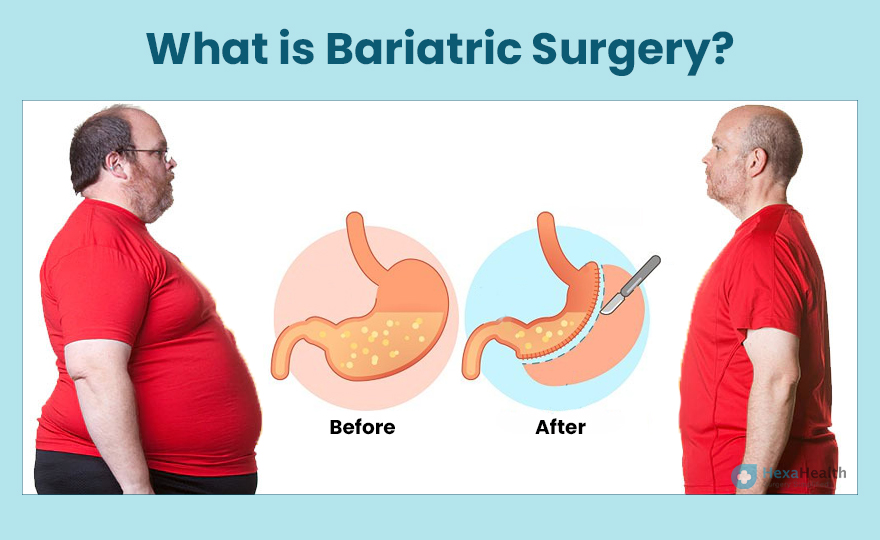
Bariatric surgery is a surgical procedure designed to assist those who are overweight in losing weight by altering how the stomach or digestive system functions. The surgery either makes the stomach smaller or alters how the digesting system functions, resulting in fewer calories being absorbed by the body. People are full by smaller portions because their stomach is not as large anymore. It results in gradual and sustainable weight loss over time.
Along with weight loss, bariatric surgery can bring health issues associated with obesity such as diabetes, high blood pressure and sleep apnea under control.
Who’s a Candidate for Weight Loss Surgery?
Not everyone who is overweight requires surgery. Bariatric surgery is typically indicated for those whose obesity has severe consequences for their health.
They have been unable to achieve lasting results from diet and exercise
Overweight with health problems such as diabetes or hypertension
Excess weight hinders daily life
Prior to determining if surgical intervention is the appropriate course of action, a full medical assessment will always take place.
Types of Bariatric Surgery Used for Obesity
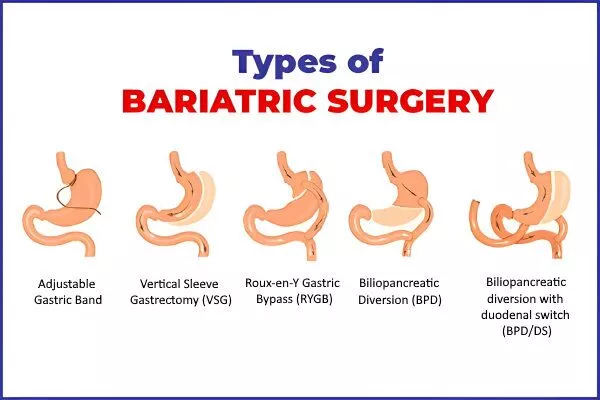
These days, there are many different types of bariatric procedures that can be performed using modern medical technology depending on the patient’s health status and weight goals.
Sleeve Gastrectomy Surgery The most commonly performed weight loss surgery. This process involves removing a large portion of the stomach, so only a smaller sleeve-shaped stomach remains. people feel full quickly and naturally begin eating less.
Gastric Bypass Weight Loss Surgery In gastric bypass surgery, the digestive system is altered so that food bypasses part of the stomach and intestine. This decreases calorie absorption and allows people to successfully lose weight.
Mini Gastric Bypass Surgery This is a simplified version of gastric bypass surgery and is usually suggested for individuals who need significant weight loss.
The type of surgery selected will vary depending on body weight, current health status and lifestyle factors.
Benefits of Bariatric Surgery
The health benefits of bariatric surgery go beyond weight loss. Some of the key benefits include:
Long-term and sustainable weight reduction
Improved control over diabetes
Lower risk of high blood pressure and heart disease
Reduced stress on muscles and bones
Better sleep quality
Increased physical energy and mobility
Most people also experience improved confidence and better mental well-being after reaching a healthier body weight.
Bariatric Surgery Recovery Time: How Long Will It Take?
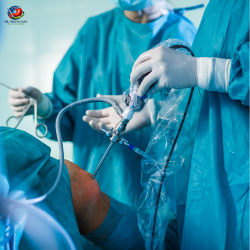
Recovery following bariatric surgery is now much quicker because most operations are performed using laparoscopic techniques. These procedures involve small incisions, which means less pain and faster healing.People usually begin walking within a day and can return to normal activities within a few weeks.
After the surgery, doctors recommend a structured diet plan that starts with liquids and gradually progresses to soft and solid foods. Long-term success also depends on maintaining healthy eating habits and regular physical activity.
Choosing the Right Bariatric Surgeon in Indore
Selecting the right surgeon is one of the most important steps in a weight loss journey. Experience, surgical expertise and proper patient guidance play a key role in achieving successful results.
With proper medical evaluation and the use of advanced surgical techniques, bariatric surgery can help people significantly improve their health and overall quality of life.For individuals seeking safe and advanced weight loss treatment, consulting Dr. Nikunj Jain, best bariatric surgeon in Indore, can help them understand their options and take the first step toward a healthier future.
Are you considering a transformative journey toward better health? Opting for a weight loss surgery consultation is a significant step that requires expert guidance. If you’re searching for the Top Weight Loss Surgery Consultation in Indore, look no further than Dr. Nikunj Jain. With years of experience and a commitment to patient care, Dr. Jain offers personalized consultations to help you make informed decisions about your weight loss goals.
In this comprehensive guide, we’ll explore everything you need to know about weight loss surgery consultations, the benefits of choosing Dr. Nikunj Jain, and how to prepare for your consultation journey.
Table of Contents
Why Choose Weight Loss Surgery?
Weight loss surgery, also known as bariatric surgery, is an effective solution for individuals struggling with obesity and related health issues. It can lead to significant weight loss, improved quality of life, and the resolution of health problems like diabetes, hypertension, and sleep apnea.
Significant Weight Loss: Achieve and maintain a healthier weight.
Improved Health: Lower risk of obesity-related conditions.
Enhanced Mobility: Enjoy a more active lifestyle.
Boosted Confidence: Feel better about your appearance and well-being.
If you’re in Indore, consulting a trusted expert like Dr. Nikunj Jain ensures you receive the best advice and care tailored to your needs.
What to Expect from a Weight Loss Surgery Consultation in Indore
A weight loss surgery consultation helps assess your eligibility, understand your options, and create a personalized treatment plan. Here’s what happens during the consultation process:
1. Medical Assessment
The process begins with a thorough evaluation of your medical history, weight trends, and existing health conditions.
2. Discussion of Surgical Options
Dr. Nikunj Jain explains various bariatric procedures, such as gastric bypass, sleeve gastrectomy, and adjustable gastric banding, and helps you choose the most suitable option.
3. Lifestyle and Dietary Recommendations
You’ll receive guidance on lifestyle changes, dietary habits, and exercise routines to prepare for surgery and ensure long-term success.
4. Pre-Surgery Preparation
A detailed plan is developed to prepare your body for surgery, which may include specific tests, dietary adjustments, and psychological counseling.
Dr. Nikunj Jain is a renowned expert in bariatric surgery with a stellar reputation in Indore. His patient-centric approach, advanced techniques, and extensive experience make him a trusted name for Weight Loss Surgery Consultation in Indore.
Key Highlights of Dr. Nikunj Jain’s Services
Comprehensive Care: From consultation to post-operative support, Dr. Jain offers end-to-end services.
Personalized Approach: Each patient receives a tailored treatment plan.
Advanced Techniques: Dr. Jain stays updated with the latest advancements in bariatric surgery.
Positive Patient Outcomes: Numerous success stories testify to his expertise and compassionate care.
How to Prepare for Your Weight Loss Surgery Consultation
Preparing for your consultation ensures you get the most out of the session. Here’s how:
1. Gather Medical Records
Bring details about your medical history, previous surgeries, and medications.
2. List Your Questions
Prepare questions about the surgery, recovery, and long-term lifestyle changes.
3. Understand Your Goals
Be clear about your weight loss and health improvement goals.
4. Be Honest About Your Habits
Share accurate information about your diet, exercise, and lifestyle habits to help Dr. Nikunj Jain design the best plan for you.
FAQs About Weight Loss Surgery Consultation in Indore
What is the cost of weight loss surgery in Indore? The cost varies based on the type of surgery and hospital. Dr. Nikunj Jain provides transparent pricing during your consultation.
Am I eligible for bariatric surgery? Eligibility depends on factors like BMI, health conditions, and previous weight loss attempts. Dr. Jain will assess your suitability during the consultation.
How long does the recovery process take? Most patients return to normal activities within 4–6 weeks, but this can vary.
Are there any risks involved? As with any surgery, risks exist, but Dr. Nikunj Jain’s expertise ensures they are minimized.
Do I need to follow a special diet after surgery? Yes, a specific post-surgery diet is crucial for recovery and long-term success.
How do I book a consultation with Dr. Nikunj Jain? You can book a consultation by contacting his clinic in Indore.
Conclusion
Choosing weight loss surgery is a life-changing decision, and finding the right consultation is crucial. Dr. Nikunj Jain’s expertise in Weight Loss Surgery Consultation in Indore ensures you are guided every step of the way, from initial assessments to post-operative care. Take the first step toward a healthier and happier life by booking your consultation today.
Start your journey to better health with Dr. Nikunj Jain, the top expert for Weight Loss Surgery Consultation in Indore. Your transformation awaits!
Discover the Best Bariatric Surgery Options in Indore – Meet Expert Surgeon
Indore has emerged as a leading destination for bariatric surgery in recent years, attracting patients from across the country seeking expert care. Bariatric Surgery in Indore: Meet the Best Surgeon and Understand Your Options, a proven method for long-term weight loss, involves various procedures designed to help individuals struggling with obesity achieve a healthier lifestyle. With advancements in medical technology and the availability of highly skilled surgeons, Indore offers a range of bariatric surgery options to cater to diverse patient needs. In this article, we will explore the different types of bariatric surgery, discuss the benefits of each procedure, and introduce some of the top bariatric surgeons in Indore, including the renowned Dr. Nikunj Jain.
Table of Contents
Understanding Bariatric Surgery: Your Path to a Healthier Life
Bariatric surgery refers to a group of surgical procedures aimed at facilitating weight loss by altering the digestive system. These surgeries are typically recommended for individuals with a Body Mass Index (BMI) of 40 or higher, or those with a BMI of 35 or higher who suffer from obesity-related health conditions such as type 2 diabetes, hypertension, or sleep apnea. The primary goal of bariatric surgery is to help patients achieve significant weight loss and improve or resolve obesity-related health issues.
When considering bariatric surgery in Indore, it’s essential to understand the various types of procedures available. Each type of surgery has its unique approach and benefits, allowing patients and their surgeons to choose the most suitable option based on individual needs and health conditions.
Gastric Bypass Surgery
Gastric bypass surgery is one of the most common and effective bariatric procedures. During this surgery, the stomach is divided into a small upper pouch and a larger lower pouch. The small intestine is then rearranged to connect to both pouches, allowing food to bypass most of the stomach and the upper part of the small intestine. This procedure not only limits food intake but also reduces the absorption of calories and nutrients.
Benefits:
Significant long-term weight loss (60-80% of excess weight)
Improvement or resolution of obesity-related conditions such as type 2 diabetes, hypertension, and sleep apnea
Reduction in appetite due to hormonal changes
Sleeve Gastrectomy
In sleeve gastrectomy, approximately 80% of the stomach is removed, leaving a tube-shaped stomach (or “sleeve”). This smaller stomach restricts food intake and significantly reduces the production of the hunger hormone ghrelin, which helps decrease appetite.
Benefits:
Significant weight loss (50-70% of excess weight)
Reduced hunger and appetite
Shorter hospital stay compared to gastric bypass
Lower risk of nutrient deficiencies since the intestines remain intact
Adjustable gastric banding involves placing a silicone band around the upper part of the stomach to create a small pouch. This pouch limits food intake, making patients feel full sooner. The band can be adjusted to control the rate of weight loss by adding or removing saline through a port under the skin.
Benefits:
Adjustable and reversible procedure
Gradual weight loss (40-50% of excess weight)
Shorter recovery time and hospital stay
No cutting or removal of stomach tissue
Biliopancreatic Diversion with Duodenal Switch (BPD/DS)
The BPD/DS is a more complex bariatric surgery that combines a sleeve gastrectomy with a bypass of a large portion of the small intestine. This procedure significantly restricts food intake and reduces nutrient absorption, leading to substantial weight loss.
Benefits:
Highest average weight loss (70-90% of excess weight)
Effective for severe obesity and obesity-related conditions
Long-term maintenance of weight loss
Improvement in metabolic conditions such as diabetes
The success of bariatric surgery largely depends on the expertise of the surgeon performing the procedure. In Indore, patients have access to some of the best bariatric surgeons in the country, known for their skill, experience, and patient care. Among these esteemed professionals is Dr. Nikunj Jain, a leading bariatric surgeon in Indore.
Dr. Nikunj Jain: A Leader in Bariatric Surgery
Dr. Nikunj Jain is a highly respected and experienced bariatric surgeon in Indore, with a reputation for delivering excellent results. He has performed numerous successful bariatric surgeries and is known for his patient-centric approach. Dr. Jain’s expertise spans a wide range of weight loss surgeries, including gastric bypass, sleeve gastrectomy, and adjustable gastric banding. He is also recognized for his commitment to patient education, ensuring that his patients are fully informed about their options and the potential outcomes of their surgery.
Why Choose Dr. Nikunj Jain?
Extensive experience in performing complex bariatric surgeries
High success rates and patient satisfaction
Personalized care tailored to individual patient needs
Advanced surgical techniques and minimally invasive procedures
Read More:
Benefits of Bariatric Surgery
Bariatric surgery offers numerous benefits beyond significant weight loss. These benefits can have a profound impact on a patient’s overall health, quality of life, and longevity. Here are some of the key benefits:
Improved Health and Resolution of Obesity-Related Conditions
One of the most significant benefits of bariatric surgery is the improvement or resolution of obesity-related health conditions. Many patients experience a reduction or complete remission of conditions such as type 2 diabetes, hypertension, sleep apnea, and heart disease after surgery. This not only improves their quality of life but also reduces their dependence on medications and lowers the risk of serious health complications.
Enhanced Quality of Life
Weight loss achieved through bariatric surgery often leads to an improved quality of life. Patients report increased mobility, higher energy levels, and a greater ability to engage in physical activities. This enhanced mobility and energy can lead to a more active lifestyle, further supporting long-term weight management and overall well-being.
Psychological Benefits
Bariatric surgery can also have positive psychological effects. Many patients experience a boost in self-esteem and confidence as they achieve their weight loss goals. The reduction in weight-related stigma and the ability to participate more fully in social and professional activities contribute to improved mental health and emotional well-being.
Long-Term Weight Loss Success
While traditional weight loss methods such as diet and exercise can be effective, they often result in temporary or modest weight loss. Bariatric surgery offers a more permanent solution, with most patients maintaining significant weight loss over the long term. This sustained weight loss is essential for reducing the risk of obesity-related conditions and improving overall health.
Preparing for Bariatric Surgery in Indore
Undergoing bariatric surgery is a significant decision that requires careful consideration and preparation. Patients considering bariatric surgery in Indore should take several steps to ensure they are ready for the procedure and the lifestyle changes that follow.
Comprehensive Evaluation and Consultation
The first step in preparing for bariatric surgery is a comprehensive evaluation by a qualified bariatric surgeon. During this consultation, the surgeon will assess the patient’s overall health, medical history, and weight loss goals. This evaluation helps determine the most appropriate type of surgery and whether the patient is a good candidate for the procedure.
Pre-Surgery Lifestyle Changes
Patients are often advised to make lifestyle changes before undergoing bariatric surgery. These changes may include adopting a healthier diet, increasing physical activity, and quitting smoking. Theselifestyle modifications not only improve surgical outcomes but also help patients develop habits that will support long-term weight management after surgery.
Understanding the Risks and Benefits
It’s essential for patients to have a clear understanding of the risks and benefits of bariatric surgery. While the benefits are significant, there are also potential risks and complications associated with the procedure. Patients should discuss these with their surgeon and weigh the potential outcomes before making a decision.
Conclusion
Bariatric surgery in Indore offers individuals struggling with obesity a powerful tool to achieve long-term weight loss and improve their overall health. With several types of bariatric surgery available, patients can choose the procedure that best suits their needs and health conditions. In Indore, Dr. Nikunj Jain stands out as one of the top bariatric surgeons, known for his expertise and dedication to patient care. If you’re considering bariatric surgery, take the time to consult with Dr. Nikunj Jain and explore your options. With the right surgeon and procedure, you can embark on a transformative journey towards a healthier, happier life.
FAQs
What is bariatric surgery? Bariatric surgery refers to various surgical procedures designed to help with weight loss by altering the digestive system. It is typically recommended for individuals with severe obesity or obesity-related health conditions.
Who is a candidate for bariatric surgery in Indore? Candidates for bariatric surgery are usually individuals with a BMI of 40 or higher or those with a BMI of 35 or higher who have obesity-related health conditions such as diabetes or hypertension.
What types of bariatric surgery are available in Indore? Common types of bariatric surgery in Indore include gastric bypass, sleeve gastrectomy, adjustable gastric banding, and biliopancreatic diversion with duodenal switch (BPD/DS).
How much weight can I expect to lose after bariatric surgery? The amount of weight loss varies depending on the type of surgery and individual factors. On average, patients can expect to lose 50-90% of their excess weight over time.
Is bariatric surgery safe? Bariatric surgery is generally safe when performed by an experienced surgeon. However, like any surgery, it carries risks. It’s essential to discuss these risks with your surgeon.
Why choose Dr. Nikunj Jain for bariatric surgery in Indore? Dr. Nikunj Jain is a leading bariatric surgeon in Indore with extensive experience and a high success rate. He offers personalized care and uses advanced surgical techniques to achieve the best outcomes for his patients.
Bariatric surgery has become a pivotal solution for individuals struggling with obesity. The procedure not only aids in significant weight loss but also helps alleviate associated health issues. If you are considering bariatric surgery in Indore, finding the right surgeon is crucial for a successful outcome. This article delves into the expertise, experience, and available procedures provided by Top Bariatric Surgeon in Indore: Your Path to Effective Weight Loss, ensuring you embark on your weight loss journey with confidence.
Understanding Bariatric Surgery
Bariatric Surgery: An Overview
Bariatric surgery encompasses a variety of procedures aimed at reducing weight by altering the digestive system. The most common types include gastric bypass, sleeve gastrectomy, adjustable gastric band, and biliopancreatic diversion with duodenal switch. These procedures are recommended for individuals with a Body Mass Index (BMI) of 40 or higher, or those with a BMI of 35 or higher accompanied by serious health conditions like diabetes or hypertension.
Benefits of Bariatric Surgery
The primary goal of bariatric surgery is to assist in weight loss. However, the benefits extend beyond just shedding pounds. Patients often experience improvements in obesity-related conditions such as type 2 diabetes, sleep apnea, heart disease, and joint pain. Additionally, many patients report an enhanced quality of life and psychological well-being post-surgery.
Top Bariatric Surgeon in Indore
Finding the Right Bariatric Surgeon in Indore
Expertise and Qualifications
Selecting a qualified bariatric surgeon is paramount. Look for a surgeon who is board-certified and has specialized training in bariatric procedures. Experience is another critical factor; a surgeon who has performed numerous bariatric surgeries is likely to have refined their skills and reduced the risk of complications.
Advanced Facilities and Technology
Top bariatric surgeons in Indore are typically affiliated with hospitals or clinics that boast state-of-the-art facilities. Advanced technology and equipment play a significant role in ensuring the safety and success of the surgery. From minimally invasive techniques to robotic-assisted surgeries, the use of cutting-edge technology enhances precision and recovery outcomes.
Top Bariatric Surgeons in Indore
Dr. Nikunj Jain
Dr. Nikunj Jain is a renowned Gastro & Minimal Access Laparoscopic Surgeon. He is a Surgical Gastroenterologist, Consultant Surgeon at Apollo Hospital, Indore having expertise in laparoscopic, Laser, and Robotic Surgery. You can be confident that with Dr. Nikunj Jain your well-being is in the capable hands of a highly-skilled Minimally Invasive Laparoscopic & Robotic Surgeon. Dr. Nikunj Jain strives to treat his patients with an honest, straightforward, and caring nature in a safe and comfortable environment. Dr. Nikunj Jain has been awarded Dr. B. Ramamurthi National Gold Medal by National Board of Examination.
Dr. Mohit Bhandari
Dr. Mohit Bhandari is a renowned name in the field of bariatric surgery in Indore. With extensive experience and numerous successful surgeries to his credit, Dr. Bhandari has established himself as a leading expert. He is known for his patient-centric approach and commitment to utilizing the latest surgical techniques.
Dr. Sanjay Agrawal
Another prominent bariatric surgeon in Indore is Dr. Sanjay Agrawal. With a focus on providing comprehensive care, Dr. Agrawal combines his surgical expertise with a holistic approach to weight loss, including nutritional counseling and post-surgery support.
Types of Bariatric Surgery Available in Indore
Gastric Bypass Surgery
Gastric bypass surgery involves creating a small pouch at the top of the stomach and connecting it directly to the small intestine. This limits the amount of food the stomach can hold and reduces calorie absorption. The procedure is highly effective for weight loss and is known to improve or resolve many obesity-related conditions.
Sleeve Gastrectomy
In a sleeve gastrectomy, a large portion of the stomach is removed, leaving a tube-like structure. This not only restricts food intake but also impacts hormones related to hunger, often resulting in significant weight loss. It is a popular choice due to its simplicity and effectiveness.
Adjustable Gastric Band
The adjustable gastric band procedure involves placing a band around the upper part of the stomach to create a small pouch. The band can be adjusted to control the amount of food intake. Although the weight loss results may be slower compared to other procedures, it is less invasive and reversible.
Biliopancreatic Diversion with Duodenal Switch
This complex procedure combines sleeve gastrectomy and a bypass of a large portion of the small intestine. It is typically recommended for individuals with severe obesity and related health conditions. The procedure results in significant weight loss and requires careful post-surgery monitoring and lifestyle adjustments.
Preparing for Bariatric Surgery
Pre-Surgery Evaluations
Before undergoing bariatric surgery, patients must undergo a comprehensive evaluation. This includes medical assessments, nutritional counseling, and psychological evaluations. These steps ensure that the patient is physically and mentally prepared for the surgery and the lifestyle changes that follow.
Lifestyle Modifications
Patients are often required to make lifestyle modifications before surgery, such as adopting a healthier diet and beginning an exercise regimen. These changes not only aid in pre-surgery weight loss but also set the stage for long-term success post-surgery.
Post-Surgery Care and Support
Immediate Post-Surgery Care
After bariatric surgery, patients need close monitoring to manage pain, ensure proper healing, and prevent complications. Most patients stay in the hospital for a few days, during which time they receive guidance on nutrition, physical activity, and medication.
Long-Term Follow-Up
Successful weight loss through bariatric surgery requires ongoing follow-up care. Regular visits with the surgeon and a dedicated healthcare team help monitor progress, manage any complications, and provide support for maintaining a healthy lifestyle. Nutritional counseling and support groups are often part of the long-term care plan.
The Role of Diet and Exercise
The Role of Diet and Exercise
The journey to successful weight loss through bariatric surgery extends far beyond the operating table. Post-surgery, diet and exercise play pivotal roles in ensuring long-term success and maintaining overall health. While bariatric surgery significantly reduces the capacity of the stomach, making it easier to consume fewer calories, adopting healthy dietary habits and engaging in regular physical activity are essential for achieving and sustaining weight loss. Let’s explore the vital roles that diet and exercise play in the life of a bariatric surgery patient.
Nutritional Guidelines Post-Surgery
Adopting a Nutrient-Dense Diet
Post-surgery, patients need to focus on nutrient-dense foods to ensure they receive adequate vitamins and minerals despite reduced food intake. The smaller stomach size means patients must choose their foods wisely to avoid deficiencies. High-protein foods, fruits, vegetables, whole grains, and healthy fats should form the cornerstone of the post-surgery diet. Protein is particularly crucial as it helps in wound healing, preserving muscle mass, and keeping patients satiated.
Avoiding Empty Calories
Empty calories from sugary drinks, sweets, and junk food should be avoided. These foods offer little nutritional value and can lead to weight regain. Patients are advised to limit their intake of high-calorie, low-nutrient foods to maximize the benefits of their reduced caloric intake. Instead, they should opt for foods rich in essential nutrients that support overall health and well-being.
Portion Control and Eating Habits
Smaller portion sizes are a given after bariatric surgery, but eating habits also need to change. Patients should eat slowly, chew their food thoroughly, and stop eating when they feel full to prevent discomfort and stretching of the stomach pouch. Mindful eating practices help patients tune into their hunger and fullness cues, promoting a healthier relationship with food.
Hydration is Key
Staying hydrated is crucial, but patients must avoid drinking fluids with meals, as this can cause the stomach to fill up quickly and lead to discomfort. Sipping water throughout the day, rather than gulping it down, is recommended. Adequate hydration aids digestion and helps maintain overall health, which is essential for recovery and long-term success.
Incorporating Physical Activity
Starting Slow and Steady
Exercise is an integral part of the weight loss journey post-bariatric surgery. Initially, patients should start with light activities such as walking. As they heal and gain strength, they can gradually increase the intensity and duration of their workouts. The key is to start slow and build up to more strenuous activities over time, ensuring they do not strain themselves too early in the recovery process.
Building a Routine
Establishing a regular exercise routine is essential for maintaining weight loss and improving overall fitness. A balanced workout plan that includes cardiovascular exercises, strength training, and flexibility exercises can enhance physical health, boost metabolism, and promote muscle mass retention. Consistency is vital; regular exercise helps in burning calories, building muscle, and improving cardiovascular health.
Strength Training
Incorporating strength training into the exercise routine is particularly beneficial for bariatric patients. As they lose weight, it’s important to build and maintain muscle mass, which can be compromised due to rapid weight loss. Strength training exercises help in toning muscles, improving metabolism, and ensuring a balanced body composition. Patients can start with light weights or resistance bands and gradually increase the intensity.
Flexibility and Balance
Flexibility and balance exercises, such as yoga or Pilates, can enhance overall fitness and prevent injuries. These exercises improve muscle elasticity, joint mobility, and balance, which are essential for daily activities and overall well-being. They also offer relaxation and stress-relief benefits, which contribute to emotional health.
The Psychological Impact of Diet and Exercise
Boosting Mental Health
Diet and exercise significantly impact mental health. Regular physical activity releases endorphins, which can improve mood and reduce symptoms of depression and anxiety. A balanced diet rich in nutrients also supports brain health and emotional stability. Post-surgery, many patients experience a boost in self-esteem and confidence as they see positive changes in their body and health.
Building a Support System
Having a support system is crucial for success. Engaging in group exercises, joining fitness classes, or participating in bariatric support groups can provide motivation, encouragement, and accountability. Sharing experiences and challenges with others who understand the journey can make a significant difference in maintaining a positive mindset and staying committed to the lifestyle changes.
Addressing Emotional Eating
Bariatric patients often need to address emotional eating habits. Stress, boredom, or other emotional triggers can lead to overeating, which counteracts the benefits of surgery. Developing healthy coping mechanisms, such as mindfulness practices, hobbies, or seeking professional counseling, can help patients manage their emotions without turning to food.
Long-Term Commitment to Health
Sustainable Lifestyle Changes
The success of bariatric surgery is not just about the immediate weight loss; it’s about making sustainable lifestyle changes. Patients must commit to their new eating habits and exercise routines for the long term. Regular follow-ups with healthcare providers, including dietitians and fitness trainers, can provide ongoing support and guidance to ensure lasting success.
Celebrating Milestones
Celebrating milestones and achievements along the way is important for maintaining motivation. Whether it’s losing a certain amount of weight, being able to participate in a new physical activity, or achieving a health-related goal, recognizing and rewarding progress can keep patients motivated and focused on their journey.
The Journey Ahead
Bariatric surgery is a life-changing decision that requires dedication to a healthy lifestyle. The roles of diet and exercise cannot be overstated; they are fundamental to achieving and maintaining weight loss, improving overall health, and enhancing quality of life. By embracing these changes and staying committed, patients can look forward to a healthier, more active, and fulfilling future.
Common Challenges and How to Overcome Them
Managing Food Cravings
One common challenge post-surgery is managing food cravings. Patients are advised to avoid high-calorie, sugary, and fatty foods. Developing healthy eating habits and finding alternatives to comfort foods can help overcome cravings.
Dealing with Emotional Changes
Weight loss surgery often triggers emotional changes. Patients may experience mood swings, depression, or anxiety. Seeking support from counselors or support groups can help address these emotional challenges and promote mental well-being.
The Future of Bariatric Surgery
Innovations and Advances
The field of bariatric surgery is continuously evolving. Innovations such as robotic-assisted surgery, enhanced recovery protocols, and personalized treatment plans are paving the way for safer, more effective procedures. Future advancements may include less invasive techniques and improved long-term outcomes.
Bariatric Surgery and Public Health
As obesity rates continue to rise globally, bariatric surgery is becoming an essential tool in public health strategies to combat obesity-related health issues. Increased awareness and accessibility to bariatric surgery can significantly impact public health outcomes.
Conclusion
Choosing the right bariatric surgeon in Indore is a critical step towards achieving successful weight loss and improved health. With expert surgeons, advanced technology, and comprehensive care, patients can embark on their weight loss journey with confidence. By understanding the different procedures, preparing adequately, and adhering to post-surgery guidelines, individuals can achieve lasting weight loss and a healthier, more fulfilling life.
Frequently Asked Questions
What is the recovery time after bariatric surgery?
Recovery time varies depending on the type of surgery. Generally, patients can return to normal activities within 4-6 weeks. However, full recovery and adaptation to new eating habits may take several months.
Are there any risks associated with bariatric surgery?
Like any surgery, bariatric surgery carries risks such as infection, bleeding, and complications related to anesthesia. However, the benefits often outweigh the risks for individuals struggling with severe obesity.
How much weight can I expect to lose after bariatric surgery?
Weight loss varies depending on the type of surgery and individual factors. On average, patients lose 50-70% of their excess weight within the first year post-surgery.
Will I need to take vitamins and supplements after surgery?
Yes, most patients need to take vitamins and supplements to prevent nutritional deficiencies due to reduced food intake and absorption. A healthcare provider will recommend the appropriate supplements based on individual needs.
Can bariatric surgery be reversed?
Some types of bariatric surgery, like adjustable gastric banding, are reversible. However, procedures like gastric bypass and sleeve gastrectomy are typically permanent and irreversible.
How soon can I start exercising after bariatric surgery?
Patients can usually start light exercises, such as walking, a few days after surgery. More strenuous activities should be gradually introduced as per the surgeon’s advice, typically within 4-6 weeks post-surgery.
Meet Your Doctor
The Best Laparoscopic Surgeon in Indore
Dr. Nikunj Jain is a renowned Gastro & Minimal Access Laparoscopic Surgeon. He is a Surgical Gastroenterologist, Consultant Surgeon at Apollo Hospital, Indore having expertise in laparoscopic, Laser, and Robotic Surgery.
You can be confident that with Dr. Nikunj Jain your well-being is in the capable hands of a highly-skilled Minimally Invasive Laparoscopic & Robotic Surgeon. Dr. Nikunj Jain strives to treat his patients with an honest, straightforward, and caring nature in a safe and comfortable environment.
Dr. Nikunj Jain has been awarded Dr. B. Ramamurthi National Gold Medal by National Board of Examination.
Email your reports
drnikunjjain@gmail.com
Call Now to book Appointment
+91-97114-59697
Head Quarter Building
3rd Floor, Satya Sai Square, Vijay Nagar, Indore – MP
Bariatric surgery, often referred to as weight loss surgery, is a significant medical procedure designed to help individuals struggling with severe obesity achieve substantial and lasting weight loss. It involves making changes to the digestive system to limit food intake, absorption, or both, thereby facilitating weight reduction. This type of surgery is typically recommended when diet and exercise have failed to yield significant results, and the individual is facing serious health issues related to obesity, such as diabetes, hypertension, and sleep apnea. Top Bariatric Surgeon in Indore for Effective Weight Loss
Types of Bariatric Surgery
There are several types of bariatric surgery, each with its unique approach and benefits:
Gastric Bypass: This procedure creates a small stomach pouch and reroutes the intestines, leading to reduced food intake and nutrient absorption.
Sleeve Gastrectomy: Involves removing a portion of the stomach, reducing its size significantly and limiting food intake.
Adjustable Gastric Banding: Places a band around the upper part of the stomach to create a small pouch, restricting food intake.
Biliopancreatic Diversion with Duodenal Switch: Combines a sleeve gastrectomy with an intestinal bypass, resulting in substantial weight loss and reduced nutrient absorption.
Why Choose Bariatric Surgery?
Opting for bariatric surgery is a significant decision influenced by various factors. It’s particularly considered when traditional weight loss methods have not been successful, and obesity-related health conditions are present. The surgery not only aids in weight loss but also improves overall health, enhances quality of life, and increases life expectancy. For many, it’s a transformative procedure that offers a new lease on life, helping them regain control over their health and well-being.
Benefits of Bariatric Surgery
Bariatric surgery offers a wide array of benefits that extend far beyond mere weight loss. This transformative procedure not only helps individuals achieve a healthier body weight but also significantly improves overall health, enhances quality of life, and reduces the risk of serious medical conditions. As we delve into the detailed benefits of bariatric surgery, it’s important to recognize how these advantages contribute to long-term well-being and longevity.
Significant Weight Loss
One of the most immediate and noticeable benefits of bariatric surgery is significant weight loss. Patients typically lose 50-70% of their excess body weight within the first two years post-surgery. This drastic reduction in weight alleviates the physical burden on the body, making everyday activities more manageable and enjoyable.
Improvement in Obesity-Related Conditions
Obesity is often accompanied by a host of medical conditions that can significantly impair quality of life. Bariatric surgery can lead to remarkable improvements in these conditions, including:
Type 2 Diabetes Remission
One of the most profound benefits of bariatric surgery is its impact on type 2 diabetes. Many patients experience complete remission of diabetes following surgery. This means that their blood sugar levels return to normal, and they no longer need to take diabetes medications. This effect is particularly strong in procedures like gastric bypass and sleeve gastrectomy.
Cardiovascular Health
Bariatric surgery has been shown to greatly improve cardiovascular health. By reducing body weight and improving metabolic health, the risk of heart disease, hypertension, and stroke decreases significantly. Patients often see reductions in blood pressure, cholesterol levels, and inflammation, all of which contribute to a healthier heart.
Reduced Risk of Cancer
Obesity is a known risk factor for several types of cancer, including breast, colon, and pancreatic cancer. Weight loss achieved through bariatric surgery has been associated with a reduced risk of developing these cancers. The exact mechanisms are still being studied, but it is believed that reductions in inflammation and hormonal changes play a role.
Enhanced Mobility and Joint Health
Carrying excess weight puts tremendous strain on the joints, leading to conditions like osteoarthritis. Bariatric surgery can alleviate this pressure, resulting in reduced pain and improved mobility. Patients often find it easier to engage in physical activities, which further supports weight loss and overall health.
Mental Health and Quality of Life
The psychological benefits of bariatric surgery are significant. Many patients experience improvements in self-esteem, body image, and overall mental health. The positive changes in physical appearance and health can lead to a better quality of life and greater satisfaction with oneself. Moreover, the reduction in obesity-related stigma can also improve social interactions and mental well-being.
Improved Fertility and Pregnancy Outcomes
For women of childbearing age, bariatric surgery can improve fertility and lead to healthier pregnancies. Obesity is often linked to polycystic ovary syndrome (PCOS) and other fertility issues. Weight loss post-surgery can restore regular menstrual cycles and increase the likelihood of conception. Additionally, pregnancies following bariatric surgery tend to have fewer complications compared to those in obese women.
Longer Life Expectancy
Numerous studies have shown that bariatric surgery can significantly increase life expectancy. By reducing the risk of life-threatening conditions such as heart disease, diabetes, and cancer, patients can enjoy a longer, healthier life. This extension in life expectancy underscores the profound impact that weight loss surgery can have on overall longevity.
Increased Energy Levels
Weight loss from bariatric surgery often leads to increased energy levels. Patients find that they have more stamina and endurance, making it easier to engage in physical activities and daily tasks. This boost in energy can contribute to a more active and fulfilling lifestyle.
Better Sleep and Reduced Sleep Apnea
Obesity is a major risk factor for sleep apnea, a condition characterized by disrupted breathing during sleep. Bariatric surgery can alleviate sleep apnea symptoms, leading to better sleep quality and overall health. Improved sleep contributes to higher energy levels and better cognitive function during the day.
Social and Psychological Benefits
The social and psychological benefits of bariatric surgery should not be underestimated. Weight loss can lead to improved social interactions, as patients often feel more confident and less self-conscious about their appearance. This can enhance relationships, social opportunities, and overall mental health.
Long-Term Health Monitoring and Maintenance
While the initial weight loss is a significant benefit, long-term success requires ongoing health monitoring and maintenance. Regular follow-ups with healthcare providers ensure that patients continue to manage their weight and health effectively. This includes nutritional counseling, exercise plans, and support groups to help maintain lifestyle changes.
Bariatric surgery offers a comprehensive array of benefits that go beyond weight loss to encompass overall health improvement and enhanced quality of life. From the remission of type 2 diabetes and improved cardiovascular health to increased mobility and better mental well-being, the advantages are both profound and far-reaching. For those struggling with severe obesity and related health issues, bariatric surgery can be a life-changing procedure, offering a new path to health, vitality, and longevity. By committing to the necessary lifestyle changes and ongoing medical support, patients can maximize the benefits of bariatric surgery and enjoy a healthier, happier life.
Risks and Considerations
Bariatric surgery, while offering substantial benefits for weight loss and health improvement, also comes with a set of risks and considerations. Understanding these potential complications and preparing for them is essential for anyone considering this transformative procedure. This comprehensive guide explores the various risks associated with different types of bariatric surgery, nutritional challenges, psychological impacts, and the necessary lifestyle changes to ensure long-term success.
General Surgical Risks
Like any major surgery, bariatric procedures carry general surgical risks. These include:
Infections: Post-operative infections can occur at the incision sites or internally, necessitating prompt medical attention and treatment.
Blood Clots: There’s a risk of developing blood clots in the legs (deep vein thrombosis) or lungs (pulmonary embolism) following surgery.
Adverse Reactions to Anesthesia: Some patients may experience complications related to anesthesia, including allergic reactions or respiratory issues.
Procedure-Specific Risks
Different types of bariatric surgery come with their own specific risks. Understanding these can help you make an informed decision about which procedure is best for you.
Gastric Bypass Risks
Gastric bypass surgery, one of the most common bariatric procedures, involves creating a small stomach pouch and rerouting the intestines. Potential risks include:
Dumping Syndrome: Rapid emptying of stomach contents into the small intestine, causing nausea, vomiting, diarrhea, and dizziness.
Nutritional Deficiencies: Due to the altered digestive process, patients may suffer from deficiencies in vitamins and minerals.
Stomal Stenosis: Narrowing of the connection between the stomach pouch and the small intestine, which can lead to nausea and vomiting.
Sleeve Gastrectomy Risks
Sleeve gastrectomy involves removing a large portion of the stomach, leaving a sleeve-shaped section. Risks include:
Staple Line Leaks: Leaks from the stapled area of the stomach can lead to infections and require further surgical intervention.
Gastroesophageal Reflux Disease (GERD): Some patients may develop or experience worsening of GERD symptoms post-surgery.
Nutritional Deficiencies: Similar to gastric bypass, there is a risk of deficiencies in essential nutrients.
Adjustable Gastric Banding Risks
This procedure involves placing an adjustable band around the upper part of the stomach to create a small pouch. Risks include:
Band Slippage: The band can slip out of place, causing pain, vomiting, and the need for additional surgery.
Erosion: The band can erode into the stomach over time, leading to complications.
Port Problems: Issues with the port used to adjust the band can lead to infection or the need for revision surgery.
Biliopancreatic Diversion with Duodenal Switch Risks
This complex procedure combines a sleeve gastrectomy with an intestinal bypass. Risks include:
Severe Nutritional Deficiencies: This procedure carries a higher risk of deficiencies in proteins, vitamins, and minerals.
Intestinal Obstruction: There is a risk of developing blockages in the intestines post-surgery.
Dumping Syndrome: Similar to gastric bypass, patients may experience dumping syndrome.
Nutritional Deficiencies and Management
Nutritional deficiencies are a common concern after bariatric surgery due to reduced food intake and absorption. Managing these deficiencies is crucial for long-term health.
Common Nutritional Deficiencies
Patients may experience deficiencies in:
Iron: Leading to anemia, fatigue, and weakness.
Vitamin B12: Causing anemia, nerve damage, and cognitive issues.
Calcium and Vitamin D: Resulting in weakened bones and increased risk of fractures.
Folate: Essential for DNA synthesis and repair, with deficiencies leading to anemia and neurological problems.
Supplements and Diet Adjustments
To manage these deficiencies, patients are often required to take lifelong vitamin and mineral supplements. A diet rich in nutrients, guided by a dietitian, is also crucial. Regular blood tests help monitor nutrient levels and adjust supplements as needed.
Potential Complications
Understanding both short-term and long-term complications is essential for anyone considering bariatric surgery.
Short-Term Complications
Short-term complications can occur within the first few weeks post-surgery and include:
Infections: At the incision sites or internally, requiring antibiotics or further surgery.
Bleeding: Internal bleeding may require medical intervention.
Anastomotic Leaks: Leaks at the surgical connection points in the digestive tract, necessitating immediate medical attention.
Long-Term Complications
Long-term complications can arise months or even years after surgery and include:
Hernias: Incisional hernias can occur at the surgical site, requiring additional surgery.
Malnutrition: Chronic nutritional deficiencies can lead to severe health problems if not managed properly.
Gallstones: Rapid weight loss can increase the risk of gallstones, sometimes necessitating gallbladder removal.
Psychological Considerations
The psychological impact of bariatric surgery is significant and multifaceted.
Emotional Adjustment
Post-surgery, patients must adapt to their new body image and relationship with food. This can be challenging and may lead to emotional stress or disorders such as depression and anxiety. Support from mental health professionals can be crucial during this transition.
Support Systems
Support systems, including counseling, support groups, and family support, play a vital role in the psychological well-being of bariatric surgery patients. These resources provide a platform for sharing experiences, challenges, and successes, helping patients stay motivated and emotionally balanced.
Lifestyle Changes Post-Surgery
Sustaining the benefits of bariatric surgery requires significant lifestyle changes, particularly in diet and physical activity.
Dietary Modifications
Post-surgery dietary guidelines are strict and require lifelong adherence. Patients must eat small, frequent meals and avoid high-calorie, sugary foods. Staying hydrated and prioritizing protein intake are also crucial for maintaining muscle mass and overall health.
Exercise Regimen
Regular physical activity is essential for weight maintenance and overall health. Patients are encouraged to engage in a mix of cardiovascular and strength-training exercises. Starting with gentle activities and gradually increasing intensity helps build stamina and muscle strength.
Long-Term Health Monitoring
Ongoing health monitoring is critical to manage potential complications and ensure long-term success.
Importance of Follow-Up Visits
Regular follow-up visits with the healthcare team allow for monitoring of weight loss progress, nutritional status, and overall health. These visits help identify and address any issues early on, ensuring patients stay on track with their health goals.
Managing Potential Health Issues
Proactive management of potential health issues, such as nutritional deficiencies or psychological challenges, is essential. This includes regular blood tests, mental health evaluations, and adjustments to diet and exercise plans as needed.
Patient Suitability and Pre-Surgery Evaluations
Not everyone is a suitable candidate for bariatric surgery. Comprehensive pre-surgery evaluations help determine patient suitability and prepare them for the procedure.
Medical Assessments
Medical assessments typically include a thorough review of the patient’s medical history, physical examinations, and diagnostic tests. These assessments help identify any underlying health conditions that could impact surgery or recovery.
Psychological Evaluations
Psychological evaluations assess the patient’s mental readiness for surgery and their ability to adhere to post-surgery lifestyle changes. Mental health support may be recommended to ensure patients are emotionally prepared for the journey ahead.
Bariatric surgery offers substantial benefits but also comes with significant risks and considerations. Understanding these risks, managing potential complications, and committing to necessary lifestyle changes are essential for long-term success. By working closely with a qualified healthcare team and staying informed about all aspects of the surgery and recovery process, patients can maximize the benefits and enjoy a healthier, more fulfilling life.
Finding the Right Bariatric Surgeon in Indore
Choosing the right bariatric surgeon is crucial for a successful outcome. In Indore, several highly qualified and experienced surgeons specialize in bariatric procedures. Here’s what to consider:
Qualifications and Certifications
Ensure your chosen surgeon is board-certified and has specialized training in bariatric surgery. Certifications from recognized bodies like the International Federation for the Surgery of Obesity and Metabolic Disorders (IFSO) indicate a high level of expertise and commitment to patient care.
Experience and Success Rates
Experience is a key factor in the success of bariatric surgery. Look for surgeons with a substantial track record of successful surgeries and low complication rates. Success rates can often be indicative of the surgeon’s skill and the quality of care provided.
Patient Reviews and Testimonials
Patient feedback can provide valuable insights into the surgeon’s capabilities and the overall patient experience. Look for testimonials that highlight successful outcomes, positive experiences, and supportive care. Online reviews and word-of-mouth recommendations can be particularly useful.
Consultation Process
A thorough consultation process is essential for understanding the procedure, risks, benefits, and post-surgery care. During the consultation, the surgeon should provide detailed information, answer all your questions, and help you set realistic expectations. This initial meeting is also an opportunity to gauge the surgeon’s communication style and patient rapport.
Pre-Surgery Preparations
Preparing for bariatric surgery involves several steps to ensure you are physically and mentally ready for the procedure and the lifestyle changes that follow.
Dietary Guidelines
Before surgery, you’ll need to follow specific dietary guidelines to shrink the liver and reduce surgical risks. This typically involves a high-protein, low-carbohydrate diet. Your surgeon or a dietitian will provide a tailored plan based on your needs.
Medical Assessments
Comprehensive medical assessments are conducted to evaluate your overall health and suitability for surgery. These may include blood tests, imaging studies, and evaluations by other specialists like cardiologists or endocrinologists.
Post-Surgery Care
Post-surgery care is critical for ensuring a smooth recovery and long-term success. This involves a combination of dietary management, physical activity, and regular follow-ups with your healthcare team.
Nutritional Plans
Post-surgery, you’ll need to adhere to a structured nutritional plan to ensure you get the necessary nutrients while maintaining weight loss. This typically includes small, frequent meals and lifelong vitamin and mineral supplements.
Exercise Recommendations
Physical activity is vital for maintaining weight loss and overall health. Your healthcare team will provide personalized exercise recommendations tailored to your fitness level and recovery progress.
Mental Health Support
Adjusting to life after bariatric surgery can be emotionally challenging. Mental health support, including counseling and support groups, can be beneficial in navigating these changes and maintaining long-term success.
Long-Term Health Monitoring
Regular follow-ups and health monitoring are essential to track your progress, address any complications, and adjust your care plan as needed. This includes routine check-ups, blood tests, and consultations with your surgeon and dietitian.
Insurance and Financing Options
Bariatric surgery can be a significant financial investment. Understanding your insurance coverage and exploring financing options is crucial. Many insurance plans cover bariatric surgery, but it’s essential to verify the specifics and ensure you meet the necessary criteria.
Common Myths about Bariatric Surgery
There are several misconceptions about bariatric surgery that need to be addressed:
Myth: Bariatric surgery is the easy way out.
Fact: It’s a major, life-changing procedure that requires significant commitment to lifestyle changes.
Myth: You can’t regain weight after bariatric surgery.
Fact: Without adherence to dietary and exercise guidelines, weight regain is possible.
Myth: Bariatric surgery is only for people who want to lose a small amount of weight.
Fact: It’s specifically for individuals with severe obesity and related health conditions.
Is Bariatric Surgery Right for You?
Determining if bariatric surgery is right for you involves assessing your health, weight loss goals, and readiness for the lifestyle changes required. It’s important to have a thorough discussion with your healthcare provider to weigh the benefits and risks.
Preparing for Your First Consultation
Preparing for your first consultation with a bariatric surgeon involves gathering your medical history, understanding your weight loss goals, and preparing a list of questions. Being well-prepared will help you make the most of this crucial meeting.
Questions to Ask Your Surgeon
During your consultation, consider asking the following questions:
What types of bariatric surgery do you perform?
What are the risks and benefits of each procedure?
What is your success rate and how do you define success?
What support is available post-surgery?
How will you help me manage any complications?
What to Expect on Surgery Day
On the day of your surgery, you can expect a series of pre-operative steps, including final medical assessments and anesthesia administration. The surgery itself will vary in duration depending on the type performed. Post-surgery, you’ll spend some time in recovery under close monitoring.
Recovery Timeline
Recovery timelines can vary, but most patients can expect to resume normal activities within a few weeks. During this time, it’s important to follow all post-operative instructions, including dietary guidelines and activity restrictions, to ensure proper healing.
Lifestyle Changes for Success
Long-term success after bariatric surgery depends on making sustainable lifestyle changes. This includes adhering to a
balanced diet, regular physical activity, and ongoing medical follow-ups. Mental and emotional support are also crucial in maintaining these changes.
Frequently Asked Questions
What is the average weight loss after bariatric surgery? Most patients lose 50-70% of their excess weight within the first two years post-surgery.
How long is the recovery period? Recovery times vary, but most patients can return to normal activities within 2-4 weeks.
Are there any long-term dietary restrictions? Yes, patients need to follow specific dietary guidelines to ensure they get the necessary nutrients and maintain weight loss.
Can bariatric surgery cure diabetes? Bariatric surgery can lead to significant improvements in type 2 diabetes, with many patients experiencing remission.
Is bariatric surgery covered by insurance? Many insurance plans cover bariatric surgery, but it’s essential to verify the specifics of your coverage.
What support is available post-surgery? Support includes regular follow-ups with your surgeon, nutritional counseling, mental health support, and support groups.
Conclusion
Choosing bariatric surgery is a profound decision that can significantly impact your health and quality of life. By understanding the different types of surgery, the benefits and risks, and how to select the right surgeon in Indore, you can make an informed choice. Remember, success depends on your commitment to the necessary lifestyle changes and ongoing support from your healthcare team. With the right guidance and dedication, bariatric surgery can be a transformative journey towards a healthier, happier you.
Meet Your Doctor
The Best Laparoscopic Surgeon in Indore
Dr. Nikunj Jain is a renowned Gastro & Minimal Access Laparoscopic Surgeon.
He is a Surgical Gastroenterologist, Consultant Surgeon at Apollo Hospital, Indore having expertise in laparoscopic, Laser, and Robotic Surgery.
You can be confident that with Dr. Nikunj Jain your well-being is in the capable hands of a highly-skilled Minimally Invasive Laparoscopic & Robotic Surgeon. Dr. Nikunj Jain strives to treat his patients with an honest, straightforward, and caring nature in a safe and comfortable environment.
Dr. Nikunj Jain has been awarded Dr. B. Ramamurthi National Gold Medal by National Board of Examination.
Email your reports
drnikunjjain@gmail.com
Call Now to book Appointment
+91-97114-59697
Head Quarter Building
3rd Floor, Satya Sai Square, Vijay Nagar, Indore – MP