

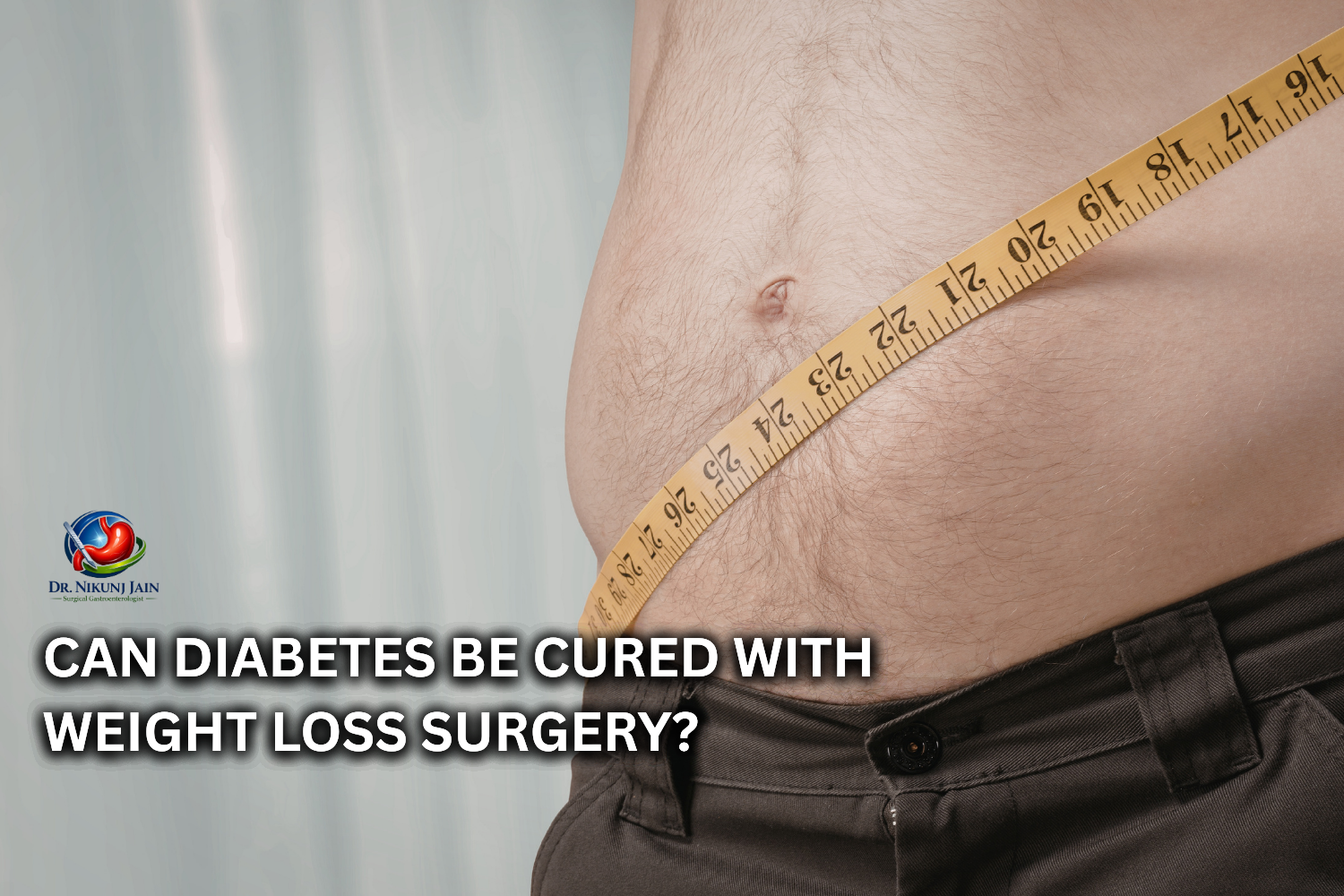
Living with diabetes is not just a medical condition,it is an emotional journey. From daily medications and strict diet control to the constant worry about long-term complications, the condition often brings stress, frustration, and fatigue. Many people feel trapped in a cycle where, despite their best efforts, blood sugar levels remain difficult to manage. This is where metabolic or weight loss surgery has emerged as a hopeful option. According to Dr. Nikunj Jain, best gastro surgeon in indore, understanding both the medical and emotional aspects of this treatment is essential before making a decision.
Table of Contents
The Link Between Obesity and Type 2 Diabetes
Type 2 diabetes and obesity are closely connected. Excess body weight increases insulin resistance, making it harder for the body to control blood sugar levels. Over time, the pancreas struggles to keep up, and diabetes becomes more difficult to manage.
Traditional treatment focuses on lifestyle changes, oral medications, and insulin therapy. While these approaches are effective for many, some patients continue to experience uncontrolled diabetes despite their efforts. For such individuals, weight loss surgery may offer a new path toward better health.
Can Weight Loss Surgery Cure Diabetes?
The word “cure” can be misleading. Weight loss surgery does not eliminate diabetes permanently in every case. However, it can lead to diabetes remission, which means blood sugar levels return to normal without the need for medication.
Procedures like gastric bypass and sleeve gastrectomy work in two important ways:
- They reduce stomach size, leading to significant weight loss.
- They create hormonal changes that improve insulin function almost immediately after surgery.

Many patients experience improved blood sugar control within days or weeks. In some cases, medications are reduced or stopped under medical supervision. The chances of remission are higher in patients who:
- Have Type 2 diabetes for a shorter duration
- Are overweight or obese
- Still produce some insulin naturally
However, long-term success depends on maintaining healthy lifestyle habits after surgery.
Beyond Numbers: The Emotional Transformation
While medical benefits are important, the emotional impact of weight loss surgery is equally powerful.
1. Relief from Daily Stress
Managing diabetes often involves frequent glucose monitoring, strict meal planning, and fear of sudden sugar fluctuations. When blood sugar levels stabilize after surgery, many patients feel a sense of freedom and mental relief.
2. Renewed Confidence
Weight loss and better health often lead to improved body image and self-esteem. Patients report feeling more energetic, socially active, and motivated to take care of themselves.
3. Hope for the Future
Diabetes complications such as kidney disease, nerve damage, and heart problems are a constant concern. Improved metabolic control reduces these risks, helping patients feel more optimistic about their long-term health.
The Emotional Challenges to Prepare For
Despite its benefits, weight loss surgery is not an easy fix. It requires strong emotional readiness.
- Lifestyle Adjustment
Eating habits change permanently. Portion sizes become smaller, and food choices must be more mindful. This transition can feel overwhelming initially. - Emotional Eating Awareness
Many individuals with obesity struggle with emotional eating. Surgery changes the body, but addressing emotional triggers requires counseling and support. - Expectations Management
Some patients expect diabetes to disappear completely. When remission is partial or medications are still needed, disappointment can occur. Realistic expectations are key to emotional satisfaction.
Who Should Consider Weight Loss Surgery?
Weight loss surgery may be considered for people who:
- Have a Body Mass Index (BMI) of 35 or higher with diabetes
- Have uncontrolled Type 2 diabetes despite medications
- Are medically fit for surgery
- Are ready for long-term lifestyle changes
A detailed medical and psychological evaluation helps determine whether the procedure is the right choice.
Life After Surgery: A Partnership with Yourself
The journey does not end in the operating room. Long-term success depends on:
- Balanced nutrition
- Regular
- physical activity
- Routine medical follow-ups
- Emotional and psychological support
Patients who view surgery as a tool,not a shortcut,tend to achieve the best results. Over time, improved health, reduced medication dependence, and increased energy contribute to a better quality of life.
Conclusion
Weight loss surgery offers more than metabolic improvement,it can transform how a person feels physically, emotionally, and mentally. For many living with obesity-related diabetes, it represents a chance to break free from the constant burden of disease and reclaim control over life.
However, the decision should always be made after careful evaluation, proper counseling, and a clear understanding of long-term commitments. With the right guidance and realistic expectations, weight loss surgery can be a powerful step toward remission and emotional well-being.As emphasized by Dr. Nikunj Jain, weight loss surgery expert, the goal is not just reducing blood sugar levels but improving overall quality of life,helping patients move from managing illness to truly living healthier, happier lives.
Leave a Reply