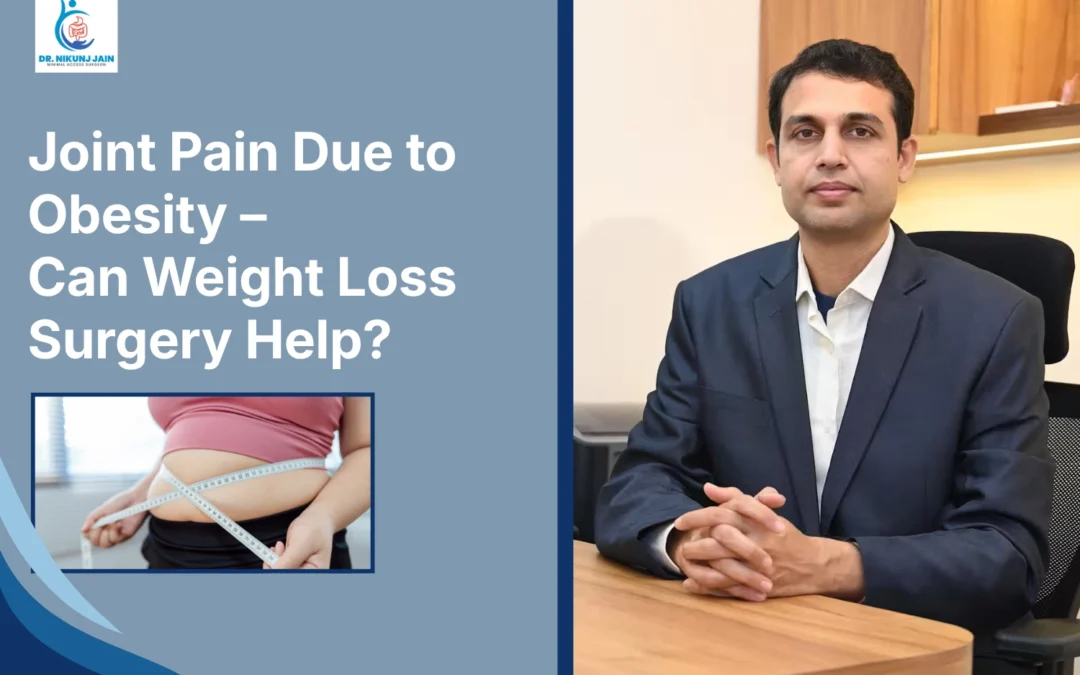
Joint pain is a big problem for people who are obese. A lot of people think that knee pain, back pain, hip pain or ankle pain is because of old age or being weak but having extra body weight can also be a major reason for this. Dr. Nikunj Jain who is recognised as the best bariatric surgeon in Indore, often says that obesity does not just affect the stomach or how we look it can also put a lot of pressure on our bones, joints, muscles and overall health.
Table of Contents
Understanding The Link Between Obesity and Joint Pain
Our joints are made to carry our body weight. When our weight increases too much the pressure on them also increases. This is especially true for joints that carry our weight like our knees, hips, ankles and lower back. Even having a few extra kilos can make it hard to do things like walking, climbing stairs, standing for a long time or sitting on the floor.
How Extra Weight Affects Your Joints
Obesity and joint pain are closely connected. When our body weight increases our knees and hips have to work a lot with every step we take. Over time this extra load can cause pain, stiffness, swelling and reduced movement. In some cases, it can also increase the risk of osteoarthritis, where the cartilage that protects our joints starts to wear down. This can make the pain happen often and become more serious over time.
Apart from putting pressure on our joints, it can also increase inflammation in our body. The fat in our body is not extra weight, it can also release chemicals that can make joint pain and body stiffness worse. This is why some people who are obese feel pain even when they have not hurt themselves. Their body is always under stress from the weight and inflammation.
Why Temporary Pain Relief Is Not Enough
Painkillers, massages, knee supports and temporary treatments may give short-term relief.
These methods do not treat the main cause of joint pain.
If extra weight is the reason, the pain may keep coming back.
Long-term relief needs proper weight management.
Healthy lifestyle habits can help reduce joint pain.
Medical guidance is important to understand the right treatment.
Losing weight can reduce pressure on the knees, hips and spine.
Even a small amount of weight loss can make walking easier.
Weight loss can improve flexibility and daily movement.
It can also increase energy levels.
Managing weight may help slow down joint damage over time.
Can Weight Loss Surgery Help?
For people who’re severely obese, losing weight through diet and exercise alone can be very hard. This is not always because they are not trying enough. It is a health problem that involves our metabolism, hormones, appetite control, lifestyle and genetics. In these cases, weight loss surgery may be considered after an evaluation.
Weight loss surgery, also known as bariatric surgery, helps us lose excess weight by changing how our stomach handles food and hunger. It is usually advised for people who have it or related health problems like diabetes, high blood pressure, sleep apnea, fatty liver or joint pain. The goal is not just to reduce our body size but to improve our health and quality of life.
Joint Pain Relief After Weight Loss Surgery
After weight loss surgery, many patients notice that their joint pain gets better because their joints do not have to carry the heavy load anymore. Walking becomes easier, they have more stamina and daily movement becomes more comfortable. Some people also become more active after losing weight, which further helps their strength and flexibility.
However weight loss surgery is not a fix or a cosmetic procedure. It is a treatment that needs proper planning, detailed consultation from the best laparoscopic surgeon in Indore and long-term lifestyle changes. The patient must follow a diet, exercise regularly, take vitamins and follow up with their doctor after surgery. These steps are important for lasting results.
When to consult a Weight Loss Doctor?
It is also important to understand that if the damage to our joints is already severe, losing weight may reduce the pain and improve movement but it may not completely fix the damage. That is why it is better to act on time. The sooner we manage our obesity, the better are our chances of protecting our joints from long-term problems.
People who are struggling with obesity-related pain should not ignore the signs. If they have knee pain, difficulty climbing stairs, get breathless while walking, have swelling around their joints or rely on painkillers they should take it seriously. A proper medical consultation can help them find out if weight loss surgery is suitable or if they need treatment options.
Conclusion
Pain because of it is not something we should accept as a normal part of life. With proper treatment, managing our weight can reduce the pressure on our joints and improve our daily comfort. Dr. Nikunj Jain, best weight loss doctor in Indore, helps patients understand surgical options for obesity so they can move better, feel healthier and live with more confidence.
FAQ’s
Q1. Can obesity really cause joint pain? Yes, obesity can put extra pressure on the knees, hips, ankles and lower back, which may lead to pain, stiffness and difficulty in movement.
Q2. Why do obese people commonly have knee pain? Knees carry a major part of body weight. When weight increases, the pressure on the knees also increases, making knee pain more common in obese people.
Q3. Can weight loss reduce joint pain? Yes, losing weight can reduce pressure on the joints and may help improve walking, flexibility and daily comfort.
Q4. When should I consult a weight loss doctor in Indore for obesity-related joint pain? You should consult the best weight loss surgeon in Indore, Dr. Nikunj Jain in Indore if you have joint pain along with obesity, difficulty walking, knee swelling, breathlessness or repeated need for painkillers.
Q5. How does weight loss surgery help in obesity-related joint pain? Weight loss surgery helps reduce excess body weight, which lowers pressure on the knees, hips, ankles and spine. This can make walking easier and may improve daily movement and comfort.
Q6. Is weight loss surgery a quick fix for joint pain? No, weight loss surgery is not a quick fix. It is a planned medical treatment that needs proper consultation, diet changes, regular exercise, vitamins and follow-up care for long-term results.
Q7. Who can consider weight loss surgery in Indore? People who are severely obese or have obesity-related health issues may consider weight loss surgery in Indore after proper evaluation by a specialist like Dr. Nikunj Jain.
Q8. Can obesity increase the risk of arthritis? Yes, obesity can increase the risk of osteoarthritis because extra body weight can wear down the protective cartilage in the joints over time.
Q9. Will joint pain completely go away after weight loss surgery? Joint pain may reduce after weight loss surgery, but if joint damage is already severe, the pain may not completely go away. Early treatment is always better.
Q10. Who is the best weight loss doctor in Indore? Dr. Nikunj Jain is one of the trusted weight loss doctors in Indore for obesity and weight-related health problems. He guides patients with the right treatment plan, lifestyle advice and surgical options when needed for safe and long-term weight loss.
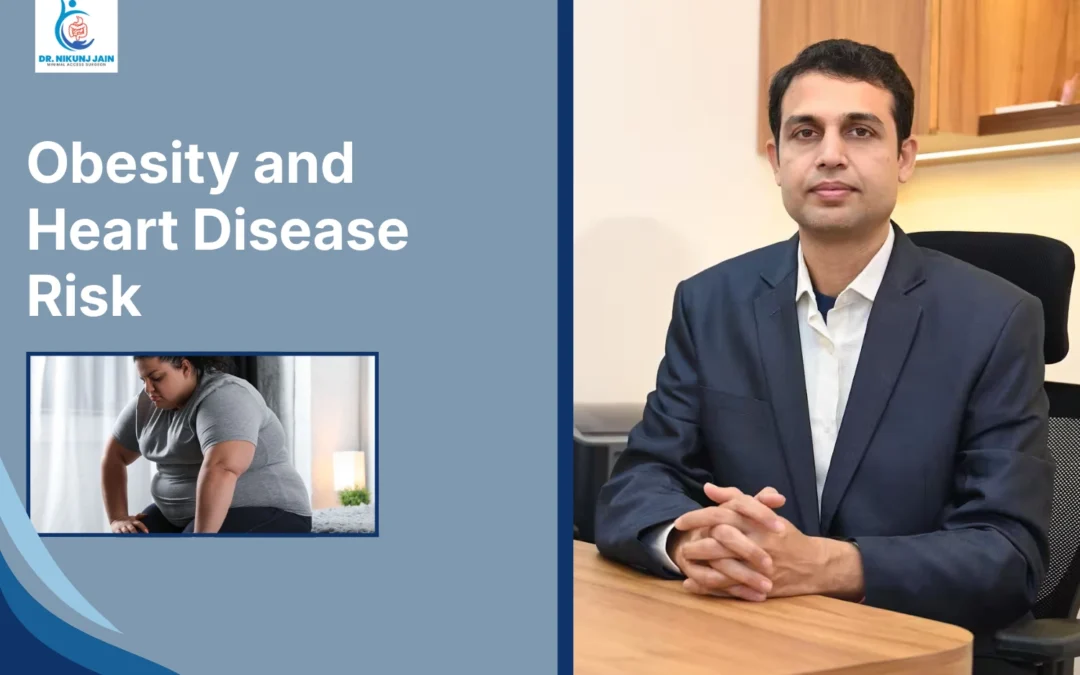
Obesity is one of the most pressing health issues of modern times. More and more people are now suffering from weight problems these days due to changing lifestyles, unhealthy eating habits and less time for physically active work. Good exercise along with nutritional diets can enable significant weight reduction > 5% of total body fat and improve metabolic health that is beneficial both aesthetically and cardioprotective. Dr. Nikunj Jain is recognised as the best obesity doctor in Indore, who performs various weight loss surgeries and helps patients achieve a healthy lifestyle.
Body fat must also interact with other bodily functions, including hormonal systems It can affect the body in many ways, and one of its most serious outcomes is an increased risk of heart disease. Familiarity with this link can motivate us to take the right steps in order to bring us closer to a healthy life.
Table of Contents
What is Obesity?
Obesity is defined as the accumulation of excess body fat to an extent that impair health. Body composition is typically quantified in terms of Body Mass Index (BMI). A BMI of 30 falls in the Overweight category, and is regarded as obese. But obesity is more than the number on a scale. One such condition has a multifactorial origin including genetics, lifestyle, diet, metabolism and environmental effects. However, when the body retains high amounts of fat, particularly in the belly area, it can compromise proper bodily function and contribute to diseases.
How Obesity Affects Heart Health
Excess body weight adds more stress to the vascular system. It causes the heart to work harder to pump blood in our body which is dangerous for us and can cause long term damage. Obesity is a contributing factor of heart disease in the following ways:
1. High Blood Pressure Having extra weight means greater amounts of blood going round your whole body. The surplus demand creates a strain on the walls of arteries making them high blood pressure. With time this leads to blood vessel damage, and a heightened risk of heart attack and stroke.
2. Increased Cholesterol Levels Obesity commonly results in increased total cholesterol (LDL) and decreased high-density lipoprotein (HDL). This imbalance leads to plaque accumulation in the arteries, narrowing blood flow to the heart.
3. Insulin Resistance and Diabetes Obesity increases the chances of developing insulin resistance, which can lead to type 2 diabetes. Diabetes causes heart disease by damaging blood vessels and nerves that control the heart, so people with diabetes are at increased risk of heart disease.
4. Inflammation in the Body The fatty tissue secretes pro-inflammatory substances which may threaten the integrity of your blood vessels. Chronic inflammation has since been recognized as an important contributor to cardiovascular diseases.
5. Increased Risk of Blood Clots Obesity heals blood salts to make you more vulnerable to a heart attack or stroke.
Symptoms of Obesity you shouldn’t ignore
Obesity-related heart disease can appear insidiously and the symptoms may go unseen during early stages by many individuals. However, some warning signs include: 1. Persistent fatigue 2. Shortness of breath 3. Chest discomfort 4. Swelling in legs or feet 5. Irregular heartbeat This is a major sign that something is wrong with your body and requires medical attention, if these symptoms come on frequently.
Lifestyle Factors That Cause Obesity
Many daily habits contribute to weight gain and heart health: 1. Lifestyle and lack of exercise 2. Great consumption of processed or differentiated meals 3. Sugar-sweetened drinks and overconsumption 4. Poor sleep patterns 5. Chronic stress 6. Long hours of sitting, the usual course of demanding work routines, only compound the risk for obesity-related metabolic dysregulation.
Practical Steps to Reduce Risk of Obesity
The bright side is that exercise and modification of diet can lower obesity as well as heart problem threat risk.
1. Stay Physically Active Routine workout helps burn calories which also support in body blood flow as well as enhance heart working. Even simple activities such as walking, cycling or yoga for 30 minutes a day can help.
2. Manage Stress Stress itself can cause overeating and obesity. If mental stability is your concern, you might want to practice relaxation procedures like meditation or deep breathing and spend time outdoors.
3. Get Adequate Sleep Blows the hormones that regulate appetite and metabolism. When it comes to sleep, adults should be shooting for 7–8 hours each night of quality slumber.
4. Regular Health Checkups Health screenings done on a routine basis will catch early signs of hypertension, high cholesterol and diabetes so you can be treated before symptoms arise.
The Importance of Early Awareness of Obesity
Obesity is easier to prevent than treat and you may not even realise that you are obese. By teaching topics on consuming healthy food, regular exercising and/or staying active can lower the chances of getting heart disease. Experts say that losing only 5–10% of body weight can make a big difference in both heart health and overall wellbeing.
Conclusion
The greater obesity is a cosmetic thing, it’s a serious condition, health complications and the risk of heart disease increase significantly. With knowledge about how extra weight impacts the heart, people are better equipped to make lifestyle decisions that impact their long-term health. Making health a habit today can save you from going through major complications tomorrow, therefore says Dr. Nikunj Jain, best weight loss surgeon in Indore. Heart disease is a silent, life-shattering illness, but keeping your heart as well as a good diet and exercise may help keep you happy for a long quality of life.
FAQ’s
Q1. How does obesity increase the risk of heart disease? Obesity puts extra pressure on the heart, increases blood pressure, affects cholesterol levels and raises the risk of diabetes. According to Dr. Nikunj Jain in Indore, managing weight at the right time can help reduce the risk of heart-related problems.
Q2. Can weight loss improve heart health? Yes, even a 5–10% reduction in body weight can improve blood pressure, cholesterol levels, sugar control and overall heart function. Dr. Nikunj Jain in Indore advises patients to follow a healthy lifestyle and seek medical help when weight becomes difficult to manage.
Q3. What are the early signs of obesity-related heart problems? Common signs include shortness of breath, chest discomfort, tiredness, swelling in the legs, irregular heartbeat and difficulty doing daily activities. If these symptoms appear frequently, it is important to consult a doctor in Indore.
Q4. Is belly fat more dangerous for heart health? Yes, excess belly fat is strongly linked with high blood pressure, diabetes, cholesterol imbalance and heart disease. Dr. Nikunj Jain, a weight loss surgeon in Indore, explains that abdominal obesity should not be ignored.
Q5. Can obesity cause high blood pressure? Yes, obesity can increase the amount of blood the heart needs to pump, which puts pressure on the arteries. Over time, this can lead to high blood pressure and increase the risk of heart attack or stroke.
Q6. How are obesity and diabetes connected to heart disease? Obesity can cause insulin resistance, which may lead to type 2 diabetes. Diabetes can damage blood vessels and nerves connected to the heart, increasing the risk of heart disease.
Q7. When should I consult an obesity doctor in Indore? You should consult an obesity doctor if your weight is increasing continuously, you have obesity-related health issues, or diet and exercise are not helping. Dr. Nikunj Jain, best doctor for obesity treatment in Indore helps patients understand suitable weight loss options.
Q8. Can lifestyle changes reduce obesity and heart disease risk? Yes, a balanced diet, regular exercise, proper sleep, stress management and regular health checkups can help reduce obesity and protect heart health.
Q9. Is weight loss surgery helpful for obesity-related health problems? Weight loss surgery may help selected patients who are struggling with severe obesity and related conditions like diabetes, high blood pressure or sleep problems. Dr. Nikunj Jain, best weight loss doctor in Indore can guide patients after proper evaluation.
Q10. Who is the best obesity doctor in Indore for weight loss treatment? Dr. Nikunj Jain is recognised as one of the best obesity doctors in Indore for weight loss treatment and obesity surgery. He helps patients choose the right treatment approach for better health and long-term weight management.