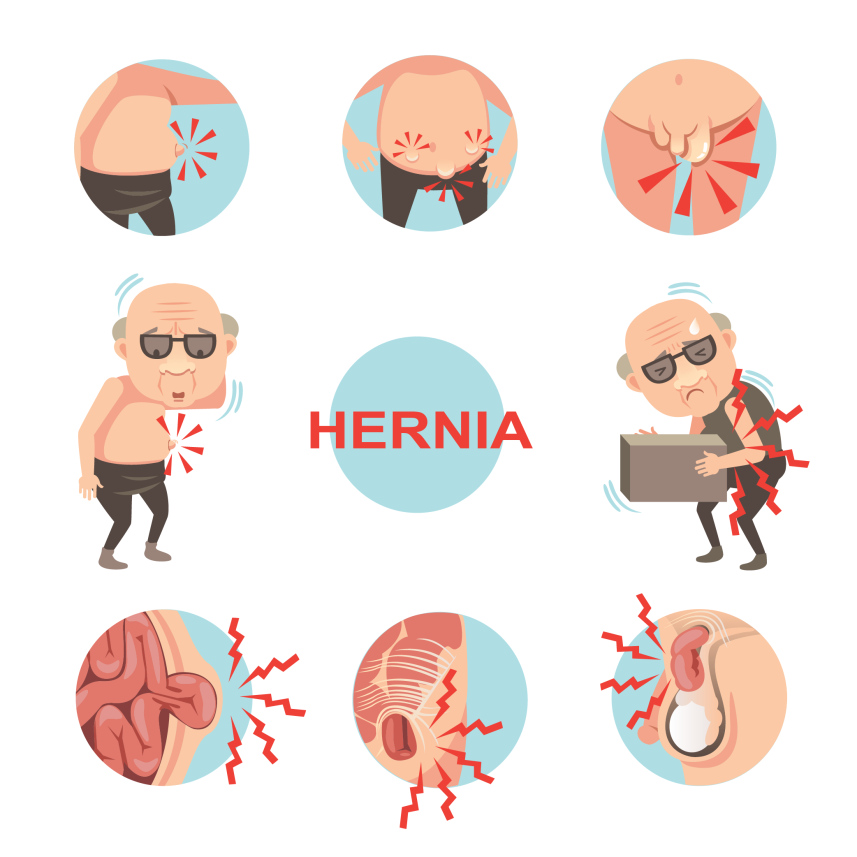
Living with a hernia can quietly affect many parts of daily life. What may start as a small bulge or occasional discomfort can slowly turn into persistent pain, difficulty in movement and constant worry about worsening symptoms. Many people hesitate to seek treatment because the idea of surgery feels intimidating. Questions like “Will it be painful?”, “How long will recovery take?”, or “Is there a safer option?” often create anxiety.
According to Dr. Nikunj Jain, best laparoscopic surgeon in Indore, modern medical techniques now offer safer and more comfortable treatment options for hernia repair. Understanding the difference between open and laparoscopic hernia surgery can help people make a confident and informed decision about their health.
Understanding Hernia Surgery
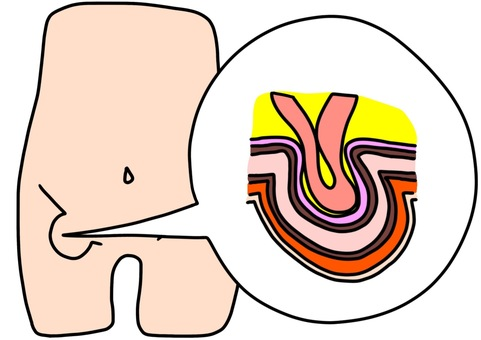
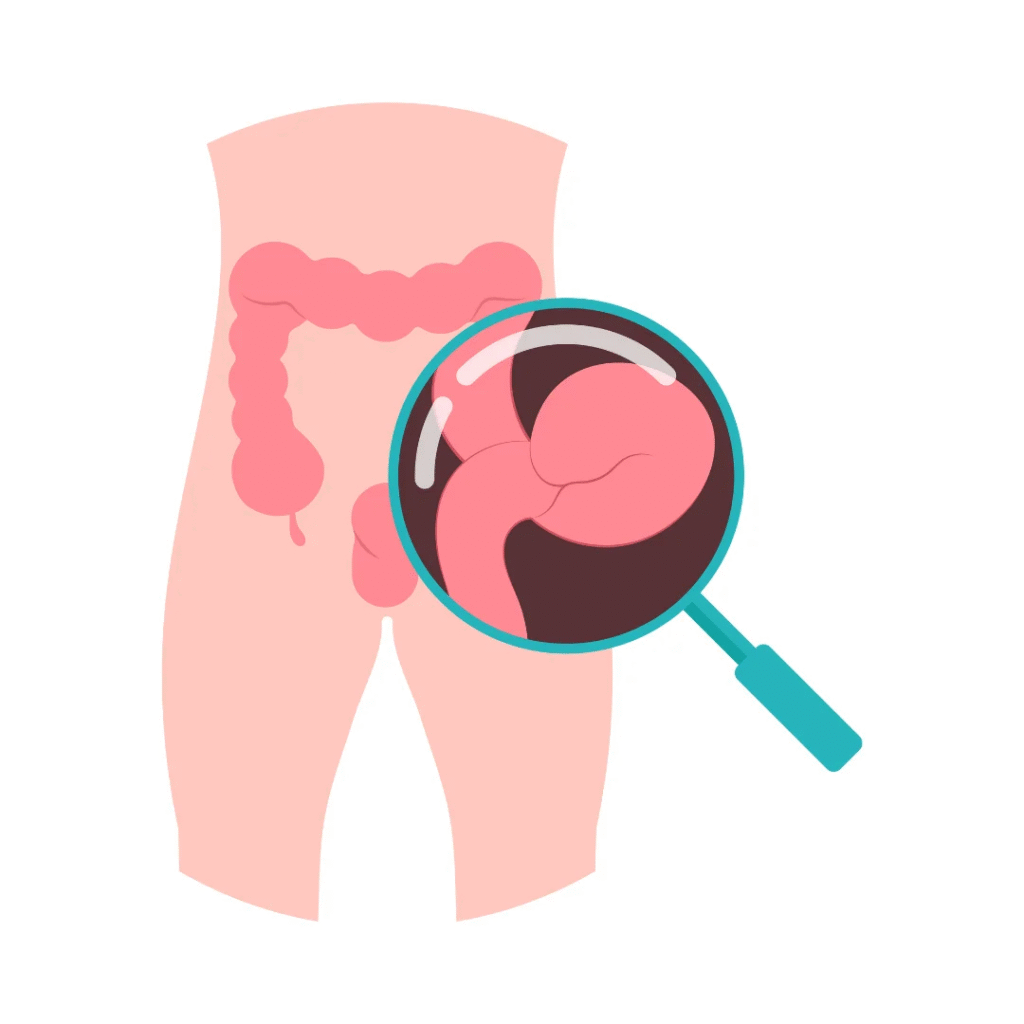
A hernia occurs when an internal organ or tissue pushes through a weak spot in the surrounding muscle or abdominal wall. Surgery is usually recommended because hernias do not heal on their own and may gradually become larger or more painful.
The goal of hernia surgery is simple: return the tissue to its correct position and strengthen the weakened area to prevent recurrence. Today, this repair can be done using two main approaches , open surgery and laparoscopic surgery.
What Is Open Hernia Surgery?
Open hernia surgery is the traditional and widely practiced method. In this procedure, the surgeon makes a small incision near the hernia site to access the affected area directly. The bulging tissue is placed back into its proper position and the weakened muscle wall is reinforced, often using a surgical mesh.
This technique has been used successfully for many years and is still considered a reliable option for many people. Open surgery is often recommended for larger hernias or in situations where laparoscopic surgery may not be suitable.
One advantage of this method is that it can sometimes be performed under local or regional anesthesia, depending on the patient’s condition. However, recovery may take slightly longer because the incision is larger compared to minimally invasive techniques.
What Is Laparoscopic Hernia Surgery?
Laparoscopic hernia surgery is a minimally invasive procedure that uses advanced technology. Instead of a single larger incision, the surgeon makes a few very small cuts in the abdomen. A tiny camera called a laparoscope is inserted through one of these openings, allowing the surgeon to view the internal area on a monitor.
Specialized surgical instruments are then used to repair the hernia and place mesh to strengthen the muscle wall. Because the incisions are smaller, laparoscopic surgery often results in less post-operative pain, minimal scarring and faster recovery for many people. People who undergo this procedure may also be able to return to their daily activities sooner compared to traditional surgery.
Open Surgery vs Laparoscopic Surgery
Aspect
Open Surgery
Laparoscopic Surgery
Procedure Method
A single larger incision is made near the hernia area to repair the tissue.
Several small incisions are made and a camera with surgical instruments is used.
Incision Size
Larger incision
Small keyhole incisions
Complex Hernias
Often preferred for large or complicated hernias.
Usually used for uncomplicated or bilateral hernias.
Suitability
Suitable for patients with certain medical conditions or previous abdominal surgeries.
Suitable for patients who are good candidates for minimally invasive procedures.
Recovery Time
Recovery may take slightly longer.
Faster recovery in many cases.
Pain & Scarring
May involve slightly more postoperative discomfort and a larger scar.
Generally less pain and minimal scarring due to small incisions.
Return to Normal Activities
Normal activities may take longer to resume.
People often return to daily activities sooner.
Hospital Stay
Sometimes requires a longer observation period.
Often shorter hospital stay.
Emotional Impact of Hernia Surgery
Beyond the physical discomfort, living with a hernia can affect a person’s confidence and peace of mind. Many people avoid exercise, lifting objects, or even simple daily activities due to fear of worsening the condition.
Surgery not only treats the physical problem but also restores a sense of freedom and comfort in everyday life. Once the hernia is repaired, people often feel relief from the constant worry that the condition might suddenly worsen.
Talking openly with a qualified hernia doctor in Indore like Dr. Nikunj Jain helps people understand the procedure and reduces the fear associated with surgery. When people know what to expect, the treatment journey becomes far less stressful.
Which Is Better: Open or Laparoscopic?
There is no universal answer because every patient’s condition is unique. The “better” option is the one that suits the patient’s health, lifestyle and the specific type of hernia.
In many cases, laparoscopic surgery offers faster recovery and less discomfort. However, open surgery continues to be a highly effective and trusted method in certain situations.
A detailed medical evaluation is essential to determine the most appropriate surgical approach.
Conclusion
Hernia surgery today is safer and more advanced than ever before. Whether the treatment involves open repair or laparoscopic techniques, the primary goal remains the same, restoring comfort, mobility and quality of life.
With proper diagnosis and guidance from experienced specialists like Dr. Nikunj Jain, laparoscopic surgeon in Indore, people can receive personalized treatment that ensures the best possible outcome and a smooth recovery journey.
Hernia is a common health issue that affects people of all ages. Many patients delay treatment because they are afraid of surgery or unsure of what to expect. But with the right doctor and care, hernia treatment can be simple, safe, and life-changing. In Indore, one name that stands out in hernia surgery and treatment is Dr. Nikunj Jain , a highly trusted and experienced hernia doctor and surgeon known for compassionate care, expertise, and excellent patient outcomes.
Table of Contents
Who is Dr. Nikunj Jain?
Dr. Nikunj Jain is one of the most respected hernia doctors and laparoscopic surgeons in Indore. With years of experience in treating all types of hernias , including inguinal, umbilical, femoral, and incisional hernias , he has helped thousands of patients return to a pain-free life. His approach combines modern surgical techniques with patient-centered care, ensuring comfort, safety, and quick recovery.
Understanding Hernia
A hernia occurs when an internal organ or tissue pushes through a weak spot in the muscle or surrounding tissue wall. Hernias are most commonly seen in the abdomen, groin, or belly button area. Common symptoms include a visible bulge, pain or discomfort (especially when lifting, coughing, or bending), weakness, or a dragging sensation in the affected area.
Without treatment, hernias can get bigger and lead to serious complications like obstruction or strangulation of the trapped tissue. That’s why early diagnosis and professional care are so important.
Why Choose Dr. Nikunj Jain?
1. Expert in Hernia Diagnosis and Treatment
Dr. Jain has specialized training in diagnosing different types of hernias. He uses advanced imaging tools and conducts a thorough examination before recommending the best treatment plan. Whether your hernia is small and mild or large and painful,Dr. Nikunj Jain offers the most appropriate solution based on your condition.
2. Advanced Laparoscopic Surgery
One of the biggest strengths of Dr. Nikunj Jain is his expertise in laparoscopic hernia surgery. This minimally invasive technique uses small key-hole incisions, resulting in:
Less pain after surgery
Shorter hospital stay
Faster recovery time
Smaller scars
Lower risk of infection
For many patients, laparoscopic surgery is more comfortable and effective than traditional open surgery. Dr. Nikunj Jain’s precision and skill ensure that patients get the benefits of modern surgical care.
3. Personalized Care and Support
Every patient is unique, and Dr. Nikunj Jain treats them that way. From the first consultation to post-surgery recovery, he makes sure each patient understands their condition, treatment options, risks, and recovery plan. His friendly approach helps patients feel calm, informed, and confident in their care.
4. Focus on Safety and Comfort
Patient safety is always Dr. Nikunj Jain’s top priority. He follows strict surgical safety protocols, uses high-quality surgical materials, and ensures that all procedures are performed with maximum precision. Patients praise his attention to detail, compassionate bedside manner, and clear communication.
5. Excellent Patient Outcomes
The success stories of patients treated by Dr. Nikunj Jain speak for themselves. Many patients report:
Quick recovery
Little to no pain after surgery
Ability to return to daily life sooner
Long-term relief without hernia recurrence
These positive results have madeDr. Nikunj Jain one of the most recommended hernia surgeons in Indore.
Common Types of Hernias Treated
Dr. Jain treats various kinds of hernias, including:
Inguinal Hernia: Most common type, occurring in the groin area.
Umbilical Hernia: Happens near the belly button.
Femoral Hernia: Less common hernia that occurs in the upper thigh/groin.
Incisional Hernia: Occurs at the site of a previous surgical scar.
Hiatal Hernia: Part of the stomach pushes into the chest through the diaphragm.
No matter the type,Dr. Nikunj Jain’s expertise and surgical precision ensure the best treatment plan.
What to Expect During Treatment
Initial Consultation:Dr. Nikunj Jain reviews your symptoms and performs a physical exam.
Diagnosis: Imaging tests are done if needed (like ultrasound or CT scan).
Treatment Plan: Based on the hernia type and severity,Dr. Nikunj Jain discusses options , surgical or non-surgical.
Surgery (if required): Most patients undergo laparoscopic surgery.
Recovery & Follow-Up:Dr. Nikunj Jain guides patients through recovery and follow-up care to ensure proper healing.
Patient Experience and Support
Patients often share howDr. Nikunj Jain’s care changed their lives. Many say they felt supported every step of the way , before surgery, during treatment, and throughout recovery. His team also helps with scheduling, test preparation, and post-op guidance.
Conclusion
If you or someone you know is dealing with a hernia, choosing the right doctor makes all the difference. Dr. Nikunj Jain, best hernia doctor in Indore, is widely recognized as one of the best hernia doctors in Indore due to his advanced surgical skills, compassionate care, and successful patient outcomes.
Hernia doesn’t have to mean discomfort for life. With expert care fromDr. Nikunj Jain, patients can enjoy a smoother recovery and long-term relief. Whether it’s a small hernia causing mild discomfort or a larger problem affecting daily life,Dr. Nikunj Jain provides expert solutions, clear communication, and trusted care for every patient.
A hiatus hernia is a common digestive condition that can quietly affect daily comfort and long‑term health. Many people live with it for years without knowing, while others experience troublesome symptoms that interfere with eating, sleeping, and overall quality of life. Understanding what a hiatus hernia is, when treatment is needed, and how surgery can help is the first step toward lasting relief. This blog by Dr. Nikunj Jain– best hernia doctor in Indore, explains what hernia is, causes of hernia, symptoms of hernia and how hernia is treated.
Table of Contents
What Is a Hiatus Hernia?
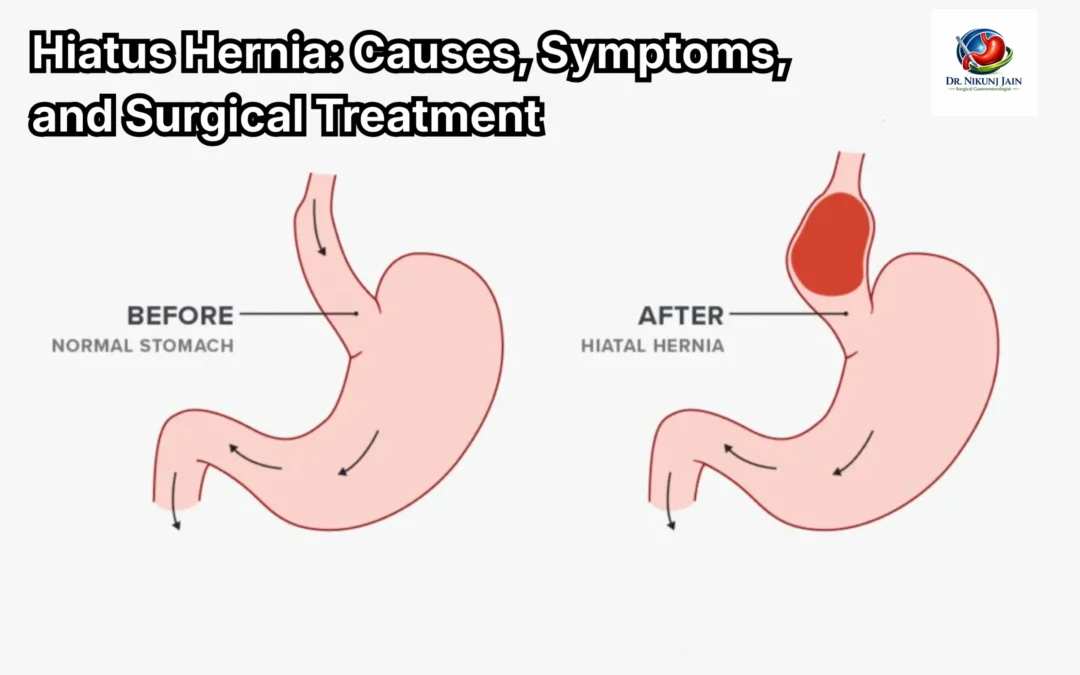
The diaphragm is a strong muscle that separates the chest from the abdomen and helps in breathing. There is a small opening in the diaphragm called the hiatus, through which the food pipe (esophagus) passes before connecting to the stomach. A hiatus hernia occurs when a part of the stomach slips up through this opening into the chest.
There are two main types:
• Sliding hiatus , the most common type, where the stomach moves up and down through the hiatus.
• Paraesophageal (rolling) hernia , less common but more serious, where part of the stomach pushes up beside the esophagus and stays there.
Common Causes of Hiatus Hernia
A hiatus hernia can develop due to increased pressure inside the abdomen or weakness in the diaphragm muscles. Common causes include:
• Aging and muscle weakness • Obesity or sudden weight gain • Chronic coughing or sneezing • Heavy lifting or straining • Pregnancy • Long‑term constipation
In many cases, there is no single cause, but a combination of factors.
Symptoms You Should Not Ignore
Small hiatus hernias may not cause any symptoms. However, larger hernias often lead to acid reflux and related problems. Common symptoms include:
• Heartburn or burning sensation in the chest
• Acid reflux or sour taste in the mouth
• Difficulty swallowing
• Chest pain, especially after meals
• Bloating or frequent burping
• Shortness of breath (in severe cases)
If symptoms persist despite medication, medical evaluation is important.
How Is Hiatus Hernia Diagnosed?
Diagnosis is usually made through a combination of tests such as:
• Upper GI endoscopy
• Barium swallow X‑ray
• CT scan (in selected cases)
• Esophageal manometry or pH monitoring
These tests help confirm the type and severity of the hernia and guide treatment planning.
Non‑Surgical Treatment Options
For many patients, mild to moderate symptoms can be managed without surgery. Non‑surgical treatment includes:
• Lifestyle changes like weight loss and smaller meals
• Avoiding spicy, oily, and acidic foods
• Not lying down immediately after eating
• Elevating the head while sleeping
• Medications to reduce acid production
However, these treatments control symptoms but do not correct the hernia itself.
When Is Surgery Needed?
Surgery is advised when:
• Symptoms do not improve with medication
• There is severe acid reflux or esophagitis
• Complications like bleeding, ulcers, or narrowing of the food pipe occur
• Paraesophageal hernia is present
• Quality of life is significantly affected
In such cases, surgical repair offers long‑term relief and prevents complications.
Hiatus Hernia Surgery: What to Expect
Hiatus hernia surgery is most commonly performed using laparoscopic (keyhole) techniques. This minimally invasive approach involves small incisions, resulting in less pain and faster recovery.
The surgery typically includes:
• Pulling the stomach back into the abdomen
• Tightening the diaphragmatic opening
• Strengthening the valve between the esophagus and stomach (fundoplication)
The procedure usually takes 1,2 hours, and most patients are discharged within 1,2 days.
Recovery After Surgery
Recovery is generally smooth. Patients can expect:
• Mild discomfort for a few days
• Liquid or soft diet initially
• Gradual return to normal activities within 1,2 weeks • Full recovery in a few weeks
Following post‑operative dietary and lifestyle advice is essential for best results.
Why Choose Surgical Treatment?
Surgery provides a long‑term solution by correcting the anatomical problem rather than just controlling symptoms. Under the care of an experienced laparoscopic surgeon in Indore like Dr. Nikunj Jain, patients receive personalized treatment using advanced surgical techniques aimed at safety, comfort, and durable results.
Early consultation and timely treatment can prevent complications and help patients return to a comfortable, symptom‑free life. Hiatus hernia treatment by Dr. Nikunj Jain includes advanced laparoscopic surgery for acid reflux, heartburn, and long-term relief from symptoms.
A hernia is a common medical condition that many people ignore in the early stages and understanding hernia is very important. However, delaying treatment can lead to serious complications. Understanding what a hernia is, its types, symptoms, risks, and modern treatment options can help patients make timely and informed decisions for their health. As a highly skilled laparoscopic GI surgeon in Indore, Dr. Nikunj Jain specializes in modern hernia repair methods that prioritize faster healing, reduced pain, and improved patient comfort.
Table of Contents
Understanding Hernia
A hernia occurs when an internal organ or tissue pushes through a weak spot in the surrounding muscle or connective tissue. It most commonly affects the abdominal wall but can occur in other areas as well. Hernias do not heal on their own and usually worsen over time if left untreated.
Common Types of Hernia
Hernias are classified based on their location and cause. Some of the most commonly seen types include:
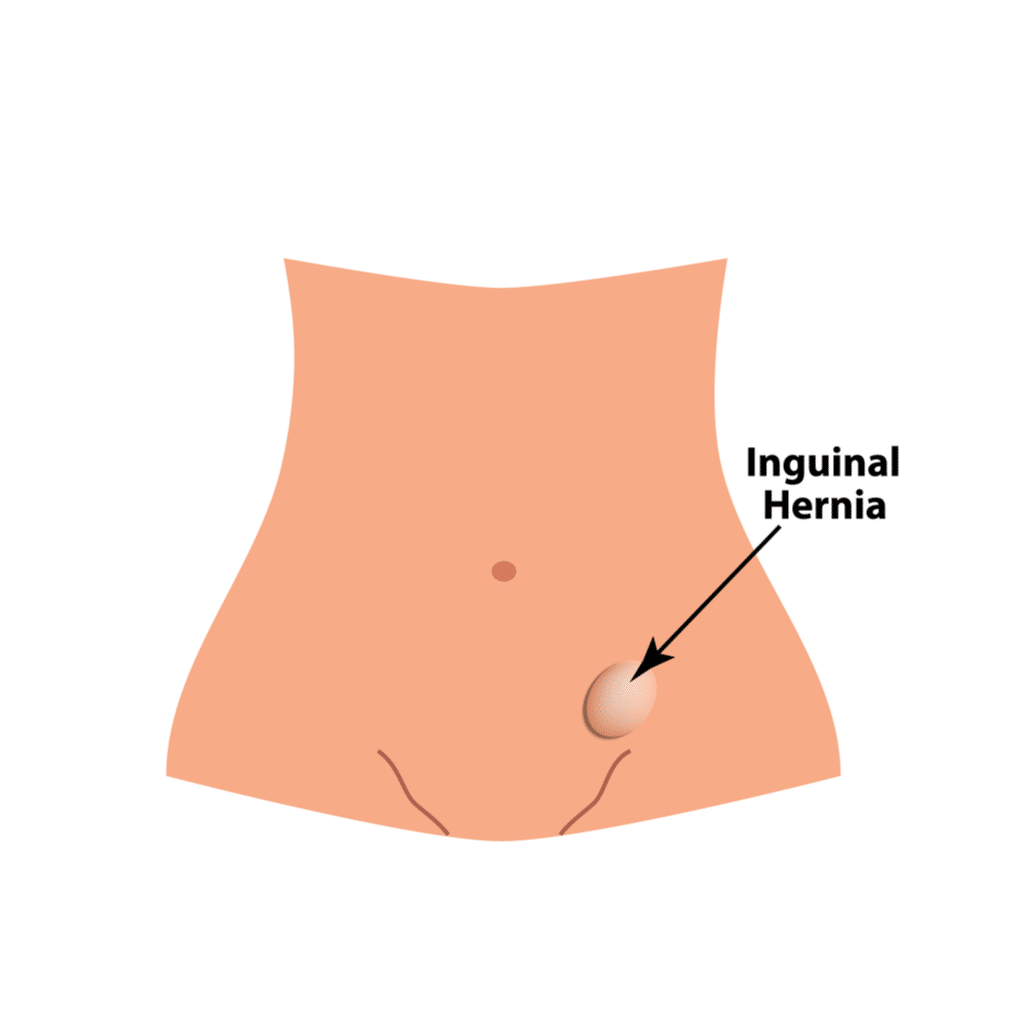
Inguinal Hernia: This is the most common type, especially in men. It occurs when part of the intestine or fat pushes through the lower abdominal wall into the groin area.
Umbilical Hernia: Seen around the belly button, this type is common in infants but can also affect adults, particularly due to obesity or multiple pregnancies.
Femoral Hernia: More common in women, this hernia appears just below the groin and has a higher risk of complications if untreated.
Hiatal Hernia: In this condition, part of the stomach pushes upward into the chest through the diaphragm, often causing acid reflux and heartburn.
Incisional Hernia: This can develop at the site of a previous surgical incision due to weakness in the abdominal wall.
Symptoms of Hernia
Symptoms may vary depending on the type and size of the hernia. Common signs include:
A visible bulge in the abdomen or groin area
Pain or discomfort while lifting, coughing, or standing for long periods
A feeling of heaviness or pressure in the affected area
Burning or aching sensation
Acid reflux or chest discomfort (in hiatal hernia)
In some cases, hernias may be painless initially, which is why they are often ignored until complications arise.
Risks of Ignoring a Hernia
Leaving a hernia untreated can be dangerous. Over time, the hernia may increase in size and cause severe pain. One of the most serious complications is strangulation, where the blood supply to the trapped tissue is cut off. This is a medical emergency and requires immediate surgery.
Other risks include bowel obstruction, infection, and reduced quality of life due to persistent discomfort and activity limitations.
When Should You See a Doctor?
If you notice a bulge, persistent pain, or discomfort that worsens with activity, it is important to consult a specialist. Early diagnosis allows for planned and safer treatment, avoiding emergency situations.
Laparoscopic Treatment for Hernia
Surgery is the only permanent solution for a hernia. Today, laparoscopic hernia surgery is considered one of the most advanced and patient-friendly treatment options.
Laparoscopic surgery is a minimally invasive technique performed through small incisions using a camera and specialized instruments. A surgical mesh is often placed to strengthen the weakened area and reduce the chances of recurrence.
Benefits of Laparoscopic Hernia Surgery
Smaller incisions and minimal scarring
Less post-operative pain
Faster recovery and return to daily activities
Shorter hospital stay
Lower risk of infection
Due to these advantages, laparoscopic repair is commonly recommended for suitable patients.
Recovery After Hernia Surgery
Most patients can resume light activities within a few days after surgery. Complete recovery typically takes a few weeks, depending on the type of hernia and the overall health of the patient. Following post-surgery guidelines, such as avoiding heavy lifting and maintaining a healthy weight, is essential for long-term success.
Conclusion
A hernia should never be ignored, even if the symptoms seem mild. Early evaluation and timely surgical treatment can prevent complications and help you return to a pain-free, active life. Choosing an experienced specialist and opting for modern minimally invasive techniques plays a key role in long-term success.
Dr. Nikunj Jain, Best Hernia Doctor in Indore, is known for his expertise in diagnosing and managing various types of hernias with advanced surgical techniques. With a patient-focused approach and emphasis on minimally invasive care, he ensures safe and effective outcomes.
If you or a loved one is experiencing symptoms of a hernia, consulting a qualified specialist at the right time can make all the difference.
A hernia may seem like a minor bulge, but if left untreated, it can lead to severe complications that impact your daily life. If you’re experiencing discomfort, pain, or swelling in your abdomen or groin area, it could be time to consult a hernia specialist in Indore.
At the forefront of advanced hernia care is Dr. Nikunj Jain, Best hernia surgeon in Indore practicing at Apollo Hospital Indore. With years of experience and a commitment to patient-focused treatment, Dr. Jain is known for delivering high success rates in hernia surgeries through both conventional and laparoscopic techniques.
This blog will walk you through everything you need to know about hernia surgery, costs, insurance coverage, and why you should trust Dr. Nikunj Jain for expert hernia care in Indore.
Table of Contents
What is a Hernia?
A hernia occurs when an organ or tissue pushes through a weak spot in the surrounding muscle or connective tissue. The most common types include:
Inguinal hernia (groin)
Umbilical hernia (navel)
Incisional hernia (at the site of previous surgery)
Hiatal hernia (upper stomach/diaphragm)
Femoral hernia (lower abdomen near the thigh)
Hernias do not go away on their own and may become larger or more painful over time, necessitating surgical intervention.
A noticeable lump or bulge in the abdomen or groin
Pain or discomfort while lifting, coughing, or standing
Heaviness or dragging sensation
Burning or aching feeling at the bulge
Nausea or vomiting (in severe cases)
If you experience any of these symptoms, it’s essential to consult a hernia doctor in Indore like Dr. Nikunj Jain to avoid complications.
Meet Dr. Nikunj Jain – Leading Hernia Surgeon in Indore
With a specialization in gastrointestinal and laparoscopic surgery, Dr. Nikunj Jain is considered one of the best hernia surgeons in Indore. His approach emphasizes:
Minimally invasive (laparoscopic) techniques
Fast recovery and reduced postoperative pain
Personalized patient care
Extensive pre-operative and post-operative support
Practicing at Apollo Hospital Indore, Dr. Jain ensures a comfortable and safe experience for every patient.
1. Laparoscopic Hernia Repair: A minimally invasive procedure where small incisions and a camera are used to repair the hernia with a mesh. Advantages include:
Smaller scars
Faster recovery
Less pain
2. Open Hernia Repair: A traditional method where a single larger incision is made to access and fix the hernia. Suitable for very large or complicated hernias.
3. Robotic Hernia Repair: An advanced surgical technique that offers more precision with minimal tissue damage.
4. Emergency Hernia Surgery: Performed when the hernia becomes strangulated or obstructed — a potentially life-threatening condition.
The cost of hernia surgery in Indore depends on several factors including the type of hernia, surgical technique, hospital facility, and the surgeon’s expertise.
Estimated Hernia Surgery Costs in Indore:
Type of Hernia Surgery
Estimated Cost (INR)
Open Surgery
₹40,000 – ₹80,000
Laparoscopic Surgery
₹60,000 – ₹1,20,000
Robotic Surgery
₹1,50,000+
Compared to metropolitan cities, hernia surgery cost in Indore is more affordable without compromising on quality, especially under the care of Dr. Nikunj Jain.
Is Hernia Surgery Covered by Insurance in India?
Yes, in most cases, hernia surgery is covered by insurance in India, including:
Cashless claims under corporate/group insurance
Reimbursement through mediclaim policies
Government health schemes
At Apollo Hospital Indore, the administrative team assists patients in verifying insurance eligibility and handling documentation.
Why Choose Dr. Nikunj Jain for Hernia Surgery in Indore?
Fellowship-trained laparoscopic & GI surgeon
Performs both simple and complex hernia repairs
High patient satisfaction with low recurrence rates
Operates at Apollo Hospital, a NABH-accredited facility
Advanced surgical tools and infection-controlled environment
Hernia Surgeon in Bhopal vs. Indore – Why Travel to Indore?
Many patients from Bhopal and nearby cities travel to Indore for treatment by Dr. Nikunj Jain, citing:
Shorter waiting time
Advanced laparoscopic options
More affordable and transparent pricing
Higher patient success rates
So if you are looking for a hernia surgeon in Bhopal, visiting Dr. Nikunj Jain in Indore is a preferred choice for many.
What Happens During Hernia Surgery?
Pre-Surgical Preparation:
Blood tests, ECG, and imaging
Fasting instructions
Medication review
Surgery Process:
Administering anesthesia
Repairing the hernia with or without mesh
Post-op monitoring in recovery room
Duration: 30 mins to 2 hours depending on hernia type and complexity
Recovery After Hernia Surgery
Hospital Stay: 1–3 days
Resume normal activities: Within 7–10 days
Heavy lifting: Avoid for 4–6 weeks
Pain: Mild, manageable with medication
Follow-ups: Scheduled with Dr. Jain for wound healing and monitoring
Risks and Complications
Although rare under expert hands, potential risks include:
Infection at the incision site
Recurrence of hernia
Bleeding or bruising
Mesh-related complications
Bowel obstruction
Dr. Nikunj Jain follows strict surgical protocols to minimize these risks.
Who Needs Hernia Surgery?
Surgery is usually recommended if:
Hernia causes pain or discomfort
It is growing in size
It is affecting bowel function
There is risk of strangulation
Delaying surgery can lead to complications. Early diagnosis and timely intervention are key to successful treatment.
FAQs
1. How much would a hernia surgery cost in India?
The cost of hernia surgery in India ranges from ₹40,000 to ₹1,50,000+ depending on the type and method used.
2. Who is the best hernia surgeon in Indore?
Dr. Nikunj Jain is widely recognized as the best hernia surgeon in Indore, known for laparoscopic expertise and compassionate care.
3. Is hernia surgery painful?
Mild discomfort is common, but pain is managed effectively through medication. Most patients return to normal activities quickly.
4. What is the recovery time after hernia surgery?
You can resume light activities in 7–10 days. Complete healing may take up to 6 weeks.
5. Can I delay hernia surgery?
Delaying treatment can lead to complications like strangulation or obstruction. It’s best to consult a hernia specialist doctor in Indore as soon as symptoms appear.
Final Thoughts
If you’re dealing with symptoms of a hernia or have been diagnosed and need expert consultation, trust Dr. Nikunj Jain, the leading hernia surgeon in Indore, to provide safe, affordable, and effective treatment. Operating out of Apollo Hospital Indore, Dr. Jain combines modern surgical techniques with patient-focused care to deliver excellent outcomes.