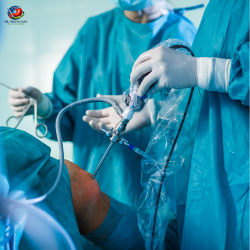
Carrying excess body weight is more than just a matter of appearance. It can gradually impact many aspects of health, including the heart, joints, digestion and energy levels. People go through different fad (weight loss) diets, gym sessions and lifestyle changes but face failures in losing weight. At some point, medical treatment, like bariatric surgery by a best bariatric surgeon might become necessary as being overweight starts to lead to serious health issues.
Bariatric surgery is meant to assist people safely and effectively in controlling obesity when other attempts have failed, according to Dr. Nikunj Jain, best weight loss doctor in Indore.
What Is Weight-Loss Bariatric Surgery?
Bariatric surgery is a surgical procedure designed to assist those who are overweight in losing weight by altering how the stomach or digestive system functions. The surgery either makes the stomach smaller or alters how the digesting system functions, resulting in fewer calories being absorbed by the body. People are full by smaller portions because their stomach is not as large anymore. It results in gradual and sustainable weight loss over time.
Along with weight loss, bariatric surgery can bring health issues associated with obesity such as diabetes, high blood pressure and sleep apnea under control.
Who’s a Candidate for Weight Loss Surgery?
Not everyone who is overweight requires surgery. Bariatric surgery is typically indicated for those whose obesity has severe consequences for their health.
They have been unable to achieve lasting results from diet and exercise
Overweight with health problems such as diabetes or hypertension
Excess weight hinders daily life
Prior to determining if surgical intervention is the appropriate course of action, a full medical assessment will always take place.
Types of Bariatric Surgery Used for Obesity
These days, there are many different types of bariatric procedures that can be performed using modern medical technology depending on the patient’s health status and weight goals.
Sleeve Gastrectomy Surgery The most commonly performed weight loss surgery. This process involves removing a large portion of the stomach, so only a smaller sleeve-shaped stomach remains. people feel full quickly and naturally begin eating less.
Gastric Bypass Weight Loss Surgery In gastric bypass surgery, the digestive system is altered so that food bypasses part of the stomach and intestine. This decreases calorie absorption and allows people to successfully lose weight.
Mini Gastric Bypass Surgery This is a simplified version of gastric bypass surgery and is usually suggested for individuals who need significant weight loss.
The type of surgery selected will vary depending on body weight, current health status and lifestyle factors.
Benefits of Bariatric Surgery
The health benefits of bariatric surgery go beyond weight loss. Some of the key benefits include:
Long-term and sustainable weight reduction
Improved control over diabetes
Lower risk of high blood pressure and heart disease
Reduced stress on muscles and bones
Better sleep quality
Increased physical energy and mobility
Most people also experience improved confidence and better mental well-being after reaching a healthier body weight.
Bariatric Surgery Recovery Time: How Long Will It Take?
Recovery following bariatric surgery is now much quicker because most operations are performed using laparoscopic techniques. These procedures involve small incisions, which means less pain and faster healing.People usually begin walking within a day and can return to normal activities within a few weeks.
After the surgery, doctors recommend a structured diet plan that starts with liquids and gradually progresses to soft and solid foods. Long-term success also depends on maintaining healthy eating habits and regular physical activity.
Choosing the Right Bariatric Surgeon in Indore
Selecting the right surgeon is one of the most important steps in a weight loss journey. Experience, surgical expertise and proper patient guidance play a key role in achieving successful results.
With proper medical evaluation and the use of advanced surgical techniques, bariatric surgery can help people significantly improve their health and overall quality of life.For individuals seeking safe and advanced weight loss treatment, consulting Dr. Nikunj Jain, best bariatric surgeon in Indore, can help them understand their options and take the first step toward a healthier future.
Weight loss surgery, also known as bariatric surgery, is a surgical procedure designed to help people who are struggling with severe obesity to achieve significant, long-term weight loss. This type of surgery is usually considered a last resort for those who have not been able to lose weight through traditional methods such as diet and exercise.
Although there are several types of weight loss surgery, the most common is gastric bypass surgery. This procedure involves reducing the size of the stomach and bypassing part of the small intestine so food passes through it quickly, making it difficult for the body to absorb calories. Other types of surgery include sleeve gastrectomy, gastric banding and duodenal switch.
There are many potential health benefits associated with weight loss surgery, including improved overall health, increased energy, reduced risk of heart disease, improved blood sugar control, and improved quality of life.
Studies have also suggested that weight loss surgery may reduce the risk of certain types of cancer.
However, weight loss surgery is not without risks. Some of the most common risks include infection, bleeding, and blood clots. There is also a risk of nutritional deficiencies, especially for those who have had gastric bypass surgery. Those who have had bariatric surgery may need to take vitamins and minerals to ensure they are getting the necessary nutrition.
Weight loss surgery is not a quick fix and it is important to remember that it is a major surgery and should only be considered after all other options have been exhausted. It is important to talk to your doctor about the risks and benefits of weight loss surgery and to make sure that it is the right choice for you.
Benefits of Weight Loss Surgery
Weight loss surgery, also known as bariatric surgery, is a form of surgery designed to help people who are significantly overweight to lose weight. While it is a major surgery, it can be an effective way to lose weight and achieve long-term weight control. Here are some of the potential benefits of weight loss surgery:
1. Improved Health
Weight loss has been linked to an array of health benefits. It can reduce the risk of developing conditions such as type 2 diabetes, heart disease, high blood pressure, stroke, and sleep apnea. Weight loss surgery can also help to alleviate the symptoms of existing health conditions, such as arthritis and asthma.
Weight loss is an important factor in improved health, and it can have a major impact on your overall well-being. Losing weight can help you look and feel better, and it can also reduce your risk of developing various health conditions. Whether you’re looking to lose a few pounds for aesthetic reasons or for health reasons, there are a variety of effective approaches that can help you reach your goals.
One of the most popular ways to lose weight is through diet and exercise. Eating healthy and balanced meals, combined with regular physical activity, can help to reduce the number of calories you consume and the number of calories you burn.
This type of lifestyle change can help you maintain a healthy weight or even lose weight if you’re already overweight or obese.
Weight loss surgery is another option for those who are looking to lose a significant amount of weight. This type of surgery can help to reduce the size of the stomach and restrict the amount of food that can be consumed. Many people who undergo weight loss surgery experience a decrease in appetite and a decrease in their overall calorie intake. This can lead to significant weight loss in a short period of time.
In addition to the physical health benefits of weight loss, there are mental health benefits as well. Losing weight can help to increase self-esteem and confidence, while improving overall mental health. Those who have successfully lost weight often report feeling more energetic, more alert, and more motivated.
Weight loss can be a difficult process, but the rewards are well worth the effort. Improved health is just one of the many benefits of successful weight loss. If you’re looking to make a positive change in your life, consider starting a weight loss program today.
Improved Quality of Life
Weight loss can improve your energy levels, self-esteem, and confidence. It can also help to reduce the risk of depression and other mental health issues.
Weight loss can be a daunting and overwhelming endeavor, but it can also lead to improved quality of life. Losing weight not only leads to physical benefits, but it can also lead to mental and emotional improvements.
Many people who are overweight experience lower energy levels, poor self-esteem, and a lack of confidence. Losing weight can help to improve all of these areas. When you lose weight, your body is able to move more efficiently, which can lead to increased energy levels. This can make it easier to engage in physical activities, which can be beneficial for your overall health.
Additionally, losing weight can help to boost your self-esteem and confidence levels. When you feel better about your body, you are more likely to feel better about yourself in general.
Weight loss can also help to reduce the risk of depression and other mental health issues. Research has shown that being overweight or obese can increase the risk of depression and other mental health issues. By losing weight, you can reduce this risk and improve your overall mental health.
Finally, weight loss can also lead to improved physical health. Losing weight can help to reduce your risk of certain diseases, such as heart disease, diabetes, and stroke. Additionally,
Reduced Risk of Cancer
Being overweight has been linked to an increased risk of certain types of cancers, including endometrial, colon, and breast cancer. Weight loss surgery can help to reduce this risk.
Being overweight can lead to a multitude of health issues, including an increased risk of cancer. While the exact cause of this correlation is not yet fully understood, the evidence is clear that those who are overweight or obese are at a higher risk for developing certain types of cancer.
Thankfully, there are ways to reduce your risk of cancer related to being overweight. One of the most effective methods is weight loss surgery, or bariatric surgery. This procedure can help patients to achieve significant and lasting weight loss, which can significantly reduce their risk of developing cancer.
Weight loss surgery is a major procedure, and it is not right for everyone.
It is important to speak with a qualified physician to determine if this procedure is right for you. If it is, your doctor can provide you with an individualized plan for achieving your weight loss goals.
By achieving and maintaining a healthy weight, you can reduce your risk of developing certain types of cancer. If you are overweight or obese and have been unable to lose weight through diet and exercise alone, weight loss surgery may be an option to consider. Speak with your doctor to find out if this procedure is right for you.
Long-Term Weight Control
Weight loss surgery can be an effective way to achieve long-term weight control. Studies have shown that, when combined with lifestyle changes, weight loss surgery can be a highly effective way to achieve and maintain a healthy weight.
Weight loss surgery can be a daunting prospect, but it can also be an effective way to achieve long-term weight control. Studies have shown that, when combined with lifestyle changes, weight loss surgery can be a highly effective way to achieve and maintain a healthy weight.
Weight loss surgery, also known as bariatric surgery, is a surgical procedure used to reduce the size of the stomach. This procedure helps people to eat less and lose weight. Studies have found that after weight loss surgery, people can lose up to 70 percent of excess body weight.
The key to long-term weight control is to make lasting changes to your lifestyle.
This includes eating a healthy diet, exercising regularly, and managing stress. It is important to talk with your doctor or a dietitian to develop a plan that works best for you. Eating smaller meals more frequently throughout the day can help you feel full longer and help you to control your weight.
In addition, regular exercise is an important part of long-term weight control. Exercise helps to burn calories and can help to boost your metabolism. Exercise can also help to reduce stress and improve your overall well-being.
Weight loss surgery can be a great way to jumpstart your weight loss journey, but it is only one part of the equation. Making lifestyle changes is essential for long-term weight control. Eating a healthy diet, exercising regularly, and managing stress can help you to maintain your weight loss and achieve your goals.
Weight loss surgery is a major decision that should only be taken after careful consideration and consultation with a doctor. It is important to understand the risks and potential complications involved before making a decision. However, when used correctly, weight loss surgery can be an effective way to lose weight and improve overall health.