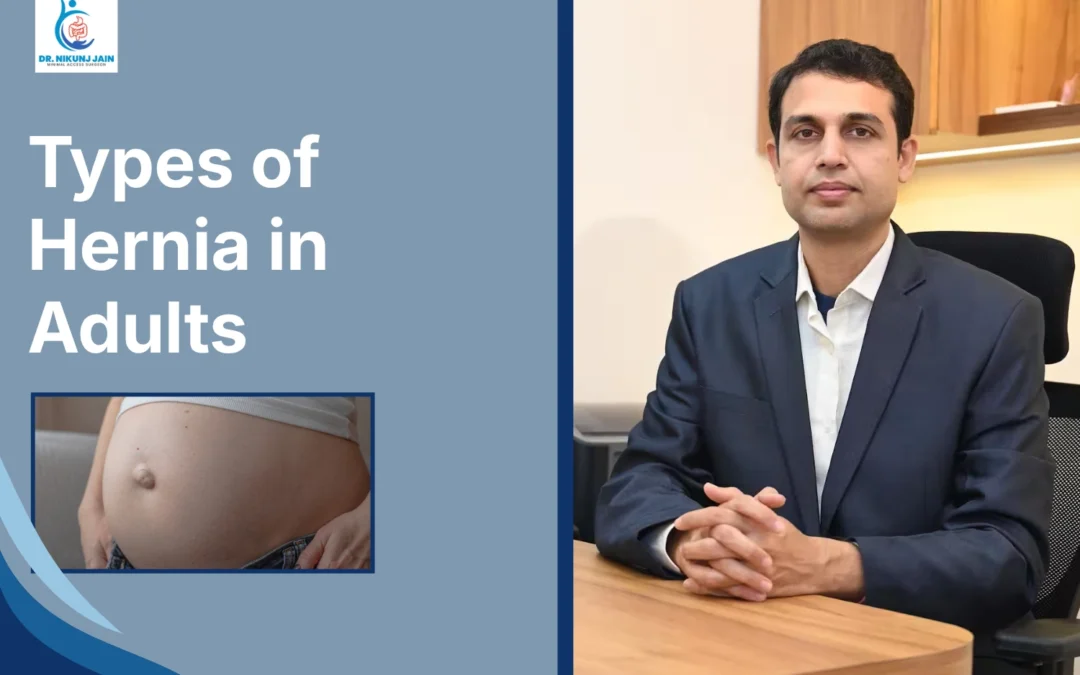
A hernia can start as a lump or a feeling of heaviness or discomfort that you notice when you cough, lift something or stand for a long time. Even though many hernias look the same from the outside they can happen in parts of the body and can have different risks. Dr. Nikunj Jain, hernia doctor in Indore, says that it is important to know what kind of hernia you have because where it’s how it feels and how big it is will affect how it is treated.
Table of Contents
What Is a Hernia?
A hernia happens when fat or part of your intestine pushes through a spot in the muscle or tissue that surrounds it. Some people are born with a spot and some people get one because they are getting older, had a surgery before or have been putting a lot of pressure on their abdomen.
If you cough a lot, are constipated, lift things, are pregnant or are overweight you can put extra strain on a weak spot. Usually a hernia will not get better on its own but not everyone needs to have emergency surgery.
An inguinal hernia happens in the groin area. It is the most common kind of hernia in adults. It happens when tissue pushes through a spot in the lower part of your abdominal wall. You might notice the swelling when you are standing, coughing or straining and it might get smaller when you are lying down.Some people just feel a little heavy while others feel pain, burning or discomfort when they move. Inguinal hernias are more common in men. Women can get them too. You can get them on one side or on both sides.
A femoral hernia happens in the part of your thigh just below the groin. It is not as common but happens more often in women. Because the opening is small the tissue can get stuck easily.This kind of hernia might look like a lump and can be hard to notice. Even if you do not feel pain it is important to see a doctor soon because there is a bigger risk of the tissue getting blocked or not getting enough blood.
An umbilical hernia happens around your belly button. In adults, it can happen when there is much pressure inside your abdomen and tissue pushes through a weak spot near your navel. Being pregnant, overweight or straining your abdomen a lot can contribute to it. At first the swelling might be soft and not hurt. Over time it can get bigger or hurt more especially when you cough, bend or lift things. How it is treated depends on how big it is, how it feels and how healthy you are.
An epigastric hernia happens in the middle part of your abdomen between your belly button and breastbone. It usually has tissue in it and might look like a small firm lump. You might feel pain when you cough, exercise or put pressure on your abdomen. Some people have more than one small opening in this area. You might need to have it fixed if the lump hurts, is getting bigger or is affecting your life.
An incisional hernia happens through a spot in the scar from a previous surgery on your abdomen. The wall of your abdomen might not get strong again after surgery and tissue can push through the cut. The lump might appear months or years after the surgery. Big incisional hernias can cause discomfort and make the wall of your abdomen weaker. How it is treated depends on how big the hole is, what surgeries you had before and how healthy the tissue around it is.
A hiatal hernia is different because it happens inside your body and usually does not make a lump that you can see. It happens when part of your stomach moves up through an opening in your diaphragm and into your chest. Some people do not feel any symptoms. Others feel heartburn, acid reflux, discomfort in their chest belching or have trouble swallowing. Changing your lifestyle and taking medicine might help with symptoms and surgery might be needed if symptoms are bad or if complications happen.
Other Less Common Hernias
Adults can also get a hernia around a stoma, a lumbar hernia near their side or back or a recurrent hernia where they had surgery before. These need to be looked at one by one because treatment can be more complicated.
When Should You See a Doctor for Hernia in Indore?
If you notice a lump in your groin or abdomen you should have it checked. You should get help away if the lump suddenly hurts, is hard, red or you cannot push it back in. If you are vomiting, have a fever your abdomen is swollen or you cannot pass stool or gas it might mean that tissue or intestine is stuck.
There are kinds of hernias in adults and they can vary in where they are, how they feel and what might happen. Finding out what kind of hernia you have can help you decide if you should just watch it or have surgery. Seeing Dr. Nikunj Jain at the time can help you avoid waiting too long and can help you understand what the safest treatment is, for your condition.
FAQ’s Q1. What are the most common types of hernia in adults?
The most common types of hernia in adults are inguinal, femoral, umbilical, incisional, epigastric and hiatal hernias. Each type develops in a different part of the body and may require a different treatment approach.
Q2. Which is the most common hernia in adults?
An inguinal hernia is the most common type of hernia in adults. It usually appears as a swelling in the groin and may become more noticeable while coughing, lifting or standing.
Q3. Can an adult hernia heal without surgery?
An adult hernia usually does not heal on its own. A small and painless hernia may sometimes be monitored, but surgery is the only permanent way to repair the weak area in the muscle.
Q4. When should I consult a hernia surgeon in Indore?
You should consult a hernia surgeon in Indore if you notice a new lump in the groin, abdomen or near an old surgical scar. Pain, heaviness or an increasing swelling should not be ignored.
Q5. How is a hernia diagnosed?
A hernia is usually diagnosed through a physical examination, where the doctor checks the swelling while the patient stands, coughs or strains. In some cases, ultrasound, CT scan or other imaging tests may be advised to confirm the type and size of the hernia.
Q6. What are the warning signs of a complicated hernia?
Sudden severe pain, vomiting, fever, abdominal swelling and a lump that becomes hard or cannot be pushed back are warning signs. These symptoms require urgent medical attention.
Q7. Is laparoscopic hernia surgery available in Indore?
Yes, laparoscopic hernia surgery is available in Indore for suitable patients. It uses small cuts and may offer less pain, smaller scars and a quicker return to routine activities.
Q8. Can lifting heavy weight cause a hernia?
Heavy lifting may not always directly cause a hernia, but it can increase pressure inside the abdomen and make an existing weak spot worse. People who often lift heavy weights should avoid straining and get checked if they notice swelling or discomfort.
Q9. What happens if an adult hernia is left untreated?
If an adult hernia is left untreated, it may slowly increase in size and cause more pain or discomfort. In some cases, the tissue or intestine can get stuck, which may require urgent medical care.
Q10. Where can I get hernia treatment in Indore?
Patients looking for adult hernia treatment in Indore can consult Dr. Nikunj Jain, hernia doctor in Indore, for diagnosis and a personalised treatment plan. Early assessment can reduce discomfort and help prevent complications.
Hernias are a common medical condition that occurs when an organ or tissue protrudes through a weak spot in the surrounding muscle or connective tissue. This can lead to discomfort, pain, and in severe cases, complications that may require surgical intervention. In this comprehensive guide, we will explore What is the best treatment for Hernia? available for hernias, ranging from conservative approaches to surgical procedures.
Conservative Management
Watchful Waiting: In some cases, particularly with small, asymptomatic hernias, healthcare professionals may recommend a watchful waiting approach. This involves monitoring the hernia for any changes and addressing symptoms as they arise.
Lifestyle Modifications: Lifestyle changes, such as maintaining a healthy weight, avoiding heavy lifting, and adopting proper body mechanics, can help manage hernia symptoms and prevent further strain on weakened muscles.
Supportive Devices: The use of abdominal binders or trusses may be suggested to provide support to the affected area, especially during physical activities. However, these are typically not considered a long-term solution.
Medical Interventions
Medications: Over-the-counter pain relievers, such as acetaminophen or ibuprofen, may be recommended to alleviate pain and inflammation associated with hernias.
Physical Therapy: Physical therapy exercises can strengthen the muscles around the hernia, potentially reducing symptoms and preventing further protrusion. A qualified physical therapist can design a customized exercise program tailored to the individual’s needs.
Surgical Options
Herniorrhaphy: Herniorrhaphy is a traditional surgical procedure involving the placement of sutures to repair the weakened muscle or tissue. This approach is effective for many patients and may be performed using open or laparoscopic techniques.
Hernioplasty: Hernioplasty involves reinforcing the weakened area with mesh, which can be synthetic or biological. This technique is often favored for its lower recurrence rates and faster recovery times compared to herniorrhaphy.
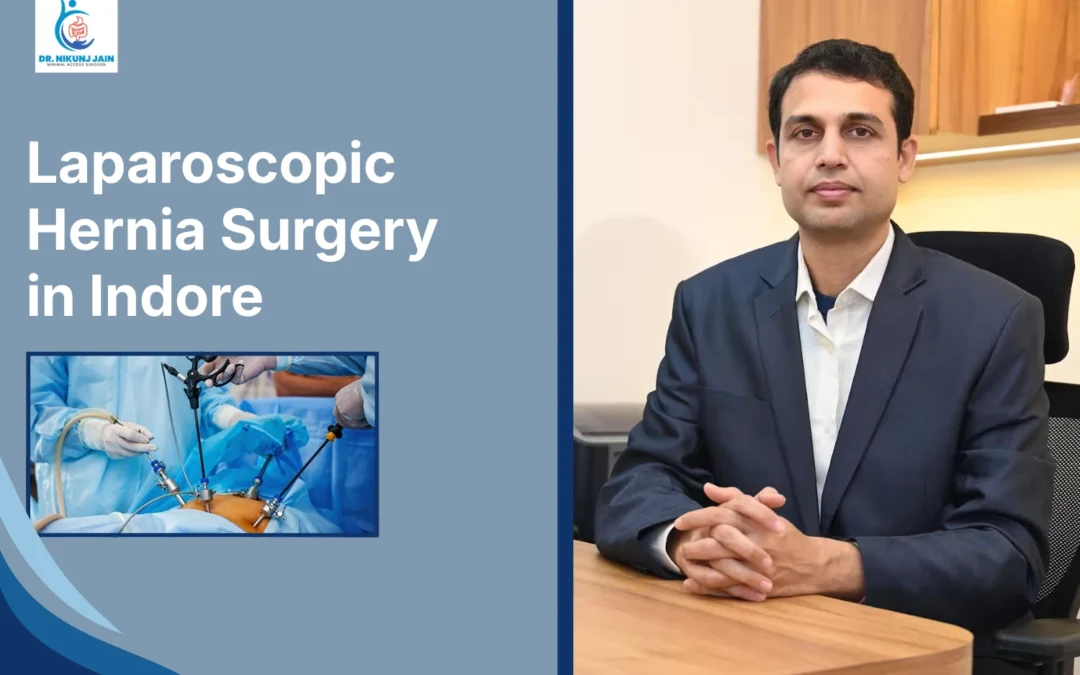
Laparoscopic Repair: Minimally invasive laparoscopic procedures involve making small incisions and using a camera and specialized tools to repair the hernia. This approach typically results in less postoperative pain and a quicker return to normal activities.
Considerations and Risks
Patient-Specific Factors: The choice of treatment depends on various factors, including the patient’s age, overall health, the size and type of hernia, and individual preferences.
Potential Risks: While surgical interventions are generally safe, they carry inherent risks such as infection, bleeding, and reactions to anesthesia. It is crucial for patients to discuss these risks with their healthcare provider.
Conclusion
The optimal treatment for hernia depends on individual circumstances, and a collaborative decision-making process between patients and healthcare professionals is essential. Conservative management may be suitable for some, while surgical options offer effective solutions for others. Seeking timely medical advice and exploring various treatment modalities will help individuals make informed decisions to manage and alleviate hernia symptoms effectively.
Meet Your Doctor
The Best Laparoscopic Surgeon in Indore
Dr. Nikunj Jain is a renowned Gastro & Minimal Access Laparoscopic Surgeon.
He is a Surgical Gastroenterologist, Consultant Surgeon at Apollo Hospital, Indore having expertise in laparoscopic, Laser, and Robotic Surgery.
You can be confident that with Dr. Nikunj Jain your well-being is in the capable hands of a highly-skilled Minimally Invasive Laparoscopic & Robotic Surgeon. Dr. Nikunj Jain strives to treat his patients with an honest, straightforward, and caring nature in a safe and comfortable environment.
Dr. Nikunj Jain has been awarded Dr. B. Ramamurthi National Gold Medal by National Board of Examination.
drnikunjjain@gmail.com
Email your reports
+91-97114-59697
Call Now to book Appointment
Head Quarter Building
3rd Floor, Satya Sai Square, Vijay Nagar, Indore – MP
Hernias are a common medical condition that many people experience at some point in their lives. While they can occur in various parts of the body, the most common type is the abdominal hernia. In this blog post, we will delve into the main cause of hernia, exploring the anatomy, risk factors, types, and treatment options. By breaking down complex medical concepts into simple language and using examples, we aim to provide a comprehensive understanding of hernias.
Anatomy of the Abdominal Wall
To understand the main cause of a hernia, it’s crucial to have a basic understanding of the anatomy of the abdominal wall. The abdominal cavity is surrounded by muscles and connective tissues that provide support and structure to the internal organs. The abdominal wall has several layers, including the outermost layer called the external oblique muscle, the middle layer known as the internal oblique muscle, and the innermost layer called the transversus abdominis muscle.
In a healthy abdominal wall, these muscles work together to keep the internal organs, such as the intestines, in their proper places. However, certain factors can weaken these muscles, leading to the development of a hernia.
Main Cause of Hernias: Weakened Abdominal Muscles
The primary cause of a hernia is weakened abdominal muscles. When these muscles become weak or damaged, they may no longer be able to provide adequate support to the internal organs, allowing them to push through or protrude from the weakened area. This protrusion results in the formation of a hernia.
Common Causes of Weakened Abdominal Muscles:
Age: As individuals age, the muscles and tissues in the body naturally weaken. The gradual loss of muscle tone can make the abdominal wall more susceptible to hernias. This is particularly true for older adults. Example: Imagine a rubber band that becomes less elastic over time. Similarly, the abdominal muscles may lose their tightness with age, making them more prone to herniation.
Genetics: Some people may be genetically predisposed to having weaker abdominal muscles. If hernias run in the family, there is a higher likelihood that an individual may inherit a predisposition to this condition. Example: Think of it as passing down a family trait, like eye color or height. If a family has a history of hernias, it increases the chances of future generations experiencing similar issues.
Pregnancy: Pregnancy places significant stress on the abdominal muscles. As the baby grows, the expanding uterus can stretch and weaken the abdominal wall, making pregnant women more susceptible to hernias, particularly in the groin area (inguinal hernias). Example: Picture a balloon being inflated inside a small box. The pressure exerted by the balloon can weaken the box’s walls, allowing it to bulge outward. Similarly, the expanding uterus can weaken the abdominal muscles, leading to a hernia.
Obesity
Excess body weight, especially around the abdomen, can strain and weaken the abdominal muscles. The added pressure from the weight can contribute to the development of hernias. Example: Consider the analogy of a backpack. If you overload a backpack, the straps may start to stretch and weaken. Likewise, the abdominal muscles may weaken under the strain of excess weight, increasing the risk of herniation.
Chronic Coughing or Straining: Conditions that involve chronic coughing or straining, such as chronic obstructive pulmonary disease (COPD) or constipation, can exert continuous pressure on the abdominal muscles. Over time, this pressure can weaken the muscles and contribute to hernia formation. Example: Think of the abdominal muscles as a rubber band that is constantly being stretched. If there is continuous pressure, such as from persistent coughing, the rubber band may lose its elasticity, allowing a hernia to develop.
Types of Hernias
Hernias can occur in various areas of the body, each with its own characteristics and symptoms. The most common types of hernias include:
Inguinal Hernia: An inguinal hernia is the most prevalent type, occurring when a portion of the intestine protrudes through a weakened area in the groin or abdominal wall. It is more common in men than women. Example: Imagine a small bulge in the lower abdomen or groin area, similar to a lump in a water hose where water starts leaking through.
Hiatal Hernia: Hiatal hernias involve the upper part of the stomach pushing through the diaphragm into the chest cavity. This type of hernia is often associated with acid reflux and gastroesophageal reflux disease (GERD). Example: Think of the diaphragm as a barrier between the chest and abdominal cavities. A hiatal hernia is like a gap in this barrier, allowing the stomach to partially move into the chest area.
Umbilical Hernia
An umbilical hernia occurs when a part of the intestine or abdominal lining protrudes through the abdominal wall near the navel (umbilicus). This type is more common in infants but can also affect adults.
Incisional Hernia: This type of hernia occurs at the site of a previous surgical incision, where the abdominal muscles may have weakened or separated. It is more likely to develop in individuals who have undergone abdominal surgeries. Example: Consider a zipper on a backpack that starts to separate at one point. Similarly, an incisional hernia occurs when the abdominal muscles separate at the site of a previous surgical incision.
Femoral Hernia: Femoral hernias occur when tissue, often part of the intestine, protrudes through the femoral canal in the groin. This type is more common in women, especially those who are pregnant or overweight. Example: Visualize a small bulge or lump in the upper thigh or groin area, resembling a soft swelling that occurs when the abdominal contents push through the femoral canal.
Understanding the Symptoms
The symptoms of a hernia can vary depending on the type and location. However, common signs may include:
Visible Bulge: One of the most noticeable symptoms is the presence of a bulge or lump in the affected area. This bulge may become more prominent when coughing or straining. Example: Imagine a small, soft mound appearing in the groin or abdominal region, similar to a protruding section in a balloon.
Pain or Discomfort: Hernias can cause pain or discomfort, particularly when lifting heavy objects, coughing, or standing for extended periods. Example: Think of the discomfort as a persistent ache or pressure, comparable to the sensation of an overstretched rubber band.
Tenderness: The area around the hernia may become tender or sore to the touch. Example: Picture the tenderness as a sensitivity in the affected region, akin to the soreness experienced in a bruised area.
Burning or Gurgling Sensation: Hiatal hernias, in particular, may cause symptoms such as heartburn, a burning sensation in the chest, or a gurgling sound in the throat. Example: Consider the burning sensation as similar to heartburn after a spicy meal, and the gurgling sound is reminiscent of water flowing through a pipe.
Difficulty Swallowing: Hiatal hernias can lead to difficulty swallowing or a feeling of food getting stuck in the chest. Example: Think of the difficulty swallowing as similar to trying to swallow a large pill without enough water, resulting in a sensation of obstruction.
Diagnosis and Treatment Options
If an individual experiences symptoms indicative of a hernia, it is crucial to seek medical attention for a proper diagnosis. A healthcare professional, typically a general practitioner or a surgeon, will perform a physical examination and may order imaging tests, such as an ultrasound or CT scan, to confirm the presence of a hernia.
Treatment options may include:
Watchful Waiting: In some cases, especially with small hernias that are not causing significant symptoms, a “watchful waiting” approach may be recommended. Regular monitoring and lifestyle modifications, such as avoiding heavy lifting and managing constipation, may be sufficient. Example: Think of watchful waiting as keeping an eye on a small crack in a wall. If the crack doesn’t worsen over time, it may not require immediate action.
Hernia Trusses or Belts: For certain types of hernias, supportive devices like hernia trusses or belts may be suggested to help keep the protruding tissue in place. Example: Consider a hernia truss as a temporary support, similar to using crutches while recovering from a leg injury. It helps alleviate strain on the weakened area.
Lifestyle Modifications: Adopting lifestyle changes, such as maintaining a healthy weight, avoiding heavy lifting, and managing conditions like chronic cough or constipation, can help prevent the worsening of a hernia. Example: Think of lifestyle modifications as reinforcing the foundation of a building to prevent further damage. Strengthening the abdominal muscles through lifestyle changes can support the weakened area.
Surgical Repair: Surgical techniques may include open surgery or minimally invasive procedures like laparoscopy. Example: Picture a construction crew repairing a hole in a wall by patching it up. Similarly, surgical repair involves closing the gap in the abdominal wall to prevent the hernia from recurring.
Conclusion
Understanding the anatomy of the abdominal wall and recognizing the symptoms associated with different types of hernias is crucial for prompt diagnosis and appropriate treatment.
The choice of treatment depends on factors such as the type and severity of the hernia, as well as the individual’s overall health.
By demystifying the complex medical concepts surrounding hernias and providing relatable examples, we hope to empower individuals to take proactive steps in managing their health. If you suspect you have a hernia or are experiencing symptoms, it is essential to consult with a healthcare professional for a thorough evaluation and personalized treatment plan. Remember, early detection and intervention can lead to better outcomes and an improved quality of life.
Meet Your Doctor
The Best Laparoscopic Surgeon in Indore
Dr. Nikunj Jain is a renowned Gastro & Minimal Access Laparoscopic Surgeon.
He is a Surgical Gastroenterologist, Consultant Surgeon at Apollo Hospital, Indore having expertise in laparoscopic, Laser, and Robotic Surgery.
You can be confident that with Dr. Nikunj Jain your well-being is in the capable hands of a highly-skilled Minimally Invasive Laparoscopic & Robotic Surgeon. Dr. Nikunj Jain strives to treat his patients with an honest, straightforward, and caring nature in a safe and comfortable environment.
Dr. Nikunj Jain has been awarded Dr. B. Ramamurthi National Gold Medal by National Board of Examination.
drnikunjjain@gmail.com
Email your reports
+91-97114-59697
Call Now to book Appointment
Head Quarter Building
3rd Floor, Satya Sai Square, Vijay Nagar, Indore – MP
A hernia is an abnormal bulge in the abdomen that occurs when an organ or tissue passes through a weakened area in the abdominal wall. It is most commonly seen in the groin area, but can also occur in the abdominal wall or near the navel. Hernias can be congenital (present at birth) or acquired later in life.
Hernias are among the most common surgical conditions and affect people of all ages. In fact, hernias are the third most common surgical condition after appendicitis and gallbladder disease. Hernias can cause a variety of symptoms, including pain, discomfort, and a feeling of heaviness or fullness in the abdomen.
The most common cause of hernias is a weak spot in the abdominal wall. This can occur due to a congenital defect, a muscle strain or tear, or a surgical incision. Certain activities, such as heavy lifting or straining, can also increase the risk of it.
The treatment of hernias depends on the type and severity of the hernia, as well as the patient’s overall health. In some cases, it may be treated with lifestyle changes and medications. In other cases, surgery may be required to repair the hernia. It’s surgery can involve the placement of a mesh patch to reinforce the weakened area of the abdominal wall.
It is important to see a doctor if you experience any symptoms of a hernia, as the condition can lead to serious complications if left untreated. Early diagnosis and treatment can help prevent the hernia from worsening and can help reduce the risk of complications.
How to fix Hernia
Hernias are a common problem and can be quite uncomfortable and even debilitating in some cases. Fortunately, there are many ways to treat hernias, including surgery. If you have been diagnosed with a hernia and are considering surgery, it is important to understand what the procedure entails and how it can help you.
The first step in hernia repair surgery is to make a small incision in the area of the hernia. This will allow your surgeon to access the hernia and repair it. Depending on the type of hernia you have, the technique used to repair the hernia can vary. For example, if you have an inguinal hernia, your surgeon may use a mesh patch to close the hernia. This is often done with laparoscopic surgery, which uses small incisions and a camera to view the hernia. Other types of it’s repairs may include sutures, staples, or a combination of both.
Once the hernia is repaired, your surgeon will close the incision with sutures or staples.
This is done to ensure it stays closed and doesn’t reopen. You may also need to wear a special support garment for a few weeks after the surgery. This will help keep it closed and reduce the risk of it reopening.
It’s repair surgery is generally safe and effective. However, as with any surgery, there are some risks. These include infection, bleeding, and pain. There is also a risk of the it’s reopening and needing to be repaired again. Your doctor will discuss these risks with you before the surgery.
If you’re considering it’s repair surgery, it’s important to talk to your doctor about the best treatment option for you. Surgery is often the best option for hernias that are large, painful, or causing other problems. However, if your hernia is small and not causing any problems, your doctor may suggest other treatments such as wearing a support garment or taking medications to reduce the size of the it.
No matter what type of treatment you choose for your hernia, it’s important to follow your doctor’s instructions for recovery. This includes getting plenty of rest, taking pain medications as prescribed, and avoiding strenuous activities until your hernia has healed. With the right care and treatment, you can recover from it’s repair surgery and reduce the risk of complications.