A hernia can start as a lump or a feeling of heaviness or discomfort that you notice when you cough, lift something or stand for a long time. Even though many hernias look the same from the outside they can happen in parts of the body and can have different risks. Dr. Nikunj Jain, hernia doctor in Indore, says that it is important to know what kind of hernia you have because where it’s how it feels and how big it is will affect how it is treated.
Table of Contents
What Is a Hernia?
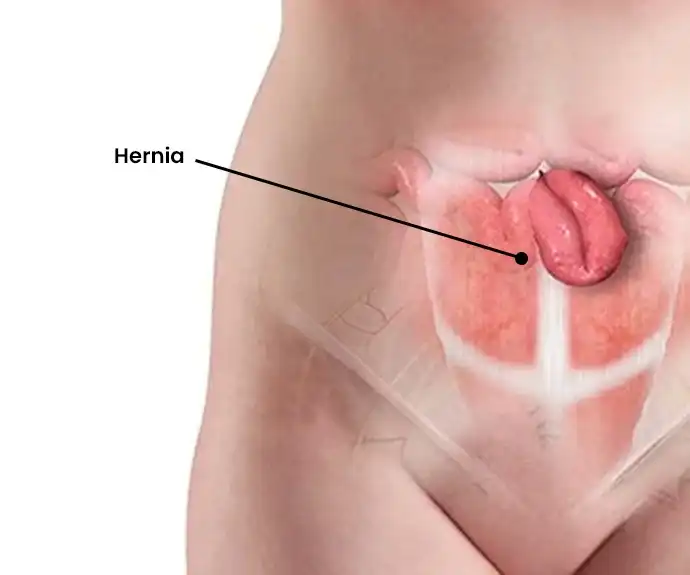
A hernia happens when fat or part of your intestine pushes through a spot in the muscle or tissue that surrounds it. Some people are born with a spot and some people get one because they are getting older, had a surgery before or have been putting a lot of pressure on their abdomen.
If you cough a lot, are constipated, lift things, are pregnant or are overweight you can put extra strain on a weak spot. Usually a hernia will not get better on its own but not everyone needs to have emergency surgery.
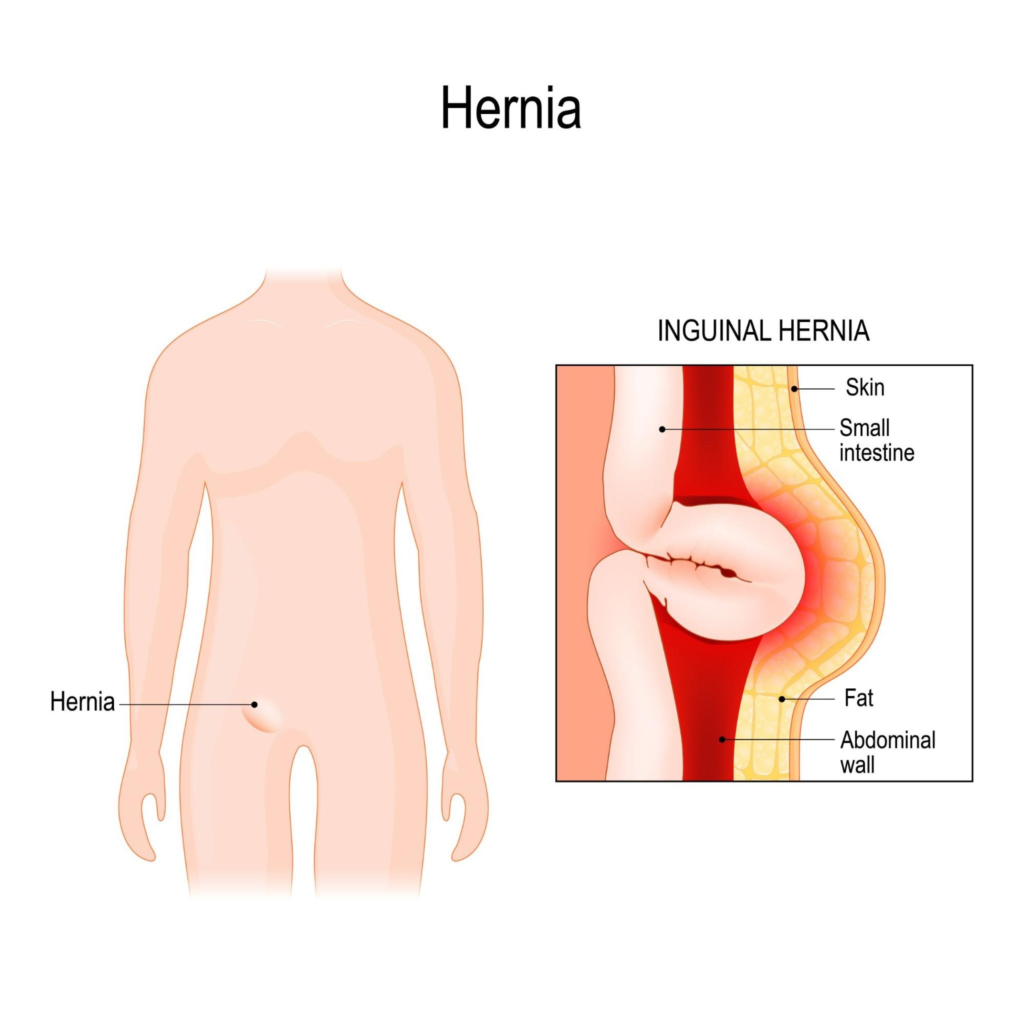
An inguinal hernia happens in the groin area. It is the most common kind of hernia in adults. It happens when tissue pushes through a spot in the lower part of your abdominal wall. You might notice the swelling when you are standing, coughing or straining and it might get smaller when you are lying down.Some people just feel a little heavy while others feel pain, burning or discomfort when they move. Inguinal hernias are more common in men. Women can get them too. You can get them on one side or on both sides.
A femoral hernia happens in the part of your thigh just below the groin. It is not as common but happens more often in women. Because the opening is small the tissue can get stuck easily.This kind of hernia might look like a lump and can be hard to notice. Even if you do not feel pain it is important to see a doctor soon because there is a bigger risk of the tissue getting blocked or not getting enough blood.
An umbilical hernia happens around your belly button. In adults, it can happen when there is much pressure inside your abdomen and tissue pushes through a weak spot near your navel. Being pregnant, overweight or straining your abdomen a lot can contribute to it. At first the swelling might be soft and not hurt. Over time it can get bigger or hurt more especially when you cough, bend or lift things. How it is treated depends on how big it is, how it feels and how healthy you are.
An epigastric hernia happens in the middle part of your abdomen between your belly button and breastbone. It usually has tissue in it and might look like a small firm lump. You might feel pain when you cough, exercise or put pressure on your abdomen. Some people have more than one small opening in this area. You might need to have it fixed if the lump hurts, is getting bigger or is affecting your life.
An incisional hernia happens through a spot in the scar from a previous surgery on your abdomen. The wall of your abdomen might not get strong again after surgery and tissue can push through the cut. The lump might appear months or years after the surgery. Big incisional hernias can cause discomfort and make the wall of your abdomen weaker. How it is treated depends on how big the hole is, what surgeries you had before and how healthy the tissue around it is.
A hiatal hernia is different because it happens inside your body and usually does not make a lump that you can see. It happens when part of your stomach moves up through an opening in your diaphragm and into your chest. Some people do not feel any symptoms. Others feel heartburn, acid reflux, discomfort in their chest belching or have trouble swallowing. Changing your lifestyle and taking medicine might help with symptoms and surgery might be needed if symptoms are bad or if complications happen.
Other Less Common Hernias
Adults can also get a hernia around a stoma, a lumbar hernia near their side or back or a recurrent hernia where they had surgery before. These need to be looked at one by one because treatment can be more complicated.
When Should You See a Doctor for Hernia in Indore?
If you notice a lump in your groin or abdomen you should have it checked. You should get help away if the lump suddenly hurts, is hard, red or you cannot push it back in. If you are vomiting, have a fever your abdomen is swollen or you cannot pass stool or gas it might mean that tissue or intestine is stuck.
There are kinds of hernias in adults and they can vary in where they are, how they feel and what might happen. Finding out what kind of hernia you have can help you decide if you should just watch it or have surgery. Seeing Dr. Nikunj Jain at the time can help you avoid waiting too long and can help you understand what the safest treatment is, for your condition.
FAQ’s Q1. What are the most common types of hernia in adults?
The most common types of hernia in adults are inguinal, femoral, umbilical, incisional, epigastric and hiatal hernias. Each type develops in a different part of the body and may require a different treatment approach.
Q2. Which is the most common hernia in adults?
An inguinal hernia is the most common type of hernia in adults. It usually appears as a swelling in the groin and may become more noticeable while coughing, lifting or standing.
Q3. Can an adult hernia heal without surgery?
An adult hernia usually does not heal on its own. A small and painless hernia may sometimes be monitored, but surgery is the only permanent way to repair the weak area in the muscle.
Q4. When should I consult a hernia surgeon in Indore?
You should consult a hernia surgeon in Indore if you notice a new lump in the groin, abdomen or near an old surgical scar. Pain, heaviness or an increasing swelling should not be ignored.
Q5. How is a hernia diagnosed?
A hernia is usually diagnosed through a physical examination, where the doctor checks the swelling while the patient stands, coughs or strains. In some cases, ultrasound, CT scan or other imaging tests may be advised to confirm the type and size of the hernia.
Q6. What are the warning signs of a complicated hernia?
Sudden severe pain, vomiting, fever, abdominal swelling and a lump that becomes hard or cannot be pushed back are warning signs. These symptoms require urgent medical attention.
Q7. Is laparoscopic hernia surgery available in Indore?
Yes, laparoscopic hernia surgery is available in Indore for suitable patients. It uses small cuts and may offer less pain, smaller scars and a quicker return to routine activities.
Q8. Can lifting heavy weight cause a hernia?
Heavy lifting may not always directly cause a hernia, but it can increase pressure inside the abdomen and make an existing weak spot worse. People who often lift heavy weights should avoid straining and get checked if they notice swelling or discomfort.
Q9. What happens if an adult hernia is left untreated?
If an adult hernia is left untreated, it may slowly increase in size and cause more pain or discomfort. In some cases, the tissue or intestine can get stuck, which may require urgent medical care.
Q10. Where can I get hernia treatment in Indore?
Patients looking for adult hernia treatment in Indore can consult Dr. Nikunj Jain, hernia doctor in Indore, for diagnosis and a personalised treatment plan. Early assessment can reduce discomfort and help prevent complications.
A hernia often starts as a lump that shows up when you are standing, coughing, lifting something heavy or straining. The lump may go away when you lie down and may not hurt, many people wonder if they really need to have an operation. According to Dr. Nikunj Jain, best hernia doctor in Indore, the answer is not the same for every patient. Some hernias can be watched for a while while others should be fixed before they become painful or complicated.
Table of Contents
What Is a Hernia?
A hernia happens when fat, intestine or another internal tissue pushes through a spot in the muscle wall. It can show up in the groin around the belly button at the site of a surgical scar or in another part of the abdominal wall.
Most hernias in adults do not fix themselves. Medicines can help with pain, acidity or constipation but they cannot close the hole in the muscle. Surgery is the way to fix the weak spot. However this does not mean that every person needs to have an operation away.
When Can a Hernia Be Watched?
Careful observation, often called waiting, may be considered for some adults when the hernia is small, soft and easy to push back in and does not cause much discomfort. This approach is commonly considered for men with a mildly symptomatic or symptom-free hernia in the groin.
Watching a hernia does not mean ignoring the problem. Regular medical check-ups are important because a hernia can get bigger or start hurting over time. The patient should also know which warning signs need attention. If symptoms start to affect walking, work, exercise, sleep or everyday comfort, planned surgery may be the more practical option.
When Is Hernia Surgery Usually Recommended?
The hernia lump is increasing in size.
Pain, burning, dragging sensation or discomfort is becoming frequent.
The hernia is affecting daily activities, work or movement.
The lump does not go back inside easily or keeps coming out again.
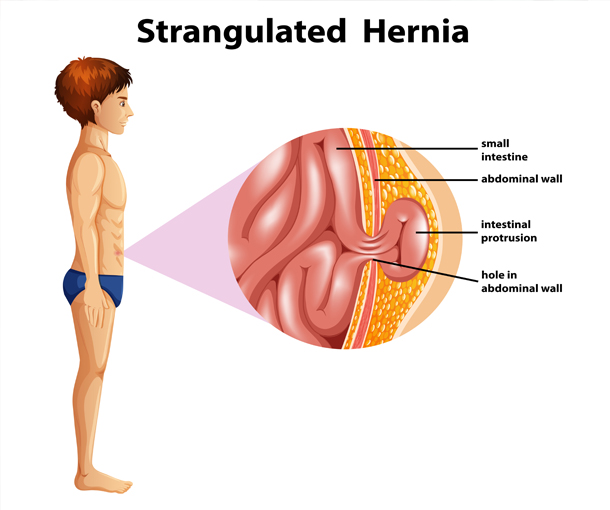
There is a risk of the hernia becoming trapped or strangulated.
Surgery may also be advised for recurrent hernias, incisional hernias, certain high-risk hernias and hernias in children.
The decision depends on the patient’s age, overall health, weight, previous surgeries and risk of complications.
Warning Signs That Need Immediate Care
Sudden and severe pain in the hernia lump
The lump becomes hard, tender or red
The lump cannot be pushed back inside
Vomiting or nausea
Swelling of the abdomen
Fever
Inability to pass stool or gas
Increasing pain or discomfort
Can Exercise, Belts or Medicines Fix a Hernia?
Exercise can improve fitness but it cannot fix a hernia. Heavy lifting or exercises that put much pressure on the abdominal wall can make symptoms worse. A hernia belt may provide support in some cases but it is not a permanent fix and should only be used after talking to an expert hernia doctor in Indore.Taking care of constipation, long-term coughing and excess weight can reduce strain on the wall. These steps can help with treatment and recovery. They do not replace surgery when it is needed.
Conclusion
Hernia repair can be done through open surgery or laparoscopic surgery. The right method depends on the hernia’s size, location whether it is on one or both sides past surgery and the patients overall health. The goal is not just to remove the lump but to put the tissue back in its place and strengthen the weak spot.
Hernia surgery is not always needed away but a hernia should never be self-diagnosed or ignored. Small painless hernias may sometimes be watched safely while painful, growing, trapped or high-risk hernias usually need to be fixed. Talking to Dr. Nikunj Jain, best laparoscopic surgeon in Indore can help patients understand their condition, look at treatment options and choose the time for surgery without unnecessary fear or delay.
FAQ’s
Q1. Is hernia surgery always necessary?
No, hernia surgery is not always required immediately. Small and painless hernias may sometimes be monitored under medical guidance. Dr. Nikunj Jain, hernia doctor in Indore can assess the hernia and advise whether observation or surgery is the safer option.
Q2. Can a hernia heal without surgery?
Most adult hernias do not heal on their own because the weak area in the muscle wall cannot close naturally. Medicines, exercise and hernia belts may reduce discomfort, but they cannot permanently repair the hernia.
Q3. When should I consult a hernia surgeon in Indore?
You should consult a hernia surgeon in Indore if you notice a lump in the groin, abdomen, belly button or near an old surgical scar. Pain, swelling, heaviness or an increasing lump should not be ignored.
Q4. What happens if a hernia is left untreated?
An untreated hernia may become larger and more painful over time. In some cases, part of the intestine may become trapped, which can lead to blockage or loss of blood supply and require emergency treatment.
Q5. What are the emergency warning signs of a hernia?
Severe pain, vomiting, fever, abdominal swelling, redness around the lump and an inability to pass stool or gas are warning signs. A hard lump that cannot be pushed back also needs immediate medical attention.
Q6. Can exercise make a hernia worse?
Heavy lifting, intense abdominal exercises and activities that increase pressure inside the abdomen may make a hernia larger or more painful. Patients should ask Dr. Nikunj Jain which exercises are safe for their condition.
Q7. Can a hernia belt permanently cure a hernia?
No, a hernia belt cannot permanently cure a hernia. It may provide temporary support in selected cases, but it does not repair the weak muscle. It should only be used after consulting a qualified doctor.
Q8. Which is better for hernia repair: open or laparoscopic surgery?
Both open and laparoscopic hernia surgery can be effective. The right method depends on the size, type and location of the hernia, previous surgeries and the patient’s overall health. A surgeon will recommend the most suitable approach.
Q9. How long does recovery take after hernia surgery?
Recovery time varies depending on the type of surgery and the patient’s health. Many patients return to light activities within a few days, while heavy lifting and strenuous exercise may need to be avoided for several weeks.
Q10. Where can I get hernia treatment in Indore?
Patients looking for hernia treatment in Indore can consult Dr. Nikunj Jain for proper diagnosis and personalised treatment guidance. Early evaluation can help prevent complications and support a safer recovery.
Finding the best hernia surgeon in Indore can feel overwhelming, especially when searching for experienced professionals who prioritize your health and recovery. With numerous hernia surgery clinics in Indore and modern hernia treatment centers in Indore, understanding what sets the best apart is crucial. In this blog, we will explore why selecting the right surgeon matters, what makes Indore a hub for hernia treatment, and how to identify experienced hernia surgeons for your needs.
Table of Contents
Why Choose a Specialist for Hernia Surgery?
Hernias can lead to serious complications if not treated promptly. Opting for the best hernia surgeon in Indore ensures:
Precise Diagnosis: Specialists identify the exact nature and severity of the hernia.
Advanced Techniques: Access to minimally invasive methods such as laparoscopic surgery.
Quicker Recovery: Skilled surgeons help reduce downtime and post-surgery discomfort.
Indore is known for its excellent medical infrastructure, boasting several hernia surgery clinics equipped with state-of-the-art technology. Here’s why patients from across India seek treatment in Indore:
Top-Notch Facilities: From diagnostic tools to advanced surgical suites, Indore’s hernia treatment centers are well-equipped.
Experienced Surgeons: The city is home to highly skilled and experienced hernia surgeons, offering both open and laparoscopic surgery.
Affordable Care: Patients can access world-class treatment at a fraction of the cost compared to metro cities.
Indore is home to numerous hernia surgery clinics renowned for their high success rates and advanced care. These clinics typically offer:
Comprehensive diagnostic services.
Treatment for all types of hernias, including inguinal, umbilical, and incisional hernias.
Post-surgery rehabilitation programs to ensure a swift recovery.
Hernia Treatment Centers in Indore: What to Expect?
At hernia treatment centers in Indore, you can expect:
Personalized Treatment Plans: Customized care plans tailored to individual patient needs.
Advanced Surgical Options: Access to laparoscopic and open hernia repair techniques.
Pre- and Post-Surgical Care: Comprehensive support to ensure seamless recovery.
How to Choose the Best Hernia Surgeon in Indore?
Here are some steps to help you make an informed decision:
Check Credentials: Verify the surgeon’s qualifications and certifications.
Read Reviews: Look for testimonials from previous patients.
Evaluate Facilities: Ensure the clinic or treatment center is equipped with modern tools.
Discuss Techniques: Ask about the type of surgery they specialize in—laparoscopic, robotic, or open surgery.
Why Laparoscopic Surgery is a Popular Choice
Laparoscopic surgery is becoming the gold standard for hernia repair due to its benefits, including:
Minimal scarring and reduced pain.
Shorter hospital stays and quicker recovery times.
Lower risk of complications.
Indore’s experienced hernia surgeons are highly skilled in performing this advanced procedure, making it a preferred choice for many patients.
Experienced Hernia Surgeons in Indore: Setting the Benchmark
With decades of experience, many surgeons in Indore have gained a reputation for their expertise and compassionate care. They use the latest techniques to deliver successful outcomes, prioritizing patient safety and comfort.
FAQs
Who is the best hernia surgeon in Indore? Several highly skilled surgeons are available in Indore. Choosing one depends on your specific needs, the complexity of your hernia, and the surgeon’s experience.
What are the top hernia surgery clinics in Indore? Indore boasts several renowned clinics equipped with advanced facilities. Look for clinics offering personalized care and laparoscopic surgery options.
How much does hernia surgery cost in Indore? The cost varies depending on the type of surgery (laparoscopic or open) and the clinic. However, Indore offers cost-effective treatment compared to larger cities.
What are the symptoms of a hernia? Common symptoms include a noticeable bulge, discomfort or pain, and difficulty lifting heavy objects. Consult a specialist if you experience these symptoms.
Is laparoscopic surgery better than open surgery for hernia repair? Laparoscopic surgery is less invasive, leading to quicker recovery times and minimal scarring, making it a preferred option for many patients.
Are there any risks associated with hernia surgery? While hernia surgery is generally safe, potential risks include infection, recurrence, and anesthesia complications. Opting for an experienced surgeon minimizes these risks.
Conclusion
Selecting the best hernia surgeon in Indore can make all the difference in ensuring a smooth and successful recovery. With top-notch hernia surgery clinics in Indore and cutting-edge hernia treatment centers, the city offers unparalleled care for hernia repair. Whether you need laparoscopic or open surgery, the experienced hernia surgeons in Indore provide expert solutions tailored to your needs.
Hernias can be a real hassle for those experiencing them, leading to pain, discomfort, and disruption to daily life. While they’re common, many people are unaware of what exactly a hernia is and how it can affect the body. This blog aims to demystify hernia hassles by discussing its causes, types, symptoms, and treatment options, helping you better understand this health condition.
What is a Hernia?
A hernia occurs when an internal organ or tissue pushes through a weak spot in the surrounding muscle or connective tissue. This protrusion often results in a noticeable bulge and may cause pain or discomfort, especially during activities like lifting, coughing, or bending. Hernias are most common in the abdomen but can also occur in the groin, upper thigh, and belly button areas.
Table of Contents
Types of Hernias and Their Hassles
1. Inguinal Hernia
The inguinal hernia is one of the most common types and occurs when tissue pushes through a weak spot in the abdominal muscles, usually near the groin. It’s more common in men and can cause a bulge, pain, and discomfort, particularly when lifting heavy objects or standing for long periods.
2. Femoral Hernia
Femoral hernias often occur in women and are located in the upper thigh near the groin. The hassles include pain around the groin area, especially when coughing, bending over, or lifting heavy items. They can be more dangerous than inguinal hernias because they have a higher risk of complications, such as strangulation (when the blood supply is cut off to the affected tissue).
3. Umbilical Hernia
An umbilical hernia happens when part of the intestine protrudes through the abdominal muscles near the belly button. It is more common in infants but can also affect adults, particularly women who have had multiple pregnancies. Hernia hassles in this case involve a visible bulge near the navel, discomfort, and sometimes pain, particularly when straining.
4. Hiatal Hernia
This type of hernia occurs when the stomach bulges through the diaphragm into the chest cavity. The hassles associated with a hiatal hernia include heartburn, acid reflux, and chest pain. These symptoms can be quite bothersome and may worsen after meals.
5. Incisional Hernia
Incisional hernias occur when the intestines push through the site of a previous surgical incision in the abdomen. The hassles include a noticeable bulge, discomfort, and pain around the incision site, especially during physical activity. They often develop after abdominal surgery and can be challenging to manage.
Understanding the causes of hernias can help in prevention and early detection. Here are some factors that contribute to the development of hernias:
Muscle Weakness: A primary cause of hernias is weak muscles or connective tissues, which can be congenital (present from birth) or acquired over time due to factors like aging or injury.
Straining and Heavy Lifting: Activities that put strain on the abdominal area, such as lifting heavy objects, can increase the risk of hernias.
Obesity: Excess body weight puts pressure on the abdominal wall and can lead to the formation of hernias.
Chronic Cough or Constipation: Persistent coughing or straining during bowel movements can weaken the abdominal muscles, making them more susceptible to hernias.
Pregnancy: Pregnancy stretches and weakens the abdominal muscles, which can lead to hernias, particularly umbilical hernias.
Hernias can be asymptomatic in some cases, but they often present with the following symptoms:
Bulge or Lump: A visible bulge or lump in the affected area, which may increase in size when standing, coughing, or straining.
Pain and Discomfort: Mild to severe pain or discomfort around the hernia site, which worsens with physical activity or lifting.
Burning or Aching Sensation: A burning, aching, or heavy feeling in the area of the hernia.
Digestive Issues: Hiatal hernias may cause heartburn, acid reflux, or difficulty swallowing.
If left untreated, hernia hassles can lead to complications, including obstruction (when a portion of the intestine gets stuck) and strangulation (cutting off blood supply), both of which require immediate medical attention.
Diagnosing a Hernia
To diagnose a hernia, a healthcare provider will usually conduct a physical examination to identify any visible bulges or lumps. Additional diagnostic tests may include:
Ultrasound: Imaging to confirm the presence and type of hernia.
CT Scan or MRI: These advanced imaging techniques help in detecting hernias that are difficult to diagnose through a physical exam, such as hiatal hernias.
Endoscopy: For hiatal hernias, an endoscope may be used to view the inside of the stomach and esophagus.
The treatment of hernias depends on their type, size, and severity. Here are the main treatment options:
Watchful Waiting
For small, asymptomatic hernias, watchful waiting might be recommended. Regular monitoring helps ensure that the hernia does not worsen or lead to complications.
Lifestyle Modifications
Lifestyle changes, such as losing weight, avoiding heavy lifting, and managing chronic cough or constipation, can help manage hernia hassles and prevent worsening.
Medications
For hernias like hiatal hernias that cause acid reflux, medications to reduce stomach acid can help alleviate symptoms.
Hernia Surgery
The most effective treatment for hernias is surgical repair. There are two main types:
Open Hernia Repair: Involves a single incision over the hernia site to push the protruding tissue back into place and repair the muscle wall.
Laparoscopic Hernia Repair: A minimally invasive surgery using small incisions and a camera to guide the repair process. This method usually has a shorter recovery time and less postoperative pain.
Preventing Hernia Hassles
While not all hernias are preventable, certain steps can reduce the risk:
Maintain a Healthy Weight: Keeping a healthy weight reduces pressure on the abdominal muscles.
Lift Correctly: Use proper lifting techniques to prevent straining the abdominal area.
Strengthen Core Muscles: Regular exercise can help strengthen the abdominal muscles, providing better support.
Treat Chronic Cough and Constipation: Managing these conditions can reduce the strain on abdominal muscles.
Recovery After Hernia Surgery
Recovery from hernia surgery varies based on the type of surgery and the patient’s overall health. Typically, it includes:
Rest and Limited Activity: Rest is crucial for healing. Avoid heavy lifting and strenuous activities for several weeks.
Pain Management: Pain or discomfort is common after surgery and can be managed with prescribed medications.
Gradual Return to Normal Activities: Slowly reintroducing physical activities and exercises will help regain strength without straining the repaired area.
When to See a Doctor?
If you notice a bulge or lump in your abdomen or groin area, experience pain or discomfort, or have symptoms of a hiatal hernia like severe heartburn, it’s essential to see a healthcare professional. Early diagnosis and treatment can prevent hernia hassles from escalating into more severe health issues.
FAQs
What causes hernias to develop? Hernias can develop due to muscle weakness, strain from lifting heavy objects, obesity, chronic cough, constipation, or pregnancy.
Is surgery always necessary for hernias? Not always. Small, asymptomatic hernias may be monitored, but surgery is recommended if the hernia is large, causes pain, or has a risk of complications.
Can hernias go away on their own? No, hernias typically do not heal by themselves and may require treatment to prevent complications.
Are all hernia surgeries the same? No, there are different types of hernia surgeries, such as open repair and laparoscopic repair. The choice depends on the type of hernia and the patient’s condition.
What are the risks of not treating a hernia? Untreated hernias can lead to complications like bowel obstruction or strangulation, which require emergency surgery.
Can a hernia come back after surgery? Yes, there is a chance of recurrence, particularly if the abdominal muscles are weak, or if preventive measures are not followed after surgery.
Conclusion
Hernia hassles can be inconvenient and sometimes painful, but understanding the causes, symptoms, and treatment options can make managing this condition easier. If you suspect you have a hernia, seeking medical advice is crucial for proper diagnosis and treatment. With early intervention and proper care, you can reduce the impact of hernia hassles on your life and prevent complications.
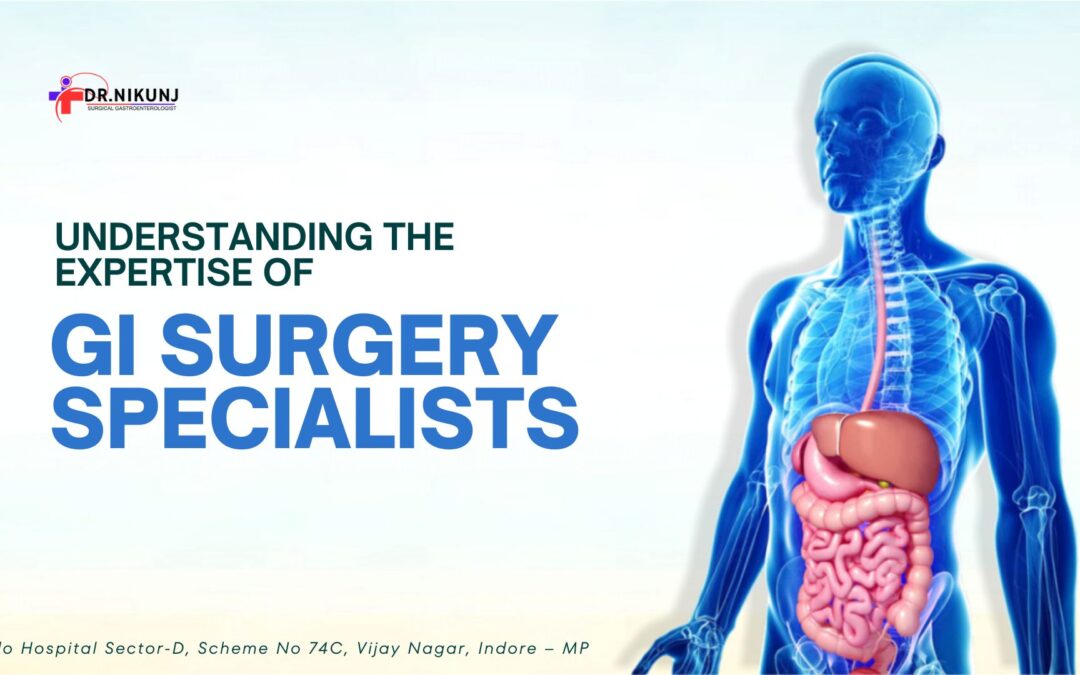
Gastrointestinal (GI) surgery specialists play a crucial role in diagnosing, treating, and managing a wide array of digestive system disorders. Their expertise spans various procedures, from minimally invasive surgeries to complex interventions, aimed at improving patient outcomes and quality of life. This comprehensive guide delves into the world of GI surgery specialists, exploring their roles, the conditions they treat, and the advanced surgical techniques they employ.
The Role of GI Surgery Specialists
GI surgery specialists, also known as gastrointestinal surgeons, are medical professionals who focus on the surgical treatment of diseases affecting the digestive system, which includes the esophagus, stomach, intestines, liver, pancreas, and gallbladder. These specialists undergo extensive training in general surgery followed by specialized training in gastrointestinal surgery.
Conditions Treated by GI Surgery Specialists
Gastrointestinal (GI) surgery specialists are adept at diagnosing, managing, and treating a wide range of disorders affecting the digestive system. This encompasses conditions involving the esophagus, stomach, intestines, liver, pancreas, and gallbladder. Here, we delve into the common and complex conditions treated by GI surgery specialists, highlighting their symptoms, causes, and surgical interventions.
Gastroesophageal Reflux Disease (GERD)
Symptoms and Causes GERD is characterized by chronic acid reflux, where stomach acid frequently flows back into the esophagus, causing irritation. Symptoms include heartburn, regurgitation, chest pain, and difficulty swallowing. Contributing factors include obesity, hiatal hernia, pregnancy, smoking, and certain foods and medications.
Surgical Treatment
Fundoplication: The most common surgery for GERD, where the top of the stomach (fundus) is wrapped around the lower esophagus to strengthen the valve and prevent acid reflux.
LINX Device: A newer technique involving a ring of magnetic beads placed around the lower esophagus to augment the lower esophageal sphincter and prevent reflux.
Gallbladder Diseases
Symptoms and Causes Gallbladder diseases such as gallstones (cholelithiasis) and inflammation (cholecystitis) can cause severe abdominal pain, nausea, vomiting, and fever. Risk factors include obesity, high-fat diets, age, and gender, with women being more susceptible.
Surgical Treatment
Cholecystectomy: The removal of the gallbladder, which can be performed laparoscopically (minimally invasive) or through open surgery. This procedure is the definitive treatment for symptomatic gallstones and cholecystitis.
Colorectal Cancer
Symptoms and Causes Colorectal cancer originates in the colon or rectum, often beginning as benign polyps that can become cancerous. Symptoms include changes in bowel habits, blood in the stool, abdominal pain, and unexplained weight loss. Risk factors include age, family history, diet, and lifestyle factors like smoking and alcohol consumption.
Surgical Treatment
Colectomy: Removal of part or all of the colon. Depending on the cancer’s location and stage, a partial colectomy or total colectomy may be performed.
Proctectomy: Removal of the rectum, often necessary for rectal cancer. This procedure may involve creating an ostomy to allow waste to exit the body through the abdominal wall.
Inflammatory Bowel Disease (IBD)
Symptoms and Causes IBD encompasses chronic inflammatory conditions like Crohn’s disease and ulcerative colitis. Symptoms include abdominal pain, diarrhea, weight loss, and fatigue. The exact cause is unknown, but it involves an abnormal immune response and genetic predisposition.
Surgical Treatment
Resection: Surgical removal of diseased sections of the intestine. In Crohn’s disease, this may involve multiple segments, while ulcerative colitis often requires removal of the colon.
Strictureplasty: Widening of narrowed areas of the intestine without removing any part of it, commonly used in Crohn’s disease to alleviate obstruction.
Hernias
Symptoms and Causes Hernias occur when an organ or tissue protrudes through a weak spot in the abdominal wall, causing pain, swelling, and discomfort. Common types include inguinal, umbilical, and hiatal hernias. Causes include heavy lifting, chronic coughing, obesity, and pregnancy.
Surgical Treatment
Herniorrhaphy: Traditional repair of the hernia by pushing the protruding tissue back into place and reinforcing the abdominal wall.
Hernioplasty: Use of synthetic mesh to strengthen the weakened area and prevent recurrence, often performed laparoscopically for reduced recovery time.
Pancreatic Cancer
Symptoms and Causes Pancreatic cancer is a highly aggressive cancer with symptoms like jaundice, abdominal pain, weight loss, and digestive issues. Risk factors include smoking, chronic pancreatitis, diabetes, and family history.
Surgical Treatment
Whipple Procedure (Pancreaticoduodenectomy): Removal of the head of the pancreas, part of the small intestine, the gallbladder, and the bile duct. This complex surgery is the primary treatment for tumors in the head of the pancreas.
Distal Pancreatectomy: Removal of the body and tail of the pancreas, often along with the spleen, used for tumors located in these areas.
Esophageal Cancer
Symptoms and Causes Esophageal cancer manifests as difficulty swallowing, chest pain, weight loss, and persistent cough. Risk factors include smoking, heavy alcohol consumption, GERD, and Barrett’s esophagus.
Surgical Treatment
Esophagectomy: Removal of part or all of the esophagus. This procedure can be performed through open surgery or minimally invasive techniques, often followed by reconstruction using part of the stomach or intestine.
Peptic Ulcer Disease
Symptoms and Causes Peptic ulcers are open sores that develop on the lining of the stomach, small intestine, or esophagus, causing burning stomach pain, bloating, and nausea. Common causes include Helicobacter pylori infection, prolonged use of NSAIDs, and excessive acid production.
Surgical Treatment
Vagotomy: Cutting the vagus nerve to reduce acid production in the stomach.
Antrectomy: Removal of the lower part of the stomach that produces a hormone stimulating acid secretion.
Gastrojejunostomy: Connecting the stomach to the jejunum (part of the small intestine) to bypass the affected area.
Liver Diseases
Symptoms and Causes Liver diseases such as cirrhosis, liver cancer, and benign liver tumors can cause jaundice, abdominal pain, swelling, and liver failure. Causes include chronic alcohol use, hepatitis B and C infections, and fatty liver disease.
Surgical Treatment
Liver Resection: Removal of part of the liver affected by tumors or severe damage. The liver’s ability to regenerate allows for significant portions to be removed.
Liver Transplantation: Replacing a diseased liver with a healthy one from a donor, often the only option for end-stage liver disease or liver cancer.
Appendicitis
Symptoms and Causes Appendicitis is the inflammation of the appendix, causing severe abdominal pain, particularly in the lower right abdomen, fever, and nausea. The exact cause is not always clear, but it often involves obstruction by fecal matter or infection.
Surgical Treatment
Appendectomy: Surgical removal of the appendix. This procedure is typically performed laparoscopically for quicker recovery and minimal scarring.
Diverticulitis
Symptoms and Causes Diverticulitis occurs when small pouches (diverticula) in the colon become inflamed or infected, leading to abdominal pain, fever, and changes in bowel habits. Causes include a low-fiber diet, obesity, and aging.
Surgical Treatment
Bowel Resection: Removal of the affected section of the colon, often followed by rejoining the healthy sections. This is necessary in severe or recurrent cases.
Colostomy: Creating an opening (stoma) in the abdominal wall for waste to pass into a colostomy bag, sometimes required temporarily after resection.
Stomach Cancer
Symptoms and Causes Stomach cancer, or gastric cancer, can cause symptoms like persistent indigestion, stomach pain, nausea, and weight loss. Risk factors include Helicobacter pylori infection, smoking, certain diets, and family history.
Surgical Treatment
Gastrectomy: Partial or total removal of the stomach, depending on the cancer’s location and stage. Reconstruction is necessary to maintain digestive continuity.
Lymph Node Dissection: Removal of nearby lymph nodes to prevent the spread of cancer.
GI surgery specialists are equipped to handle a diverse array of gastrointestinal conditions through various surgical techniques. Their expertise is vital for diagnosing and treating these disorders effectively, often using minimally invasive procedures to enhance recovery and outcomes. Understanding the range of conditions treated and the surgical interventions available can help patients make informed decisions about their healthcare, ensuring they receive the best possible care for their digestive health.
Advanced Surgical Techniques in GI Surgery
Gastrointestinal (GI) surgery has seen significant advancements in recent years, with innovative techniques and technologies enhancing precision, reducing recovery times, and improving patient outcomes. These advanced surgical methods allow GI surgery specialists to treat a wide array of conditions more effectively. This section delves into the cutting-edge surgical techniques that are transforming GI surgery, including minimally invasive approaches, robotic-assisted procedures, and endoscopic innovations.
Minimally Invasive Surgery
Minimally invasive surgery (MIS) has revolutionized the field of GI surgery, offering numerous benefits over traditional open surgery, such as smaller incisions, less pain, reduced scarring, and faster recovery times. MIS techniques include laparoscopic and robotic-assisted surgeries.
Laparoscopic Surgery
Laparoscopic surgery involves the use of a laparoscope—a thin, flexible tube equipped with a camera and light source—along with specialized surgical instruments. Small incisions are made to insert the laparoscope and instruments, allowing the surgeon to operate with enhanced visualization and precision.
Procedures
Cholecystectomy: Removal of the gallbladder, typically performed to treat gallstones or cholecystitis.
Appendectomy: Removal of the appendix, commonly performed to treat appendicitis.
Colectomy: Removal of part or all of the colon, used in the treatment of colorectal cancer, diverticulitis, or inflammatory bowel disease.
Benefits
Reduced Pain: Smaller incisions result in less postoperative pain.
Faster Recovery: Patients typically experience shorter hospital stays and quicker returns to normal activities.
Lower Infection Risk: Smaller incisions decrease the risk of surgical site infections.
Robotic-Assisted Surgery
Robotic-assisted surgery enhances the capabilities of laparoscopic surgery by providing greater precision, dexterity, and control. The surgeon operates from a console, manipulating robotic arms equipped with surgical instruments. The robotic system provides a magnified, high-definition view of the surgical field.
Procedures
Prostatectomy: Removal of the prostate gland, often used in the treatment of prostate cancer.
Hernia Repair: Repair of hernias using robotic assistance for improved precision and reduced recurrence rates.
Gastric Bypass: Bariatric surgery for weight loss, involving the creation of a small stomach pouch and rerouting of the small intestine.
Benefits
Enhanced Precision: Robotic systems filter out hand tremors and provide greater control over surgical instruments.
Improved Visualization: High-definition, 3D visualization allows for better identification of anatomical structures.
Minimally Invasive: Like laparoscopic surgery, robotic-assisted surgery uses small incisions, resulting in similar benefits.
Endoscopic Procedures
Endoscopic procedures involve the use of an endoscope—a flexible tube with a camera and light—to diagnose and treat conditions within the gastrointestinal tract. These procedures are often less invasive than traditional surgery, offering quicker recovery times and fewer complications.
Endoscopic Mucosal Resection (EMR)
EMR is a technique used to remove early-stage cancerous or precancerous tissues from the digestive tract. It involves the injection of a solution to lift the lesion, followed by resection using a snare.
Applications
Esophageal Cancer: Removal of superficial tumors in the esophagus.
Stomach Cancer: Resection of early gastric cancers.
Colorectal Cancer: Treatment of polyps and early-stage colorectal cancers.
Benefits
Minimally Invasive: No external incisions are needed, reducing recovery time and discomfort.
Early Detection and Treatment: Allows for the removal of lesions before they progress to more advanced stages.
Endoscopic Submucosal Dissection (ESD)
ESD is an advanced technique for removing larger lesions from the gastrointestinal tract in one piece. This method provides a higher chance of complete resection and reduces the risk of recurrence.
Applications
Esophageal Cancer: Removal of larger tumors and complex lesions.
Gastric Cancer: Treatment of large or deeply infiltrating gastric tumors.
Colorectal Cancer: Resection of large polyps and early colorectal cancers.
Benefits
Complete Resection: Allows for the removal of larger and more complex lesions in one piece, ensuring clean margins and reducing recurrence.
Minimally Invasive: Similar to EMR, ESD requires no external incisions.
Transanal Minimally Invasive Surgery (TAMIS)
TAMIS is a technique used to remove rectal tumors and polyps through the anus, avoiding abdominal incisions. This approach offers several advantages over traditional methods, particularly in terms of recovery and preservation of bowel function.
Applications
Rectal Cancer: Removal of early-stage rectal cancers and large polyps.
Polyps: Resection of benign polyps that are difficult to remove through conventional colonoscopy.
Benefits
No Abdominal Incisions: The absence of external incisions leads to less postoperative pain and quicker recovery.
Preservation of Bowel Function: TAMIS helps preserve normal bowel function and avoid the need for a permanent colostomy.
Single-Incision Laparoscopic Surgery (SILS)
SILS is a variant of laparoscopic surgery where the procedure is performed through a single small incision, usually at the navel. This technique aims to reduce scarring and improve cosmetic outcomes.
Applications
Cholecystectomy: Removal of the gallbladder through a single incision.
Appendectomy: Removal of the appendix using one incision.
Hernia Repair: Minimally invasive repair of hernias with a single entry point.
Benefits
Cosmetic Advantages: Fewer and smaller scars compared to traditional laparoscopic surgery.
Reduced Pain and Recovery Time: Less postoperative pain and faster recovery due to fewer incisions.
Enhanced Recovery After Surgery (ERAS) Protocols
ERAS protocols are comprehensive, evidence-based guidelines designed to optimize perioperative care, improve recovery times, and reduce complications. These protocols involve a multidisciplinary approach, including preoperative, intraoperative, and postoperative care strategies.
Components
Preoperative Counseling: Educating patients about the surgery and recovery process.
Optimized Nutrition: Ensuring patients have adequate nutrition before and after surgery.
Minimally Invasive Techniques: Using MIS whenever possible to reduce trauma.
Early Mobilization: Encouraging early movement and physical activity post-surgery to enhance recovery.
Benefits
Improved Recovery: Faster return to normal activities and reduced hospital stays.
Reduced Complications: Lower rates of postoperative complications, including infections and thromboembolic events.
Enhanced Patient Experience: Better overall patient satisfaction and outcomes.
Artificial Intelligence (AI) in GI Surgery
AI is increasingly being integrated into GI surgery, enhancing diagnostic accuracy, surgical planning, and intraoperative guidance. AI algorithms can analyze large datasets, identify patterns, and provide real-time assistance to surgeons.
Applications
Image Analysis: AI can analyze endoscopic and imaging data to identify lesions, tumors, and polyps with high accuracy.
Surgical Planning: AI tools can help plan complex surgeries by simulating different scenarios and outcomes.
Robotic Assistance: AI enhances the capabilities of robotic systems, improving precision and reducing the risk of errors.
Benefits
Enhanced Accuracy: AI improves diagnostic accuracy and surgical precision.
Predictive Analytics: AI can predict surgical outcomes and complications, aiding in decision-making.
Real-Time Assistance: Provides real-time guidance and feedback during surgeries, enhancing safety and efficiency.
3D Printing and Personalized Surgery
3D printing technology is being used to create patient-specific surgical models and implants, enabling personalized surgical planning and improving the precision of complex procedures.
Applications
Preoperative Planning: Surgeons can use 3D-printed models to plan and rehearse complex surgeries, improving outcomes.
Custom Implants: 3D printing allows for the creation of custom implants tailored to the patient’s anatomy.
Educational Tools: 3D models are valuable for educating patients and training surgeons.
Benefits
Improved Precision: Personalized models and implants enhance the accuracy of surgeries.
Better Outcomes: Tailored surgical plans lead to better patient outcomes and reduced complications.
Enhanced Education: Provides a valuable tool for patient education and surgical training.
The field of GI surgery has been transformed by advanced surgical techniques, offering numerous benefits over traditional methods. Minimally invasive approaches, robotic-assisted procedures, and innovative endoscopic techniques have revolutionized the treatment of gastrointestinal conditions, leading to improved patient outcomes and faster recoveries. As technology continues to advance, GI surgery specialists are equipped with an ever-expanding arsenal of tools and techniques to provide the highest standard of care for their patients. Understanding these advancements allows patients and healthcare providers to make informed decisions about the best treatment options for gastrointestinal disorders.
Choosing the Right GI Surgery Specialist
Selecting a skilled and experienced GI surgery specialist is crucial for optimal outcomes. Consider the following factors when choosing a specialist:
Credentials and Experience
Board Certification: Ensure the specialist is board-certified in gastrointestinal surgery.
Experience: Look for a surgeon with extensive experience in performing the specific procedure you need.
Hospital Affiliation
Accreditation: Choose a specialist affiliated with accredited hospitals that have state-of-the-art facilities and a reputation for high-quality care.
Support Services: Consider hospitals that offer comprehensive support services, including nutrition counseling, physical therapy, and patient education.
Patient Reviews and Testimonials
Feedback: Read patient reviews and testimonials to gauge the specialist’s reputation and patient satisfaction.
Referrals: Ask for referrals from your primary care physician or other healthcare providers.
Innovations and Future Directions in GI Surgery
The field of GI surgery is continually evolving, with new technologies and techniques enhancing patient care and outcomes.
Artificial Intelligence (AI) in GI Surgery
AI is being integrated into various aspects of GI surgery, from diagnostic tools to surgical planning and intraoperative assistance. AI algorithms can analyze medical images, predict surgical outcomes, and assist surgeons in making precise decisions.
Enhanced Recovery After Surgery (ERAS) Protocols
ERAS protocols are designed to improve postoperative recovery through evidence-based practices, including preoperative nutrition, minimally invasive techniques, and optimized pain management.
3D Printing and Personalized Surgery
3D printing technology allows for the creation of patient-specific surgical models and implants, enabling personalized surgical planning and improving the precision of complex procedures.
Conclusion
GI surgery specialists are at the forefront of treating a wide range of digestive system disorders, utilizing advanced surgical techniques and innovative approaches to improve patient outcomes. By understanding the role of GI surgery specialists, the conditions they treat, and the latest advancements in the field, patients can make informed decisions about their healthcare. Whether dealing with a common issue like GERD or a complex condition like colorectal cancer, GI surgery specialists offer the expertise and care necessary for optimal digestive health.
GI Surgery Specialists
Meet Your Doctor
The Best Laparoscopic Surgeon in Indore
Dr. Nikunj Jain is a renowned Gastro & Minimal Access Laparoscopic Surgeon.
He is a Surgical Gastroenterologist, Consultant Surgeon at Apollo Hospital, Indore having expertise in laparoscopic, Laser, and Robotic Surgery.
You can be confident that with Dr. Nikunj Jain your well-being is in the capable hands of a highly-skilled Minimally Invasive Laparoscopic & Robotic Surgeon. Dr. Nikunj Jain strives to treat his patients with an honest, straightforward, and caring nature in a safe and comfortable environment.
Dr. Nikunj Jain has been awarded Dr. B. Ramamurthi National Gold Medal by National Board of Examination.
Email your reports
drnikunjjain@gmail.com
Call Now to book Appointment
+91-97114-59697
Head Quarter Building
3rd Floor, Satya Sai Square, Vijay Nagar, Indore – MP