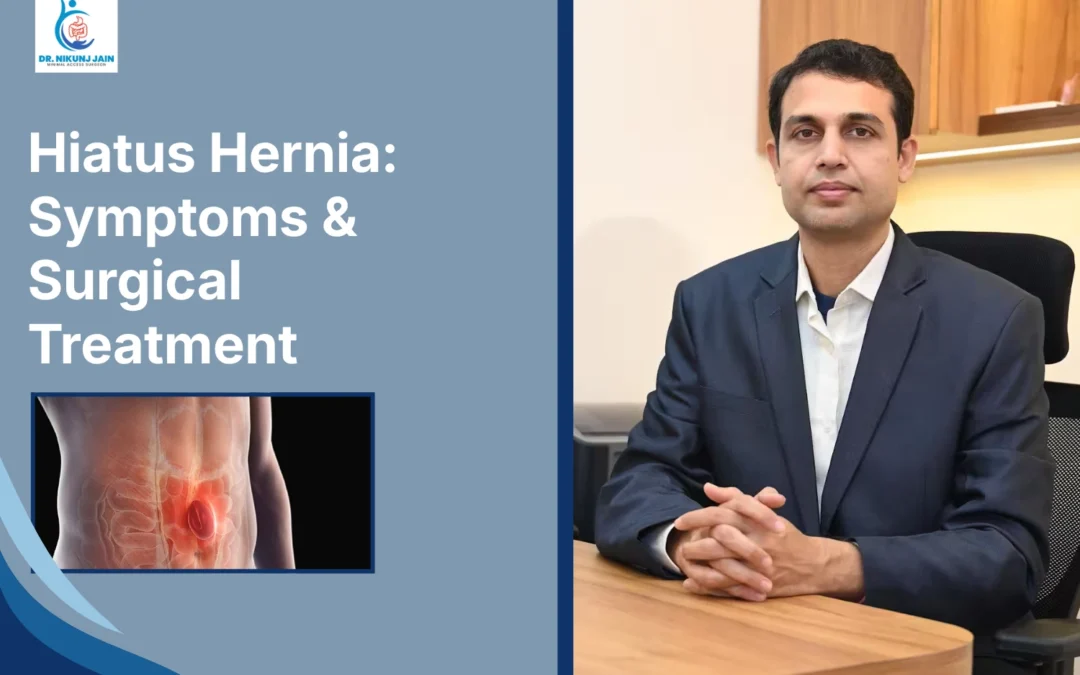
A hiatus hernia is a condition that affects the digestive system. It happens when the upper part of the stomach pushes up into the chest area through the diaphragm. Some people do not even notice it at first but for others it can cause acidity or heartburn. Dr. Nikunj Jain, best hernia doctor in Indore, says that when people get heartburn or reflux symptoms over and over they need to get checked.
Table of Contents
What Is A Hiatus Hernia?
The diaphragm is a muscle that separates the chest from the stomach. It has a hole that lets the food pipe pass through. In a hiatus hernia part of the stomach slips through this hole. This can cause problems with the barrier between the stomach and the food pipe letting acid move up.
There are two main types of hiatus hernia:
Sliding hiatus hernia: This is the more common type. It can cause acid reflux symptoms because part of the stomach slides up through the diaphragm.
Paraesophageal hernia: This type is less common but can be more serious. Part of the stomach remains pushed up into the chest, which may lead to complications.
Small hiatus hernias often do not cause any symptoms. However, larger hernias may require medical evaluation and treatment.
Common Symptoms Of Hiatus Hernia
The symptoms of a hiatus hernia can feel like acidity or heartburn. This is why people often take antacids without knowing what is really wrong.
Common symptoms include:
Heartburn after eating or when lying down
A sour or bitter taste in the mouth
Bloating a lot
Chest burning or discomfort
Food or liquid coming back up
Trouble swallowing
Feeling like food is stuck
Feeling sick after eating
A chronic & Sore throat
Bad breath from reflux
Some people feel worse after eating spicy food, big meals, tea, coffee, fried food or dinner late at night. Symptoms can also get worse when bending, sleeping flat or lying down after eating.
When Should You Not Ignore The Symptoms?
It is normal to get heartburn because of what we eat. If it keeps happening we should not ignore it. If symptoms are affecting sleep, appetite or daily life it is an idea to see a specialist. If someone has trouble swallowing vomited blood, has stools, loses weight without trying, has severe chest pain or vomits a lot they need to see a doctor right away.
If acid reflux happens for a long time it can irritate the food pipe and cause problems. This is why we need to find out what is wrong with just taking medicine to feel better for a little while.
How Is Hiatus Hernia Diagnosed?
To diagnose a hiatus hernia the doctor will first talk to the patient about their symptoms, eating habits, medical history and when the reflux happens. The doctor may order tests like a GI endoscopy, barium swallow test, pH study or manometry. These tests help the doctor understand how big the hernia is, how bad the acid reflux is and how well the food pipe is working.
A proper diagnosis helps the doctor decide if the patient needs medicine, lifestyle changes or surgery.
Lifestyle Changes And Medical Treatment
Not everyone with a hiatus hernia needs surgery.
In some cases, symptoms can be managed with lifestyle changes and medicine.
Eating meals on time, avoiding late-night meals, limiting spicy and oily foods, maintaining a healthy weight, and sleeping with your head elevated can help reduce acid reflux symptoms.
Medicine can help control acid production and heal the food pipe.Medicine does not fix the hernia. If symptoms come back or if the hernia is big the doctor may talk about surgery.
When Is Surgery Needed?
Surgery may be needed if acid reflux is severe, medications are not providing enough relief, swallowing becomes difficult, the hernia is large, or there is a risk of complications. It may also be considered for patients who prefer not to take long-term medication, after a thorough evaluation by the doctor.
Hiatus hernia surgery is usually performed using a laparoscopic method. During the procedure, the stomach is moved back into its normal position, the opening in the diaphragm is repaired, and steps are taken to reduce acid reflux into the food pipe. Laparoscopic surgery is performed through small, minimally invasive incisions rather than deep cuts, which can help reduce pain, support faster recovery, and shorten the hospital stay.
Recovery After Hiatus Hernia Surgery
Recovery depends on the patient’s age, the size of the hernia, overall health, and the type of surgery performed. After surgery, patients are usually advised to start with liquids and soft foods for a short period. Eating slowly, chewing food properly, taking small meals, and avoiding heavy, spicy, or oily foods can help support a smoother recovery.
Some temporary bloating, trouble swallowing or discomfort may happen at first. It usually gets better with time and the right guidance. Regular check-ups help ensure healing and better long-term results.
Conclusion
A hiatus hernia may seem like heartburn but repeated symptoms should not be ignored. If heartburn reflux, chest burning, trouble swallowing or bloating keeps happening a proper diagnosis can help find the cause. With the treatment plan many patients can get relief and improve their quality of life. For evaluation and suitable surgical guidance Dr. Nikunj Jain, best hernia doctor in Indore, can help patients understand the best treatment option, for hiatus hernia and acid reflux.
FAQ’s
Q1. What is a hiatus hernia? A hiatus hernia happens when the upper part of the stomach pushes upward through the diaphragm into the chest area. It can cause acidity, heartburn and reflux symptoms.
Q2. What are the common symptoms of hiatus hernia? Common symptoms include heartburn, chest burning, sour taste in the mouth, burping, bloating, regurgitation, throat irritation and difficulty swallowing.
Q3. Is hiatus hernia the same as acidity? No. Acidity can happen for many reasons, but hiatus hernia may cause repeated acid reflux because the stomach position affects the natural acid barrier.
Q4. Can hiatus hernia go away on its own? A hiatus hernia usually does not go away on its own. Small hernias may be managed with medicines and lifestyle changes, but larger or severe cases may need surgery.
Q5. When should I see a doctor for hiatus hernia symptoms? You should consult a doctor if acidity, heartburn, chest burning, food regurgitation or swallowing difficulty keeps coming back despite medicines or lifestyle changes.
Q6. Can a hiatus hernia cause chest pain? Yes. A hiatus hernia can sometimes cause chest discomfort or a burning sensation, especially after meals or while lying down. However, chest pain can have other causes too, so it is important to get it properly evaluated by a doctor.
Q7. Is surgery always needed for hiatus hernia? No. Surgery is not needed for every patient. It is usually considered when symptoms are severe, medicines do not give lasting relief, or the hernia is large.
Q8. What is laparoscopic hiatus hernia surgery? Laparoscopic surgery is a minimally invasive procedure where small cuts are used to bring the stomach back to its correct position and repair the hernia opening.
Q9. How long does recovery take after hiatus hernia surgery? Recovery varies from person to person. Many patients recover faster with laparoscopic surgery, but diet changes, rest and follow-up care are important after surgery.
Q10. Where can I consult for hiatus hernia treatment in Indore? For proper diagnosis and treatment planning, you can consult Dr. Nikunj Jain for hiatus hernia treatment in Indore.
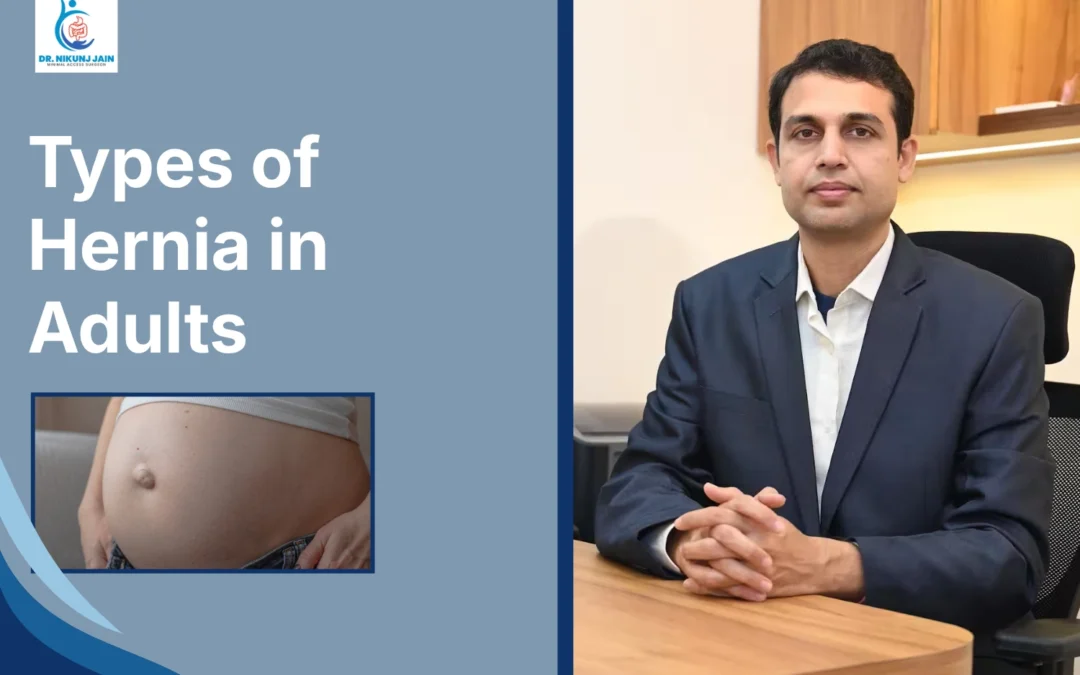
A hernia can start as a lump or a feeling of heaviness or discomfort that you notice when you cough, lift something or stand for a long time. Even though many hernias look the same from the outside they can happen in parts of the body and can have different risks. Dr. Nikunj Jain, hernia doctor in Indore, says that it is important to know what kind of hernia you have because where it’s how it feels and how big it is will affect how it is treated.
Table of Contents
What Is a Hernia?
A hernia happens when fat or part of your intestine pushes through a spot in the muscle or tissue that surrounds it. Some people are born with a spot and some people get one because they are getting older, had a surgery before or have been putting a lot of pressure on their abdomen.
If you cough a lot, are constipated, lift things, are pregnant or are overweight you can put extra strain on a weak spot. Usually a hernia will not get better on its own but not everyone needs to have emergency surgery.
An inguinal hernia happens in the groin area. It is the most common kind of hernia in adults. It happens when tissue pushes through a spot in the lower part of your abdominal wall. You might notice the swelling when you are standing, coughing or straining and it might get smaller when you are lying down.Some people just feel a little heavy while others feel pain, burning or discomfort when they move. Inguinal hernias are more common in men. Women can get them too. You can get them on one side or on both sides.
A femoral hernia happens in the part of your thigh just below the groin. It is not as common but happens more often in women. Because the opening is small the tissue can get stuck easily.This kind of hernia might look like a lump and can be hard to notice. Even if you do not feel pain it is important to see a doctor soon because there is a bigger risk of the tissue getting blocked or not getting enough blood.
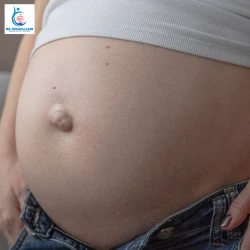
An umbilical hernia happens around your belly button. In adults, it can happen when there is much pressure inside your abdomen and tissue pushes through a weak spot near your navel. Being pregnant, overweight or straining your abdomen a lot can contribute to it. At first the swelling might be soft and not hurt. Over time it can get bigger or hurt more especially when you cough, bend or lift things. How it is treated depends on how big it is, how it feels and how healthy you are.
An epigastric hernia happens in the middle part of your abdomen between your belly button and breastbone. It usually has tissue in it and might look like a small firm lump. You might feel pain when you cough, exercise or put pressure on your abdomen. Some people have more than one small opening in this area. You might need to have it fixed if the lump hurts, is getting bigger or is affecting your life.
An incisional hernia happens through a spot in the scar from a previous surgery on your abdomen. The wall of your abdomen might not get strong again after surgery and tissue can push through the cut. The lump might appear months or years after the surgery. Big incisional hernias can cause discomfort and make the wall of your abdomen weaker. How it is treated depends on how big the hole is, what surgeries you had before and how healthy the tissue around it is.
A hiatal hernia is different because it happens inside your body and usually does not make a lump that you can see. It happens when part of your stomach moves up through an opening in your diaphragm and into your chest. Some people do not feel any symptoms. Others feel heartburn, acid reflux, discomfort in their chest belching or have trouble swallowing. Changing your lifestyle and taking medicine might help with symptoms and surgery might be needed if symptoms are bad or if complications happen.
Other Less Common Hernias
Adults can also get a hernia around a stoma, a lumbar hernia near their side or back or a recurrent hernia where they had surgery before. These need to be looked at one by one because treatment can be more complicated.
When Should You See a Doctor for Hernia in Indore?
If you notice a lump in your groin or abdomen you should have it checked. You should get help away if the lump suddenly hurts, is hard, red or you cannot push it back in. If you are vomiting, have a fever your abdomen is swollen or you cannot pass stool or gas it might mean that tissue or intestine is stuck.
There are kinds of hernias in adults and they can vary in where they are, how they feel and what might happen. Finding out what kind of hernia you have can help you decide if you should just watch it or have surgery. Seeing Dr. Nikunj Jain at the time can help you avoid waiting too long and can help you understand what the safest treatment is, for your condition.
FAQ’s Q1. What are the most common types of hernia in adults?
The most common types of hernia in adults are inguinal, femoral, umbilical, incisional, epigastric and hiatal hernias. Each type develops in a different part of the body and may require a different treatment approach.
Q2. Which is the most common hernia in adults?
An inguinal hernia is the most common type of hernia in adults. It usually appears as a swelling in the groin and may become more noticeable while coughing, lifting or standing.
Q3. Can an adult hernia heal without surgery?
An adult hernia usually does not heal on its own. A small and painless hernia may sometimes be monitored, but surgery is the only permanent way to repair the weak area in the muscle.
Q4. When should I consult a hernia surgeon in Indore?
You should consult a hernia surgeon in Indore if you notice a new lump in the groin, abdomen or near an old surgical scar. Pain, heaviness or an increasing swelling should not be ignored.
Q5. How is a hernia diagnosed?
A hernia is usually diagnosed through a physical examination, where the doctor checks the swelling while the patient stands, coughs or strains. In some cases, ultrasound, CT scan or other imaging tests may be advised to confirm the type and size of the hernia.
Q6. What are the warning signs of a complicated hernia?
Sudden severe pain, vomiting, fever, abdominal swelling and a lump that becomes hard or cannot be pushed back are warning signs. These symptoms require urgent medical attention.
Q7. Is laparoscopic hernia surgery available in Indore?
Yes, laparoscopic hernia surgery is available in Indore for suitable patients. It uses small cuts and may offer less pain, smaller scars and a quicker return to routine activities.
Q8. Can lifting heavy weight cause a hernia?
Heavy lifting may not always directly cause a hernia, but it can increase pressure inside the abdomen and make an existing weak spot worse. People who often lift heavy weights should avoid straining and get checked if they notice swelling or discomfort.
Q9. What happens if an adult hernia is left untreated?
If an adult hernia is left untreated, it may slowly increase in size and cause more pain or discomfort. In some cases, the tissue or intestine can get stuck, which may require urgent medical care.
Q10. Where can I get hernia treatment in Indore?
Patients looking for adult hernia treatment in Indore can consult Dr. Nikunj Jain, hernia doctor in Indore, for diagnosis and a personalised treatment plan. Early assessment can reduce discomfort and help prevent complications.
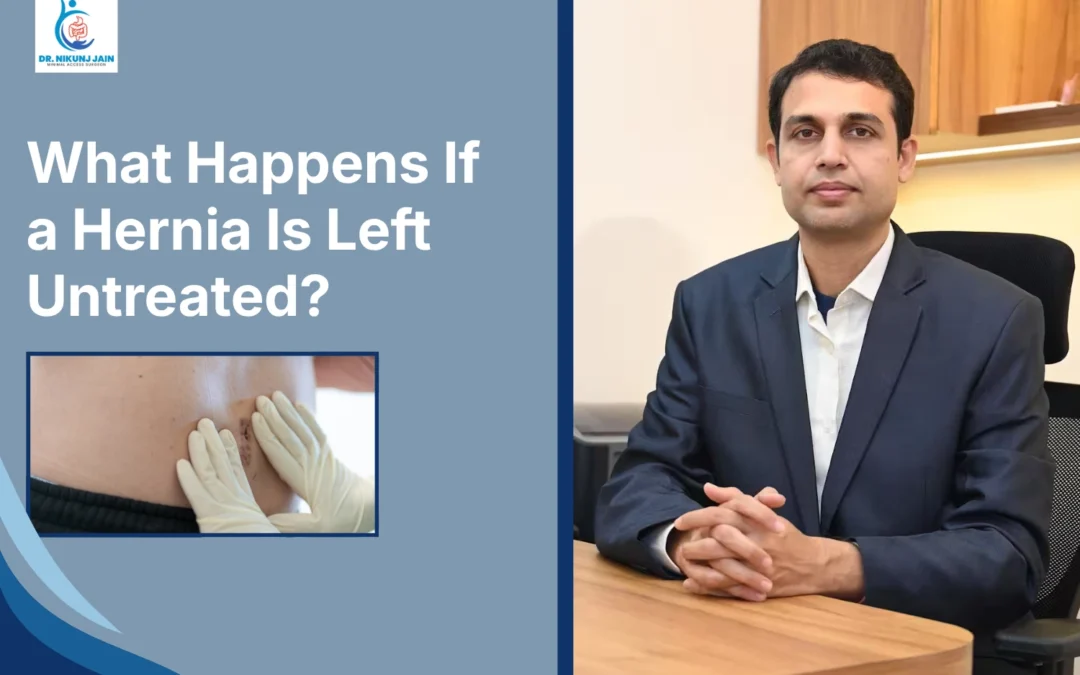
A hernia is a swelling that can appear near your abdomen, groin or belly button. Many people think it will go away on its own. It usually does not heal without proper treatment.
Dr. Nikunj Jain, best hernia doctor in Indore, explains that early diagnosis and timely care can prevent it from becoming a painful and serious problem. It happens when an internal organ or tissue pushes through a spot in the muscle wall.
It may appear as a lump that becomes more visible while coughing, lifting weight standing for long hours or straining during bowel movements.
Some hernias may cause discomfort while others can become painful over time.
The biggest mistake many patients make is waiting long. They feel that if there is no pain there is no major issue. An untreated hernia can slowly increase in size and may create complications later.
Table of Contents
Can a Hernia Heal on Its Own?
No, a hernia usually does not heal naturally. The weakness in the muscle wall remains there. With time the opening can become bigger. Medicines, belts or lifestyle changes may reduce discomfort for some time. They cannot close the hernia permanently.
This is why medical evaluation is important. A doctor can check the size, type and seriousness of the hernia and suggest the right treatment plan.
What Happens If a Hernia Is Ignored?
When a hernia is left untreated,it can gradually become larger. A small swelling that appears only while coughing may become a bulge. This can make daily activities uncomfortable, especially walking, bending, exercising or lifting objects.
Pain may also increase over time. Some patients feel heaviness or a pulling sensation in the area. Others may feel burning, pressure or discomfort after meals or physical activity. As the hernia grows it can affect the quality of life and make normal movement difficult.
Risk of Incarcerated Hernia
One of the risks of an untreated hernia is incarceration. This means the tissue or intestine gets stuck inside the hernia opening and cannot go in. When this happens, the swelling may become painful and hard.
An incarcerated hernia needs medical attention because it can lead to further complications. The patient may experience increasing pain, nausea, vomiting or difficulty passing stool. If ignored at this stage the condition may become more dangerous.
Risk of Strangulated Hernia
A strangulated hernia is a medical emergency which happens when the blood supply to the trapped tissue or intestine gets blocked. Without blood supply the tissue can become damaged.
Symptoms of a strangulated hernia may include pain, redness or darkening of the swelling, fever, vomiting, weakness and a bulge that does not go back inside. This condition should not be delayed because it may require emergency surgery. This is one of the reasons why a hernia should not be left untreated for a long time.
Digestive Problems Can Increase
Some hernias can affect the intestine. When the intestine gets involved, patients may face bloating, constipation, nausea or vomiting. In some cases, the passage of food and stool may get blocked.
This can become very painful and risky. Rather than waiting for symptoms to become severe, it is always better to get a hernia checked early.
Pain and Discomfort May Affect Daily Life
A hernia can slowly interfere with your daily activities. Patients may avoid exercise, walking, working, traveling or lifting light objects because of fear of pain. In some cases, the discomfort becomes worse by the end of the day.
Men with a groin hernia may feel pain while standing for hours or doing physical work. Women may feel pressure or discomfort during household activities. Over time, this can affect both comfort and mental peace.
Surgery May Become More Complicated Later
When a hernia is diagnosed, early treatment can often be planned properly. But when patients delay treatment for months or years, the hernia may grow bigger, and tissues may become weaker.
A larger or complicated hernia may need careful surgery and a longer recovery. Early treatment can help reduce the chances of emergency situations and make recovery smoother.
When Should You See a Doctor?
You should see a hernia doctor in Indore if you notice a swelling in the abdomen, groin, belly button or previous surgery area. You should also seek advice if the swelling increases while coughing, standing or lifting weights.
Do not delay hernia treatment if you have pain, vomiting, fever, redness, swelling over the bulge, or if the swelling does not go inside. These may be warning signs of a hernia complication.
A hernia may seem small at first. Leaving it untreated can lead to pain, swelling, digestive issues, and emergency complications like incarceration or strangulation. The safest step is to get it checked early and understand the treatment option. Dr. Nikunj Jain is the best hernia doctor in Indore and provides care for hernia diagnosis and treatment. He helps patients avoid risks and recover with confidence.
FAQ’s
Q1. What happens if a hernia is left untreated? If a hernia is left untreated, it can slowly increase in size and cause pain, swelling, discomfort and digestive problems. In some cases, it may become an emergency if the tissue gets trapped.
Q2. Can a hernia heal without surgery? A hernia usually does not heal on its own because the weak muscle opening remains there. Dr. Nikunj Jain in Indore suggests proper medical evaluation to understand the right treatment option.
Q3. When should I worry about a hernia? You should worry if the hernia becomes painful, hard, red, swollen or does not go back inside. Vomiting, fever and severe pain can also be warning signs.
Q4. Is untreated hernia dangerous? Yes, an untreated hernia can become dangerous if it leads to incarceration or strangulation. These conditions can block blood supply and may require emergency surgery.
Q5. What are the symptoms of a serious hernia? Serious hernia symptoms include severe pain, nausea, vomiting, fever, redness over the bulge, constipation and a swelling that cannot be pushed back in.
Q6. Can I exercise with a hernia? Light activity may be possible in some cases, but heavy lifting, intense workouts and straining can make a hernia worse. It is better to consult Dr. Nikunj Jain in Indore before continuing exercise.
Q7. What is a strangulated hernia? A strangulated hernia happens when the blood supply to the trapped tissue or intestine is blocked. This is a medical emergency and needs immediate treatment.
Q8. Does every hernia need surgery? Not every hernia needs immediate surgery, but many hernias eventually require surgical repair. The decision depends on the size, symptoms and risk of complications.
Q9. Who is the best doctor for hernia treatment in Indore? For hernia diagnosis and treatment in Indore, patients can consult Dr. Nikunj Jain, who provides guidance for hernia care, laparoscopic surgery and safe treatment planning.
Q10. How can I prevent a hernia from getting worse? Avoid heavy lifting, treat constipation, maintain a healthy weight and do not ignore swelling or pain. Early consultation in Indore can help prevent hernia complications.
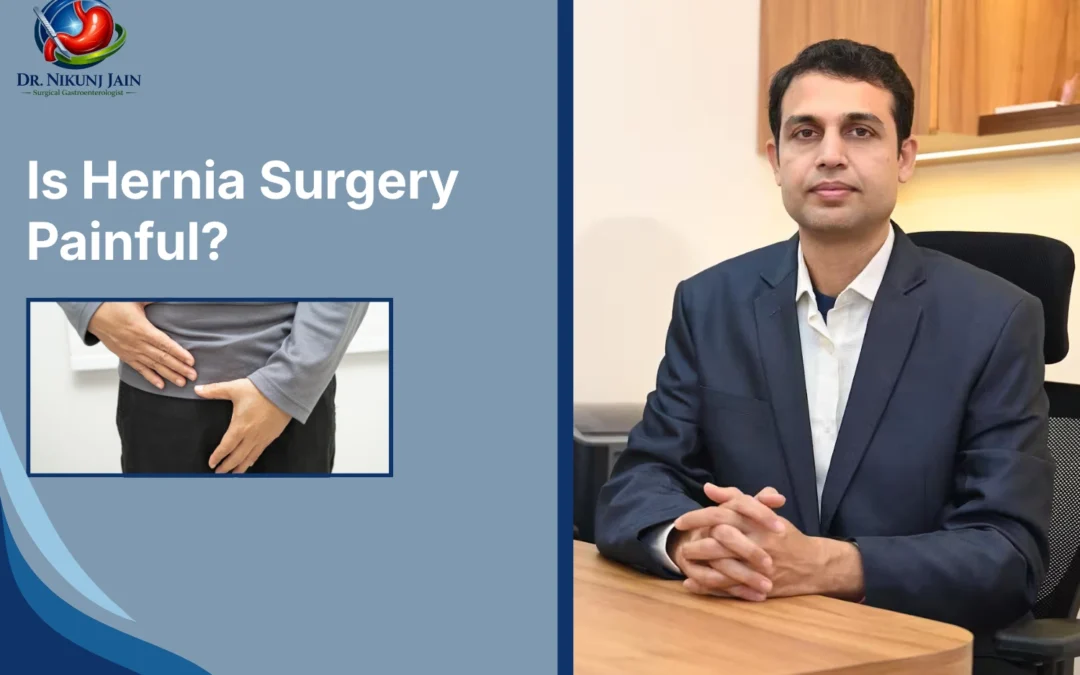
When someone hears they might need hernia surgery, fear often hits first. “Is it going to hurt a lot?” That’s the big question on everyone’s mind. It’s totally normal, no one wants to go under the knife, and the idea of pain can make you put off treatment even when you’re dealing with daily aches.
A hernia starts small, maybe just a bulge or a heavy feeling. But soon, walking far, grabbing your groceries, or even standing too long gets uncomfortable. You might notice a pulling sensation or nagging ache that won’t quit. It wears you down mentally, leaving you anxious, frustrated, or just plain stuck.
Table of Contents
Pain During Surgery– Hernia
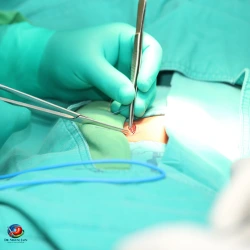
The great news? Surgery for hernia happens under anesthesia, so you won’t feel a thing. You’ll either be out cold or the area’s totally numb. The surgeon tucks the bulging tissue back where it belongs and reinforces the weak spot to keep it from happening again.
These days, with laparoscopic techniques, they make tiny incisions. That means less hassle, quicker recovery, and often heading home the same day. Healing in your own space? Way better.
Pain After the Surgery of Hernia
Sure, you’ll feel some soreness afterward,like tightness or tenderness, not killer pain. Most People say it’s totally doable. prescribe meds to keep you comfy the first few days. Stick to the plan: rest up, skip the heavy lifting, move gently, and you’ll bounce back fast. In a week or two, light activities feel normal again.
Emotional Stress Before Surgery
At times, the emotional burden of a hernia can feel heavier than the physical symptoms. Concerns about work, daily responsibilities, and depending on family members are common. Hearing negative experiences from others may also increase anxiety. However, it is important to understand that modern surgical techniques are advanced, safe, and designed to ensure patient comfort and faster recovery.
Open communication with your doctor can make a significant difference. Asking questions and understanding the procedure, recovery process, and expected outcomes helps build confidence and reduces fear.Family support also plays a crucial role during recovery. Assistance with daily tasks, along with simple comforts like home-cooked meals, can make the healing process smoother and more manageable.
Tips for Faster Recovery After Surgery
Take your meds right on schedule.
No sudden bends or heavy lifts.
Take gentle walks to stay active.
Fuel up with good food and water.
Keep the incision clean.
Hit those follow-ups.
These habits cut discomfort and help prevent recurrence.
When to See a Doctor for Hernia
A bit of pain or swelling is par for the course at first. But if it ramps up, you spike a fever, see redness, or notice weird drainage, reach out ASAP. Early checks avoid headaches and keep you calm.
Why choose Dr. Nikunj Jain, best hernia doctor in Indore?
Dr. Nikunj Jain is a trusted name for hernia treatment in Indore, known for his expertise in gastrointestinal and laparoscopic surgery. He specializes in minimally invasive procedures that help patients recover faster with less pain and smaller incisions. With strong academic qualifications and extensive surgical experience, Dr. Jain provides accurate diagnosis and personalized treatment plans for every patient. His patient-focused approach, advanced surgical techniques, and commitment to safe outcomes make him a preferred choice for hernia treatment. Patients appreciate his clear guidance and compassionate care, ensuring comfort and confidence throughout the treatment and recovery journey.
Conclusion
A hernia chips away at your confidence,no more outings, workouts, or trips out of fear. Surgery might seem daunting, but it’s often the ticket to real relief. With good care, recovery’s smoother than you think, and People are thrilled they didn’t wait.
Worried about your symptoms? Talk to an expert doctor for hernia like Dr. Nikunj Jain. His compassionate approach and cutting-edge methods make the whole journey feel safe and hopeful.
Living with a hernia isn’t just about the physical ache, it starts messing with your confidence, your daily routine, and even your peace of mind. A lot of People brush off the early signs, like “Eh, it’s just some swelling from straining too hard.” But over time, that nagging discomfort turns into real worry. That’s when you need solid advice from someone you can trust, like Dr. Nikunj Jain, hernia specialist in Indore, who’s helped tons of people get back to feeling normal with the right fix.
Table of Contents
What Exactly Is a Hernia?
A hernia basically happens when part of your organ or tissue pokes through a weak spot in your muscle wall. It might show up as a little bulge when you’re coughing, lifting stuff, or on your feet all day. At first, it doesn’t hurt much, so people put off seeing a Doctor. But deep down, you’re stressing about it getting worse, needing surgery, or having to change your whole lifestyle.
Anxiety and Stress Due to Hernia
The toughest part emotionally? All that uncertainty. You’re lying awake wondering if the lump’s gonna grow, if you’ll struggle with simple things like walking to work or hitting the gym, or if a sharp pain’s gonna hit out of nowhere. That constant what-if spiral can make you pull back from friends, work, everything.
Early Symptoms of Hernia
Recognizing the early signs of a hernia can help prevent complications and ensure timely treatment. Common symptoms include a noticeable lump or swelling in the abdomen or groin, discomfort or pain while bending, lifting, or coughing, and a feeling of heaviness or pressure in the affected area.
Some individuals may also experience digestive discomfort or a mild burning sensation. While these symptoms may seem minor initially, ignoring them can worsen the condition over time by increasing strain on the weakened muscle. Early medical evaluation is important for proper diagnosis and management.
Effective Hernia Treatment Options
Treatment really depends on how big it is, what type, and how it’s bugging your life. Most times, surgery’s the best bet since hernias don’t fix themselves. The good news? Today’s options are way safer, quicker, and hurt less. Those minimally invasive methods mean tiny scars and you’re back to normal life super fast.
How to Prepare Mentally for Hernia Surgery
Don’t sleep on the emotional side either. Loads of people freak out about surgery because of scary stories or old myths. But chat with a good Doctortor, and it all clicks into place,way less scary. A specialist like Dr. Nikunj Jain doesn’t just fix the body; they help you feel ready and pumped about it mentally.
Little lifestyle tweaks help too. Keep your weight in check to ease up on your abs, load up on fiber to avoid constipation (which strains everything), lift smart instead of heaving heavy stuff, and ditch smoking for stronger muscles overall. These habits speed up healing and keep things good long-term.
Importance of Support During Hernia Treatment
Having family or buddies in your corner makes all the difference. When someone gets it and cheers you on, you’re more likely to get checked out quick and stick to the plan. That emotional boost? It’s what powers the physical recovery.
Life After Hernia Surgery
I’ve seen (and heard from) so many people who were miserable with the pain and fear, but after the right treatment, they’re striding around confidently, traveling without a care, and just living life without that constant hernia worry. It’s not just a medical win,it’s life-changing on a personal level.
Why Choosing the Right Hernia Specialist Matters
Pick the right specialist, and your plan’s tailored for safety and real results. Dr. Nikunj Jain, with his expertise in cutting-edge hernia care and real patient focus, keeps guiding People from worry to “I’m good,” toward a comfy, healthy life.