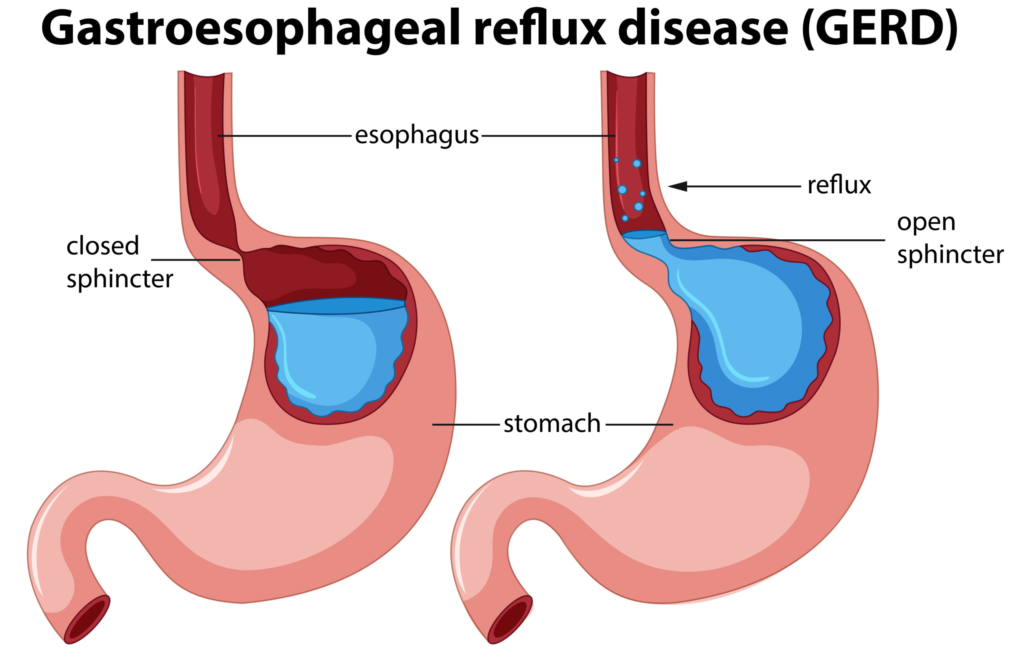
A hiatus hernia is a common digestive condition that can quietly affect daily comfort and long‑term health. Many people live with it for years without knowing, while others experience troublesome symptoms that interfere with eating, sleeping, and overall quality of life. Understanding what a hiatus hernia is, when treatment is needed, and how surgery can help is the first step toward lasting relief. This blog by Dr. Nikunj Jain– best hernia doctor in Indore, explains what hernia is, causes of hernia, symptoms of hernia and how hernia is treated.
Table of Contents
What Is a Hiatus Hernia?
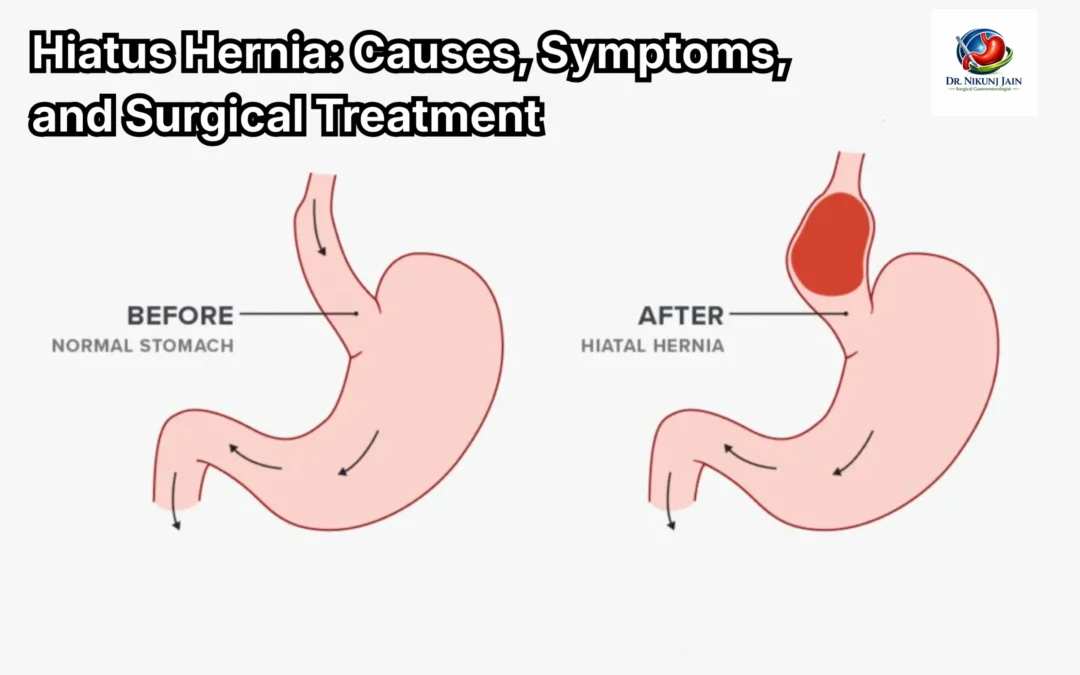
The diaphragm is a strong muscle that separates the chest from the abdomen and helps in breathing. There is a small opening in the diaphragm called the hiatus, through which the food pipe (esophagus) passes before connecting to the stomach. A hiatus hernia occurs when a part of the stomach slips up through this opening into the chest.
There are two main types:
• Sliding hiatus , the most common type, where the stomach moves up and down through the hiatus.
• Paraesophageal (rolling) hernia , less common but more serious, where part of the stomach pushes up beside the esophagus and stays there.
Common Causes of Hiatus Hernia
A hiatus hernia can develop due to increased pressure inside the abdomen or weakness in the diaphragm muscles. Common causes include:
• Aging and muscle weakness • Obesity or sudden weight gain • Chronic coughing or sneezing • Heavy lifting or straining • Pregnancy • Long‑term constipation
In many cases, there is no single cause, but a combination of factors.
Symptoms You Should Not Ignore
Small hiatus hernias may not cause any symptoms. However, larger hernias often lead to acid reflux and related problems. Common symptoms include:
• Heartburn or burning sensation in the chest
• Acid reflux or sour taste in the mouth
• Difficulty swallowing
• Chest pain, especially after meals
• Bloating or frequent burping
• Shortness of breath (in severe cases)
If symptoms persist despite medication, medical evaluation is important.
How Is Hiatus Hernia Diagnosed?
Diagnosis is usually made through a combination of tests such as:
• Upper GI endoscopy
• Barium swallow X‑ray
• CT scan (in selected cases)
• Esophageal manometry or pH monitoring
These tests help confirm the type and severity of the hernia and guide treatment planning.
Non‑Surgical Treatment Options
For many patients, mild to moderate symptoms can be managed without surgery. Non‑surgical treatment includes:
• Lifestyle changes like weight loss and smaller meals
• Avoiding spicy, oily, and acidic foods
• Not lying down immediately after eating
• Elevating the head while sleeping
• Medications to reduce acid production
However, these treatments control symptoms but do not correct the hernia itself.
When Is Surgery Needed?
Surgery is advised when:
• Symptoms do not improve with medication
• There is severe acid reflux or esophagitis
• Complications like bleeding, ulcers, or narrowing of the food pipe occur
• Paraesophageal hernia is present
• Quality of life is significantly affected
In such cases, surgical repair offers long‑term relief and prevents complications.
Hiatus Hernia Surgery: What to Expect
Hiatus hernia surgery is most commonly performed using laparoscopic (keyhole) techniques. This minimally invasive approach involves small incisions, resulting in less pain and faster recovery.
The surgery typically includes:
• Pulling the stomach back into the abdomen
• Tightening the diaphragmatic opening
• Strengthening the valve between the esophagus and stomach (fundoplication)
The procedure usually takes 1,2 hours, and most patients are discharged within 1,2 days.
Recovery After Surgery
Recovery is generally smooth. Patients can expect:
• Mild discomfort for a few days
• Liquid or soft diet initially
• Gradual return to normal activities within 1,2 weeks • Full recovery in a few weeks
Following post‑operative dietary and lifestyle advice is essential for best results.
Why Choose Surgical Treatment?
Surgery provides a long‑term solution by correcting the anatomical problem rather than just controlling symptoms. Under the care of an experienced laparoscopic surgeon in Indore like Dr. Nikunj Jain, patients receive personalized treatment using advanced surgical techniques aimed at safety, comfort, and durable results.
Early consultation and timely treatment can prevent complications and help patients return to a comfortable, symptom‑free life. Hiatus hernia treatment by Dr. Nikunj Jain includes advanced laparoscopic surgery for acid reflux, heartburn, and long-term relief from symptoms.
Gastrointestinal (GI) problems can cause pain, discomfort, and sometimes disturb your everyday life. When medicines and lifestyle changes do not give relief, surgery becomes necessary. Today, many patients prefer laparoscopic surgery, a modern technique that uses small cuts and a camera to treat different gastrointestinal problems.
drBut the big question is: When is laparoscopic surgery better than open surgery? This blog explains the differences and helps you understand when laparoscopic surgery becomes the preferred choice, under the guidance of Dr. Nikunj Jain, best laparoscopic surgeon in Indore.
Table of Contents
What Is Laparoscopic Surgery?
Laparoscopic surgery is also called minimally invasive surgery.
It is done through very small incisions.
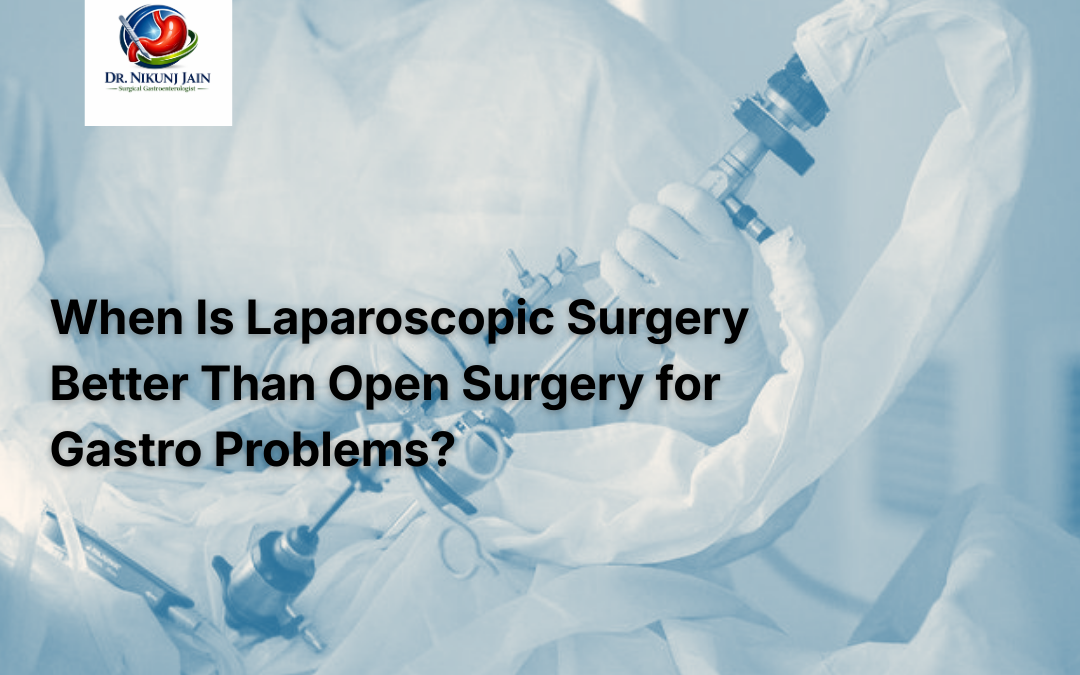
A thin tube with a camera (laparoscope) is inserted inside the abdomen.
The surgeon watches the inside of the body on a screen and performs the procedure with special instruments.
This approach is safe, precise, and helps patients recover faster.
What Is Open Surgery?
Open surgery is the traditional method of surgery.
It involves a larger cut on the stomach.
The surgeon can directly see and touch the organs.
Open surgery is still required in some complex situations, but for many gastro problems, laparoscopic surgery offers better results.
When Is Laparoscopic Surgery Better?
Here are the conditions where laparoscopic surgery becomes the best and safest option:
1. Gallbladder Stones (Cholecystectomy)
Laparoscopic surgery is the gold-standard treatment for gallbladder stone removal.
Why better?
Minimal pain
Faster discharge, often within 24 hours
Quick return to normal activities
Almost invisible scars
Most patients in Indore prefer laparoscopic gallbladder surgery because of the quick recovery and high success rate under experts like Dr. Nikunj Jain.
2. Hernia Repair
For inguinal, umbilical, and ventral hernias, laparoscopic repair is often preferred.
Benefits:
Smaller cuts → less pain
Better view of the hernia from inside
Mesh placement with precision
Reduced risk of recurrence
Excellent option for people with bilateral or recurrent hernias
3. Appendicitis
Laparoscopic appendectomy is highly recommended, especially in early or uncomplicated appendicitis.
Why better?
Shorter hospital stay
Lower infection risk
Faster healing
Best for young adults, working professionals, and athletes
4. Acid Reflux (GERD) & Hiatal Hernia Surgery
When lifestyle changes and medicines fail, surgery is required. Laparoscopic anti-reflux surgery helps in long-term relief.
Advantages:
Restores valve function between the stomach and the food pipe
Less pain and discomfort
Faster return to normal diet
5. Obesity & Bariatric Procedures
Weight-loss surgeries such as gastric bypass or sleeve gastrectomy are almost always done laparoscopically.
Why patients prefer it:
Safer for overweight patients
Faster recovery
Very low complication rate
6. Intestinal Surgeries
For problems like small bowel obstruction, Crohn’s disease, or certain tumors, laparoscopic techniques provide great outcomes.
Benefits:
Better visualization
Smaller incisions, even for large procedures
Early bowel movement recovery
General Benefits of Laparoscopic Surgery
✔ Smaller cuts → Less pain ✔ Very low blood loss ✔ Short hospital stay ✔ Faster recovery and mobility ✔ Minimal scars ✔ Lower risk of wound infections ✔ Faster return to work
For many patients, especially working professionals, women, and elderly individuals, these advantages make a big difference.
When Is Open Surgery Still Needed?
Open surgery is preferred in certain situations, like:
Very large tumors
Severe infections spreading into multiple organs
Emergency trauma
When laparoscopic visibility is poor due to previous surgeries
Complicated intestinal blockage
An expert surgeon decides the safest approach based on the patient’s condition.
Why Choose Dr. Nikunj Jain, Best Laparoscopic Surgeon in Indore?
Dr. Nikunj Jain is known for his expertise in advanced laparoscopic and gastro surgeries. Patients trust him for:
High surgical accuracy
Modern laparoscopic techniques
Minimal complications
Fast recovery and patient comfort
Clear guidance and ethical treatment
He ensures that every patient gets the safest and most effective approach, whether laparoscopic or open, based on their specific condition.
Conclusion
Laparoscopic surgery has transformed the way we treat gastro problems. For many conditions like gallstone removal, appendix surgery, hernia repair, and reflux disease, laparoscopic surgery provides better results, less pain, and quicker recovery compared to open surgery.
But the choice depends on the patient’s condition, and consulting an expert like Dr. Nikunj Jain, best laparoscopic surgeon in Indore, ensures you get the right treatment with the highest safety.
Acidity and reflux problems, known medically as gastroesophageal reflux disease (GERD), are common ailments that plague millions of people worldwide. While lifestyle changes and medications are the first line of defense, many individuals suffer from chronic conditions that are resistant to these conventional treatments. For such patients, laparoscopic surgery offers a promising, minimally invasive solution that can effectively manage and even cure these debilitating issues. In cities like Indore, specialists are increasingly turning to Role of Laparoscopic Surgery in Treating Acidity and Reflux Problems
Role of Laparoscopic Surgery in Treating Acidity and Reflux Problems
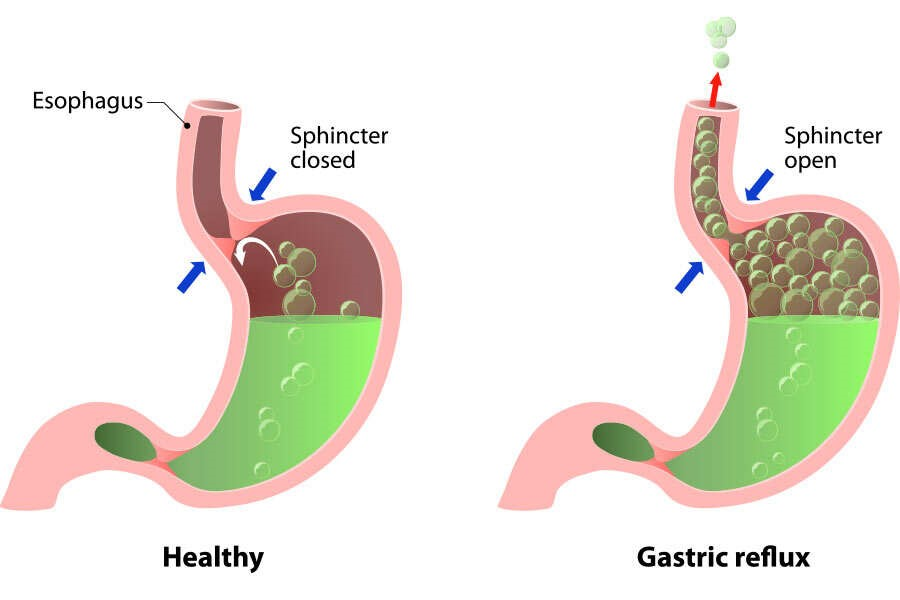
Acidity, often referred to as heartburn, occurs when stomach acid flows back into the esophagus, causing irritation and discomfort. When this happens frequently, it can lead to gastroesophageal reflux disease (GERD). This chronic condition not only results in persistent discomfort but can also cause serious complications, including esophageal damage, ulcers, and even an increased risk of esophageal cancer.
People who suffer from GERD often experience a variety of symptoms, such as:
Burning sensation in the chest (heartburn)
Regurgitation of food or sour liquid
Difficulty swallowing
Chronic cough or throat irritation
A sensation of a lump in the throat
For many, these symptoms can be managed with antacids, proton pump inhibitors (PPIs), and other medications. However, for those whose symptoms persist despite these treatments, laparoscopic surgery offers an effective alternative.
Laparoscopic Surgery: A Minimally Invasive Solution
Laparoscopic surgery, also known as keyhole surgery, is a technique that involves making small incisions through which a camera and surgical instruments are inserted. This method offers several advantages over traditional open surgery, including reduced pain, shorter hospital stays, faster recovery times, and minimal scarring.
When it comes to treating acidity and reflux problems, laparoscopic surgery often involves a procedure known as Nissen fundoplication. During this operation, the surgeon wraps the top part of the stomach around the lower esophagus to strengthen the esophageal sphincter, which prevents acid from flowing back into the esophagus. This not only reduces symptoms of GERD but can also help heal any damage caused by the acid reflux.
Why Laparoscopic Surgery is Effective for Acidity and Reflux Problems
Laparoscopic surgery is particularly effective for treating chronic acidity and reflux problems because it addresses the root cause of GERD – a weak lower esophageal sphincter. Unlike medications that simply neutralize or reduce stomach acid, surgery provides a long-term solution by physically preventing acid from refluxing into the esophagus. Studies have shown that more than 90% of patients who undergo laparoscopic surgery for GERD experience significant relief from their symptoms, with many achieving complete remission.
In addition to treating GERD, laparoscopic surgery can also be used to repair hiatal hernias, which often contribute to acid reflux. By repositioning the stomach and reinforcing the diaphragm, the surgery prevents the hernia from recurring and further exacerbating reflux symptoms.
High Success Rate: Laparoscopic surgery boasts a success rate of over 90% for patients with GERD, making it one of the most reliable treatment options available.
Quick Recovery: Most patients can return to their normal activities within a few days to a week after surgery, compared to several weeks with traditional surgery.
Minimal Scarring: The small incisions used in laparoscopic surgery result in minimal scarring, which is a significant cosmetic advantage for many patients.
Lower Risk of Complications: The precise nature of laparoscopic surgery reduces the risk of complications such as infections or excessive bleeding.
Indore: A Hub for Laparoscopic Surgery
Indore has emerged as a leading destination for laparoscopic surgery in India, particularly for the treatment of acidity and reflux problems. The city is home to several renowned specialists who are highly experienced in performing these procedures. With state-of-the-art medical facilities and a focus on patient care, Indore offers an excellent environment for individuals seeking relief from chronic GERD through surgery.
Leading Laparoscopic Surgeon in Indore
Indore’s healthcare sector is bolstered by a number of top-tier hospitals and clinics that specialize in laparoscopic surgery for GERD and related conditions.
Dr. Nikunj Jain – He is a renowned Gastro & Minimal Access Laparoscopic Surgeon. He is a Surgical Gastroenterologist, Consultant Surgeon at Apollo Hospital, Indore having expertise in laparoscopic, Laser, and Robotic Surgery. You can be confident that with Dr. Nikunj Jain your well-being is in the capable hands of a highly-skilled Minimally Invasive Laparoscopic & Robotic Surgeon. Dr. Nikunj Jain strives to treat his patients with an honest, straightforward, and caring nature in a safe and comfortable environment. Dr. Nikunj Jain has been awarded Dr. B. Ramamurthi National Gold Medal by the National Board of Examination.
Recovering from laparoscopic surgery for acidity and reflux problems is generally straightforward, but it requires careful adherence to your surgeon’s instructions to ensure optimal results. Immediately after surgery, you may experience some discomfort, but this is usually manageable with pain relief medication. Most patients can start consuming liquids within a few hours post-surgery and gradually progress to a soft diet as recommended by the doctor.
Diet: Following a soft diet initially to allow the stomach and esophagus to heal properly.
Activity: While you’ll be encouraged to move around soon after surgery, avoid strenuous activities for a few weeks.
Follow-Up Visits: Regular follow-ups with your surgeon are crucial to monitor your recovery and address any concerns.
Long-term, the majority of patients report a significant improvement in their quality of life, with a marked reduction in symptoms of acidity and reflux problems. The need for medication typically decreases, and in many cases, patients can stop taking GERD medications altogether.
Is Laparoscopic Surgery the Right Option for You?
If you’ve been struggling with chronic acidity and reflux problems that don’t respond to medication or lifestyle changes, laparoscopic surgery might be a viable option. However, it’s important to consult with a specialist to determine if you’re a suitable candidate for the procedure. Factors such as the severity of your GERD, the presence of a hiatal hernia, and your overall health will play a significant role in this decision.
For those who qualify, laparoscopic surgery offers a chance to regain control over their health and dramatically improve their quality of life.
Laparoscopic surgery has revolutionized the treatment of chronic acidity and reflux problems, providing a minimally invasive yet highly effective solution for those suffering from GERD. With its high success rate, quick recovery time, and lasting benefits, this surgical option is increasingly being chosen by patients around the world, including in Indore, where some of the country’s best surgeons offer their expertise.
If you’re considering laparoscopic surgery to treat your acidity and reflux problems, Indore presents an excellent choice for accessing world-class medical care. Consult with a specialist today to explore how this procedure could help you live a more comfortable, symptom-free life.
FAQs
What is the success rate of laparoscopic surgery for treating GERD?
Laparoscopic surgery for GERD has a success rate of over 90%, with many patients experiencing significant relief from symptoms and some achieving complete remission.
How long is the recovery period after laparoscopic surgery for reflux problems?
Most patients can return to their normal activities within a few days to a week after laparoscopic surgery, although full recovery may take a few weeks.
Are there any risks associated with laparoscopic surgery for acidity and reflux?
While laparoscopic surgery is generally safe, like any surgical procedure, it carries some risks, including infection, bleeding, and complications related to anesthesia. However, these risks are minimized due to the minimally invasive nature of the surgery.
Is laparoscopic surgery a permanent solution for GERD?
For many patients, laparoscopic surgery offers a long-term or even permanent solution to GERD, especially when combined with lifestyle modifications.
Can I stop taking GERD medications after laparoscopic surgery?
Many patients find that they can reduce or completely stop taking GERD medications after successful laparoscopic surgery, but this should be done under the guidance of a healthcare provider.
How do I know if I’m a good candidate for laparoscopic surgery for GERD?
To determine if you’re a suitable candidate for laparoscopic surgery, you should consult with a gastroenterologist or a surgeon who specializes in this procedure. They will evaluate your condition, medical history, and overall health to make a recommendation.
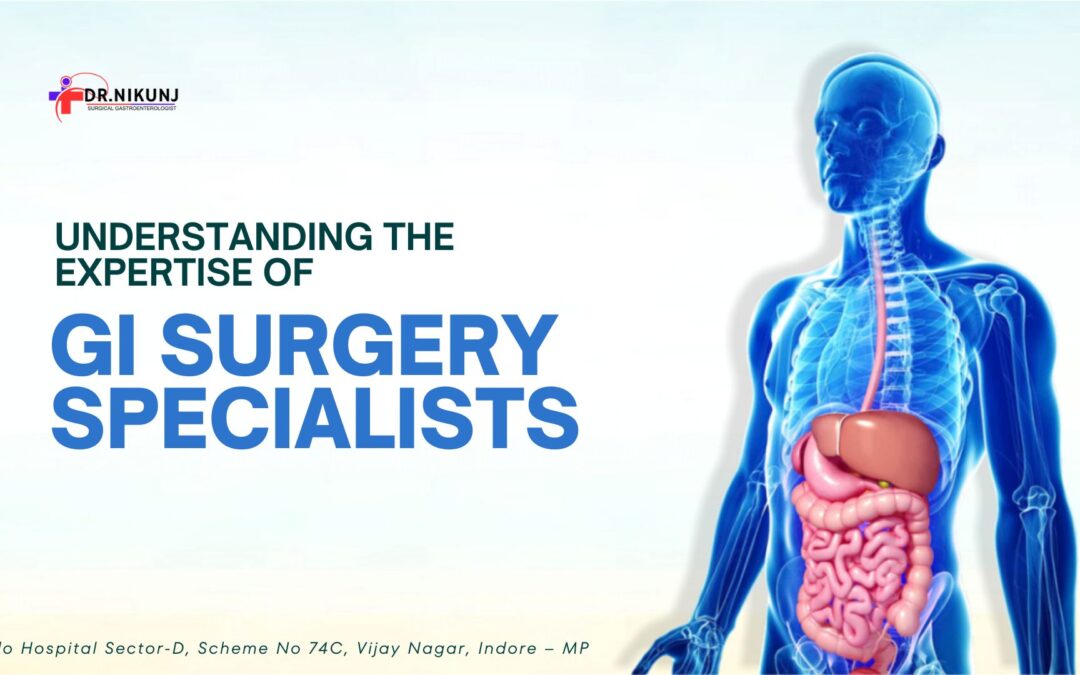
Gastrointestinal (GI) surgery specialists play a crucial role in diagnosing, treating, and managing a wide array of digestive system disorders. Their expertise spans various procedures, from minimally invasive surgeries to complex interventions, aimed at improving patient outcomes and quality of life. This comprehensive guide delves into the world of GI surgery specialists, exploring their roles, the conditions they treat, and the advanced surgical techniques they employ.
The Role of GI Surgery Specialists
GI surgery specialists, also known as gastrointestinal surgeons, are medical professionals who focus on the surgical treatment of diseases affecting the digestive system, which includes the esophagus, stomach, intestines, liver, pancreas, and gallbladder. These specialists undergo extensive training in general surgery followed by specialized training in gastrointestinal surgery.
Conditions Treated by GI Surgery Specialists
Gastrointestinal (GI) surgery specialists are adept at diagnosing, managing, and treating a wide range of disorders affecting the digestive system. This encompasses conditions involving the esophagus, stomach, intestines, liver, pancreas, and gallbladder. Here, we delve into the common and complex conditions treated by GI surgery specialists, highlighting their symptoms, causes, and surgical interventions.
Gastroesophageal Reflux Disease (GERD)
Symptoms and Causes GERD is characterized by chronic acid reflux, where stomach acid frequently flows back into the esophagus, causing irritation. Symptoms include heartburn, regurgitation, chest pain, and difficulty swallowing. Contributing factors include obesity, hiatal hernia, pregnancy, smoking, and certain foods and medications.
Surgical Treatment
Fundoplication: The most common surgery for GERD, where the top of the stomach (fundus) is wrapped around the lower esophagus to strengthen the valve and prevent acid reflux.
LINX Device: A newer technique involving a ring of magnetic beads placed around the lower esophagus to augment the lower esophageal sphincter and prevent reflux.
Gallbladder Diseases
Symptoms and Causes Gallbladder diseases such as gallstones (cholelithiasis) and inflammation (cholecystitis) can cause severe abdominal pain, nausea, vomiting, and fever. Risk factors include obesity, high-fat diets, age, and gender, with women being more susceptible.
Surgical Treatment
Cholecystectomy: The removal of the gallbladder, which can be performed laparoscopically (minimally invasive) or through open surgery. This procedure is the definitive treatment for symptomatic gallstones and cholecystitis.
Colorectal Cancer
Symptoms and Causes Colorectal cancer originates in the colon or rectum, often beginning as benign polyps that can become cancerous. Symptoms include changes in bowel habits, blood in the stool, abdominal pain, and unexplained weight loss. Risk factors include age, family history, diet, and lifestyle factors like smoking and alcohol consumption.
Surgical Treatment
Colectomy: Removal of part or all of the colon. Depending on the cancer’s location and stage, a partial colectomy or total colectomy may be performed.
Proctectomy: Removal of the rectum, often necessary for rectal cancer. This procedure may involve creating an ostomy to allow waste to exit the body through the abdominal wall.
Inflammatory Bowel Disease (IBD)
Symptoms and Causes IBD encompasses chronic inflammatory conditions like Crohn’s disease and ulcerative colitis. Symptoms include abdominal pain, diarrhea, weight loss, and fatigue. The exact cause is unknown, but it involves an abnormal immune response and genetic predisposition.
Surgical Treatment
Resection: Surgical removal of diseased sections of the intestine. In Crohn’s disease, this may involve multiple segments, while ulcerative colitis often requires removal of the colon.
Strictureplasty: Widening of narrowed areas of the intestine without removing any part of it, commonly used in Crohn’s disease to alleviate obstruction.
Hernias
Symptoms and Causes Hernias occur when an organ or tissue protrudes through a weak spot in the abdominal wall, causing pain, swelling, and discomfort. Common types include inguinal, umbilical, and hiatal hernias. Causes include heavy lifting, chronic coughing, obesity, and pregnancy.
Surgical Treatment
Herniorrhaphy: Traditional repair of the hernia by pushing the protruding tissue back into place and reinforcing the abdominal wall.
Hernioplasty: Use of synthetic mesh to strengthen the weakened area and prevent recurrence, often performed laparoscopically for reduced recovery time.
Pancreatic Cancer
Symptoms and Causes Pancreatic cancer is a highly aggressive cancer with symptoms like jaundice, abdominal pain, weight loss, and digestive issues. Risk factors include smoking, chronic pancreatitis, diabetes, and family history.
Surgical Treatment
Whipple Procedure (Pancreaticoduodenectomy): Removal of the head of the pancreas, part of the small intestine, the gallbladder, and the bile duct. This complex surgery is the primary treatment for tumors in the head of the pancreas.
Distal Pancreatectomy: Removal of the body and tail of the pancreas, often along with the spleen, used for tumors located in these areas.
Esophageal Cancer
Symptoms and Causes Esophageal cancer manifests as difficulty swallowing, chest pain, weight loss, and persistent cough. Risk factors include smoking, heavy alcohol consumption, GERD, and Barrett’s esophagus.
Surgical Treatment
Esophagectomy: Removal of part or all of the esophagus. This procedure can be performed through open surgery or minimally invasive techniques, often followed by reconstruction using part of the stomach or intestine.
Peptic Ulcer Disease
Symptoms and Causes Peptic ulcers are open sores that develop on the lining of the stomach, small intestine, or esophagus, causing burning stomach pain, bloating, and nausea. Common causes include Helicobacter pylori infection, prolonged use of NSAIDs, and excessive acid production.
Surgical Treatment
Vagotomy: Cutting the vagus nerve to reduce acid production in the stomach.
Antrectomy: Removal of the lower part of the stomach that produces a hormone stimulating acid secretion.
Gastrojejunostomy: Connecting the stomach to the jejunum (part of the small intestine) to bypass the affected area.
Liver Diseases
Symptoms and Causes Liver diseases such as cirrhosis, liver cancer, and benign liver tumors can cause jaundice, abdominal pain, swelling, and liver failure. Causes include chronic alcohol use, hepatitis B and C infections, and fatty liver disease.
Surgical Treatment
Liver Resection: Removal of part of the liver affected by tumors or severe damage. The liver’s ability to regenerate allows for significant portions to be removed.
Liver Transplantation: Replacing a diseased liver with a healthy one from a donor, often the only option for end-stage liver disease or liver cancer.
Appendicitis
Symptoms and Causes Appendicitis is the inflammation of the appendix, causing severe abdominal pain, particularly in the lower right abdomen, fever, and nausea. The exact cause is not always clear, but it often involves obstruction by fecal matter or infection.
Surgical Treatment
Appendectomy: Surgical removal of the appendix. This procedure is typically performed laparoscopically for quicker recovery and minimal scarring.
Diverticulitis
Symptoms and Causes Diverticulitis occurs when small pouches (diverticula) in the colon become inflamed or infected, leading to abdominal pain, fever, and changes in bowel habits. Causes include a low-fiber diet, obesity, and aging.
Surgical Treatment
Bowel Resection: Removal of the affected section of the colon, often followed by rejoining the healthy sections. This is necessary in severe or recurrent cases.
Colostomy: Creating an opening (stoma) in the abdominal wall for waste to pass into a colostomy bag, sometimes required temporarily after resection.
Stomach Cancer
Symptoms and Causes Stomach cancer, or gastric cancer, can cause symptoms like persistent indigestion, stomach pain, nausea, and weight loss. Risk factors include Helicobacter pylori infection, smoking, certain diets, and family history.
Surgical Treatment
Gastrectomy: Partial or total removal of the stomach, depending on the cancer’s location and stage. Reconstruction is necessary to maintain digestive continuity.
Lymph Node Dissection: Removal of nearby lymph nodes to prevent the spread of cancer.
GI surgery specialists are equipped to handle a diverse array of gastrointestinal conditions through various surgical techniques. Their expertise is vital for diagnosing and treating these disorders effectively, often using minimally invasive procedures to enhance recovery and outcomes. Understanding the range of conditions treated and the surgical interventions available can help patients make informed decisions about their healthcare, ensuring they receive the best possible care for their digestive health.
Advanced Surgical Techniques in GI Surgery
Gastrointestinal (GI) surgery has seen significant advancements in recent years, with innovative techniques and technologies enhancing precision, reducing recovery times, and improving patient outcomes. These advanced surgical methods allow GI surgery specialists to treat a wide array of conditions more effectively. This section delves into the cutting-edge surgical techniques that are transforming GI surgery, including minimally invasive approaches, robotic-assisted procedures, and endoscopic innovations.
Minimally Invasive Surgery
Minimally invasive surgery (MIS) has revolutionized the field of GI surgery, offering numerous benefits over traditional open surgery, such as smaller incisions, less pain, reduced scarring, and faster recovery times. MIS techniques include laparoscopic and robotic-assisted surgeries.
Laparoscopic Surgery
Laparoscopic surgery involves the use of a laparoscope—a thin, flexible tube equipped with a camera and light source—along with specialized surgical instruments. Small incisions are made to insert the laparoscope and instruments, allowing the surgeon to operate with enhanced visualization and precision.
Procedures
Cholecystectomy: Removal of the gallbladder, typically performed to treat gallstones or cholecystitis.
Appendectomy: Removal of the appendix, commonly performed to treat appendicitis.
Colectomy: Removal of part or all of the colon, used in the treatment of colorectal cancer, diverticulitis, or inflammatory bowel disease.
Benefits
Reduced Pain: Smaller incisions result in less postoperative pain.
Faster Recovery: Patients typically experience shorter hospital stays and quicker returns to normal activities.
Lower Infection Risk: Smaller incisions decrease the risk of surgical site infections.
Robotic-Assisted Surgery
Robotic-assisted surgery enhances the capabilities of laparoscopic surgery by providing greater precision, dexterity, and control. The surgeon operates from a console, manipulating robotic arms equipped with surgical instruments. The robotic system provides a magnified, high-definition view of the surgical field.
Procedures
Prostatectomy: Removal of the prostate gland, often used in the treatment of prostate cancer.
Hernia Repair: Repair of hernias using robotic assistance for improved precision and reduced recurrence rates.
Gastric Bypass: Bariatric surgery for weight loss, involving the creation of a small stomach pouch and rerouting of the small intestine.
Benefits
Enhanced Precision: Robotic systems filter out hand tremors and provide greater control over surgical instruments.
Improved Visualization: High-definition, 3D visualization allows for better identification of anatomical structures.
Minimally Invasive: Like laparoscopic surgery, robotic-assisted surgery uses small incisions, resulting in similar benefits.
Endoscopic Procedures
Endoscopic procedures involve the use of an endoscope—a flexible tube with a camera and light—to diagnose and treat conditions within the gastrointestinal tract. These procedures are often less invasive than traditional surgery, offering quicker recovery times and fewer complications.
Endoscopic Mucosal Resection (EMR)
EMR is a technique used to remove early-stage cancerous or precancerous tissues from the digestive tract. It involves the injection of a solution to lift the lesion, followed by resection using a snare.
Applications
Esophageal Cancer: Removal of superficial tumors in the esophagus.
Stomach Cancer: Resection of early gastric cancers.
Colorectal Cancer: Treatment of polyps and early-stage colorectal cancers.
Benefits
Minimally Invasive: No external incisions are needed, reducing recovery time and discomfort.
Early Detection and Treatment: Allows for the removal of lesions before they progress to more advanced stages.
Endoscopic Submucosal Dissection (ESD)
ESD is an advanced technique for removing larger lesions from the gastrointestinal tract in one piece. This method provides a higher chance of complete resection and reduces the risk of recurrence.
Applications
Esophageal Cancer: Removal of larger tumors and complex lesions.
Gastric Cancer: Treatment of large or deeply infiltrating gastric tumors.
Colorectal Cancer: Resection of large polyps and early colorectal cancers.
Benefits
Complete Resection: Allows for the removal of larger and more complex lesions in one piece, ensuring clean margins and reducing recurrence.
Minimally Invasive: Similar to EMR, ESD requires no external incisions.
Transanal Minimally Invasive Surgery (TAMIS)
TAMIS is a technique used to remove rectal tumors and polyps through the anus, avoiding abdominal incisions. This approach offers several advantages over traditional methods, particularly in terms of recovery and preservation of bowel function.
Applications
Rectal Cancer: Removal of early-stage rectal cancers and large polyps.
Polyps: Resection of benign polyps that are difficult to remove through conventional colonoscopy.
Benefits
No Abdominal Incisions: The absence of external incisions leads to less postoperative pain and quicker recovery.
Preservation of Bowel Function: TAMIS helps preserve normal bowel function and avoid the need for a permanent colostomy.
Single-Incision Laparoscopic Surgery (SILS)
SILS is a variant of laparoscopic surgery where the procedure is performed through a single small incision, usually at the navel. This technique aims to reduce scarring and improve cosmetic outcomes.
Applications
Cholecystectomy: Removal of the gallbladder through a single incision.
Appendectomy: Removal of the appendix using one incision.
Hernia Repair: Minimally invasive repair of hernias with a single entry point.
Benefits
Cosmetic Advantages: Fewer and smaller scars compared to traditional laparoscopic surgery.
Reduced Pain and Recovery Time: Less postoperative pain and faster recovery due to fewer incisions.
Enhanced Recovery After Surgery (ERAS) Protocols
ERAS protocols are comprehensive, evidence-based guidelines designed to optimize perioperative care, improve recovery times, and reduce complications. These protocols involve a multidisciplinary approach, including preoperative, intraoperative, and postoperative care strategies.
Components
Preoperative Counseling: Educating patients about the surgery and recovery process.
Optimized Nutrition: Ensuring patients have adequate nutrition before and after surgery.
Minimally Invasive Techniques: Using MIS whenever possible to reduce trauma.
Early Mobilization: Encouraging early movement and physical activity post-surgery to enhance recovery.
Benefits
Improved Recovery: Faster return to normal activities and reduced hospital stays.
Reduced Complications: Lower rates of postoperative complications, including infections and thromboembolic events.
Enhanced Patient Experience: Better overall patient satisfaction and outcomes.
Artificial Intelligence (AI) in GI Surgery
AI is increasingly being integrated into GI surgery, enhancing diagnostic accuracy, surgical planning, and intraoperative guidance. AI algorithms can analyze large datasets, identify patterns, and provide real-time assistance to surgeons.
Applications
Image Analysis: AI can analyze endoscopic and imaging data to identify lesions, tumors, and polyps with high accuracy.
Surgical Planning: AI tools can help plan complex surgeries by simulating different scenarios and outcomes.
Robotic Assistance: AI enhances the capabilities of robotic systems, improving precision and reducing the risk of errors.
Benefits
Enhanced Accuracy: AI improves diagnostic accuracy and surgical precision.
Predictive Analytics: AI can predict surgical outcomes and complications, aiding in decision-making.
Real-Time Assistance: Provides real-time guidance and feedback during surgeries, enhancing safety and efficiency.
3D Printing and Personalized Surgery
3D printing technology is being used to create patient-specific surgical models and implants, enabling personalized surgical planning and improving the precision of complex procedures.
Applications
Preoperative Planning: Surgeons can use 3D-printed models to plan and rehearse complex surgeries, improving outcomes.
Custom Implants: 3D printing allows for the creation of custom implants tailored to the patient’s anatomy.
Educational Tools: 3D models are valuable for educating patients and training surgeons.
Benefits
Improved Precision: Personalized models and implants enhance the accuracy of surgeries.
Better Outcomes: Tailored surgical plans lead to better patient outcomes and reduced complications.
Enhanced Education: Provides a valuable tool for patient education and surgical training.
The field of GI surgery has been transformed by advanced surgical techniques, offering numerous benefits over traditional methods. Minimally invasive approaches, robotic-assisted procedures, and innovative endoscopic techniques have revolutionized the treatment of gastrointestinal conditions, leading to improved patient outcomes and faster recoveries. As technology continues to advance, GI surgery specialists are equipped with an ever-expanding arsenal of tools and techniques to provide the highest standard of care for their patients. Understanding these advancements allows patients and healthcare providers to make informed decisions about the best treatment options for gastrointestinal disorders.
Choosing the Right GI Surgery Specialist
Selecting a skilled and experienced GI surgery specialist is crucial for optimal outcomes. Consider the following factors when choosing a specialist:
Credentials and Experience
Board Certification: Ensure the specialist is board-certified in gastrointestinal surgery.
Experience: Look for a surgeon with extensive experience in performing the specific procedure you need.
Hospital Affiliation
Accreditation: Choose a specialist affiliated with accredited hospitals that have state-of-the-art facilities and a reputation for high-quality care.
Support Services: Consider hospitals that offer comprehensive support services, including nutrition counseling, physical therapy, and patient education.
Patient Reviews and Testimonials
Feedback: Read patient reviews and testimonials to gauge the specialist’s reputation and patient satisfaction.
Referrals: Ask for referrals from your primary care physician or other healthcare providers.
Innovations and Future Directions in GI Surgery
The field of GI surgery is continually evolving, with new technologies and techniques enhancing patient care and outcomes.
Artificial Intelligence (AI) in GI Surgery
AI is being integrated into various aspects of GI surgery, from diagnostic tools to surgical planning and intraoperative assistance. AI algorithms can analyze medical images, predict surgical outcomes, and assist surgeons in making precise decisions.
Enhanced Recovery After Surgery (ERAS) Protocols
ERAS protocols are designed to improve postoperative recovery through evidence-based practices, including preoperative nutrition, minimally invasive techniques, and optimized pain management.
3D Printing and Personalized Surgery
3D printing technology allows for the creation of patient-specific surgical models and implants, enabling personalized surgical planning and improving the precision of complex procedures.
Conclusion
GI surgery specialists are at the forefront of treating a wide range of digestive system disorders, utilizing advanced surgical techniques and innovative approaches to improve patient outcomes. By understanding the role of GI surgery specialists, the conditions they treat, and the latest advancements in the field, patients can make informed decisions about their healthcare. Whether dealing with a common issue like GERD or a complex condition like colorectal cancer, GI surgery specialists offer the expertise and care necessary for optimal digestive health.
GI Surgery Specialists
Meet Your Doctor
The Best Laparoscopic Surgeon in Indore
Dr. Nikunj Jain is a renowned Gastro & Minimal Access Laparoscopic Surgeon.
He is a Surgical Gastroenterologist, Consultant Surgeon at Apollo Hospital, Indore having expertise in laparoscopic, Laser, and Robotic Surgery.
You can be confident that with Dr. Nikunj Jain your well-being is in the capable hands of a highly-skilled Minimally Invasive Laparoscopic & Robotic Surgeon. Dr. Nikunj Jain strives to treat his patients with an honest, straightforward, and caring nature in a safe and comfortable environment.
Dr. Nikunj Jain has been awarded Dr. B. Ramamurthi National Gold Medal by National Board of Examination.
Email your reports
drnikunjjain@gmail.com
Call Now to book Appointment
+91-97114-59697
Head Quarter Building
3rd Floor, Satya Sai Square, Vijay Nagar, Indore – MP