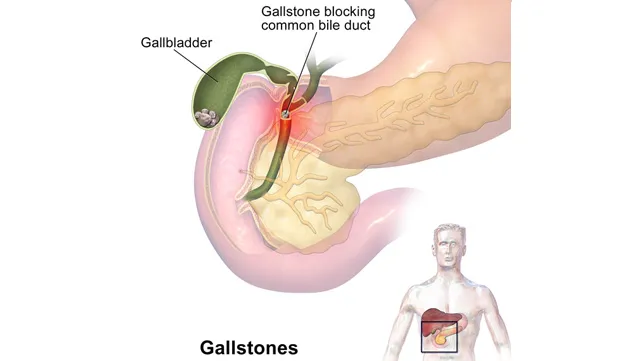
Gallstones can be silent for a time but when they block the gallbladder or bile duct things can get bad quickly. You might feel pain, have a fever or turn yellow. You might even vomit a lot. According to Dr. Nikunj Jain, gastro surgeon in Indore, it is very important to get it checked on time because if you wait the infection or inflammation can get worse.
What Makes Gallstones Complicated?
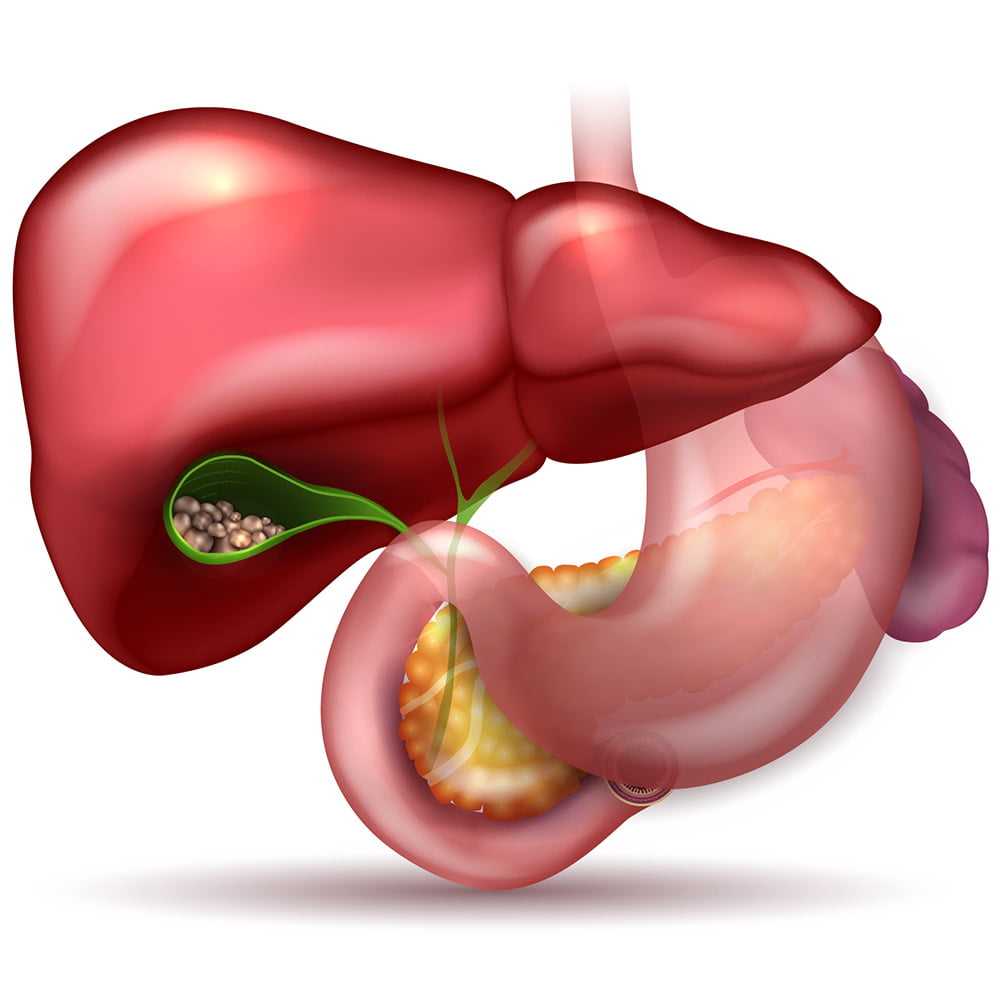
Gallstones are like rocks that form inside the gallbladder. A lot of people have them and they do not even know it. The problem starts when one of these rocks gets stuck and blocks the bile from flowing
When this happens you might feel a pain in the upper right or middle part of your belly.
This pain can also go to your right shoulder and it often happens after you eat a big meal.
If the blockage does not go away it can cause an infection, make your gallbladder swell or even damage the bile duct or the pancreas.
Acute Cholecystitis
Acute cholecystitis is when your gallbladder gets inflamed usually because a stone is blocking it and the pain can last for hours and it does not go away quickly. You might also have a fever, feel sick, vomit and be tender under your ribs.
This condition usually requires you to go to the hospital, where you can get pain relief, fluids and sometimes antibiotics. Often the doctor will advise you to have your gallbladder removed once you are stable. Having the surgery on time helps prevent attacks of pus from forming or your gallbladder from getting damaged.
Stones in the Common Bile Duct
Sometimes a stone can move from the gallbladder and get stuck in the common bile duct. This can block the bile from flowing, make your skin or eyes turn yellow, your urine dark, your stools pale and you might feel itchy.
Bile duct stones often need to be removed through a procedure called ERCP. During this procedure, a flexible camera is put through your mouth to reach the bile duct and remove the stone. Usually after the stone is removed, you will need to have your gallbladder taken out to prevent another blockage.
Cholangitis and Gallstone Pancreatitis
When the blocked bile duct gets infected it is called cholangitis. You will know it because you will have a fever, chills, belly pain and turn yellow. You need to go to the hospital, get antibiotics and have the blockage cleared.
Gallstones can also block the duct and cause acute pancreatitis. This can give you belly pain that moves to your back. You might vomit so you need to be in the hospital so the doctors can watch you. Once the inflammation goes down you might need to have your gallbladder removed either during your hospital stay or soon after depending on how you’re feeling.
Warning Signs That Need Immediate Care
Severe gallstone pain that lasts for several hours or keeps returning
Fever or chills
Frequent or persistent vomiting
Yellowing of the skin or eyes
Increasing abdominal tenderness or swelling
Confusion, weakness, or feeling very unwell
Pain that becomes stronger or does not improve
Painkillers may provide temporary relief, but they cannot remove the blockage or treat an infection. Do not try to manage severe or recurring symptoms at home. Visit a hospital as soon as possible to check whether the gallbladder, bile duct, or pancreas has been affected.
How Doctors Decide Whether Surgery Is Urgent
The doctor decides if you need surgery away based on your symptoms and what they find when they examine your blood tests and scans. Often they start with an ultrasound. They also do tests to see if the bile duct or pancreas is involved. Sometimes they might do an MRCP or CT scan.
Urgent surgery does not always mean you have to have the operation right that minute. First the doctors might focus on controlling your pain, giving you fluids and treating any infection then they choose the time to do the laparoscopic gallbladder removal. If you are too sick for surgery you might need to have a drain put in your gallbladder.
What Happens During Gallbladder Surgery?
Gallbladder surgery is usually done by laparoscopic cholecystectomy.
Small cuts are made in the abdomen to remove the gallbladder using a camera and special tools.
Only removing stones is not enough, as stones may form again.
Open surgery may be needed if the gallbladder is severely inflamed or difficult to reach.
Surgery is usually advised for pain, fever, infection, jaundice, or bile duct blockage.
Consult Dr. Nikunj Jain for proper diagnosis and safe treatment planning.
FAQ’s
Q1. Do all gallstones require surgery?
No, gallstones that do not cause symptoms may not need immediate surgery. However, if they cause repeated pain, infection, jaundice or pancreatitis, gallbladder surgery may be advised. Dr. Nikunj Jain in Indore can evaluate the condition and recommend suitable treatment.
Q2. When do gallstones become an emergency?
Gallstones may become an emergency when they block the gallbladder or bile duct. Severe abdominal pain, fever, chills, vomiting, jaundice or increasing tenderness require immediate medical attention.
Q3. What are the symptoms of complicated gallstones?
Common symptoms include severe pain in the upper-right abdomen, fever, vomiting, yellowing of the skin or eyes, dark urine and pale stools. Some patients may also experience pain that travels to the back or right shoulder.
Q4. Can gallstones cause jaundice?
Yes, jaundice can occur when a gallstone blocks the common bile duct and prevents bile from flowing properly. Patients with yellow skin or eyes should consult a gallstone specialist in Indore without delay.
Q5. What is acute cholecystitis?
Acute cholecystitis is inflammation of the gallbladder, usually caused by a gallstone blocking its opening. It can lead to persistent abdominal pain, fever, nausea and vomiting and often requires hospital treatment.
Q6. Can gallstones cause pancreatitis?
Yes, gallstones can block the pancreatic duct and cause gallstone pancreatitis. This condition may lead to severe abdominal pain that spreads to the back, repeated vomiting and the need for hospital care.
Q7. What is ERCP, and when is it needed for gallstones?
ERCP is an endoscopic procedure used to remove stones trapped in the common bile duct. A flexible camera is passed through the mouth to reach the bile duct and clear the blockage before gallbladder surgery is planned.
Q8. How is gallstone disease diagnosed in Indore?
Gallstones are usually diagnosed through symptoms, physical examination, blood tests and an abdominal ultrasound. Dr. Nikunj Jain may also recommend MRCP or a CT scan if the bile duct or pancreas may be affected.
Q9. Is laparoscopic gallbladder surgery safe?
Laparoscopic gallbladder surgery is a commonly performed procedure in which the gallbladder is removed through small cuts. The safest approach depends on the amount of inflammation, the patient’s health and the complexity of the condition.
Q10. Where can I get treatment for complicated gallstones in Indore?
Patients with gallstone pain, jaundice, infection or bile duct blockage can consult Dr. Nikunj Jain in Indore. Timely diagnosis and treatment can reduce the risk of serious complications and help plan surgery safely.
When you’re grappling with the intense discomfort of gallstones, finding the right medical professional is paramount. Gallstones can disrupt your daily life with sudden, severe pain and potentially lead to more serious health issues if left untreated. Thankfully, if you’re in Indore, you’re in good hands. The city boasts some of the Top Gallstones Doctors in Indore, known for their expertise in diagnosing and treating this condition with precision and care.
Understanding Gallstones: Causes, Symptoms, and Risks
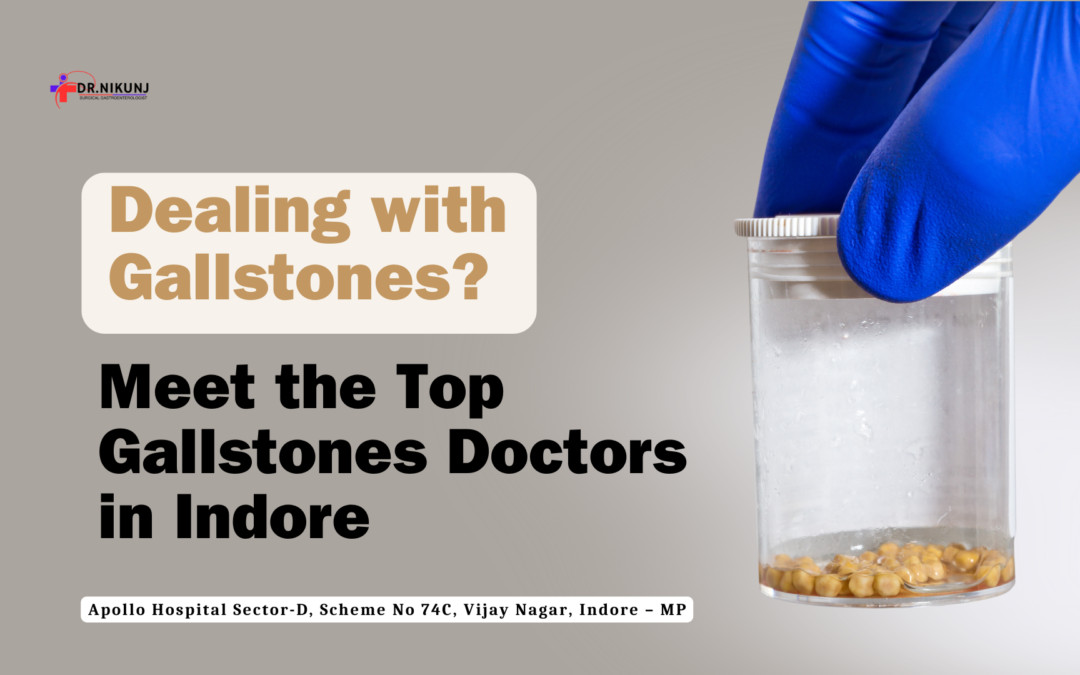
Before diving into the profiles of the top gallstones doctors in Indore, it’s essential to understand what gallstones are and why they occur. Gallstones are hardened deposits of digestive fluid that form in your gallbladder. They can range in size from as small as a grain of sand to as large as a golf ball. While some people with gallstones never experience symptoms, others might suffer from sudden, severe pain in the abdomen, nausea, vomiting, and even jaundice.
Risk factors for gallstones include obesity, a high-fat diet, a sedentary lifestyle, and a family history of the condition. Women, particularly those who are pregnant or using hormone replacement therapy, are also more susceptible. If you experience any of these symptoms, seeking professional advice is crucial, as untreated gallstones can lead to complications such as cholecystitis, pancreatitis, or bile duct obstruction.
Why Choose the Top Gallstones Doctors in Indore?
When it comes to gallstone treatment, the expertise of your doctor makes all the difference. The best gallstones doctors in Indore are not only highly qualified but also bring a wealth of experience and a compassionate approach to patient care. They employ advanced diagnostic tools and a range of treatment options, from medication to minimally invasive surgery, ensuring that each patient receives the most appropriate and effective care.
Meet Dr. Nikunj Jain: A Leading Gallstones Specialist in Indore
Among the top gallstones doctors in Indore, Dr. Nikunj Jain stands out for his exceptional skills and dedication to patient welfare. With years of experience in treating gallstones, Dr. Jain has helped countless patients reclaim their lives from the pain and discomfort associated with this condition.
Expertise and Diagnostic Approach
Dr. Nikunj Jain’s approach to gallstone treatment begins with a comprehensive diagnostic process. He utilizes state-of-the-art imaging technologies, including ultrasound and MRCP (Magnetic Resonance Cholangiopancreatography), to accurately identify the size, type, and location of gallstones. His attention to detail in diagnosing the root cause of the symptoms ensures that each patient receives a personalized treatment plan.
Depending on the severity of the condition, Dr. Nikunj Jain offers a range of treatment options. For patients with small, asymptomatic gallstones, he may recommend a watch-and-wait approach, coupled with lifestyle modifications to prevent future complications. For those suffering from significant pain or complications, Dr. Jain is skilled in performing both non-surgical and surgical treatments.
Non-Surgical Treatments: For some patients, medication can be an effective way to dissolve gallstones. Dr. Jain prescribes bile acid pills that gradually dissolve cholesterol stones over several months. This option is particularly suitable for patients who cannot undergo surgery due to other health conditions.
Surgical Treatments: When surgery is necessary, Dr. Jain specializes in minimally invasive techniques, such as laparoscopic cholecystectomy. This procedure involves the removal of the gallbladder through small incisions, leading to a faster recovery, less postoperative pain, and minimal scarring. Dr. Jain’s expertise in this procedure ensures that patients receive the highest standard of care with the best possible outcomes.
Patient Testimonials: Real Stories, Real Relief
The true measure of a doctor’s expertise lies in the satisfaction and relief experienced by their patients. Dr. Nikunj Jain has a track record of successful treatments, and his patients are eager to share their positive experiences.
One patient, Mrs. Shalini Verma, shares, “I had been suffering from excruciating pain for months due to gallstones. Dr. Jain not only diagnosed my condition quickly but also explained the entire process to me in a way I could understand. After my laparoscopic surgery, I felt like a new person. The recovery was swift, and I’m now completely pain-free.”
Another patient, Mr. Rakesh Gupta, states, “I was very anxious about undergoing surgery, but Dr. Jain’s calm demeanor and thorough explanations put me at ease. The surgery was a success, and I was able to return to work much sooner than I expected. I’m grateful for his expertise and care.”
Selecting the right doctor is crucial for effective treatment and peace of mind. When choosing a gallstones doctor in Indore, consider factors such as the doctor’s experience, patient reviews, the availability of advanced diagnostic and treatment options, and the overall comfort and communication style of the doctor.
Advanced Treatment Facilities in Indore
Indore’s medical landscape is equipped with cutting-edge facilities, ensuring that patients receive world-class care. Leading hospitals and clinics in the city offer a range of diagnostic and treatment options, including:
High-Resolution Imaging: To ensure accurate diagnosis, Indore’s top hospitals are equipped with high-resolution ultrasound machines and advanced MRI scanners.
Laparoscopic Surgery Units: Minimally invasive surgery is the gold standard for gallstone removal, and Indore’s hospitals boast fully equipped laparoscopic surgery units with highly trained staff.
Comprehensive Postoperative Care: After surgery, proper care and monitoring are crucial for a smooth recovery. Indore’s leading medical centers provide comprehensive postoperative care, including pain management, dietary counseling, and regular follow-up appointments to ensure the best outcomes.
Gallstones, if left untreated, can lead to serious complications. These can include inflammation of the gallbladder (cholecystitis), blockage of the common bile duct, or even pancreatitis, a potentially life-threatening condition. Early treatment not only alleviates pain but also prevents these complications, making it essential to seek medical attention at the first sign of symptoms.
Lifestyle Modifications for Gallstone Prevention
While genetic factors and certain medical conditions may predispose individuals to gallstones, lifestyle modifications can significantly reduce the risk. A diet low in saturated fats and cholesterol, regular exercise, and maintaining a healthy weight are crucial in preventing gallstone formation. Additionally, staying hydrated and incorporating plenty of fiber-rich foods into your diet can promote healthy digestion and reduce the risk of gallstones.
Treat Gallstones with diet
Increase Fiber Intake: Incorporate more fruits, vegetables, and whole grains into your diet to promote healthy digestion and prevent gallstone formation.
Reduce Fatty Foods: Limit consumption of fatty and fried foods to avoid triggering gallbladder attacks.
Maintain Healthy Weight: Focus on a balanced diet and regular exercise to reduce the risk of developing gallstones.
Stay Hydrated: Drink plenty of water to support overall digestive health and gallbladder function.
Avoid Rapid Weight Loss: Gradual weight loss is safer and helps prevent gallstone formation.
Consult a Healthcare Provider: For personalized dietary recommendations, seek advice from a medical professional.
List of foods you can eat with gallstones
High-fiber fruits and vegetables: Apples, pears, berries, leafy greens.
Whole grains: Brown rice, oats, whole-wheat bread.
Healthy fats (in moderation): Avocados, nuts, olive oil.
Hydration: Plenty of water to support digestion and gallbladder health.
Conclusion: Take Charge of Your Health
Gallstones can be a painful and disruptive condition, but with the right care, they can be effectively managed or even cured. The top gallstones doctors in Indore, including Dr. Nikunj Jain, offer the expertise, advanced treatments, and compassionate care needed to help you reclaim your quality of life. Don’t let gallstones control your life—reach out to one of these specialists today and take the first step toward relief.
FAQs
What are the most common symptoms of gallstones?
Common symptoms include severe abdominal pain, nausea, vomiting, and jaundice. If you experience any of these symptoms, it’s important to consult a doctor immediately.
How are gallstones diagnosed?
Gallstones are typically diagnosed using imaging tests such as ultrasound, MRI, or CT scans. These tests help doctors determine the size, type, and location of the gallstones.
What is the most effective treatment for gallstones?
The treatment depends on the severity of the condition. Small, asymptomatic gallstones may not require treatment, while larger or symptomatic stones may necessitate medication or surgery.
Is surgery always necessary for gallstones?
No, not always. Surgery is usually recommended for symptomatic gallstones or those causing complications. However, small, asymptomatic gallstones can sometimes be managed with medication or lifestyle changes.
How long does recovery take after gallstone surgery?
Recovery times vary depending on the type of surgery performed. Laparoscopic surgery typically allows for a quicker recovery, with most patients returning to normal activities within a week or two.
Can gallstones recur after treatment?
While gallstones can recur, the likelihood is reduced if the gallbladder is removed. For those treated with medication, lifestyle modifications can help prevent recurrence.