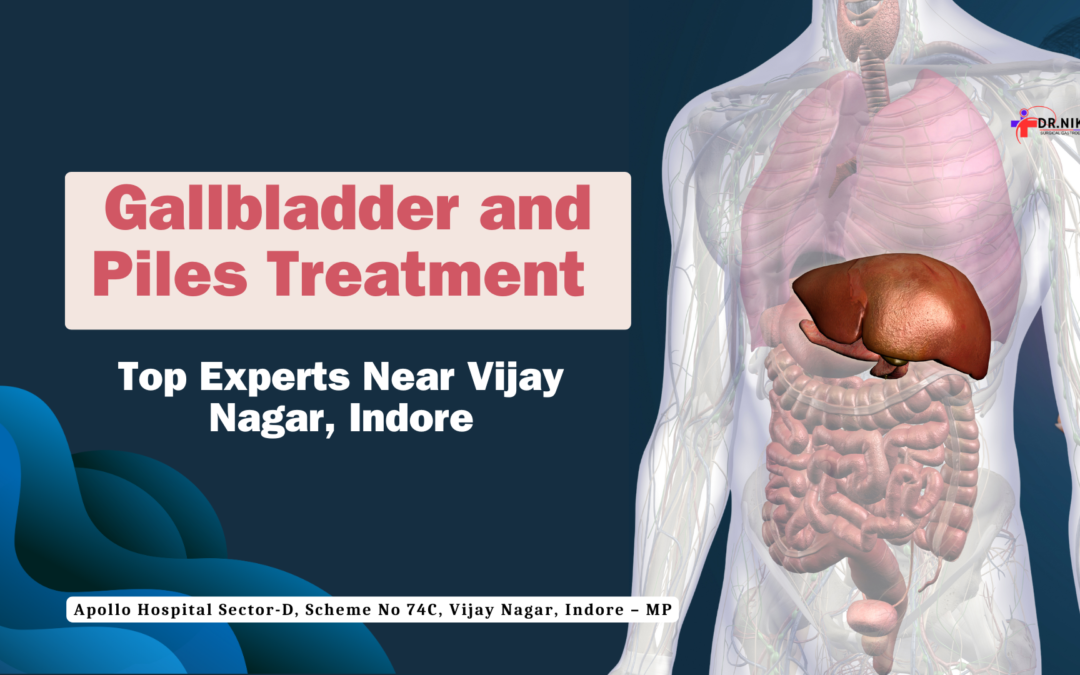
When it comes to managing health issues like gallbladder problems and piles, finding the right specialist is crucial. In the bustling neighborhood of Vijay Nagar, Indore, patients have access to some of the best medical experts who specialize in these conditions. This article delves into the top specialists for gallbladder and piles treatment near Vijay Nagar, Indore, highlighting their expertise, patient success stories, and why they are trusted by so many.
Understanding Gallbladder Issues and Their Treatment
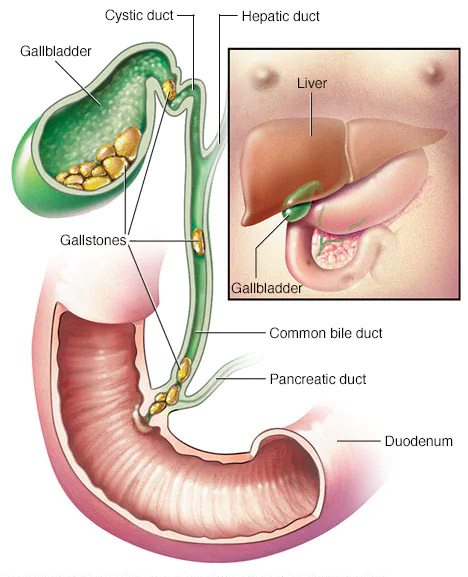
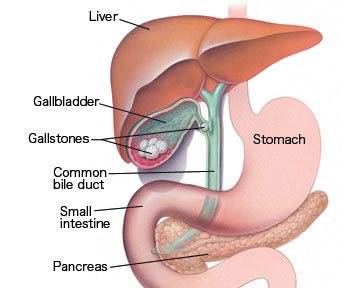
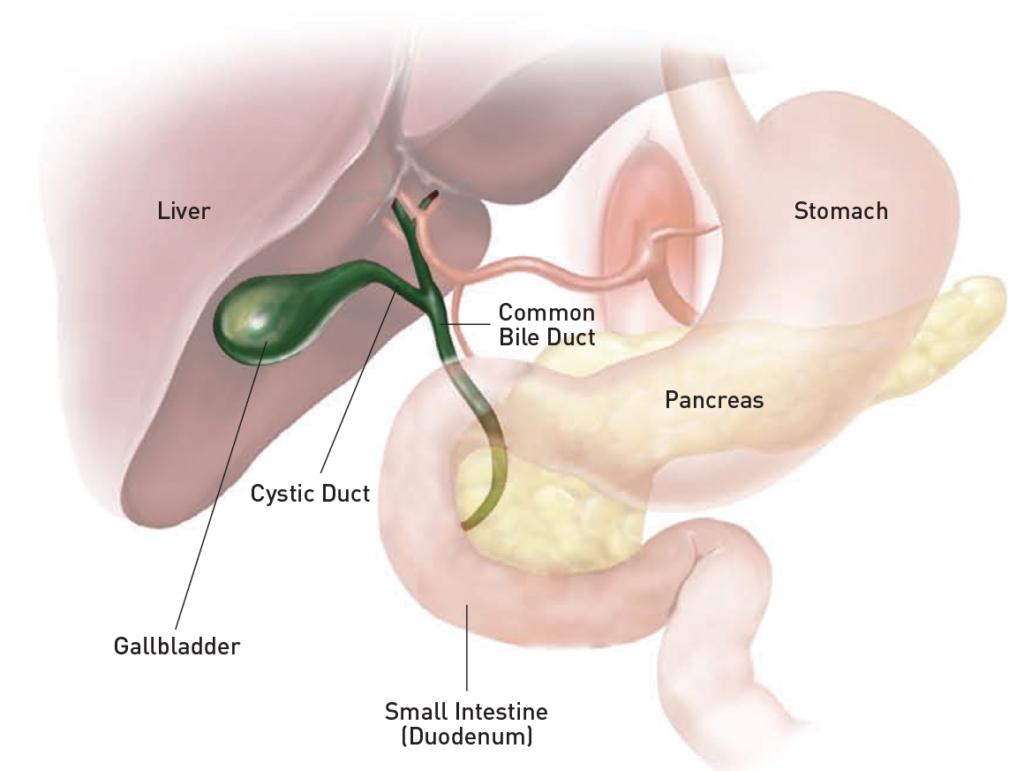
The gallbladder is a small organ that plays a significant role in the digestive system by storing bile produced by the liver. However, when issues arise—such as gallstones, inflammation, or infection—patients often experience severe pain and discomfort. Gallbladder problems can manifest in various ways, and understanding the symptoms is key to seeking timely treatment.
In Vijay Nagar, Indore, there are renowned specialists who excel in diagnosing and treating gallbladder issues. These experts use a range of diagnostic tools, including ultrasound and CT scans, to accurately identify the problem. Treatment options vary depending on the severity of the condition, but often include laparoscopic surgery—a minimally invasive procedure that has become the gold standard for treating gallbladder diseases.
Expert Gallbladder Surgeons Near Vijay Nagar, Indore
Among the leading specialists for gallbladder treatment in Vijay Nagar, Indore, Dr. Nikunj Jain stands out. With over 15 years of experience in laparoscopic surgery, Dr. Nikunj Jain has a stellar reputation for successfully treating complex gallbladder conditions. His patient-centric approach and meticulous surgical skills have made him one of the most sought-after gallbladder surgeons in the region.
Dr. Nikunj Jain, who specializes in treating gallstones and gallbladder inflammation. Dr. Nikunj Jain, conveniently located in Vijay Nagar, is equipped with state-of-the-art facilities, ensuring patients receive the best care possible. Her holistic approach to treatment, which includes dietary advice and lifestyle changes, has earned her glowing reviews from patients.
Piles Treatment: Top Specialist in Vijay Nagar, Indore
Piles, also known as hemorrhoids, are swollen veins in the lower rectum and anus, which can cause significant discomfort. Piles are a common issue, often linked to factors such as chronic constipation, pregnancy, or prolonged sitting. Symptoms include pain, bleeding during bowel movements, and irritation in the anal region.
Vijay Nagar, Indore is home to several experts who specialize in piles treatment. These specialists offer a variety of treatment options, from non-surgical methods like rubber band ligation and sclerotherapy to advanced surgical procedures such as hemorrhoidectomy.
Renowned Piles Specialists Near Vijay Nagar, Indore
Dr. Nikunj Jain is a leading name in piles treatment in Vijay Nagar, Indore. With a decade of experience, Dr. Jain is known for his expertise in minimally invasive procedures that reduce recovery time and discomfort for patients. His clinic is equipped with modern technology, allowing for precise diagnosis and effective treatment of piles.
Dr. Nikunj Jain, top specialist in Vijay Nagar, is known for her compassionate care and successful treatment outcomes. Dr. Nikunj Jain emphasizes a personalized approach, tailoring treatments to each patient’s specific needs. Her expertise in both surgical and non-surgical treatments makes her a trusted choice for those suffering from piles.
Patient testimonials are a testament to the expertise of specialists in Vijay Nagar, Indore. One patient, Ramesh Patel, shared his experience with Dr. Nikunj Jain’s gallbladder surgery. After suffering from recurring gallstones, Ramesh underwent laparoscopic surgery under Dr. Nikunj Jain’s care. He was amazed by the swift recovery and the absence of post-surgery complications, which he attributes to Dr. Nikunj Jain’s skill and attention to detail.
Similarly, Mrs. Kavita Sharma, who struggled with painful piles for years, found relief under Dr. Nikunj Jain’s care. She opted for a minimally invasive procedure, which Dr. Jain performed with precision. Kavita was back on her feet within days, and her quality of life has improved dramatically since the treatment.
Why Choose Specialists Near Vijay Nagar, Indore?
The proximity of these specialists in Vijay Nagar, Indore, is not just a convenience but a reassurance of quality care. The neighborhood is known for its healthcare facilities, and the presence of top experts in gallbladder and piles treatment makes it a preferred destination for patients. These specialists offer a combination of experience, cutting-edge technology, and a patient-first approach, ensuring the best outcomes for those who seek their help.
Moreover, the expertise available in Vijay Nagar means that patients do not have to travel far for high-quality treatment. Whether it’s a gallbladder issue or piles, the specialists in this area provide comprehensive care that covers diagnosis, treatment, and post-treatment follow-up.
One of the most critical factors in the successful treatment of gallbladder issues and piles is early diagnosis. Delaying treatment can lead to complications that make these conditions harder to manage. The specialists in Vijay Nagar, Indore, emphasize the importance of not ignoring symptoms and seeking professional help at the earliest.
For gallbladder problems, early intervention can prevent the need for more invasive surgery and reduce the risk of complications such as gallbladder rupture or severe infection. In the case of piles, early treatment can prevent the condition from worsening and avoid the need for more extensive surgery.
Comprehensive Care for Gallbladder and Piles
What sets the specialists in Vijay Nagar, Indore, apart is their commitment to comprehensive care. This approach ensures that patients receive not just treatment for their immediate condition but also guidance on how to prevent recurrence and maintain overall health.
For gallbladder patients, this might include dietary recommendations and lifestyle changes to reduce the risk of future gallstones. For those suffering from piles, experts provide advice on diet, exercise, and bowel habits to minimize the chances of recurrence.
Choosing the right specialist for gallbladder and piles treatment near Vijay Nagar, Indore, involves considering several factors. Patients should look for a specialist with a proven track record, relevant experience, and a patient-centered approach. Reading patient reviews and success stories can also provide insight into the quality of care offered by a particular doctor.
It’s also important to consider the facilities available at the specialist’s clinic. A well-equipped clinic with the latest technology can make a significant difference in the accuracy of diagnosis and the success of treatment.
Final Thoughts on Gallbladder and Piles Treatment Near Vijay Nagar, Indore
Gallbladder and piles are conditions that require expert medical attention, and the specialists near Vijay Nagar, Indore, are among the best in the field. Their expertise, combined with modern medical technology and a compassionate approach to care, ensures that patients receive the best possible treatment.
Whether you’re dealing with gallbladder issues or piles, you can trust the experts in Vijay Nagar to provide comprehensive, effective care that addresses both your immediate needs and long-term health. Their commitment to patient success is evident in the many positive testimonials from those who have undergone treatment under their care.
FAQs
What are the common symptoms of gallbladder issues?
Common symptoms include severe abdominal pain, particularly after eating, nausea, vomiting, and sometimes jaundice. If you experience these symptoms, it’s important to consult a specialist.
How is piles diagnosed?
Piles are usually diagnosed through a physical examination, which may include a rectal exam. In some cases, additional tests like anoscopy or colonoscopy might be recommended.
Is laparoscopic surgery safe for gallbladder removal?
Yes, laparoscopic surgery is considered the gold standard for gallbladder removal due to its minimally invasive nature, shorter recovery time, and lower risk of complications.
Can piles be treated without surgery?
Yes, early-stage piles can often be treated with non-surgical methods like lifestyle changes, medications, and minimally invasive procedures such as rubber band ligation.
How long does recovery take after piles surgery?
Recovery time varies depending on the type of surgery but typically ranges from one to two weeks. Most patients can return to normal activities within a few days.
Are gallbladder problems preventable?
While not all gallbladder problems are preventable, maintaining a healthy diet, staying active, and managing weight can reduce the risk of developing gallstones.
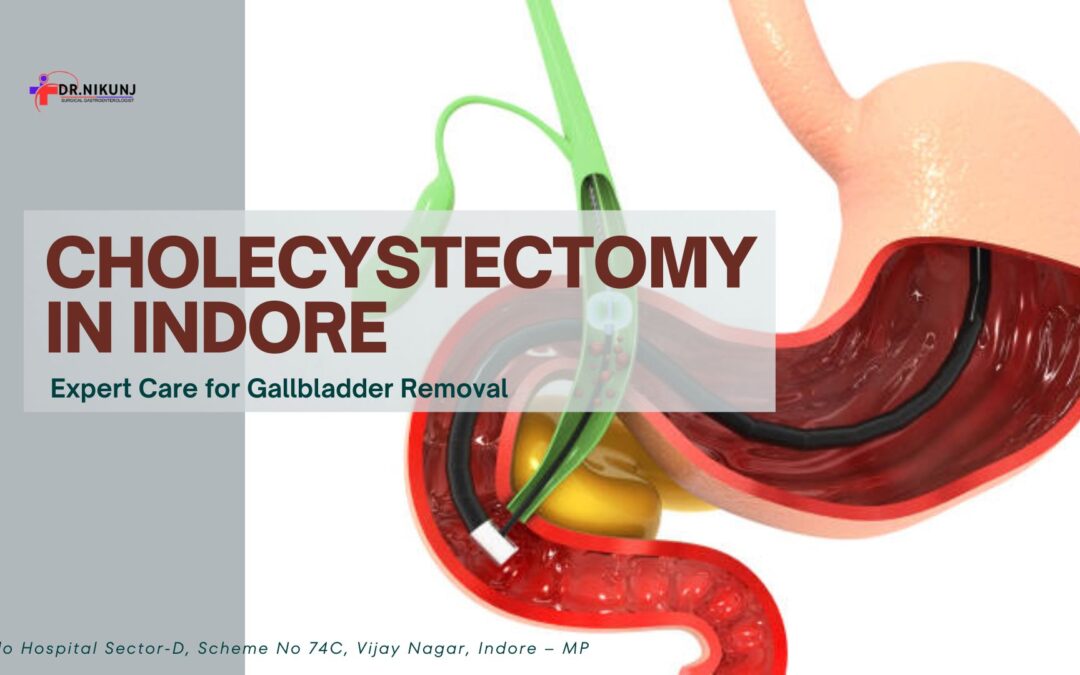
Cholecystectomy, the surgical removal of the gallbladder, is a common procedure performed to treat gallbladder diseases such as gallstones and cholecystitis. In Indore, patients have access to advanced surgical techniques and expert care, ensuring successful outcomes and swift recoveries. This detailed guide explores cholecystectomy in Indore, covering the procedure, its benefits, potential risks, and post-operative care.
Understanding Cholecystectomy
What is Cholecystectomy?
Cholecystectomy is a surgical procedure to remove the gallbladder, a small organ located beneath the liver. The gallbladder stores bile, a digestive fluid produced by the liver. Gallstones, inflammation, and other gallbladder conditions can cause significant pain and complications, necessitating the removal of the gallbladder.
Types of Cholecystectomy
Cholecystectomy, the surgical removal of the gallbladder, can be performed using various techniques. Each method is selected based on the patient’s specific condition, the presence of any complications, and the surgeon’s expertise. The two primary types of cholecystectomy are laparoscopic cholecystectomy and open cholecystectomy. This section delves into these methods in detail, highlighting their procedures, benefits, and when they are typically used.
Laparoscopic Cholecystectomy
Laparoscopic cholecystectomy is the most commonly performed method for gallbladder removal due to its minimally invasive nature. This technique involves several small incisions and the use of a laparoscope, a thin, flexible tube with a camera and light, to guide the surgery.
Procedure
Preparation and Anesthesia: The patient is administered general anesthesia to ensure they are unconscious and pain-free throughout the procedure.
Incisions: Four small incisions are made in the abdomen. Typically, one incision is near the navel, and the other three are made in the upper right abdomen.
Insertion of Laparoscope and Instruments: The laparoscope is inserted through one of the incisions, providing a magnified view of the internal organs on a monitor. Surgical instruments are inserted through the other incisions.
Dissection and Removal: The surgeon carefully dissects the gallbladder from the liver and bile ducts. Once free, the gallbladder is removed through one of the incisions.
Closure: The incisions are closed using sutures, staples, or surgical glue, and the patient is moved to a recovery area.
Benefits
Minimally Invasive: Smaller incisions result in less postoperative pain, reduced scarring, and a quicker recovery.
Shorter Hospital Stay: Most patients can go home the same day or after a short hospital stay.
Lower Risk of Infection: Smaller incisions reduce the risk of surgical site infections.
When is it Used?
Laparoscopic cholecystectomy is the preferred method for most patients requiring gallbladder removal, especially for those with uncomplicated gallstone disease, cholecystitis, or biliary dyskinesia.
Potential Risks
Bile Duct Injury: While rare, there is a risk of injury to the bile ducts during the procedure.
Bleeding and Infection: Although minimal, there is still a potential for bleeding and infection.
Open Cholecystectomy
Open cholecystectomy is the traditional method of gallbladder removal and involves a larger incision in the abdomen. This technique is often reserved for complex cases or when laparoscopic surgery is not feasible.
Procedure
Preparation and Anesthesia: As with laparoscopic cholecystectomy, the patient receives general anesthesia.
Incision: A single, larger incision (about 6-12 inches) is made in the upper right side of the abdomen.
Exposure and Dissection: The surgeon directly visualizes and accesses the gallbladder. The gallbladder is dissected from the liver and bile ducts.
Removal: The gallbladder is removed through the incision.
Closure: The incision is closed with sutures or staples, and the patient is moved to the recovery area.
Benefits
Direct Visualization: The larger incision allows for direct visualization of the surgical area, which can be beneficial in complex or inflamed cases.
Versatility: Suitable for patients with severe inflammation, extensive scarring from previous surgeries, or other anatomical challenges.
When is it Used?
Open cholecystectomy is typically used in cases where:
Severe Inflammation or Infection: Extensive inflammation or infection makes laparoscopic surgery difficult.
Complications: The presence of complications such as a perforated gallbladder or severe scarring.
Previous Abdominal Surgeries: Patients with significant adhesions from previous surgeries may require an open approach.
Potential Risks
Longer Recovery: Due to the larger incision, recovery time is longer compared to laparoscopic cholecystectomy.
Higher Risk of Complications: Increased risk of bleeding, infection, and hernia at the incision site.
Single-Incision Laparoscopic Surgery (SILS)
SILS is a variant of laparoscopic surgery where the procedure is performed through a single incision, typically at the navel. This technique aims to reduce scarring and improve cosmetic outcomes.
Procedure
Anesthesia: General anesthesia is administered.
Single Incision: A single small incision is made, usually at the navel.
Insertion of Instruments: A special port is used to insert the laparoscope and surgical instruments through the single incision.
Gallbladder Removal: The gallbladder is dissected and removed through the same incision.
Closure: The incision is closed with sutures or surgical glue.
Benefits
Cosmetic: Results in fewer and smaller scars compared to traditional laparoscopic surgery.
Reduced Pain and Recovery Time: Less postoperative pain and quicker recovery due to fewer incisions.
When is it Used?
SILS is used for patients who prefer minimal scarring and have uncomplicated gallbladder disease. It is suitable for elective cholecystectomy in otherwise healthy patients.
Potential Risks
Technical Challenges: The single incision can limit instrument movement and make the procedure technically more challenging.
Conversion to Multi-Incision: In some cases, additional incisions may be needed if complications arise.
Robotic-Assisted Cholecystectomy
Robotic-assisted cholecystectomy is an advanced form of laparoscopic surgery that uses robotic systems to enhance precision and control.
Procedure
Anesthesia: General anesthesia is given to the patient.
Incisions: Small incisions are made for the insertion of robotic arms and instruments.
Robotic System Setup: The surgeon operates from a console, controlling robotic arms equipped with surgical instruments.
Dissection and Removal: The gallbladder is carefully dissected and removed using the robotic system, which provides enhanced visualization and precision.
Closure: The incisions are closed with sutures or surgical glue.
Benefits
Enhanced Precision: Robotic systems provide greater control and precision, reducing the risk of complications.
Improved Visualization: High-definition, 3D visualization allows for better identification of anatomical structures.
Minimally Invasive: Similar benefits to traditional laparoscopic surgery, including smaller incisions and faster recovery.
When is it Used?
Robotic-assisted cholecystectomy is suitable for most patients who are candidates for laparoscopic surgery, particularly those who may benefit from enhanced precision due to complex anatomy or previous surgeries.
Potential Risks
Availability and Cost: Robotic systems are expensive and may not be available in all medical centers.
Technical Difficulties: Requires specialized training and experience for the surgeon.
Choosing the appropriate type of cholecystectomy depends on various factors, including the patient’s medical condition, the presence of complications, and the surgeon’s expertise. Laparoscopic cholecystectomy remains the preferred method for its minimally invasive nature and quick recovery. However, open cholecystectomy, SILS, and robotic-assisted cholecystectomy offer valuable alternatives tailored to specific patient needs. Understanding these options allows patients and healthcare providers to make informed decisions, ensuring the best possible outcomes for gallbladder removal.
Why is Cholecystectomy Performed?
Cholecystectomy is primarily performed to treat:
Gallstones: Solid deposits of digestive fluid that can cause pain, inflammation, and infection.
Cholecystitis: Inflammation of the gallbladder, often caused by gallstones blocking the bile ducts.
Biliary Dyskinesia: Abnormal gallbladder function causing biliary pain without stones.
Pancreatitis: Inflammation of the pancreas due to gallstones obstructing the bile ducts.
The Procedure
Preoperative Preparations
Before the surgery, patients undergo a thorough evaluation, including medical history, physical examination, and imaging tests such as ultrasound or CT scan. Blood tests and other diagnostics ensure the patient’s suitability for the procedure.
Laparoscopic Cholecystectomy
Anesthesia: The patient is given general anesthesia to ensure they are unconscious and pain-free during the surgery.
Incisions: Four small incisions are made in the abdomen to insert the laparoscope and surgical instruments.
Laparoscope Insertion: The laparoscope is inserted through one of the incisions, providing a magnified view of the gallbladder on a monitor.
Gallbladder Removal: The surgeon carefully detaches the gallbladder from the liver and ducts, then removes it through one of the incisions.
Closure: The incisions are closed with sutures or surgical glue, and the patient is moved to the recovery area.
Benefits of Laparoscopic Cholecystectomy
Minimally Invasive: Smaller incisions result in less postoperative pain and quicker recovery.
Shorter Hospital Stay: Most patients can go home the same day or after a short hospital stay.
Lower Risk of Complications: Reduced risk of infection and other surgical complications compared to open surgery.
Open Cholecystectomy
In cases where laparoscopic surgery is not possible, an open cholecystectomy is performed:
Incision: A larger incision is made in the upper right abdomen.
Gallbladder Removal: The gallbladder is removed through the incision.
Closure: The incision is closed with sutures, and the patient is moved to the recovery area.
Recovery and Aftercare
Recovering from a cholecystectomy involves a combination of medical care, lifestyle adjustments, and patience. Whether you undergo laparoscopic or open surgery, understanding the recovery process and following aftercare guidelines can help ensure a smooth and successful recuperation. This section provides detailed insights into the recovery timeline, pain management, dietary adjustments, activity restrictions, and long-term care after cholecystectomy.
Immediate Postoperative Care
Recovery Room and Hospital Stay
Monitoring Vital Signs: After surgery, patients are taken to a recovery room where their vital signs, such as heart rate, blood pressure, and oxygen levels, are closely monitored.
Pain Management: Pain medications are administered to manage postoperative pain. These may include intravenous or oral analgesics.
Nausea Control: Medications to control nausea and vomiting are provided as needed.
Laparoscopic Cholecystectomy
Shorter Hospital Stay: Most patients can go home the same day or within 24 hours after a laparoscopic cholecystectomy.
Recovery Time: The typical recovery period is about 1 to 2 weeks.
Open Cholecystectomy
Longer Hospital Stay: Patients usually stay in the hospital for 2 to 5 days following an open cholecystectomy.
Recovery Time: Full recovery may take 4 to 6 weeks.
Managing Pain and Discomfort
Pain Medications: Follow the prescribed pain medication regimen. Over-the-counter pain relievers like acetaminophen or ibuprofen may also be recommended.
Incision Care: Keep the surgical site clean and dry. Follow your surgeon’s instructions on how to care for the incisions and change dressings if necessary.
Rest: Ensure adequate rest, but also try to move around gently to prevent blood clots and promote healing.
Dietary Adjustments
Immediate Postoperative Diet
Clear Liquids: Start with clear liquids like water, broth, and clear juices.
Gradual Progression: Gradually introduce soft, bland foods such as toast, rice, bananas, and applesauce.
Long-Term Dietary Recommendations
Low-Fat Diet: Adopt a low-fat diet to avoid digestive discomfort. Limit fried foods, fatty meats, and high-fat dairy products.
Smaller, Frequent Meals: Eat smaller, more frequent meals to aid digestion and prevent overwhelming the digestive system.
Fiber Intake: Gradually increase fiber intake with foods like fruits, vegetables, and whole grains to prevent constipation.
Activity Restrictions and Gradual Resumption
Initial Restrictions
Avoid Strenuous Activities: For the first few weeks, avoid heavy lifting, vigorous exercise, and activities that strain the abdominal muscles.
Driving: Refrain from driving until you are no longer taking prescription pain medications and can move comfortably.
Gradual Resumption
Light Activities: Start with light activities such as walking, which can help prevent blood clots and improve circulation.
Return to Work: Depending on the nature of your job, you may return to work within 1 to 2 weeks for laparoscopic surgery or 4 to 6 weeks for open surgery. Desk jobs may allow for an earlier return than physically demanding work.
Long-Term Care and Lifestyle Changes
Digestive Adjustments
Monitoring Digestive Changes: Some patients experience changes in bowel habits after cholecystectomy, including diarrhea or bloating. These typically improve over time.
Probiotics: Consider adding probiotics to your diet to support digestive health.
Regular Follow-Ups
Postoperative Checkups: Attend all scheduled follow-up appointments with your surgeon to monitor your recovery progress.
Report Complications: Immediately report any signs of complications such as fever, severe pain, persistent nausea or vomiting, or signs of infection at the incision site.
Hydration and Healthy Eating
Stay Hydrated: Drink plenty of water to stay hydrated and support overall health.
Balanced Diet: Maintain a balanced diet rich in fruits, vegetables, lean proteins, and whole grains to promote healing and overall well-being.
Potential Complications and Warning Signs
Recognizing Complications
Infection: Signs of infection include redness, swelling, increased pain, or discharge at the incision site, as well as fever.
Bile Leak: Symptoms of a bile leak include severe abdominal pain, nausea, vomiting, and jaundice.
Blood Clots: Swelling, pain, and redness in the legs can indicate blood clots, which require immediate medical attention.
When to Seek Medical Help
Persistent Symptoms: If you experience persistent or worsening symptoms such as severe pain, fever, or difficulty breathing, contact your healthcare provider immediately.
Unexpected Changes: Report any unexpected changes in your recovery, including changes in bowel habits or digestive issues that do not improve over time.
Emotional and Psychological Recovery
Emotional Well-Being
Emotional Support: Seek support from family, friends, or support groups to help cope with the emotional aspects of recovery.
Mental Health: If you experience anxiety or depression during your recovery, consider speaking with a mental health professional.
Positive Outlook
Focus on Health: Emphasize the benefits of the surgery, such as relief from pain and prevention of future complications.
Celebrate Milestones: Celebrate recovery milestones and improvements in your health to maintain a positive outlook.
Recovering from a cholecystectomy involves a combination of medical care, lifestyle adjustments, and emotional support. Understanding the recovery process and following aftercare guidelines can significantly enhance your recuperation. Whether you undergo laparoscopic or open surgery, adhering to dietary recommendations, managing pain effectively, gradually resuming activities, and staying vigilant for potential complications are crucial steps in ensuring a smooth and successful recovery. With proper care and support, most patients return to their normal activities and enjoy improved health after gallbladder removal.
Choosing a Cholecystectomy Specialist in Indore
Expertise and Experience
Selecting a skilled and experienced surgeon is crucial for a successful cholecystectomy. Factors to consider include:
Board Certification: Ensure the surgeon is board-certified in general surgery.
Specialization: Look for surgeons specializing in laparoscopic and gastrointestinal surgery.
Track Record: Research the surgeon’s experience with cholecystectomy procedures and patient outcomes.
Hospital Facilities
Choose a hospital with advanced facilities and a reputation for excellence in surgical care. Key considerations include:
Technology: Availability of state-of-the-art laparoscopic equipment and surgical technology.
Support Staff: Experienced and compassionate nursing and support staff.
Postoperative Care: Comprehensive postoperative care, including pain management and rehabilitation services.
Patient Reviews and Testimonials
Patient reviews and testimonials provide valuable insights into the quality of care provided by the surgeon and hospital. Look for consistent positive feedback regarding:
Surgical Outcomes: Successful surgeries with minimal complications.
Patient Experience: High levels of patient satisfaction with the care received.
Follow-up Care: Effective postoperative support and follow-up.
Conclusion
Cholecystectomy in Indore offers patients advanced surgical options and expert care for gallbladder diseases. With minimally invasive techniques like laparoscopic cholecystectomy, patients can expect shorter recovery times, less pain, and excellent outcomes. Choosing the right surgeon and hospital is essential for a successful procedure and smooth recovery. By understanding the procedure, benefits, risks, and aftercare, patients can make informed decisions about their health and well-being.
FAQs
What is the recovery time for a laparoscopic cholecystectomy? Most patients recover within 1 to 2 weeks after laparoscopic cholecystectomy, with a gradual return to normal activities.
Are there any dietary restrictions after cholecystectomy? Initially, a low-fat diet is recommended, but most patients can gradually return to their regular diet without restrictions.
Can gallstones recur after cholecystectomy? Once the gallbladder is removed, gallstones cannot recur. However, bile duct stones can still form, though this is rare.
Is cholecystectomy safe for elderly patients? Cholecystectomy is generally safe for elderly patients, especially when performed laparoscopically, which minimizes surgical trauma and recovery time.
How soon can I return to work after cholecystectomy? Patients can usually return to light work within a week, but it may take 2 to 4 weeks to resume more physically demanding activities.
What are the signs of complications after cholecystectomy? Signs of complications include severe abdominal pain, fever, jaundice, or persistent vomiting. Contact your healthcare provider if you experience any of these symptoms.
Meet Your Doctor
The Best Laparoscopic Surgeon in Indore
Dr. Nikunj Jain is a renowned Gastro & Minimal Access Laparoscopic Surgeon.
He is a Surgical Gastroenterologist, Consultant Surgeon at Apollo Hospital, Indore having expertise in laparoscopic, Laser, and Robotic Surgery.
You can be confident that with Dr. Nikunj Jain your well-being is in the capable hands of a highly-skilled Minimally Invasive Laparoscopic & Robotic Surgeon. Dr. Nikunj Jain strives to treat his patients with an honest, straightforward, and caring nature in a safe and comfortable environment.
Dr. Nikunj Jain has been awarded Dr. B. Ramamurthi National Gold Medal by National Board of Examination.
Email your reports
drnikunjjain@gmail.com
Call Now to book Appointment
+91-97114-59697
Head Quarter Building
3rd Floor, Satya Sai Square, Vijay Nagar, Indore – MP