Gallbladder problems can cause a lot of pain, nausea and discomfort after eating. When gallstones or inflammation start to affect your life, surgery may be the best option. Dr. Nikunj Jain, best gallbladder surgeon in Indore, explains that understanding what the surgery is about can help reduce your worry and make you better prepared for the recovery process.
What is gallbladder removal surgery?
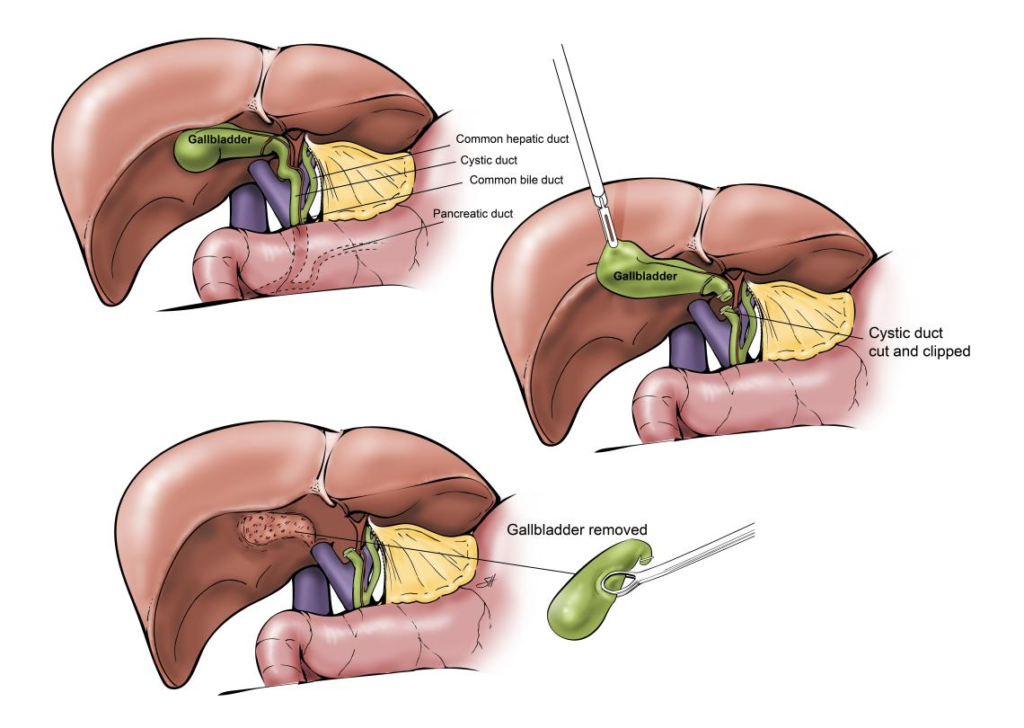
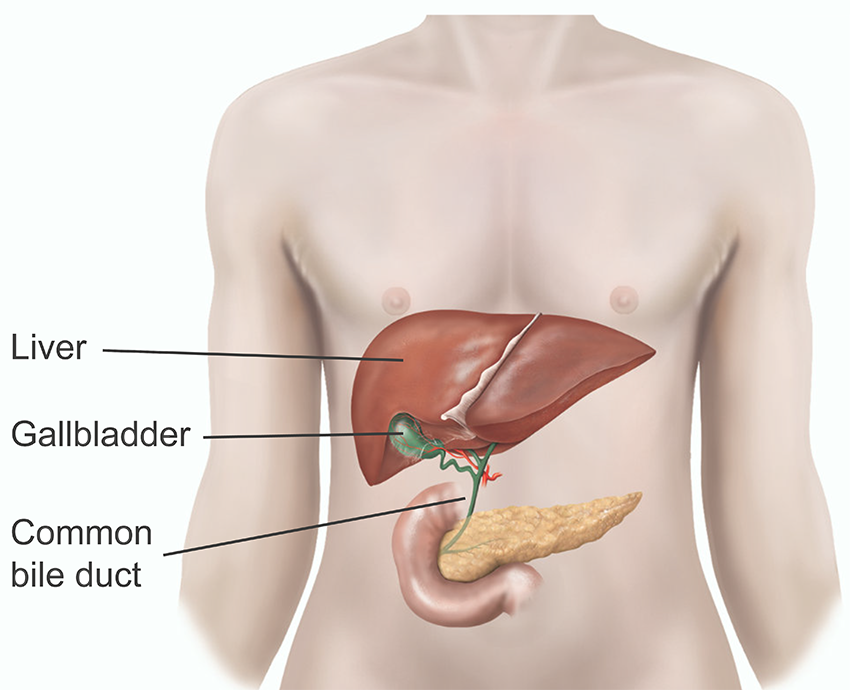
Gallbladder removal surgery is also known as cholecystectomy. The gallbladder is an organ that is located below the liver and it stores bile, which is a fluid that helps your body digest fats. Most people can live a life without their gallbladder because the bile still flows directly from the liver into the intestine.
Surgery is usually recommended when gallstones cause a lot of pain, infection, swelling, blockage of the bile duct or inflammation of the pancreas. Not all gallstones need to be treated and they can simply be monitored. If you have symptoms that keep coming back you should not ignore them.
How is the surgery done?
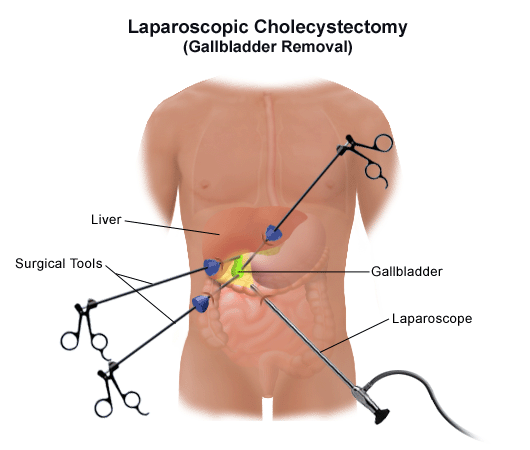
Most gallbladder surgeries are done using laparoscopic or keyhole surgery. The surgeon makes small cuts in your abdomen and inserts a thin camera with special instruments. The gallbladder is then carefully removed through one of these openings. The surgery is done under anesthesia, so you will be asleep and will not feel any pain. In some cases, such as inflammation or scar tissue the surgeon may need to do open surgery through a larger incision. This decision is made to keep you safe.
How to Prepare for the Surgery?
Before the surgery, your doctor may ask you to get some blood tests, scans and an anesthesia assessment done. You should tell your doctor about any health conditions you have, any allergies you may have and any medicines or supplements you are taking. You may need to stop taking medicines, especially those that affect blood clotting but only if your doctor tells you to.
You will also need to follow some fasting instructions. It is an idea to arrange for someone to take you home and have a family member stay with you for the first day.
What Happens on the Day of Surgery?
After admission to the hospital, the medical team will check your vital signs, including your blood pressure, pulse and temperature.
An intravenous line will be inserted to provide fluids and medicines.
You will be given anaesthesia so that you remain asleep and comfortable during the procedure.
The surgery is usually performed using the laparoscopic or keyhole method.
After surgery, you will be moved to a recovery area and monitored while you wake up from the anaesthesia.
You may experience abdominal pain, nausea, tiredness, bloating or discomfort in your shoulder after surgery.
Shoulder discomfort is common because gas is used to create space inside the abdomen during laparoscopic surgery.
Most patients undergoing laparoscopic surgery can go home on the same day or after an overnight hospital stay.
If open surgery is required, you may need to stay in the hospital for a longer period.
Recovery at home
You should rest, although you do not need to stay in bed all the time. Taking walks can help your circulation and may reduce stiffness and discomfort. You should keep your wounds clean and dry just like your doctor tells you to.
You can start eating meals and gradually go back to your normal diet. Eating portions may be more comfortable for the first few days. You should avoid eating oily or heavy food because it can cause bloating or loose stools while your body is adjusting.
Most people can go back to work within one or two weeks after laparoscopic surgery depending on how they feel and what their job’s. If you had surgery it will take longer to recover. You should not lift things, exercise too much or drive until your surgeon says it is safe.
Warning signs to watch out for
Some soreness and tiredness are normal. You should get medical help right away if you have certain symptoms. You should call your doctor if you have increasing pain, if you are vomiting all the time, if you have a fever, if your skin or eyes turn yellow, if your wound is swollen or leaking, if you are having trouble breathing or if you are unable to eat or drink.
Follow-up appointments with your surgeon are important so they can check how you are healing and give you advice on how to get to your normal activities. Dr. Nikunj Jain believes that you should not compare your recovery with someone Because everyone’s body is different and healing time can vary depending on the surgery and your overall health.
Life after gallbladder removal
Most people can go back to their routine and eat a balanced diet after they recover. Your liver will still produce bile so you can digest food without your gallbladder. Some people may notice some changes in their bowel habits especially after eating fatty meals. These changes usually go away as your body adjusts.
Conclusion
Gallbladder surgery can give you lasting relief from gallstone symptoms. Knowing what to expect during and after the surgery can help you feel more prepared and take an active role in your recovery. For advice and safe surgical care you should talk to the best gastro surgeon in Indore, Dr. Nikunj Jain and follow the advice given for your condition.
FAQ’s
Q1. What is gallbladder removal surgery?
Gallbladder removal surgery, also called cholecystectomy, is a procedure used to remove the gallbladder when gallstones, inflammation or infection cause repeated symptoms. It is commonly performed through laparoscopic or keyhole surgery.
Q2. When is gallbladder removal surgery required?
Surgery may be advised when gallstones cause frequent abdominal pain, nausea, vomiting, infection, jaundice or inflammation of the pancreas. Dr. Nikunj Jain, best gastro surgeon in Indore, can evaluate the symptoms and recommend suitable gallbladder treatment in Indore.
Q3. Is laparoscopic gallbladder surgery safe?
Laparoscopic gallbladder surgery is a commonly performed and generally safe procedure. However, every operation has certain risks. A proper medical evaluation helps the surgeon plan the procedure according to the patient’s health.
Q4. How long does gallbladder removal surgery take?
An uncomplicated laparoscopic gallbladder surgery may take around one to two hours. The exact duration can vary depending on inflammation, gallstone position, previous surgeries and the patient’s overall condition.
Q5. How many days of hospital stay are needed after gallbladder surgery?
Many patients can return home on the same day or after an overnight hospital stay following laparoscopic surgery. Patients undergoing open gallbladder surgery may need to remain in the hospital for a few additional days.
Q6. How long does recovery take after gallbladder removal surgery?
Most patients can return to light work within one or two weeks after laparoscopic surgery. Complete recovery may take longer, especially after open surgery. Dr. Nikunj Jain provides personalised recovery guidance to patients undergoing gallbladder surgery in Indore.
Q7. Can a person live normally without a gallbladder?
Yes, a person can live a normal and active life without a gallbladder. The liver continues to produce bile for digestion, but instead of being stored in the gallbladder, it flows directly into the intestine.
Q8. What foods should be avoided after gallbladder removal?
During early recovery, patients should limit fried, oily, spicy and high-fat foods. Smaller meals, light food, fruits, vegetables and adequate fluids may be easier to digest while the body adjusts after surgery.
Q9. Can gallstones return after gallbladder removal?
Gallstones cannot form inside the gallbladder after it has been removed. However, in rare situations, stones may develop or remain in the bile ducts. Persistent pain, fever or jaundice should be evaluated promptly.
Q10. Who should I consult for gallbladder removal surgery in Indore?
Patients experiencing recurring gallstone pain, vomiting, indigestion or gallbladder inflammation can consult Dr. Nikunj Jain for diagnosis and gallbladder removal surgery in Indore. Early consultation can help prevent serious complications.
Gallbladder removal surgery, medically known as a cholecystectomy, is a common procedure performed to treat gallstones and other gallbladder-related issues. While the idea of surgery can be daunting, understanding what to expect and how to prepare can help ease anxiety and ensure a smoother recovery. This essential guide will walk you through the process, from the moment you’re diagnosed to post-surgery recovery tips.
By the end of this article, you’ll have a clear understanding of why gallbladder removal may be necessary, what happens during the surgery, and how you can best prepare for a successful outcome.
What is Gallbladder Removal Surgery?
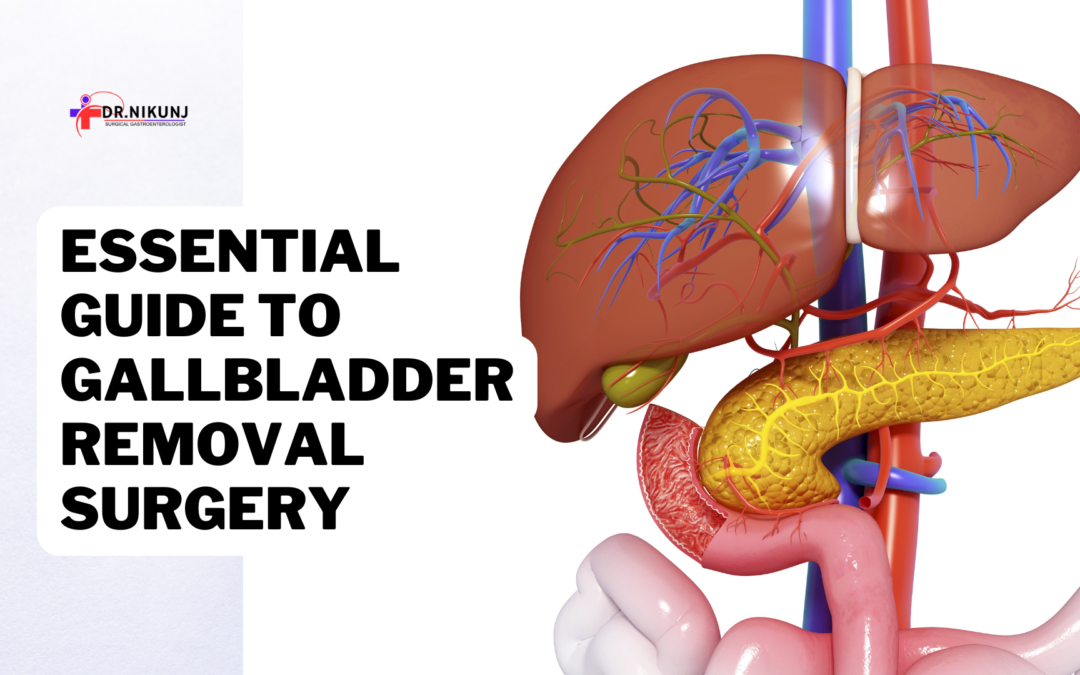
The gallbladder is a small organ located just under your liver, responsible for storing bile, which aids in digesting fats. Gallbladder removal surgery (cholecystectomy) is typically recommended for patients suffering from conditions like gallstones, inflammation, or gallbladder infections. These conditions can cause severe pain and digestive issues, and in some cases, the gallbladder must be removed to prevent further complications.
The surgery can be performed using two main methods:
Laparoscopic cholecystectomy: A minimally invasive procedure where small incisions are made, and the gallbladder is removed using a laparoscope (a thin tube with a camera).
Open cholecystectomy: A more traditional method where a larger incision is made in the abdomen to remove the gallbladder. This is usually done when laparoscopic surgery is not feasible due to complications.
Laparoscopic surgery is the preferred method due to its shorter recovery time and minimal scarring. However, your surgeon will decide the best approach based on your medical condition.
When is Gallbladder Removal Necessary?
Gallbladder removal surgery is often the best solution when patients experience chronic or acute gallbladder problems. The most common reasons for this procedure include:
Gallstones
Gallstones are hardened deposits of bile that can form in the gallbladder. They can block the bile ducts, causing sharp pain (often called a gallbladder attack), nausea, vomiting, and even jaundice.
Cholecystitis
Cholecystitis refers to inflammation of the gallbladder, often caused by gallstones. This can result in severe pain, fever, and infection. If left untreated, it can lead to serious complications like rupture or abscess formation.
This condition occurs when the gallbladder does not function properly, leading to digestive issues, nausea, and pain after eating fatty meals. Surgery is often recommended when non-surgical treatments fail.
Choledocholithiasis
In this condition, gallstones move from the gallbladder into the bile ducts, causing blockages. This can lead to infection and liver damage if not treated promptly.
If you’re experiencing any of these issues, your doctor may recommend gallbladder removal surgery to alleviate symptoms and prevent further complications.
What to Expect Before Gallbladder Removal Surgery
Understanding the preoperative process is crucial for a smooth surgical experience. Here’s what you can expect in the days leading up to your procedure:
Preoperative Testing
Before surgery, your doctor will perform several tests to ensure you’re in good health and that the procedure is safe. These tests may include:
Blood tests to check liver function and rule out infection
Imaging tests like an ultrasound or MRI to visualize the gallbladder and bile ducts
An electrocardiogram (EKG) to assess heart function
If you’re on medications, such as blood thinners, your surgeon may advise you to stop taking them a few days before surgery to reduce the risk of bleeding.
Dietary Restrictions
You will likely be asked to refrain from eating or drinking after midnight on the day of your surgery. This is important to prevent complications with anesthesia during the procedure.
Arrangements for After Surgery
Since gallbladder removal surgery typically requires anesthesia, you’ll need someone to drive you home after the procedure. Make sure you arrange for a friend or family member to be there to assist you.
The Day of Surgery: What Happens During the Procedure?
On the day of your surgery, you’ll be admitted to the hospital or surgical center. Here’s what will happen:
1. Anesthesia
Gallbladder removal surgery is usually performed under general anesthesia, meaning you’ll be unconscious throughout the procedure. The anesthesiologist will monitor your vital signs and ensure you’re comfortable.
2. Surgery Duration
For a laparoscopic cholecystectomy, the surgery typically takes about 1 to 2 hours. If you’re undergoing an open cholecystectomy, the procedure may take longer due to the larger incision and more extensive work involved.
3. The Procedure
In a laparoscopic procedure, the surgeon will make three to four small incisions in your abdomen. A laparoscope will be inserted into one of the incisions to guide the surgeon in removing the gallbladder. The other incisions are used for instruments to detach the gallbladder and close the bile ducts.
In the open procedure, a larger incision is made under the ribs to access and remove the gallbladder.
4. Recovery Room
After surgery, you’ll be taken to a recovery room where nurses will monitor you as the anesthesia wears off. Most patients can go home the same day after a laparoscopic surgery. However, if you had an open procedure, you may need to stay in the hospital for a day or two.
How to Prepare for Gallbladder Removal Surgery
Proper preparation can make a big difference in your surgery and recovery. Here are some tips to help you get ready for your gallbladder removal surgery:
Follow Your Doctor’s Instructions
Your surgeon will provide specific instructions regarding medications, fasting, and what to bring to the hospital. Following these guidelines closely is important to avoid any complications during surgery.
Prepare for Recovery
Since you’ll need time to rest after surgery, it’s a good idea to set up a comfortable recovery area at home. Stock up on easy-to-digest foods, comfortable pillows, and entertainment to keep yourself occupied while you rest.
Wear Comfortable Clothing
On the day of surgery, wear loose, comfortable clothing that won’t press on your abdomen. You’ll appreciate this when you’re recovering, as the surgery site will be sensitive.
Arrange for Help
Even if you’re having a laparoscopic procedure, you’ll still need help at home for the first few days. Ensure someone is available to assist you with tasks like cooking, cleaning, and caring for children or pets.
What to Expect After Gallbladder Removal Surgery
Recovery times vary depending on whether you had a laparoscopic or open surgery. Here’s what to expect during your recovery:
1. Hospital Stay
After laparoscopic surgery, most patients can go home within a few hours. If you had an open surgery, expect to stay in the hospital for 1-3 days.
2. Pain Management
You may experience some abdominal pain and discomfort for a few days after surgery. Your doctor will prescribe pain medication to help manage this. It’s also normal to feel some shoulder pain after a laparoscopic procedure due to the gas used during surgery.
3. Activity Restrictions
In the first few days after surgery, you’ll need to take it easy. Avoid heavy lifting, strenuous activities, and driving for at least a week or until your doctor gives you the green light.
4. Dietary Adjustments
Without a gallbladder, your body will need time to adjust to digesting fats. In the weeks following surgery, stick to a low-fat, high-fiber diet to avoid digestive issues like diarrhea or bloating.
5. Follow-Up Appointments
Your surgeon will schedule follow-up appointments to monitor your recovery. It’s essential to attend these visits to ensure that your incisions are healing properly and that there are no complications.
What are the risks of gallbladder removal surgery?
While gallbladder removal surgery is generally safe, risks include infection, bile duct injury, bleeding, and digestive changes. However, these complications are rare.
How long is recovery after gallbladder removal?
Recovery from laparoscopic surgery typically takes 1-2 weeks, while open surgery may require 4-6 weeks.
Can you live without a gallbladder?
Yes, you can live without a gallbladder. The liver continues to produce bile, which flows directly into the small intestine. Some dietary adjustments may be necessary.
What foods should I avoid after gallbladder removal?
In the initial weeks after surgery, avoid high-fat, greasy, and spicy foods, which can be hard to digest.
Is gallbladder removal surgery painful?
You may experience some discomfort after surgery, especially around the incision sites. Pain is usually manageable with prescribed medications.
How soon can I return to normal activities?
Most patients can resume light activities within a few days after laparoscopic surgery, but avoid strenuous activities for at least a week or as advised by your doctor.