When someone first hears they might need hernia surgery, money worries hit hard. How much hernia surgery cost in india? Alongside the ache, there’s that emotional weight,can I afford it? How long to heal? Is it even needed? People seeing Dr. Nikunj Jain, hernia doctor in Indore, often say the fear of the unknown hurts more than the hernia itself. Getting the real cost scoop can ease that stress and help you decide with confidence.
Table of Contents
Is Hernia Surgery Safe?
A hernia occurs when an internal organ or tissue pushes through a weak spot in the surrounding muscle. It often begins as a small lump or mild discomfort but can gradually become painful, swollen, and potentially serious if left untreated.
Many people tend to ignore it, hoping it will resolve on its own or delaying treatment due to concerns about cost. However, hernias do not heal without medical intervention. In most cases, surgery is the safest and most effective treatment option. Understanding the approximate cost and the factors that influence it can help you plan better and avoid unnecessary delays. Timely treatment not only prevents complications but also ensures a quicker and smoother recovery.
Cost of Hernia Surgery
In India, hernia surgery runs from about ₹40,000 to ₹1,50,000. Fancier cases or top hospitals might nudge it higher. That covers Doctortor fees, hospital stay, anesthesia, OR time, and basic aftercare. Exact amount hinges on hernia type, method, your city, and hospital perks.
Factors Affecting Hernia Surgery Cost
Prices vary person to person. Key things:
Surgery Style: Old-school open one’s cheaper than keyhole (laparoscopic),but keyhole means quicker heal, tiny scars.
Hospital & City: Big-city spots with fancy setups charge more, but offer comfier stays, safer vibes, better recovery help.
How Bad It Is: Simple fix? Less cash. Tricky or repeat one? Takes longer, costs more.
Your Health Checks: Pre-op tests, other issues, extra monitoring add up.
Financial Stress Before Surgery
Healthcare decisions are not only financial, they are deeply emotional as well. Many individuals feel hesitant about spending on their own treatment, worry about the impact on their family, or feel uncomfortable discussing budget concerns with a doctor. This emotional pressure often leads to delays in seeking care. However, postponing treatment can result in increased pain, unexpected emergencies, and potentially higher medical expenses in the future.
The positive approach is to communicate openly with a trusted surgeon. Discussing treatment options, costs, insurance coverage, and recovery timelines can provide clarity and reassurance. This not only helps in making informed decisions but also brings peace of mind, allowing both the body and mind to heal effectively.
Insurance Coverage for Hernia Surgery
Many health insurance plans in India cover hernia surgery. In addition, government schemes and hospital-based financial programs can make treatment more accessible. It is always advisable to review your policy carefully and request a clear cost estimate in advance to avoid unexpected expenses.
Thoughtful financial planning helps reduce last-minute stress and allows you to focus on recovery without constant financial concerns.
Recovery and Long-Term Benefits
While the initial cost of surgery may seem significant, the long-term benefits are substantial. Timely and proper treatment enables you to return to your daily routine, work, and activities without pain or limitations.
Patients often describe a significant emotional and physical improvement after recovery, the freedom to move comfortably, without discomfort or fear, can be truly life-changing. Instead of adjusting your life around the condition, you regain confidence, mobility, and overall well-being.
Choosing the Right Hernia Surgeon
Price matters, but surgeon skill and vibe? Huge. A great one lays out options, costs, recovery straight,no fluff.
Patients with Dr. Nikunj Jain love the clear chats. Feeling heard? Makes saying yes to treatment fearless.
Conclusion
Understanding the cost of hernia surgery in India is not just about numbers, it is about making informed and thoughtful decisions for your health. Addressing concerns early, seeking the right guidance, and planning ahead can help you avoid complications and improve your overall quality of life. If you or a loved one are experiencing symptoms of a hernia, it is important to consult a qualified specialist. Experts like Dr. Nikunj Jain, a leading gastroenterologist and surgeon in Indore, can guide you through the diagnosis, treatment options, and cost planning with clarity and confidence. With the right support and timely care, you can move forward with peace of mind and focus on a safe and smooth recovery.
Can a hernia really come back after surgery? Hernia surgery feels like a huge win after all that nagging pain. You finally imagine sleeping soundly, moving without wincing, and jumping back into life. But then, during recovery, that nagging question creeps in: “What if it happens again?” It’s totally normal to worry about it,even if you don’t say it out loud. As Dr. Nikunj Jain tells his patients, facing this fear head-on is a big part of getting better, body and mind. This stage can feel confusing, relief on one side and quiet fear on the other. Many people become extra alert to every sensation and worry about doing something wrong. The truth is, recovery is as much about rebuilding trust in your body as it is about physical healing. With the right care, patience, and guidance, confidence slowly returns and daily life starts to feel normal again.
Table of Contents
Why Might It Come Back?
A hernia happens when a weak spot in your abdominal wall lets tissue or an organ poke through. Surgery fixes that weak spot and reinforces it, usually for the long haul. But stuff like slow healing, lifting something heavy too early, sudden weight gain, a nagging cough, or straining on the toilet can stress the repair and up the odds of it returning.
Modern surgery has slashed recurrence rates, but nothing’s 100% foolproof. That’s why sticking to your doctor’s aftercare tips is everything,it really protects your hard work. Simple habits like gradual activity, healthy eating, maintaining weight, and managing constipation or cough can quietly strengthen healing and lower chances of recurrence.
The Emotional Rollercoaster of Recovery
Right after surgery, you’re relieved but on edge. Your incision looks good, but you’re terrified of messing it up. Lots of folks get super careful,skipping bends, stretches, workouts, or even striding confidently,convinced one slip could undo it all.
That hyper-vigilance can chip away at your confidence. Everyday stuff starts feeling scary, and recovery drags on emotionally.
Rebuilding Trust in Your Body
Healing isn’t just about the stitches,it’s about trusting your body again. Docs usually say start slow: short walks, light chores, and ramp up from there to build muscle strength.
Lifestyle tweaks help too. Load up on fiber, drink plenty of water, keep your weight steady, and handle coughs or constipation to ease abdominal pressure. When you get these habits down, you feel empowered, not anxious.
How New Techniques Make It Easier
Laparoscopic repairs are game-changers,tiny incisions, less pain, faster bounce-back. It cuts the stress because you know the fix is solid and you’re back to normal quicker.
Can A Hernia Really Come Back After A Surgery? What If Yes?
Even with your best efforts, it can happen sometimes. Don’t beat yourself up,bodies heal differently, and some hernias are trickier. Great treatments exist for repeats. Just don’t ignore signs like a bulge, pain, or weird pulling,see your doc early to keep things from snowballing.
Lean on Support and Stay Positive
Family cheers and a good mindset go miles. Celebrate wins like heading back to work, safely grabbing light stuff, or easing into exercise. Stay in the loop with your doc, follow advice, and that worry fades into confidence.
Conclusion
Hernia surgery is your ticket to a pain-free, active life. Recurrence is possible, sure, but don’t let it steal your joy. Smart habits, check-ins, and patience keep most folks hernia-free and thriving. Dr. Nikunj Jain always says healing’s physical andemotional. Be patient, stay informed, and proactive,you’ve got this.
Hernia is a common health issue that affects people of all ages. Many patients delay treatment because they are afraid of surgery or unsure of what to expect. But with the right doctor and care, hernia treatment can be simple, safe, and life-changing. In Indore, one name that stands out in hernia surgery and treatment is Dr. Nikunj Jain , a highly trusted and experienced hernia doctor and surgeon known for compassionate care, expertise, and excellent patient outcomes.
Table of Contents
Who is Dr. Nikunj Jain?
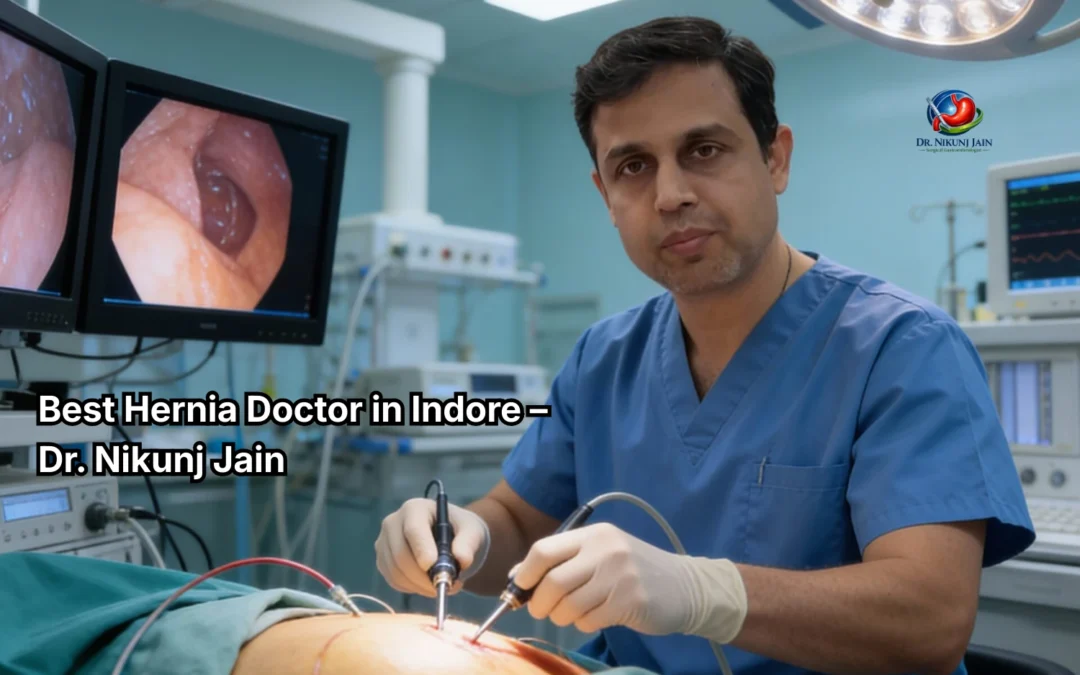
Dr. Nikunj Jain is one of the most respected hernia doctors and laparoscopic surgeons in Indore. With years of experience in treating all types of hernias , including inguinal, umbilical, femoral, and incisional hernias , he has helped thousands of patients return to a pain-free life. His approach combines modern surgical techniques with patient-centered care, ensuring comfort, safety, and quick recovery.
Understanding Hernia
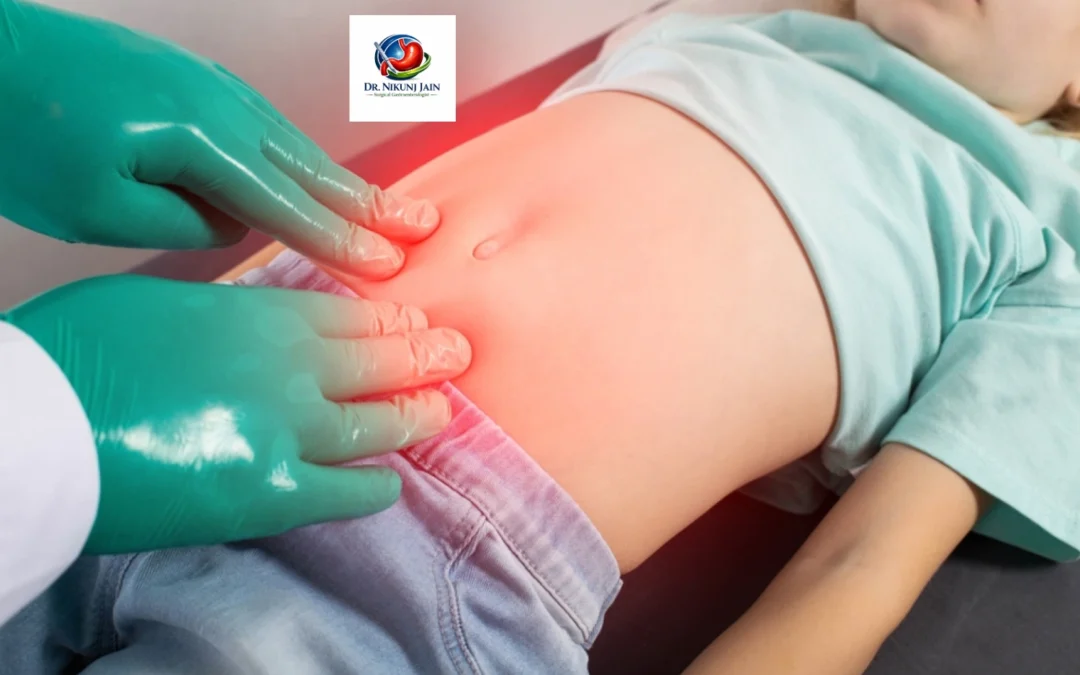
A hernia occurs when an internal organ or tissue pushes through a weak spot in the muscle or surrounding tissue wall. Hernias are most commonly seen in the abdomen, groin, or belly button area. Common symptoms include a visible bulge, pain or discomfort (especially when lifting, coughing, or bending), weakness, or a dragging sensation in the affected area.
Without treatment, hernias can get bigger and lead to serious complications like obstruction or strangulation of the trapped tissue. That’s why early diagnosis and professional care are so important.
Why Choose Dr. Nikunj Jain?
1. Expert in Hernia Diagnosis and Treatment
Dr. Jain has specialized training in diagnosing different types of hernias. He uses advanced imaging tools and conducts a thorough examination before recommending the best treatment plan. Whether your hernia is small and mild or large and painful,Dr. Nikunj Jain offers the most appropriate solution based on your condition.
2. Advanced Laparoscopic Surgery
One of the biggest strengths of Dr. Nikunj Jain is his expertise in laparoscopic hernia surgery. This minimally invasive technique uses small key-hole incisions, resulting in:
Less pain after surgery
Shorter hospital stay
Faster recovery time
Smaller scars
Lower risk of infection
For many patients, laparoscopic surgery is more comfortable and effective than traditional open surgery. Dr. Nikunj Jain’s precision and skill ensure that patients get the benefits of modern surgical care.
3. Personalized Care and Support
Every patient is unique, and Dr. Nikunj Jain treats them that way. From the first consultation to post-surgery recovery, he makes sure each patient understands their condition, treatment options, risks, and recovery plan. His friendly approach helps patients feel calm, informed, and confident in their care.
4. Focus on Safety and Comfort
Patient safety is always Dr. Nikunj Jain’s top priority. He follows strict surgical safety protocols, uses high-quality surgical materials, and ensures that all procedures are performed with maximum precision. Patients praise his attention to detail, compassionate bedside manner, and clear communication.
5. Excellent Patient Outcomes
The success stories of patients treated by Dr. Nikunj Jain speak for themselves. Many patients report:
Quick recovery
Little to no pain after surgery
Ability to return to daily life sooner
Long-term relief without hernia recurrence
These positive results have madeDr. Nikunj Jain one of the most recommended hernia surgeons in Indore.
Common Types of Hernias Treated
Dr. Jain treats various kinds of hernias, including:
Inguinal Hernia: Most common type, occurring in the groin area.
Umbilical Hernia: Happens near the belly button.
Femoral Hernia: Less common hernia that occurs in the upper thigh/groin.
Incisional Hernia: Occurs at the site of a previous surgical scar.
Hiatal Hernia: Part of the stomach pushes into the chest through the diaphragm.
No matter the type,Dr. Nikunj Jain’s expertise and surgical precision ensure the best treatment plan.
What to Expect During Treatment
Initial Consultation:Dr. Nikunj Jain reviews your symptoms and performs a physical exam.
Diagnosis: Imaging tests are done if needed (like ultrasound or CT scan).
Treatment Plan: Based on the hernia type and severity,Dr. Nikunj Jain discusses options , surgical or non-surgical.
Surgery (if required): Most patients undergo laparoscopic surgery.
Recovery & Follow-Up:Dr. Nikunj Jain guides patients through recovery and follow-up care to ensure proper healing.
Patient Experience and Support
Patients often share howDr. Nikunj Jain’s care changed their lives. Many say they felt supported every step of the way , before surgery, during treatment, and throughout recovery. His team also helps with scheduling, test preparation, and post-op guidance.
Conclusion
If you or someone you know is dealing with a hernia, choosing the right doctor makes all the difference. Dr. Nikunj Jain, best hernia doctor in Indore, is widely recognized as one of the best hernia doctors in Indore due to his advanced surgical skills, compassionate care, and successful patient outcomes.
Hernia doesn’t have to mean discomfort for life. With expert care fromDr. Nikunj Jain, patients can enjoy a smoother recovery and long-term relief. Whether it’s a small hernia causing mild discomfort or a larger problem affecting daily life,Dr. Nikunj Jain provides expert solutions, clear communication, and trusted care for every patient.
A hiatus hernia is a common digestive condition that can quietly affect daily comfort and long‑term health. Many people live with it for years without knowing, while others experience troublesome symptoms that interfere with eating, sleeping, and overall quality of life. Understanding what a hiatus hernia is, when treatment is needed, and how surgery can help is the first step toward lasting relief. This blog by Dr. Nikunj Jain– best hernia doctor in Indore, explains what hernia is, causes of hernia, symptoms of hernia and how hernia is treated.
Table of Contents
What Is a Hiatus Hernia?
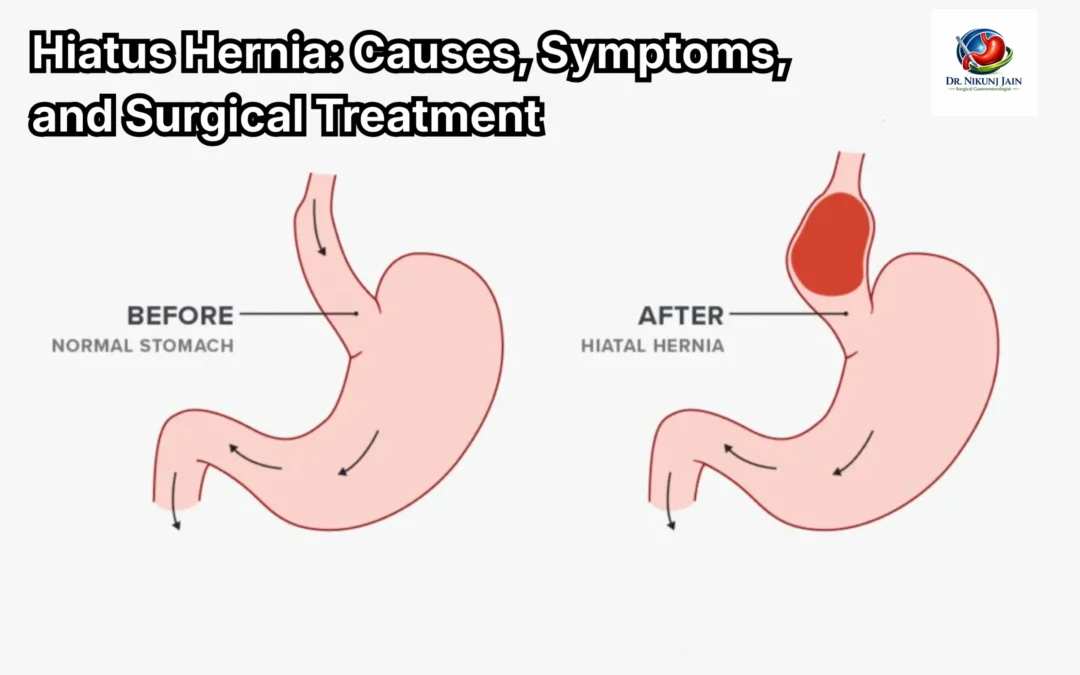
The diaphragm is a strong muscle that separates the chest from the abdomen and helps in breathing. There is a small opening in the diaphragm called the hiatus, through which the food pipe (esophagus) passes before connecting to the stomach. A hiatus hernia occurs when a part of the stomach slips up through this opening into the chest.
There are two main types:
• Sliding hiatus , the most common type, where the stomach moves up and down through the hiatus.
• Paraesophageal (rolling) hernia , less common but more serious, where part of the stomach pushes up beside the esophagus and stays there.
Common Causes of Hiatus Hernia
A hiatus hernia can develop due to increased pressure inside the abdomen or weakness in the diaphragm muscles. Common causes include:
• Aging and muscle weakness • Obesity or sudden weight gain • Chronic coughing or sneezing • Heavy lifting or straining • Pregnancy • Long‑term constipation
In many cases, there is no single cause, but a combination of factors.
Symptoms You Should Not Ignore
Small hiatus hernias may not cause any symptoms. However, larger hernias often lead to acid reflux and related problems. Common symptoms include:
• Heartburn or burning sensation in the chest
• Acid reflux or sour taste in the mouth
• Difficulty swallowing
• Chest pain, especially after meals
• Bloating or frequent burping
• Shortness of breath (in severe cases)
If symptoms persist despite medication, medical evaluation is important.
How Is Hiatus Hernia Diagnosed?
Diagnosis is usually made through a combination of tests such as:
• Upper GI endoscopy
• Barium swallow X‑ray
• CT scan (in selected cases)
• Esophageal manometry or pH monitoring
These tests help confirm the type and severity of the hernia and guide treatment planning.
Non‑Surgical Treatment Options
For many patients, mild to moderate symptoms can be managed without surgery. Non‑surgical treatment includes:
• Lifestyle changes like weight loss and smaller meals
• Avoiding spicy, oily, and acidic foods
• Not lying down immediately after eating
• Elevating the head while sleeping
• Medications to reduce acid production
However, these treatments control symptoms but do not correct the hernia itself.
When Is Surgery Needed?
Surgery is advised when:
• Symptoms do not improve with medication
• There is severe acid reflux or esophagitis
• Complications like bleeding, ulcers, or narrowing of the food pipe occur
• Paraesophageal hernia is present
• Quality of life is significantly affected
In such cases, surgical repair offers long‑term relief and prevents complications.
Hiatus Hernia Surgery: What to Expect
Hiatus hernia surgery is most commonly performed using laparoscopic (keyhole) techniques. This minimally invasive approach involves small incisions, resulting in less pain and faster recovery.
The surgery typically includes:
• Pulling the stomach back into the abdomen
• Tightening the diaphragmatic opening
• Strengthening the valve between the esophagus and stomach (fundoplication)
The procedure usually takes 1,2 hours, and most patients are discharged within 1,2 days.
Recovery After Surgery
Recovery is generally smooth. Patients can expect:
• Mild discomfort for a few days
• Liquid or soft diet initially
• Gradual return to normal activities within 1,2 weeks • Full recovery in a few weeks
Following post‑operative dietary and lifestyle advice is essential for best results.
Why Choose Surgical Treatment?
Surgery provides a long‑term solution by correcting the anatomical problem rather than just controlling symptoms. Under the care of an experienced laparoscopic surgeon in Indore like Dr. Nikunj Jain, patients receive personalized treatment using advanced surgical techniques aimed at safety, comfort, and durable results.
Early consultation and timely treatment can prevent complications and help patients return to a comfortable, symptom‑free life. Hiatus hernia treatment by Dr. Nikunj Jain includes advanced laparoscopic surgery for acid reflux, heartburn, and long-term relief from symptoms.
A hernia is a common medical condition that many people ignore in the early stages and understanding hernia is very important. However, delaying treatment can lead to serious complications. Understanding what a hernia is, its types, symptoms, risks, and modern treatment options can help patients make timely and informed decisions for their health. As a highly skilled laparoscopic GI surgeon in Indore, Dr. Nikunj Jain specializes in modern hernia repair methods that prioritize faster healing, reduced pain, and improved patient comfort.
Table of Contents
Understanding Hernia
A hernia occurs when an internal organ or tissue pushes through a weak spot in the surrounding muscle or connective tissue. It most commonly affects the abdominal wall but can occur in other areas as well. Hernias do not heal on their own and usually worsen over time if left untreated.
Common Types of Hernia
Hernias are classified based on their location and cause. Some of the most commonly seen types include:
Inguinal Hernia: This is the most common type, especially in men. It occurs when part of the intestine or fat pushes through the lower abdominal wall into the groin area.
Umbilical Hernia: Seen around the belly button, this type is common in infants but can also affect adults, particularly due to obesity or multiple pregnancies.
Femoral Hernia: More common in women, this hernia appears just below the groin and has a higher risk of complications if untreated.
Hiatal Hernia: In this condition, part of the stomach pushes upward into the chest through the diaphragm, often causing acid reflux and heartburn.
Incisional Hernia: This can develop at the site of a previous surgical incision due to weakness in the abdominal wall.
Symptoms of Hernia
Symptoms may vary depending on the type and size of the hernia. Common signs include:
A visible bulge in the abdomen or groin area
Pain or discomfort while lifting, coughing, or standing for long periods
A feeling of heaviness or pressure in the affected area
Burning or aching sensation
Acid reflux or chest discomfort (in hiatal hernia)
In some cases, hernias may be painless initially, which is why they are often ignored until complications arise.
Risks of Ignoring a Hernia
Leaving a hernia untreated can be dangerous. Over time, the hernia may increase in size and cause severe pain. One of the most serious complications is strangulation, where the blood supply to the trapped tissue is cut off. This is a medical emergency and requires immediate surgery.
Other risks include bowel obstruction, infection, and reduced quality of life due to persistent discomfort and activity limitations.
When Should You See a Doctor?
If you notice a bulge, persistent pain, or discomfort that worsens with activity, it is important to consult a specialist. Early diagnosis allows for planned and safer treatment, avoiding emergency situations.
Laparoscopic Treatment for Hernia
Surgery is the only permanent solution for a hernia. Today, laparoscopic hernia surgery is considered one of the most advanced and patient-friendly treatment options.
Laparoscopic surgery is a minimally invasive technique performed through small incisions using a camera and specialized instruments. A surgical mesh is often placed to strengthen the weakened area and reduce the chances of recurrence.
Benefits of Laparoscopic Hernia Surgery
Smaller incisions and minimal scarring
Less post-operative pain
Faster recovery and return to daily activities
Shorter hospital stay
Lower risk of infection
Due to these advantages, laparoscopic repair is commonly recommended for suitable patients.
Recovery After Hernia Surgery
Most patients can resume light activities within a few days after surgery. Complete recovery typically takes a few weeks, depending on the type of hernia and the overall health of the patient. Following post-surgery guidelines, such as avoiding heavy lifting and maintaining a healthy weight, is essential for long-term success.
Conclusion
A hernia should never be ignored, even if the symptoms seem mild. Early evaluation and timely surgical treatment can prevent complications and help you return to a pain-free, active life. Choosing an experienced specialist and opting for modern minimally invasive techniques plays a key role in long-term success.
Dr. Nikunj Jain, Best Hernia Doctor in Indore, is known for his expertise in diagnosing and managing various types of hernias with advanced surgical techniques. With a patient-focused approach and emphasis on minimally invasive care, he ensures safe and effective outcomes.
If you or a loved one is experiencing symptoms of a hernia, consulting a qualified specialist at the right time can make all the difference.
Hernia and piles are common health conditions that can cause discomfort, pain, and interfere with daily life. Ignoring these problems can lead to serious complications. Thanks to modern laparoscopic surgery, patients can now enjoy safe, minimally invasive treatment with faster recovery. In Indore, Dr. Nikunj Jain is recognized as the best laparoscopic hernia & piles surgeon in Indore for his expertise, precision, and compassionate patient care.
Table of Contents
What is Laparoscopic Surgery for Hernia and Piles?
Laparoscopic surgery is a minimally invasive technique that uses small incisions and specialized instruments to treat hernia and piles. Unlike traditional open surgery, laparoscopic procedures offer several advantages:
Less post-operative pain and minimal scarring
Reduced risk of infection
Faster recovery and shorter hospital stay
Enhanced precision and better treatment outcomes
Why Choose Dr. Nikunj Jain?
Expertise in Laparoscopic Hernia & Piles Surgery
Dr. Jain has extensive experience in laparoscopic surgeries for hernia and piles. His precision, skill, and knowledge of the latest techniques make him a reliable choice for patients seeking high-quality care. With hundreds of successful surgeries, he ensures treatments are safe and effective.
Personalized Diagnosis and Treatment
Every patient’s condition is unique. Dr. Jain begins with a thorough examination and diagnosis before recommending any procedure. He designs a personalized treatment plan that addresses the specific needs of each patient, ensuring the best possible outcome.
Patient-Centered Care and Safety
Patient comfort and safety are top priorities for Dr. Jain. He explains every step of the procedure, recovery timeline, and precautions, making patients feel confident and supported throughout their treatment journey.
Key Advantages of Laparoscopic Hernia & Piles Surgery
Minimally Invasive Procedure with Faster Recovery
Laparoscopic surgery requires only small incisions, reducing pain and scarring. Most patients can resume their daily activities within a few days, unlike traditional surgery, which may require weeks of rest.
Lower Risk of Complications
The precision of laparoscopic surgery reduces the risk of infections, bleeding, and recurrence. Dr. Jain’s careful approach ensures a safe surgical experience for all patients.
Long-Term Relief from Hernia and Piles
This advanced procedure not only addresses the immediate problem but also reduces the chances of recurrence. Patients enjoy long-lasting relief and an improved quality of life.
Modern Facilities and Advanced Technology
Dr. Nikunj Jain performs all procedures in well-equipped hospitals with state-of-the-art laparoscopic instruments. These modern facilities allow:
High-precision surgeries
Strict hygiene and safety standards
Comfortable care throughout the treatment process
Patients benefit from advanced technology combined with Dr. Jain’s expertise, ensuring a smoother and safer experience.
Real Patient Experiences
Patients consistently praise Dr. Jain for his professionalism, skill, and compassionate care. Many have returned to their daily routines quickly, pain-free and confident. These success stories reinforce why he is considered the best laparoscopic hernia & piles surgeon in Indore.
How to Consult Dr. Nikunj Jain
If you are experiencing discomfort from hernia or piles, timely consultation is crucial. Book an appointment with Dr. Nikunj Jain to get an accurate diagnosis and a personalized treatment plan. Early intervention helps prevent complications and ensures faster recovery.
Conclusion
Choosing the right surgeon can make a significant difference in the success of your treatment. With his expertise in laparoscopic procedures, patient-first approach, and access to modern surgical facilities, Dr. Nikunj Jain stands out as the best laparoscopic hernia & piles surgeon in Indore. Take the first step toward a pain-free, healthier life today.
Don’t wait! Schedule your consultation with Dr. Nikunj Jain and experience expert laparoscopic treatment for hernia and piles in Indore.