

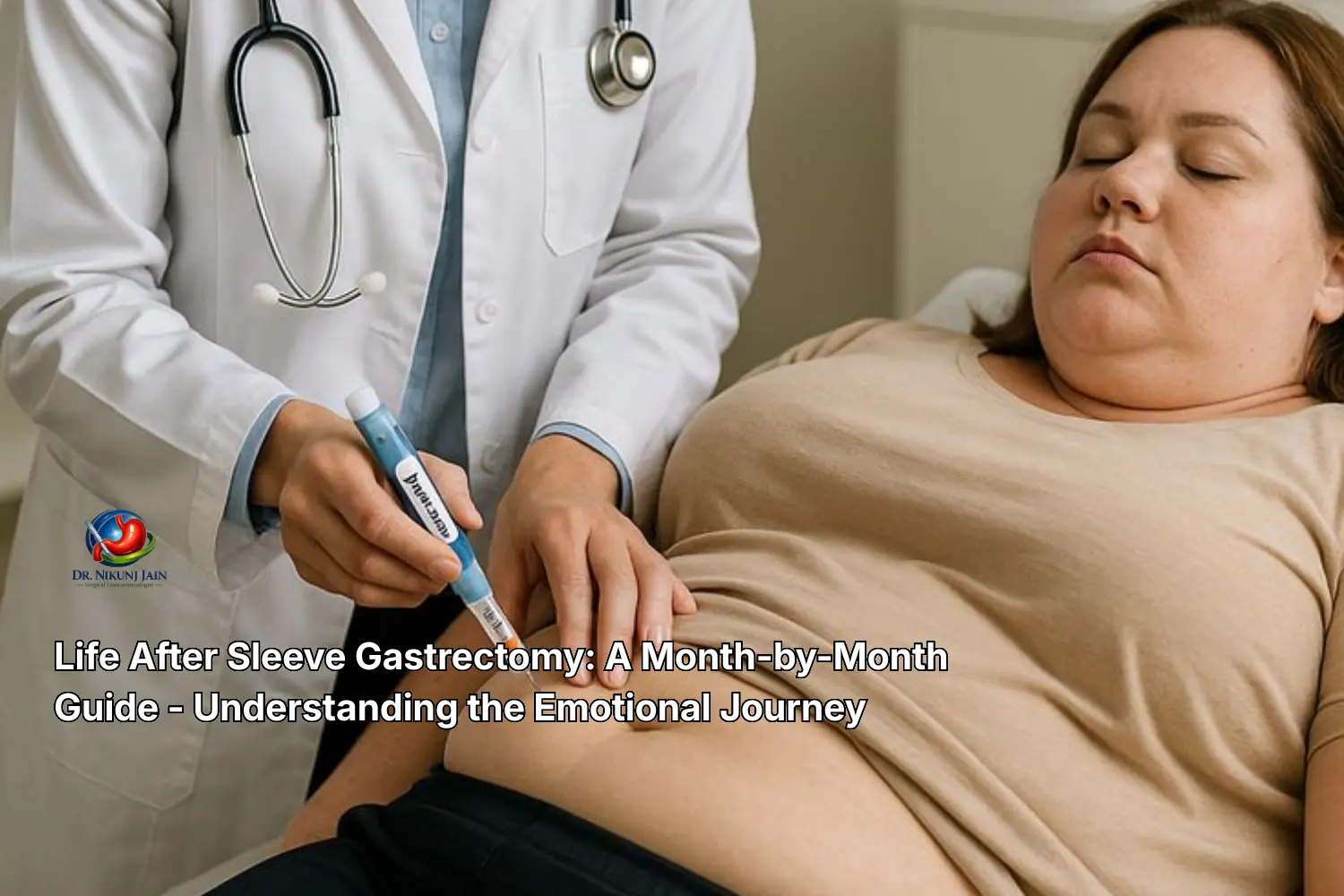
Sleeve gastrectomy is not just a physical transformation, it is a life-changing journey that impacts the mind and emotions as much as the body. While the procedure helps patients achieve significant weight loss and improved health, the emotional adjustment that follows is equally important. According to bariatric specialist Dr. Nikunj Jain, best gastro surgeon in Indore, understanding the psychological phases after surgery helps patients prepare better, stay motivated, and build a healthier relationship with themselves.
This month-by-month guide explores the emotional changes you may experience after sleeve gastrectomy and how to navigate them with confidence.
Table of Contents
Month by Month Recovery Guide
Month 1: Relief, Hope, and Adjustment
The first month is often a mix of excitement and recovery. Many patients feel relieved after taking a major step toward better health. Rapid initial weight loss can boost confidence and motivation.
However, this phase also comes with emotional challenges:
- Adjusting to a liquid or soft diet
- Missing favorite foods
- Feeling physically weak or tired
- Mood swings due to hormonal changes
It’s normal to feel overwhelmed. Staying connected with your healthcare team and focusing on small daily victories helps ease this transition.
Month 2: The Reality Phase
By the second month, the routine begins to settle. Weight loss continues steadily, and energy levels start improving. Emotionally, this is when reality sets in.
Some common feelings include:
- Frustration with dietary restrictions
- Fear of eating the wrong foods
- Social anxiety around dining with others
This is the time to develop healthy coping habits. Mindful eating, planning meals, and joining support groups can make a big difference.
Month 3: Confidence and Social Awareness
At three months, physical changes become noticeable. Clothes fit better, mobility improves, and compliments from friends and family become frequent.
While confidence grows, emotional adjustments may include:
- Increased attention from others
- Body image confusion (feeling “different” but not fully adjusted)
- Pressure to maintain results
This stage is about building self-acceptance and focusing on overall wellness rather than just numbers on the scale.
Month 4-6: Emotional Highs and Plateaus
Between the fourth and sixth months, weight loss may slow down, which can feel discouraging. Many patients experience a weight-loss plateau during this period.
Common emotional responses:
- Anxiety about progress slowing
- Fear of regaining weight
- Comparison with others’ results
This phase requires patience and consistency. Regular exercise, balanced nutrition, and celebrating non-scale victories like better stamina or improved health reports help maintain motivation.
Month 6-9: Identity Transformation
As weight loss becomes more significant, many patients experience a shift in self-identity. You may feel more energetic, socially active, and confident.
At the same time:
- Old emotional eating habits may resurface during stress
- Relationships may change as your lifestyle evolves
- You may start setting new personal or professional goals
Building emotional resilience is key. Counseling, journaling, or mindfulness practices can help maintain a positive mindset.
Month 9-12: Stability and Emotional Balance
By the end of the first year, most patients reach a more stable weight. Eating habits become routine, and lifestyle changes feel more natural.
Emotionally, this phase often brings:
- A sense of achievement
- Greater self-control and discipline
- Improved self-esteem
However, long-term success depends on consistency. Maintaining follow-ups, staying active, and continuing healthy eating habits remain essential.
The Emotional Factors No One Talks About
Beyond the monthly milestones, sleeve gastrectomy patients often experience deeper emotional changes:

1. Relationship with Food
Food shifts from comfort to nourishment. Learning emotional triggers and avoiding stress eating is crucial.
2. Body Image Adjustment
Even after weight loss, it may take time for your mind to accept your new appearance.
3. Social and Lifestyle Changes
Eating out, celebrations, and social gatherings require planning and confidence.
4. Mental Health Awareness
If feelings of anxiety, depression, or emotional struggle arise, seeking professional support is important.
Tips for Emotional Success After Sleeve Gastrectomy
- Follow regular medical and nutritional guidance
- Stay physically active to boost mood and energy
- Join bariatric support groups or communities
- Practice mindful eating and stress management
- Celebrate progress beyond weight, health, mobility, and confidence
Conclusion
Life after sleeve gastrectomy is a journey of transformation, physically, emotionally, and mentally. Understanding the emotional timeline helps patients stay prepared, patient, and positive throughout the process. With the right mindset, support system, and professional guidance from experts like Dr. Nikunj Jain, weight loss surgery expert, patients can achieve not just weight loss, but long-term confidence, emotional balance, and a healthier, happier life.
Leave a Reply